

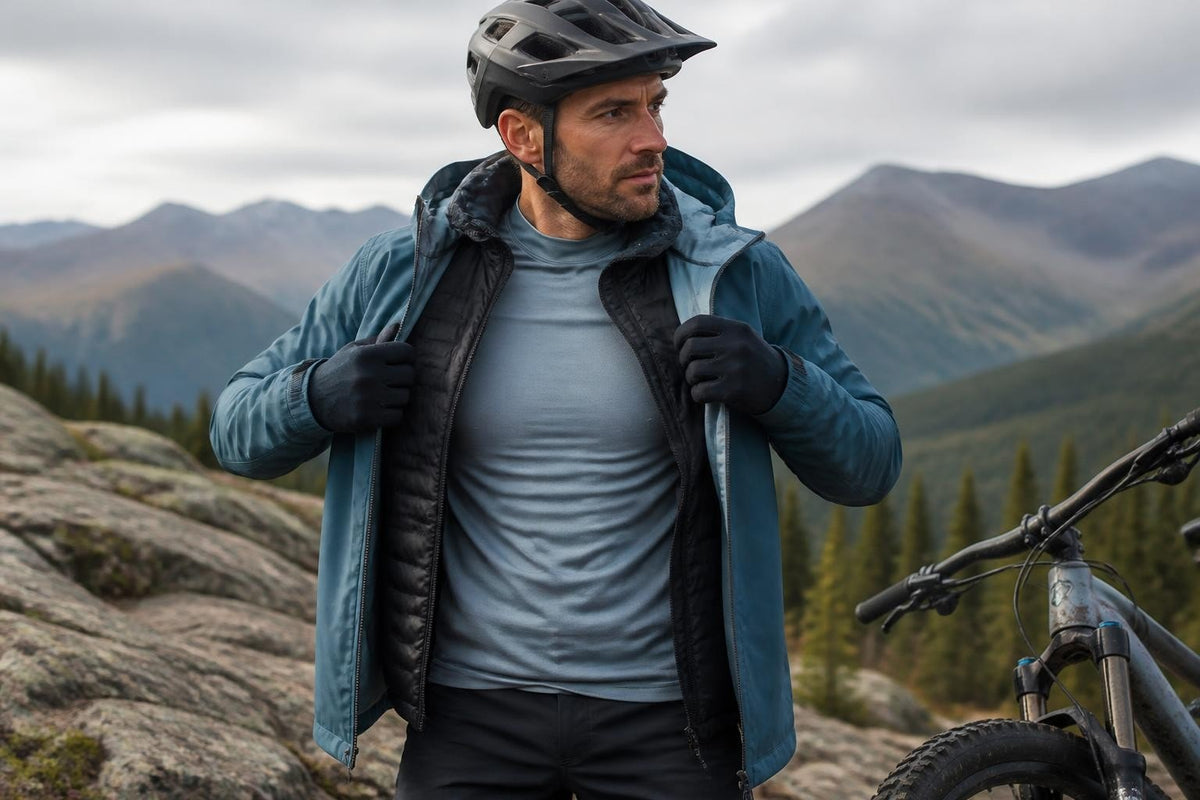
Mountain biking demands more from your clothing than nearly any other cycling discipline. The terrain changes constantly, speeds fluctuate from climbing grinds to descending sprints, and weather conditions shift without warning. Selecting the right mtb clothing mens gear means balancing protection, breathability, durability, and freedom of movement. Whether you're tackling technical singletrack, enduro stages, or cross-country racing, your apparel choices directly impact comfort, safety, and performance on the trail.
Understanding MTB-Specific Apparel Requirements
Mountain bike clothing differs fundamentally from road cycling kit. The upright riding position, increased abrasion risk from branches and crashes, and variable intensity levels create unique demands. Trail riders need looser cuts that accommodate body armor and allow unrestricted movement during technical maneuvers.
Fabric Technology and Performance
Modern mtb clothing mens designs leverage advanced textile engineering. Moisture-wicking fabrics pull perspiration away from skin during climbs, while strategically placed ventilation panels dump heat before descents. Nylon and polyester blends offer superior abrasion resistance compared to lightweight road fabrics, essential when sliding through tight sections or taking falls.
Key fabric properties for mountain biking:
- Four-way stretch for unrestricted movement
- Abrasion-resistant panels in high-wear zones
- Quick-drying construction to manage sweat
- DWR (durable water repellent) coatings for weather protection
- Antimicrobial treatments to control odor during long rides
The best mtb clothing mens options balance these properties without excess weight. A technical trail jersey should dry within minutes after a hard climb, shed light rain during sudden squalls, and survive repeated contact with bark and rocks.
Essential MTB Clothing Components
Building a complete mountain biking wardrobe requires understanding which pieces serve specific functions. Unlike road cycling's streamlined kit, trail riding demands a modular approach that adapts to conditions and terrain difficulty.
Jerseys and Upper Body
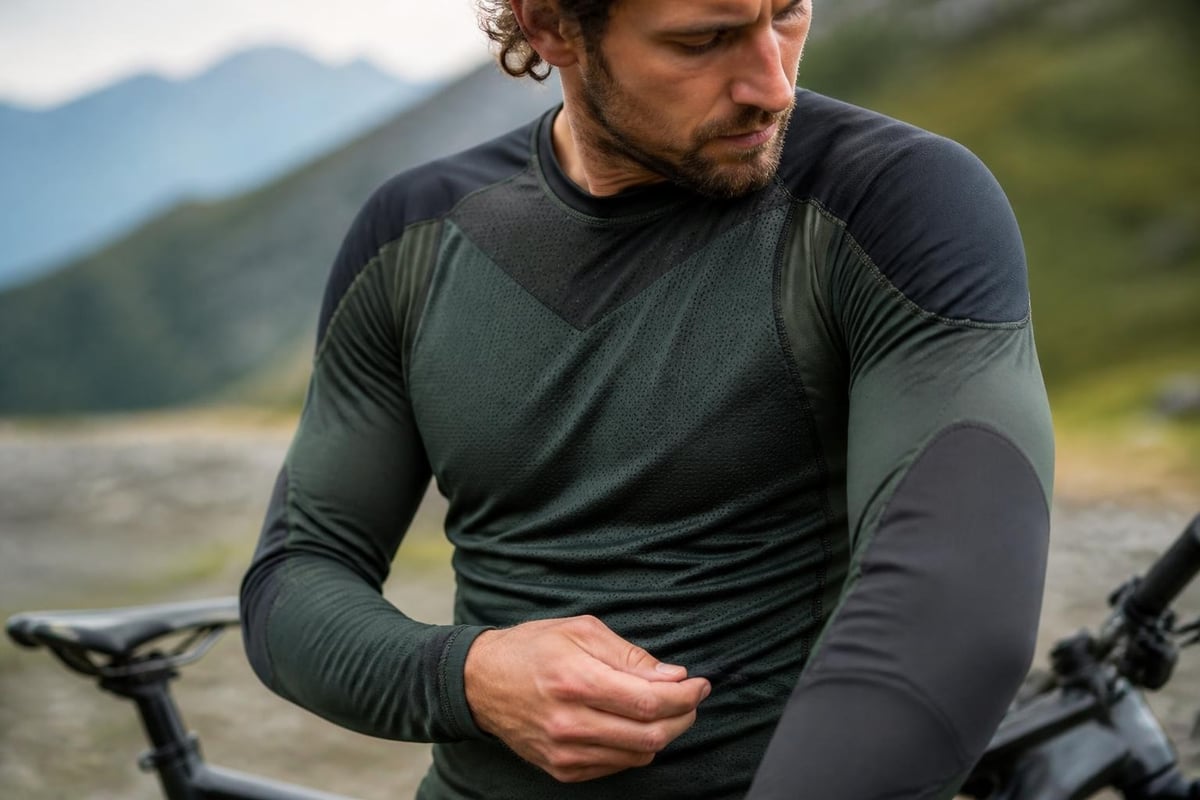
Mountain bike jerseys feature relaxed fits with extended tails for coverage in the riding position. Three-quarter or full-length sleeves protect arms from sun, scratches, and trail debris. Look for versions with zippered chest pockets sized for phones, tools, or energy food.
Premium options incorporate laser-cut ventilation, seamless construction in contact zones, and reinforced shoulders for hydration pack compatibility. According to BikeRadar's mountain biking clothing guide, proper jersey fit should allow comfortable movement without excess fabric catching on controls.
Jersey selection criteria:
| Feature | Benefit | Priority Level |
|---|---|---|
| Extended back panel | Prevents exposure when leaning forward | High |
| Zippered pockets | Secure storage for essentials | Medium |
| Odor control | Multi-day comfort on bike trips | Medium |
| Quick-dry fabric | Rapid moisture management | High |
| Reflective elements | Visibility in low light | Low |
Shorts and Lower Body Protection
Mtb clothing mens shorts represent perhaps the biggest departure from road cycling. Baggy trail shorts worn over padded liners provide durability, pockets, and a casual aesthetic. The outer shell resists tears and provides light weather protection, while removable chamois liners handle comfort.
Alternatively, knicker-length options or full-length pants suit cooler weather and technical terrain where leg protection matters more than ventilation. Quality shorts feature adjustable waistbands, reinforced seams, and strategically placed stretch panels at the hips and thighs.
Base Layers and Thermal Management
A proper base layer system transforms seasonal riding comfort. Lightweight merino or synthetic base layers worn under jerseys regulate temperature across wider ranges. In summer, a sleeveless base layer adds core moisture management without overheating. Winter demands long-sleeve versions with heavier weights.
Base layers work by creating a microclimate against skin. They move moisture outward while trapping insulating air. This dual function prevents the clammy feeling during climbs and dangerous cooling on descents.
Protective Gear and Armor Integration
Trail riding's inherent risks make protective equipment non-negotiable for many riders. Modern mtb clothing mens designs accommodate armor without compromising mobility or ventilation.
Impact Protection Standards
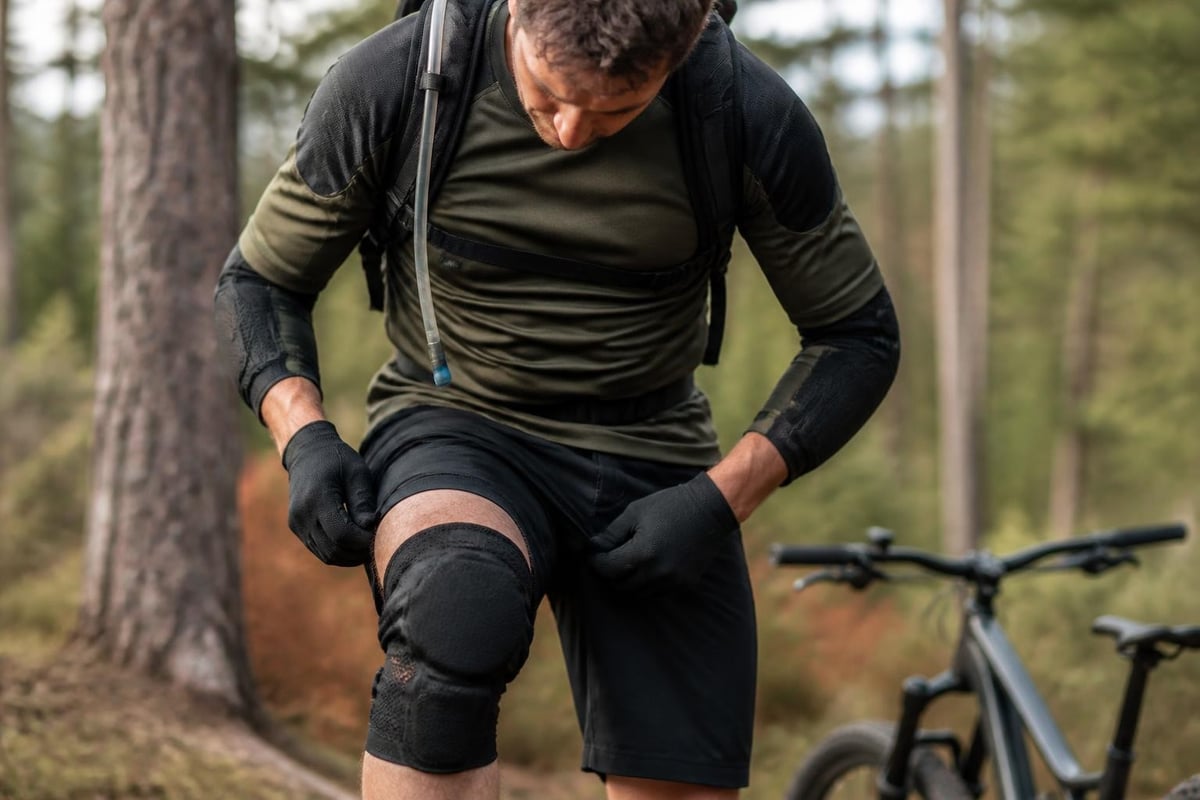
Knee and elbow pads designed for mountain biking meet EN 1621 impact protection standards, which specify minimum shock absorption levels. Level 1 protection suits general trail riding, while Level 2 offers enhanced coverage for enduro racing and bike park sessions.
Quality pads stay positioned during rides without excessive compression. Look for versions with moisture-wicking sleeves, ventilated hard shells, and low-profile designs that fit under shorts and jerseys.
Common protective gear options:
- Knee pads (full coverage or minimalist)
- Elbow guards (hard shell or soft foam)
- Hip and tailbone protection
- Chest protectors for downhill
- Back protectors (integrated or standalone)
Integrating Armor with Clothing
The best mtb clothing mens approach sizes garments to accommodate protection. Slightly looser jersey cuts allow shoulder and elbow pads underneath without restricting movement. Shorts with generous thigh openings work over knee guards.
Some riders prefer integrated protection, such as shorts with built-in hip pads or jerseys with shoulder reinforcement. These streamline the system but reduce flexibility to adjust protection levels for different trails.
Footwear and Lower Extremity Considerations
Choosing appropriate shoes and socks completes the mtb clothing mens system. Mountain bike footwear divides into flat pedal and clipless categories, each demanding different features.
Shoe Selection Strategy
Flat pedal shoes prioritize grip, durability, and walkability. Sticky rubber compounds bond with pedal pins, while reinforced toes survive rock strikes. Clipless mountain bike shoes balance pedaling efficiency with enough tread for hike-a-bike sections. Outside Online's mountain bike shoe guide provides detailed comparisons of both categories.
Flat vs. Clipless comparison:
| Aspect | Flat Pedal Shoes | Clipless Shoes |
|---|---|---|
| Learning curve | Minimal | Moderate |
| Off-bike comfort | Excellent | Good |
| Pedaling efficiency | Good | Excellent |
| Emergency dismount | Easier | Requires practice |
| Durability | Very high | High |
Technical Socks and Fit
Premium cycling socks deserve attention in any mtb clothing mens setup. Merino wool blends regulate temperature naturally while controlling odor during multi-hour rides. Compression zones support arches without restricting circulation. Proper sock height depends on conditions-crew length protects against trail debris, while low-cut versions maximize ventilation.
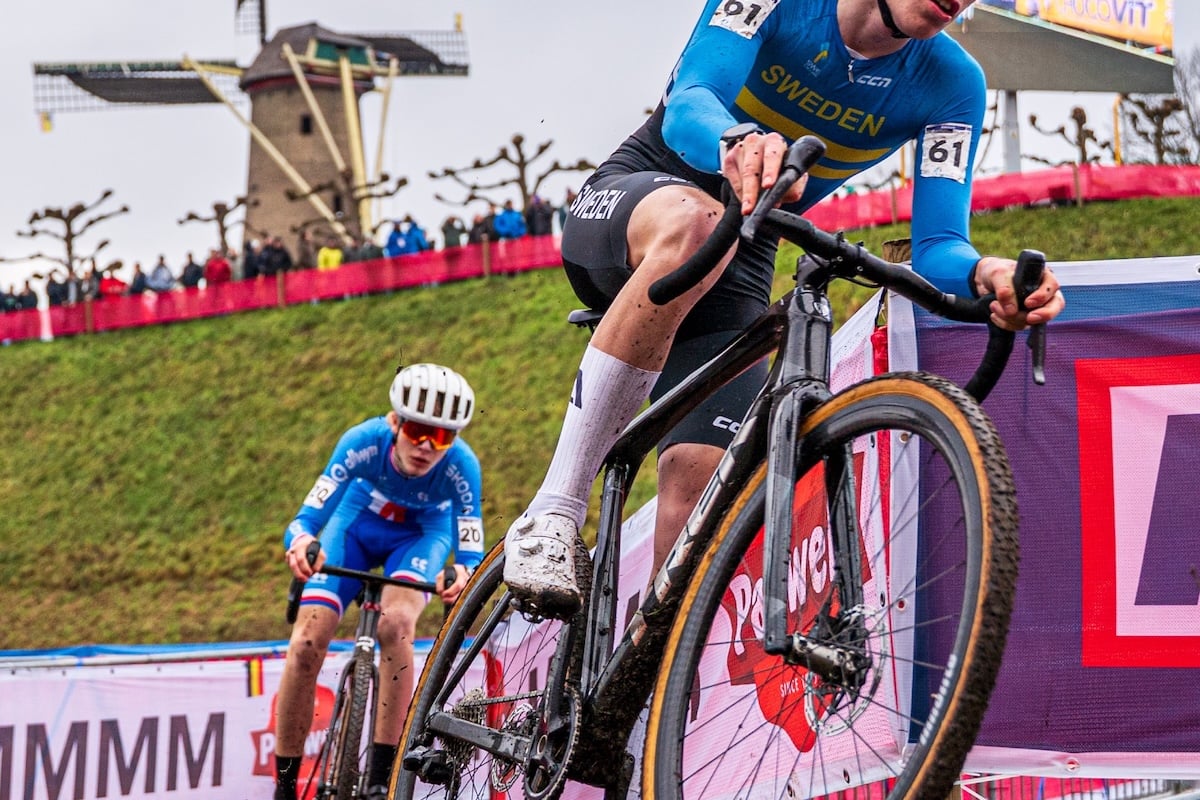
At CCN Sport, our advanced sublimation process creates custom designs that remain vibrant through countless wash cycles, making personalized team kits practical even for technical accessories like cycling gloves.
Weather-Specific Layering Systems
Mountain biking extends across seasons, demanding adaptable mtb clothing mens strategies. Building layering systems around a core set of pieces provides flexibility without requiring complete wardrobes for each season.
Summer Heat Management
Hot weather riding prioritizes ventilation and sun protection. Lightweight jerseys with aggressive mesh panels dump heat while protecting skin from UV exposure. Light-colored fabrics reflect solar radiation better than dark options.
Some riders opt for sleeveless jerseys or short-sleeve versions with arm covers that adapt to changing conditions. This modular approach handles cool morning starts and midday heat with a single kit.
Cold Weather Adaptation
Winter trail riding requires careful balance. Overdressing leads to sweat saturation and subsequent chilling, while inadequate insulation causes dangerous cooling. Start with a quality base layer, add an insulating mid-layer like a lightweight fleece or thermal vest, and finish with a windproof, water-resistant outer shell.
Cold weather layering principles:
- Base layer manages moisture against skin
- Mid-layer traps insulating air
- Outer shell blocks wind and precipitation
- Ventilation zips allow heat dumping on climbs
- Extremities need dedicated protection (gloves, shoe covers, caps)
Rain and Wet Conditions
Quality rain jackets designed for mountain biking feature aggressive ventilation to manage internal moisture. Pit zips, back vents, and breathable membranes prevent the plastic-bag effect of budget shells. Look for jackets with adjustable hems that stay positioned over shorts and extended sleeves that cover gloves.
Waterproof pants add lower body protection but trap significant heat. Many riders accept wet legs during moderate rain, saving full coverage for extended downpours or cold conditions where hypothermia risk increases.
Maintenance and Longevity Strategies
Proper care extends the lifespan of mtb clothing mens investments considerably. Technical fabrics require specific maintenance approaches to preserve performance properties.
Washing and Cleaning Protocols
Trail riding generates serious dirt, mud, and sweat. Pre-treat heavily soiled areas before washing to prevent ground-in stains. Use technical detergents like Nikwax Tech Wash that clean without damaging DWR coatings or breathable membranes.
Washing best practices:
- Close all zippers and fasten closures before washing
- Use cold or warm water, never hot
- Skip fabric softeners that clog breathable fabrics
- Air dry when possible to preserve elastics
- Tumble dry on low heat only if necessary
- Reapply DWR treatments periodically
Patagonia's care and repair guidance offers authoritative advice on extending technical fabric lifespan through proper maintenance routines.
Storage and Off-Season Care
Clean all mtb clothing mens items thoroughly before storage. Residual sweat and oils attract insects and promote bacterial growth during off-season months. Store in cool, dry locations away from direct sunlight that degrades fabrics and fades colors.
Hang items when possible rather than stuffing into drawers. Compression damages technical fabrics over time, reducing stretch and breathability. Dedicated hangers for shorts and jerseys maintain shape better than folding.
Sustainability and Purchasing Decisions
The cycling industry increasingly addresses environmental impacts of apparel production. CyclingNews examines circularity in cycling kit, highlighting how thoughtful purchasing and maintenance reduce waste.
Quality Over Quantity
Investing in fewer, higher-quality mtb clothing mens pieces proves more sustainable and economical long-term. Premium construction survives years of trail abuse, while budget options require frequent replacement. Calculate cost-per-wear rather than initial price when evaluating options.
Quality manufacturers back products with repair services and replacement parts. A repairable $150 jersey that lasts five seasons outperforms three $50 versions that fail after single seasons.
Material Considerations
Natural fibers like merino wool biodegrade and require less energy-intensive processing than synthetic alternatives. However, synthetics often provide superior performance in specific applications. Blended fabrics attempt to capture benefits of both categories.
Look for brands using recycled content, reducing virgin material extraction. Post-consumer recycled polyester performs identically to virgin fiber while diverting plastic from landfills.
Fit, Comfort, and Personal Preference
No universal "best" exists in mtb clothing mens selections. Body types, riding styles, and personal preferences create individual requirements that override generic recommendations.
Sizing Considerations
Mountain bike apparel typically runs larger than road cycling kit. The relaxed fit accommodates armor and allows unrestricted movement. However, excessively loose garments catch on components and create drag.
Try items with typical base layers and protection underneath. Crouch into riding position, reach for handlebars, and simulate pedaling to verify fit. Seams should never bind or restrict, and hems should stay positioned without constant adjustment.
Brand Variation and Testing
Different manufacturers cut to varying patterns. A medium in one brand may fit like a large in another. Don't assume consistent sizing across companies. Order multiple sizes when buying online and return less optimal fits.
Many riders maintain separate kits for different disciplines. Cross-country racing demands tighter, lighter options than enduro or downhill where protection and durability outweigh aerodynamics.
Customization and Team Kit Options
Riders seeking unique identity or team coordination benefit from custom mtb clothing mens designs. Modern sublimation printing allows unlimited colors and graphics without weight penalties or durability concerns compared to traditional screen printing or embroidery.
Design Flexibility
Custom programs let riders specify every detail: fabric weights, cut styles, pocket placement, and complete graphics control. Teams create cohesive looks that build identity and professionalism. Club riders order matching kits in individual sizes, eliminating the compromises of stock designs.
Quality custom manufacturers provide design services that translate concepts into production-ready artwork. Digital mockups show exactly how finished pieces will appear before production begins.
Minimum Orders and Lead Times
Custom apparel typically requires minimum order quantities, though these vary significantly between manufacturers. Small teams may need creative ordering strategies to meet minimums while avoiding excess inventory. Plan orders well ahead of riding seasons, as production and shipping timelines extend several weeks to months depending on customization complexity and manufacturer location.
Selecting proper mtb clothing mens gear transforms trail riding from uncomfortable survival into confident performance. Quality pieces that balance protection, breathability, and durability justify initial investments through years of reliable service. Whether you're outfitting yourself or an entire team, CCN Sport brings over 20 years of sublimation expertise to create custom cycling apparel that performs as great as it looks, delivering vibrant, durable designs through our advanced manufacturing process.

Share:
Mountain Bike Apparel: Essential Gear Guide 2026
Cycling Kit Minimum Order Guide for Teams