

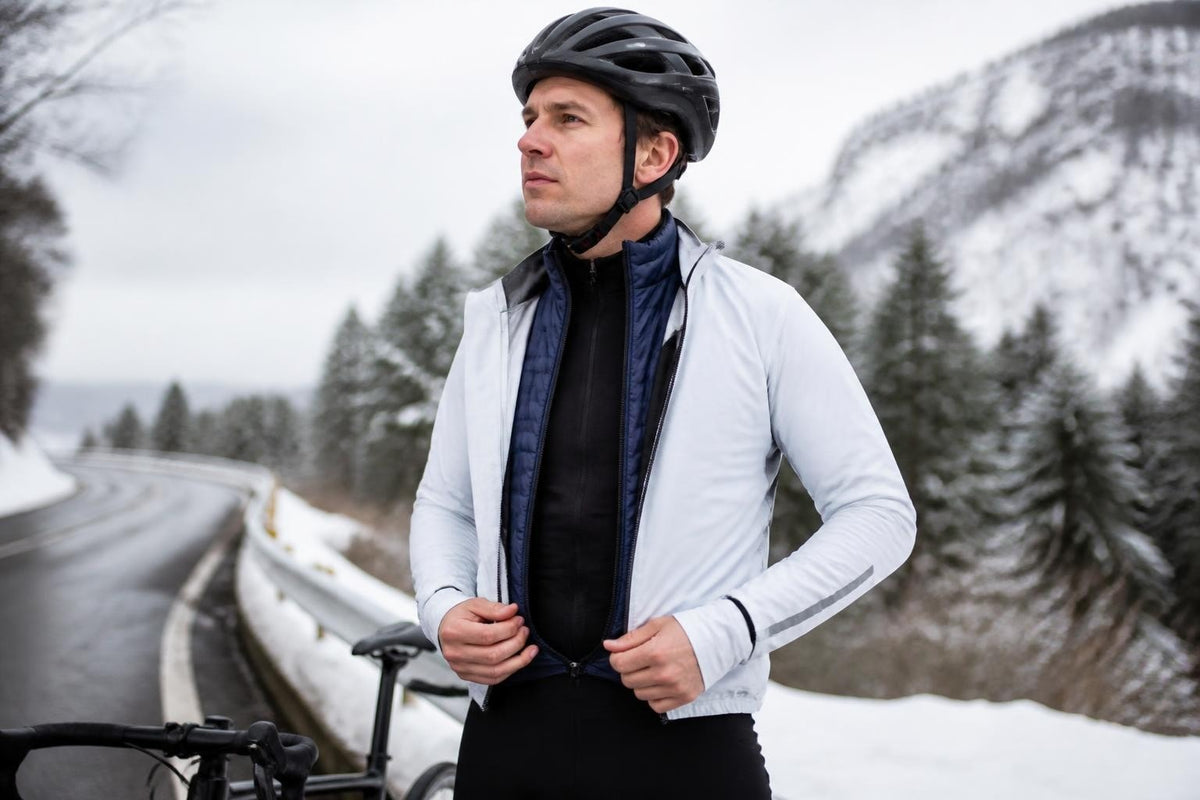
When temperatures drop and daylight shrinks, many cyclists hang up their wheels until spring. Yet with the right winter bike apparel, cold-weather riding transforms from miserable to exhilarating. The key lies not in simply piling on layers, but in understanding how modern fabrics, smart layering systems, and specialized gear work together to keep you warm, dry, and visible when conditions turn challenging. Whether you're commuting through sleet or training through frost, proper winter cycling clothing makes all the difference between cutting rides short and extending your season year-round.
Understanding the Winter Cycling Challenge
Cold-weather riding presents unique physiological demands that summer cyclists rarely face. Your body generates significant heat during exertion, yet frigid air and wind chill rapidly strip that warmth away from exposed skin and poorly protected areas.
The challenge intensifies because cycling creates its own wind chill. At 15 mph, a 32°F day feels like 19°F. Push to 20 mph, and perceived temperature drops further. This constant airflow demands winter bike apparel engineered specifically for moving through cold air, not just standing in it.
Moisture management becomes critical in winter. Sweat that evaporates harmlessly in summer can soak base layers in winter, creating a clammy microclimate against your skin. Once wet, even the best insulation loses effectiveness. That's why breathability matters as much as warmth when selecting winter cycling gear.
The Visibility Factor
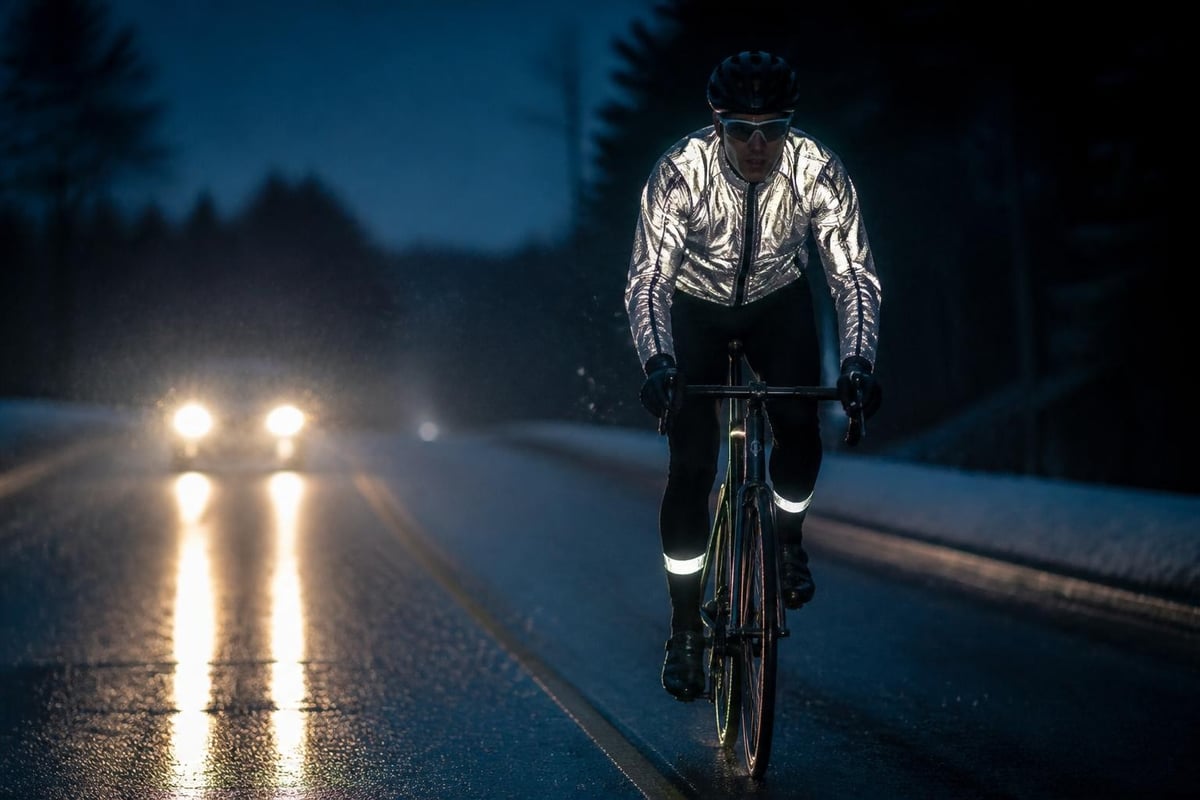
Winter brings another serious concern: reduced daylight and poor weather visibility. According to national bicycle safety data, low-light conditions contribute to a significant portion of cycling incidents. Your winter bike apparel must make you conspicuous to motorists navigating through rain, snow, fog, and early darkness.
High-visibility colors and retroreflective materials aren't optional accessories in winter-they're essential safety equipment. Many professional-grade winter cycling pieces now incorporate reflective elements that meet or exceed international standards for visibility.
The Three-Layer System Explained
Effective winter bike apparel relies on a proven three-layer strategy. Each layer serves a distinct purpose, and understanding these roles helps you adapt to varying conditions.
Base Layer: Moisture Management
Your base layer sits against skin, wicking perspiration away before it accumulates. Merino wool and synthetic polyester fabrics excel here, each with trade-offs. Merino naturally resists odor and regulates temperature across a wider range, while synthetics dry faster and typically cost less.
Fit matters enormously. A proper base layer should feel snug without restriction, lying flat against your torso, arms, and legs. Loose fabric bunches under outer layers and creates cold spots. For comprehensive guidance on cycling-specific fit principles, the men's and women's cycling kit guide offers detailed sizing insights.
Mid Layer: Insulation
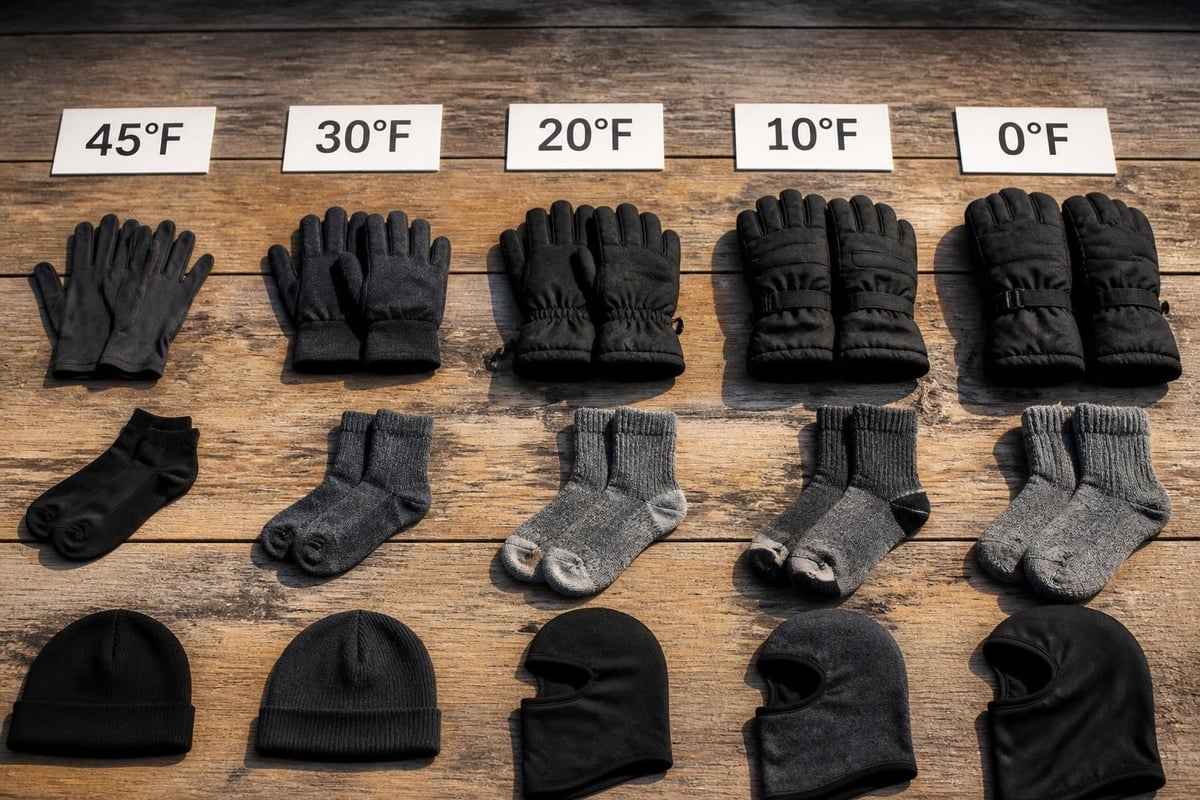
The middle layer traps warm air while allowing moisture vapor to escape. Fleece, merino jerseys, and lightweight synthetic insulation all work effectively. Thickness requirements vary with temperature-a thin merino jersey suffices for 45°F mornings, while 20°F rides demand heavier fleece or insulated jackets.
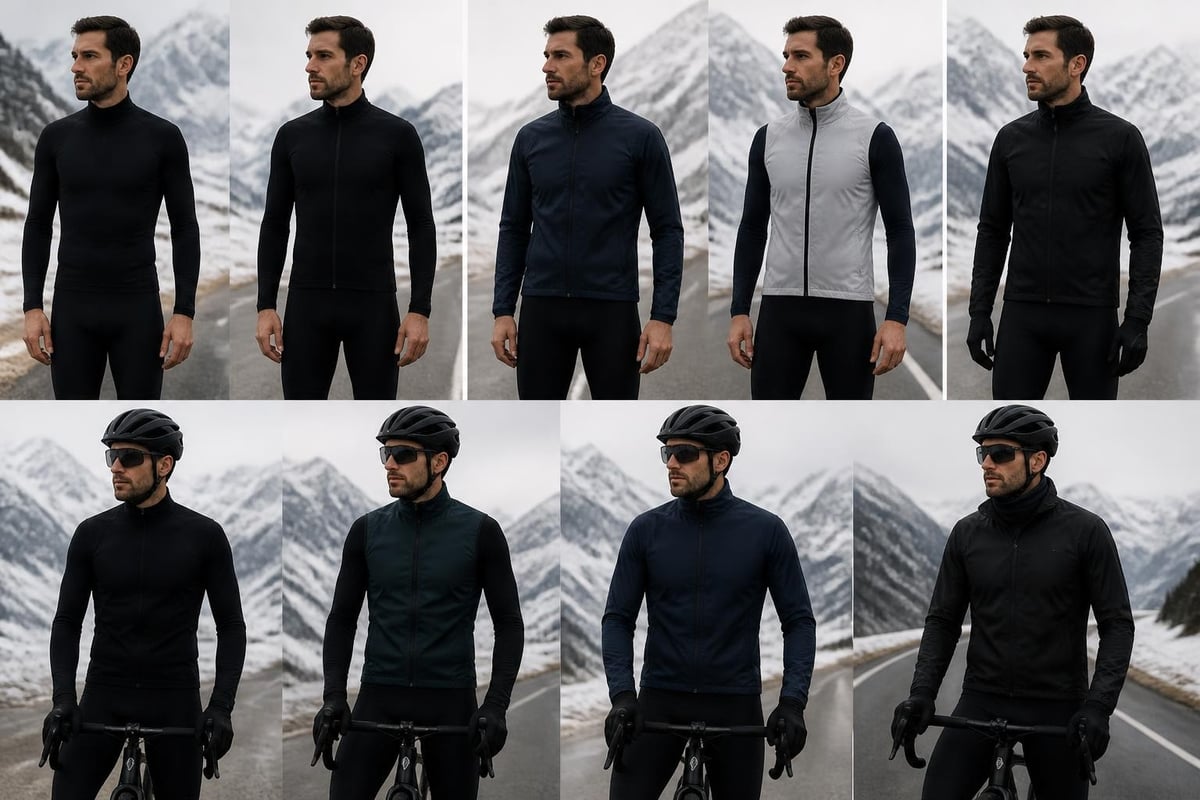
Smart cyclists own multiple mid-layers to mix and match. A vest over a long-sleeve base layer suits mild winter days. Add a fleece jacket underneath your shell when mercury drops into the teens.
Outer Layer: Weather Protection
Your shell blocks wind and precipitation while releasing internal moisture. Windproof softshell jackets handle dry, cold conditions beautifully. Full waterproof/breathable shells become necessary when rain or wet snow threatens.
Modern winter cycling jackets incorporate strategic ventilation-zippered vents under arms, mesh panels across shoulders-that dump excess heat during hard efforts. This prevents the sweat-soaked misery that happens when your shell traps too much moisture inside.
| Layer Type | Primary Function | Material Examples | Temperature Range |
|---|---|---|---|
| Base | Moisture wicking | Merino wool, polyester | All conditions |
| Mid | Insulation | Fleece, insulated jersey | Below 50°F |
| Outer | Wind/rain protection | Softshell, waterproof shell | Below 55°F or wet |
Essential Winter Bike Apparel Components
Building a complete cold-weather cycling wardrobe requires more than just jackets. Extremities lose heat disproportionately, and specialized pieces address areas generic winter clothing often neglects.
Jackets and Jerseys
Winter cycling jackets differ fundamentally from casual winter coats. They feature longer backs to cover your lower spine in riding position, elastic hems that stay put, and sleeves cut for arms extended toward handlebars.
Thermal jerseys with fleece backing provide mid-layer warmth without bulk. Long-sleeve performance jerseys designed for racing often incorporate thermal fabrics suitable for cool autumn rides, though severe winter demands dedicated jackets over them.
Look for jackets with:
- Multiple rear pockets for storage
- Reflective accents across shoulders and arms
- Adjustable cuffs that seal over gloves
- Two-way zippers for ventilation control
Leg Protection
Your legs generate tremendous heat while pedaling, yet wind chill attacks the fronts of your thighs relentlessly. Thermal bib tights with fleece lining or windproof panels solve this equation elegantly.
Tights come in several configurations:
- Bib tights: Full-length with integrated chamois for maximum warmth
- Knickers: Three-quarter length ending below the knee
- Leg warmers: Pull-on sleeves worn over shorts
Leg warmers offer excellent versatility. Start rides in full coverage, then strip them off mid-ride as temperatures rise or intensity increases. They roll into jersey pockets easily, making them ideal for variable conditions.
Hands and Feet
Frozen fingers and numb toes end winter rides faster than anything else. Blood flow naturally prioritizes your core, leaving extremities vulnerable when temperatures plunge.
Gloves
Winter cycling gloves range from lightweight wind-blocking models for 40°F rides to heavily insulated lobster mitts for sub-freezing conditions. Lobster-style gloves group fingers in pairs, balancing warmth with enough dexterity to shift and brake safely.
Waterproof gloves become essential in wet conditions. Many incorporate breathable membranes similar to jacket technology, though truly waterproof gloves inevitably sacrifice some breathability. For serious cold, some riders layer thin liner gloves inside heavier shells.
Head and Neck
A thin thermal cap fits under your helmet, covering ears without adding dangerous bulk. Skull caps made from windproof fleece or merino wool prevent heat loss through your head while maintaining helmet safety.
Neck warmers and balaclavas seal the gap between jacket collar and helmet. On bitter mornings, a balaclava that covers your lower face prevents that sharp sting of frigid air in your lungs. Many designs pull down easily once you warm up.
Fabric Technologies That Matter
Understanding textile technology helps you evaluate winter bike apparel claims and make informed purchases. Marketing often obscures what actually keeps you comfortable.
Moisture-Wicking Synthetics
Polyester and polypropylene fabrics move moisture through capillary action, pulling sweat away from skin toward outer surfaces where it evaporates. These synthetics dry remarkably fast but can retain odors after repeated use.
Technical polyester has evolved significantly. Modern versions incorporate antimicrobial treatments, textured surfaces that increase wicking efficiency, and varying fabric weights for different temperature ranges.
Merino Wool
Natural merino fiber regulates temperature exceptionally well, staying warm when wet and naturally resisting bacterial odor. Premium winter base layers often blend merino with small percentages of synthetic for improved durability and faster drying.
Merino weights range from ultralight (150 gsm) for high-output riding in moderate cold to expedition-weight (400+ gsm) for extreme conditions. Most winter cyclists find 200-260 gsm merino strikes the right balance for base layers.
Waterproof/Breathable Membranes
Shell fabrics incorporating membranes like GORE-TEX, eVent, or proprietary alternatives block liquid water while allowing water vapor to pass through. This prevents rain penetration while releasing perspiration vapor. The GORE-TEX guide to waterproof breathability explains how these membranes function and maintain effectiveness.
These technical fabrics require proper care. Dirt and body oils clog membrane pores, reducing breathability. Regular washing with specialized technical detergents maintains performance. Many membranes also feature Durable Water Repellent (DWR) coatings on exterior surfaces that bead water and prevent the fabric from "wetting out."
Windproof Softshells
Softshell fabrics combine moderate weather resistance with excellent breathability. They block wind effectively while stretching for comfort and movement. Most softshells resist light rain or snow for limited periods but aren't fully waterproof.
For dry cold weather, softshells often outperform hardshells because they breathe better during sustained efforts. Many winter cyclists prefer softshell jackets for training rides and reserve waterproof shells specifically for wet conditions.
Adapting Layers to Conditions
Temperature alone doesn't dictate winter bike apparel choices. Wind, precipitation, humidity, and your planned intensity all influence what you wear. The comprehensive winter cycling clothing guide from Icebike.org offers detailed decision frameworks for various scenarios.
Temperature-Based Starting Points
These guidelines assume moderate effort on relatively dry roads:
- 45-55°F: Long-sleeve base layer, vest or light jacket, leg warmers, lightweight gloves
- 35-45°F: Thermal base layer, insulated jersey or jacket, bib tights, medium-weight gloves
- 25-35°F: Thermal base, fleece mid-layer, windproof jacket, insulated bib tights, winter gloves, skull cap
- Below 25°F: Heavy base layer, insulated mid-layer, waterproof/breathable shell, heavyweight tights, lobster gloves, balaclava
Intensity Adjustments
Hard interval sessions generate far more heat than easy recovery rides. Many cyclists overdress for intense winter workouts, then suffer through sweat-soaked clothing when they stop. If you'll push high watts, dress slightly cooler than temperature charts suggest.
Conversely, low-intensity endurance rides require extra insulation. Your reduced power output generates less internal heat, making you more vulnerable to cold despite the same ambient temperature.
Wet Weather Considerations
Rain and wet snow change everything. Waterproof shells and gloves become mandatory. Some riders add waterproof socks or neoprene shoe covers to keep feet dry. Once winter bike apparel becomes saturated, even the best insulation fails.
Fenders prevent wheel spray from soaking your legs and lower back. This simple addition extends the effectiveness of your clothing significantly in wet conditions.
Custom Solutions for Teams and Clubs
Many cycling teams and clubs need winter bike apparel that maintains consistent branding while meeting technical performance requirements. Custom-designed thermal gear allows groups to train together in coordinated kit regardless of season.
When working with manufacturers who specialize in custom cycling apparel, teams can specify technical fabrics, incorporate sponsors' logos into cold-weather pieces, and ensure proper sizing across diverse rider builds. The advanced sublimation process used by leading manufacturers ensures that custom graphics remain vibrant and durable through countless winter wash cycles, while skilled production teams deliver the technical construction that serious winter riding demands.

Maintenance and Care Best Practices
Proper care extends the life and performance of winter bike apparel substantially. Technical fabrics and waterproof membranes require specific maintenance approaches.
Washing Technical Layers
Most base layers and mid-layers tolerate regular machine washing on gentle cycles with technical sport detergents. Avoid fabric softeners and conventional detergents with additives, which clog fabric pores and reduce wicking performance.
Merino wool requires cool water and wool-specific detergents to prevent shrinkage. Air-drying preserves fabric integrity better than high heat, though most synthetics tolerate low tumble-dry settings.
Shell Maintenance
Waterproof/breathable shells need periodic washing to remove dirt and oils that compromise breathability. Use technical cleaners specifically formulated for waterproof fabrics. The Patagonia guide to washing waterproof jackets provides detailed instructions applicable across brands.
DWR coatings wear off with use and washing. When water no longer beads on your shell's surface, reactivate or reapply DWR to restore weather resistance. Heat from a dryer or iron can reactivate factory DWR; depleted coatings need spray-on or wash-in DWR products.
Storage
Store winter bike apparel clean and completely dry in cool, dark spaces. Moisture trapped in stored gear encourages mildew and odor. Hanging items allows air circulation; avoid compression that can damage insulation loft or waterproof membranes.
Safety Considerations Beyond Clothing
While high-quality winter bike apparel keeps you comfortable, winter riding safety extends beyond what you wear. Road conditions change dramatically when ice and snow arrive.
Research into winter cycling crash patterns shows that ice and snow create unique hazards-sudden traction loss, reduced braking effectiveness, and unpredictable surface conditions. Your clothing can't eliminate these risks, but proper layering ensures you remain warm and focused enough to react appropriately.
Reflective elements on winter bike apparel address visibility concerns. International standards like ISO 20471 specify minimum retroreflective surface area and placement for high-visibility clothing. While not all cycling gear meets these industrial standards, looking for pieces with substantial reflective accents across multiple body areas improves conspicuity significantly.
Additional safety measures complement proper clothing:
- High-quality lights (front and rear) with steady and flashing modes
- Studded or wider tires for improved traction
- Reduced speeds on uncertain surfaces
- Extra following distance behind vehicles
Building Your Winter Wardrobe Strategically
Complete winter bike apparel systems require investment, but smart purchasing spreads costs while building versatile wardrobes.
Start with versatile core pieces:
- Quality thermal base layer (top and bottom)
- Windproof/water-resistant jacket
- Bib tights or thermal leg warmers
- Winter gloves
- Thermal skull cap
These five items handle most winter conditions when layered appropriately. As budget allows, add specialized pieces-waterproof shell, heavyweight gloves, additional base layers-that expand your temperature range and comfort level.
When to Invest in Premium Pieces
Not every garment demands top-tier investment. Base layers and gloves contact skin directly and endure frequent washing, making quality worthwhile. A premium thermal base layer that fits perfectly and wicks effectively outperforms three mediocre ones.
Conversely, outer shells worn over other layers can be more budget-friendly initially. Once you understand your specific needs-whether you prioritize waterproofing, breathability, or packability-invest in the shell that matches your riding style.
| Priority Level | Item Category | Rationale |
|---|---|---|
| High | Base layers | Direct skin contact, frequent use, impacts core comfort |
| High | Gloves | Extremity protection critical to safety and ride completion |
| High | Jacket/shell | Primary weather defense, affects overall system performance |
| Medium | Bib tights | Important but leg warmers offer versatile alternative |
| Medium | Shoe covers | Feet are vulnerable but some riders tolerate cold better |
| Lower | Arm warmers | Nice-to-have for versatility but not essential |
Matching Gear to Your Winter Goals
Different winter cycling objectives require different winter bike apparel approaches. Commuters prioritize durability and weather protection over weight. Racers training for spring events need pieces that breathe during hard intervals. Recreational riders might value versatility and packability for variable-length outings.
The Winter Commuter
Daily commuters need reliable, durable winter bike apparel that handles consecutive days of use and frequent washing. Weather protection trumps weight savings. Many commuters prefer slightly looser-fitting pieces that accommodate professional clothing underneath and allow easy on-off transitions.
Visibility becomes paramount for commuters riding in rush-hour traffic during dark mornings and evenings. Multiple reflective elements, bright colors, and even battery-powered visibility aids make sense for daily urban riding.
The Competitive Trainer
Athletes maintaining fitness through winter need winter bike apparel that breathes exceptionally well during threshold efforts and sprint intervals. Race-cut jackets and tights minimize drag and excess fabric.
These riders often layer aggressively at ride starts, then shed pieces as intensity builds. Packable shells and leg warmers that compress into pockets facilitate this approach. For inspiration on performance-focused kit design, exploring options like cycling-specific athletic wear demonstrates how technical construction meets competitive demands.
The Recreational Rider
Recreational winter cyclists benefit from versatile winter bike apparel that adapts to varying distances, efforts, and conditions. Pieces that layer effectively provide flexibility for unplanned route extensions or unexpected weather changes.
Comfort often outweighs performance for this group. Relaxed fits, excellent breathability across moderate effort levels, and features like easy-access pockets enhance the overall experience.
Emerging Technologies and Trends
Winter bike apparel continues evolving as textile technology advances and rider feedback shapes design.
Battery-powered heating elements now integrate into gloves, insoles, and base layers. While adding weight and complexity, these systems allow riders with circulatory issues or extreme cold sensitivity to continue winter cycling comfortably.
Phase-change materials absorb and release heat as they transition between solid and liquid states, theoretically smoothing temperature fluctuations. While promising, these technologies still carry premium pricing and haven't achieved widespread adoption.
Aerogel insulation offers remarkable warmth-to-weight ratios in impossibly thin profiles. Originally developed for aerospace applications, aerogel now appears in premium cycling gloves and shoe covers, providing cold protection without bulk.
Recycled and sustainable materials increasingly replace virgin synthetic fibers. Many manufacturers now offer winter bike apparel incorporating recycled polyester, responsibly-sourced wool, and PFC-free DWR treatments, addressing environmental concerns without compromising performance.
Selecting appropriate winter bike apparel transforms cold-weather cycling from a survival exercise into an enjoyable extension of your riding season. By understanding layering principles, choosing quality pieces strategically, and maintaining your gear properly, you'll ride comfortably through conditions that once seemed impossible. Whether you're building a custom team kit or outfitting yourself for winter adventures, CCN Sport combines precision manufacturing, advanced sublimation technology, and over two decades of expertise to deliver winter cycling apparel that performs when conditions demand it most.

Share:
Winter Bike Wear: Essential Guide to Cold-Weather Cycling
How to Choose Triathlon Race Apparel That Performs