

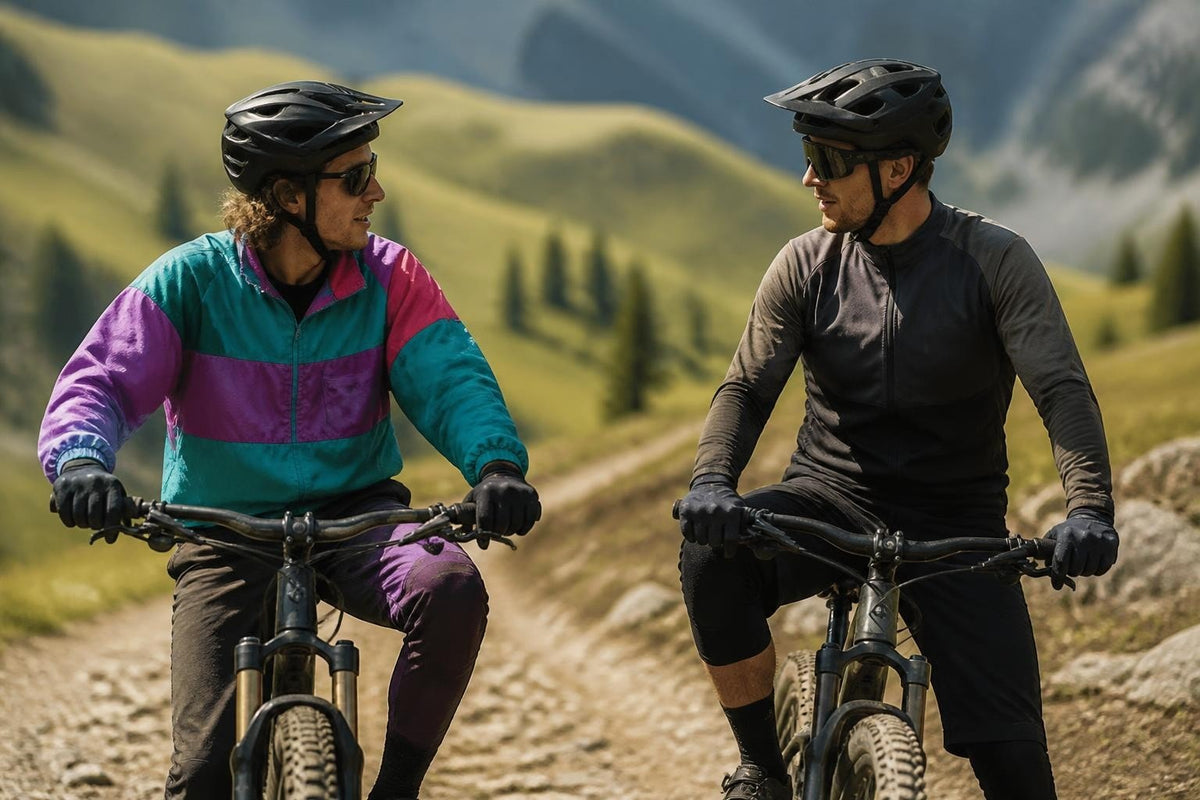
The mountain biking industry has witnessed explosive growth in recent years, with participation numbers reaching record highs and apparel technology advancing at an unprecedented pace. Mountain bike apparel brands have evolved from offering simple adaptations of road cycling gear to developing specialized collections that address the unique demands of trail riding, enduro racing, and downhill competition. Today's riders expect garments that deliver protection, breathability, durability, and style, creating a competitive marketplace where innovation drives brand differentiation. Understanding the landscape of mountain bike apparel brands helps riders make informed purchasing decisions and reveals opportunities for teams, clubs, and businesses seeking custom solutions.
The Current State of Mountain Bike Apparel Brands
The mountain bike apparel market in 2026 represents a dynamic intersection of performance engineering, fashion consciousness, and sustainability initiatives. According to the Outdoor Industry Association's participation trends report, mountain biking continues to attract new riders across all demographics, fueling demand for specialized clothing that performs in challenging conditions.
Leading mountain bike apparel brands have invested heavily in fabric research, developing proprietary materials that balance abrasion resistance with moisture management. These brands understand that riders need clothing capable of withstanding brush contact, rock scrapes, and repeated washing while maintaining breathability during intense climbs. The result is a marketplace filled with options ranging from budget-friendly basics to premium technical pieces.
Brand Categories and Market Positioning
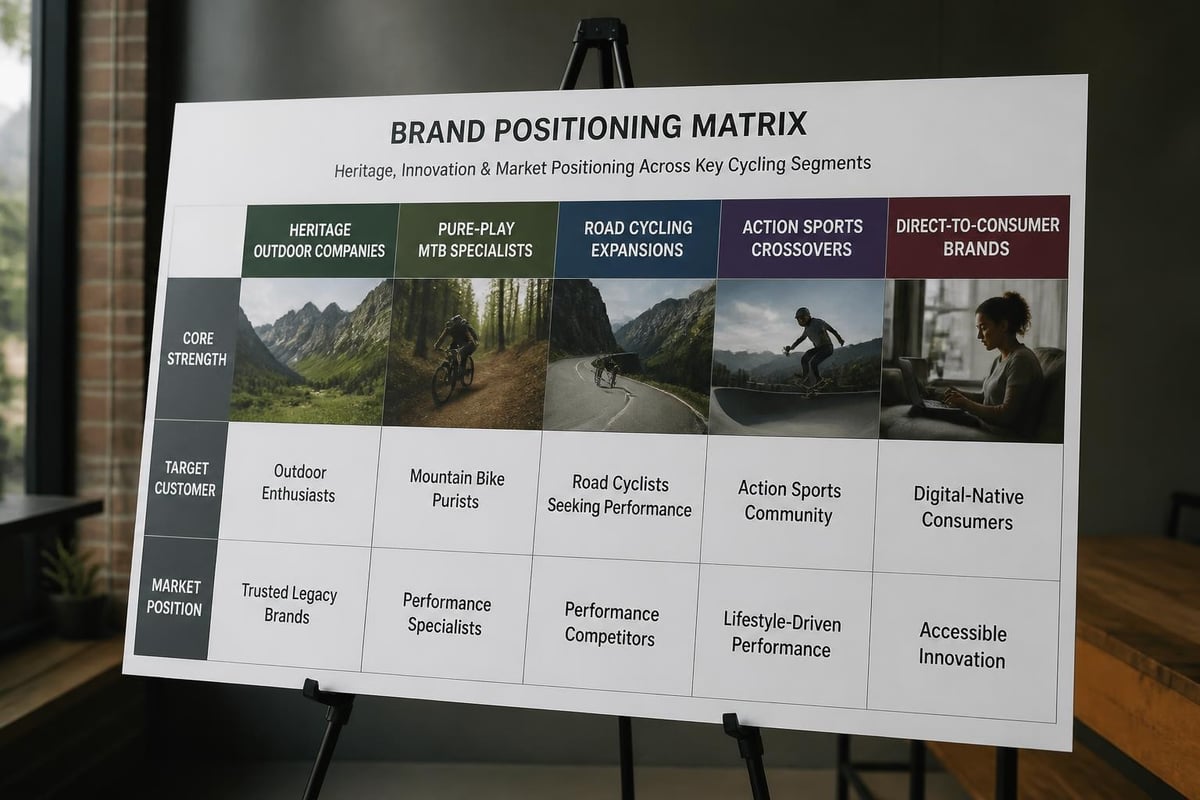
Mountain bike apparel brands typically fall into several distinct categories:
- Heritage outdoor brands that expanded into cycling
- Pure-play mountain bike specialists focused exclusively on off-road performance
- Road cycling brands offering MTB-specific lines
- Action sports crossover brands bringing skateboard and motocross influences
- Direct-to-consumer newcomers leveraging online sales models
Each category brings different strengths. Heritage brands often excel in durability and weather protection, drawing on decades of outdoor expertise. Pure-play specialists typically offer the most refined trail-specific features, while action sports brands frequently lead in style innovation and youth appeal.
Performance Fabric Technology Across Brands
The technical fabric choices distinguish premium mountain bike apparel brands from budget alternatives. Modern trail clothing employs sophisticated textile engineering to address multiple performance criteria simultaneously.
Key Fabric Attributes
| Performance Feature | Technology Solution | Brand Implementation |
|---|---|---|
| Abrasion Resistance | Reinforced weaves, ripstop patterns | Double-layer knees, shoulder panels |
| Moisture Management | Wicking fibers, ventilation mapping | Strategic mesh placement, hydrophobic treatments |
| Stretch and Mobility | 4-way stretch fabrics, articulated cuts | Pre-curved sleeves, gusseted crotches |
| Quick Drying | Synthetic blends, low water retention | Polyester/nylon combinations, minimal cotton |
| Temperature Regulation | Phase-change materials, perforated zones | Laser-cut ventilation, removable liners |
Top mountain bike apparel brands differentiate through proprietary fabric blends and construction techniques. Some focus on creating the lightest possible garments for cross-country racing, while others prioritize maximum protection for aggressive downhill riding. The best brands offer product lines spanning this spectrum, allowing riders to select appropriate pieces for their discipline and conditions.
Sustainability considerations have become increasingly important in fabric selection. Forward-thinking brands now incorporate recycled polyester, responsibly sourced natural fibers, and materials designed for end-of-life recyclability. The European Environment Agency's analysis on circular material use highlights growing consumer demand for environmentally conscious textile production, a trend clearly visible among mountain bike apparel brands.
Essential Categories in Mountain Bike Apparel
Comprehensive mountain bike apparel brands provide complete outfit solutions addressing every trail condition and riding style. Understanding these categories helps riders build functional wardrobes and reveals the breadth required of brands serving this market.
Jerseys and Upper Body Wear
Trail jerseys represent the most visible category, where brands showcase their design aesthetics and technical capabilities. Modern mountain bike jerseys feature longer backs for seated climbing positions, extended sleeves for sun and scrape protection, and zippered pockets secure enough for technical descents. Many brands now offer both short-sleeve and long-sleeve options across their lines, recognizing that trail conditions vary dramatically by region and season.
Premium jerseys incorporate antimicrobial treatments to reduce odor during multi-day trips and reflective elements for low-light visibility. Some mountain bike apparel brands have introduced removable padding systems or integrated back protectors in their jersey designs, blurring the line between clothing and protective equipment.
Shorts and Lower Body Protection
The BikeRadar buyer's guide to mountain bike pants regularly evaluates leading brands on fit, durability, and feature sets, revealing how competitive this category has become. Mountain bike shorts and pants must accommodate knee pads, survive countless bike washes, and resist snagging on saddles and handlebars.
Key features distinguishing quality brands include:
- Adjustable waist systems that stay secure without restricting breathing
- DWR (durable water repellent) coatings for light rain and mud spray
- Reinforced crotch panels using Cordura or similar abrasion-resistant materials
- Zippered vents for temperature regulation on climbs
- Tapered leg openings that prevent chain snag
Many mountain bike apparel brands now offer women-specific cuts acknowledging that anatomical differences require more than simple sizing adjustments. These dedicated designs improve comfort and performance for female riders, reflecting the sport's growing gender diversity.
Safety Standards and Protective Apparel
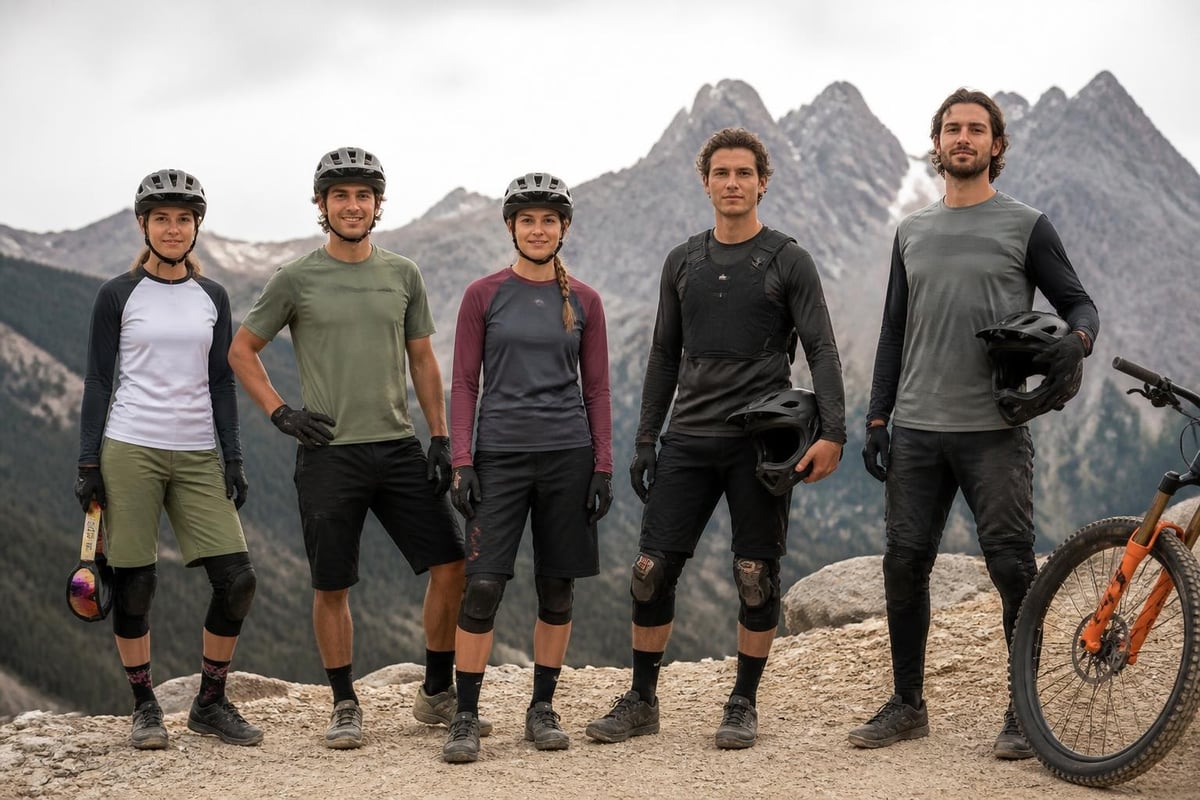
While traditional clothing provides basic protection, specialized mountain bike apparel brands increasingly integrate protective elements directly into their designs. This evolution responds to riders seeking streamlined protection without the bulk of separate armor.
Helmet Standards and Head Protection
Understanding safety certifications helps riders evaluate protective apparel from different brands. The ASTM F1952 downhill mountain bike helmet standard establishes specific impact requirements beyond standard bicycle helmet testing, addressing the higher-speed crashes common in gravity-oriented riding. The U.S. Consumer Product Safety Commission provides guidance on selecting appropriate helmet types for different riding styles.
Reputable mountain bike apparel brands clearly communicate which safety standards their protective pieces meet, allowing riders to make informed decisions. This transparency builds trust and demonstrates commitment to rider safety beyond simply selling products.
Integrated Protection Solutions
- Soft-armor shirts with removable foam inserts protecting spine, ribs, and shoulders
- Padded shorts featuring hip and tailbone protection for enduro racing
- Knee and elbow sleeves integrating padding into compression garments
- Impact shorts designed to wear under regular trail shorts
- Chest protectors available as standalone pieces or integrated into jerseys
The best mountain bike apparel brands design protective elements to work seamlessly with their clothing lines, ensuring compatibility and avoiding bulk or restriction. This systems approach helps riders assemble complete outfits with appropriate protection levels for their chosen disciplines.
Custom and Team Apparel Solutions
While retail mountain bike apparel brands dominate consumer awareness, custom apparel manufacturers serve a crucial role equipping teams, clubs, events, and businesses. These specialized producers allow organizations to create unique identities while accessing the same performance technologies found in major brands.
Custom cycling apparel solutions bridge the gap between mass-market offerings and bespoke needs. Teams seeking cohesive looks, clubs wanting member identification, and businesses using branded gear for marketing all benefit from customization capabilities. Advanced sublimation printing enables unlimited color combinations and graphic complexity without compromising fabric performance or durability.
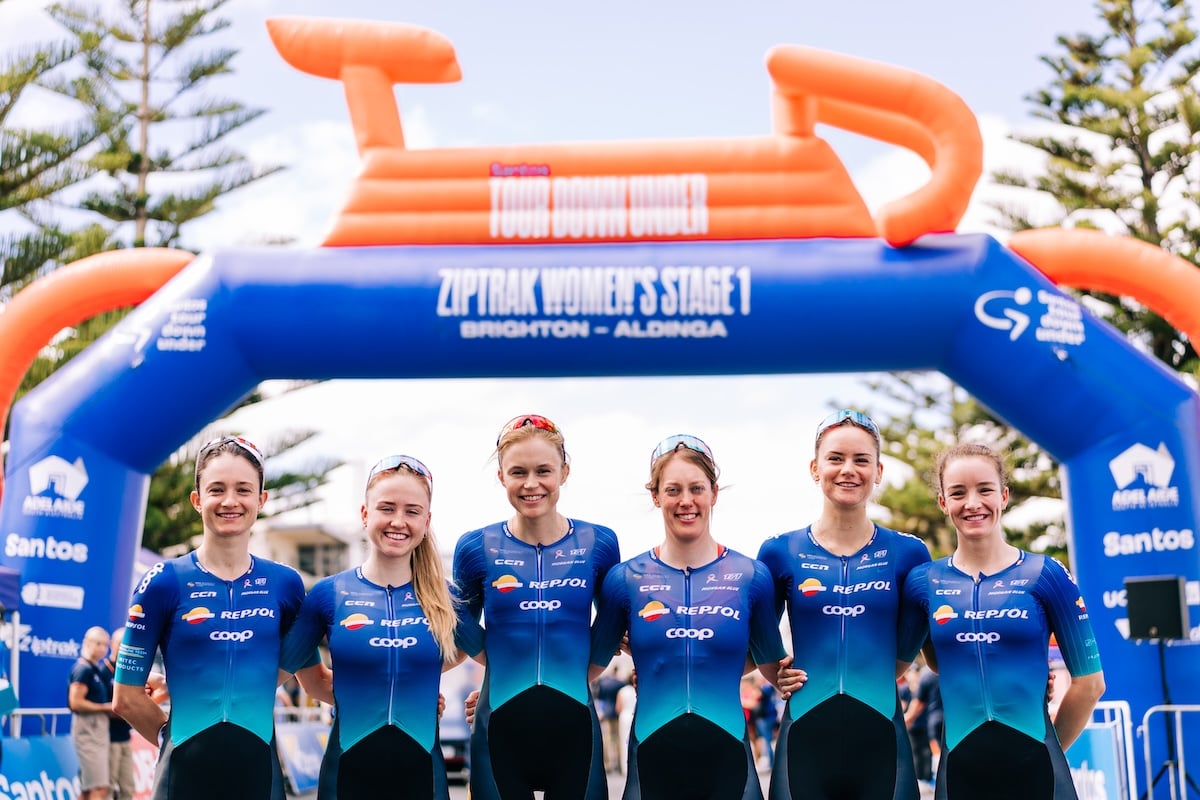
Organizations choosing custom mountain bike apparel gain several advantages. They can specify exact sizing to accommodate diverse body types, select fabrics appropriate for their regional climate, and incorporate sponsor logos seamlessly into designs. For teams competing at higher levels, custom apparel ensures perfect fit and optimal performance while building brand recognition. CCN Sport exemplifies this approach, combining precision manufacturing with advanced sublimation to deliver custom cycling apparel that performs at the highest level.
Emerging Trends Among Mountain Bike Apparel Brands
The mountain bike apparel landscape continues evolving rapidly as brands respond to changing rider preferences, technological advances, and cultural shifts. Several clear trends characterize the industry in 2026.
Sustainability and Circular Design
Environmental consciousness now influences purchasing decisions across demographics. Mountain bike apparel brands increasingly highlight sustainable practices including:
- Recycled fabric content percentages
- Reduced water consumption in manufacturing
- Carbon-neutral shipping options
- Take-back programs for worn garments
- Transparent supply chain documentation
Brands leading in sustainability often attract premium pricing power, as environmentally aware consumers demonstrate willingness to pay more for responsibly produced gear. This trend appears likely to strengthen as younger riders enter the market with strong environmental values.
Gender-Inclusive Sizing and Design
Progressive mountain bike apparel brands have moved beyond binary gender categories, offering comprehensive size ranges and multiple fit options regardless of marketing labels. This inclusive approach acknowledges body diversity within the riding community and expands market reach by ensuring every rider finds appropriate clothing.
Women-specific product lines have matured significantly, with dedicated design teams creating pieces engineered for female anatomy rather than simply scaling down men's patterns. Simultaneously, many brands now use neutral terminology and imagery, focusing on fit characteristics rather than gender assumptions.
Technical Casual Crossover
The line between performance mountain bike apparel and everyday wear continues blurring. Leading brands now offer pieces equally appropriate for trail riding and post-ride socializing, incorporating technical fabrics into casual aesthetics. This versatility appeals to riders seeking maximum value from their apparel investments and reflects mountain biking's evolution from niche sport to mainstream lifestyle activity.
Regional Variations and Climate Considerations
Geographic diversity among riders creates demands for specialized product offerings from mountain bike apparel brands. Conditions in the Pacific Northwest differ dramatically from Southwest deserts or Alpine environments, requiring different apparel solutions.
Climate-Specific Design Features
| Climate Type | Key Challenges | Brand Solutions |
|---|---|---|
| Hot/Dry | Sun exposure, heat management | UV-rated fabrics, maximized ventilation, light colors |
| Hot/Humid | Moisture saturation, chafing | Ultra-wicking materials, antimicrobial treatments, minimal seams |
| Cool/Wet | Rain protection, temperature regulation | Waterproof-breathable shells, thermal base layers, sealed seams |
| Cold/Dry | Wind chill, extremity warmth | Windproof fabrics, insulated gloves, thermal tights |
| Variable/Alpine | Rapid condition changes | Layering systems, packable pieces, convertible designs |
Sophisticated mountain bike apparel brands develop regional product mixes, emphasizing different items and features for markets with distinct climate profiles. Online retail enables worldwide distribution, but successful brands understand local conditions and adjust their offerings accordingly.
The comprehensive guide to mountain biking clothing provides detailed recommendations for dressing across various conditions, demonstrating how riders must adapt their wardrobes to environmental challenges. Brands serving global markets must account for this diversity in their product development strategies.
Brand Selection Criteria for Riders
Choosing among mountain bike apparel brands requires evaluating multiple factors beyond initial appearance or price. Experienced riders develop systematic approaches to brand selection based on their priorities and riding characteristics.
Decision Framework
Riders should consider the following when evaluating brands:
- Riding discipline alignment - Does the brand specialize in your style (XC, trail, enduro, downhill)?
- Fit philosophy - Do their sizing and cuts match your body type and preferences?
- Durability reputation - What do long-term users report about longevity?
- Feature prioritization - Do they emphasize the capabilities you value most?
- Price-to-performance ratio - Does the quality justify the investment?
- Warranty and customer service - How does the brand handle defects or issues?
- Sustainability practices - Do their environmental commitments align with your values?
- Aesthetic appeal - Does the design language resonate with your personal style?
No single brand excels across all criteria, requiring riders to prioritize based on individual needs. Cross-country racers might emphasize weight and aerodynamics, while enduro riders prioritize durability and protection. Weekend trail riders might focus on versatility and value.
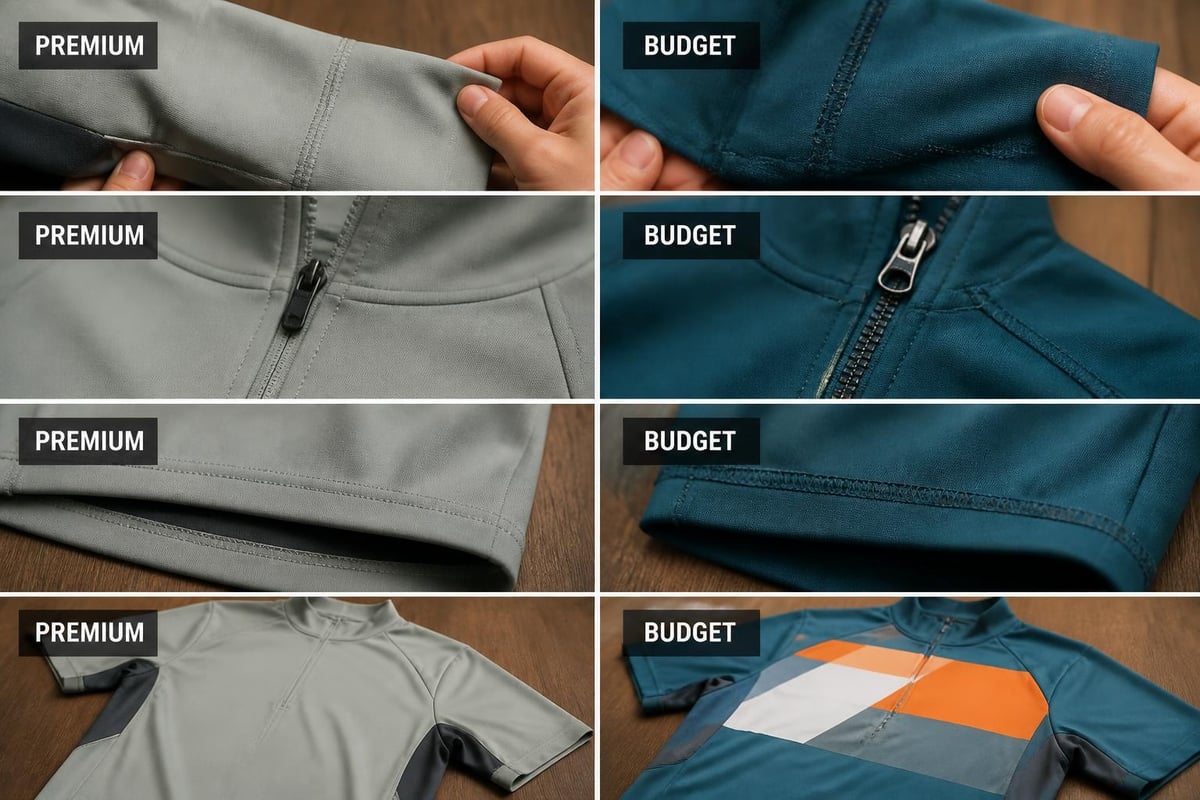
Manufacturing Quality and Construction Details
The gap between premium and budget mountain bike apparel brands often becomes apparent in construction quality and attention to detail. Subtle differences in stitching, finishing, and component selection dramatically affect garment longevity and performance.
Quality Indicators
Discerning riders examine several construction elements when evaluating brands:
- Seam types and placement - Flatlock seams prevent chafing; reinforced stress points extend life
- Zipper quality - YKK or equivalent hardware resists failure; locking pulls prevent accidental opening
- Hem and cuff finishing - Proper techniques prevent fraying; elastic quality affects retention
- Panel layout - Strategic seam placement enhances fit and reduces material waste
- Print and graphic durability - Sublimation outlasts screen printing; proper curing prevents cracking
Premium mountain bike apparel brands invest in superior component sourcing and skilled construction teams. These investments manifest in garments that maintain appearance and function through years of use, ultimately providing better value despite higher initial costs. Organizations at CCN Sport's blog regularly explore manufacturing quality topics, offering insights into production processes that separate exceptional apparel from mediocre alternatives.
Direct-to-Consumer Versus Traditional Retail
The mountain bike apparel distribution model has transformed significantly with internet commerce maturation. Many brands now bypass traditional retail entirely, selling exclusively through their websites and building direct customer relationships.
Distribution Model Comparison
Direct-to-Consumer (DTC) Advantages:
- Lower prices through eliminated retail markup
- Direct feedback loops for product development
- Complete brand experience control
- Detailed customer data collection
- Faster innovation cycles
Traditional Retail Benefits:
- Physical try-on before purchase
- Immediate product availability
- Local expert advice and fitting
- Consolidated shopping across brands
- Established trust through familiar channels
Hybrid models combining online flagship stores with select retail partnerships have emerged as many mountain bike apparel brands seek benefits from both approaches. Pop-up shops, demo events, and brand experience centers create physical touchpoints while maintaining primarily digital operations.
Riders benefit from this diversity, accessing unprecedented product variety while choosing purchase channels matching their preferences. The competition between models drives overall quality improvements and price moderation across the industry.
Price Segmentation and Value Propositions
Mountain bike apparel brands occupy distinct price tiers, each delivering different value propositions to specific customer segments. Understanding these tiers helps riders set appropriate expectations and budget effectively.
Market Segments
| Price Tier | Typical Jersey Cost | Target Customer | Value Proposition |
|---|---|---|---|
| Budget | $30-$50 | Casual riders, beginners | Basic functionality, acceptable durability |
| Mid-Range | $60-$90 | Regular trail riders | Good performance, solid construction |
| Premium | $100-$150 | Serious enthusiasts | Advanced features, excellent durability |
| Ultra-Premium | $160+ | Professionals, dedicated racers | Cutting-edge technology, maximum performance |
Price correlates with fabric quality, construction sophistication, feature density, and brand positioning. However, diminishing returns become apparent at higher tiers, where incremental performance gains command disproportionate price increases. Most riders find optimal value in mid-range to premium categories, where quality meets reasonable pricing.
Sales and seasonal discounting significantly impact effective pricing across mountain bike apparel brands. Patient shoppers frequently acquire premium pieces at mid-range prices by purchasing previous-season inventory or taking advantage of promotional periods. This strategy allows budget-conscious riders to access higher-quality apparel while brands clear inventory for new collections.
Innovation Drivers in Mountain Bike Apparel
Leading mountain bike apparel brands distinguish themselves through continuous innovation, pushing performance boundaries and introducing features that become industry standards. Understanding innovation sources reveals how the market evolves and which brands drive progress.
Technology Transfer
Mountain bike apparel benefits from innovations originating in adjacent industries:
- Military textile development contributes advanced camouflage patterns, infrared management, and extreme durability solutions
- Outdoor mountaineering gear provides insights on weather protection, layering systems, and packability
- Professional motorsports offer crash protection technologies, aerodynamic treatments, and heat management approaches
- Running and trail sports contribute moisture management, reflectivity systems, and compression technologies
Smart brands actively monitor these adjacent fields, adapting relevant innovations for mountain bike applications. This cross-pollination accelerates development cycles and introduces capabilities that purely cycling-focused research might overlook.
Team Sponsorships and Brand Visibility
Professional team sponsorships remain crucial marketing tools for mountain bike apparel brands seeking visibility and credibility. Association with successful athletes and teams builds brand prestige while providing real-world testing environments for product development.
Sponsorship Benefits
Teams gain performance advantages through:
- Access to latest product developments before public release
- Custom sizing and fit refinement for individual athletes
- Unlimited replacement gear ensuring optimal condition
- Direct feedback channels to design teams
- Financial support enabling focus on training and competition
Brands receive exposure through race coverage, social media content, and athlete endorsements. More importantly, professional use provides authentic proof of performance under extreme conditions. When products survive World Cup downhill racing or multi-day endurance events, recreational riders gain confidence in their durability and effectiveness.
Organizations like those featured in CCN Sport's team stories demonstrate how custom apparel partnerships create mutually beneficial relationships, with manufacturers gaining testing feedback while teams access precisely tailored performance gear.
Women's Mountain Bike Apparel Evolution
The women's segment of mountain bike apparel brands has experienced remarkable growth and sophistication in recent years. What once consisted primarily of pink versions of men's designs has evolved into dedicated product lines engineered specifically for female physiology and preferences.
Design Considerations
Women-specific mountain bike apparel addresses several anatomical and preference differences:
- Torso length variations requiring adjusted proportions rather than simple scaling
- Hip-to-waist ratios necessitating different short and pant patterns
- Chest accommodation in jersey and protection designs
- Inseam and rise preferences reflecting different comfort priorities
- Color and aesthetic preferences extending beyond stereotypical assumptions
Progressive mountain bike apparel brands employ female designers and testers, ensuring authentic representation in product development. This approach yields garments that genuinely serve women riders rather than treating them as an afterthought market segment. The result is increased female participation and loyalty to brands demonstrating authentic commitment to serving women riders.
Youth and Junior Mountain Bike Apparel
Developing riders represent both current customers and future brand loyalists, making youth apparel an important category for forward-thinking mountain bike apparel brands. Junior-specific products require different approaches than adult offerings, balancing performance with growth accommodation and value consciousness.
Durability becomes paramount in youth apparel, as young riders often treat gear roughly while growing rapidly. Brands serving this segment emphasize reinforced construction, adjustable features, and moderate pricing recognizing that pieces may be outgrown before wearing out. Some innovative brands offer trade-in programs or size-exchange policies, addressing parental concerns about investment return while building long-term customer relationships.
Aesthetic preferences differ markedly between youth and adult riders, with younger cyclists often preferring bold graphics and vibrant colors. Brands successfully serving this demographic balance visual impact with functional performance, creating pieces that young riders want to wear while delivering the protection and comfort parents demand.
Selecting among mountain bike apparel brands requires understanding performance needs, evaluating construction quality, and considering long-term value beyond initial price. The market offers exceptional diversity, ensuring every rider can find appropriate gear regardless of discipline, budget, or body type. Whether choosing established retail brands or exploring custom solutions, informed decisions deliver years of comfortable, protected riding. CCN Sport brings over two decades of sublimation expertise to custom cycling apparel, transforming team visions into premium performance pieces through precision manufacturing and advanced fabric technology.

Share:
How to Wash Cycling Jerseys Correctly After Rides
Cycling Tees: Performance, Design & Custom Options