

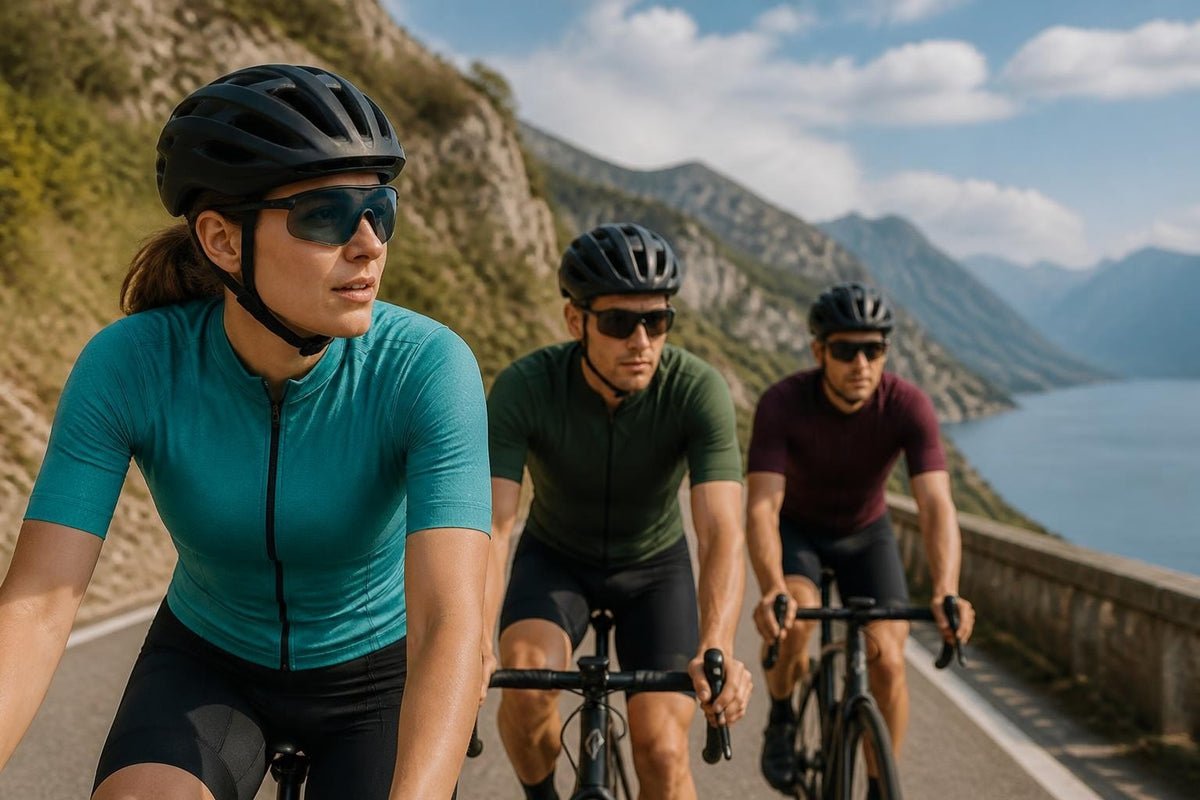
Cycling tees have evolved from simple cotton shirts to sophisticated performance garments that serve riders across every discipline and skill level. Whether you're commuting through city streets, logging training miles, or representing your club on weekend rides, the right cycling tee delivers comfort, functionality, and style. Unlike traditional athletic wear, cycling-specific tees address the unique demands of the sport: aerodynamic positioning, extended saddle time, weather exposure, and the need for both breathability and protection.
Understanding Cycling Tee Construction and Materials
Modern cycling tees represent a significant departure from conventional sportswear, built around fabric technologies that respond to the specific biomechanics and environmental challenges of cycling.
Performance Fabric Selection
The foundation of any quality cycling tee lies in its fabric composition. Polyester blends dominate the market due to their exceptional moisture-wicking properties and quick-drying characteristics. These synthetic materials pull sweat away from skin, allowing evaporation to occur at the fabric surface rather than against your body.
Key fabric properties for cycling tees:
- Moisture management through capillary action
- Four-way stretch for unrestricted movement
- Lightweight construction (typically 100-150 GSM)
- Breathable weave structures
- Durability under repeated washing and UV exposure
Recent studies on textile performance reveal important considerations for riders concerned about sun protection. Research comparing photoprotection properties across different fabric constructions demonstrates that tighter weaves and specific synthetic fibers offer measurably better UPF ratings, a critical factor for cyclists spending hours under direct sunlight.
Advanced Manufacturing Techniques
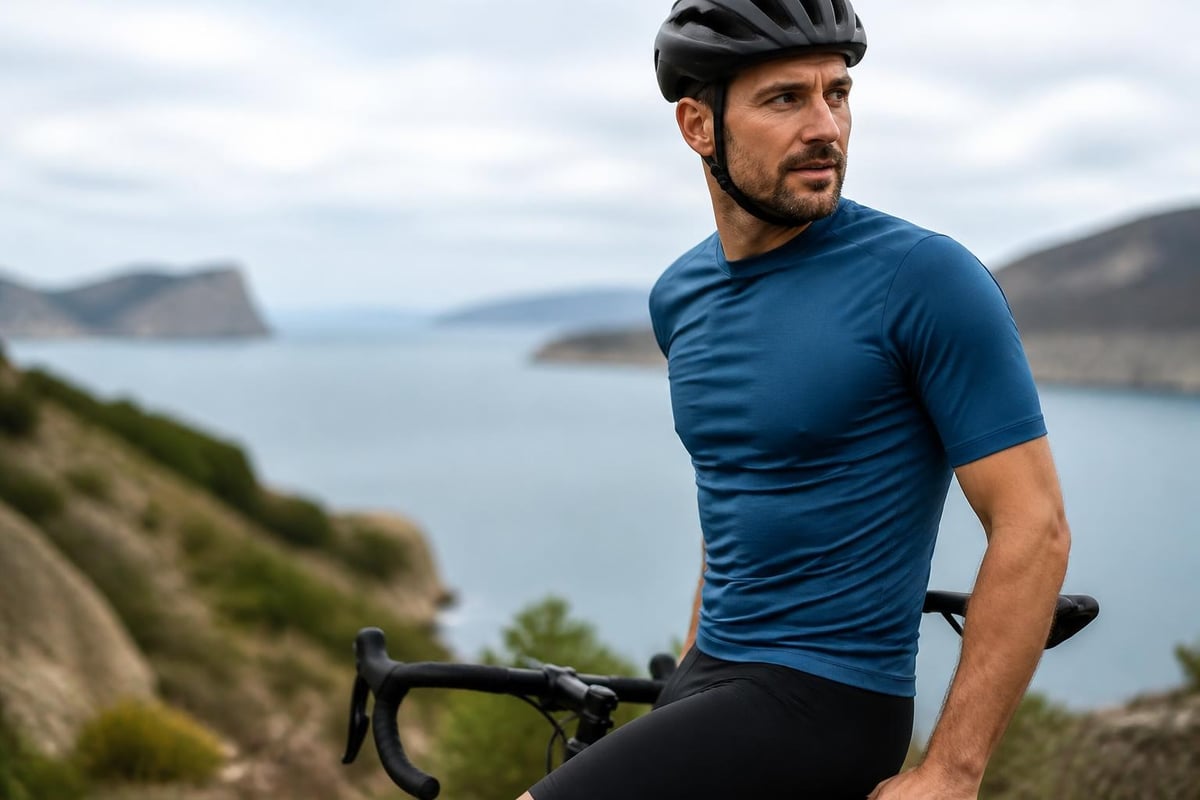
Sublimation printing has revolutionized cycling tee production, enabling full-color, fade-resistant graphics that become part of the fabric rather than sitting on top as a separate layer. At CCN Sport's production facilities, this process ensures designs maintain vibrancy through countless wash cycles and extended UV exposure.
The sublimation method heats specialized inks until they transition to gas, bonding molecularly with polyester fibers. This creates permanent coloration without adding weight, stiffness, or compromising breathability. Traditional screen printing, by contrast, layers ink on fabric surfaces, creating potential cracking points and reduced ventilation.
Fit Categories and Body Mapping
Cycling tees come in distinct fit profiles designed for different riding styles, body types, and performance priorities.
| Fit Type | Characteristics | Best For | Typical Features |
|---|---|---|---|
| Race Fit | Snug, aerodynamic, minimal excess fabric | Competitive riding, time trials, racing | Extended rear hem, compression zones |
| Club Fit | Tailored but comfortable, slight room | Group rides, training, most riders | Balanced cut, standard pockets |
| Relaxed Fit | Loose, casual, unrestricted | Commuting, touring, recreational riding | Shorter hem, relaxed shoulders |
Body mapping techniques place different fabric weights and weaves where they're most beneficial. Manufacturers position mesh panels under arms and along the spine for maximum ventilation, while using denser materials across shoulders and chest for wind resistance and structure.
Length and Hem Considerations
The extended rear hem characteristic of cycling tees addresses a fundamental biomechanical reality: cyclists spend most of their time leaning forward. This forward position pulls standard shirts up, exposing the lower back. Cycling-specific tees feature a dropped tail that maintains coverage regardless of your position on the bike.
Silicone gripper elastic at the hem prevents the tee from riding up during pedaling. This seemingly minor detail significantly impacts comfort on rides lasting more than an hour, eliminating the constant need to adjust your jersey.
Essential Features Beyond Basic Construction
Purpose-built cycling tees incorporate design elements that directly respond to on-bike needs.
Pocket Configuration
While not universal across all cycling tees, many feature rear pockets similar to traditional jerseys. These typically include:
- Three rear pockets for nutrition, tools, and small items
- Zippered security pocket for keys and valuables
- Elastic pocket openings that retain items during aggressive riding
The comprehensive buying guide from Bicycling magazine offers practical insights into pocket functionality and how different designs serve various riding styles.
Collar and Zipper Systems
Quarter-zip, half-zip, and full-zip configurations each serve different purposes. Full zippers provide maximum ventilation control, essential for variable-intensity rides or changing weather conditions. Quarter-zip options reduce weight and potential failure points while still offering ventilation adjustment.
Collar height affects both comfort and sun protection. Higher collars shield the neck from UV exposure but may feel restrictive, while lower collars maximize airflow but expose more skin.
Seasonal Considerations and Layering Strategies
Cycling tees function differently across seasons, serving as standalone garments in warm weather and as base or mid layers when temperatures drop.
Summer riding priorities:
- Maximum breathability
- Light colors for heat reflection
- UPF rating for sun protection
- Minimal coverage for cooling
Transitional season approach:
- Mid-weight fabrics (130-150 GSM)
- Arm warmers compatibility
- Layering under wind vests
- Moisture management for variable intensity
For comprehensive cold-weather guidance, Cycling UK's layering strategies provide practical frameworks for incorporating cycling tees into multi-layer systems that maintain comfort across temperature ranges.
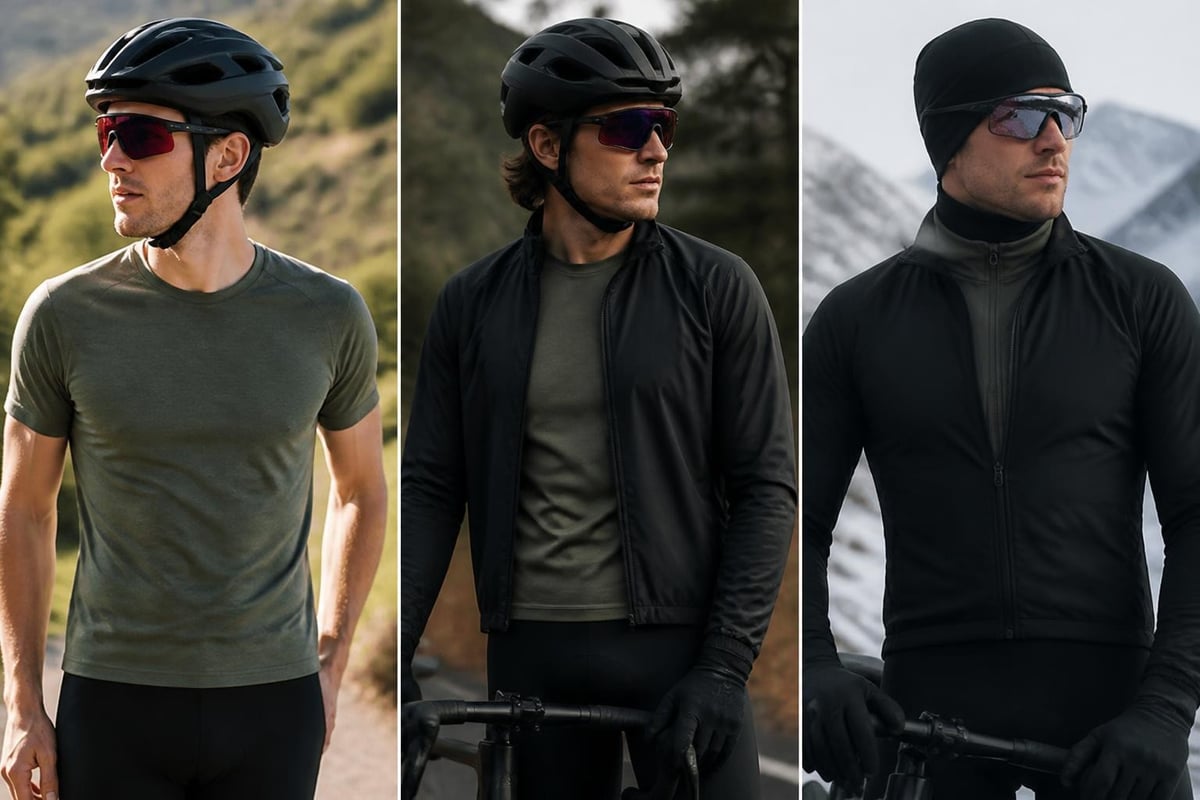
During winter months, cycling tees serve as effective base layers beneath thermal jerseys or jackets. The same moisture-wicking properties that cool you in summer prevent sweat accumulation that leads to chilling when temperatures drop.
Customization and Brand Identity
Custom cycling tees allow clubs, teams, and organizations to establish visual identity while maintaining performance standards.
Design Development Process
Creating custom cycling tees involves several key phases, from concept to finished product. At CCN Sport, the design workflow guides customers through template selection, color specification, and graphic placement to ensure final products match vision and performance requirements.
Successful custom designs balance aesthetic impact with practical considerations:
- Color selection based on brand identity and visibility
- Graphic placement that accounts for seams and body contours
- Sponsor logo integration without compromising design coherence
- Font choices that remain legible at distance and during motion
Many teams find value in reviewing design templates that provide proven frameworks while allowing customization to reflect unique identity.
Minimum Order Quantities and Sampling
Custom cycling tees typically require minimum order quantities that vary by manufacturer and complexity. Understanding these thresholds helps clubs and teams plan procurement effectively.
The sizing and sampling process allows organizers to validate fit across different body types before committing to full production runs. This step proves particularly valuable when outfitting diverse groups or introducing new styles.
| Order Phase | Timeline | Key Actions |
|---|---|---|
| Design consultation | Week 1-2 | Concept development, template selection |
| Sample production | Week 3-4 | Fit validation, color confirmation |
| Final production | Week 5-8 | Full run manufacturing, quality control |
| Delivery | Week 9 | Shipping, distribution to members |
For teams seeking premium custom cycling apparel that combines performance fabrics with vibrant, durable designs, CCN Sport's advanced sublimation process ensures graphics remain sharp through countless rides and wash cycles.

Care and Maintenance for Longevity
Proper care extends the functional lifespan of cycling tees significantly, protecting both performance characteristics and visual appearance.
Washing Best Practices
Cycling tees require different care than everyday clothing due to their specialized fabrics and construction:
- Turn inside out before washing to protect outer graphics
- Use cool or warm water, never hot, to preserve elasticity
- Skip fabric softener, which clogs moisture-wicking channels
- Air dry when possible to prevent heat damage to elastic fibers
- Avoid chlorine bleach that degrades synthetic materials
Front-loading washers generally treat cycling tees more gently than top-loading agitator models. Washing with similar synthetic athletic wear reduces friction and pilling compared to mixing with heavy cotton items.
Addressing Odor Concerns
Synthetic cycling tees can retain odor even after washing, a challenge that stems from bacteria embedding in polyester fibers. While some manufacturers incorporate antimicrobial treatments, research on silver nanoparticle textile treatments highlights both efficacy and potential environmental considerations worth understanding.
Effective odor management strategies:
- Pre-soak in enzyme-based cleaners before washing
- Add white vinegar to rinse cycle (one cup per load)
- Dry completely before storage
- Rotate multiple tees to allow complete drying between uses
- Consider sport-specific detergents formulated for synthetic fabrics
Sustainability and Material Innovation
The cycling apparel industry increasingly addresses environmental impact through material selection and production methods.
Recycled and Preferred Fibers
Recycled polyester sourced from post-consumer plastic bottles offers performance characteristics nearly identical to virgin polyester while reducing petroleum dependence and waste. The Textile Exchange guidance on preferred fiber systems provides comprehensive frameworks for evaluating material sustainability across the apparel supply chain.
Forward-thinking manufacturers now offer cycling tees constructed from:
- Recycled polyester (typically 50-100% recycled content)
- Organic cotton blends for casual cycling tees
- Tencel and bamboo derivatives offering natural moisture management
- Coffee ground and other bio-based fibers in experimental applications
Production Transparency
Understanding where and how cycling tees are manufactured helps consumers make informed choices aligned with their values. CCN Sport's facilities in China and the Philippines combine traditional craftsmanship with modern technologies, maintaining transparency about production processes and working conditions.
This commitment to ethical manufacturing extends beyond compliance to embrace continuous improvement in worker conditions, environmental management, and community engagement.
Choosing the Right Cycling Tee for Your Needs
Selection criteria depend heavily on your primary riding style, frequency, and performance expectations.
For competitive cyclists:
Race-fit cycling tees with aerodynamic cuts, compression zones, and lightweight fabrics maximize efficiency. Prioritize moisture management and quick-drying properties for high-intensity efforts.
For recreational and commuter riders:
Relaxed-fit cycling tees with casual styling work both on and off the bike. Look for features like rear pockets for practicality without extreme performance emphasis.
For club and team riders:
Custom cycling tees create group identity while meeting performance standards. Balance aesthetic preferences with functional requirements for your typical ride durations and intensities.
Temperature regulation should guide fabric weight selection. Riders in consistently warm climates benefit from ultra-lightweight materials (100-120 GSM), while those facing variable conditions need mid-weight versatility (130-150 GSM).
The comprehensive size guide helps ensure proper fit across different manufacturers and cut styles, since sizing varies considerably across brands and production regions.
Integration with Complete Kit Systems
While cycling tees often serve as standalone garments, they integrate into complete cycling kit systems for optimal performance.
Coordination with Shorts and Bibs
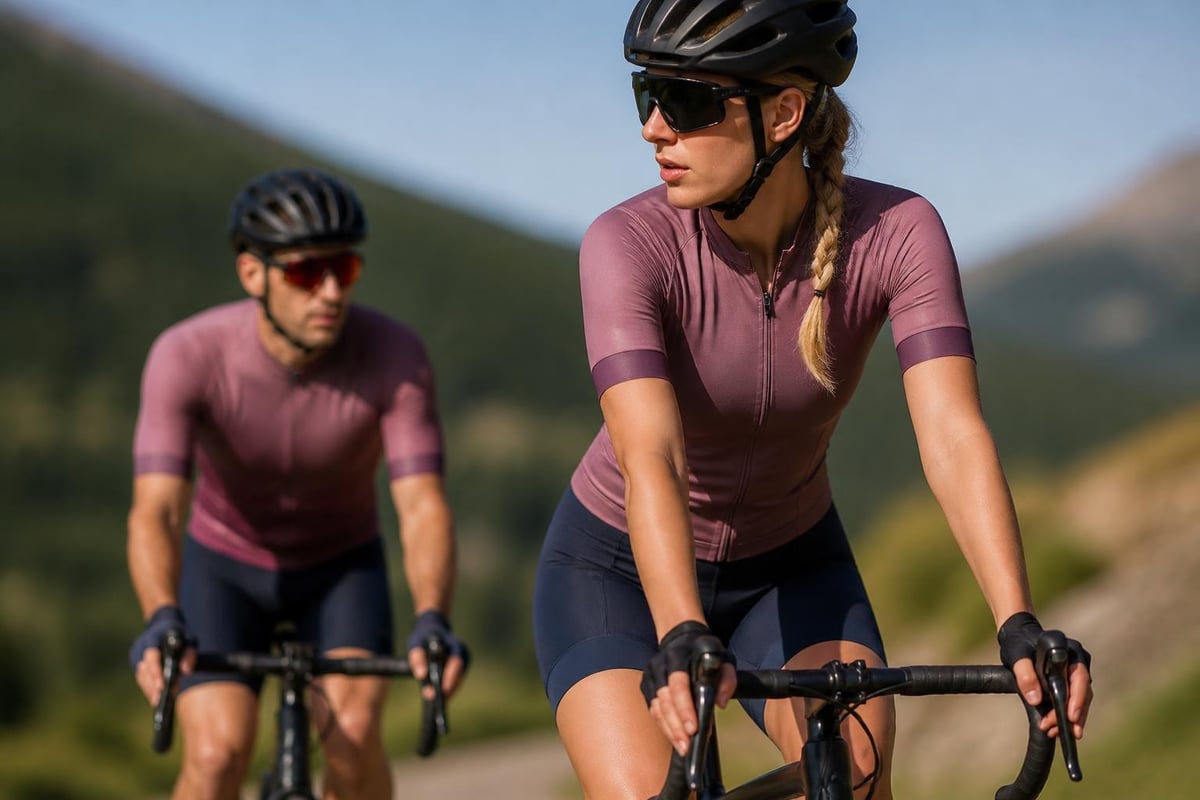
Color matching and visual cohesion between cycling tees and lower garments create polished appearance for club rides and events. Many teams develop coordinated designs that work across jerseys, tees, shorts, and accessories.
Functional integration matters as much as aesthetics. The hem of your cycling tee should overlap comfortably with short or bib waistbands, preventing gaps during riding position changes.
Accessory Compatibility
Cycling tees work alongside accessories that extend comfort and functionality:
- Arm warmers that slide easily under tee sleeves
- Gilets and vests designed to layer over tees
- Base layers for cold-weather riding
- Neck gaiters and caps that coordinate visually
Teams often extend custom designs across cycling caps and arm warmers to create comprehensive branded kits that maintain visual consistency.
Price Ranges and Value Considerations
Cycling tees span wide price ranges reflecting manufacturing quality, brand positioning, and feature complexity.
| Price Range | Typical Features | Target Market |
|---|---|---|
| $25-$45 | Basic polyester, simple graphics, standard fit | Casual riders, beginners |
| $50-$80 | Advanced fabrics, body mapping, quality construction | Regular cyclists, club riders |
| $85-$120 | Premium materials, race features, custom designs | Competitive cyclists, team kits |
| $125+ | Limited editions, pro team replicas, special collaborations | Collectors, brand enthusiasts |
Value assessment should consider cost per wear rather than absolute price. A $70 cycling tee worn twice weekly for two seasons delivers better value than a $30 option that degrades after six months.
Custom team orders often achieve lower per-unit pricing than individual purchases, making coordinated group buys attractive for clubs organizing sponsored teams or regular participants.
Quality Indicators and What to Look For
Distinguishing well-constructed cycling tees from inferior products requires attention to specific details.
Construction quality markers:
- Flatlock or flat-seam stitching that prevents chafing
- Reinforced stress points at shoulders and side seams
- Even, consistent sublimation with no color bleeding or fading
- Quality zippers (YKK or equivalent) with smooth operation
- Properly finished hems with secure gripper elastic
Fabric hand feel provides immediate quality feedback. Premium cycling tees feel smooth, substantial without being heavy, and return to shape quickly after stretching.
The FAQ section addresses common quality questions and helps buyers understand what to expect from different price points and construction methods.
Versatility Beyond Pure Cycling Applications
Modern cycling tees cross over into other activities where their performance characteristics prove beneficial.
Alternative uses for cycling tees:
- Trail running and hiking with rear storage needs
- Gym training where moisture management matters
- Casual summer wear with athletic styling
- Travel clothing that packs light and dries quickly
This versatility enhances value proposition, particularly for cyclists who appreciate performance fabrics in multiple contexts. The technical features that serve long rides equally benefit other active pursuits.
Some manufacturers now produce cycling tees specifically designed for multi-sport use, reducing cycling-specific elements like extreme rear hem drop while maintaining core performance features.
Cycling tees represent the intersection of technical innovation, personal style, and practical functionality for riders at every level. From fabric selection and fit profiles to customization options and care requirements, understanding these elements helps you make informed decisions that enhance comfort and performance on every ride. Whether you're outfitting a competitive team or selecting your first performance cycling tee, CCN Sport combines over 20 years of sublimation expertise with advanced manufacturing capabilities to deliver cycling apparel that performs as beautifully as it looks.

Share:
Mountain Bike Apparel Brands: A 2026 Industry Overview
The Future of Team Ordering Platforms for Cycling