


The cycling apparel industry has evolved dramatically over the past decade, transforming from basic athletic wear into highly engineered performance systems. Today's top cycling apparel brands combine advanced materials science, ergonomic design, and sophisticated manufacturing to create garments that enhance comfort, aerodynamics, and endurance. Whether you're a competitive racer, weekend warrior, or daily commuter, understanding what separates exceptional cycling clothing from ordinary sportswear helps you make informed decisions about your riding gear. This guide examines the leading brands, their technologies, and what makes their products stand out in an increasingly competitive market.
What Defines Excellence in Cycling Apparel
Quality cycling clothing delivers measurable performance advantages. The difference between amateur and professional-grade apparel lies in fabric selection, pattern engineering, and construction methods.
Premium cycling garments share several critical characteristics:
- Moisture management systems that move sweat away from skin
- Compression zones that support muscles without restricting movement
- Flatlock or seamless construction that eliminates chafing
- UV protection integrated into fabric structure
- Aerodynamic cuts tested in wind tunnels
The top cycling apparel brands invest heavily in research and development. According to industry analysis from Eurobike, leading manufacturers now spend 8-12% of revenue on fabric innovation and fit testing, a significant increase from just 3-5% a decade ago.
Manufacturing Quality and Craftsmanship
Construction methods separate adequate cycling clothing from exceptional pieces. Sublimation printing, for example, embeds designs directly into fabric fibers rather than applying surface layers, ensuring graphics never fade, crack, or peel regardless of wash cycles or UV exposure.
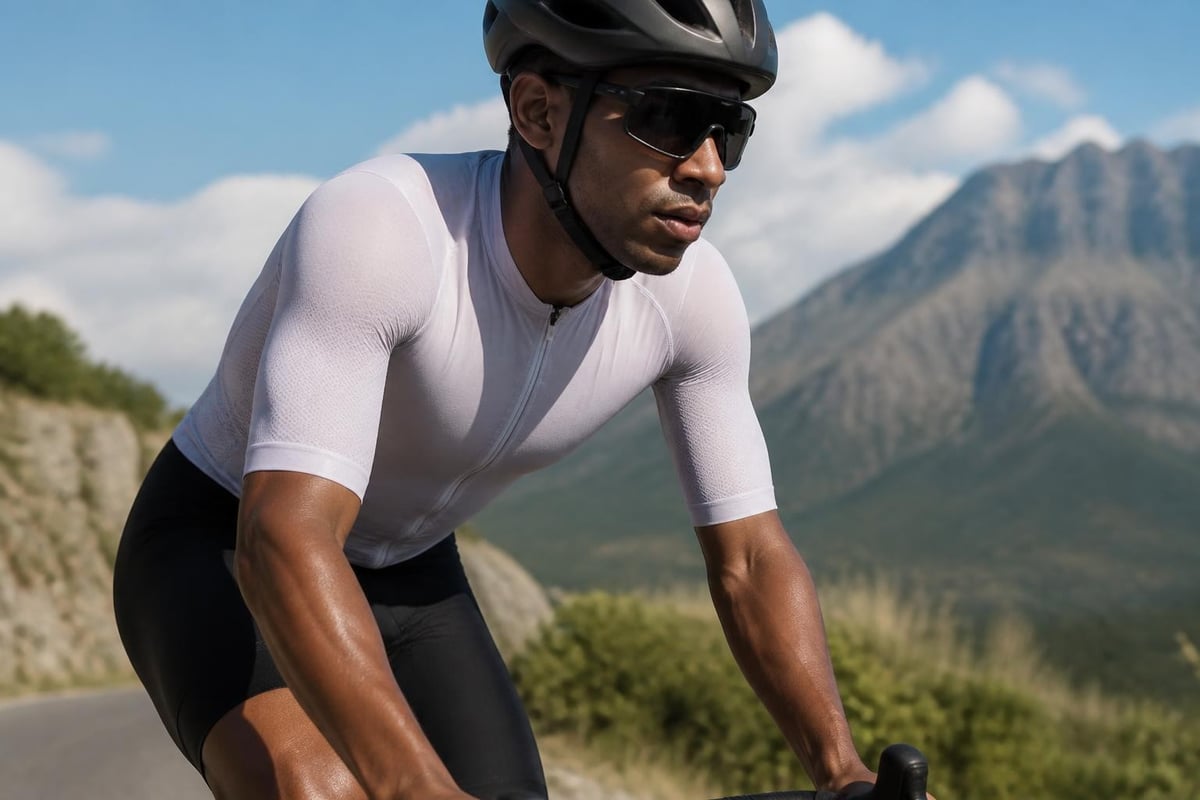
The best manufacturers employ skilled teams who understand the biomechanics of cycling. Pattern makers account for the forward-leaning riding position, creating garments that fit perfectly on the bike even if they look slightly unusual when standing. Understanding proper cycling jersey fit becomes essential when evaluating different brands and their sizing philosophies.
| Manufacturing Element | Impact on Performance | Longevity Factor |
|---|---|---|
| Sublimation printing | No design degradation | 3-5 year lifespan |
| Flatlock seams | Zero chafing points | Prevents separation |
| Italian fabrics | Superior moisture wicking | Maintains elasticity |
| Quality control testing | Consistent fit across production | Reduces defects to <0.5% |
Leading Performance-Oriented Brands
Several manufacturers have established themselves as benchmarks for competitive cycling apparel. These brands frequently appear in professional pelotons and consistently receive top marks in independent testing.
Rapha
Rapha revolutionized cycling culture by treating apparel as lifestyle products without compromising performance. Their garments feature distinctive styling combined with technical excellence. The brand's Pro Team collection uses lightweight fabrics that provide compression and aerodynamic benefits while maintaining breathability during intense efforts.
Rapha's women's line deserves particular recognition for female-specific pattern development rather than simply scaling down men's designs.
Castelli
Italian manufacturer Castelli has supplied professional teams for decades. Their Gabba jacket essentially created the "bad weather race jersey" category, proving that innovative problem-solving defines industry leadership.
Castelli pioneered the use of different fabric panels within single garments, placing wind-resistant materials on the chest and breathable mesh on the back. This strategic fabric mapping has become standard among top cycling apparel brands but remains most refined in Castelli's execution.
Assos
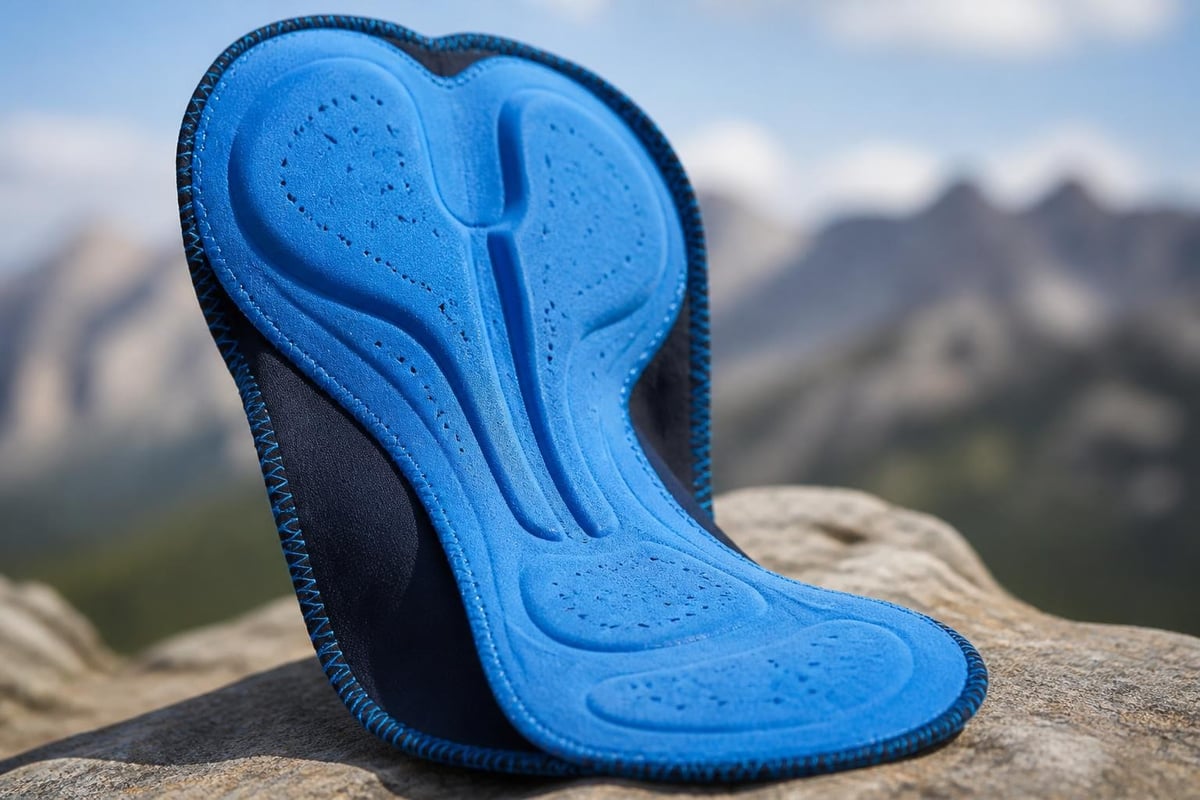
Swiss brand Assos focuses obsessively on chamois technology and bib short construction. Their chamois engineering incorporates multiple foam densities and strategic perforations that reduce pressure points during long rides.
Assos garments command premium prices but deliver corresponding performance. Their "Type.701" fabric system represents years of development, offering muscle support without the restrictive feeling common in lower-quality compression wear.
Emerging Innovative Brands
Established names face increasing competition from newer manufacturers bringing fresh perspectives and technologies to the market.
MAAP
Australian brand MAAP combines minimal aesthetics with cutting-edge fabrics. Their garments emphasize clean lines and subtle branding while incorporating the same performance features found in traditional cycling wear. MAAP's appeal to younger riders demonstrates how brand identity and community building increasingly influence purchasing decisions.
PEdALED
PEdALED targets adventure and gravel cyclists who need versatility beyond race-specific cuts. Their jackets and jerseys incorporate pockets for tools and nutrition while maintaining the technical performance competitive riders expect.
This market segment has expanded rapidly as cycling trends evolve toward mixed-terrain riding and bikepacking adventures.
Black Sheep Cycling
This Australian manufacturer embraces bold graphics and unconventional patterns while maintaining professional-grade construction. Black Sheep demonstrates that technical excellence and expressive design aren't mutually exclusive, appealing to riders who view cycling kit as personal expression.
Women's Cycling Apparel Excellence
Female-specific cycling clothing has progressed beyond token offerings to genuinely engineered solutions addressing anatomical differences.
Key considerations in women's cycling apparel include:
- Shorter torso lengths with adjusted sleeve proportions
- Wider hip allowances without excess waist fabric
- Chamois designs accounting for different sit bone spacing
- Strap systems that accommodate chest dimensions
- Strategic pocket placement for accessible storage
Independent testing of women's jerseys reveals significant performance variation among brands. Top manufacturers invest in female-specific fit models and testing protocols rather than simply adjusting men's patterns.
Specialized S-Works Women's Collection
Specialized developed their women's line through extensive rider feedback and biomechanical analysis. Their bib shorts feature the "Body Geometry" chamois with contoured shaping that eliminates pressure on soft tissue during extended rides.
Velocio
Women-founded Velocio creates apparel exclusively for female cyclists. This singular focus allows deep expertise in fit challenges other brands often overlook. Their jerseys account for different shoulder angles and arm lengths common in female physiology.
Sustainability in Cycling Apparel Manufacturing
Environmental responsibility increasingly influences brand reputation and consumer loyalty. Sustainable cycling clothing brands employ various strategies to reduce environmental impact while maintaining performance standards.
| Sustainability Practice | Brand Examples | Impact Measurement |
|---|---|---|
| Recycled polyester fabrics | Pas Normal, Café du Cycliste | 50-60% reduced carbon footprint |
| Local production | Rapha (Europe), Machines for Freedom (USA) | Lower shipping emissions |
| Repair programs | Patagonia, Rapha | Extended product lifespan |
| Biodegradable packaging | Multiple brands | Reduced plastic waste |
Several manufacturers now use fabrics derived from recycled plastic bottles. While performance once lagged behind virgin materials, current recycled polyester matches traditional fabrics in moisture management and durability.
Production location matters beyond sustainability. Manufacturers with facilities in developed cycling markets often maintain tighter quality control and can respond quickly to product issues. For teams and clubs seeking custom designs, working with manufacturers who maintain their own production facilities ensures consistent quality across orders. Custom cycling apparel requires precise coordination between design, printing, and assembly to deliver professional results.
Value-Oriented Quality Brands
Premium performance doesn't always require premium pricing. Several brands deliver excellent quality at accessible price points.
Decathlon's Van Rysel
French retailer Decathlon's cycling brand Van Rysel offers remarkable value. Their RCR jersey and bib short compete with products costing three times as much, featuring Italian fabrics and quality construction typically found in premium ranges.
Van Rysel demonstrates how vertical integration and direct-to-consumer sales eliminate markup layers without compromising manufacturing quality.
Endura
Scottish manufacturer Endura balances performance and affordability across their extensive range. Their Pro SL collection uses advanced fabrics and construction at prices significantly below competitor equivalents. Endura's longevity in the market reflects consistent quality that builds customer loyalty.
Technical Innovation Driving the Industry
Material science advances continually reshape what cycling apparel can achieve. Current innovation focuses on several key areas.
Graphene-enhanced fabrics improve thermal regulation by distributing heat more evenly across garment surfaces. Early adopters report noticeable comfort improvements during variable-intensity riding.
Seamless construction eliminates pressure points entirely. While manufacturing costs remain higher than traditional cut-and-sew methods, comfort benefits justify premium pricing for long-distance riders.
Smart textiles with embedded sensors track heart rate, muscle activation, and body position. While still emerging, these technologies may eventually provide real-time biomechanical feedback through cycling clothing.
According to comprehensive brand analysis, top cycling apparel brands now release updated fabric technologies every 18-24 months, accelerating the innovation cycle considerably from the 3-5 year timeline common a decade ago.
Fit Philosophy Differences Among Top Brands
Understanding fit categories helps match brands to body types and riding styles. Different manufacturers employ distinct approaches to garment cut and compression.
Race Fit
Race-oriented brands like Castelli, Assos, and Sportful create highly compressive garments designed for aggressive riding positions. Sleeves extend longer to accommodate forward reach, and torsos shorten to prevent fabric bunching when leaned over handlebars.
These fits may feel restrictive when standing but transform on the bike, reducing drag and eliminating flapping fabric.
Club Fit
Many top cycling apparel brands now offer "club" or "regular" fit options that provide performance benefits with less extreme compression. These cuts suit recreational riders, those with less flexible riding positions, or cyclists who prefer comfort over marginal aerodynamic gains.
Relaxed or Commuter Fit
Brands targeting transportation cyclists and casual riders use looser cuts with more upright torso positioning. These garments incorporate cycling-specific features like longer backs and reflective elements while maintaining everyday wearability.
Practical cycling essentials guides emphasize that appropriate fit selection matters more than brand prestige for rider satisfaction and garment longevity.
Regional Manufacturing Considerations
Production location influences both quality control and cost structure across the industry. European manufacturers traditionally dominated premium cycling apparel, but Asian facilities now produce exceptional quality when properly managed.
Italy remains the center of fabric innovation, with mills around Bergamo and Como supplying materials to brands worldwide. These fabrics command premium pricing but deliver superior performance characteristics.
Manufacturing facilities in China and the Philippines can produce professional-grade cycling apparel when equipped with modern sublimation equipment and staffed by trained specialists. Quality depends on factory oversight, technical expertise, and commitment to precise construction standards rather than geographic location alone.
The most successful custom apparel manufacturers maintain direct facility control rather than outsourcing to contract factories. This integration ensures consistent quality across production runs and enables rapid problem resolution when issues arise.
Team Kit and Custom Design Excellence
Professional team sponsorships drive significant brand visibility, but custom kit programs serve growing club and amateur racing markets. Top cycling apparel brands offer varying levels of customization support.
Custom program evaluation criteria:
- Minimum order quantities (ranging from 10 to 100+ pieces)
- Design assistance and template libraries
- Turnaround times from order to delivery
- Color matching accuracy and sublimation quality
- Sizing consistency across production batches
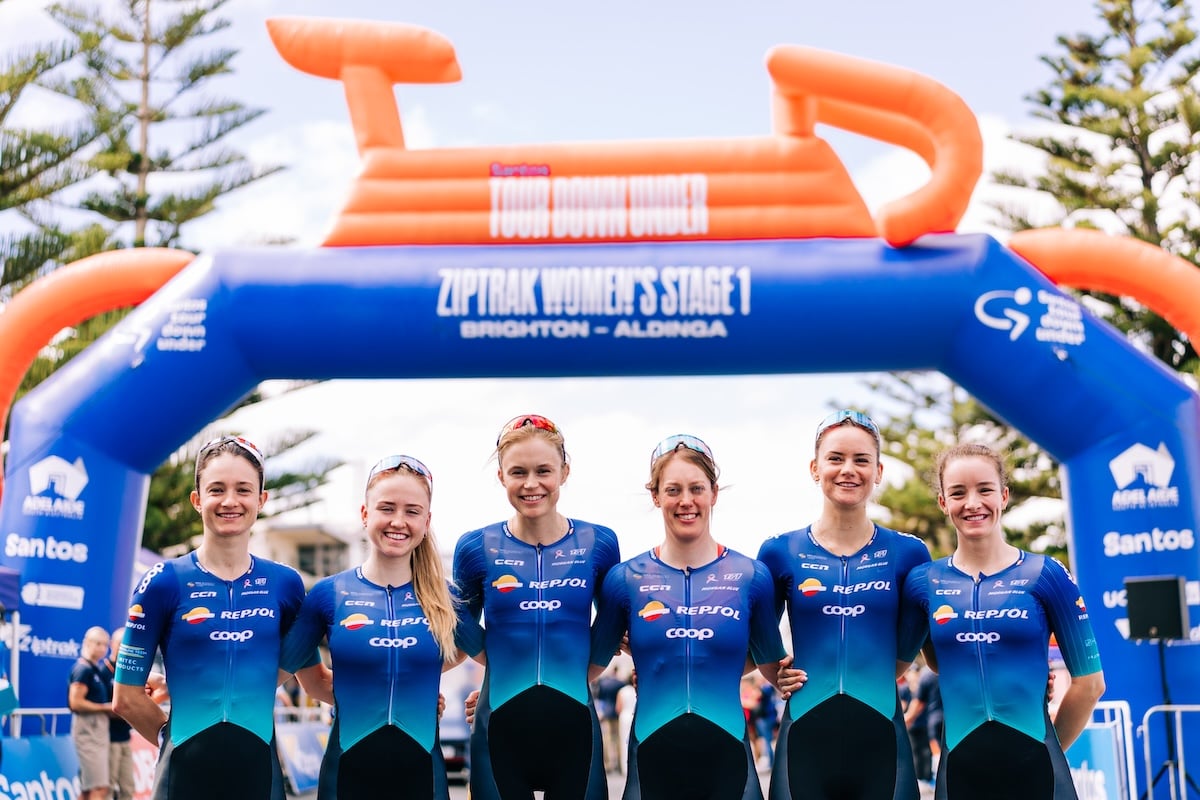
Brands like Castelli and Santini built reputations supplying professional teams, bringing manufacturing precision to smaller custom orders. Recent success stories like Factor Racing's performance demonstrate how properly executed custom kit programs support competitive cycling at all levels.
Teams and clubs should prioritize manufacturers with proven sublimation expertise. This printing technology ensures designs remain vibrant through countless wash cycles and intense UV exposure, maintaining professional appearance season after season.
Price-to-Performance Analysis
Understanding value requires examining total cost of ownership rather than initial purchase price. A jersey costing $180 that lasts five years with retained performance delivers better value than a $60 jersey requiring replacement annually.
Investment Tier (>$150)
Premium brands justify higher pricing through superior fabrics, advanced construction, and proven durability. Riders logging 5,000+ annual miles often find these products cost-effective over their lifespan.
Performance Tier ($80-$150)
This category offers the best balance for most cyclists. Brands like Endura, Giordana, and Van Rysel deliver genuine performance benefits with good longevity at moderate prices.
Entry Tier (<$80)
Budget options serve beginners exploring cycling or riders needing occasional-use garments. Quality varies significantly in this range, making brand selection critical.
Care and Maintenance for Longevity
Proper garment care extends the lifespan of even premium cycling apparel. Top cycling apparel brands typically recommend specific washing protocols.
Essential care practices include:
- Washing in cold water with gentle detergent
- Avoiding fabric softeners that coat technical fibers
- Air drying rather than machine drying
- Separating chamois-equipped garments to prevent pad damage
- Storing away from direct sunlight to prevent UV degradation
Following manufacturer guidelines preserves fabric elasticity, moisture-wicking properties, and appearance. Many warranty claims result from improper care rather than manufacturing defects.
Selecting from the top cycling apparel brands requires balancing performance needs, budget constraints, and personal fit preferences. The most expensive option isn't always the best choice, but investing in quality construction and proven fabrics delivers measurable comfort and durability advantages. Whether you're building a custom team kit or refreshing your personal wardrobe, prioritizing proper fit, construction quality, and manufacturer expertise ensures satisfaction for thousands of miles. CCN Sport combines advanced sublimation technology with skilled craftsmanship to create custom cycling apparel that meets professional standards while bringing your unique vision to reality.

Share:
Biking Outfit Women: Complete Guide to Performance Gear
How a Pro Fit Cycling Jersey Should Feel