


Sale cycling has become an essential strategy for cycling apparel brands navigating the complex balance between inventory management, customer demand, and profitability. In the custom cycling apparel industry, where seasonal trends, team orders, and individual customization intersect, understanding how to strategically plan and execute markdown cycles can mean the difference between healthy margins and costly write-offs. This systematic approach to pricing adjustments throughout a product's lifecycle requires careful planning, data analysis, and timing to maximize revenue while maintaining brand value and customer relationships.
Understanding Sale Cycling in the Cycling Apparel Market
Sale cycling refers to the planned, strategic reduction of product prices over time to optimize inventory turnover and revenue generation. Unlike reactive clearance events, sale cycling represents a proactive approach where brands anticipate demand fluctuations and plan markdown schedules accordingly.
For cycling apparel manufacturers and retailers, sale cycling takes on unique characteristics compared to general retail. The industry experiences distinct seasonal peaks tied to racing calendars, weather patterns, and training cycles. Professional teams place bulk orders months in advance, while individual cyclists shop based on upcoming events and seasonal transitions.
Key factors that influence sale cycling strategies include:
- Seasonal demand patterns (spring racing season, summer touring, winter training)
- Product lifecycle stages (new releases, mid-season inventory, end-of-season clearance)
- Custom order minimums and production lead times
- Team sponsorship cycles and kit refresh schedules
- Competitive pricing pressure from established brands
The Deloitte retail industry outlook highlights how inventory management and dynamic pricing have become critical differentiators in 2026, with successful brands leveraging data to inform markdown decisions rather than relying on gut instinct.

Planning Your Sale Cycling Calendar
Effective sale cycling begins with a well-structured calendar that aligns markdown periods with natural demand cycles. In the cycling apparel industry, this calendar typically follows a 12-month cycle with distinct phases.
Pre-Season Planning and Pricing
The pre-season period (typically January through March in the Northern Hemisphere) represents the inventory buildup phase. During this time, brands position new collections at full retail price, capitalizing on enthusiasm for the upcoming riding season.
Strategic considerations for pre-season include:
- Launch new designs and technologies at premium price points
- Establish baseline pricing that allows room for future markdown cycles
- Monitor early adoption rates to forecast demand accuracy
- Coordinate with team orders and sponsorship commitments
For custom cycling apparel providers like those working with teams and clubs, understanding low minimum custom cycling jerseys options becomes crucial during this planning phase.
Peak Season Price Maintenance
Peak cycling season (April through August) demands careful price management. This period generates the highest volume of sales, and maintaining price integrity becomes paramount to protecting profit margins.
| Month | Typical Strategy | Markdown Depth | Volume Expectation |
|---|---|---|---|
| April | Full price, select promotions | 0-10% | High |
| May | Maintain pricing | 0-15% | Very High |
| June | Strategic bundles | 10-20% | Very High |
| July | Selective markdowns | 15-25% | High |
| August | Transition pricing | 20-30% | Moderate |
During peak season, sale cycling focuses on moving slower inventory items while protecting best-sellers. Brands often use targeted promotions rather than broad markdowns to maintain perceived value.
Mid-Season Adjustments
As summer transitions to fall, sale cycling strategies shift to clear seasonal inventory while introducing transitional products. This phase requires careful analysis of sell-through rates and remaining stock levels.
The National Retail Federation's analysis of algorithmic pricing demonstrates how data-driven markdown decisions outperform traditional calendar-based approaches, particularly during these transitional periods.
Data-Driven Sale Cycling Strategies
Modern sale cycling relies heavily on data analytics to optimize timing and depth of markdowns. Successful cycling apparel brands track multiple metrics to inform their pricing strategies.
Critical Metrics for Sale Cycling
Inventory turnover rate measures how quickly stock converts to sales. In cycling apparel, healthy turnover rates vary by product category:
- Jerseys and shorts: 4-6 turns per year
- Outerwear and jackets: 2-3 turns per year
- Accessories: 6-8 turns per year
- Custom team kits: 1-2 turns per year
Sell-through percentage indicates the proportion of inventory sold at full price versus markdown. Premium cycling brands target 60-70% full-price sell-through, with planned markdown cycles accounting for the remainder.
Margin preservation tracks the balance between volume and profitability. Effective sale cycling maintains healthy gross margins even after markdown periods.
Research published on large-scale markdown pricing optimization shows that sophisticated brands use predictive models to determine optimal markdown timing and depth, balancing revenue maximization with inventory clearance goals.

Implementing Sale Cycling for Custom Cycling Apparel
Custom cycling apparel presents unique challenges for sale cycling because of the made-to-order nature of many products. However, strategic approaches can optimize both custom and stock inventory.
Balancing Custom Orders and Stock Inventory
Custom orders typically don't follow traditional sale cycling patterns because they're produced on demand. However, savvy brands use sale cycling principles to manage:
Sample inventory and showroom pieces that demonstrate customization options can be cycled through promotional periods to generate leads while clearing display stock.
Overruns and canceled orders occasionally create excess custom inventory that requires strategic markdown planning. These items can be positioned in sale cycling phases to attract individual buyers or smaller clubs.
Stock SKUs alongside custom options benefit from traditional sale cycling. Many custom apparel providers maintain a selection of ready-to-ship designs that follow seasonal markdown schedules.
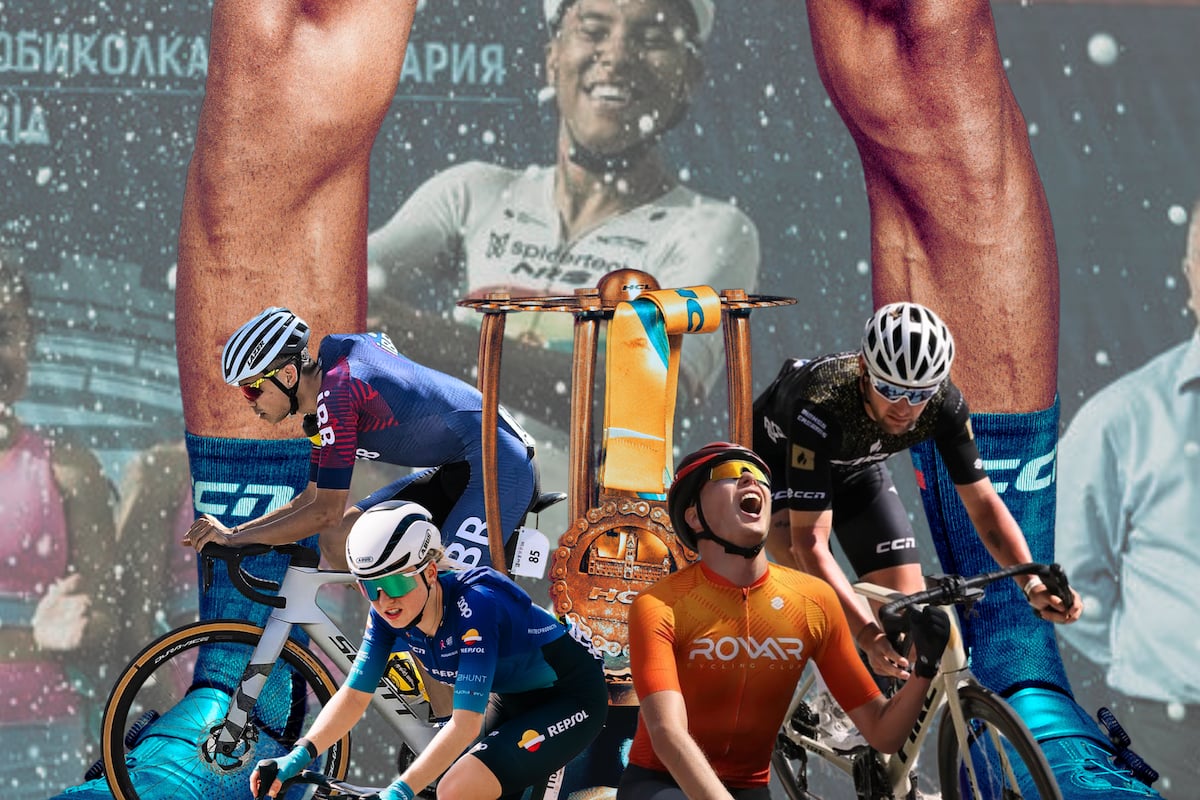
At CCN Sport, our custom products are made with precision to minimize excess inventory, but our approach to stock items and sample collections incorporates strategic sale cycling to maintain healthy turnover while showcasing our sublimation capabilities.
Timing Markdowns for Maximum Impact
The timing of markdown events significantly impacts their effectiveness. In cycling apparel, several key moments present optimal opportunities:
- Post-major race events (Tour de France, Giro d'Italia, local championship races) when attention shifts and demand temporarily softens
- Weather transitions when riders shift from summer kits to fall/winter gear or vice versa
- New product launches when previous generation items need clearance space
- Training season preparation (November-December) when off-season pricing can drive volume
Depth of Discounts Across Sale Cycling Phases
Strategic sale cycling uses progressively deeper discounts as products age or seasons change:
| Phase | Typical Discount | Duration | Goal |
|---|---|---|---|
| First markdown | 15-25% | 2-3 weeks | Test price sensitivity |
| Second markdown | 25-40% | 3-4 weeks | Accelerate turnover |
| Final clearance | 40-60% | Until sold | Complete inventory exit |
The KPMG inventory handbook provides detailed guidance on accounting treatment of markdowns, helping brands properly manage the financial reporting aspects of sale cycling strategies.
Protecting Brand Value During Sale Cycling
One of the greatest challenges in sale cycling is maintaining brand perception while offering discounted products. Cycling apparel brands must carefully manage how and where they promote markdowns.
Strategic Channels for Sale Cycling
Direct-to-consumer channels provide the most control over sale cycling messaging. Brands can segment email lists, create exclusive member pricing tiers, and maintain full control over discount presentation.
Retail partner coordination requires clear communication about markdown timing to prevent channel conflict. Successful brands establish markdown calendars with retail partners months in advance.
Flash sales and limited-time offers create urgency without training customers to wait for discounts. These tactical promotions fit within broader sale cycling strategies while maintaining pricing discipline.
Maintaining Premium Positioning
Premium cycling apparel brands face particular challenges with sale cycling. Strategies to protect brand value include:
- Private sales for existing customers that reward loyalty without public markdown announcements
- Bundle pricing that maintains per-item value while offering overall savings
- Trade-in programs where customers receive credit toward new purchases when retiring old kit
- Team and club volume pricing that provides discounts based on quantity rather than seasonal markdown cycles
Brands like those featured in Factor Racing's tour coverage demonstrate how maintaining professional team associations helps preserve premium positioning even during promotional periods.
Technology and Tools for Sale Cycling Management
Modern sale cycling depends on technology to track inventory, analyze performance, and execute pricing changes efficiently.
Inventory Management Systems
Robust inventory systems provide real-time visibility into stock levels, sell-through rates, and aging inventory. For cycling apparel brands, these systems must handle:
- Multiple size matrices (XS through 3XL, various inseam lengths)
- Color and design variations
- Custom versus stock inventory tracking
- Multi-location warehousing (domestic and overseas production facilities)
Pricing Optimization Software
Advanced retailers use algorithmic pricing tools that recommend markdown timing and depth based on historical data, current trends, and competitive intelligence. These systems consider factors like:
Demand elasticity for different product categories and price points
Competitive positioning relative to similar products in the market
Seasonal velocity patterns unique to cycling apparel buying behavior
Margin requirements to ensure profitability targets are met
Customer Relationship Management
CRM systems enable targeted sale cycling communications to different customer segments. Cycling apparel brands can create campaigns for:
- Competitive racers who prioritize performance and buy early season
- Recreational riders who are more price-sensitive and wait for sales
- Team coordinators planning bulk orders on annual cycles
- Bike shop owners and dealers seeking wholesale pricing
Regional Variations in Sale Cycling
Cycling apparel brands operating in multiple markets must adapt sale cycling strategies to regional differences in climate, racing calendars, and purchasing behavior.
Northern vs. Southern Hemisphere Timing
Brands serving both hemispheres effectively run two parallel sale cycling calendars offset by six months. Spring/summer inventory in North America corresponds with fall/winter in Australia and South America.
Coordination challenges include:
- Production planning to support dual seasonal peaks
- Inventory allocation across regions
- Marketing resource distribution
- Shipping and logistics optimization
Cultural Purchasing Patterns
Different markets exhibit varying responses to sale cycling strategies:
North American markets show strong response to promotional events (Black Friday, end-of-season sales, holiday promotions)
European markets often prefer steady pricing with select sale periods aligned with traditional vacation schedules
Asian markets may respond better to limited-edition releases and exclusive access rather than broad markdown events
Building a Sustainable Sale Cycling Strategy
Long-term success in sale cycling requires discipline and consistency. Brands that randomly discount or frequently run "emergency" clearance events train customers to wait for sales and erode their pricing power.
Annual Review and Optimization
Successful cycling apparel brands conduct thorough annual reviews of sale cycling performance:
- Analyze markdown effectiveness by measuring actual sell-through against projections
- Calculate total markdown investment as a percentage of revenue
- Evaluate gross margin preservation across full-price and promotional periods
- Identify problem SKUs that consistently require deeper markdowns
- Adjust future production based on sale cycling insights
Forecasting and Production Planning
Sale cycling data informs smarter production decisions. By understanding which items sell through at full price and which require markdown, brands can:
- Reduce production quantities for historically slow-moving SKUs
- Increase investment in proven bestsellers with minimal markdown requirements
- Develop new products that fill gaps in the current assortment
- Time new releases to create natural clearance windows for existing inventory
Building Customer Loyalty Beyond Price
The most sustainable approach to sale cycling recognizes that while markdowns serve important inventory management functions, customer relationships should be built on value beyond price.
Quality and performance remain the primary drivers for serious cyclists. Brands that deliver superior products reduce price sensitivity.
Customization and personalization create emotional connections that transcend promotional pricing.
Expert service and support differentiate premium brands from discount competitors.
Community building through events, sponsored athletes, and content marketing creates loyalty that withstands occasional price promotions.
Sale cycling represents a critical strategic lever for cycling apparel brands seeking to balance inventory efficiency with profitability and brand value. By implementing data-driven markdown strategies, timing promotional periods to align with seasonal demand patterns, and maintaining pricing discipline, brands can optimize financial performance while serving their customers effectively. Whether you're managing stock inventory or coordinating custom team orders, the right approach to sale cycling creates sustainable competitive advantage. At CCN Sport, we combine over 20 years of experience in premium custom cycling apparel with strategic inventory management to deliver exceptional value. Our advanced sublimation process and skilled team ensure every piece meets the highest standards, whether you're ordering custom team kits or selecting from our curated collections.

Share:
Women's Cycling Racewear Guide for Faster Days