


The road cycling jersey has evolved from a simple piece of athletic clothing into a highly engineered performance garment that balances aerodynamics, comfort, temperature regulation, and team identity. Whether you're a competitive racer chasing marginal gains, a weekend enthusiast seeking comfort on century rides, or a team manager building a cohesive brand identity, understanding the nuances of jersey design, fit, and construction can significantly impact your riding experience. In 2026, advances in fabric technology, sublimation printing, and fit engineering have made the modern road cycling jersey an essential tool for performance and style.
Understanding Road Cycling Jersey Fit Categories
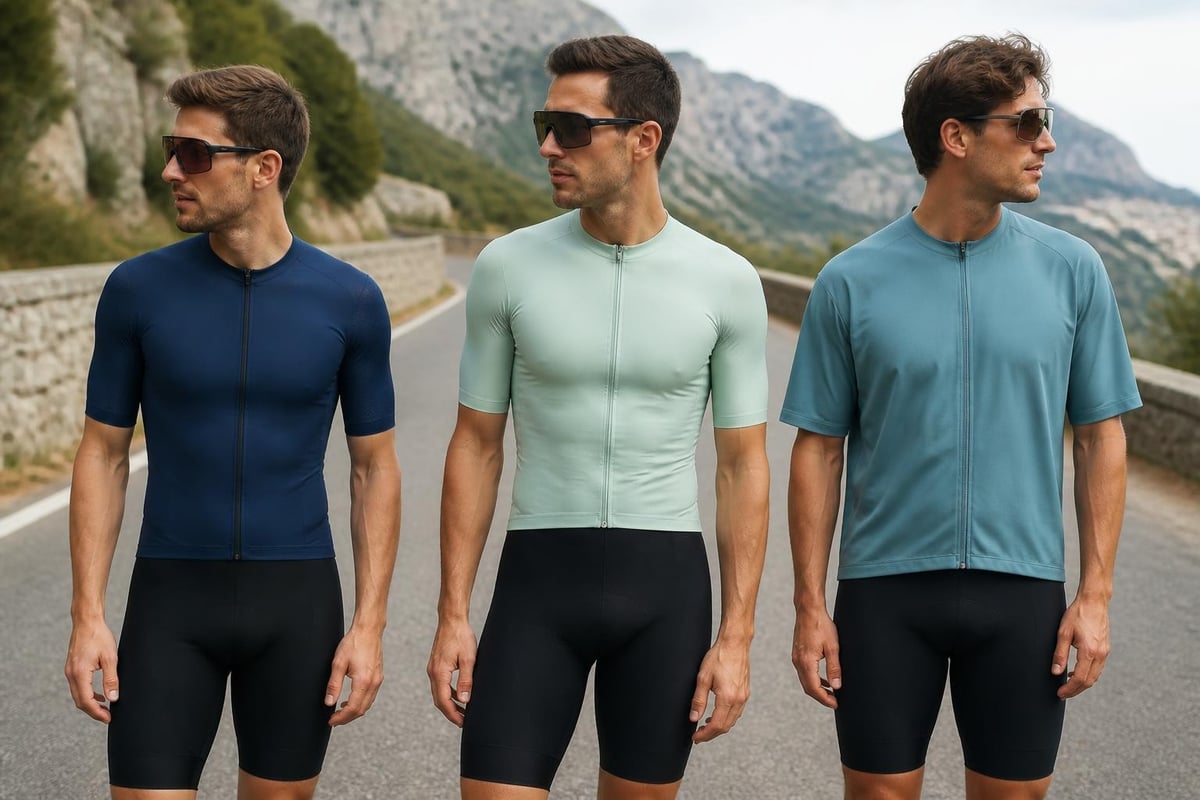
The fit of a road cycling jersey fundamentally determines both comfort and aerodynamic efficiency. Modern jerseys typically fall into three distinct fit categories, each engineered for specific riding positions and rider preferences.
Race fit jerseys prioritize aerodynamics above all else. These garments hug the body tightly, minimizing fabric flutter and reducing drag coefficient. The sleeves typically finish mid-bicep, and the overall length extends to cover the lower back when in an aggressive, hunched position. According to Bicycling magazine's comprehensive guide, race-fit jerseys work best for riders who maintain an aero position for extended periods and have minimal body-fat percentage.
Club fit strikes a balance between aerodynamics and comfort. These jerseys follow the body's contours without excessive compression, making them ideal for group rides, gran fondos, and recreational racing. The slightly relaxed cut accommodates a wider range of body types while still maintaining performance characteristics that matter during long rides.
Performance Characteristics by Fit Type
| Fit Category | Aerodynamic Benefit | Comfort Level | Best For |
|---|---|---|---|
| Race | Highest (3-5% drag reduction) | Moderate | Competitive racing, time trials |
| Club | Good (1-2% drag reduction) | High | Group rides, sportives, training |
| Relaxed | Minimal | Highest | Casual riding, touring, beginners |
Relaxed fit jerseys prioritize comfort and accessibility. With a looser cut and often shorter sleeves, these garments appeal to casual riders, commuters, and those new to cycling. While they sacrifice some aerodynamic advantage, the improved ventilation and unrestricted movement make them ideal for social rides and mixed-terrain adventures.
Fabric Technology and Performance Materials
The materials used in a road cycling jersey directly influence moisture management, temperature regulation, and durability. In 2026, the industry has converged around several high-performance fabric platforms that deliver measurable advantages.
Polyester remains the foundation of most performance jerseys due to its exceptional moisture-wicking properties and structural stability. Modern polyester blends incorporate varying denier weights to create zoned ventilation-lighter, more open weaves across the back and underarms for maximum airflow, with denser construction on wind-facing surfaces for protection.
Merino wool blends have gained significant traction among endurance riders and gravel enthusiasts. These natural-synthetic hybrids combine wool's temperature-regulating and odor-resistant properties with polyester's durability and quick-drying performance. Typically blended at 60/40 or 70/30 ratios (polyester/merino), these fabrics excel during variable weather conditions.
Material Performance Comparison
- 100% polyester: Fastest drying, most durable, excellent color retention through sublimation
- Polyester-elastane blends: Enhanced stretch and recovery, improved compression, superior fit retention
- Merino-polyester hybrids: Natural odor control, wider temperature comfort range, softer hand feel
- Recycled polyester: Equivalent performance to virgin material with reduced environmental impact
Textile Exchange mapping data demonstrates that recycled polyester now performs identically to virgin material in cycling applications while reducing manufacturing carbon footprint by approximately 32%. This shift has enabled brands and teams to pursue sustainability goals without compromising jersey performance.
The advanced sublimation process ensures that regardless of base material, graphics and team colors remain vibrant and durable throughout the garment's lifecycle. Unlike screen printing or heat transfer methods, sublimation bonds dye directly into polyester fibers, creating designs that won't crack, peel, or fade even after hundreds of wash cycles.
Aerodynamic Design Elements in Modern Jerseys
Research published in the Journal of Fluid Mechanics quantifies how clothing choices impact a cyclist's coefficient of drag (CdA) and overall aerodynamic efficiency. The study confirms that a properly fitted road cycling jersey can reduce drag by 3-7% compared to loose athletic wear, translating to measurable time savings over distance.
BikeRadar's 2024 aero-tech trends analysis highlights several design innovations that have become standard in high-performance jerseys. Ribbed fabrics on sleeves and side panels create micro-turbulence that delays boundary-layer separation, reducing overall drag. Laser-cut sleeve endings eliminate hem bulk and create a seamless transition to skin or arm warmers.
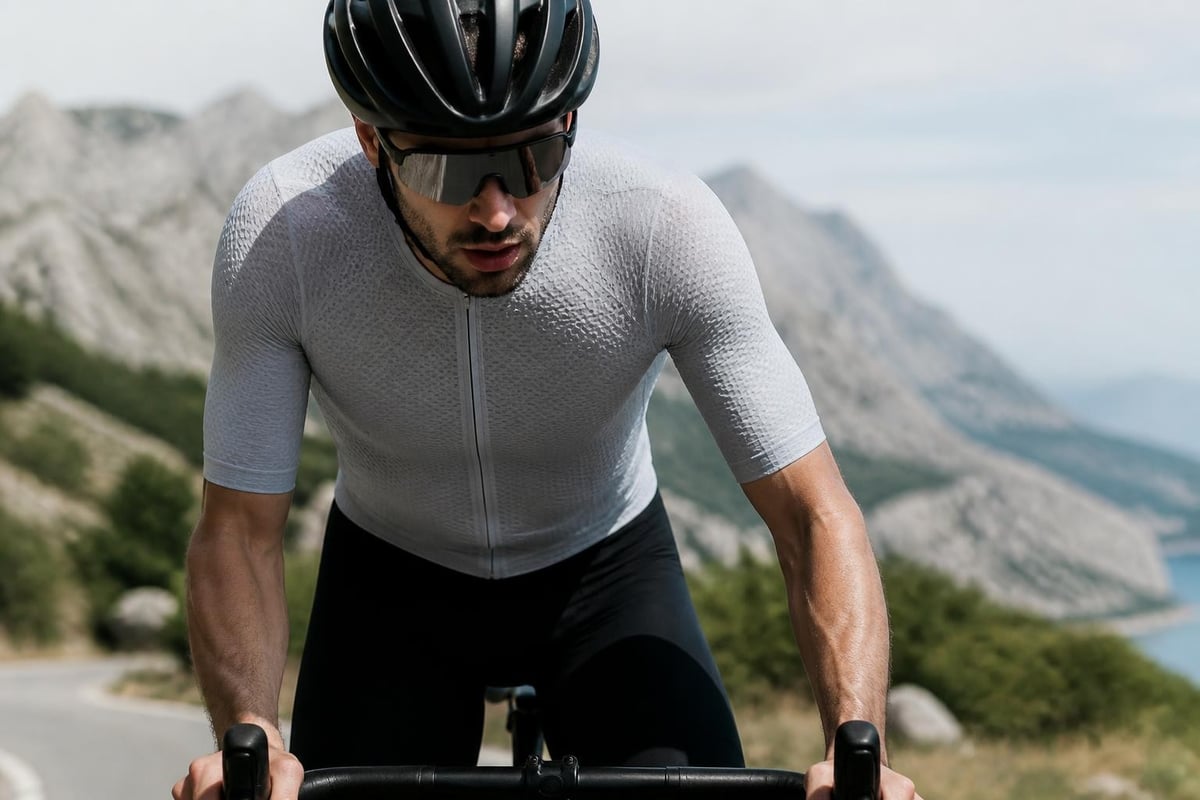
Textile surface treatment represents one of the most significant recent advances. Dimpled or trip-wire fabrics strategically placed on shoulders and upper arms disrupt laminar airflow, paradoxically reducing drag at cycling speeds (25-35 mph). These textured zones work similarly to golf ball dimples, creating controlled turbulence that allows air to stay attached to the body longer.
Key Aerodynamic Features
- Compressive race fit that eliminates fabric flutter
- Elongated torso cut to prevent riding up in aero position
- Raw-edge or laser-cut hems at sleeves and waist
- Textured fabric zones on shoulders and upper back
- Low-profile collar that doesn't interfere with helmet position
The pocket configuration also influences aerodynamics. Traditional triple rear pockets remain standard, but their placement has shifted slightly higher and closer to the spine to maintain a smooth back profile when loaded with nutrition, tools, and devices.
Temperature Regulation and Ventilation Systems
Effective temperature management separates functional jerseys from exceptional ones. The human body generates approximately 300-400 watts of heat during moderate cycling efforts, and dissipating this thermal load while maintaining core temperature stability requires deliberate design.
Body mapping uses different fabric weights and weave densities across the jersey. High-output zones like the back, underarms, and sides receive lighter, more open mesh panels that promote evaporative cooling. Wind-facing areas on the chest and shoulders utilize slightly denser fabrics that block wind chill while still allowing moisture vapor to escape.
Full-length zippers provide maximum ventilation control, allowing riders to dump excess heat during climbs and close up for descents. Half-zip designs offer adequate ventilation for most conditions while reducing weight and maintaining a cleaner aesthetic. The zipper garage-a small fabric flap at the collar-prevents neck chafing and creates a finished look when fully zipped.
Strategic ventilation also includes:
- Mesh panels along the side seams for cross-ventilation
- Perforated fabrics across the upper back and shoulders
- Extended zipper length (15-18 inches) for maximum airflow control
- Moisture-wicking collar construction to prevent sweat accumulation
For teams and clubs designing custom kits, understanding these technical requirements ensures that aesthetic choices don't compromise functional performance. At CCN Sport, precision body mapping and strategic fabric selection are integrated into every custom design, ensuring that team identity and rider comfort work in harmony.

Custom Design and Team Branding Considerations
For competitive teams, cycling clubs, and sponsored athletes, the road cycling jersey serves as both performance equipment and mobile branding platform. UCI regulations outlined in official team instructions specify precise requirements for logo placement, size restrictions, and mandatory positioning of race numbers, creating a framework within which creative design must operate.
UCI-Compliant Logo Placement Guidelines
| Location | Maximum Size | Priority Use |
|---|---|---|
| Chest | 60 cm² | Primary sponsor |
| Shoulders | 50 cm² | Co-sponsors |
| Upper sleeves | 40 cm² | Technical partners |
| Lower back | 150 cm² | Title sponsor |
| Side panels | 80 cm² | Secondary sponsors |
Sublimation printing technology has revolutionized custom jersey production by eliminating the traditional constraints of screen printing. Complex gradients, photographic elements, and unlimited color palettes become feasible without additional cost or production complexity. This freedom allows teams to create distinctive identities that maintain visibility in the peloton while meeting sponsor obligations.
Color psychology plays a subtle but important role in team kit design. High-contrast color blocks improve visibility in group rides and racing scenarios, potentially enhancing safety. Bold, saturated colors photograph well for social media and marketing applications. Reflective elements integrated into the design pattern add visibility during low-light conditions without compromising aesthetics.
The production timeline for custom jerseys typically spans 4-6 weeks from final design approval to delivery. This includes design iteration, sample production for fit verification, full production run, quality inspection, and international shipping. Teams should factor this timeline when planning for race calendars or seasonal kit launches, as explored in detail at CCN Sport's production facilities.
Seasonal Variations and Weather-Specific Designs
The standard short-sleeve road cycling jersey optimizes for temperatures between 65-85°F (18-29°C), but serious cyclists require options for broader environmental conditions. Understanding these variations helps teams and individuals build comprehensive kit wardrobes.
Summer jerseys prioritize maximum ventilation through ultra-lightweight fabrics (typically 110-130 GSM), extensive mesh paneling, and light color options that reflect solar radiation. Sleeveless or women's-specific mesh-back designs push ventilation even further for racing in extreme heat.
Spring-fall jerseys utilize medium-weight fabrics (140-160 GSM) with less aggressive ventilation. These transitional pieces often feature longer sleeves (3/4 or full length) and slightly higher collars. They layer effectively under vests or jackets for additional versatility.
Winter jerseys represent a distinct category with thermal fleece backing, wind-resistant front panels, and extended torso coverage. While these fall outside the traditional road cycling jersey category, understanding the continuum helps teams develop cohesive seasonal kit strategies.
Many riders optimize their jersey selection by building a three-tier system:
- Lightweight race jersey for competition and summer training
- Medium-weight club jersey for spring, fall, and moderate conditions
- Long-sleeve base layer + vest combination for flexibility across temperature ranges
This approach provides complete coverage from 45-95°F (7-35°C) without requiring a dedicated jersey for every five-degree increment.
Construction Quality and Durability Factors
The longevity of a road cycling jersey depends heavily on construction techniques that withstand the unique stresses of cycling-repeated flexion, sustained compression, moisture exposure, and frequent washing.
Flatlock stitching creates strong, flexible seams that lie flat against the skin, preventing chafing during extended rides. This construction method uses overlapping fabric edges sewn with a wide zigzag stitch that stretches with the material. Quality jerseys employ four-thread flatlock seams on all major panels, while budget options may use simpler two-thread or chain stitching that's more prone to failure.
Gripper elastic at the waist hem keeps the jersey in place without excessive compression. Silicone-backed elastic creates friction against skin or base layers, preventing ride-up during aggressive riding positions. The gripper should be 1-1.5 inches wide for effective holding without creating uncomfortable pressure points.
Panel construction significantly impacts both fit and durability. High-end jerseys use 6-8 individual panels cut to follow body contours precisely, with seam placement that aligns with natural body movements. This thoughtful engineering reduces stress concentration points and extends garment life.
Quality Indicators to Evaluate
- Seam consistency: Even stitch tension with no loose threads or skipped stitches
- Zipper durability: YKK or equivalent quality with reinforced attachment points
- Pocket reinforcement: Bar-tack stitching at stress points prevents tearing
- Fabric weight uniformity: No thin spots or irregular density patterns
- Gripper adhesion: Silicone dots remain secure after multiple wash cycles
Proper care extends jersey longevity significantly. Cold-water washing, air drying (never machine drying), and avoiding fabric softeners preserve both the technical properties of performance fabrics and the vibrancy of sublimated graphics. Quality jerseys from reputable manufacturers should deliver 200+ wear cycles before showing significant degradation.
Pocket Configuration and Storage Solutions
The triple rear pocket remains the defining storage feature of the road cycling jersey. Positioned low on the back to maintain center of gravity and balance load weight, these pockets accommodate nutrition, tools, spare tubes, phones, and additional layers.
Standard pocket configuration includes three equal-width pockets spanning the lower back, typically 5-6 inches deep. Many modern jerseys add a fourth zippered security pocket for valuables like keys, credit cards, or race licenses. This smaller pocket usually sits centered above or behind the main three, keeping important items secure during aggressive riding.
Pocket fabric deserves consideration in custom designs. Mesh pockets offer visibility and drainage for wet items but may stretch under heavy loads. Standard jersey fabric provides better support and security but adds slight weight. A hybrid approach-mesh center pocket with fabric outer pockets-balances these considerations effectively.
Pocket placement affects both comfort and aerodynamics. Positions too low create a pendulum effect that can cause the jersey to shift during hard efforts. Too high, and loaded pockets interfere with shoulder blade movement. Quality jerseys position pocket tops 2-3 inches below the shoulder blade bottom edge.
Some riders prefer expandable pockets that include hidden gussets, allowing capacity to grow when needed without creating excess fabric bulk when empty. This feature particularly benefits ultra-endurance riders or those carrying extra layers for variable weather conditions.
Choosing the Right Jersey for Your Riding Style
Selecting an optimal road cycling jersey requires honest assessment of your riding priorities, typical conditions, and performance goals. Different riding disciplines place varying demands on jersey design and features.
Competitive racers prioritize aerodynamics and lightweight construction above all else. Race-fit jerseys in the 110-130 GSM range with minimal pocket bulk and aggressive cuts deliver measurable advantages. These riders typically own multiple jerseys to rotate through training and racing schedules, accepting that race-oriented designs may sacrifice some comfort.
Enthusiast riders who participate in gran fondos, charity rides, and challenging group rides benefit most from club-fit jerseys that balance comfort with performance. Medium-weight fabrics (140-160 GSM) with generous pocket capacity and versatile styling make these jerseys suitable for both serious training and casual weekend rides.
Touring and adventure cyclists need durable jerseys with relaxed fits, reinforced pockets, and potentially additional features like zippered chest pockets or loop attachments for accessories. These applications prioritize all-day comfort and functionality over marginal aerodynamic gains.
For teams developing custom kits, understanding the riding style distribution within your membership ensures that custom designs serve the majority of use cases. A competitive racing team might specify aggressive race fits, while a social club would better serve members with club-fit specifications that accommodate varied body types and skill levels, as discussed in detail at CCN Sport's design resources.
The Business of Custom Team Jerseys
Industry analysis from the British Library cycling sector guide projects continued growth in custom cycling apparel, driven by grassroots club expansion, corporate team building initiatives, and increasing amateur race participation. This growth creates opportunities for teams to establish professional identities through cohesive kit programs.
Minimum order quantities for custom jerseys typically range from 15-25 units for full sublimation designs. This relatively low threshold makes custom kits accessible even for small clubs or corporate teams. Pricing scales with order volume, fabric choices, and design complexity, though sublimation's flexibility means that complex graphics carry minimal premium over simple designs.
Lead times represent the primary planning consideration. From initial concept to delivered product, custom jersey projects typically require:
- Week 1-2: Design concept development and revision
- Week 3: Technical pattern adjustment and sample production
- Week 4-5: Full production run and quality inspection
- Week 6: International shipping and customs clearance
Teams ordering for specific events should build 8-10 weeks of buffer time to accommodate potential delays or fit adjustments discovered during sample review.
The return on investment for custom team jerseys extends beyond mere clothing. Professional-looking kits enhance team cohesion, improve visibility for sponsors, create marketing content opportunities, and elevate the perceived value of team membership. Many clubs report easier recruitment and higher retention when investing in quality custom apparel programs.
The modern road cycling jersey represents a sophisticated balance of aerodynamics, comfort, durability, and brand identity, with technical innovations in fabric and construction delivering measurable performance advantages. Whether you're selecting jerseys for individual use or developing a custom team kit program, understanding fit categories, material properties, and design considerations ensures optimal results. CCN Sport combines advanced sublimation technology with over 20 years of manufacturing expertise to transform your vision into premium cycling apparel that performs at the highest level-from concept through delivery, we deliver precision-crafted jerseys built for the demands of competitive cycling.

Share:
How to Layer Cycling Clothes for Winter Rides
Men's Cycling Attire: The Complete Guide for 2026