

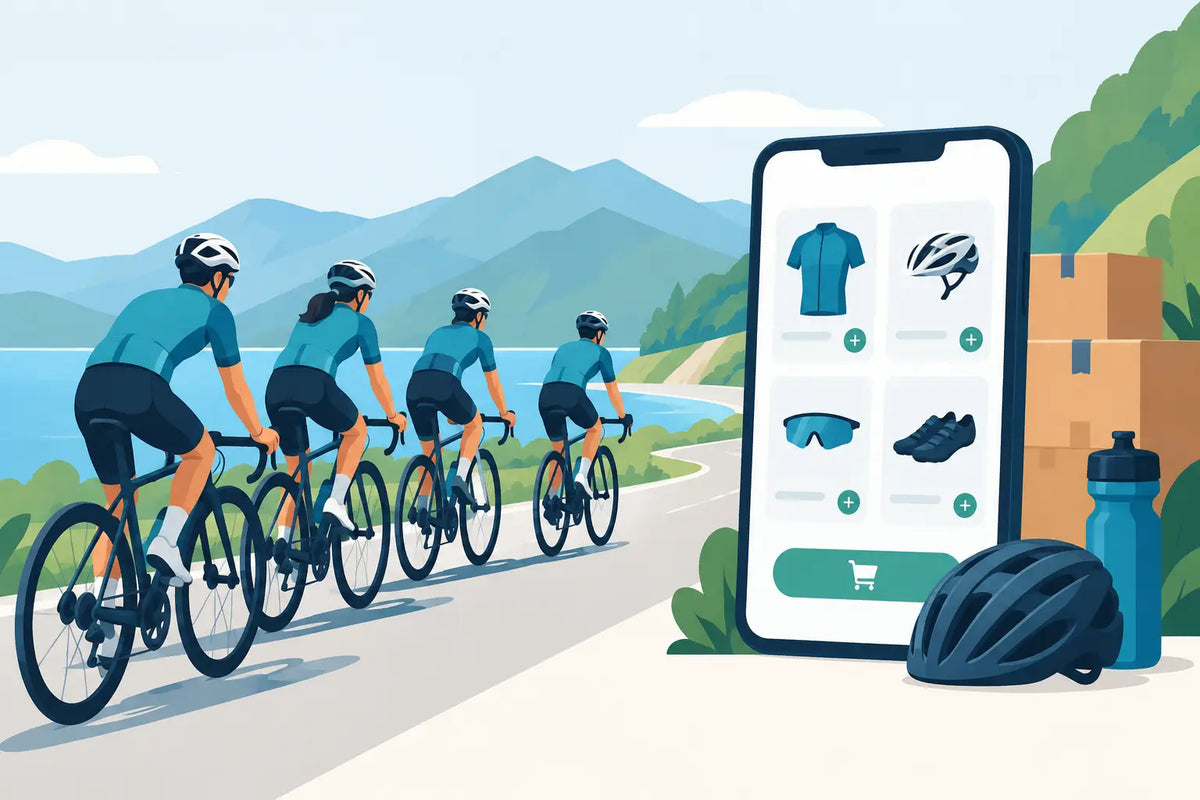
A team store can look polished and still create race-week problems. The future of team ordering platforms is not a prettier checkout page. It is a better operating system for getting every rider into the right kit, in the right size, with the correct sponsor artwork, before the first start line.
For cycling clubs, development squads, triathlon teams, and event organizers, apparel ordering sits at the intersection of performance and logistics. A missed size, an outdated logo, or an unclear close date can turn a custom kit project into a long chain of emails. Better platforms will reduce that friction while giving teams more control over fit, product choice, approvals, and delivery expectations.
The Future of Team Ordering Platforms Starts With Less Admin
The strongest ordering platform should remove work from the people already carrying the heaviest load: team managers, club volunteers, coaches, and custom apparel coordinators. These are often the people chasing rider sizes, answering questions about product options, approving late additions, and trying to make sure nobody arrives at a stage race in the wrong jersey.
A modern platform should make the next action obvious. Riders need to see the approved collection, know when the store closes, select their size, and check out without guessing. Administrators need a clear view of who has ordered, which sizes are trending, whether minimums are on track, and what still needs attention.
That does not mean every team needs a highly complex system. A local club with one spring order may prioritize a clean store, straightforward payments, and a reliable deadline. A national program may need rider permissions, multiple delivery locations, sponsor-controlled product access, and separate collections for training, racing, staff, and supporters. The platform should match the structure of the organization, not force every group into the same workflow.
Fit Data Will Become More Useful Than Size Charts
A size chart remains essential, but it is only one part of a confident apparel order. Cycling kit is close-fitting by design. The right jersey length, bib short compression, chamois choice, sleeve construction, and race-cut profile all affect how a rider feels over four hours in the saddle.
Future ordering platforms will give riders more context before they commit. That may include garment-specific fit guidance, comparison between race and relaxed fits, past-order history, and notes on whether a product has changed from a previous version. A rider who knows they wore a medium in last season's performance jersey should not have to start from zero when ordering a new team collection.
For teams, aggregated fit information can help prevent avoidable problems. If a large share of riders pause at the size-selection stage or request exchanges after delivery, that is useful feedback. It may signal that the fit guidance needs work, the collection includes too many similar choices, or the team should arrange a sample fitting session before the store opens.
Technology can support this process, but it should not overpromise. Body measurements and fit recommendations are helpful inputs, not guarantees. Rider preference matters. Some athletes want a compressive race fit, while others need more room for long endurance days, changing body composition, or layering in colder conditions. The best platform helps riders make an informed choice without pretending that an algorithm can replace experience.
One Approved Design, Multiple Rider Needs
Custom team apparel is about more than putting a logo on a jersey. Teams need visual consistency across a range of uses: road racing, gravel events, time trials, commuting, winter training, and podium presentations. As collections expand, order platforms need to keep brand control tight without making the buying experience restrictive.
That means approved artwork should be protected at the source. Riders should not be able to accidentally order an obsolete sponsor version or choose a colorway that does not meet team standards. At the same time, they may need options within the approved system, such as short-sleeve and long-sleeve jerseys, thermal layers, vests, skinsuits, and accessories.
The most useful platforms will manage this through smart collection design. A race roster might have access to competition kit and event-specific items. Club members might see a broader lineup with lifestyle pieces and off-bike apparel. New riders might receive a starter bundle that covers the essentials without requiring them to understand every product category on day one.
This is where manufacturing knowledge matters. A good ordering experience cannot compensate for weak product decisions. The platform should present apparel in a way that makes technical choices clear: which bib short is built for racing, which base layer supports high-output riding, and which outer layer works for cold, wet training miles.
Production Visibility Will Matter More Than Faster Promises
Cyclists understand preparation. They plan training blocks, travel, nutrition, and equipment around a target event. Team apparel should be planned with the same discipline. The future platform will not simply promise speed. It will show teams where their order stands and what decisions affect the timeline.
Clear production visibility is especially valuable with custom work. Store opening and closing dates, design approval, order consolidation, manufacturing, quality control, shipment, and delivery all have a place in the process. When teams can see these stages, they can communicate accurately with riders rather than relying on vague updates.
There is a trade-off. More flexibility can extend the process. Keeping a store open for late orders may help one rider but can delay production or create a separate run. Adding personalized names, special sponsor requirements, or additional garment styles may be the right call, but those choices should be visible before they become deadline pressure.
Factory-direct production gives teams an advantage when the ordering platform is connected to the people making the apparel. At CCN Sport, that connection supports a more direct path from approved design to race-ready kit. The value is not only efficiency. It is better accountability when timelines, technical specifications, and final product quality all need to align.
Ordering Platforms Will Need to Serve the Whole Team
The person wearing the kit is not always the person placing the order. Parents may order for junior riders. A team manager may place a bulk order for staff. A sponsor may need branded apparel for hospitality. Riders may pay individually, while the organization covers a defined set of essentials.
Future platforms need flexible payment and access rules without creating confusion. Teams should be able to choose whether riders pay in full, apply a subsidy, use a code, or receive selected pieces as part of registration. Administrators should be able to manage who can see what without turning every update into a manual request.
The platform should also work well on a phone. Many riders will place an order after a group ride, during a lunch break, or while traveling to an event. Mobile convenience matters, but it cannot come at the expense of product clarity. A small screen still needs to communicate fit, technical features, personalization options, deadlines, and order status.
Better Data Should Strengthen the Team, Not Just the Store
Order data can help teams make smarter apparel decisions from season to season. Which items do riders actually buy? Where do riders hesitate? How many athletes need cold-weather layers versus lightweight summer jerseys? Are there recurring sizing issues in a particular garment?
Used well, this information can improve the next collection. It can help a club avoid overloading riders with too many options, plan sample days around the right products, and select kits that reflect how members actually ride. For a race program, it can support better inventory planning for replacement pieces and new athlete onboarding.
Data also has limits. Teams should not treat ordering behavior as a substitute for conversation. A low take-up rate for a premium skinsuit may reflect price, event schedule, rider confidence, or a lack of explanation about its purpose. The numbers show where to look. Riders and managers provide the context.
The Best Platform Will Feel Invisible on Race Day
No rider remembers a great ordering platform at kilometer 150 because it looked modern. They remember that their bib shorts stayed comfortable, their jersey fit cleanly, the team looked unified, and the kit arrived when it was supposed to.
That is the standard worth building toward. Give riders confidence in every selection, give managers control without extra administration, and connect the order directly to apparel built for the demands of the ride. When the platform does its job well, the team can focus on training, racing, and the next finish line.

Share:
Cycling Tees: Performance, Design & Custom Options
Mountain Bike Apparel: Essential Gear Guide 2026