


Every cyclist knows that the right gear makes all the difference between an uncomfortable ride and a performance-enhancing experience. Your cycling kit represents the foundation of your on-bike comfort, safety, and efficiency. Whether you're training for a competitive event, embarking on a multi-day tour, or simply enjoying weekend rides, understanding what makes quality cycling apparel and how to select the right pieces will transform your time in the saddle.
Understanding the Core Components of a Cycling Kit
A complete cycling kit consists of several essential pieces that work together to enhance performance and comfort. The foundation starts with a jersey designed specifically for cycling, featuring moisture-wicking fabrics, rear pockets for storage, and an elongated back to accommodate the riding position. Modern jerseys utilize advanced synthetic materials that pull sweat away from your skin while allowing air to circulate.
The Jersey: Your First Layer of Performance
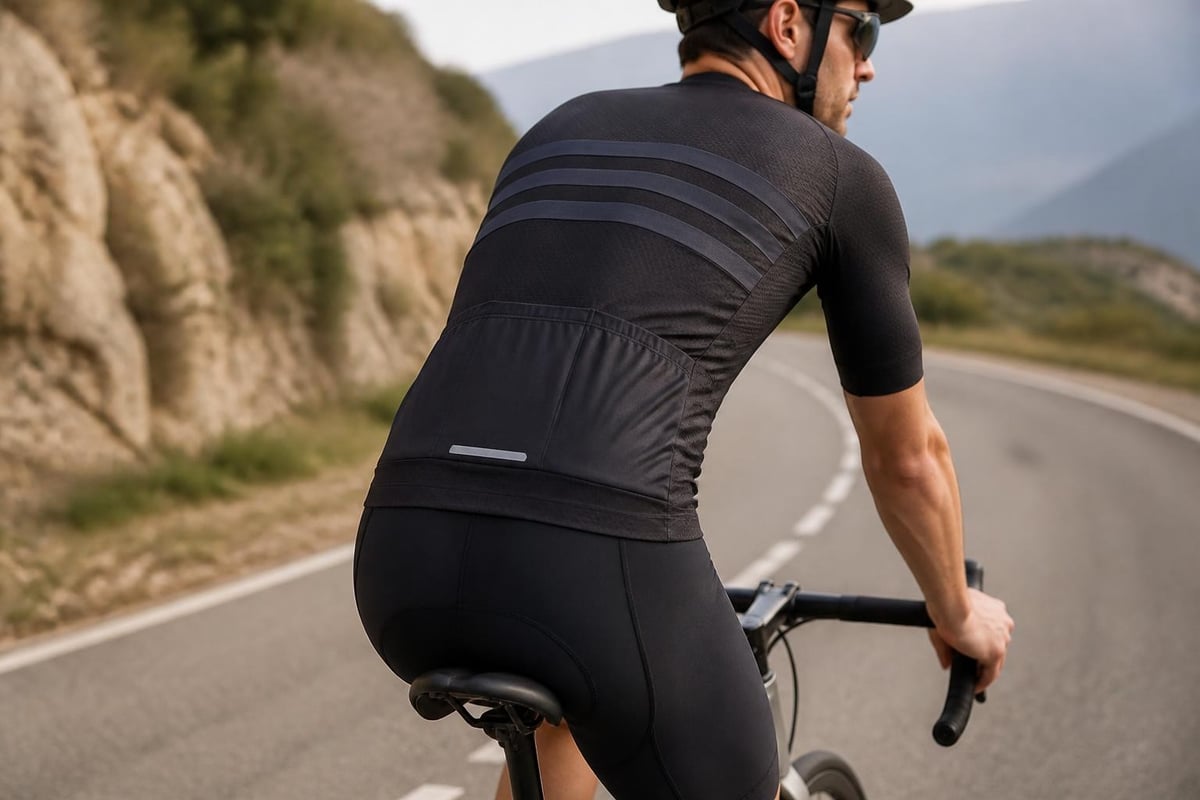
Cycling jerseys differ dramatically from regular athletic shirts. The cut is tailored to your position on the bike, with longer backs and shorter fronts that prevent bunching while riding. Three rear pockets provide convenient storage for nutrition, tools, and personal items without requiring a backpack that would trap heat and moisture against your body.
Key jersey features include:
- Moisture-wicking synthetic fabrics or merino wool blends
- Full-length or half-length zippers for ventilation control
- Silicone gripper tape at the waist to prevent riding up
- Reflective elements for visibility in low-light conditions
- Flat-locked seams to minimize chafing
Bib Shorts and Chamois Technology
Perhaps no component of your cycling kit matters more for comfort than your shorts or bibs. The chamois pad provides crucial cushioning and protection during long hours in the saddle. CyclingNews testing shows that chamois design, density, and placement significantly impact pressure distribution and overall comfort.
Bib shorts offer advantages over traditional waist shorts by eliminating pressure points around the midsection and ensuring the chamois remains properly positioned throughout your ride. The shoulder straps distribute weight evenly and prevent the shorts from sliding down during aggressive riding or climbing.
| Feature | Bib Shorts | Waist Shorts |
|---|---|---|
| Pressure Points | Minimal (shoulder straps) | Waistband can dig in |
| Chamois Stability | Excellent | Can shift during ride |
| Comfort on Long Rides | Superior | Good for shorter rides |
| Bathroom Breaks | Requires more effort | Easier access |
Selecting the Right Cycling Kit for Your Riding Style
Different cycling disciplines demand specific kit considerations. Road cyclists prioritize aerodynamics and lightweight materials, while mountain bikers need durability and protective features. Touring cyclists require versatility and functionality across varying weather conditions.
Road Cycling Performance Apparel
Road cyclists benefit from form-fitting, aerodynamic designs that reduce drag. Race-cut jerseys sit close to the body, and bib shorts feature minimal seaming and strategically placed fabrics to optimize airflow. Fabrics typically weigh between 100-150 grams per square meter, providing an ideal balance between durability and weight savings.
For competitive riders, every detail matters. Sublimation printing allows for vibrant, permanent designs without adding weight or affecting fabric breathability. This process bonds dye directly into the fabric fibers, ensuring colors remain vivid through countless wash cycles and exposure to UV rays and sweat.
Mountain Biking and Gravel Kit Considerations
Off-road cycling kit emphasizes durability and protection over pure aerodynamics. Looser-fitting jerseys with longer sleeves protect against branches and trail debris. Shorts often include additional padding on the hips and outer thighs, with more robust fabrics that resist tears and abrasion.
Mountain bike-specific chamois designs account for the different riding position and increased movement inherent to technical terrain. The padding distribution shifts slightly forward compared to road cycling chamois, and materials often include antimicrobial treatments to combat odor during extended backcountry adventures.
Layering Strategies for Year-Round Riding
Temperature regulation represents one of the most critical aspects of cycling kit selection. Your body generates significant heat during exertion, but wind chill, rain, and ambient temperature create constantly changing thermal demands. A strategic layering system allows you to adapt to these conditions efficiently.
Base layer fundamentals:
- Choose synthetic or merino wool materials that wick moisture effectively
- Ensure a snug but not restrictive fit against your skin
- Select thickness based on temperature ranges you'll encounter
- Consider sleeveless options for warmer conditions with cool mornings
Mid-layers like arm warmers, leg warmers, and vests provide versatile temperature control without requiring a complete kit change. These pieces pack small and can be added or removed during a ride as conditions change. For comprehensive guidance on multi-day packing strategies, the Adventure Cycling Association's touring checklist offers detailed recommendations for various riding scenarios.
Cold Weather Cycling Apparel
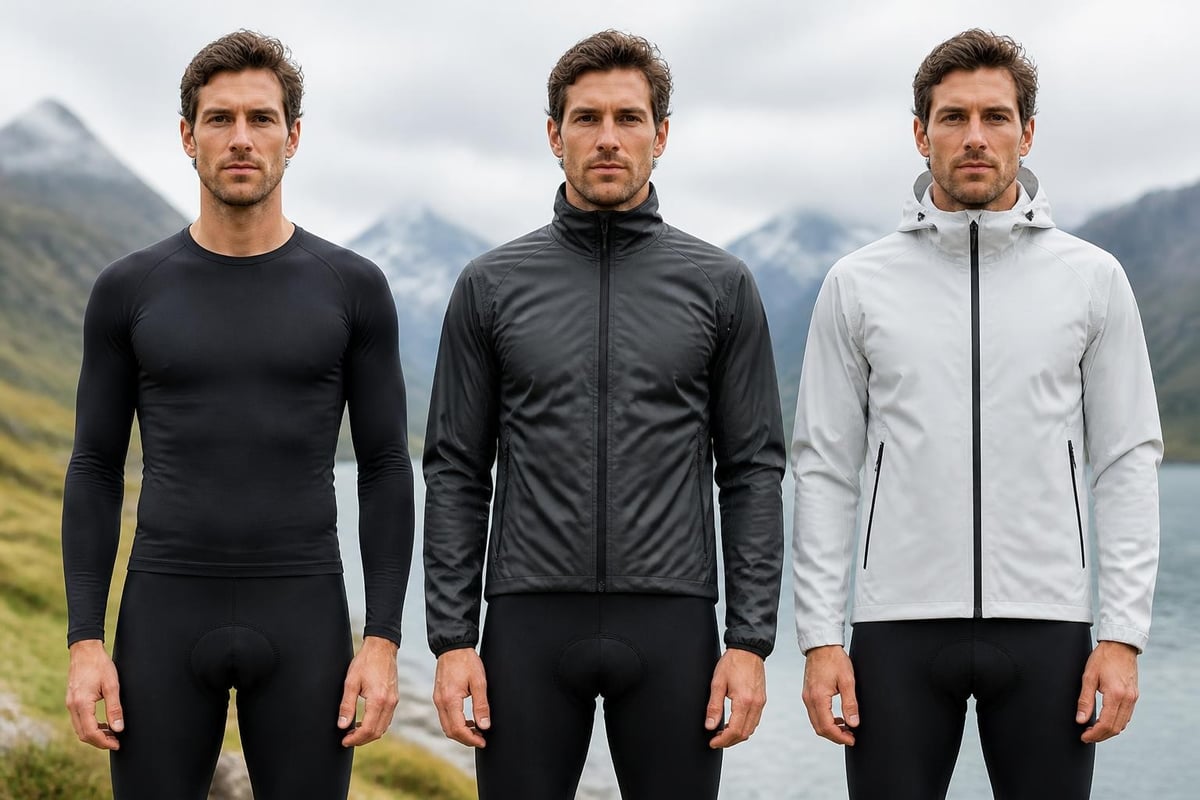
Winter cycling demands specialized kit designed to maintain core temperature while managing moisture. Thermal jerseys feature brushed fleece linings, and winter bib tights incorporate windproof panels on the front of the thighs and knees. Full-finger gloves, thermal caps or headbands under your helmet, and shoe covers complete your cold-weather arsenal.
The key to cold-weather comfort involves preventing both heat loss and moisture accumulation. Softshell jackets provide excellent wind protection with some water resistance while allowing moisture vapor to escape. For extremely cold conditions below 40°F, additional insulation layers become necessary.
Fabric Technology and Construction Quality
Modern cycling kit leverages advanced textile engineering to deliver performance that would have seemed impossible a decade ago. Understanding these technologies helps you make informed purchasing decisions and properly care for your investment.
Moisture Management and Breathability
Cycling generates tremendous amounts of perspiration. A rider producing 200 watts of power during a moderate-intensity ride can sweat one liter per hour in warm conditions. Your cycling kit must transport this moisture away from your skin and allow it to evaporate, maintaining a stable microclimate.
High-quality cycling fabrics achieve this through capillary action, where moisture moves from areas of high concentration (your skin) to areas of lower concentration (the fabric surface). Synthetic materials like polyester excel at this function while drying quickly. Merino wool offers natural antimicrobial properties and temperature regulation, though it dries more slowly than synthetics.
Construction Methods and Durability
The way your cycling kit is assembled impacts both comfort and longevity. Flat-locked seams lie smooth against your skin, preventing the chafing that traditional overlapped seams can cause during repetitive pedaling motions. Premium manufacturers use four-way stretch fabrics that maintain compression and shape through hundreds of wear cycles.
When evaluating custom cycling apparel options, construction quality becomes paramount. At CCN Sport, our advanced sublimation process ensures vibrant, durable designs that never fade, crack, or peel, while our skilled team brings expertise to every stitch and finish, delivering cycling kit that performs at the highest level.
| Construction Element | Impact on Performance | Quality Indicator |
|---|---|---|
| Seam Type | Comfort, chafe prevention | Flat-locked or ultrasonic bonding |
| Thread Quality | Durability, elasticity | High-tensile polyester |
| Panel Design | Fit, compression zones | Anatomical cut with 6+ panels |
| Gripper Application | Stays in place | Silicone with wide contact area |
Fit and Sizing Considerations
Proper fit distinguishes acceptable cycling kit from truly performance-enhancing apparel. Unlike casual clothing, cycling-specific garments should fit snugly without restricting movement or creating pressure points. The fabric should maintain light compression that supports muscles without cutting off circulation.
Understanding Cycling Kit Sizing
Cycling brands typically offer three fit categories: race, performance, and relaxed. Race fit sits closest to the body with minimal excess fabric, optimizing aerodynamics for competitive riders. Performance fit provides a balance between aerodynamics and comfort for enthusiast riders. Relaxed fit offers more room and works well for recreational cycling or riders who prefer less compression.
Most quality manufacturers provide detailed size charts with specific measurements for chest, waist, and inseam. Always measure yourself accurately rather than assuming your size based on casual clothing. Cycling kit tends to run smaller than street wear, and sizing can vary between brands.
When exploring different cycling kit options, resources like the men and women cycling kit guide can help you understand the nuances of gender-specific design elements and sizing approaches.
Gender-Specific Design Elements
Women's cycling kit addresses anatomical differences through modified panel shapes, adjusted chamois positioning, and altered compression zones. The torso length, shoulder width, and hip-to-waist ratio differ between men's and women's designs. These modifications ensure proper fit and comfort rather than simply scaling down men's patterns.
Essential Accessories That Complete Your Kit
Beyond jersey and shorts, several accessories elevate your cycling experience and safety. Socks might seem trivial, but cycling-specific designs prevent blisters and improve comfort. Unlike regular athletic socks, cycling socks feature thin, breathable materials with minimal cushioning to maintain a precise fit inside cycling shoes. Understanding the difference between normal socks and sports socks helps explain why specialized cycling socks matter.
Complete your cycling kit with:
- Cycling-specific socks with moisture-wicking properties
- Gloves for grip, vibration damping, and crash protection
- Neck gaiters or buffs for sun and wind protection
- Eyewear to shield against UV, wind, and debris
- Helmet (non-negotiable for safety)
Gloves serve multiple purposes beyond padding your palms. They provide grip on the handlebars, wick moisture, protect your hands in crashes, and include terrycloth sections for wiping sweat or a runny nose. Summer gloves feature minimal padding and maximum ventilation, while winter gloves prioritize insulation and weather protection.
Caring for Your Cycling Kit Investment
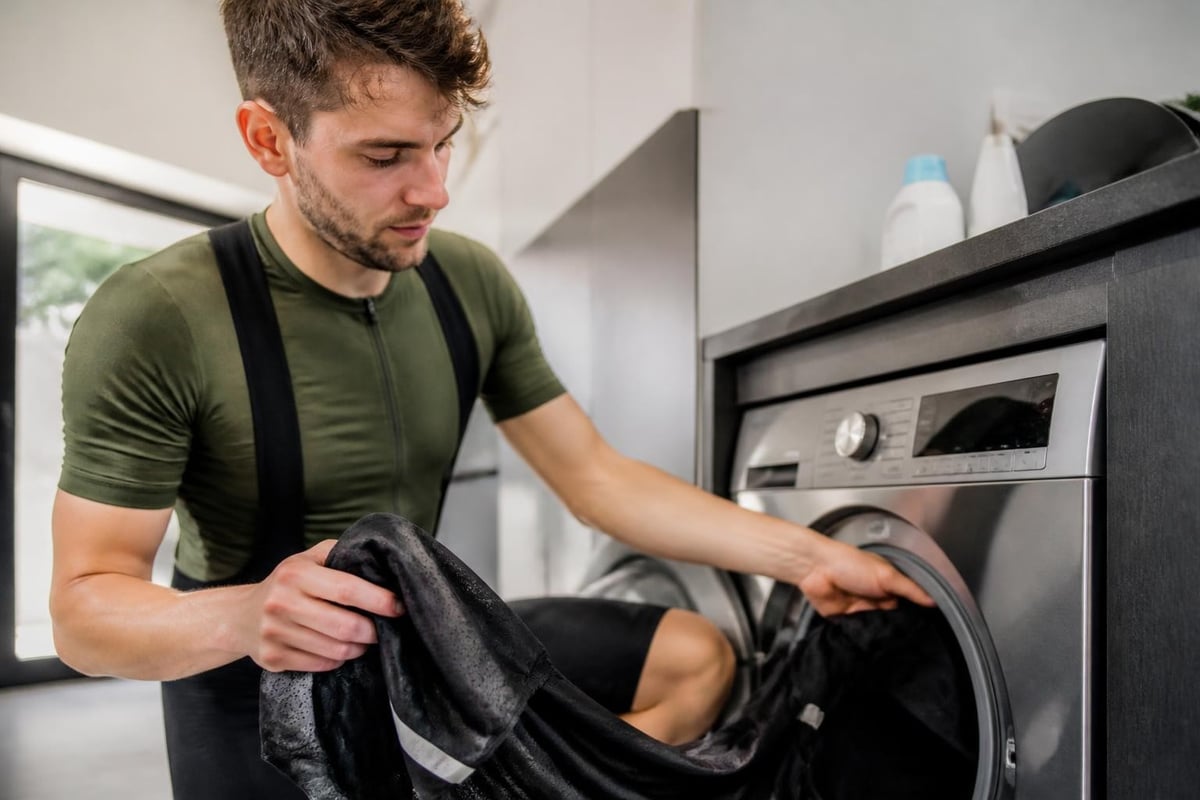
Quality cycling apparel represents a significant investment that deserves proper care to maximize its lifespan. Technical fabrics require specific washing approaches to maintain their performance properties. Always wash your cycling kit after each ride, as salt from sweat can degrade elastic fibers and cause fabrics to break down prematurely.
Washing and Maintenance Best Practices
- Turn garments inside out to protect exterior finishes
- Use cold water and gentle cycle settings
- Choose mild detergents without fabric softeners
- Avoid bleach and harsh stain treatments
- Air dry whenever possible; if using a dryer, select low heat
- Never iron cycling kit, especially printed designs
Fabric softeners coat fibers with chemicals that reduce moisture-wicking capabilities. Similarly, high heat can damage elastic components and cause sublimated prints to deteriorate. Hanging your kit to dry in a well-ventilated area preserves fabric integrity and extends the life of your investment.
When to Replace Your Cycling Kit
Even well-maintained cycling kit eventually requires replacement. Chamois padding compresses over time, losing its cushioning properties. This typically occurs after 200-300 wash cycles or when you notice increased saddle discomfort during rides of normal duration. Jerseys and shorts should be replaced when fabric loses elasticity, colors fade significantly, or seams begin to fray.
For safety-critical items like helmets, Consumer Reports recommends replacement every five years even without visible damage, as UV exposure and normal wear degrade protective materials. Gloves showing thin spots on the palms or compromised padding should be replaced before they fail during a ride.
Building Your Cycling Wardrobe Strategically
Most cyclists don't need an extensive wardrobe immediately. Start with two complete kits, allowing you to rotate while washing. This approach ensures you always have clean gear ready and extends the life of each piece by reducing wear frequency. As your riding increases, gradually expand your collection to match your needs.
Prioritizing Your First Purchases
For new cyclists, invest in quality bib shorts first. The chamois directly impacts comfort and your enjoyment of the sport. A premium chamois in an otherwise basic short outperforms a poor chamois in an expensive short every time. Once you've secured comfortable shorts, add versatile jerseys that work across a range of temperatures.
Climate considerations influence your purchasing priorities. Riders in temperate regions benefit from investing in quality mid-layers and all-weather pieces. Those in consistently warm climates can focus on lighter-weight options with excellent ventilation. Understanding your primary riding conditions and goals helps you allocate your budget effectively.
When planning multi-day adventures or bikepacking trips, BikeRadar's bikepacking kit guide provides valuable insights into choosing and packing cycling apparel for extended off-road journeys where weight and versatility matter most.
Custom Cycling Kit Considerations
Custom cycling kit offers teams, clubs, and individual riders the opportunity to create unique designs that represent their identity. Beyond aesthetics, custom options allow you to specify exact sizing, select preferred fabrics, and incorporate design elements that enhance both function and appearance. The sublimation printing process enables unlimited color options and complex graphics without compromising fabric performance.
Working with experienced manufacturers ensures your custom cycling kit meets professional standards. Quality control processes, from initial pattern development through final inspection, determine whether your kit performs as intended. Manufacturers with extensive experience understand the technical requirements of different cycling disciplines and can guide you toward optimal fabric and construction choices.
Design Elements That Enhance Performance
Effective custom cycling kit design balances aesthetics with functionality. Strategic color placement can create visual effects that enhance the perception of speed or emphasize team branding. Reflective elements integrated into the design improve visibility without appearing as afterthoughts. Pocket placement, zipper selection, and gripper width all contribute to how well your kit performs during actual riding.
The best custom designs consider how patterns will look when the fabric stretches across the body in riding position. Static designs that appear balanced on a hanger may distort when worn on the bike. Experienced designers account for this by adjusting graphics and text placement to appear correctly when the rider is in their natural position.
Specialized Cycling Kit for Different Conditions
Specific riding conditions demand specialized kit solutions. Indoor training requires maximum ventilation and moisture management, as airflow is limited compared to outdoor riding. Ultra-endurance events need kit that prevents chafing over 12-plus hour efforts. Commuters benefit from subtle designs with enhanced visibility and packability.
Kit for Extreme Weather Riding
Rain riding demands waterproof or highly water-resistant outer layers that maintain breathability. Traditional rain jackets trap moisture inside, leading to discomfort. Modern cycling rain shells use membrane technologies that block water ingress while allowing moisture vapor to escape. Paired with water-resistant bib tights and full-coverage shoe covers, these pieces enable comfortable riding in wet conditions.
Extreme heat requires lightweight, highly ventilated designs with UV protection. Mesh panels in strategic locations maximize airflow, while light colors reflect rather than absorb solar radiation. Some riders prefer loose-fitting options in extreme heat, though this sacrifices aerodynamic efficiency for cooling benefits.
Building the right cycling kit transforms your riding experience from merely functional to genuinely enjoyable. By understanding how each component contributes to performance, comfort, and safety, you can make informed decisions that match your riding style and budget. Whether you're outfitting yourself for weekend recreation or equipping a competitive team, quality cycling apparel built with precision and care makes every ride better. CCN Sport combines traditional craftsmanship with modern sublimation technology to deliver custom cycling kit that performs at the highest level, backed by over 20 years of experience and a commitment to turning your vision into reality.

Share:
Mountain Bike Attire: Performance Gear for the Trail
Triathlon Teamwear Case Study for Race Day