

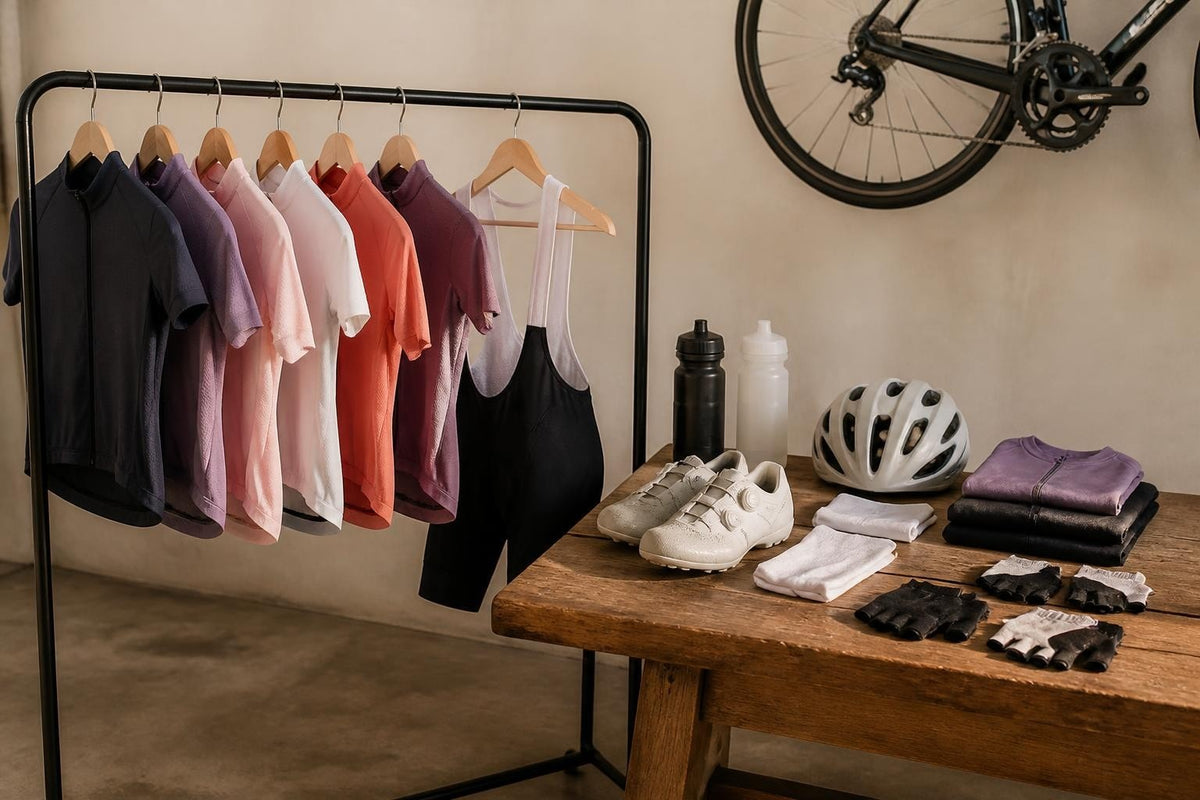
Women's cycling has experienced remarkable growth over the past decade, and with that expansion comes increasingly sophisticated cycling gear for women. No longer relegated to pink-shrink versions of men's apparel, today's offerings reflect genuine anatomical considerations, performance innovations, and style preferences. Whether you're training for competitive events, commuting to work, or enjoying weekend rides, understanding the specific features that matter in cycling gear for women helps you make informed decisions that enhance both comfort and performance.
Understanding Women-Specific Design Features
The most significant advancement in cycling gear for women centers on authentic anatomical design rather than simple sizing adjustments. Women's bodies have distinct proportions that affect how cycling apparel should fit and function.
Torso Length and Shoulder Width Considerations
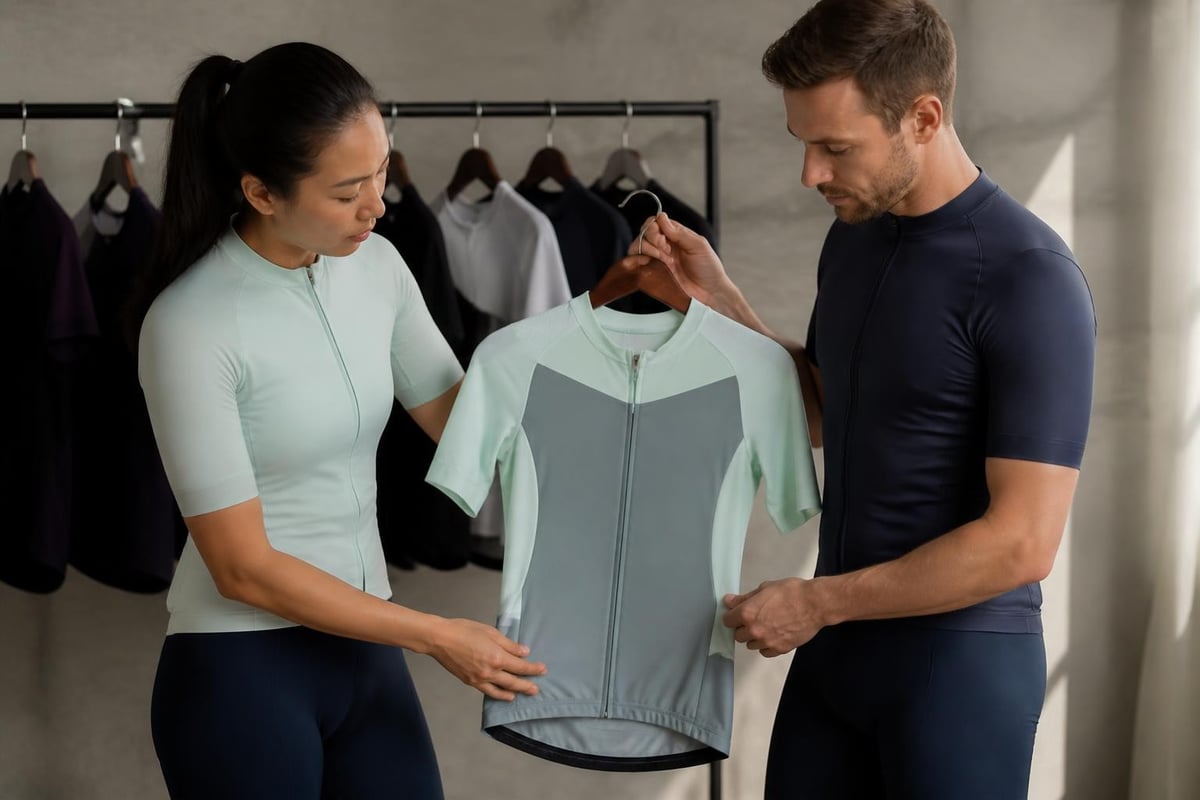
Women typically have longer torsos relative to their overall height compared to men, requiring different jersey patterns. A properly designed women's jersey accounts for this proportion with adjusted front and back panel lengths that prevent riding up during forward-leaning positions. Shoulder straps on women's bib shorts follow narrower, more forward-positioned lines to accommodate different shoulder structures without creating pressure points or chafing.
Key anatomical differences addressed in quality women's cycling gear:
- Longer torso-to-leg ratios requiring extended jersey backs
- Narrower shoulder widths affecting strap placement
- Different arm lengths influencing sleeve cut
- Varied chest dimensions necessitating strategic paneling
The fit implications extend beyond comfort to actual performance metrics. Poorly fitting gear creates drag, restricts movement, and causes distraction during rides. Research in cycling aerodynamics demonstrates how proper fit contributes to speed and efficiency, making women-specific patterns essential for serious cyclists.
Chamois Construction and Saddle Interface
Perhaps no component of cycling gear for women matters more than chamois design. The chamois pad in bib shorts or cycling shorts provides crucial cushioning and friction reduction between the rider and saddle.
Women's pelvic anatomy differs significantly from men's, with wider sit bones and different soft tissue distribution. According to research published in the Journal of Sports Science & Medicine, these anatomical differences create distinct pressure patterns that require specialized padding placement and density.
Chamois Specifications That Matter
| Feature | Why It Matters | What to Look For |
|---|---|---|
| Pad Width | Matches wider female sit bone spacing | Minimum 11-13cm width in sit bone area |
| Foam Density | Supports without excess bulk | Multi-density construction with firmer edges |
| Moisture Management | Prevents bacterial growth and chafing | Antimicrobial treatments and quick-dry materials |
| Edge Construction | Eliminates seam pressure | Seamless or laser-cut edges that lie flat |
Modern chamois technology incorporates advanced moisture-wicking textiles that regulate temperature and transport perspiration away from skin. This becomes particularly important during longer rides when accumulated moisture can lead to saddle sores and discomfort.
Different riding disciplines require varied chamois thickness. Road cycling typically uses thinner pads (8-12mm) that allow closer saddle contact and better pedaling feedback, while endurance and gravel riding benefit from thicker padding (12-15mm) that absorbs sustained vibration over rough surfaces.
Several manufacturers now offer women's bib shorts with innovative construction that addresses both performance and practical considerations like bathroom breaks during rides.
Fabric Technology and Performance Materials
The evolution of cycling gear for women parallels advances in textile engineering. Today's performance fabrics deliver specific functional benefits that directly impact ride quality.
Compression and Muscle Support
Graduated compression in cycling apparel provides measurable benefits for power output and recovery. Women's-specific compression garments account for different muscle mass distribution, particularly in the quadriceps and gluteal regions. Properly calibrated compression improves blood flow, reduces muscle oscillation during pedaling, and may decrease post-ride soreness.
Benefits of performance compression fabrics:
- Enhanced venous return during sustained effort
- Reduced muscle fatigue through vibration dampening
- Improved proprioception and pedaling efficiency
- Faster recovery between training sessions
Modern cycling jerseys incorporate body-mapped fabric panels that place compression, ventilation, and stretch properties exactly where needed. Mesh panels under arms and along the spine increase airflow during climbs, while denser weaves on shoulders and sleeves provide sun protection and aerodynamic benefits.
Temperature Regulation Across Seasons
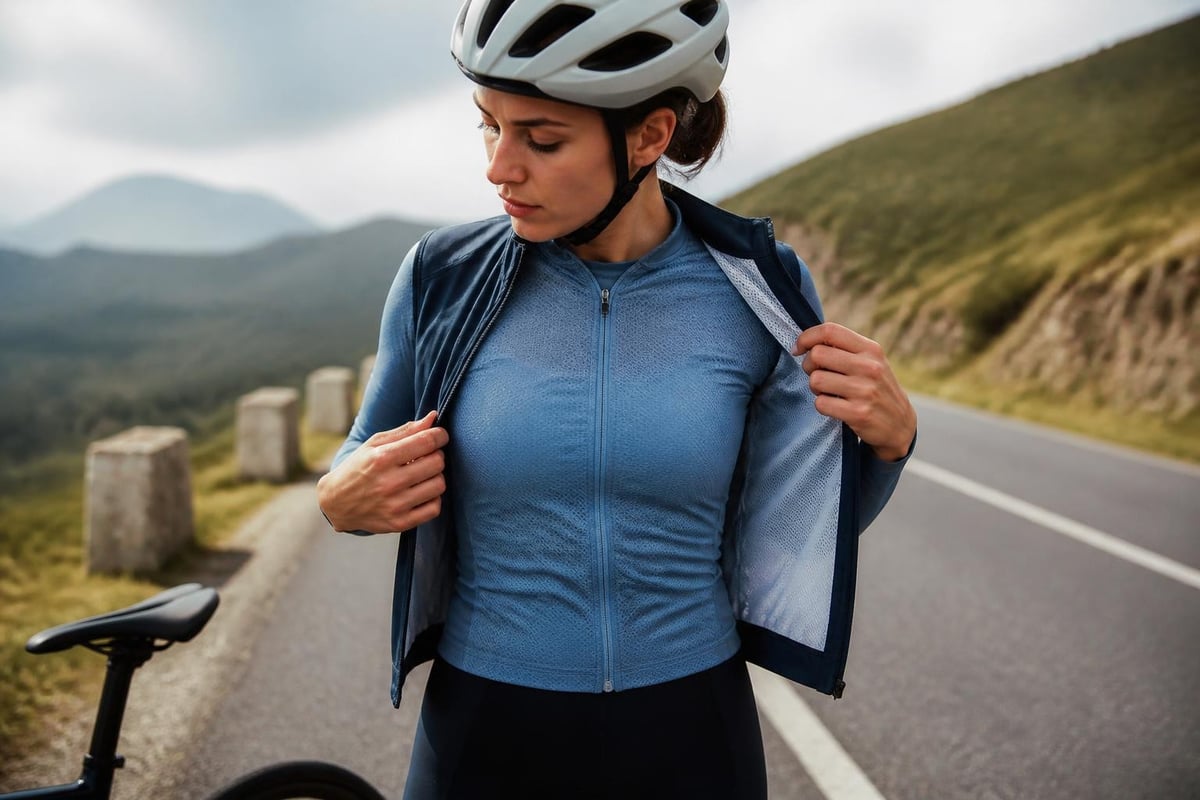
Cycling gear for women must perform across diverse weather conditions. Base layers form the foundation of effective layering systems, with sleeveless options ideal for moderate temperatures and long-sleeve versions providing warmth during cooler months.
High-quality jerseys use moisture transport systems that move sweat from skin to outer fabric surfaces where it evaporates efficiently. This prevents the clammy feeling that occurs when moisture gets trapped against skin, maintaining core temperature stability during varying intensity efforts.
Fit Categories and Riding Position
Cycling apparel comes in distinct fit categories that correspond to riding style and performance goals. Understanding these classifications helps you select cycling gear for women that matches your intended use.
Race Fit Versus Endurance Fit
Race fit jerseys and shorts sit close to the body with minimal excess fabric, optimizing aerodynamics and reducing drag. This silhouette works best for riders who maintain aggressive, forward-leaning positions and prioritize speed. The snug fit prevents fabric flapping at high speeds and creates clean airflow over the body.
Endurance or relaxed fit provides more room through the torso and arms, accommodating upright riding positions common in recreational cycling and bike touring. These cuts offer comfort during longer, less intense rides where aerodynamics takes secondary importance to all-day wearability.
Choosing the right fit category:
- Race/Performance fit - Competitive riders, group training, time trials
- Club/Sport fit - Enthusiast riders balancing speed and comfort
- Endurance/Relaxed fit - Recreational cyclists, touring, commuting
- Casual/Urban fit - City riding, bike-to-work, lifestyle cycling
Many riders benefit from owning cycling gear for women in multiple fit categories to match different riding contexts. Your Sunday morning coffee ride may call for different apparel than your Tuesday night criterium training.
At CCN Sport, our custom cycling apparel services allow teams and clubs to specify exact fit preferences while incorporating women-specific patterns that ensure proper proportions across the size range.
Visibility and Safety Considerations
Safety equipment represents a critical component of cycling gear for women, with visibility playing a central role in accident prevention. According to UK Highway Code guidance, cyclists should wear appropriate clothing to increase visibility, particularly during low-light conditions.
Reflective Elements and High-Visibility Fabrics
The debate around high-visibility clothing continues within cycling communities, but research from Cycling UK indicates that reflective materials significantly improve detection distance in low-light conditions. Effective visibility strategies combine multiple approaches:
- Retroreflective strips on jerseys, shorts, and accessories
- Fluorescent colors (yellow, orange, pink) for daytime visibility
- Strategic placement on moving body parts (ankles, arms) to attract attention
- Supplementary lighting systems (front white, rear red)
Quality cycling gear for women integrates reflective elements without compromising aesthetics. Subtle reflective piping, logos, and panel accents provide safety benefits while maintaining attractive designs suitable for various riding environments.
Reflective vests offer versatile solutions that layer over regular jerseys, allowing riders to add visibility when conditions demand without requiring separate high-vis wardrobes.
Essential Accessories and Complementary Items
Complete cycling gear for women extends beyond jerseys and shorts to include accessories that enhance comfort, performance, and safety.
Gloves and Hand Protection
Cycling gloves serve multiple functions: padding against handlebar pressure, grip enhancement, crash protection, and temperature regulation. Women's gloves feature narrower palm widths and shorter finger lengths to accommodate different hand proportions.
Glove features by season:
| Season | Padding | Coverage | Key Features |
|---|---|---|---|
| Summer | Minimal gel pads | Fingerless or short finger | Breathable mesh, moisture wicking |
| Spring/Fall | Moderate padding | Full finger | Wind-resistant panels, touchscreen compatible |
| Winter | Maximum insulation | Full coverage with long cuffs | Waterproof membranes, thermal linings |
Cycling-specific gloves incorporate strategic padding placement that protects the ulnar and median nerves, reducing numbness and tingling during extended rides.
Socks and Footwear Interface
Performance cycling socks might seem like minor components, but they significantly impact comfort and temperature regulation. Women's cycling socks account for narrower heel widths and different instep heights.
Modern cycling socks use compression zones that support the arch and Achilles tendon while incorporating ventilation panels across the foot's dorsal surface. Cuff height has become a style statement in recent years, with options ranging from minimal ankle cuts to tall racing heights that complement the overall kit aesthetic.
Aero socks feature textured fabrics that trip airflow at specific points, potentially reducing aerodynamic drag around the ankle and lower leg junction-an area where significant turbulence can develop.
Seasonal Wardrobing Strategies
Building a complete collection of cycling gear for women requires strategic planning to ensure year-round riding capability without excessive redundancy.
Core Pieces Versus Seasonal Specialists
Essential year-round items:
- Two to three quality bib shorts or cycling shorts
- Three to four short-sleeve jerseys in varied weights
- One long-sleeve jersey for cool mornings
- Arm and leg warmers for temperature versatility
- Base layers for moisture management
- Wind vest for descents and variable conditions
Seasonal additions:
- Thermal tights for winter riding
- Insulated jacket for cold weather
- Rain shell for wet conditions
- Lightweight gilet for spring/autumn
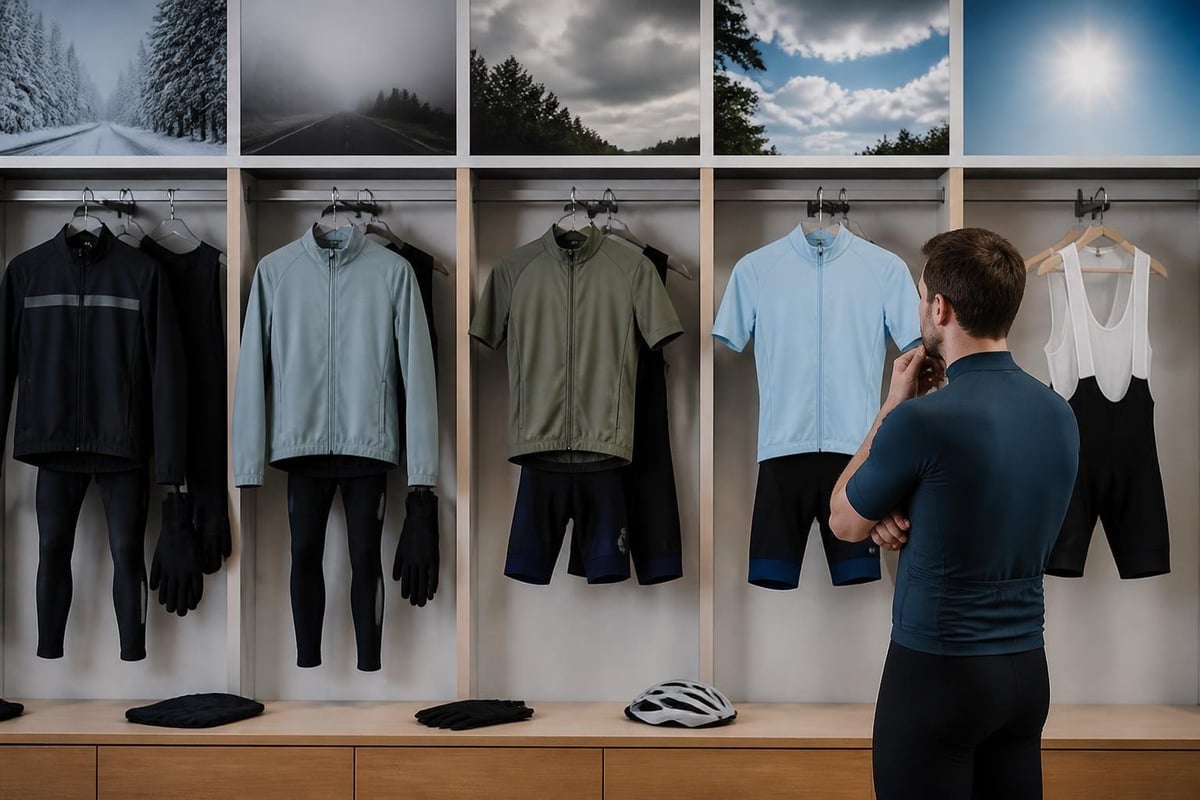
The concept of layering allows cyclists to use core pieces across wider temperature ranges by adding or removing supplemental garments. A thermal vest paired with a long-sleeve jersey extends comfortable riding down to significantly colder temperatures than either piece alone.
Testing conducted by Cycling Weekly and OutdoorGearLab provides valuable real-world performance data on how different cycling gear for women performs across varied conditions, helping riders make informed purchasing decisions.
Maintaining and Caring for Technical Apparel
Investment in quality cycling gear for women requires proper care to maximize lifespan and maintain performance characteristics.
Washing and Storage Best Practices
Technical fabrics demand specific washing protocols to preserve their functional properties. Harsh detergents, high heat, and fabric softeners can damage moisture-wicking treatments, degrade elastic fibers, and reduce compression effectiveness.
Care guidelines for longevity:
- Wash after every ride to remove salt, bacteria, and oils
- Use gentle, sport-specific detergents without additives
- Turn garments inside-out to protect exterior surfaces
- Wash in cold water on delicate cycles
- Air dry away from direct sunlight and heat sources
- Never use fabric softener or dryer sheets
- Store flat or loosely hung to prevent elastic stretching
Chamois pads require particular attention. Allowing shorts to sit damp after rides creates environments for bacterial growth that can lead to infections and material degradation. Immediate rinsing and proper drying between uses maintains hygiene and extends pad life.
Custom Design and Team Coordination
For cycling clubs, racing teams, and organized group rides, custom cycling gear for women creates visual cohesion while addressing individual fit requirements.
Design Considerations for Custom Kits
Custom apparel programs allow groups to incorporate sponsor logos, club colors, and unique graphics while ensuring women's cuts receive equal design attention. Sublimation printing technology enables unlimited color options and complex graphics without weight penalties or durability concerns.
When developing custom designs, successful teams consider:
- Color schemes that work across both men's and women's patterns
- Logo placement that adapts to different torso proportions
- Visibility elements integrated into the overall aesthetic
- Fabric choices that meet the group's primary riding style
CCN Sport specializes in translating team visions into reality through advanced sublimation processes that ensure vibrant, lasting colors. With over 250 skilled team members and more than 20 years of expertise, the precision craftsmanship guarantees that women's custom cycling gear maintains the same design fidelity as men's pieces while respecting anatomical differences.
Shopping Strategies and Fit Verification
Purchasing cycling gear for women presents unique challenges, particularly when shopping online without try-on opportunities.
Size Charts and Measurement Techniques
Women's cycling apparel sizing varies significantly between manufacturers, making reliance on standard clothing sizes unreliable. Taking accurate body measurements provides the foundation for successful online purchases.
Critical measurements for women's cycling gear:
| Measurement | How to Measure | Why It Matters |
|---|---|---|
| Chest | Around fullest part, arms relaxed | Jersey fit through torso |
| Waist | Natural waistline, not pant waist | Bib short torso length |
| Hips | Around fullest part of hips/seat | Short leg opening size |
| Inseam | Crotch to floor, standing | Leg length for tights/knickers |
| Torso | Shoulder over chest to crotch | Jersey length, bib strap comfort |
Many brands provide detailed size charts with multiple measurement points. Cross-referencing your measurements against these charts yields better results than choosing based on dress or pant sizes.
Return Policies and Fit Guarantees
Before purchasing cycling gear for women, verify the retailer's return policies, particularly regarding worn items. Some companies allow test rides in new apparel with tags attached, while others maintain strict unused-only return policies. Understanding these terms beforehand prevents disappointment if fit issues arise.
Reading verified customer reviews provides insights into how specific products fit relative to size charts. Pay attention to reviewers with similar body types and measurements for the most relevant feedback.
Performance Testing and Continuous Improvement
The cycling apparel industry continuously evolves, with manufacturers regularly releasing updated versions that incorporate rider feedback and technological advances.
Staying Current With Innovation
Following industry publications, professional team equipment choices, and independent testing organizations helps riders stay informed about genuine improvements versus marketing hype. Not every "revolutionary" new feature delivers meaningful benefits, but breakthrough technologies do occasionally emerge that significantly enhance performance or comfort.
Women cyclists should advocate for continued development of women-specific cycling gear by supporting brands that invest in proper research, testing, and design. The market responds to demand, and thoughtful purchasing decisions influence future product development priorities.
Participating in product testing programs, providing detailed feedback to manufacturers, and engaging with cycling communities contributes to the ongoing refinement of cycling gear for women. Your experiences and preferences help shape the next generation of apparel that serves all women riders better.
Selecting appropriate cycling gear for women involves understanding anatomical considerations, fabric technologies, fit categories, and seasonal requirements that together create comfortable, high-performing riding experiences. Whether you're building your first kit or refining a comprehensive cycling wardrobe, prioritizing women-specific design features ensures that your apparel supports rather than hinders your cycling goals. At CCN Sport, our commitment to precision craftsmanship and authentic women's patterns means your custom cycling apparel performs exactly as intended, combining over two decades of sublimation expertise with modern performance fabrics to deliver gear that moves with you, mile after mile.

Share:
Cycling Apparel Fabrics That Perform Under Pressure
Cycling Shirt Design Your Own: Complete Custom Guide