

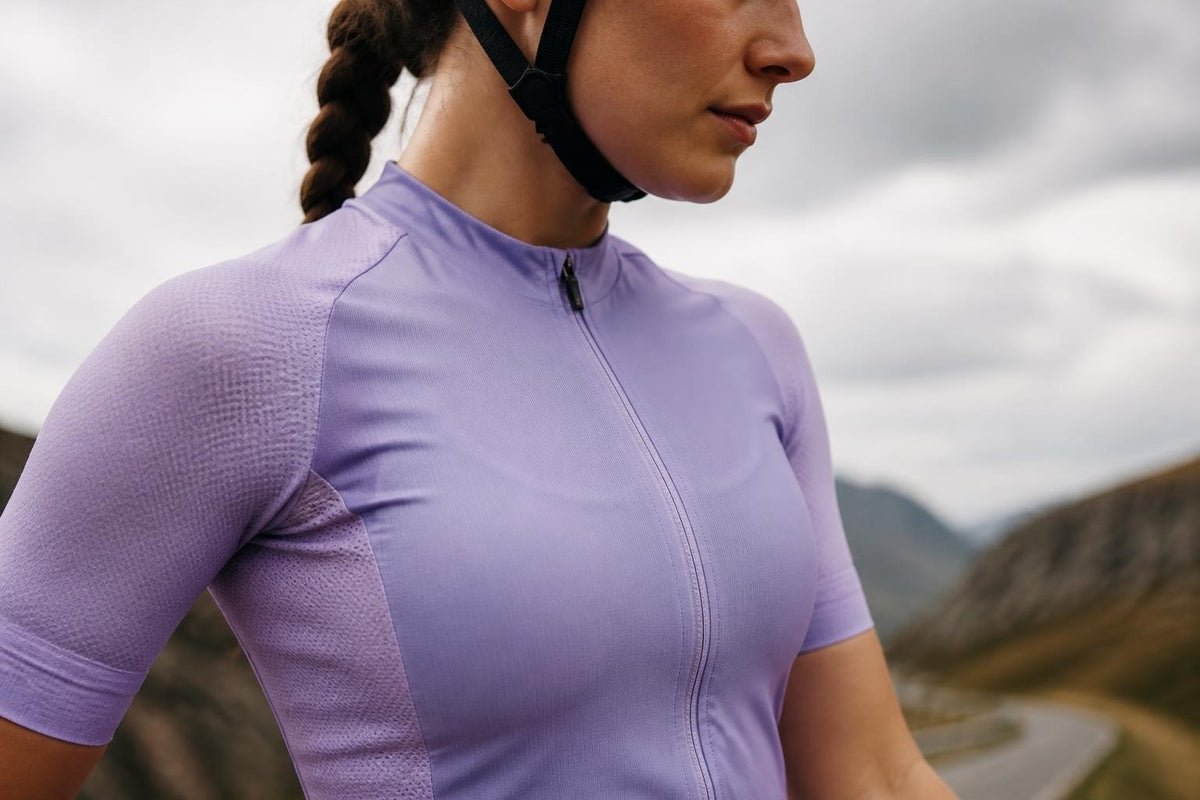
Choosing the right womens bike shirt can transform your riding experience, whether you're logging training miles, tackling your first century, or commuting through city streets. The modern cycling shirt has evolved far beyond simple athletic wear, incorporating advanced fabric technologies, anatomically informed cuts, and features designed specifically for female cyclists. In 2026, riders have access to an unprecedented range of options that balance performance, comfort, and style. Understanding what separates an exceptional womens bike shirt from an adequate one empowers you to make informed decisions that enhance every aspect of your time in the saddle.
Understanding Fabric Technology in Women's Cycling Shirts
The foundation of any quality womens bike shirt lies in its fabric construction. Modern cycling apparel relies on sophisticated textile engineering to manage moisture, regulate temperature, and provide durability through thousands of miles.
Moisture Management Systems
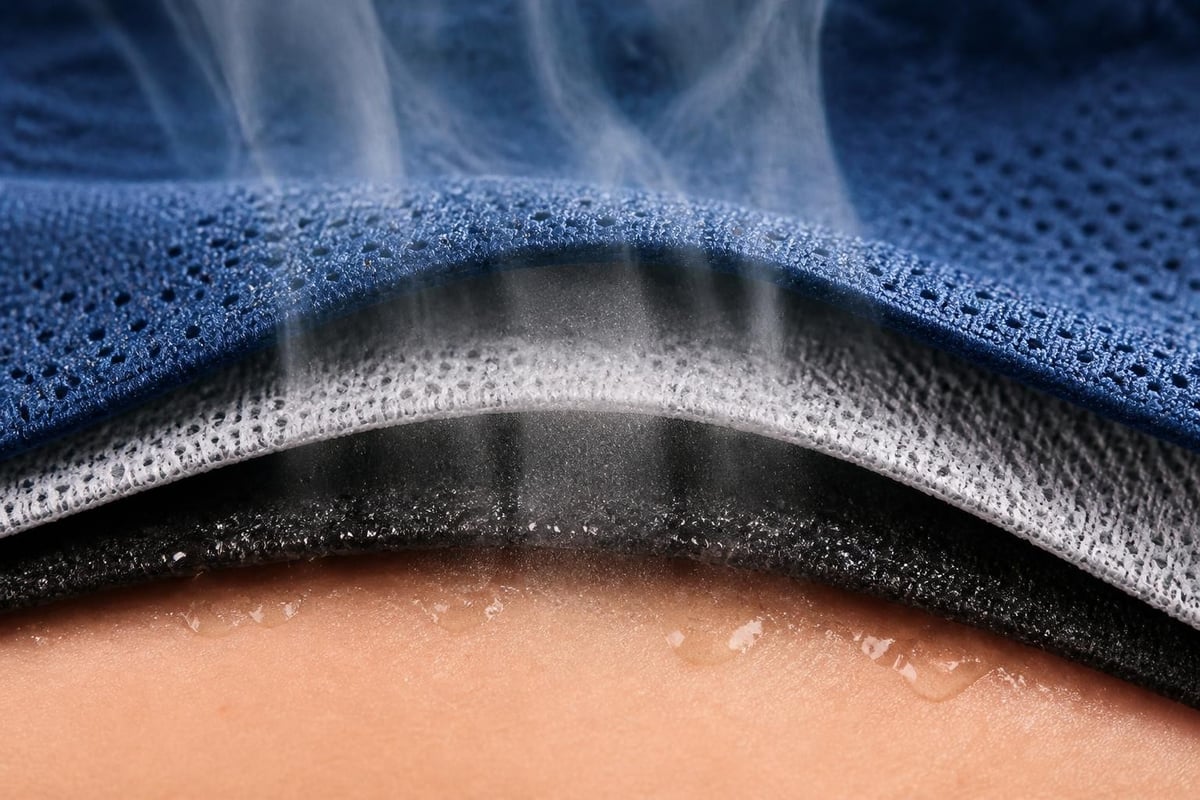
Effective moisture wicking separates professional-grade cycling shirts from basic athletic wear. According to research published in Frontiers in Materials on liquid transport in multi-layer knitted fabrics, the structure of knitted layers plays a crucial role in moving perspiration away from skin. A high-performance womens bike shirt typically features:
- Hydrophobic inner layers that repel moisture against the skin
- Capillary channels woven into the fabric structure to transport sweat outward
- Hydrophilic outer surfaces that spread and evaporate moisture quickly
- Multi-layer construction optimized for different body zones
The science behind these systems has advanced significantly. Modern fabrics can move moisture laterally across the fabric surface before it saturates any single area, preventing the clammy, heavy feeling that undermines comfort during intense efforts.
Temperature Regulation and Breathability
Beyond moving sweat, a quality womens bike shirt must regulate core temperature across varying conditions. Wearable and functional sports textiles research demonstrates that thermal behavior depends on both fabric selection and garment construction.
Premium cycling shirts employ strategically placed mesh panels in high-heat zones: underarms, sides, and upper back. These panels increase airflow without compromising aerodynamics. Some manufacturers use different fabric weights across a single shirt, placing heavier material on the chest and lighter, more open weaves on the back.
| Feature | Summer Weight | Three-Season | Winter Base |
|---|---|---|---|
| Fabric weight | 90-120 g/m² | 140-180 g/m² | 200-240 g/m² |
| Mesh percentage | 30-40% | 15-25% | 5-10% |
| Ideal temp range | 70-95°F | 55-75°F | 35-55°F |
Fit Engineering for Female Cyclists
Generic unisex cuts have given way to sophisticated fit engineering that acknowledges the biomechanical and anatomical differences in female riders. A properly designed womens bike shirt accounts for shoulder width, torso length, chest accommodation, and riding position.
Cut and Pattern Design
The pattern of a womens bike shirt should complement the riding position while remaining comfortable off the bike. Key considerations include:
Longer back panels prevent the shirt from riding up during forward lean. A quality cycling shirt extends 2-3 inches lower in the back than the front, maintaining coverage without creating excess fabric bunching.
Tailored shoulder seams position stitching away from backpack or hydration pack straps. This prevents chafing during long rides and improves comfort under load.
Anatomical chest construction provides room without creating aerodynamic drag. Many brands now offer different cup-size accommodations within the same shirt size, ensuring proper fit across diverse body types.
The rise of women-specific cycling apparel has been documented by cycling media, with BikeRadar's comprehensive buyer's guide highlighting how fit varies dramatically between brands and styles. Riders often need to try multiple options to find their ideal match.
Sleeve Length and Cuff Design
Sleeve engineering impacts both comfort and aerodynamics in a womens bike shirt. Options range from sleeveless designs for maximum ventilation to long sleeves for sun protection and temperature regulation.
Short-sleeve designs dominate recreational and competitive cycling. The ideal sleeve length hits mid-bicep, providing sun coverage without restricting shoulder movement. Premium shirts use bonded or laser-cut cuffs that eliminate the elastic squeeze common in budget options, reducing pressure marks and improving circulation.
Three-quarter and long-sleeve versions extend the versatility of your cycling wardrobe. When shopping at retailers like CCN Sport's women's jerseys collection, consider how sleeve options integrate with arm warmers and layering systems for year-round riding.
Essential Features That Define Quality
Beyond fabric and fit, specific features separate exceptional women's cycling shirts from ordinary options. These details emerge from decades of rider feedback and continuous refinement.
Pocket Configuration and Capacity
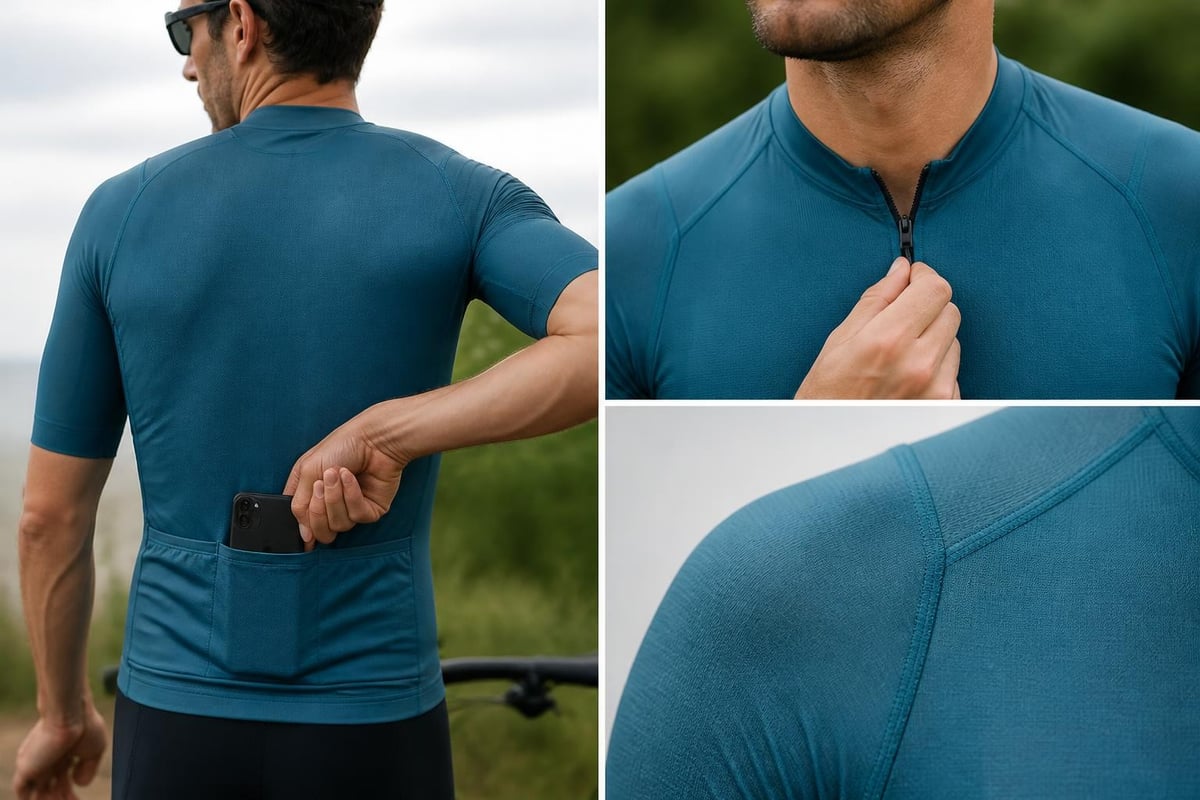
The rear pocket system on a womens bike shirt serves as your mobile storage solution during rides. Standard configuration includes three rear pockets, but the execution varies widely.
High-quality implementations feature:
- Reinforced pocket openings that maintain shape under load
- Elastic bottom edges that secure contents without creating bulges
- Varied pocket depths optimized for different items (phone, nutrition, tools)
- Zippered security pocket for keys and cards
- Reflective trim integrated into pocket edges
Pocket placement matters tremendously. Pockets positioned too low sag when loaded, creating aerodynamic drag and shifting your center of gravity. Too high, and they're difficult to access while riding. The ideal position sits just below the natural waistline when in riding position.
Zipper Quality and Length
The front zipper on a womens bike shirt controls ventilation and entry. Full-length zippers offer maximum adjustability, allowing you to dump heat quickly during climbs. Half-zippers reduce weight and cost while maintaining adequate ventilation for most conditions.
Premium zippers feature:
- Locking sliders that won't creep down from vibration
- Garage or chin guard at the collar to prevent skin pinching
- Two-way operation on full-length options for bottom-up venting
- Easy-grab pullers manageable with gloved hands
The zipper represents a critical stress point. Quality manufacturers use YKK or similarly robust hardware that survives years of use.
Sun Protection and Safety Considerations
Extended time in the saddle exposes riders to significant UV radiation and visibility challenges. A thoughtfully designed womens bike shirt addresses both concerns.
UPF Ratings and UV Protection
Sun protection has become a primary consideration in cycling apparel design. The Skin Cancer Foundation's guidance on sun-protective clothing emphasizes that fabric alone provides measurable protection, with UPF ratings quantifying effectiveness.
A UPF 50+ rated womens bike shirt blocks 98% of UV radiation, comparable to high-SPF sunscreen. This rating depends on:
- Fabric density and weave tightness
- Color (darker colors generally offer higher protection)
- Fiber type (synthetic performance fabrics often excel)
- Fabric stretch (tighter weaves maintained during stretch)
The American Academy of Dermatology recommends combining UPF-rated clothing with sunscreen on exposed areas for comprehensive protection during long rides. For cyclists regularly riding 2+ hours, especially during midday, UPF-rated shirts reduce cumulative exposure significantly.
Reflective and High-Visibility Elements
Visibility remains critical for safety, particularly during dawn, dusk, or overcast conditions. Road safety organizations including UK THINK! guidance for cyclists recommend high-visibility and reflective clothing as essential safety measures.
Modern womens bike shirts incorporate visibility features without sacrificing style:
- Reflective logos and trim that activate under headlights
- High-contrast color blocking improving daytime visibility
- 360-degree reflective elements ensuring visibility from all angles
- Fluorescent color options for maximum conspicuity
Research compiled in RoSPA's cycling policy briefing indicates that while infrastructure and driver behavior play larger roles in cycling safety, visibility measures provide meaningful risk reduction. A quality womens bike shirt balances these safety features with aesthetic preferences.
Customization and Personalization Options
The demand for unique, team-specific, or branded cycling apparel has driven innovations in customization technology. In 2026, riders and teams have unprecedented access to professional-quality custom womens bike shirts.
Sublimation Printing Technology
Advanced sublimation processes allow vibrant, permanent graphics that won't crack, peel, or fade. This technology embeds dye directly into fabric fibers, creating designs limited only by imagination. For teams, clubs, or businesses seeking branded apparel, sublimation enables:
- Full-coverage custom graphics across the entire shirt
- Photo-realistic imagery and complex gradients
- Unlimited color options without setup cost penalties
- Durability matching the base fabric lifespan
At CCN Sport, the Custom Cycling Apparel service leverages over 20 years of sublimation expertise to transform design concepts into race-ready womens bike shirts. The process maintains fabric breathability and stretch while delivering professional-level graphics.
Team Kits and Matching Collections
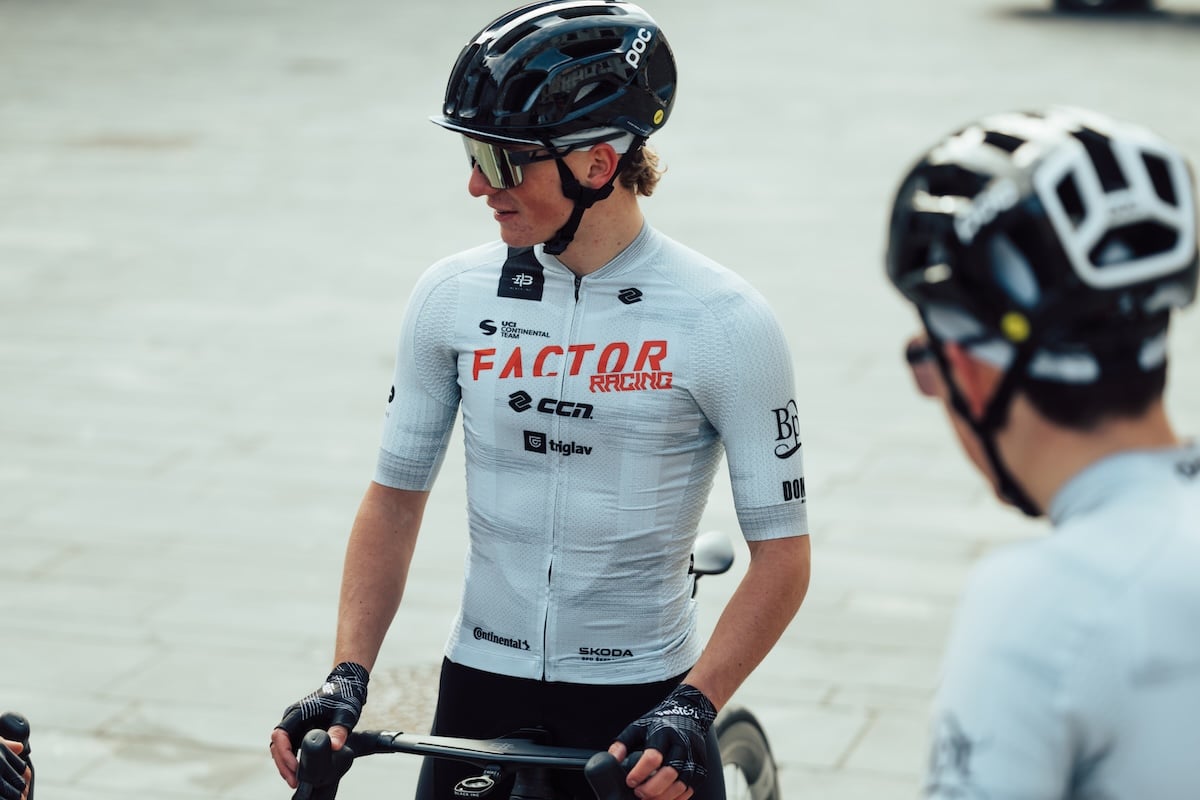
Coordinated team appearance builds identity and professionalism. Custom womens bike shirts serve as the centerpiece of comprehensive team kits that can include:
- Multiple jersey styles (race, training, casual)
- Matching bibs or shorts
- Arm warmers and accessories
- Winter jackets and vests
- Casual team apparel
Working with experienced manufacturers streamlines the customization process. From initial concept to final production, teams benefit from design consultation, fabric selection guidance, and fit sampling to ensure every rider receives apparel that performs.
Sustainability and Environmental Considerations
As cycling culture emphasizes environmental responsibility, the production and lifecycle of cycling apparel face increased scrutiny. CyclingNews coverage of circularity in cycling clothing explores how the industry is responding to sustainability demands.
Eco-Friendly Fabric Options
Several emerging technologies and materials address environmental concerns in womens bike shirts:
Recycled polyester derived from post-consumer plastic bottles reduces petroleum demand while maintaining performance characteristics comparable to virgin materials. Modern recycling processes produce fiber quality suitable for high-end cycling apparel.
Bio-based synthetics sourced from renewable materials like corn or sugarcane offer another avenue toward reduced environmental impact. These materials break down more readily at end-of-life while delivering performance during active use.
Responsible manufacturing practices including water conservation, renewable energy use, and fair labor standards contribute to overall sustainability beyond just material selection.
Durability and Longevity
The most sustainable womens bike shirt is one that lasts. Quality construction featuring reinforced seams, premium fabrics, and careful finishing extends usable life from one season to many years. Consider:
| Construction Quality | Expected Lifespan | Annual Cost (assuming $80 shirt) |
|---|---|---|
| Budget/Basic | 1-2 seasons | $40-80 per season |
| Mid-range | 2-4 seasons | $20-40 per season |
| Premium | 4-8+ seasons | $10-20 per season |
Investing in quality reduces both cost-per-wear and environmental impact. A durable shirt that performs well for five years delivers far better value than cheap replacements every season.
Seasonal Considerations and Layering
A comprehensive cycling wardrobe includes multiple womens bike shirts suited to different conditions. Understanding how shirts integrate into layering systems maximizes versatility and comfort.
Summer and Hot-Weather Shirts
Peak summer riding demands maximum ventilation and minimal weight. Summer-specific womens bike shirts emphasize:
- Ultra-lightweight fabrics (90-110 g/m²)
- Maximum mesh integration (30-40% of surface area)
- Light colors reflecting solar heat
- Sleeveless or minimal-sleeve options for maximum airflow
These shirts work as standalone pieces in temperatures above 70°F, providing just enough coverage for sun protection while maximizing evaporative cooling.
Transition Season Versatility
Spring and fall riding benefits from mid-weight options that layer effectively. A versatile womens bike shirt for transition seasons features:
- Moderate fabric weight (140-170 g/m²)
- Balanced mesh-to-solid ratio
- Longer sleeves for variable conditions
- Compatibility with arm warmers and vests
These shirts serve triple duty: standalone in moderate temperatures, base layer in cold conditions, or outer layer with sleeveless base layers in warmth.
Winter Base Layers
Cold-weather riding transforms the womens bike shirt into a moisture-management base layer beneath insulating mid-layers and weather-resistant shells. Winter base requirements include:
- Tight, compression fit minimizing air gaps
- Thermal fabric with brushed interior
- Extended length preventing exposure during riding position
- Quick-dry properties preventing evaporative cooling
Exploring options at collections like CCN Sport's base layers helps build a complete cold-weather system.
Care and Maintenance for Longevity
Proper care extends the life of your womens bike shirt while maintaining performance characteristics. High-tech fabrics require specific treatment to preserve their engineered properties.
Washing Best Practices
Follow these guidelines to protect your investment:
- Wash after every ride to remove salt, bacteria, and body oils
- Use cold water (maximum 30°C/86°F) to protect elastic fibers
- Choose technical sport detergent designed for synthetic fabrics
- Avoid fabric softener which clogs moisture-wicking channels
- Turn shirts inside-out protecting exterior graphics and colors
Never use bleach on performance cycling apparel. The chemicals degrade synthetic fibers and destroy elasticity.
Drying and Storage
Air drying preserves fabric integrity far better than machine drying. Heat damages elastic fibers, reduces moisture-wicking effectiveness, and can crack sublimated graphics.
Optimal drying method: Hang in a shaded, well-ventilated area away from direct sunlight. Shirts typically dry within 2-4 hours depending on humidity.
For storage between seasons, ensure shirts are completely dry, then fold loosely in a cool, dry location. Avoid compression that stresses elastic components. Consider cedar blocks or lavender sachets for natural moth protection without chemical treatments.
Making the Right Choice for Your Riding Style
Selecting your ideal womens bike shirt depends on riding discipline, climate, and personal preferences. Different cycling activities prioritize different features.
Road Racing and Training
Competitive road cyclists prioritize aerodynamics, weight, and pocket capacity. Race-oriented womens bike shirts feature:
- Tight, aerodynamic cuts minimizing drag
- Lightweight fabrics sacrificing durability for grams
- Extended rear pockets for nutrition and tools
- Aggressive, forward-leaning fit
Training versions of race shirts relax the fit slightly while maintaining performance features, offering better comfort for 3-4 hour rides.
Gravel and Adventure Cycling
Off-road adventures demand durability and versatility from a womens bike shirt. Gravel-specific designs emphasize:
- Reinforced fabrics resisting abrasion from branches and falls
- Relaxed fit accommodating hydration packs
- Additional pockets or storage solutions
- Earthy or muted colors hiding trail dust
The upright riding position common in gravel cycling allows slightly different pattern engineering compared to road-specific shirts.
Commuting and Urban Cycling
City riders benefit from womens bike shirts that transition seamlessly between bike and destination. Commuter-focused features include:
- Subtle styling appropriate for casual environments
- Odor-resistant fabric treatments for all-day wear
- Enhanced reflective elements for traffic visibility
- Pockets sized for phones, wallets, and keys
Many commuters choose shirts from the same technical lineage as performance options but with less aggressive styling and more versatile colors.
Choosing the right womens bike shirt combines understanding technical fabrics, prioritizing fit, and selecting features that match your riding style. Whether you're seeking summer training gear, custom team apparel, or versatile commuting options, focus on construction quality and thoughtful design that enhances every mile. At CCN Sport, our advanced sublimation process and experienced team deliver premium cycling apparel built to perform season after season, transforming your vision into custom womens bike shirts that combine tradition with innovation.

Share:
Design Team Graphics That Perform at Speed
Biking Tops: Complete Guide to Cycling Jersey Selection