

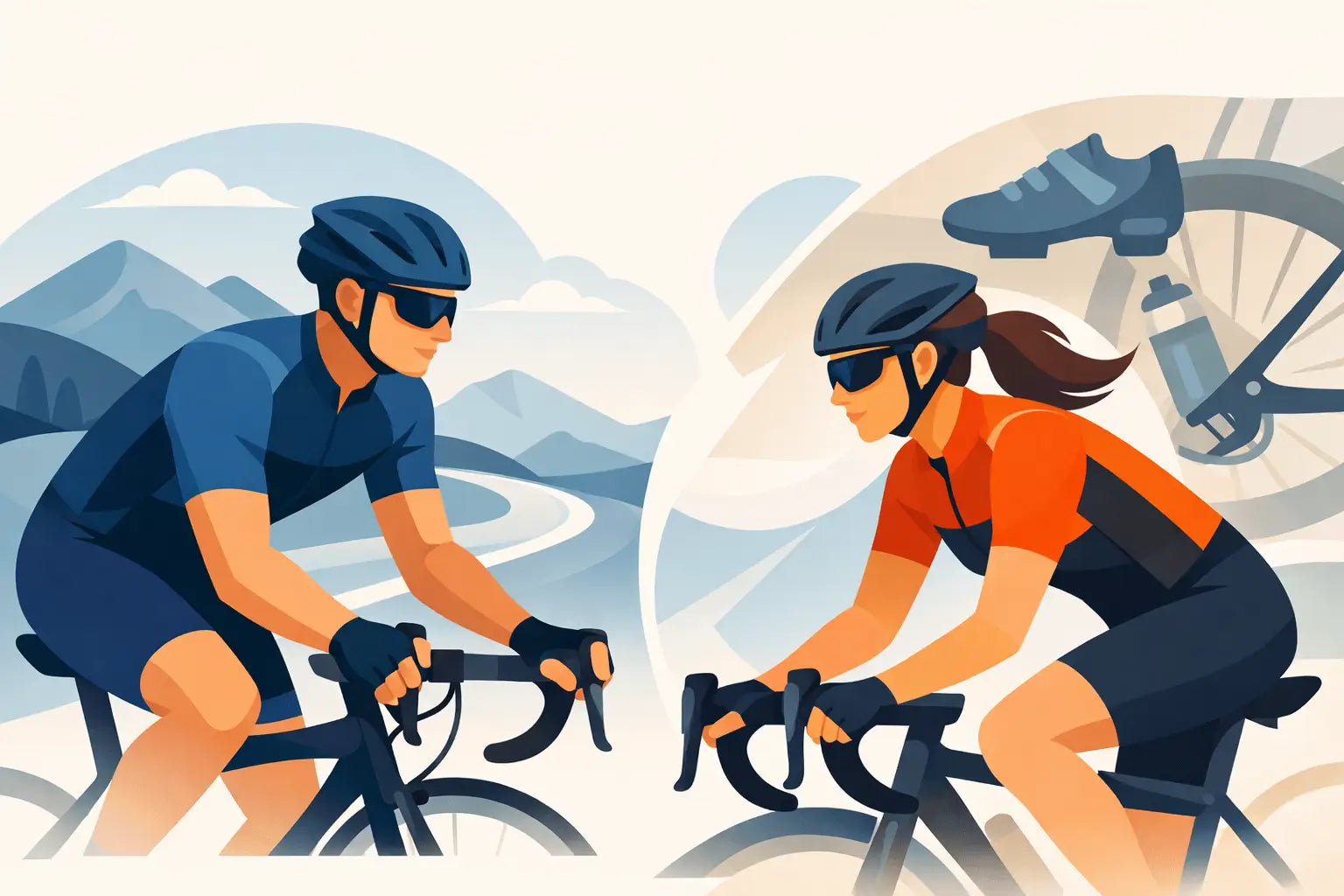
A jersey that flaps at 28 mph, bib shorts that shift after two hours, a base layer that traps sweat on a climb - none of that feels minor when you are trying to hold a wheel, finish a race strong, or keep a club ride comfortable from start to finish. Performance cycling apparel is not about extra features for their own sake. It is about reducing distractions, managing effort, and making every mile feel more controlled.
For serious riders, the difference shows up in small moments. You stay cooler on long summer efforts. You stop thinking about saddle pressure halfway through the ride. You can move freely in the drops without fighting your kit. Those gains are not flashy, but they are real, and over a long training block or a full race season, they matter.
What performance cycling apparel actually does
At its best, performance cycling apparel helps the rider maintain comfort and efficiency under load. That starts with fit. Cycling is a forward, dynamic position, so apparel has to be cut for the bike, not for standing still. A jersey should sit close to the body without restricting breathing. Bib shorts should support the hips and legs without bunching. Sleeves, leg grippers, and panels should stay in place as cadence rises and fatigue sets in.
Fabric choice matters just as much. Lightweight textiles can improve moisture transfer and temperature control, but there is always a trade-off. The lightest fabric in the collection may feel excellent in hot weather, yet offer less durability for frequent washing or rough gravel use. Heavier compression materials can create a more stable, race-ready fit, though some riders will prefer a softer hand feel for all-day endurance riding. Good kit design is rarely about one feature being best in every condition. It is about balancing speed, comfort, and longevity for the intended use.
Construction is where quality becomes obvious. Flatlock seams, stable pocket design, quality bib straps, and a chamois that matches ride duration all make a difference once the ride gets serious. Cheap construction usually reveals itself late - after repeated washes, after hours in the saddle, or after a hard effort when poor fit starts to rub, shift, or sag.
The key pieces of performance cycling apparel
A strong kit system starts with bib shorts. If there is one place to prioritize function over everything else, this is it. High-quality bib shorts stabilize the chamois, reduce movement, and support the rider in a way waist shorts usually cannot match. The chamois itself should not be judged by thickness alone. More padding does not automatically mean more comfort. Density, shape, and placement matter more, especially for riders who alternate between aggressive race positions and longer endurance days.
The jersey is the next major performance piece. A proper cycling jersey should manage airflow, wick sweat, and hold essentials securely without sagging when pockets are loaded. Race fit jerseys tend to prioritize aerodynamic efficiency and a close silhouette. Club and endurance fits often allow slightly more room through the torso for broader comfort. Neither is universally better. The right choice depends on how hard you ride, how long you ride, and how you want your kit to feel over the course of the day.
Base layers are often underestimated because they are less visible, but they do a lot of work. In hot weather, a lightweight mesh base layer can help move sweat off the skin and improve cooling. In cooler conditions, a thermal option can stabilize body temperature without adding bulk. Riders who skip base layers sometimes do so because they assume less fabric means less heat. On the bike, that is not always true. Moisture management often improves when the system is built correctly.
Outer layers deserve the same attention. A vest, thermal jersey, or winter jacket should protect without turning into a sail. Protection from wind and cold is essential, but bulk can interfere with movement and pacing. The best cold-weather pieces are cut to layer cleanly and perform on the bike rather than just off it.
How fit changes performance
The best fabrics and pad technology will not overcome poor fit. That is why fit is usually the deciding factor between a kit that feels fast and one that stays in the drawer. Performance apparel should feel intentional the moment it is on. The shoulders should sit correctly in riding position. Bib straps should hold the shorts in place without excessive tension. Leg bands should stay secure without creating pressure points.
This is also where rider preference comes in. Some cyclists want a true second-skin race fit. Others want technical performance with a little more forgiveness for training and recreational pace. Both are valid. What matters is choosing a cut designed for your riding style instead of assuming every “performance” label means the same thing.
For teams and clubs, fit consistency is even more important. If one rider receives a jersey that fits perfectly and another gets a cut that runs unexpectedly small or long, the entire program feels less professional. Reliable sizing, repeatable production, and clear garment categories are not just operational details. They directly affect rider confidence and adoption.
Performance cycling apparel for teams and custom kits
For organized teams, apparel has to do more than perform on the road. It also has to represent the group well, arrive on schedule, and stay consistent across reorders. That is where custom production becomes part of the performance equation.
A team kit should look sharp, but appearance alone is not enough. Riders need proven fabrics, stable sizing, and construction that stands up to racing, training, travel, and repeated washing. Managers need low-friction ordering, dependable turnaround, and the flexibility to outfit a full roster without overcommitting on inventory. Factory-direct production can make a meaningful difference here because it shortens communication lines and gives teams more control over fit options, design execution, and replenishment.
That matters for clubs, development squads, event organizers, and brands building a serious presence. When the apparel supplier understands both technical product performance and team logistics, the result is better on every level. CCN Sport has built its reputation around exactly that balance - race-ready apparel backed by in-house production and practical custom support.
Choosing the right apparel for your riding
The smartest way to buy cycling kit is to match the product to the job. If you race, focus on aerodynamic fit, compressive support, and lightweight fabrics that perform under intensity. If you spend long days on mixed terrain, durability and stable comfort may matter more than the last marginal aero gain. If you ride in variable conditions, build a system that layers well rather than relying on one heavy piece to solve every weather problem.
It is also worth being honest about your local climate and weekly habits. Riders in hot, humid conditions need excellent moisture transfer and breathable construction. Riders training through shoulder seasons need versatile layering and protection from wind. Gravel and mountain riders may put more stress on fabrics and prefer slightly different fits depending on terrain and movement. Triathletes have another set of needs entirely, especially when quick drying and multi-discipline function come into play.
Price should be viewed through the lens of use. Premium apparel can cost more up front, but if the fit is right, the materials hold up, and the garment performs ride after ride, the value is usually better over time. Cheap kit often ends up expensive because it gets replaced quickly or simply goes unworn.
Why details separate average kit from race-ready kit
A lot of apparel can look good on a hanger. Far less of it performs when the pace rises. That is where the smaller details start to separate average kit from gear built for serious riding.
Pocket placement affects stability when you carry nutrition or tools. Zipper quality affects ventilation and long-term reliability. Gripper design affects whether a sleeve or leg opening stays planted or creeps during movement. Panel shaping influences how the fabric behaves in riding position, not just when you first try it on. None of these details sells the product alone, but together they define how the garment feels after 50 miles, not just the first five minutes.
This is also why apparel testing matters. Race-tested gear is not just a marketing phrase when it is backed by real rider use across changing conditions and effort levels. The road exposes shortcuts fast.
Good performance cycling apparel should make you forget about the kit and focus on the ride. That is the standard worth holding, whether you are buying your next bib shorts, building a full winter setup, or sourcing custom kits for an entire team.

Share:
Cycling Apparel Sizing Guide for Better Fit
Custom Cycling Kit Design Process Explained