


Cycling apparel has undergone a dramatic transformation over the past two decades, with pants cycling emerging as a critical component of both competitive and recreational riding. Whether you're navigating urban commutes or tackling century rides, the right cycling pants can dramatically improve your performance, comfort, and safety. Modern pants cycling encompasses everything from form-fitting bib shorts with advanced chamois padding to versatile commuter trousers that transition seamlessly between bike and office. Understanding the technical features, fit considerations, and material innovations that define quality cycling pants helps riders make informed choices that enhance every pedal stroke.
The Evolution of Pants Cycling Technology
The cycling industry has witnessed remarkable advances in pants design, driven by insights from biomechanics research and athlete feedback. Traditional cycling shorts were simple Lycra garments with minimal padding. Today's pants cycling products incorporate compression fabrics, multi-density chamois pads, and ergonomic paneling that work together to reduce fatigue and prevent injury during extended rides.
Material Science and Performance Fabrics
Modern cycling pants utilize sophisticated fabric blends that balance breathability, moisture management, and durability. High-performance materials often combine polyester, nylon, and elastane in precise ratios to achieve optimal stretch and recovery. The sublimation printing process allows manufacturers to embed designs directly into fabric fibers, ensuring graphics remain vibrant through countless wash cycles without adding weight or compromising breathability.
Advanced moisture-wicking technologies pull sweat away from skin surfaces, creating a microclimate that regulates temperature during intense efforts. Strategic mesh panels enhance airflow in high-heat zones, while compression zones support major muscle groups to reduce vibration and delay onset of fatigue.
Fit Fundamentals for Optimal Pants Cycling
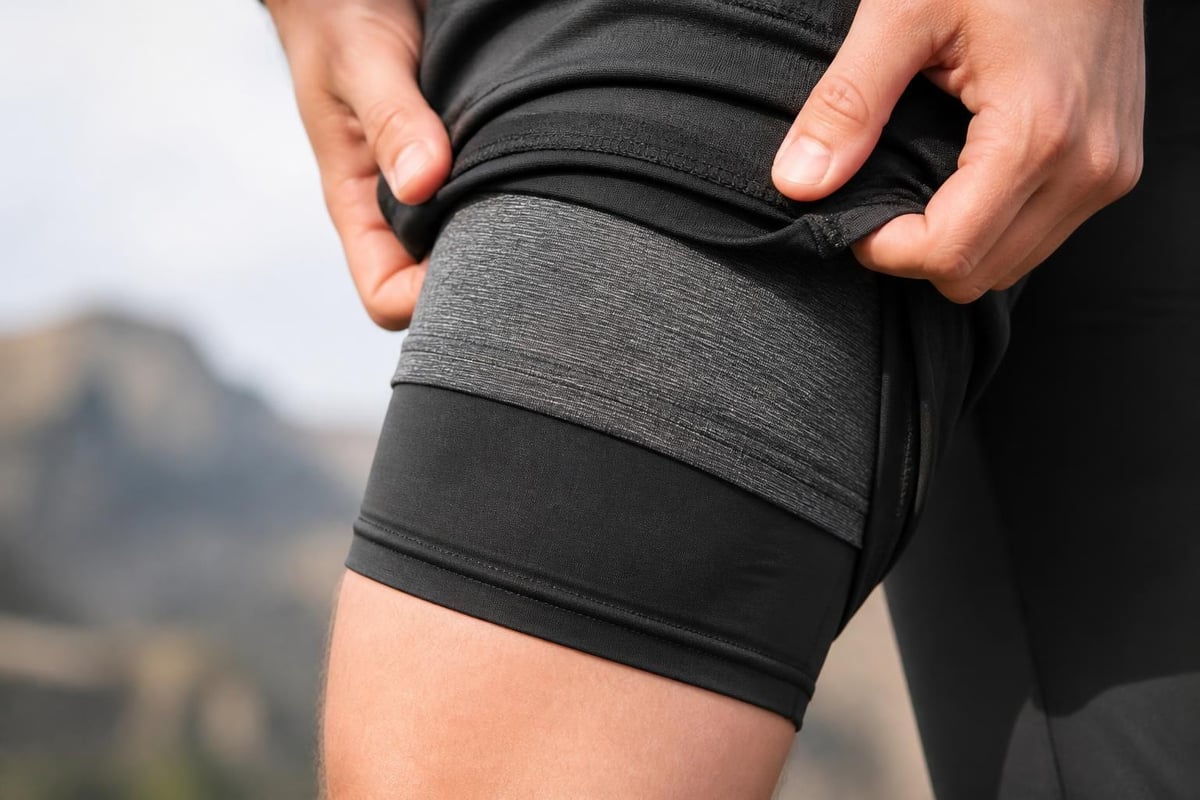
Achieving the perfect fit in cycling pants requires understanding how garment construction interacts with riding position and body geometry. Unlike casual athletic wear, cycling-specific pants are designed for a hunched, forward-leaning posture that changes how fabric sits against the body.
Key Fit Elements
- Rise and waist height that prevents gaps when leaning forward
- Leg length calibrated to reach mid-thigh or knee without bunching
- Chamois placement aligned with saddle contact points
- Gripper elastic at leg openings to prevent ride-up
- Flat-locked seams positioned away from friction zones
Research from Nottingham Trent University emphasizes that cyclists prioritize comfort features including appropriate seam placement and fabric stretch that accommodates movement without restriction. The study found that poorly designed seams and inadequate stretch were leading causes of discomfort during rides exceeding one hour.
| Fit Aspect | Race Fit | Club Fit | Relaxed Fit |
|---|---|---|---|
| Compression | High | Moderate | Low |
| Aerodynamics | Maximum | Good | Minimal |
| Comfort | Performance-focused | Balanced | Maximum ease |
| Riding duration | 1-4 hours | 2-6 hours | All-day |
Gender-Specific Design Considerations
Anatomical differences between male and female cyclists necessitate distinct approaches to pants cycling design. Female-specific research has documented unique pressure distribution patterns and sensory sensitivities that require customized chamois shapes, densities, and positioning. Women's cycling pants typically feature wider sit bone spacing, shorter torso length, and different compression profiles than men's versions.
Chamois Padding: The Heart of Pants Cycling Comfort
The chamois pad represents the most critical component in any cycling pant, serving as the interface between rider and saddle. Quality chamois design prevents saddle sores, reduces pressure on sensitive tissues, and provides shock absorption over rough terrain.
Multi-Density Padding Systems
Premium cycling pants incorporate multi-density foam structures that place firmer support under sit bones while offering softer cushioning in more sensitive areas. The thickness typically ranges from 5mm in minimal racing chamois to 15mm or more in endurance-oriented designs.
Modern chamois construction uses antimicrobial treatments to prevent bacterial growth during long rides. Perforations and channeling within the foam improve airflow and moisture evacuation. Some manufacturers now offer customizable chamois options, allowing riders to select padding profiles matched to their saddle type and riding style.
For cyclists concerned about saddle discomfort, expert guidance from Cyclingnews recommends proper pants fit as the first line of defense against common issues. The article emphasizes that even the best saddle cannot compensate for poorly designed or ill-fitting cycling pants.
Commuter and Multi-Use Pants Cycling Solutions
Not every cyclist needs form-fitting lycra. The growth of urban cycling has sparked innovation in pants that perform well on the bike while maintaining a professional or casual appearance off it.
Features for Versatile Cycling Pants
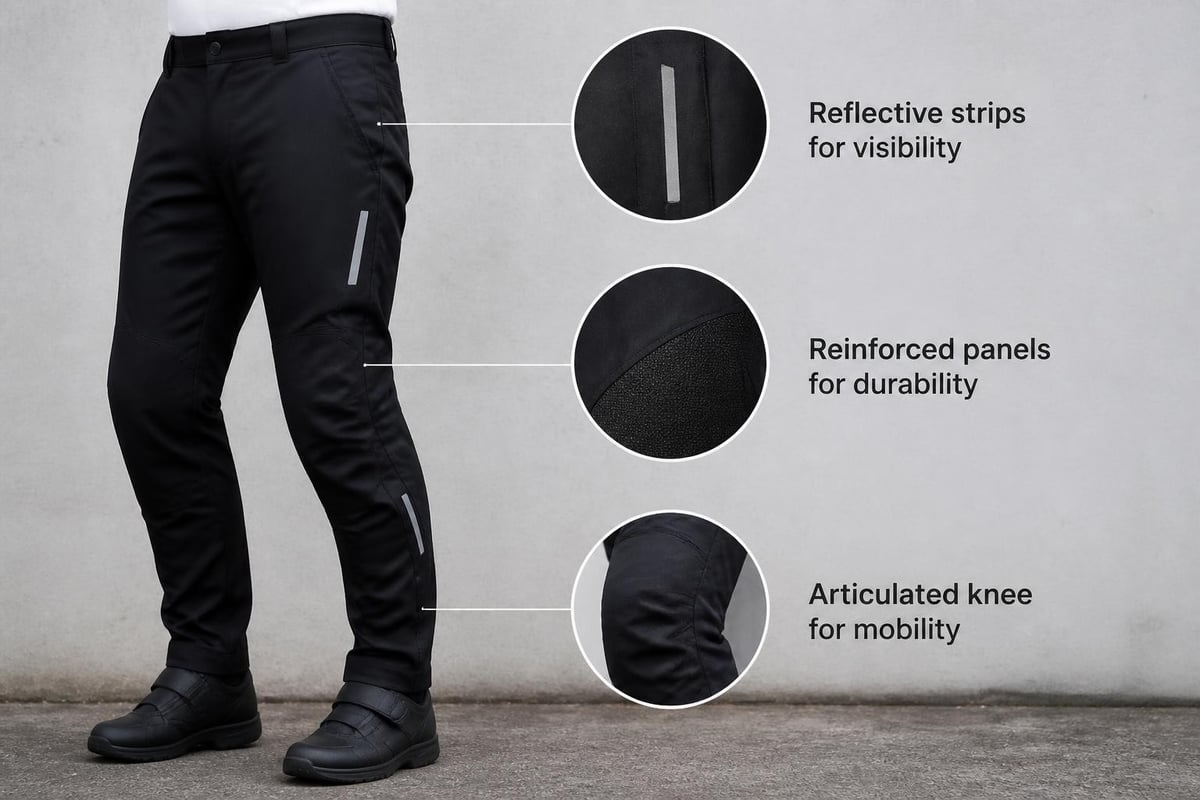
- Reinforced seat and knee panels for durability
- Reflective trim strategically placed for visibility
- Articulated knees that prevent binding when pedaling
- Discreet chamois integration or compatibility with padded liners
- Water-resistant coatings for weather protection
- Secure pockets with zipper closures
Cycling UK guidance outlines practical considerations for choosing cycling pants suited to different riding contexts. The organization notes that commuters benefit from pants with ankle zippers or reflective elements, while touring cyclists prioritize pockets and abrasion resistance.
Safety and Visibility in Pants Cycling
Cycling pants contribute to rider safety through both protective materials and visibility-enhancing features. Research from Deakin University examined how clothing choices correlate with injury outcomes in cycling accidents. The study found that abrasion-resistant fabrics in pants can reduce road rash severity, while high-visibility elements improve driver detection rates.
Protective Technologies
- Abrasion-resistant panels on outer thigh and hip areas
- Integrated hip padding for impact protection
- 360-degree reflectivity using piping and heat-transfer elements
- High-visibility color blocking in fluorescent tones
- Seamless construction that prevents friction burns
Weather-specific pants cycling options extend riding seasons and improve comfort across temperature ranges. Thermal pants with fleece linings maintain warmth during winter rides, while lightweight, breathable options with UV protection suit summer conditions.
Bib Shorts Versus Traditional Cycling Pants
The debate between bib shorts and waist-based cycling pants continues among riders, with each design offering distinct advantages. Bibs eliminate waist pressure and prevent the dreaded "gap" that exposes lower back skin when leaning forward. The suspender system distributes garment weight across shoulders rather than relying on elastic compression around the midsection.
| Feature | Bib Shorts | Waist Shorts |
|---|---|---|
| Bathroom convenience | Requires partial undressing | Simple waistband drop |
| Back coverage | Complete (no gap) | Can expose lower back |
| Pressure distribution | Shoulders + hips | Waist only |
| Layering compatibility | Challenges with jerseys | Easy under any top |
| Price point | Generally higher | More affordable options |
Custom cycling apparel manufacturers recognize that both formats have loyal followings. At CCN Sport, we produce both bib and traditional cycling pants using advanced sublimation techniques that ensure durability and color vibrancy across extended use.

Sizing and Measurement for Pants Cycling Success
Proper sizing eliminates many common complaints about cycling pants. Unlike casual clothing, cycling-specific garments should fit snugly without restricting movement or creating pressure points. Taking accurate body measurements ensures optimal performance from technical fabrics and chamois positioning.
Critical Measurement Points
- Waist circumference at natural waistline (above hip bones)
- Hip circumference at widest point of buttocks
- Inseam length from crotch to desired leg ending
- Thigh circumference at widest point
- Torso length (for bib shorts) from shoulder over crotch to waistline
Many riders discover they need different sizes in cycling pants than in everyday clothing. Compression fabrics are engineered to stretch and conform, so the initial feel may seem tighter than expected. Quality cycling pants should provide firm support without creating visible flesh compression or restricting blood flow.
Care and Maintenance of Performance Cycling Pants
Extending the lifespan of premium cycling pants requires proper care protocols. Technical fabrics and chamois materials demand gentle treatment to maintain their performance characteristics through hundreds of rides.
Best Practices for Longevity
- Immediate washing after rides to prevent bacterial growth in chamois
- Cold water cycles with sport-specific detergents
- Air drying away from direct sunlight to prevent elastane degradation
- Avoid fabric softeners that clog moisture-wicking fibers
- Store flat or loosely folded rather than tightly compressed
The sublimation printing process used in quality cycling apparel creates permanent bonds between dye and fiber, making graphics resistant to fading. However, excessive heat from dryers can damage elastic components and reduce compression effectiveness over time.
Seasonal Adaptations in Pants Cycling Wardrobes
Serious cyclists maintain pants options suited to varying weather conditions, enabling year-round riding comfort. Temperature regulation through appropriate pants selection prevents overheating in summer and hypothermia risk in winter months.
Summer Cycling Pants Features
Short inseam lengths maximize airflow while maintaining chamois protection. Lightweight fabrics with UPF sun protection prevent UV damage during long exposures. Laser-cut hems eliminate bulky gripper elastic for reduced weight and improved aesthetics.
Winter Cycling Pants Specifications
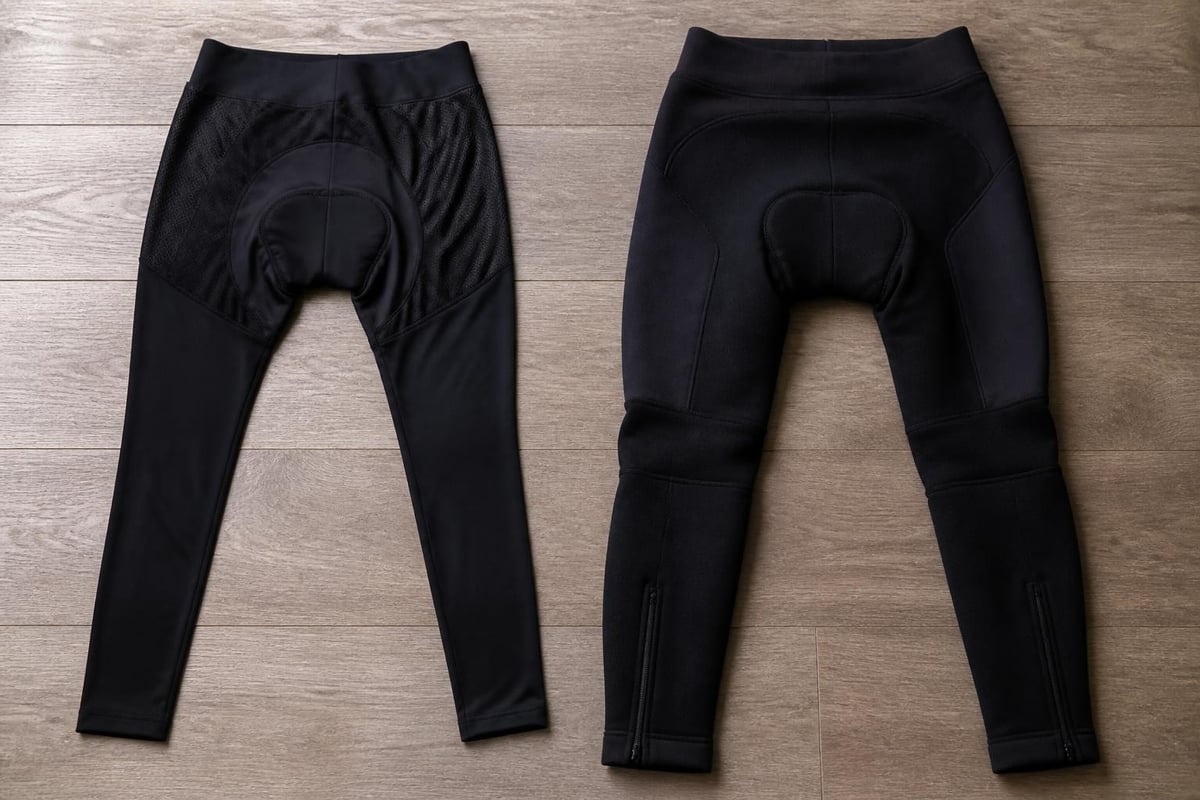
Thermal fabrics trap body heat while maintaining breathability during intense efforts. Wind-blocking panels protect anterior thigh and knee areas from cutting winds. Ankle zippers accommodate shoe covers and simplify dressing over cycling shoes. Reflective elements become particularly critical during winter's shortened daylight hours.
Custom Design Options in Pants Cycling
Team riders, club members, and cycling enthusiasts increasingly seek custom-designed pants that express identity while delivering professional-grade performance. Modern manufacturing capabilities enable small-batch production of fully customized cycling pants with sophisticated graphics and personalized fit adjustments.
Custom designs allow incorporation of sponsor logos, team colors, and individual names without compromising technical performance. Advanced sublimation printing embeds graphics directly into fabric structure, ensuring designs remain vibrant and crack-free through countless wash cycles and UV exposures.
Integration with Complete Cycling Kits
Cycling pants function as part of a coordinated system including jerseys, socks, gloves, and accessories. Matching pants to jersey designs creates professional aesthetics while ensuring compatibility of technical features. Color coordination improves visibility by creating a larger visual signature that drivers detect more readily.
When building complete custom kits, consider how pants patterns complement jersey graphics. Contrasting colors between upper and lower garments improve body outline recognition. Teams often incorporate consistent branding elements across all kit components to strengthen identity and sponsor visibility.
Emerging Trends in Pants Cycling Innovation
The cycling apparel industry continues advancing pants design through material innovations and construction techniques. Seamless knitting technologies eliminate chafing-prone stitches entirely. Smart fabrics with embedded sensors monitor muscle temperature and fatigue indicators. Recyclable materials address environmental concerns while maintaining performance standards.
Compression mapping uses variable-density knit structures to place support precisely where biomechanics demand it. This targeted approach reduces overall garment weight while enhancing muscle stabilization during high-intensity efforts. Some manufacturers now offer 3D body scanning services that generate custom pants patterns matched to individual geometry.
Professional Racing Versus Recreational Pants Cycling
Professional racers demand maximum aerodynamic efficiency and minimal weight in their cycling pants. These priorities sometimes conflict with comfort features recreational riders value. Understanding the trade-offs helps cyclists choose pants aligned with their actual riding objectives rather than aspirational professional standards.
Race-oriented pants sacrifice padding thickness and comfort features for aerodynamic gains measured in watts saved. Recreational riders benefit more from generous chamois cushioning and relaxed fits that prevent numbness during multi-hour endurance rides. Club-level pants strike a balance, offering performance features without extreme compromises in comfort.
Selecting the right cycling pants transforms riding experiences through improved comfort, enhanced performance, and increased safety across all cycling disciplines. Whether prioritizing aerodynamic efficiency for racing, all-day comfort for touring, or professional appearance for commuting, understanding the technical features and fit considerations outlined above guides informed purchasing decisions. At CCN Sport, we combine over 20 years of sublimation expertise with precision manufacturing to create custom cycling pants that meet the exacting standards of riders worldwide. Transform your vision into reality with apparel built to perform and built to last.

Share:
How a Pro Fit Cycling Jersey Should Feel
Gravel Jersey: Performance Apparel for Mixed-Terrain Riding