

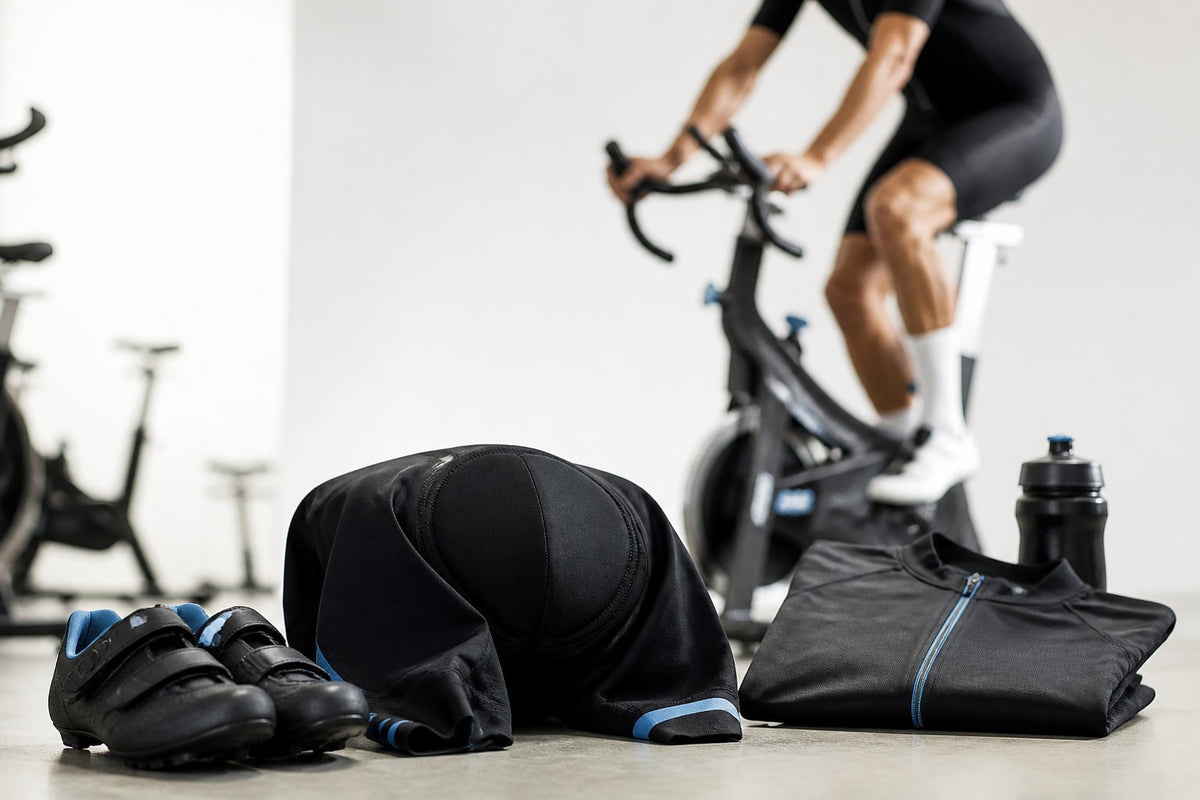
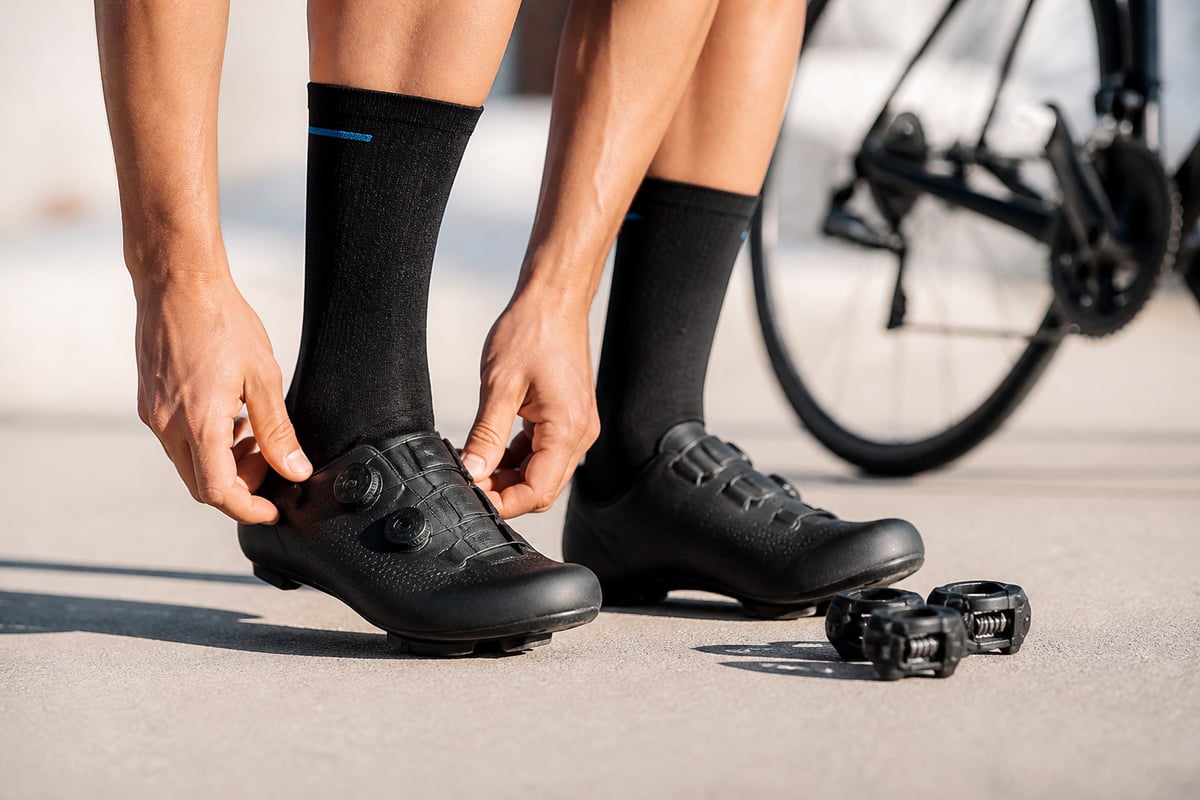
The best spinning apparel is close-fitting, moisture-wicking and padded where you sit: a fitted technical top, padded cycling shorts or bibs, and either clip-in cycling shoes or stiff-soled athletic shoes. According to Spinning®, a first class only requires everyday workout clothes such as a T-shirt or tank, fitted bottoms and athletic shoes. Riders who attend regularly benefit from moisture-wicking tops, padded bottoms and cycling shoes. For clubs and teams that train indoors through the off-season, the same principles apply, with the added goal of everyone looking and performing like one unit.
What Makes Good Spinning Apparel Different From Regular Gym Clothes
Good spinning apparel is built around three contact points, the saddle, the pedals and the handlebars, and around a body that stays in a fixed position for 45 to 60 minutes. Standard gym clothing is designed for varied movement, so it can fail in a spin studio.
Loose cotton absorbs sweat and stays wet. Thick seams on leggings can rub the inner thigh over the course of a long ride. Baggy hems can brush the crank arms. Even a minor irritation becomes a real problem when repeated with every pedal stroke.
Cyclingnews advises prioritizing airflow, moisture wicking and a close, stretchy fit, with padded shorts that stay comfortable over extended time in the saddle. Those four qualities form a useful checklist for choosing spin apparel.
A few differences from outdoor riding are worth stating plainly:
- No airflow from speed. Indoors, you generate heat without a headwind, so fabric breathability matters more than aerodynamics.
- Higher sweat volume. A stationary bike in a warm studio produces heavy perspiration, which makes wicking speed and quick-dry performance essential.
- No need for pockets or high-visibility panels. Rear pockets are optional, since a studio has no traffic, though the UK Highway Code guidance on cyclists is a useful reminder that loose clothing that could catch in a bicycle is a hazard outdoors, and it is worth avoiding indoors too.
Padded Shorts and Bibs for Spin Class
Padded cycling shorts are the single most valuable piece of spinning apparel, because saddle discomfort is the most common reason riders quit a class or avoid booking the next one.
A quality chamois helps distribute pressure across the sit bones and reduces friction. Look for these features:
- Multi-density foam. A thin pad suits 45-minute studio rides, while longer endurance sessions call for more cushioning.
- Flat-lock or bonded seams. These prevent the chafing that stitched seams cause on the inner thigh.
- Grippers or a bonded hem. Leg bands should hold the short in place without squeezing.
- A four-way stretch fabric with a snug compression feel. Fit is critical, since a pad that shifts is worse than no pad.
Wear padded shorts without underwear. Layering underwear beneath a chamois adds seams and traps moisture.
Bib shorts add shoulder straps that hold the pad in place and eliminate a waistband pressing on the stomach while you lean forward. Many riders prefer them for long sessions, though standard waist shorts are simpler for a quick class. Tights and leggings work for cooler studios, provided the seams are flat and the fabric is compressive rather than loose.
For team programs, sizing consistency matters because a mismatched fit across a roster leads to returns and discomfort. A cycling apparel sizing guide helps managers collect measurements before ordering.
Tops and Jerseys That Keep You Dry
A moisture-wicking top pulls sweat away from the skin and spreads it across the fabric surface so it evaporates quickly, which keeps body temperature steadier through an interval-heavy class.
Synthetic knits such as polyester blends handle this well. Cotton does not. Once saturated, cotton tends to cling and weigh more, and it can leave you feeling cold during recovery intervals.
Choosing a Fit
- Fitted jersey or tee: Stays clear of the handlebars and knees when you move between seated and standing positions.
- Cropped or short-torso tops: Common in studios, but check that the hem stays put when you lean forward over the bars.
- Relaxed tees: Acceptable for a beginner, though excess fabric can bunch at the waist and trap heat.
When a Cycling Jersey Makes Sense
A true cycling jersey has a longer rear hem, a zipper for ventilation and optional rear pockets. Indoors, the zipper is the useful feature, since you can open it as the class heats up. Pockets are handy for a phone, keys or a gel on longer rides. Riders who train in the same kit they race in also gain familiarity with the fit, which is a quiet advantage for competitive athletes.
A towel remains part of the system too. Spinning® recommends bringing one to class to stay comfortable, and a small towel draped across the handlebars handles most of the sweat management.
Shoes and Pedal Compatibility
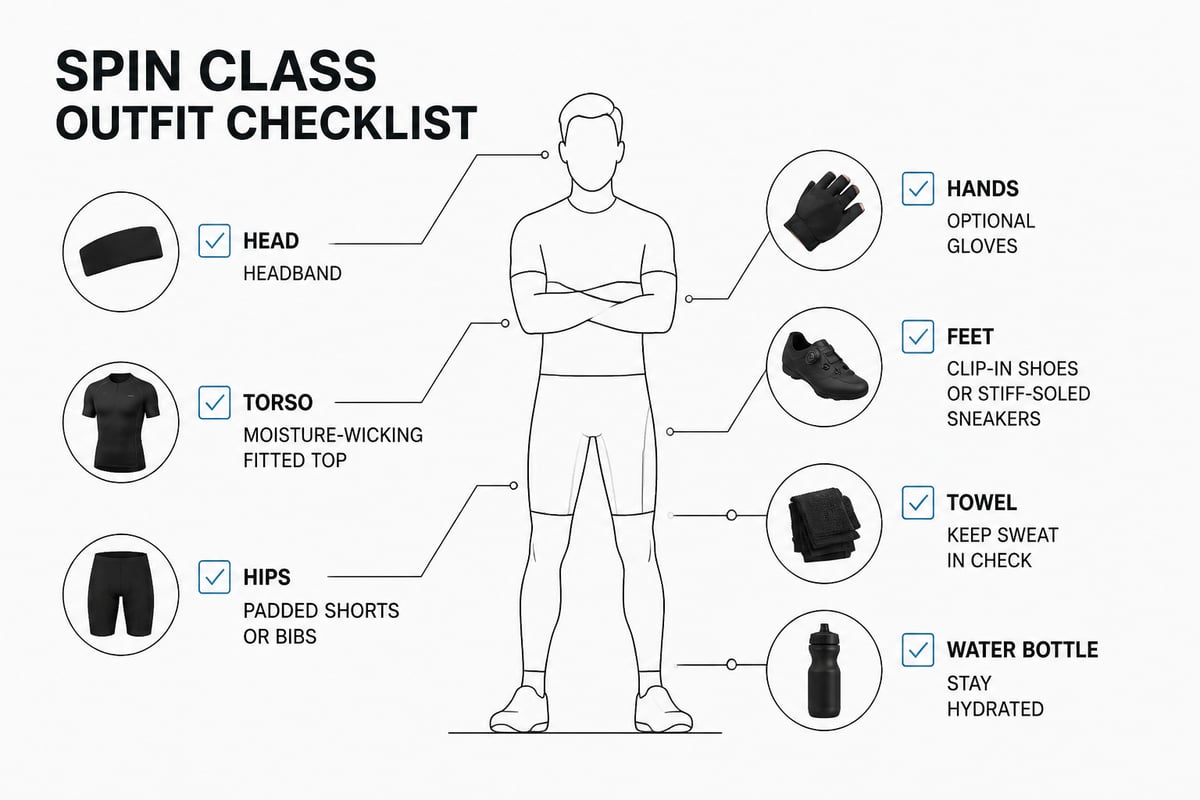
Spin bikes use one of two pedal systems, so the right shoe depends on what the bike offers, and checking before class prevents an awkward start.
Many studio bikes accept two-bolt SPD cleats on one side of the pedal and a flat cage or toe-clip on the other. Some bikes use three-bolt Look Delta cleats, which pair with road shoes. Many pedals are dual-sided, so a rider can clip in with one shoe type or ride in sneakers.
| Shoe Option | Best For | Main Consideration |
|---|---|---|
| Two-bolt SPD cycling shoes | Regular studio riders | Compatible with most spin bikes; walkable cleats |
| Three-bolt Delta shoes | Riders who also train on road bikes | Only works with Delta-compatible pedals |
| Stiff-soled athletic shoes | First-time riders | No cleat required; less efficient power transfer |
For first-timers, a flexible running shoe loses some energy at the pedal, but it is entirely acceptable for a first session. Once you commit to a weekly class, clip-in shoes improve pedal stroke efficiency and foot comfort. Always confirm cleat type with the studio before buying.
Accessories for the Studio Bike
The right accessories help with sweat, hydration and grip, and none of them need to be expensive.
- Water bottle. Dehydration appears quickly in a warm room, so keep a full bottle in reach.
- Sweatband or headband. Keeps perspiration out of the eyes during hard intervals.
- Cycling gloves. Optional, but useful for riders who experience sweaty or numb hands on the bars.
- Heart rate monitor or smartwatch. Lets you hold effort targets across intervals and track weekly volume.
- Seat cover or gel cushion. A short-term fix for riders without padded shorts, though a good chamois is the better solution.
WebMD's indoor cycling overview notes that classes can be high intensity and recommends speaking with an instructor and a doctor if you are out of shape, pregnant or have medical problems. It also cites the American Heart Association recommendation of 150 minutes of cardio exercise per week, which can be divided across the week.
Layering for Different Class Styles
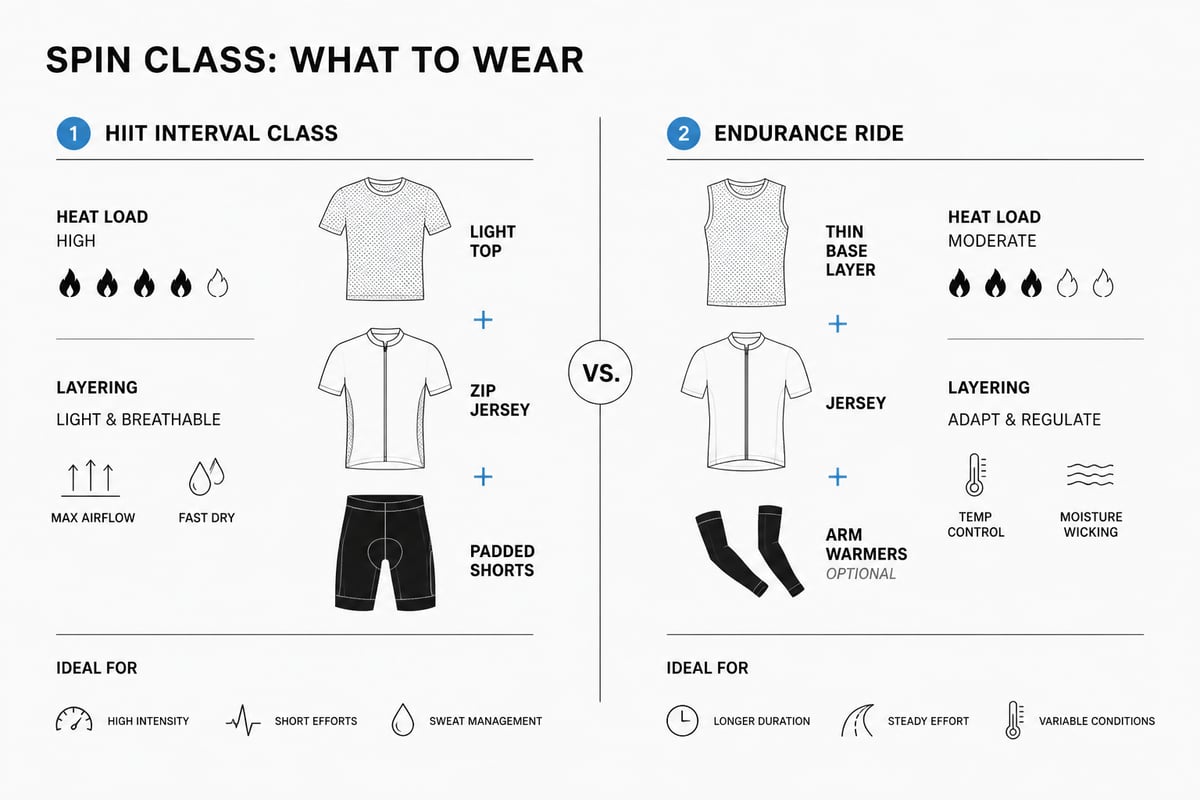
The format of the class should shape how you layer, because a hard interval session and a steady endurance ride create very different heat loads.
HIIT or interval classes generate heat fast, so the lightest breathable top and padded shorts are the right combination. A zip-front jersey lets you vent during recovery periods.
Endurance or steady-state rides run cooler for longer. A thin base layer under a jersey can help in an air-conditioned studio, and you can remove it as you warm up.
Cold studios or early-morning sessions call for a lightweight long-sleeve or arm warmers you can strip off after the warm-up. Keep the base layer next to the skin and avoid cotton at any stage.
A simple approach for any class is to dress for the temperature you will reach at minute fifteen, not the temperature you feel when you walk in.
Spinning Apparel for Clubs and Teams
Matching spinning apparel gives a club or team a practical benefit beyond appearance: it standardizes quality, fit and fabric performance across every rider on the roster.
Teams that run indoor training blocks in winter often want the same kit their members race in, so riders are comfortable in familiar fabrics and the club's identity stays visible year-round. Custom orders also let a program specify the chamois density, sleeve length and zipper style that suit indoor sessions, rather than accepting whatever a stock catalog offers.
CCN Sport's custom cycling apparel is made with precision and care in the company's facilities in China and the Philippines. Designs are applied through sublimation, so team colors and logos stay vibrant and durable.
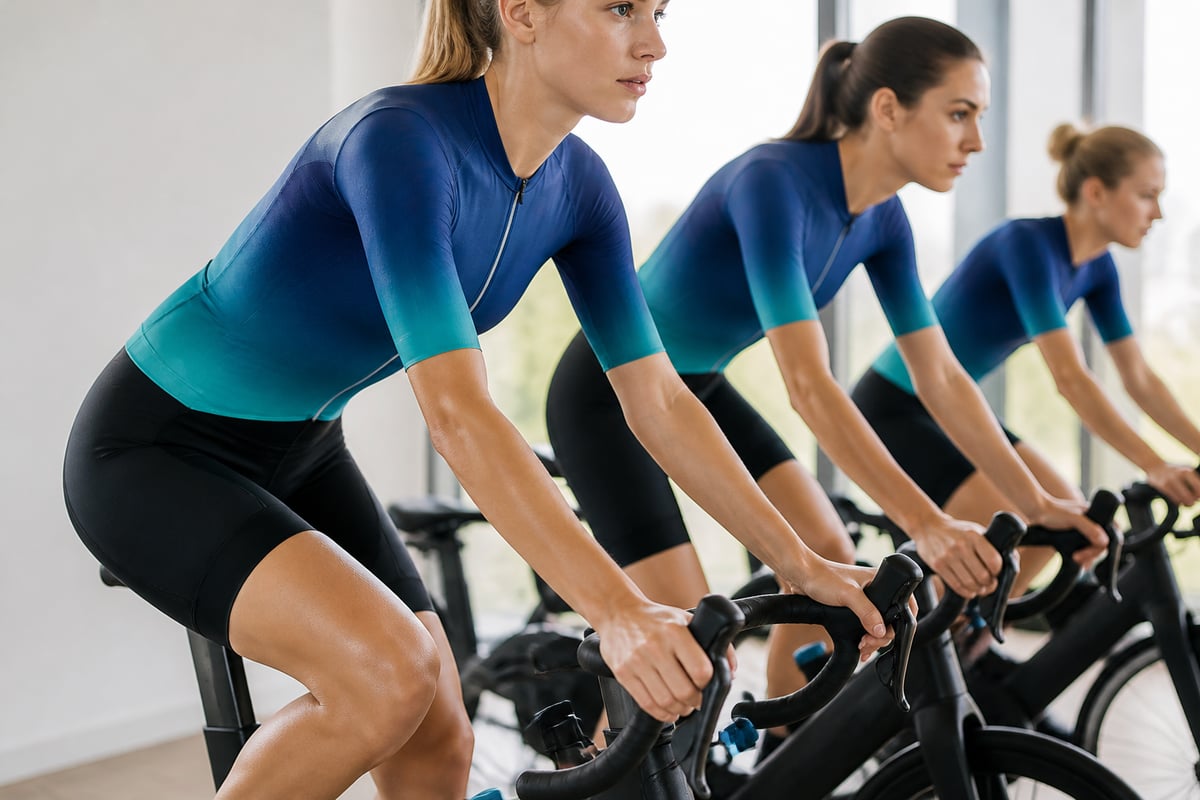
Managers planning a first order can use a custom cycling apparel guide for teams to work through design, sizing and timelines. CCN Sport also offers a size reorder program to help with long-term planning. Note that custom products are non-refundable, so confirm sizing with a sample fitting or measurement chart before committing a full roster.
Fabric and Climate Considerations
Indoor sessions run warm, so a lightweight, ventilated knit is a better fit than a heavy thermal fabric. Teams in hot regions should read about cycling apparel for hot climates, and anyone comparing materials will find a breakdown in this overview of cycling apparel fabrics.
Care and Maintenance for Technical Kit
Technical fabrics last longer when washed correctly, and a few habits protect both the fit and the wicking performance of your kit.
- Wash after every ride. Sweat and bacteria break down chamois and fabric faster than any other factor.
- Use cold water and a mild detergent. Skip fabric softener, which coats fibers and reduces moisture transfer.
- Turn garments inside out. This protects printed designs and reduces pilling.
- Air dry. High dryer heat degrades elastic and damages sublimated graphics.
- Rotate two or three pairs of shorts. Pads recover shape between sessions and last longer.
Treat a padded short as a consumable. Even carefully washed chamois compress over time, and a flattened pad stops delivering the cushioning that made it worth buying.
Common Mistakes When Dressing for Spin
A few avoidable errors account for most uncomfortable first classes.
- Wearing cotton leggings or tees. They hold moisture and chafe.
- Choosing shorts without padding and hoping for the best. Even a short class can leave you sore.
- Wearing underwear under a chamois. Extra seams create friction.
- Buying cycling shoes before checking the pedals. Confirm SPD or Delta compatibility first.
- Dressing for the lobby, not the workout. You will overheat by minute ten.
- Ignoring fit. A short that is too loose shifts, and one that is too tight restricts breathing and blood flow.
If you ride with a team and are weighing custom against off-the-shelf options, this comparison of custom versus stock cycling apparel lays out the trade-offs in fit, cost and lead time.
Before your next class, lay out your current top, shorts and shoes and check each against the four qualities of airflow, wicking, a close fit and padding where you sit. If your club or team wants matching indoor and race kits built to that standard, CCN Sport can help you start your custom kit with a design team, sublimated graphics and factory-direct production. You can explore the full range of Custom Cycling Apparel first, then send your roster, colors and sizing, and the team will guide you from concept to a finished order.

Share:
Teamwear Personalization Trends for Faster Kits
Men's Cycling Suit Guide: How to Choose the Right Fit