

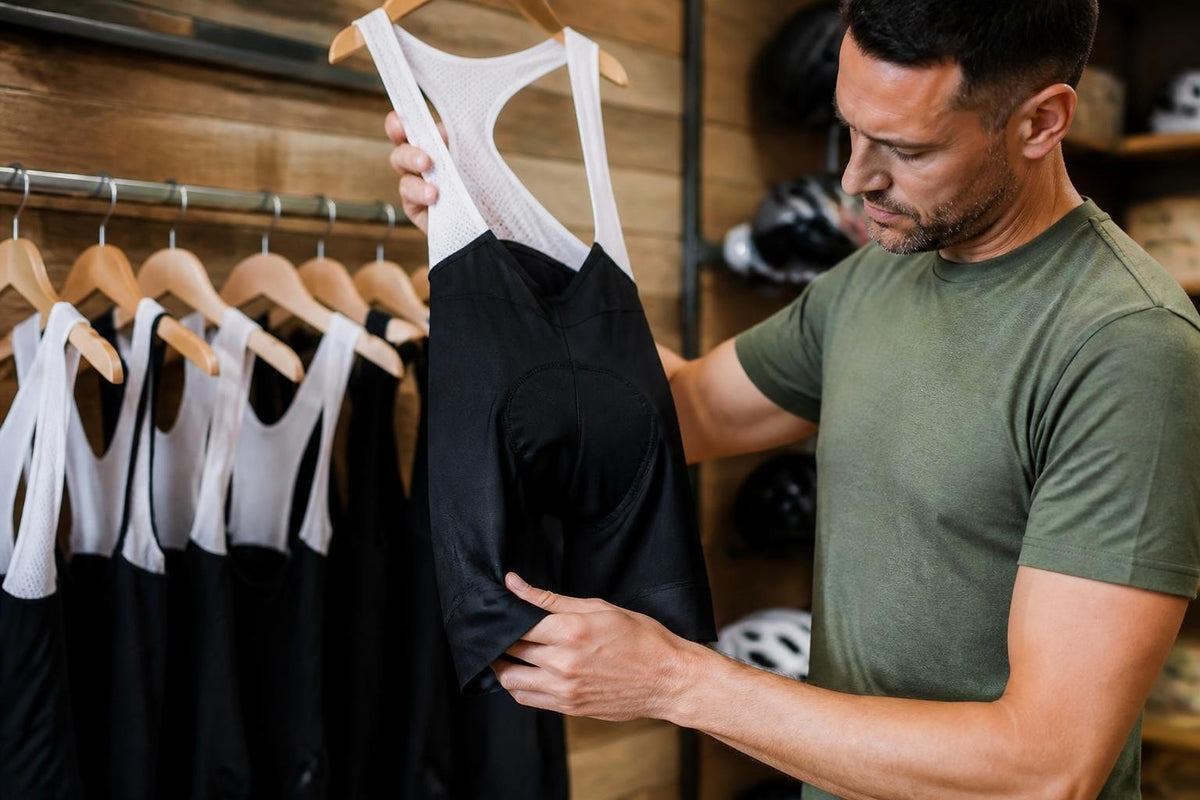
A bib sale represents one of the most strategic opportunities for cyclists to upgrade their kit without compromising on quality. Whether you're building out a team wardrobe or refreshing your personal collection, understanding what separates a genuine value from a disappointing discount requires knowledge of construction details, fabric technology, and timing. The cycling apparel market in 2026 continues to evolve with advanced materials and manufacturing processes, making it essential to approach any bib sale with clear criteria for performance and durability.
Understanding the Anatomy of Quality Bib Shorts
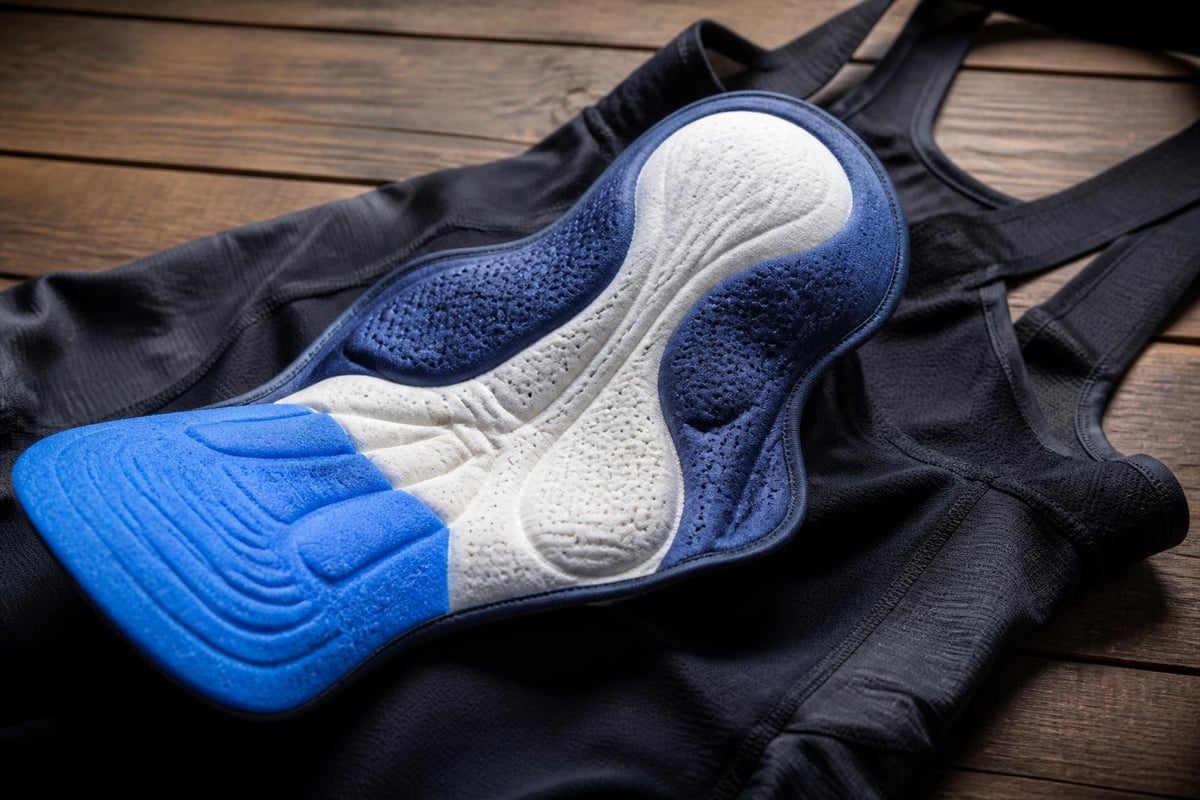
Before diving into any bib sale, recognizing the markers of well-constructed bib shorts protects your investment and ensures comfort on long rides. The chamois pad stands as the most critical component, with research on pressure distribution demonstrating that pad design directly impacts both comfort and performance during extended time in the saddle.
Chamois Construction and Density
Premium chamois pads feature multi-density foam that strategically places cushioning where pressure concentrates while maintaining breathability in high-heat zones. When evaluating options during a bib sale, examine the pad thickness in different regions. A quality chamois typically measures between 10mm and 15mm at peak density points, tapering to 5mm or less at the edges to prevent bunching.
Key chamois features to verify:
- Multi-density foam layers (at least two distinct densities)
- Antibacterial treatment to reduce odor and prevent saddle sores
- Four-way stretch fabric cover that moves with your body
- Seamless construction at critical contact points
The latest research on fabric moisture transport reveals how multilayer knitted fabrics manage perspiration through capillary action. This technical advancement means 2026 chamois designs wick moisture more effectively than ever, but only if the manufacturer has invested in quality materials.
Fabric Panel Design and Compression
The main body fabric determines how bibs feel during the first hour and the fifth hour of a ride. During a bib sale, discount pricing sometimes reflects older fabric technologies or lower denier counts. Premium cycling fabrics typically range from 200 to 250 grams per square meter, providing compression without restriction.
| Fabric Type | Weight (g/m²) | Compression Level | Best For |
|---|---|---|---|
| Lightweight Lycra | 180-200 | Low | Hot weather, short rides |
| Standard Performance | 200-230 | Medium | All-around use, training |
| Premium Compression | 230-260 | High | Racing, long events |
| Winter Weight | 260-300 | Variable | Cold weather, base insulation |
Panel count matters more than many cyclists realize. Higher panel counts (8-12 panels) allow manufacturers to create ergonomic shapes that follow body contours without pulling or sagging. When browsing a bib sale, count the panels and examine how they're positioned around the quadriceps, glutes, and lower back.
Timing Your Bib Sale Purchase Strategy
Understanding seasonal cycles in the cycling apparel industry maximizes your savings while ensuring access to current technologies. Manufacturers typically release new collections in late winter (January through March) and mid-summer (June through August), creating predictable discount windows for previous seasons' inventory.
End-of-Season Clearance Patterns
The most aggressive bib sale pricing appears during three distinct windows throughout the year. Late September through November sees summer weight bibs discounted as retailers make room for winter inventory. January and February bring clearance on previous year's designs as new collections arrive. Finally, a smaller window in May targets early-season excess inventory.
Optimal purchase windows by bib type:
- Summer bibs: September-November (30-50% discounts)
- Winter/thermal bibs: February-March (25-40% discounts)
- All-season bibs: January clearance events (35-55% discounts)
- Previous year designs: Rolling discounts year-round (20-40% off)
Smart cyclists stock up during these windows but avoid the temptation to buy sizes or styles that don't fit properly, regardless of discount depth. A 50% discount on bibs you won't wear represents poor value compared to full-price bibs you'll use weekly.
Team and Club Bulk Ordering Opportunities
Cycling teams and clubs can leverage collective purchasing power during bib sale events or through dedicated team pricing programs. Many manufacturers, including specialists in custom cycling apparel, offer year-round team discounts that rival or exceed typical sale pricing.
When coordinating team purchases, consider these factors:
- Minimum order quantities (typically 10-20 units for team pricing)
- Customization options and whether sale items accept custom printing
- Lead times during peak season versus off-season ordering
- Size exchange policies for team orders
- Payment terms and deposit requirements

Quality Verification During Sales Events
Not every bib sale offers genuine value. Some discount events move lower-quality inventory or discontinued lines with known issues. Developing a quality checklist prevents regrettable purchases disguised as deals.
Construction Details That Indicate Quality
Examine stitching density and consistency across all seams. Premium bibs feature flatlock or bonded seams with 12-15 stitches per inch, creating smooth contact against skin. Turn bibs inside out to inspect seam finishing. Raw edges or inconsistent thread tension indicate rushed manufacturing.
The gripper material at leg openings should measure at least 4cm wide and feature silicone dots or strips rather than solid bands. Studies on pressure mapping show that well-designed grippers distribute hold-force evenly, preventing the infamous "sausage leg" effect while keeping bibs in position.
Red flags during bib sale inspection:
- Visible glue residue around chamois attachment points
- Inconsistent fabric thickness or thin spots
- Straps that feel stiff or lack stretch recovery
- Chemical odors that don't dissipate after washing
- Graphics or prints that feel tacky or raised (indicating lower-quality sublimation)
Testing Fabric Recovery and Durability
Stretch a small section of fabric firmly for 10 seconds, then release. Quality material returns to its original shape within 2-3 seconds. Slow recovery or visible distortion suggests the fabric will develop permanent stretch marks or sagging after repeated use.
Check fabric opacity by holding bibs up to light. While some transparency is acceptable in lightweight summer bibs, you shouldn't see clear outlines of your hand through standard-weight materials. Excessive transparency often indicates lower thread count or cheaper base materials.
Matching Bib Features to Your Riding Style
Different cycling disciplines and riding intensities require specific bib characteristics. A bib sale becomes valuable only when discounted items align with your actual riding needs.
Road Racing and Performance Riding
Competitive cyclists prioritize aerodynamics and compression. Look for bibs with:
- Race-cut leg lengths (typically 2-3cm shorter than training bibs)
- Compressive fabrics in the 230-250 g/m² range
- Minimal seams across frontal surface area
- Laser-cut or bonded hems instead of traditional grippers
- Thinner chamois pads (8-12mm maximum) for direct power transfer
Premium options like the sewfree bib shorts exemplify construction methods that eliminate traditional seams for improved aerodynamics and comfort during high-intensity efforts.
Endurance and Gran Fondo Events
Long-distance comfort demands different priorities. During a bib sale, endurance riders should target:
| Feature | Racing Bibs | Endurance Bibs |
|---|---|---|
| Chamois thickness | 8-12mm | 12-18mm |
| Panel count | 6-8 | 8-12 |
| Strap width | 4-5cm | 5-7cm |
| Leg gripper style | Narrow, tight | Wide, gentle |
| Fabric weight | 230-250 g/m² | 200-230 g/m² |
Wider straps distribute shoulder pressure across more surface area, preventing the strap bite that develops after four or five hours in the saddle. Some endurance-specific bibs also feature mesh back panels for enhanced breathability during moderate-intensity efforts in warm conditions.
Women-Specific Design Considerations
Women's bibs require different anatomical accommodations than simply scaling down men's patterns. Quality women's bibs feature:
- Wider hip panels with strategic stretch orientation
- Shorter torso measurements accounting for typical height-to-inseam ratios
- Chamois pads shaped and positioned for female anatomy
- Strap designs that accommodate chest shapes without compression
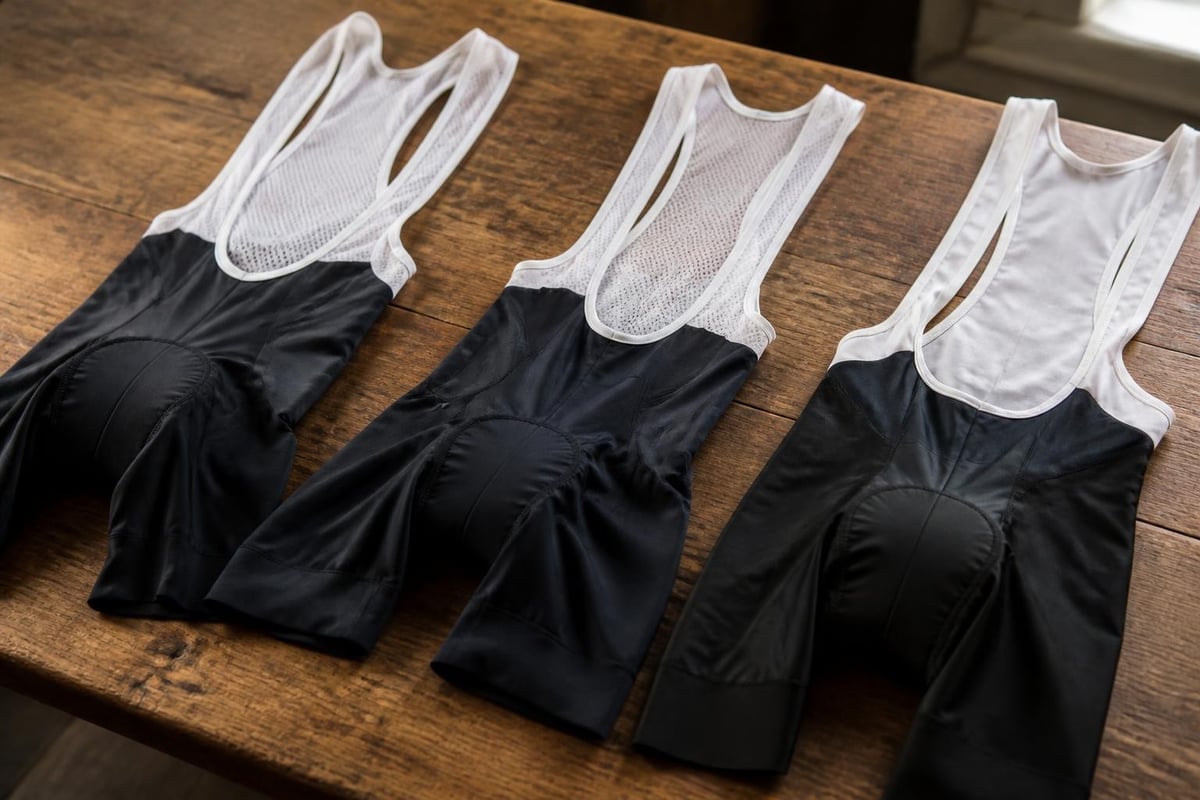
Options like women's specific bib shorts demonstrate proper attention to these design elements. During a bib sale, women should specifically verify that discounted items represent true women's cuts rather than adapted unisex designs.
Custom and Sublimated Designs During Sales
Teams and clubs often wonder whether bib sale pricing applies to custom-designed items or only stock colors and patterns. Understanding manufacturer capabilities in sublimation and customization helps maximize value.
Sublimation Quality Markers
Sublimation printing permanently bonds dye to fabric fibers rather than applying surface layers. Premium sublimation produces vibrant, durable graphics that won't crack, peel, or fade. When evaluating custom options during a bib sale, examine:
- Color vibrancy and gradient smoothness
- Design sharpness at edges and fine details
- Fabric hand feel (sublimation shouldn't stiffen material)
- Color consistency across multiple panels
At CCN Sport, our custom products leverage advanced sublimation processes refined over 20 years of specialization. Our facilities in China and the Philippines combine traditional craftsmanship with cutting-edge printing technology, ensuring that custom team kits maintain the same performance standards as our stock designs. This expertise means teams can access custom options even during promotional periods without sacrificing quality.

Design Flexibility and Minimums
Standard bib sale events typically focus on existing inventory, but manufacturers with in-house production capabilities often extend promotional pricing to custom orders placed during sales windows. Key questions to ask:
- Does sale pricing apply to custom colorways of standard designs?
- What are minimum order quantities for fully custom patterns?
- Are there design template options that reduce customization costs?
- How do lead times for custom orders compare to stock item shipping?
Understanding these parameters helps teams plan orders that capture sale pricing while meeting specific aesthetic and branding requirements.
Size Selection and Fit Verification
The most common bib sale regret stems from incorrect sizing. Cycling bibs should fit snugly without binding, and proper fit varies significantly between manufacturers.
Sizing Across Different Brands
No universal sizing standard exists across cycling apparel manufacturers. A medium from one brand may correspond to a small or large from another. During a bib sale, always reference specific size charts rather than assuming your usual size.
Critical measurements for bib sizing:
- Waist circumference at natural waistline
- Hip circumference at widest point
- Inseam length from crotch to desired leg opening position
- Torso height from shoulder to waist (for strap length)
Many premium manufacturers provide detailed fit guides with multiple measurement points. Compare your measurements to these charts, and when between sizes, consider your riding position. Aggressive racing positions often accommodate slightly smaller sizes, while upright touring positions may require additional fabric length.
Return Policies During Sale Events
Final sale restrictions often apply during deep discount events, eliminating the safety net of returns or exchanges. Before committing to a bib sale purchase:
- Verify whether items can be returned or exchanged
- Understand timeframes for return windows
- Check whether original packaging must be preserved
- Clarify whether return shipping costs fall to the buyer
- Confirm whether store credit or refunds apply
If return options are limited, consider ordering from manufacturers with detailed size guides and customer service support. Some brands offer fit consultations via email or chat, helping you select the correct size before purchase.
Maintaining Your Bib Short Investment
Proper care extends bib lifespan regardless of purchase price. Even heavily discounted premium bibs will outlast full-price budget options when maintained correctly.
Washing and Storage Best Practices
Chamois pads and technical fabrics require specific care routines:
Washing protocol:
- Rinse immediately after rides to remove salt and body oils
- Wash in cold water (30°C/86°F maximum) with technical fabric detergent
- Avoid fabric softeners that coat fibers and reduce moisture wicking
- Use gentle/delicate cycle or hand wash for maximum longevity
- Air dry completely before storage (never use heated dryers)
Storage matters almost as much as washing. Fold bibs rather than hanging them, as hanging creates stress points at the straps. Store in cool, dry locations away from direct sunlight, which degrades elastic fibers over time.
Recognizing Replacement Timing
Even premium bibs eventually require replacement. Signs that your bib sale purchases need retiring include:
- Chamois compression that doesn't recover after washing
- Permanent fabric stretch or sagging in the seat area
- Gripper bands that no longer hold position
- Visible thinning or pilling of primary fabric panels
- Strap elastic that's lost significant tension
Most quality bibs deliver 200-300 wash cycles before showing significant wear. Tracking usage helps you understand lifespan and plan future bib sale purchases accordingly.
Evaluating Long-Term Value
The true measure of a successful bib sale purchase emerges over months and years of use. Cost per wear provides better value assessment than initial purchase price.
Calculating Cost Per Wear
A $200 pair of bibs used 100 times costs $2.00 per wear. A $75 bib sale purchase used only 20 times before deteriorating costs $3.75 per wear. This simple math reveals why focusing solely on discount percentage misses the larger picture.
Premium bibs typically deliver:
- 2-3 year lifespan with regular use (2-3 rides weekly)
- Consistent comfort throughout their service life
- Minimal performance degradation until near end-of-life
- Better resale value if you upgrade before complete wear-out
Budget or heavily discounted bibs often show:
- 6-12 month usable lifespan under similar conditions
- Gradual comfort decline starting midway through life
- Accelerated deterioration of key components (chamois, grippers)
- Minimal or no resale potential
When a bib sale offers 40% off premium items versus 60% off budget alternatives, the premium option frequently delivers superior long-term value despite smaller percentage savings.
Performance Impact on Training Quality
Comfortable, well-fitting bibs directly influence training consistency and quality. Discomfort from poor-quality bibs discounted during a sale can lead to:
- Shortened training sessions due to saddle discomfort
- Altered riding position to minimize pressure points
- Reduced training frequency as recovery from discomfort extends between rides
- Development of saddle-related injuries requiring time off the bike
These hidden costs far exceed any savings from choosing the deepest discount over the best value.
Strategic Stockpiling Considerations
Serious cyclists often purchase multiple pairs during favorable bib sale events, building a rotation that extends each pair's lifespan. This approach requires strategic thinking about future needs and proper inventory management.
Building a Balanced Rotation
An optimal bib collection includes options for different conditions and ride types:
- 2-3 pairs summer-weight bibs for warm weather training
- 1-2 pairs premium bibs reserved for racing or key events
- 1-2 pairs thermal or winter bibs for cold-weather riding
- 1 pair backup/spare bibs for travel or multi-day events
During a bib sale, prioritize filling gaps in your rotation rather than duplicating existing capabilities. Three identical pairs of summer bibs offer less versatility than one summer, one winter, and one premium race pair.
Accounting for Body Changes
Bodies change over seasons and years. Stockpiling excessive quantities during a bib sale risks owning items that no longer fit when you need them. Conservative stockpiling guidelines suggest:
- Maximum 1-year supply of any single size/model
- Preference for versatile all-season designs over specialized items
- Focus on core colors and patterns rather than trendy designs
- Consideration of likely body composition changes (training intensity, age, lifestyle)
These parameters help you capitalize on bib sale opportunities without overcommitting to inventory that may not serve future needs.
Understanding what separates genuine value from false economy transforms how you approach any bib sale opportunity. Armed with knowledge about construction quality, timing strategies, and fit requirements, you can confidently invest in cycling bibs that deliver comfort and performance for years. Whether you're building a personal collection or outfitting a team, CCN Sport brings over 20 years of sublimation expertise and manufacturing precision to every pair of bibs we produce. Our facilities in China and the Philippines combine traditional craftsmanship with modern technologies, delivering premium cycling apparel that performs exactly as intended, ride after ride.

Share:
Cycling Skinsuit Versus Jersey: Which Fits?
Gravel Bike Gear: Complete Setup Guide for 2026