

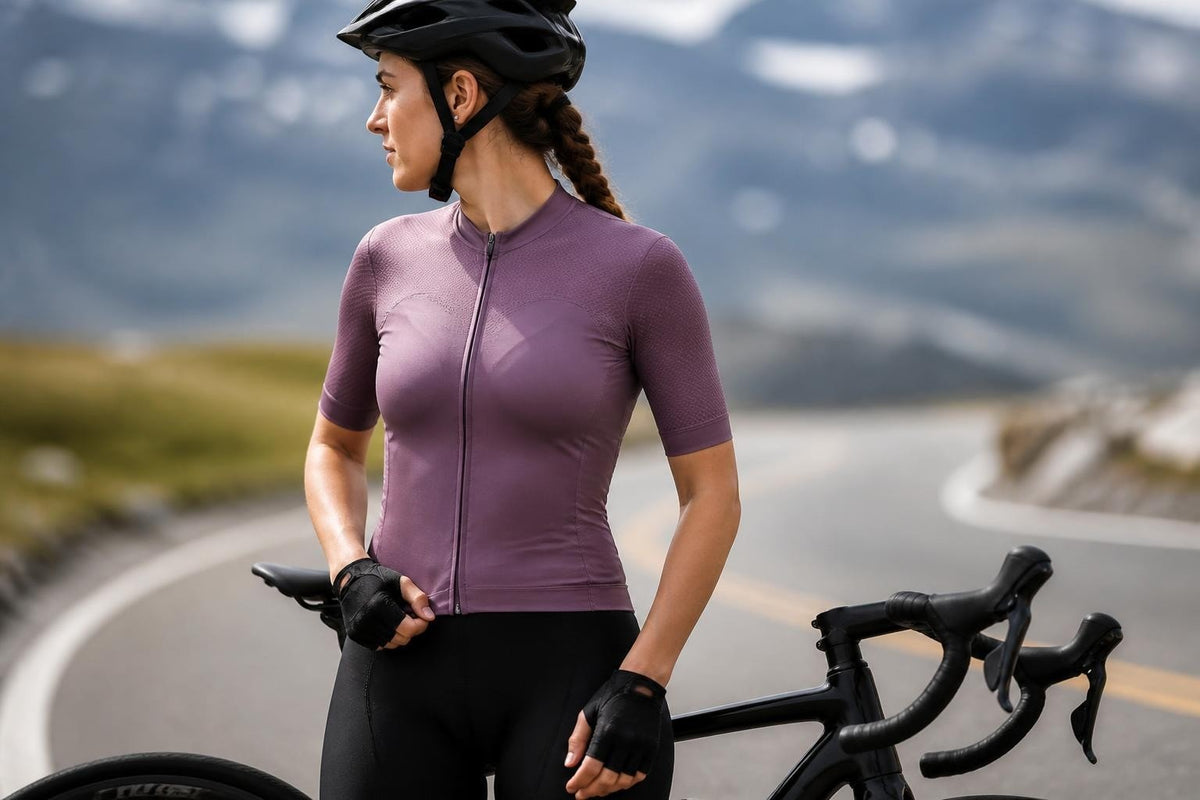
Female cyclists deserve apparel engineered specifically for their bodies, riding styles, and performance goals. Too often, women's biking clothes have been afterthoughts or scaled-down versions of men's gear, ignoring critical differences in anatomy, fit preferences, and comfort needs. In 2026, the cycling industry has made significant strides in developing dedicated women's lines that address everything from saddle interface to upper-body support, but choosing the right kit still requires understanding what separates good apparel from great.
Understanding the Anatomy-Specific Design of Women's Biking Clothes
Women's cycling apparel must account for fundamental anatomical differences that directly impact comfort and performance. Hip-to-waist ratios, torso length, shoulder width, and pelvic structure all differ significantly from male physiology, requiring purpose-built patterns and construction.
Chamois Design and Placement
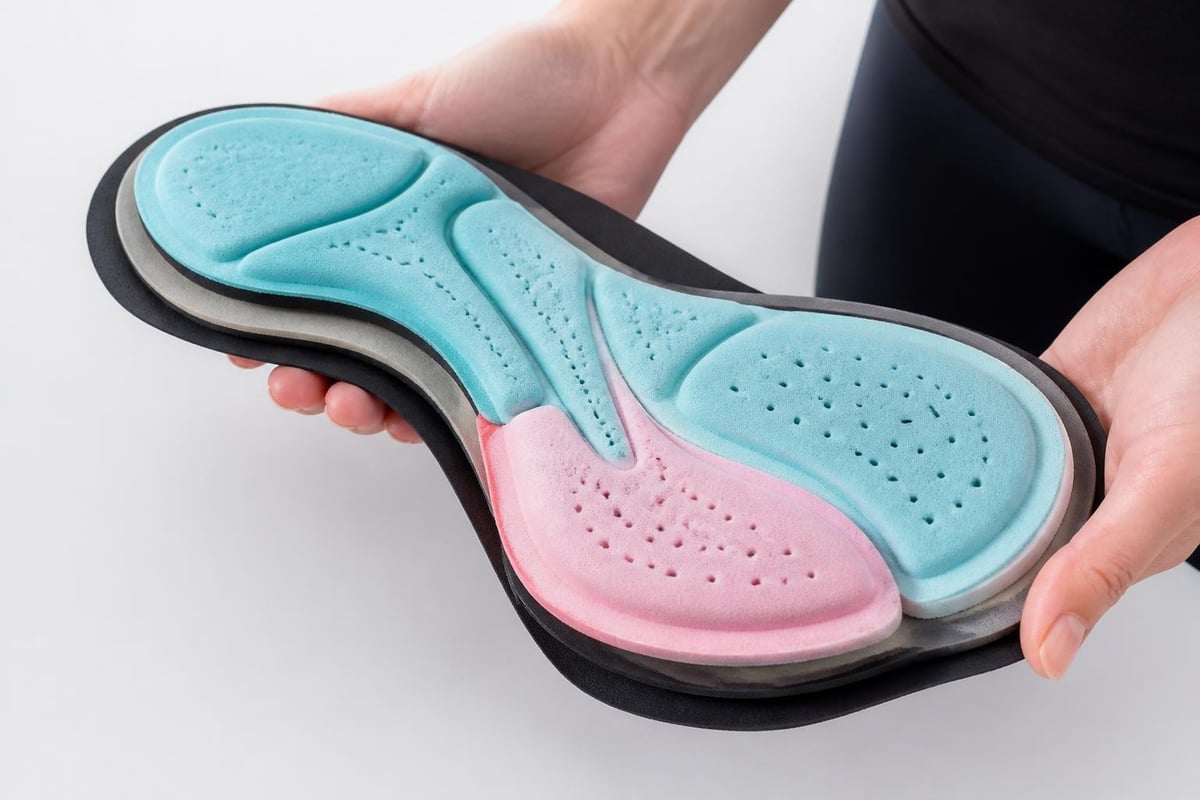
The chamois, or padded insert, represents the most critical component of cycling shorts. Female-specific chamois feature wider sit-bone spacing, additional padding in pressure zones unique to women's pelvic anatomy, and strategic perforations for breathability. Research published in peer-reviewed journals has documented unique concerns of the woman cyclist, including increased vulnerability to soft-tissue injury and the importance of proper chamois fit.
Modern womens biking clothes incorporate multi-density foam technology that provides targeted cushioning without excessive bulk. Premium chamois use medical-grade materials with antimicrobial treatments to reduce infection risk during long rides.
Torso Length and Upper-Body Fit
Women typically have proportionally longer legs and shorter torsos than men of the same height. Cycling jerseys designed for women feature adjusted torso lengths, narrower shoulders, and strategically placed seams that avoid pressure points. The armscye (armhole) depth and shape differ substantially, preventing bunching and restriction during the riding position.
Quality women's biking clothes also address bust accommodation without compromising aerodynamics. Built-in shelf bras, adjustable support systems, and anatomically shaped front panels provide security and comfort without requiring separate undergarments that can cause chafing.
Essential Pieces Every Female Cyclist Needs
Building a functional cycling wardrobe requires understanding which pieces serve specific purposes and how they work together across conditions.
Shorts and Bibs: The Foundation Layer
| Feature | Waist Shorts | Bib Shorts |
|---|---|---|
| Waist pressure | Elastic band can dig in | Eliminated by shoulder straps |
| Bathroom breaks | Easier access | Requires partial undressing |
| Chamois stability | Can shift with waist movement | Stays perfectly positioned |
| Stomach comfort | May compress after meals | No waist restriction |
The debate between bib shorts versus waist shorts continues, but many female cyclists prefer bibs for rides exceeding two hours. Modern women's bibs feature drop-tail designs with easy-access clips or magnetic closures that simplify restroom stops, addressing the primary historical objection to this style.
Jersey Selection Across Riding Disciplines
Different cycling disciplines demand different jersey characteristics:
- Road cycling jerseys: Aerodynamic race cuts, three rear pockets, full-length zippers
- Gravel and adventure jerseys: Relaxed fit, additional storage, reinforced fabrics
- Mountain biking jerseys: Looser cut for protective gear compatibility, extended back coverage
- Commuter jerseys: Casual styling with technical performance fabrics
Womens biking clothes in the jersey category should feature gender-specific sizing that accounts for bust, waist, and hip measurements rather than simply scaling down men's patterns. The comprehensive cycling kit guide offers deeper insights into selecting appropriate jerseys for various riding styles. For a one-piece alternative to separate shorts and jerseys, see our women's cycling skinsuit guide covering fit, aerodynamics, and UCI rules.
Fabric Technology and Performance Features
Modern cycling apparel relies on advanced textile engineering to manage moisture, regulate temperature, and provide durability under demanding conditions.
Moisture Management Systems
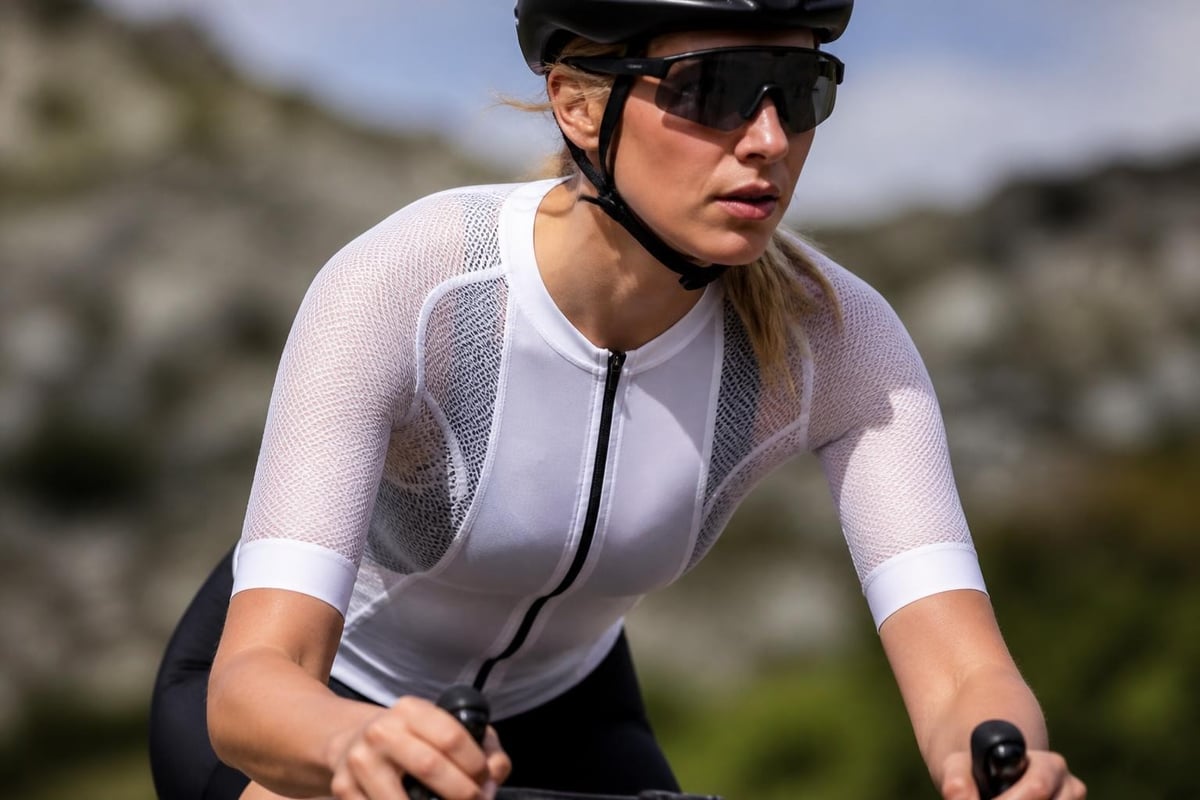
High-quality womens biking clothes employ fabric architectures that actively move perspiration away from skin to outer surfaces where evaporation can occur. This wicking action depends on:
- Hydrophobic yarn treatments that repel water at the skin interface
- Capillary structures woven into the fabric that create moisture pathways
- Strategic ventilation panels placed in high-heat zones identified through body mapping
- Quick-dry exterior finishes that accelerate evaporative cooling
Premium manufacturers like CCN Sport use advanced sublimation processes that lock pigments directly into synthetic fibers, ensuring colors remain vibrant through hundreds of wash cycles while maintaining fabric performance characteristics.
Compression and Muscle Support
Graduated compression in cycling apparel serves multiple purposes beyond aesthetics. Properly engineered compression in womens biking clothes:
- Reduces muscle vibration and associated micro-trauma during extended efforts
- Improves venous return from legs to heart, potentially reducing fatigue
- Provides proprioceptive feedback that may enhance pedaling efficiency
- Stabilizes soft tissue during out-of-saddle efforts and sprints
The compression level must balance support with comfort, avoiding restriction that could impede breathing or reduce power output.
Seasonal Adaptations and Layering Strategies
Year-round cycling requires a strategic approach to layering that maintains core temperature while preventing overheating during high-intensity efforts.
Base Layers for Temperature Regulation
The base layer sits against skin and manages the microclimate between body and outer garments. For women, base layer selection must account for greater surface-area-to-volume ratios that can increase heat loss in cold conditions.
| Temperature Range | Base Layer Fabric | Key Features |
|---|---|---|
| Above 70°F (21°C) | Lightweight synthetic mesh | Maximum breathability, minimal coverage |
| 50-70°F (10-21°C) | Merino wool blend | Natural odor resistance, temperature regulation |
| 30-50°F (-1-10°C) | Midweight synthetic or merino | Moisture wicking with insulation |
| Below 30°F (-1°C) | Heavyweight thermal fleece-backed | Maximum warmth retention, wind blocking |
For riders incorporating merino wool base layers, following proper care guidance for wool garments ensures longevity and performance retention.
Outerwear for Variable Conditions
Spring and fall demand versatile womens biking clothes that adapt to rapidly changing conditions. Packable windbreakers, water-resistant gilets, and arm warmers allow on-the-fly adjustments without carrying excessive gear.
Winter cycling requires dedicated insulated jackets with female-specific features:
- Extended lower back coverage that stays in place during the riding position
- Articulated elbows that don't restrict arm extension
- Interior grip strips that prevent ride-up
- Adjustable cuffs that seal around gloves
Fit Precision and Sizing Considerations
Proper fit separates functional womens biking clothes from garments that cause distraction, discomfort, or performance compromise.
Critical Fit Points for Women's Cycling Apparel
Shoulder seams should sit at the natural shoulder point, not ride onto the bicep or extend toward the neck. Sleeve length must reach the wrist bone when in riding position, not standing upright. Torso length should provide complete lower-back coverage with several inches of overlap between jersey and shorts when stretched forward.
For shorts and bibs, the leg gripper location matters significantly. Bands that sit too high can bind the quad muscle; too low allows the chamois to shift. Premium womens biking clothes feature silicone grippers that hold position without excessive compression.
Custom Options for Perfect Fit
Standard sizing rarely accommodates every body type perfectly. Custom cycling apparel allows riders to specify measurements for each body zone independently, ensuring optimal fit across all contact points. CCN Sport specializes in creating made-to-measure womens biking clothes that address individual fit requirements while maintaining professional aesthetics and performance features.

Safety and Visibility Features
Cycling apparel serves protective functions beyond comfort and performance, particularly regarding visibility in mixed-traffic environments.
Reflective Elements and High-Visibility Design
Effective visibility requires strategic placement of reflective materials and high-contrast colors. Key placement zones include:
- Shoulder blades and upper back: Maximum visibility to following motorists
- Lower legs and ankles: Movement attracts attention in peripheral vision
- Side panels: Lateral visibility at intersections
According to Consumer Reports safety guidance, cyclists should prioritize clothing that makes them conspicuous from all angles, particularly during dawn, dusk, and night riding.
Secure Fit to Prevent Hazards
Loose or flapping fabric can catch in drivetrain components, creating dangerous situations. Quality womens biking clothes feature close-to-body fits that eliminate excess material while maintaining freedom of movement. Zippers include protective garages, and pocket contents stay secure through rough terrain.
Specialized Considerations for Competitive Cyclists
Racers face additional requirements shaped by performance demands and regulatory frameworks.
UCI Compliance for Licensed Competition
Athletes competing in sanctioned events must adhere to UCI clothing regulations governing everything from sock height to sponsor logo placement. Women's racing kits must balance aerodynamic optimization with regulatory compliance, requiring careful attention to:
- Fabric smoothness and seam placement to minimize drag
- Sleeve length restrictions for different race categories
- Approved colorways and design elements for team identification
- Logo size and positioning guidelines
Aero Optimization Without Sacrificing Comfort
Wind-tunnel-tested womens biking clothes can deliver measurable power savings, but only if riders can sustain optimal positions comfortably. The best racing apparel incorporates textured fabrics that trip airflow at strategic points, reducing drag without creating restriction.
Care and Maintenance for Longevity
Premium womens biking clothes represent significant investments that reward proper care with extended service life.
Washing Best Practices
Always wash cycling apparel inside-out immediately after rides. This protects exterior surfaces and allows detergent direct access to the interior fabric that contacts skin and accumulates perspiration and bacteria.
Key washing guidelines:
- Use cold water and gentle cycles to preserve elastic fibers
- Choose technical sports detergents that remove oils without harsh chemicals
- Avoid fabric softeners that can coat moisture-wicking fibers and reduce performance
- Skip the dryer; heat degrades elastic and can damage chamois foam
Storage and Seasonal Rotation
Proper storage prevents premature fabric degradation. Store womens biking clothes in cool, dry locations away from direct sunlight that can fade colors and weaken fibers. Avoid compression storage that can permanently deform chamois padding or create set creases in technical fabrics.
Rotating multiple sets of shorts and jerseys reduces wear on individual pieces while ensuring clean kit availability for every ride. Most serious cyclists maintain at least three complete outfits in regular rotation.
Addressing Common Fit and Comfort Issues
Even quality womens biking clothes can cause problems if not properly matched to individual needs and riding conditions.
Preventing and Managing Saddle Discomfort
Saddle sores and soft-tissue irritation represent the most common complaints among female cyclists. A comprehensive scoping review of saddle sores identifies multiple contributing factors, with chamois quality and fit playing central roles in prevention.
Solutions include:
- Applying chamois cream before rides to reduce friction and provide antimicrobial protection
- Ensuring proper shorts fit without bunching or gaps that allow skin-to-saddle contact
- Replacing worn chamois before foam compression compromises cushioning
- Experimenting with different chamois designs to find optimal padding distribution
Managing Temperature Regulation
Women's thermoregulation differs from men's due to hormonal influences, body composition variations, and surface-area-to-mass ratios. Womens biking clothes should accommodate these differences through flexible layering systems that allow rapid adjustment.
Riders who run cold should prioritize windproof outer layers and insulated core pieces. Those who overheat easily benefit from maximum ventilation panels and lightweight, moisture-wicking base layers. Understanding personal temperature tendencies allows strategic kit selection that maintains comfort across varying effort levels.
Budget Allocation and Investment Priorities
Building a complete cycling wardrobe requires strategic spending that prioritizes high-impact pieces.
Where to Invest First
The shorts or bibs deserve the largest budget allocation. Chamois quality directly affects ride enjoyment and physical health, making this the foundation of any cycling wardrobe. Cyclists should expect to invest substantially in premium shorts that feature advanced padding technology, durable construction, and anatomically correct fit.
Jerseys rank second in priority, particularly for riders logging significant miles. Quality jerseys maintain their shape, color, and performance characteristics through hundreds of hours and wash cycles.
When to Choose Premium Over Entry-Level
| Garment Type | Entry-Level Acceptable | Premium Worth Investment |
|---|---|---|
| Casual ride jerseys (under 2 hours) | Yes | Optional |
| Training and long-distance shorts | No | Essential |
| Base layers | Yes, with quality fabric | Beneficial for year-round riders |
| Rain jackets | No | Essential for durability and breathability |
| Arm/leg warmers | Yes | Optional unless frequent use |
The tested roundup of women's cycling shorts from Cycling Weekly provides evidence-based comparisons across price points, helping riders make informed investment decisions.
Emerging Trends in Women's Cycling Apparel
The women's cycling market continues evolving rapidly, with manufacturers responding to feedback and incorporating new technologies.
Sustainability and Eco-Conscious Materials
2026 has seen increased adoption of recycled polyester, biodegradable elastics, and plant-based performance fabrics in womens biking clothes. These materials increasingly match or exceed petroleum-based fabrics in performance while reducing environmental impact.
Inclusive Sizing and Representation
Leading brands now offer extended size ranges that accommodate diverse body types without compromising fit quality. This expansion recognizes that female cyclists span all sizes and that performance apparel should serve every athlete equally.
Technology Integration
Smart fabrics with embedded sensors, body-position feedback systems, and garments that interface with training apps represent the cutting edge of cycling apparel. While still emerging, these technologies promise to provide real-time performance data and biomechanical insights directly from womens biking clothes.
Selecting the right women's biking clothes transforms cycling from an endurance test in discomfort to an enjoyable pursuit of performance and exploration. By prioritizing fit, understanding fabric technologies, and investing strategically in key pieces, female cyclists can build wardrobes that support their goals across all conditions and disciplines. When you're ready to take your kit to the next level with custom designs that combine performance, fit, and style, CCN Sport brings over 20 years of expertise to create premium womens biking clothes engineered specifically for your needs.

Share:
Racewear Launch Example: Build a Faster Debut
MTB T Shirts: The Ultimate Guide for Mountain Bikers