

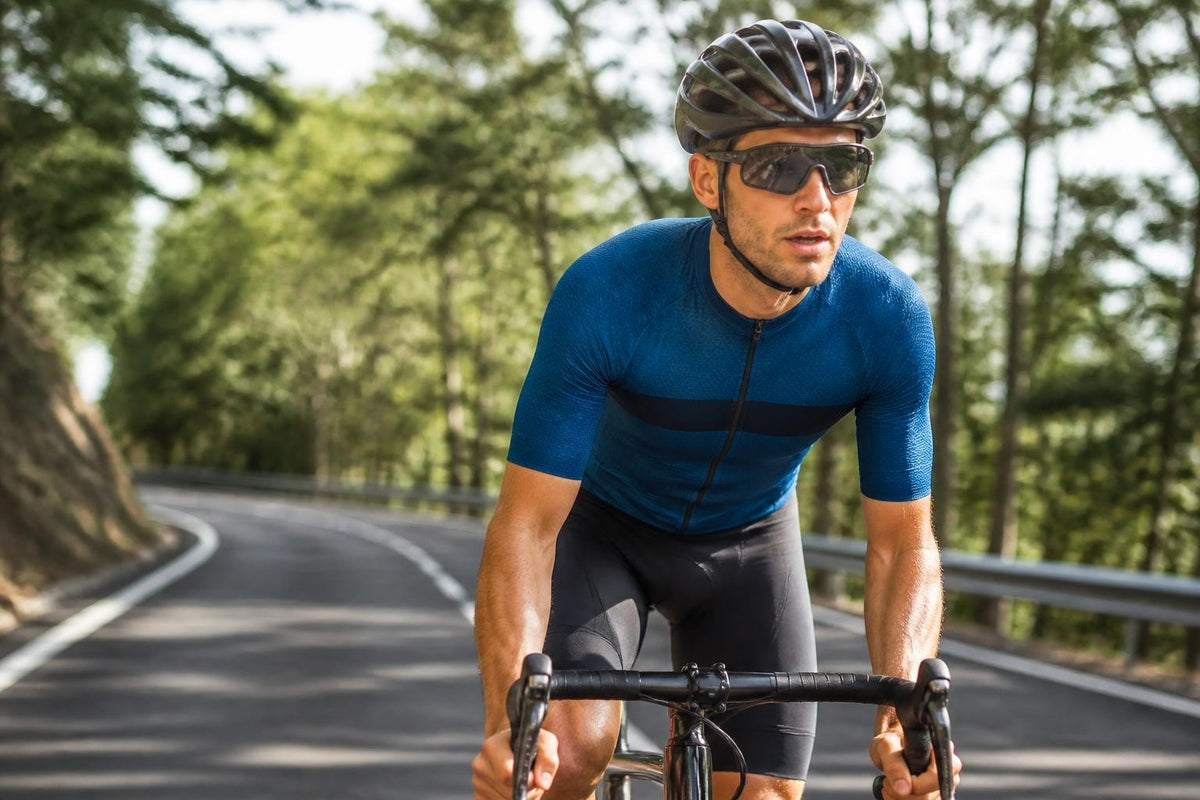
Finding the right mens road cycling jersey transforms every ride from uncomfortable to exceptional. Whether you're logging weekend miles, training for competitive events, or representing your cycling club, the jersey on your back plays a critical role in comfort, performance, and endurance. Modern road cycling jerseys combine advanced fabric technologies, ergonomic design, and aerodynamic engineering to help riders maintain optimal body temperature, reduce drag, and stay comfortable across varied terrain and weather conditions. This comprehensive guide walks through everything you need to know about selecting, maintaining, and maximizing the value of your next mens road cycling jersey.
Understanding Modern Jersey Fabric Technologies
The foundation of any quality mens road cycling jersey starts with its fabric construction. Today's performance jerseys utilize sophisticated textile engineering that goes far beyond basic synthetic materials.
Moisture Management Systems
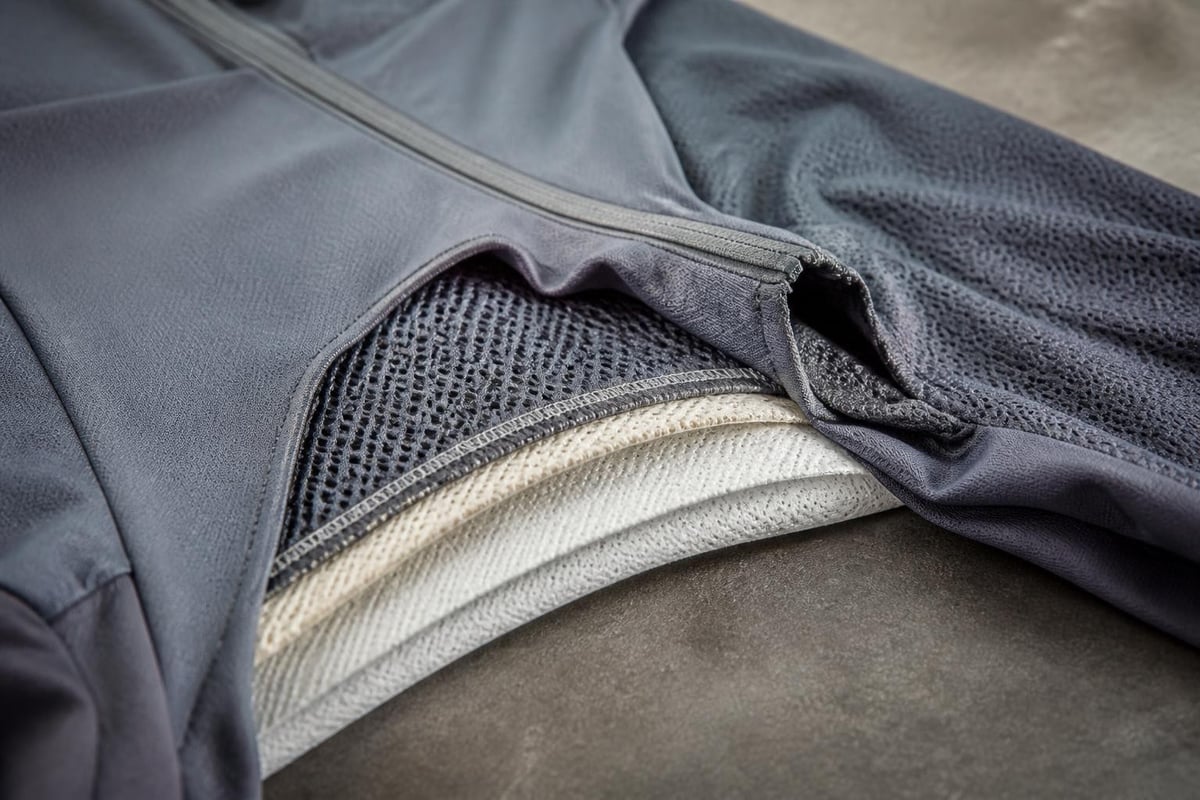
Modern jerseys employ multiple fabric zones engineered for specific moisture-wicking characteristics. The core panels typically feature hydrophobic polyester blends that pull perspiration away from skin and spread it across the fabric's outer surface for rapid evaporation. According to technical resources from Polartec, advanced Power Dry fabrics can move moisture 30% faster than conventional synthetic textiles.
Premium road cycling jerseys incorporate these key moisture technologies:
- Bi-component yarns that combine hydrophobic and hydrophilic fibers
- Knit structures with varying densities to control airflow
- Mesh panels strategically placed along high-sweat zones
- Antimicrobial treatments that reduce odor during extended wear
Aerodynamic Fabric Selection
Wind resistance accounts for up to 90% of the total drag experienced by cyclists at racing speeds. The fabric choice in a mens road cycling jersey directly impacts aerodynamic efficiency. Research published in the Journal of Science & Cycling demonstrates measurable performance differences between jersey fabrics, with some textiles reducing drag by 8-12 watts at 40 km/h compared to standard alternatives.
Professional teams now conduct extensive wind-tunnel testing to optimize fabric selection. As detailed by CyclingNews, top-tier squads invest heavily in aero optimization, testing everything from seam placement to sleeve length.
| Fabric Type | Primary Benefit | Ideal Conditions | Typical Weight |
|---|---|---|---|
| Lightweight Mesh | Maximum ventilation | Hot, humid climates | 80-100 g/m² |
| Aero Knit | Reduced drag | Flat, fast courses | 120-140 g/m² |
| Brushed Polyester | Warmth retention | Cool temperatures | 160-180 g/m² |
| Wind-resistant Shell | Weather protection | Variable conditions | 200-220 g/m² |
Essential Design Features for Road Cycling
Beyond fabric technology, specific design elements separate basic cycling tops from performance-oriented mens road cycling jerseys.
Fit Classifications and Body Mapping
Modern jerseys come in three primary fit categories. Race fit jerseys feature extremely close-to-body construction with minimal excess fabric, optimized for aerodynamics and high-intensity riding. Club fit (sometimes called "regular" or "relaxed") provides more room through the torso while maintaining cycling-specific shaping. Aero fit represents the tightest category, engineered specifically for time trial and competitive racing applications.
Body mapping takes fit one step further by varying fabric types, panel shapes, and compression levels across different body zones. A well-designed mens road cycling jersey uses:
- Compressive fabrics along the arms and shoulders to reduce flutter
- Stretchy, breathable materials across the upper back
- Structured panels along the torso for aerodynamic shaping
- Relaxed mesh zones under the arms for ventilation
For detailed guidance on selecting the right fit, resources like the CCN Sport cycling jersey fit guide provide practical sizing recommendations.
Pocket Configuration and Storage Solutions
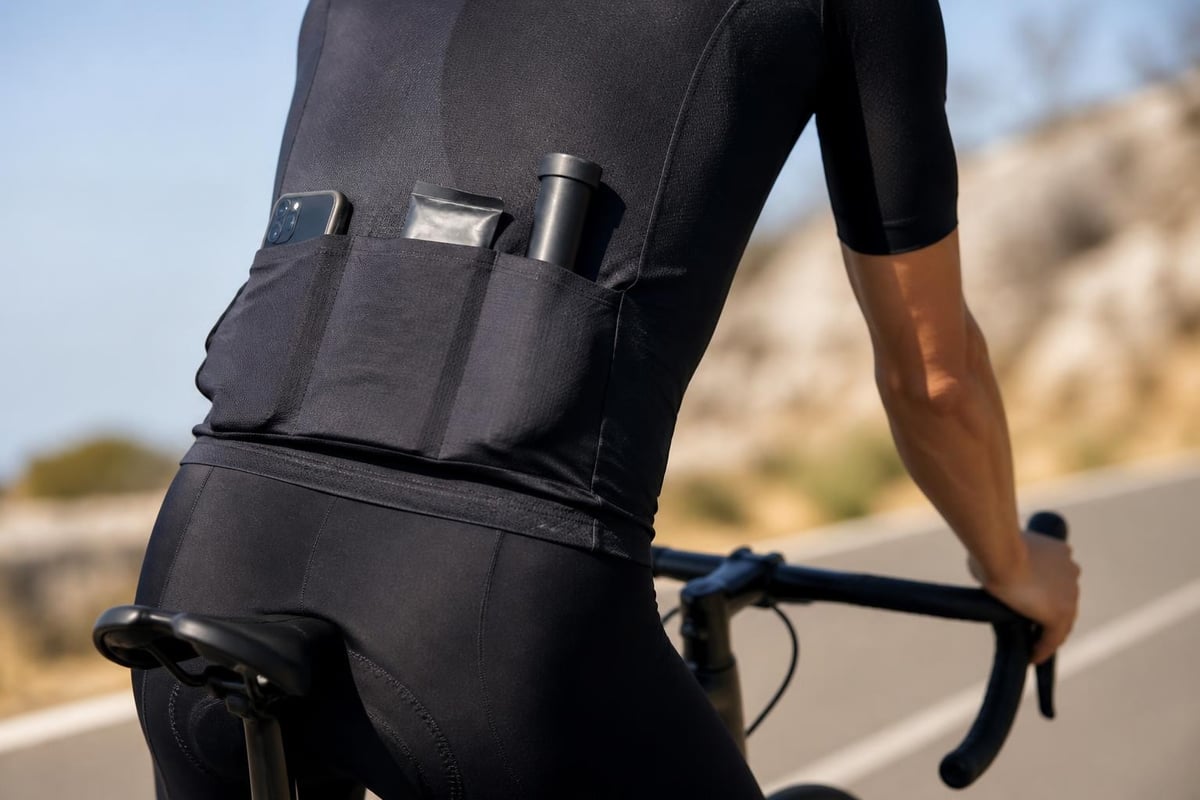
The three-pocket rear configuration remains standard across virtually all road cycling jerseys, but construction quality varies dramatically. Premium jerseys feature reinforced stitching along pocket edges to prevent sagging under load, elastic binding at pocket openings to secure contents, and strategically angled pockets that follow the natural curve of the lower back.
Additional storage features in higher-end models include:
- Zippered security pocket for valuables
- Reflective trim along pocket edges
- Internal media routing for headphone cables
- Bonded construction to reduce chafing
Seasonal Variations and Weather Adaptation
A complete cycling wardrobe includes multiple mens road cycling jersey options optimized for different temperature ranges and weather conditions.
Warm Weather Performance Jerseys
Summer jerseys prioritize maximum breathability and moisture evacuation. These lightweight designs typically weigh between 80-120 grams and feature extensive mesh paneling across the sides, underarms, and upper back. The best warm-weather jerseys achieve what manufacturers call "disappearing feel" where the fabric becomes nearly imperceptible during hard efforts.
Key specifications for summer jerseys:
- Fabric weight: 80-100 g/m²
- UPF rating: 30-50+ for sun protection
- Mesh percentage: 40-60% of total surface area
- Collar design: Low-profile or collarless for cooling
Cool and Variable Conditions
Mid-season and autumn riding demands more versatile mens road cycling jersey designs. These jerseys incorporate thermal regulation through brushed interior fabrics that trap warm air while maintaining moisture transport. Many riders prefer long-sleeve designs with thumb loops and extended tail coverage during transitional weather.
CyclingWeekly's exploration of aero fabric development highlights how professional riders increasingly choose advanced technical fabrics even in colder conditions, layering underneath rather than compromising aerodynamic performance.
Custom Design and Team Identity
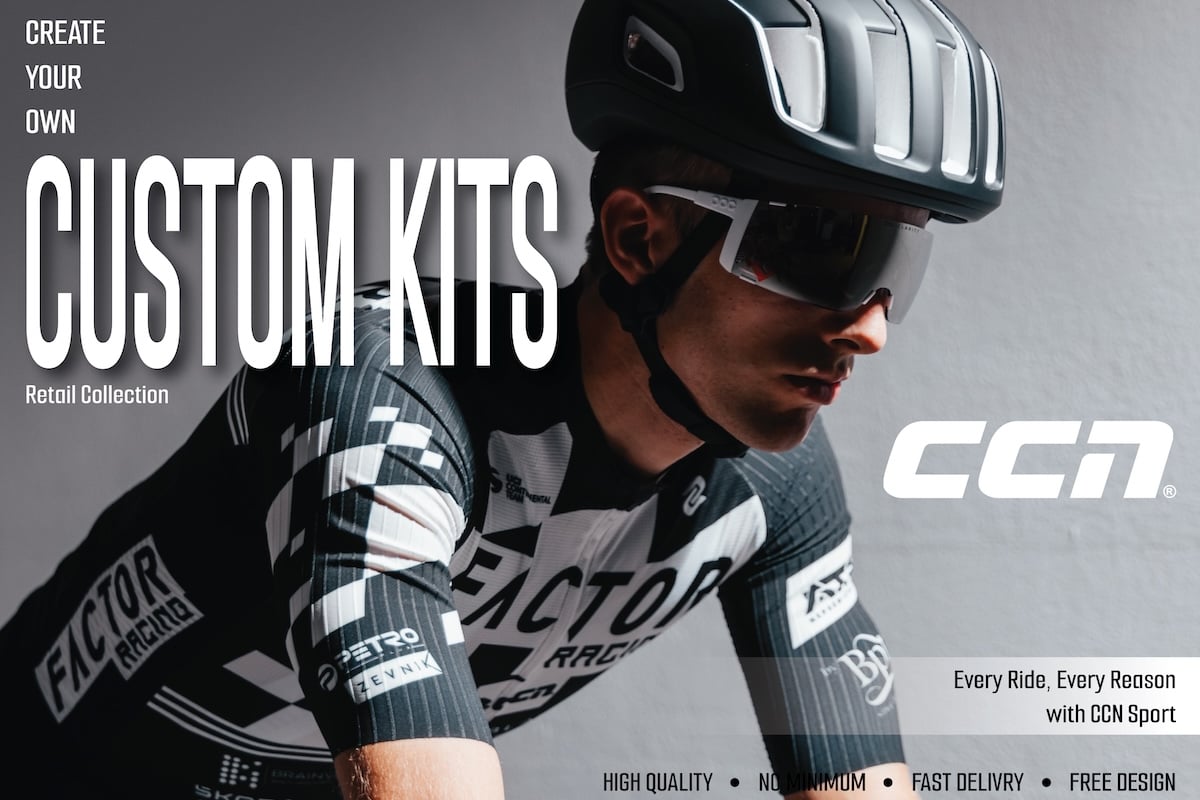
For cycling clubs, corporate teams, and organized groups, custom-designed mens road cycling jerseys create visual cohesion and professional appearance. Advanced sublimation printing technology enables unlimited color options, photographic-quality graphics, and designs that never fade, crack, or peel.
Sublimation Printing Advantages
Unlike traditional screen printing or heat transfer methods, dye sublimation bonds ink directly into fabric fibers at the molecular level. This process offers several performance advantages for road cycling jerseys:
- Graphics remain vibrant through hundreds of wash cycles
- No added weight or stiffness from applied graphics
- Complete design freedom without color limitations
- Seamless integration between panels and seams
At CCN Sport, our advanced sublimation process ensures vibrant, durable designs, while our skilled 250+ team members bring expertise to every step, from stitching to finishing. With over 20 years of experience in sublimation printing, we maintain the highest standards in quality and style for teams looking to create distinctive, professional cycling apparel.
Minimum Order Considerations
Traditional custom apparel often requires substantial minimum orders that prove prohibitive for smaller clubs or teams. However, manufacturers now offer low minimum custom cycling jerseys that make personalized team kits accessible to groups of all sizes. This democratization of custom design means even informal riding groups can enjoy professionally manufactured, fully customized mens road cycling jerseys.
Performance Features That Matter
Beyond aesthetics, specific performance-oriented details separate adequate jerseys from exceptional ones.
Zipper Length and Operation
Full-length zippers provide maximum ventilation control but add weight and potential failure points. Most riders prefer 3/4-length zippers that balance ventilation flexibility with reduced mechanical complexity. Premium jerseys feature:
- Lockable zipper pulls that prevent unwanted opening
- Internal wind flaps behind the zipper track
- Reinforced stitching at zipper terminals
- Two-way operation for bottom-up ventilation
Sleeve Construction and Aerodynamics
Sleeve design significantly impacts both comfort and aerodynamics. The best mens road cycling jersey designs incorporate raw-cut or bonded sleeve hems that eliminate traditional elastic bands and their associated pressure points. These modern constructions use silicone gripper patterns applied directly to fabric edges.
Sleeve length varies by intended use:
| Sleeve Style | Length | Best Application | Aero Benefit |
|---|---|---|---|
| Short | Mid-bicep | General riding | Moderate |
| Aero Short | Lower bicep | Racing | High |
| Cap Sleeve | Upper arm | Hot conditions | Low |
| Long | Full arm | Cool weather | Variable |
Care and Maintenance for Longevity
Proper maintenance significantly extends the functional lifespan of any mens road cycling jersey. Technical fabrics require specific care protocols to preserve their performance characteristics.
Washing Best Practices
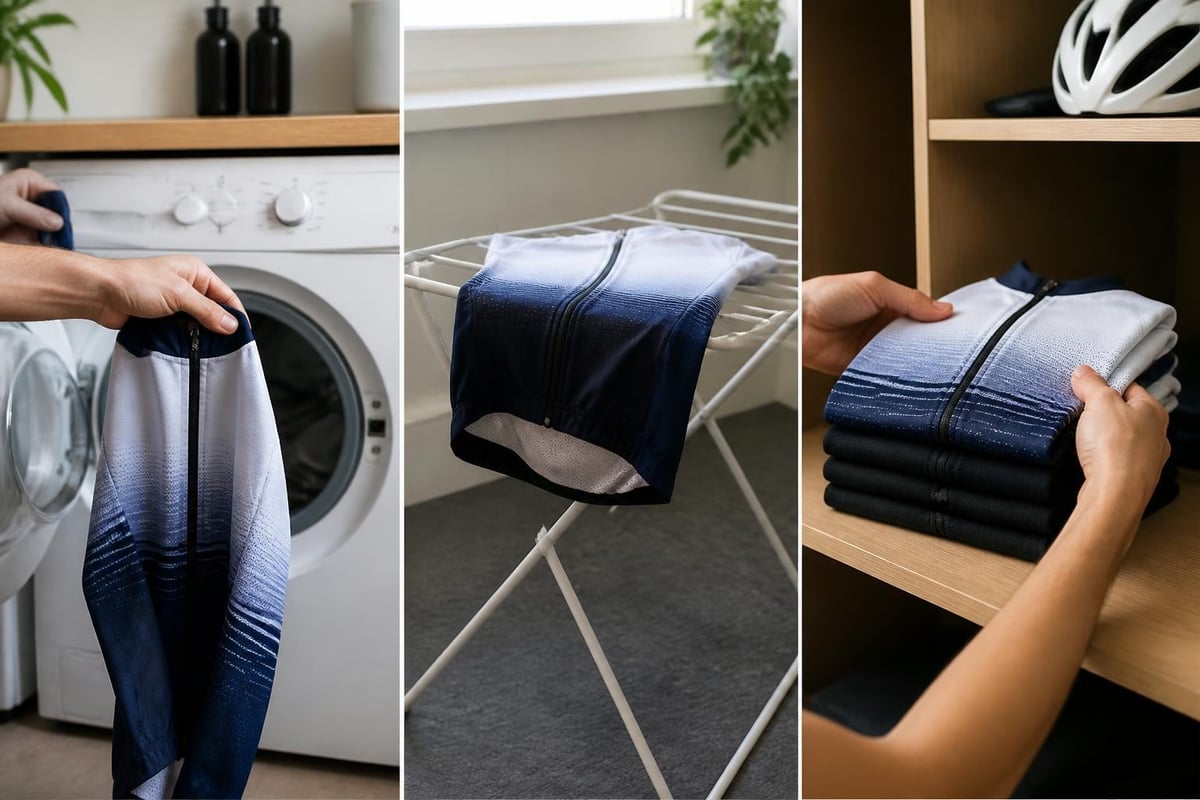
Always wash cycling jerseys in cold water using detergent formulated for technical fabrics. Avoid traditional detergents containing fabric softeners, which coat fibers and reduce moisture-wicking effectiveness. The Patagonia technical apparel care guide offers excellent guidance applicable to all performance textiles.
Follow these washing protocols:
- Turn jerseys inside-out before washing
- Use cold water and gentle cycle settings
- Avoid mixing with cotton items that generate lint
- Never use bleach or fabric softener products
- Air dry or use low-heat tumble settings
Storage and Organization
Proper storage prevents premature wear and maintains jersey shape. Hang jerseys on padded hangers rather than folding, which can stress elastic components and create permanent creases. Store in cool, dry locations away from direct sunlight, which can degrade elastic fibers and fade colors over time.
Value Assessment and Investment Strategy
Quality mens road cycling jerseys range from $50 budget options to $200+ premium designs. Understanding what drives these price differences helps riders make informed purchasing decisions.
Budget vs. Premium Feature Comparison
Entry-level jerseys typically use basic polyester fabrics, standard screen-printed graphics, and simplified construction with fewer panels. Premium jerseys incorporate advanced fabric blends, sublimation printing, body-mapped panel designs, and superior component quality.
According to Consumer Reports cycling apparel coverage, mid-range jerseys ($80-120) often provide the best value proposition for recreational and fitness riders, offering most performance benefits at reasonable cost.
Budget Jersey Characteristics ($40-70):
- Basic moisture-wicking polyester
- Screen-printed or heat-transfer graphics
- 3-4 panel construction
- Standard elastic sleeve and hem treatments
- Basic zipper hardware
Premium Jersey Features ($150-250):
- Advanced multi-fabric construction
- Full sublimation printing
- 8+ panel body-mapped design
- Bonded or raw-cut finishing
- High-end YKK zipper systems
Matching Jerseys to Riding Style
Different cycling disciplines demand specific jersey characteristics. Selecting a mens road cycling jersey aligned with your primary riding style optimizes both performance and satisfaction.
Endurance and Gran Fondo Riding
Long-distance events prioritize all-day comfort over pure aerodynamics. Endurance-oriented jerseys feature slightly relaxed fits, additional pocket storage, and fabrics optimized for comfort across 4-8 hour rides. These designs often include extended tail coverage for better lower-back protection and softer collar constructions that prevent irritation during extended wear.
Competitive Racing and Criteriums
Racing demands maximum aerodynamic efficiency and minimal weight. Race-specific mens road cycling jerseys utilize the tightest fits, lightest fabrics, and most aggressive panel shaping. Many competitive riders size down from their typical measurements to achieve skin-tight aerodynamic performance, though this approach sacrifices some comfort during casual riding.
Mixed Terrain and Adventure Riding
Gravel and adventure riding require more versatile jersey designs that accommodate varied conditions and extended self-supported efforts. These jerseys often incorporate additional storage pockets, reinforced fabrics in high-wear areas, and looser fits that work well over base layers and accommodate protective equipment.
Emerging Technologies and Future Trends
The cycling apparel industry continues advancing jersey technology through material science innovations and manufacturing improvements.
Smart Fabric Integration
Several manufacturers now experiment with embedded sensors that monitor heart rate, core temperature, and hydration status directly through jersey fabrics. While still emerging, these technologies promise integrated data collection without additional wearable devices.
Sustainable Material Development
Environmental consciousness drives increasing adoption of recycled polyester fabrics and responsible manufacturing processes. GORE Fabrics' 2024 sustainability reporting demonstrates industry movement toward reduced environmental impact while maintaining performance standards.
Future-focused jersey developments include:
- Bio-based synthetic fibers from renewable sources
- Closed-loop recycling programs for end-of-life garments
- Water-free dyeing processes
- Carbon-neutral manufacturing facilities
Sizing and Fit Optimization
Achieving proper fit requires understanding both manufacturer sizing standards and individual body proportions. Unlike casual clothing, cycling-specific sizing prioritizes on-bike positioning rather than standing measurements.
Measurement Techniques
Accurate sizing requires measurements taken while standing in cycling position. Key dimensions include chest circumference at full expansion, waist measurement at natural waistline, and shoulder-to-waist length along the spine. Most manufacturers provide detailed sizing guidance with specific measurement instructions.
Professional teams often provide riders with multiple jersey samples in adjacent sizes to test during actual riding conditions before ordering full team kits. This sampling approach, while resource-intensive, ensures optimal fit for each team member.
Gender-Specific Considerations
While this guide focuses on mens road cycling jersey options, understanding gender-specific design differences provides context. Men's jerseys typically feature broader shoulders, longer torso lengths, and straighter cuts through the waist compared to women's designs. Some riders find better fits in opposite-gender sizing depending on individual body proportions.
Selecting the right mens road cycling jersey involves balancing fabric technology, fit preferences, seasonal requirements, and budget considerations to find options that enhance your riding experience. Whether you prioritize aerodynamic performance, all-day comfort, or distinctive team identity, modern jersey designs offer unprecedented capability and customization. At CCN Sport, we combine over 20 years of sublimation expertise with precision manufacturing to create custom cycling apparel that performs at the highest level. From individual riders to professional teams, our facilities in China and the Philippines deliver premium mens road cycling jerseys built to last, backed by a skilled team of 250+ craftspeople dedicated to turning your vision into reality.

Share:
Cycling Sale Clothing: Smart Buying Guide 2026