


The bicycle suit has evolved from simple athletic wear into a sophisticated piece of performance technology that can make measurable differences in speed, comfort, and endurance. Whether you're a competitive racer seeking marginal gains or a dedicated enthusiast looking to maximize training efficiency, understanding the science and design principles behind modern bicycle suits helps you make informed choices about your cycling apparel. This specialized garment represents the intersection of aerodynamics, textile engineering, and biomechanical design.
The Aerodynamic Advantage of a Bicycle Suit
Wind resistance accounts for approximately 70-90% of the total resistance a cyclist faces at racing speeds, making aerodynamic optimization the single most important factor in performance apparel design. A properly designed bicycle suit can save significant watts compared to traditional jersey and shorts combinations.
The fabric surface texture plays a critical role in managing airflow. Modern bicycle suits use carefully selected materials that create optimal boundary layer conditions, reducing turbulent wake behind the rider. Computational fluid dynamics (CFD) modeling has revolutionized how manufacturers approach aerodynamic design for cyclist apparel, though real-world testing remains essential for validation.
Key Aerodynamic Design Elements
- Seamless panel construction that minimizes fabric disruption
- Strategic fabric placement using different textures on arms, legs, and torso
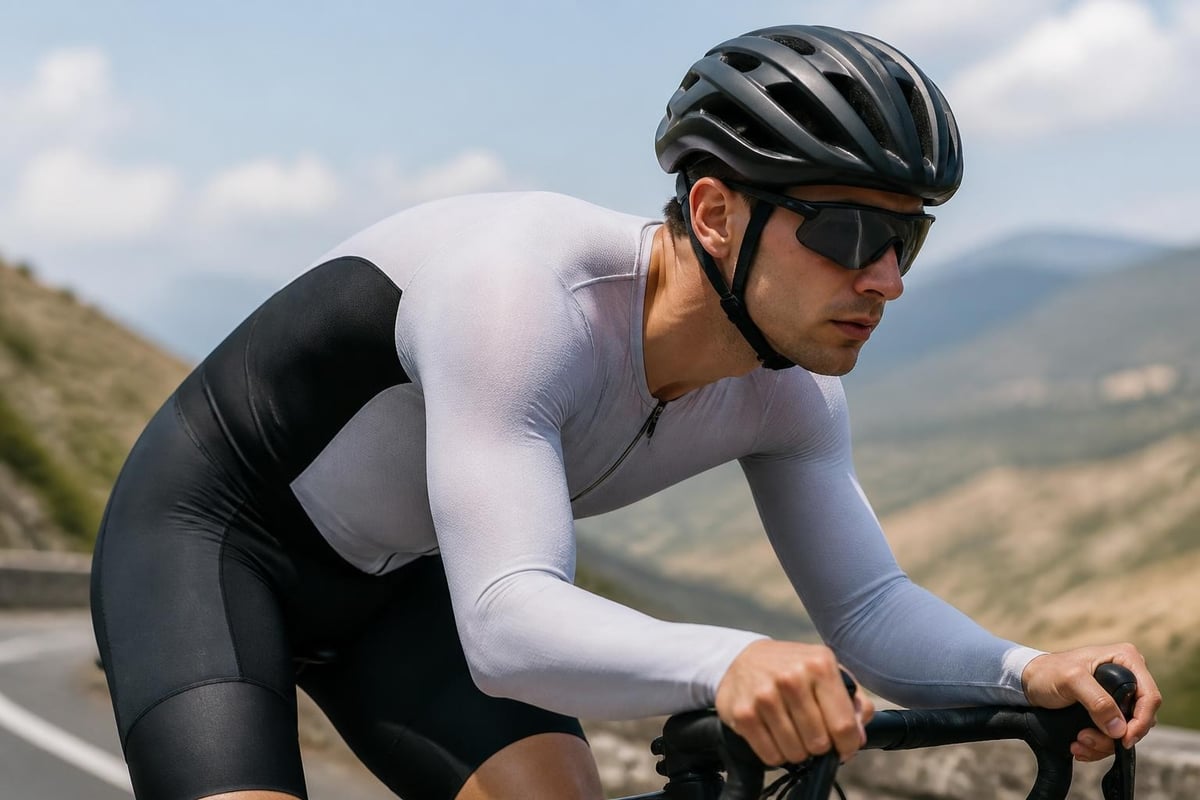
- Close-to-body fit that eliminates excess material flapping
- Integrated sleeve and leg cuffs that prevent air infiltration
Race-oriented bicycle suits typically feature longer sleeves and aerodynamic collar designs that have been tested in wind tunnels. The transition between different fabric zones receives particular attention, as these junctions can create unwanted turbulence if poorly executed.
Fabric Technology and Material Selection
The materials used in a bicycle suit determine not only aerodynamic properties but also comfort, durability, and thermal regulation. Modern suits employ advanced technical fabrics engineered specifically for cycling applications.
Compression fabrics provide muscle support and reduce vibration fatigue during long rides. The level of compression varies across the garment, with higher compression typically applied to major muscle groups in the legs and lower back. Research on comfort properties of knitted fabrics demonstrates how fabric structure affects air permeability and moisture management, both critical for cyclist comfort.
| Fabric Type | Primary Benefit | Best Application |
|---|---|---|
| Lycra blend | Stretch and recovery | Body panels, arms |
| Polyester mesh | Breathability | Underarms, back panels |
| Nylon ripstop | Durability | High-stress zones |
| Merino blend | Odor resistance | Long-duration events |
Moisture Management Systems
Effective sweat transport separates professional-grade bicycle suits from basic alternatives. The fabric must wick moisture away from skin, spread it across the garment surface, and facilitate rapid evaporation. Thermoregulation research shows that maintaining optimal skin temperature directly impacts endurance performance, particularly in warm conditions.
Advanced bicycle suits incorporate multi-layer fabric systems where an inner wicking layer moves moisture to an outer dispersal layer. This engineering prevents the cold, clammy sensation that reduces comfort and can lead to performance decline during intense efforts.
Construction Quality and Manufacturing Standards
The difference between an adequate bicycle suit and an exceptional one often comes down to manufacturing precision. Flatlock seaming, panel alignment, and finishing details all contribute to both comfort and longevity.
Premium bicycle suits feature multi-needle construction that distributes stress across wider seam areas, reducing the risk of failure during hard efforts. The number of panels affects both fit and comfort, with more panels generally allowing better body contouring but requiring greater manufacturing expertise.
At CCN Sport, the advanced sublimation process ensures designs remain vibrant through countless wash cycles while maintaining fabric integrity. The precision manufacturing approach, backed by over two decades of sublimation experience, results in bicycle suits where every seam serves a functional purpose.
Chamois Integration and Lower Body Design
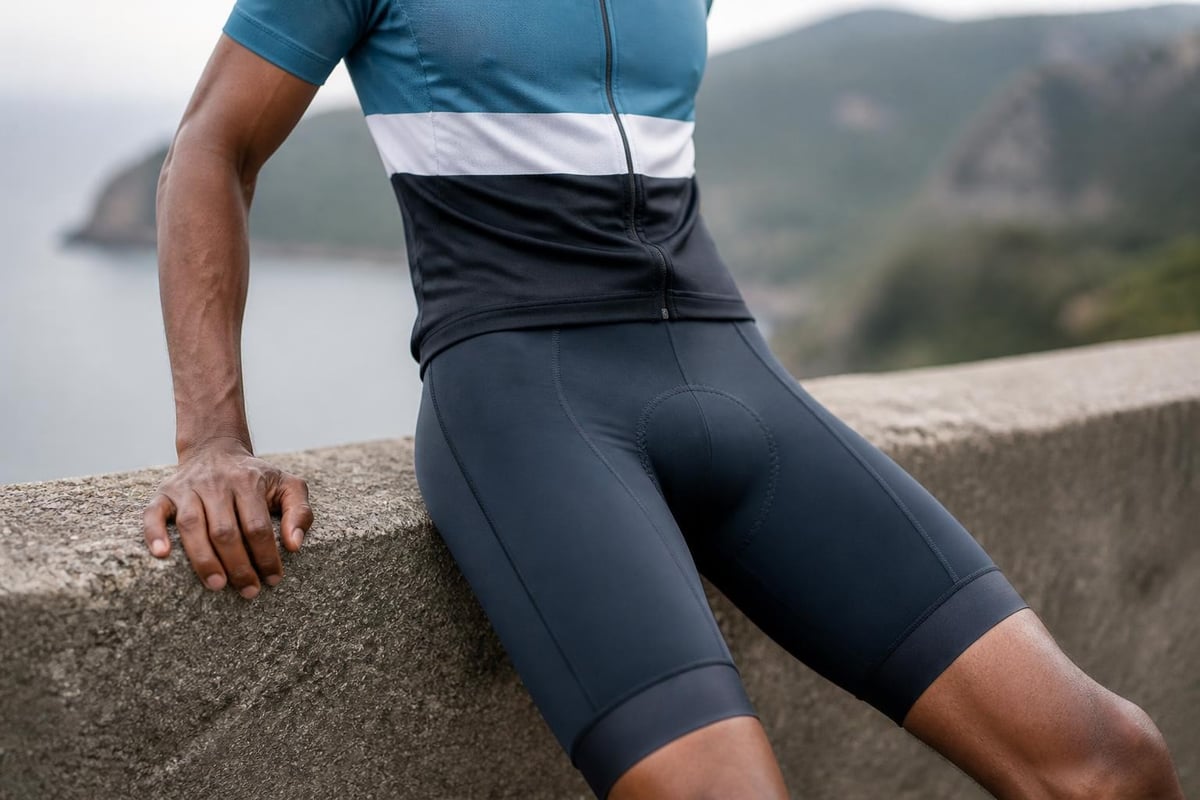
The chamois pad integrated into a bicycle suit represents perhaps the most personal and critical comfort element. Unlike separate shorts, a full bicycle suit requires the chamois to work seamlessly with the overall garment construction.
Chamois Construction Variables
- Density mapping that places cushioning exactly where contact occurs
- Antibacterial treatments that prevent odor and irritation
- Edge design that eliminates pressure points at transition zones
- Gender-specific shaping that accommodates anatomical differences
Modern chamois technology uses multiple foam densities within a single pad, with firmer support in high-pressure areas and softer cushioning where flexibility matters most. The transition between padded and non-padded zones must be gradual to prevent the ridge effect that causes discomfort on long rides.
Sizing, Fit, and Body Mapping
A bicycle suit must fit considerably tighter than everyday clothing to achieve its aerodynamic and performance benefits. However, excessive tightness restricts movement and breathing, creating a careful balance that manufacturers address through extensive fit testing.
Professional bicycle suit design employs anthropometric mapping that accounts for cycling-specific body positions. The suit must fit correctly in the riding position, not necessarily while standing upright. This means longer backs, pre-curved arms, and carefully calculated torso lengths.
For competitive cyclists, UCI regulations specify precise requirements for bicycle suit dimensions and features. These rules ensure fair competition while permitting technological advancement. Understanding these regulations helps both manufacturers and athletes select legal equipment for sanctioned events.
Measuring for Optimal Fit
| Measurement | Purpose | How to Measure |
|---|---|---|
| Chest circumference | Upper body fit | Around fullest part of chest |
| Waist | Torso length reference | Natural waistline |
| Hip | Lower body sizing | Widest part of hips |
| Inseam | Leg length | Crotch to ankle bone |
| Arm length | Sleeve fit | Shoulder to wrist |
Most manufacturers provide detailed sizing charts, but individual body proportions may require customization. A proper fitting bicycle suit should feel snug without restricting breathing or creating pressure points at the shoulders, underarms, or crotch.
Race Day Versus Training Applications
Not all bicycle suits serve identical purposes. Race-specific suits prioritize absolute aerodynamic performance, sometimes at the expense of comfort features appropriate for multi-hour training rides.
Training bicycle suits typically incorporate more breathable fabrics, additional pockets for nutrition, and slightly relaxed fits that accommodate longer durations in the saddle. The chamois padding tends to be more substantial, recognizing that training rides often involve greater overall saddle time than most competitive events.
Competition suits strip away every non-essential element. Pockets may be eliminated entirely, fabrics chosen purely for aerodynamic properties, and fits optimized for specific racing positions. Time trial suits represent the extreme end of this specialization, with long sleeves, integrated shoe covers, and fabrics selected exclusively for wind tunnel performance.
Climate Adaptation and Seasonal Variations
Environmental conditions dramatically affect bicycle suit requirements. A suit optimized for cool spring racing performs poorly in summer heat, while lightweight summer suits provide insufficient protection during autumn events.
Summer bicycle suits maximize ventilation through mesh panels, lighter fabrics, and strategic perforation. The challenge lies in maintaining aerodynamic properties while increasing airflow. Advanced designs place mesh in areas where turbulent flow already exists, minimizing the aerodynamic penalty of increased breathability.
Cool-weather suits incorporate thermal fabrics, particularly in the torso and upper legs where large muscle groups generate heat but also benefit from warmth during recovery periods between efforts. Some designs feature removable sleeves or integrate with separate arm warmers for temperature regulation flexibility.
Visibility and Safety Considerations
While performance remains the primary focus for most bicycle suit buyers, safety features deserve serious consideration, particularly for training applications. High-contrast colors and reflective elements can dramatically improve visibility to motorists.
The Highway Code guidance for cyclists recommends wearing light-colored or fluorescent clothing in daylight and reflective materials in low light conditions. Modern bicycle suits increasingly incorporate these elements without compromising aerodynamic performance.
Strategic placement of reflective strips along the legs creates motion-catching patterns that help drivers judge cyclist speed and distance more accurately. Some manufacturers integrate reflective thread directly into the fabric weave, providing visibility without adding weight or bulk.
Custom Design and Team Identity
For clubs, teams, and corporate groups, custom bicycle suits offer opportunities to build identity and brand recognition. The sublimation printing process allows virtually unlimited design possibilities without the weight or durability compromises of traditional screen printing.
Custom bicycle suits require careful attention to graphic design principles. Bold, simple patterns remain visible at speed and photograph well, while overly complex designs can appear muddy or cluttered. Color selection should consider both aesthetic appeal and practical visibility.
Working with an experienced manufacturer ensures that custom designs translate effectively to the curved, stretched surfaces of a fitted bicycle suit. What appears balanced on a flat template may distort significantly when wrapped around a body in riding position, requiring design adjustments that experienced production teams understand intuitively.
For teams seeking professional-quality custom apparel, the combination of advanced sublimation technology and expert craftsmanship delivers bicycle suits that perform as well as they look, with designs that remain vibrant through seasons of hard use.

Care and Maintenance for Longevity
A quality bicycle suit represents a significant investment, and proper care extends its useful life considerably. The technical fabrics and construction methods require specific maintenance approaches.
Washing protocols should prioritize gentle cleaning with specialized sports detergents that remove oils and salt without degrading elastic fibers. Hot water breaks down Lycra and spandex, reducing compression and fit over time. Cold or lukewarm water preserves fabric properties while still providing adequate cleaning.
Maintenance Best Practices
- Rinse immediately after riding to prevent salt crystallization
- Use mesh laundry bags to protect against zipper and Velcro damage
- Air dry away from direct sunlight and heat sources
- Store flat or hanging, never compressed in bags
- Inspect seams and chamois regularly for early wear signs
Chamois care deserves particular attention. The foam and antibacterial treatments degrade with harsh detergents and high heat. Some cyclists use chamois-specific creams, which should be thoroughly rinsed out after each ride to prevent buildup that can harbor bacteria.
Technology Integration and Future Developments
The bicycle suit continues to evolve as new materials and manufacturing techniques emerge. Current research explores smart fabrics with integrated sensors that monitor biometric data, providing real-time feedback on hydration, core temperature, and muscle fatigue.
Aerogel integration shows promise for ultra-lightweight thermal regulation, potentially eliminating the need for separate cool-weather and warm-weather suits. These materials provide insulation with minimal bulk, maintaining the close fit essential for aerodynamic performance.
3D knitting technology may eventually eliminate seams entirely, creating bicycle suits constructed as single pieces with varying compression, ventilation, and support characteristics programmed directly into the knitting process. This advancement would remove weight, potential failure points, and the slight aerodynamic disruption that even flatlock seams create.
Selecting Your Optimal Bicycle Suit
Choosing the right bicycle suit requires honest assessment of your riding style, competitive goals, and environmental conditions. The most aerodynamic suit provides no benefit if discomfort forces you to ease off the pedals.
Consider your primary use case. Criterium racers need different features than time trialists or gran fondo participants. Understanding how a proper cycling jersey should fit provides a foundation, though bicycle suits typically fit even more precisely.
Budget constraints matter, but the performance and comfort differences between entry-level and premium bicycle suits justify investment for serious cyclists. A well-constructed suit from quality materials will outlast multiple cheap alternatives while providing measurably better performance throughout its lifespan.
Test whenever possible. Many specialty retailers offer fit sessions, and some manufacturers provide sample programs that allow evaluation before committing to custom team orders. The tactile experience of fabric quality, the security of well-designed chamois, and the confidence of proper fit cannot be fully assessed through online descriptions alone.
The modern bicycle suit represents sophisticated engineering that transforms textile science into measurable performance advantages. From aerodynamic fabric selection to precision chamois integration, every element contributes to helping cyclists ride faster, longer, and more comfortably. Whether you need race-ready competition suits or durable training apparel, CCN Sport combines advanced sublimation technology with expert craftsmanship honed over twenty years to deliver custom cycling apparel that performs at the highest level. Our skilled team transforms your vision into precisely constructed bicycle suits built to last through countless rides and wash cycles.

Share:
Cycling Club Team Store Example That Works
Discount Cycling Gear: Smart Shopping Without Compromise