

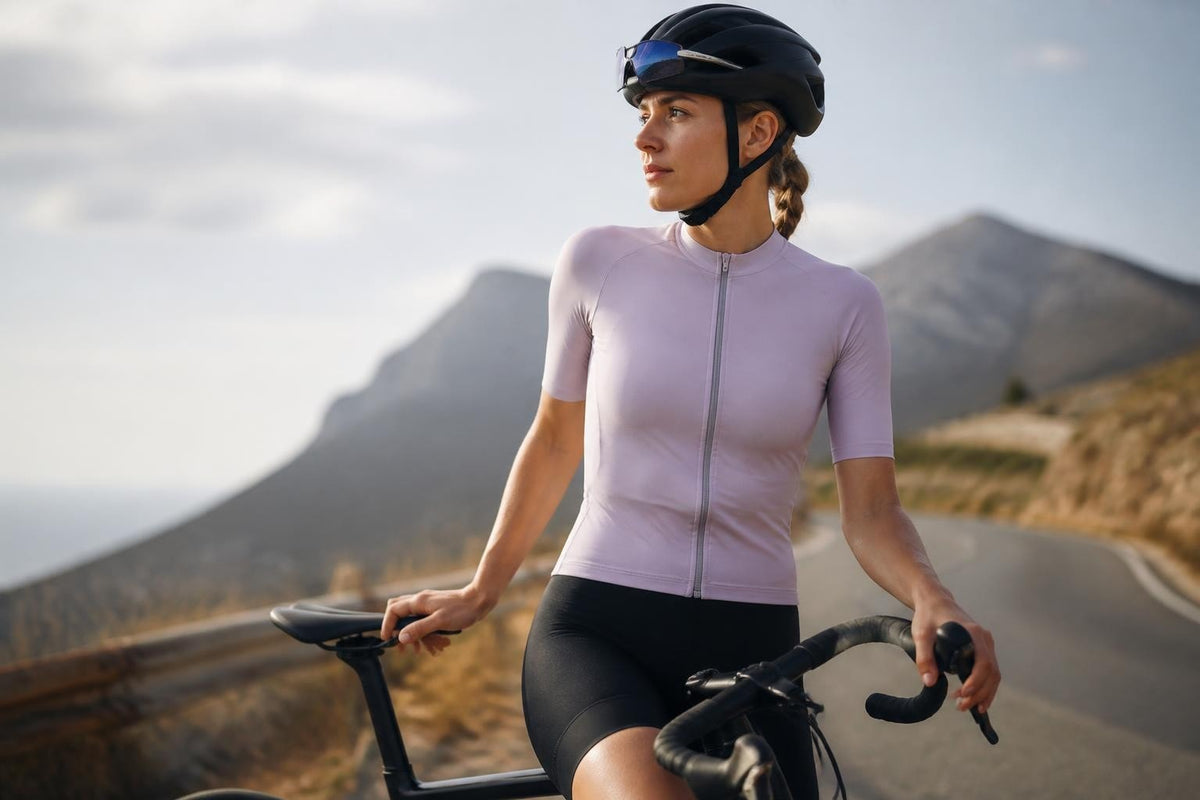
The cycling industry has undergone a dramatic transformation in recent years, with women's biking apparel emerging as one of the most innovative and rapidly growing segments. No longer are female cyclists forced to choose between ill-fitting men's gear or generic unisex designs. Today's womens biking apparel represents a sophisticated blend of biomechanical research, advanced fabric technology, and purpose-driven design that addresses the unique physiological needs of female riders. Whether you're competing in criteriums, logging base miles, or enjoying weekend gravel adventures, understanding the critical elements of women's cycling clothing will elevate both your comfort and performance.
The Evolution of Women-Specific Cycling Apparel
The history of womens biking apparel reflects broader shifts in both cycling participation and apparel manufacturing. For decades, women cyclists adapted men's clothing with minimal modifications, often resulting in discomfort and compromised performance. The industry's approach changed fundamentally when manufacturers began investing in female-specific research and development.
Modern brands now employ female-centric design teams and conduct extensive field testing with women riders across disciplines. This shift has produced garments engineered around female anatomy rather than scaled-down male patterns. Key differences include torso length ratios, shoulder width proportions, and hip-to-waist relationships that mirror actual female body measurements.
Biomechanical Research Driving Design
Scientific studies have revealed significant differences in cycling posture, pressure distribution, and movement patterns between male and female riders. Research published in peer-reviewed journals demonstrates how saddle width and pressure mapping directly influences chamois design requirements. These findings have revolutionized how manufacturers approach women's bibs and shorts.
The cycling community has also recognized the importance of sex-specific training considerations and injury prevention, which extends to how apparel supports proper positioning and reduces friction points during extended rides.
Essential Features in Women's Cycling Jerseys
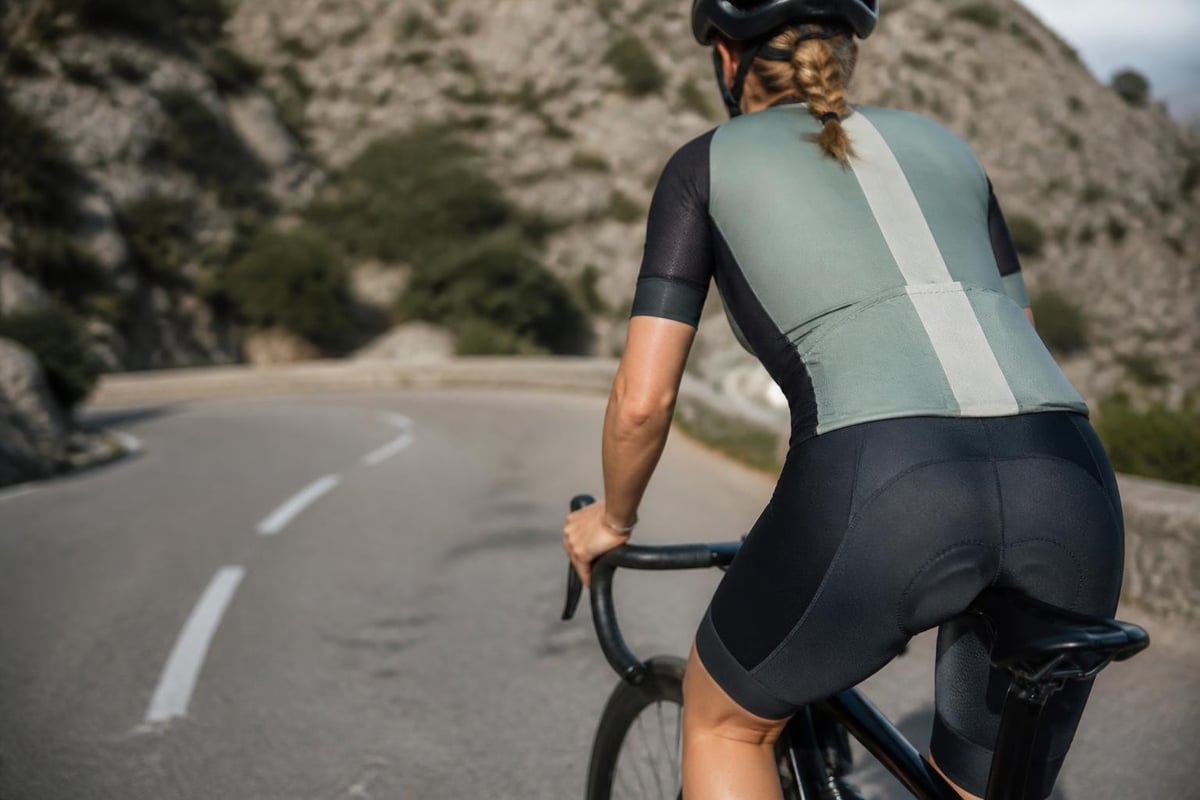
When evaluating womens biking apparel, jerseys represent the most visible and varied category. The best women's cycling jerseys incorporate several non-negotiable features that directly impact ride quality and performance.
Fit Architecture
- Sleeve length and diameter: Proportioned for narrower shoulders without excess fabric
- Torso length: Typically shorter in front, longer in back to accommodate female positioning
- Chest accommodation: Structured panels that provide coverage without compression
- Waist and hip taper: Gradual shaping that prevents riding up or bunching
Fabric Selection and Panel Construction
Modern women's jerseys utilize body-mapped fabric zones that address specific needs. Main body panels typically feature moisture-wicking polyester blends with four-way stretch, while side panels may incorporate mesh sections for enhanced ventilation. The evolution of sustainable materials has also influenced fabric choices, with recycled polyester and organic content becoming increasingly common in premium cycling apparel.
Leading manufacturers now employ sublimation printing technology that bonds designs directly into fabric fibers, ensuring graphics never fade, crack, or peel regardless of wash cycles or UV exposure.
Pocket Configuration and Storage
Traditional three-pocket designs have evolved significantly in women's jerseys. Consider these storage innovations:
- Pocket placement: Positioned lower on the back to account for shorter torso lengths
- Pocket depth: Optimized to prevent items from shifting during aggressive riding
- Zippered security pockets: Often integrated into side or center positions
- Smartphone-specific pockets: Sized and reinforced for modern device dimensions
Testing from independent reviewers consistently highlights pocket functionality as a key differentiator in women's jersey performance.
Women's Cycling Bibs and Shorts: The Foundation of Comfort
No element of womens biking apparel matters more to ride quality than properly designed bibs or shorts. The chamois (seat pad) and overall construction directly influence comfort during every pedal stroke, making this the most critical investment in any cyclist's wardrobe.
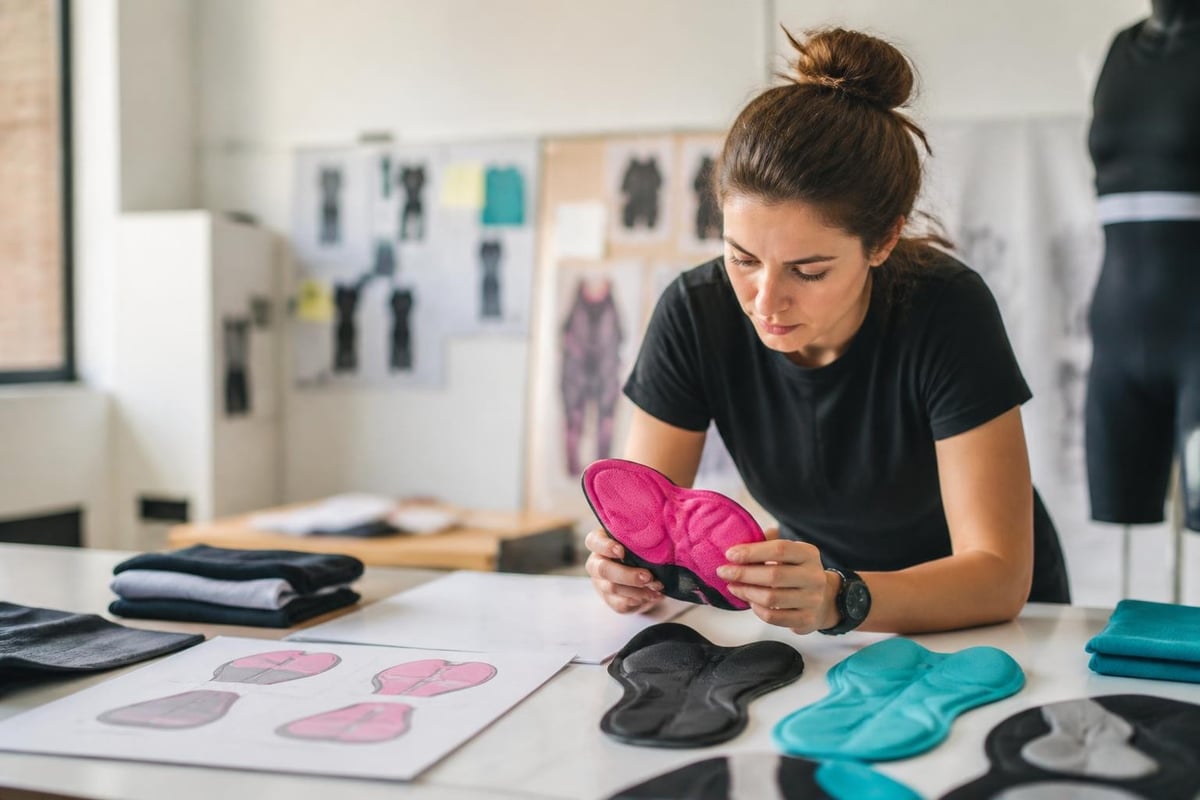
Chamois Technology and Design
Women-specific chamois differ substantially from male counterparts in both shape and padding distribution:
| Feature | Women's Design | Purpose |
|---|---|---|
| Overall shape | Wider at front, narrower at back | Matches female pelvic structure |
| Padding thickness | Variable density zones | Addresses sit bone width and soft tissue protection |
| Foam composition | Multi-layer with memory properties | Absorbs vibration while maintaining shape |
| Antibacterial treatment | Integrated silver ion or similar | Prevents odor and irritation during extended wear |
The chamois should feel nearly invisible when properly fitted. Excessive padding often creates more problems than it solves, causing friction and heat buildup.
Bib Versus Short Construction
While both formats serve female cyclists, bibs offer distinct advantages worth considering:
Bib Advantages:
- Eliminate waistband pressure and digestive discomfort
- Prevent shorts from sliding down during riding position
- Provide more consistent chamois positioning
- Offer better torso coverage and sun protection
Short Advantages:
- Easier for nature breaks during rides
- Less restrictive feeling for some riders
- Often lower price point
- Simpler to pair with different jersey lengths
Modern women's bibs feature innovative strap designs including Y-back, halter, and crossover configurations that accommodate different body types while providing proper support.
Layering Systems and All-Weather Protection
Complete womens biking apparel extends beyond jerseys and bibs to include strategic layering pieces that enable year-round riding. Understanding how to build an effective layering system maximizes both comfort and investment value.
Base Layer Fundamentals
Quality base layers serve as the foundation for temperature regulation across seasons. Women-specific base layers account for different heat distribution patterns and sweat production zones compared to men's designs. Look for:
- Seamless or flatlock construction to prevent chafing under bibs and jerseys
- Moisture management fabrics that move perspiration away from skin
- Strategic ventilation panels in high-heat zones
- Longer torso lengths that stay tucked during riding position
Jackets and Vests for Variable Conditions
Outerwear in womens biking apparel categories has expanded significantly, offering specialized solutions for different weather scenarios:
Windproof Vests
- Core protection without arm insulation
- Highly packable for pocket storage
- Essential for descents and variable spring/fall days
Thermal Jackets
- Fleece-lined or softshell construction
- Often feature windproof front panels with breathable backs
- Temperature range typically 40-55°F
Rain Shells
- Waterproof/breathable membrane construction
- Sealed seams and water-resistant zippers
- Should pack small enough for jersey pocket carry
Winter Jackets
- Heavy insulation for sub-freezing conditions
- Extended tail coverage and high collar
- Reflective elements for low-light visibility
The CCN Sport collections demonstrate how modern manufacturing can deliver weather-specific performance across these categories while maintaining consistent fit architecture.
Custom Team Kits and Group Orders
For cycling clubs, racing teams, and organized groups, custom womens biking apparel offers unique opportunities to build identity while ensuring proper fit for all members. The custom apparel process has become increasingly accessible, with manufacturers offering lower minimum order quantities and streamlined design services.
Design Considerations for Women's Team Kits
When developing custom women's cycling apparel, several factors deserve special attention:
Sizing and Fit Models Ensure your manufacturer offers true women's sizing rather than adapted unisex patterns. Request detailed size charts with multiple measurement points including bust, waist, hips, and torso length. Many teams order sample sizes first to verify fit before committing to full production runs.
Design Elements and Compliance For teams competing under UCI regulations, jersey designs must meet specific requirements regarding sponsor placement, national champion stripes, and visual elements. Understanding these rules prevents costly redesigns and ensures race-day compliance.
Sublimation Versus Screen Printing Sublimation printing has become the gold standard for custom cycling apparel because it:
- Creates unlimited color options without cost penalties
- Maintains fabric breathability since ink bonds into fibers
- Ensures designs never crack, fade, or peel
- Allows photographic detail and gradient effects
If your team needs custom women's cycling apparel with flexibility in design and reasonable minimums, exploring options for low-minimum custom cycling jerseys can make group orders more accessible for smaller clubs.

Fit Guidance and Sizing Strategies
Achieving optimal fit in womens biking apparel requires understanding both body measurements and intended use. Unlike casual clothing, cycling apparel should fit snugly without restriction, creating a "second skin" effect that reduces drag and prevents fabric bunching.
Taking Accurate Measurements
Follow these steps for precise sizing:
- Bust: Measure around the fullest part with arms relaxed at sides
- Waist: Measure at natural waistline (typically narrowest point)
- Hips: Measure around fullest part of hips and buttocks
- Torso length: Measure from base of neck to natural waistline
- Inseam: Measure from crotch to desired short/bib length
Always measure over lightweight clothing or directly on skin, not over bulky garments. Take measurements in the morning when possible, as body dimensions can fluctuate throughout the day.
Race Fit Versus Endurance Fit
Most manufacturers offer multiple fit models within their womens biking apparel lines:
| Fit Type | Characteristics | Best For |
|---|---|---|
| Race/Aero Fit | Very snug, minimal excess fabric, aerodynamic cut | Competitive riders, time trials, criteriums |
| Club/Sport Fit | Fitted but comfortable, slight ease through torso | Group rides, centuries, spirited recreational riding |
| Relaxed/Touring Fit | More forgiving, modest compression, casual styling | Casual riders, bike touring, commuting |
Understanding cycling jersey fit principles helps identify which model aligns with your riding style and body preferences.
Fabric Technologies and Performance Features
The technical fabrics used in modern womens biking apparel represent significant advances in material science. Understanding these technologies helps evaluate value and performance potential.
Moisture Management Systems
High-performance cycling fabrics employ several strategies to manage perspiration:
Wicking: Polyester and polyamide fibers with hydrophobic treatments push moisture away from skin toward outer fabric surfaces where evaporation occurs more readily.
Capillary Action: Fabric construction creates microscopic channels that physically move moisture through the material via surface tension.
Phase Change Materials: Some premium garments incorporate microencapsulated substances that absorb or release heat as they change state, moderating temperature fluctuations.
Compression and Muscle Support
Strategic compression in women's cycling apparel serves multiple purposes beyond aesthetics:
- Reduces muscle vibration during repetitive pedaling motion
- Improves proprioception and body awareness
- Assists venous return and reduces leg fatigue
- Provides gentle support without restricting movement
Compression levels vary by garment type, with bibs typically offering moderate compression and recovery-focused pieces providing graduated compression.
UV Protection and Durability
Quality womens biking apparel incorporates UPF (Ultraviolet Protection Factor) ratings, typically ranging from UPF 30 to UPF 50+. This sun protection remains constant throughout the garment's life since it results from tight fabric weave and built-in chemical treatments rather than topical applications.
Durability factors include:
- Abrasion resistance: Particularly important in contact areas
- Color fastness: How well dyes resist fading from sun, sweat, and washing
- Shape retention: Fabric's ability to maintain fit after repeated use
- Seam strength: Critical for preventing failures under tension
Seasonal Wardrobe Planning
Building a complete womens biking apparel wardrobe requires strategic planning to cover the full range of riding conditions you'll encounter. Rather than purchasing randomly, consider your local climate patterns and riding frequency to prioritize investments.
Core Capsule for Year-Round Riding
A foundational wardrobe suitable for most climates includes:
Spring/Summer/Fall (50-85°F)
- 3 short-sleeve jerseys (allows rotation while laundering)
- 2 pairs of bib shorts or shorts
- 1 lightweight vest
- 1 set of arm and leg warmers
- 1 rain jacket
Winter/Cold Weather (30-50°F)
- 2 long-sleeve thermal jerseys
- 1 pair thermal bibs or tights
- 1 insulated jacket
- Winter gloves and shoe covers
- Thermal base layer
Accessories (All Seasons)
- 4-5 pairs cycling-specific socks
- Summer and winter gloves
- Head covering (cap or headband)
This capsule approach ensures you always have clean gear available while avoiding unnecessary duplication.
Specialty Items for Specific Disciplines
Different cycling disciplines may require specialized womens biking apparel:
Gravel/Adventure Riding: Looser-fitting jerseys with expanded storage, more durable fabrics, casual styling
Mountain Biking: Baggier shorts over padded liners, increased abrasion resistance, more relaxed fit
Track/Velodrome: Aerodynamic skinsuits, minimal seams, UCI compliance for competition
Bike Touring: High-visibility colors, extensive pocket systems, quick-dry fabrics
Care and Maintenance Best Practices
Proper care extends the lifespan of womens biking apparel while maintaining performance characteristics. Technical cycling fabrics require different treatment than casual athletic wear.
Washing Guidelines
Follow these practices to preserve your cycling clothing:
Before Washing
- Turn garments inside out to protect graphics and outer surfaces
- Close all zippers to prevent snagging
- Pre-treat any stains with gentle detergent
- Never leave sweaty gear in bags or hampers for extended periods
Washing Process
- Use cold water (maximum 30°C/86°F)
- Select gentle or delicate cycle
- Use technical sport detergent without fabric softeners
- Wash cycling clothing separately from items with hooks or rough textures
- Avoid overloading the machine
Drying and Storage
- Air dry whenever possible; never use high heat
- Hang jerseys and bibs by shoulders or waistband
- Avoid direct sunlight during drying to prevent fading
- Store in cool, dry location away from sharp objects
- Never iron cycling apparel or chamois
When to Replace Cycling Apparel
Even with excellent care, womens biking apparel has a finite lifespan. Replace items when you notice:
- Chamois compression loss or thinning
- Fabric transparency or excessive pilling
- Elastic degradation in hems, cuffs, or waistbands
- Persistent odors that don't wash out
- Seam separation or zipper failure
Quality pieces typically deliver 2-4 years of regular use before requiring replacement.
Building Your Perfect Cycling Wardrobe
Creating an effective womens biking apparel collection doesn't require massive upfront investment. Start with essentials that match your current riding frequency and conditions, then expand as your cycling evolves. Prioritize fit and comfort over aesthetic appeal, since you'll ride more confidently and enjoyably when your clothing supports rather than distracts from the experience.
Consider beginning with one high-quality bib and jersey combination for your primary riding season, then adding layering pieces and weather-specific items as budget allows. Many cyclists find that investing in premium bibs while choosing mid-range jerseys provides the best balance of comfort and value.
The right womens biking apparel transforms every ride by eliminating distractions, enhancing comfort, and supporting optimal performance regardless of conditions or distance. From understanding fit principles to selecting appropriate fabrics and features, informed choices ensure your cycling wardrobe serves you well for years of riding adventures. When you're ready to elevate your cycling kit with custom designs or premium ready-to-wear options, CCN Sport brings over 20 years of sublimation expertise and advanced manufacturing capabilities to create cycling apparel that blends traditional craftsmanship with modern performance technology. Whether outfitting a team or building your personal collection, precision-crafted gear makes every pedal stroke better.

Share:
Merino Versus Synthetic Base Layers for Cycling