

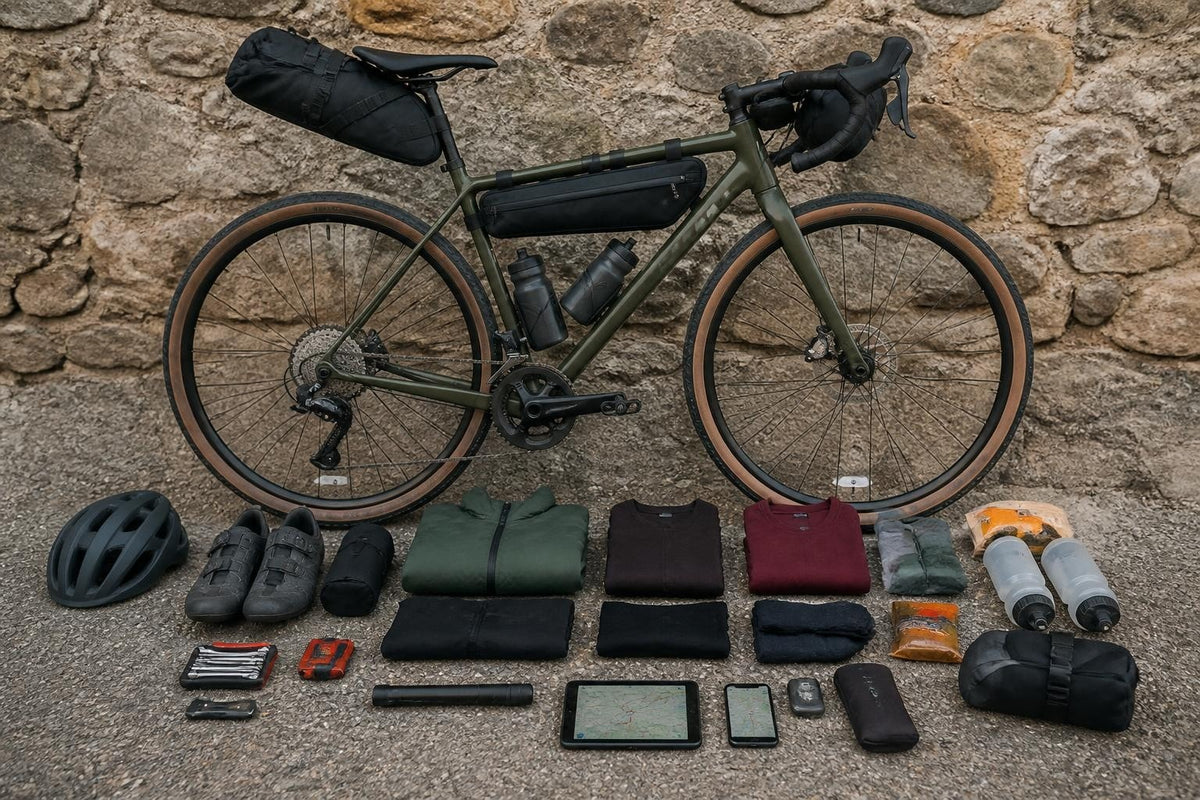
Gravel cycling has evolved from a niche discipline into a mainstream riding category, blending elements of road racing, mountain biking, and bikepacking. As the sport grows, so does the ecosystem of specialized equipment designed to handle everything from smooth fire roads to technical singletrack. Selecting the right gravel bike gear requires balancing weight, durability, versatility, and comfort across components, accessories, and apparel. Whether you're preparing for a multi-day adventure or tackling your first gravel race, understanding how each piece of equipment contributes to performance and safety will help you build a setup tailored to your riding style and terrain.
Drivetrain and Gearing Considerations
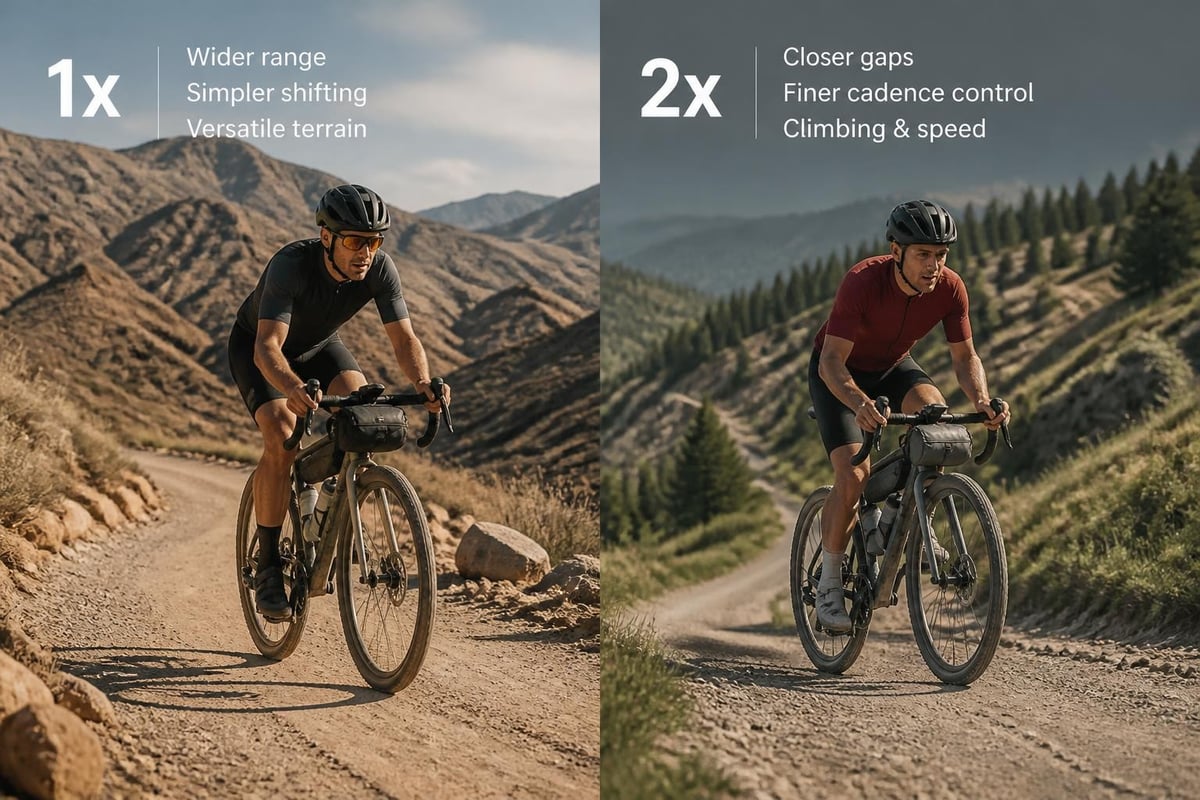
The drivetrain represents one of the most critical systems on any gravel bike. Modern gravel setups typically feature either 1x (single chainring) or 2x (double chainring) configurations, each offering distinct advantages depending on terrain and rider preference.
Single vs. Double Chainring Systems
Single chainring setups have become the dominant choice for gravel riders seeking simplicity and reduced mechanical complexity. Key benefits include:
- Lighter overall weight with fewer components
- Elimination of front derailleur adjustment issues
- Improved chain retention on rough terrain
- Cleaner cockpit with simpler shifting controls
Double chainring configurations remain popular among riders who prioritize gear range and efficient cadence management, particularly on mixed-terrain routes that include long paved sections or sustained climbs.
| Drivetrain Type | Gear Range | Weight | Complexity | Best For |
|---|---|---|---|---|
| 1x (40t–42t) | 10-51t cassette | Lighter | Low | Technical terrain, simplicity |
- 2x (48/32t) | 11-34t cassette | Heavier | Moderate | Mixed surfaces, road sections | | 1x (38t) | 10-44t cassette | Light | Low | Balanced performance |
Cassette selection plays an equally important role. Modern 11-speed and 12-speed cassettes offer wide-range options (10-51t or similar) that provide climbing gears comparable to mountain bike drivetrains while maintaining usable ratios for fast gravel descents.
Chain Maintenance and Replacement
Chain wear accelerates on gravel bikes due to increased exposure to dust, mud, and grit. Regular inspection using a chain checker tool prevents premature wear on cassettes and chainrings. According to Park Tool's maintenance guidelines, chains should be replaced when they reach 0.5% to 0.75% wear to maximize drivetrain longevity.
Carrying a quick-link and basic chain tool on long rides provides insurance against mechanical failures in remote areas. Many experienced gravel riders also pack a spare derailleur hanger, as these aluminum components can bend or break on rough descents.
Wheel and Tire Selection
Wheels and tires form the contact point between bike and terrain, making them among the most impactful gravel bike gear choices. Recent advances in tire technology and wheelset design have significantly improved both performance and versatility.
Tire Width and Pressure Optimization
The gravel community has largely shifted toward wider tires over the past several years, with 40-45mm becoming the new standard for mixed-terrain riding. However, recent combined aero and rolling resistance testing reveals that tire width selection involves more nuanced trade-offs than simply "wider is better."
Key findings from current tire research:
- Tires in the 38-42mm range often provide the best balance of aero efficiency and comfort
- Extremely wide tires (50mm+) add rolling resistance on harder surfaces
- Pressure optimization matters more than width alone for most conditions
- Tread pattern selection should match primary terrain type
For riders seeking data-driven tire choices, Bicycle Rolling Resistance provides independent testing with measured results across dozens of gravel-specific models.
Tubeless Conversion and Repair
Tubeless tire setups have become standard practice for serious gravel riders due to puncture resistance, improved traction at lower pressures, and reduced weight. Proper tubeless installation requires:
- Tubeless-ready rims and tires
- Quality rim tape applied without gaps or wrinkles
- Fresh tubeless sealant (refresh every 3-6 months)
- Valve stems with removable cores for easy sealant addition
Carry tire plugs, a spare tube, and a small multi-tool with tire levers for trail-side repairs. Even tubeless setups can suffer catastrophic failures that require tube installation to complete a ride.
Essential Accessories and Navigation
Beyond the bike itself, carefully selected accessories transform a gravel bike into a capable adventure platform. The right gravel bike gear accessories enhance safety, navigation, and self-sufficiency on remote routes.
Lighting and Visibility
Gravel routes often extend into dawn, dusk, or overnight conditions, making reliable lighting non-negotiable. Modern LED technology delivers impressive output from compact, USB-rechargeable units:
- Headlights: 800-1200 lumens for technical terrain; 400-600 lumens for supported roads
- Taillights: Flashing rear lights with side visibility improve safety on mixed-use paths
- Backup lights: Small secondary units prevent being stranded after primary battery failure
BikeRadar's gravel accessories guide offers comprehensive reviews of current lighting options across various price points.
GPS and Navigation Tools
While smartphone apps provide adequate navigation for well-marked routes, dedicated GPS cycling computers offer superior battery life, visibility in direct sunlight, and robust route-planning capabilities. Premium units include:
- Turn-by-turn navigation with off-course alerts
- ANT+ and Bluetooth sensor connectivity
- Weather-resistant construction
- Integrated ride metrics and performance tracking
Offline maps downloaded before rides ensure navigation functionality in areas without cellular coverage. Many riders carry paper maps or cue sheets as ultimate backup navigation tools.
Hydration and Nutrition Systems
Proper hydration infrastructure becomes critical on long gravel rides, where convenience store stops may be separated by 50+ miles. Gravel bike gear for hydration has expanded beyond traditional water bottles to include specialized solutions for extended efforts.
Bottle Cages and Frame Storage
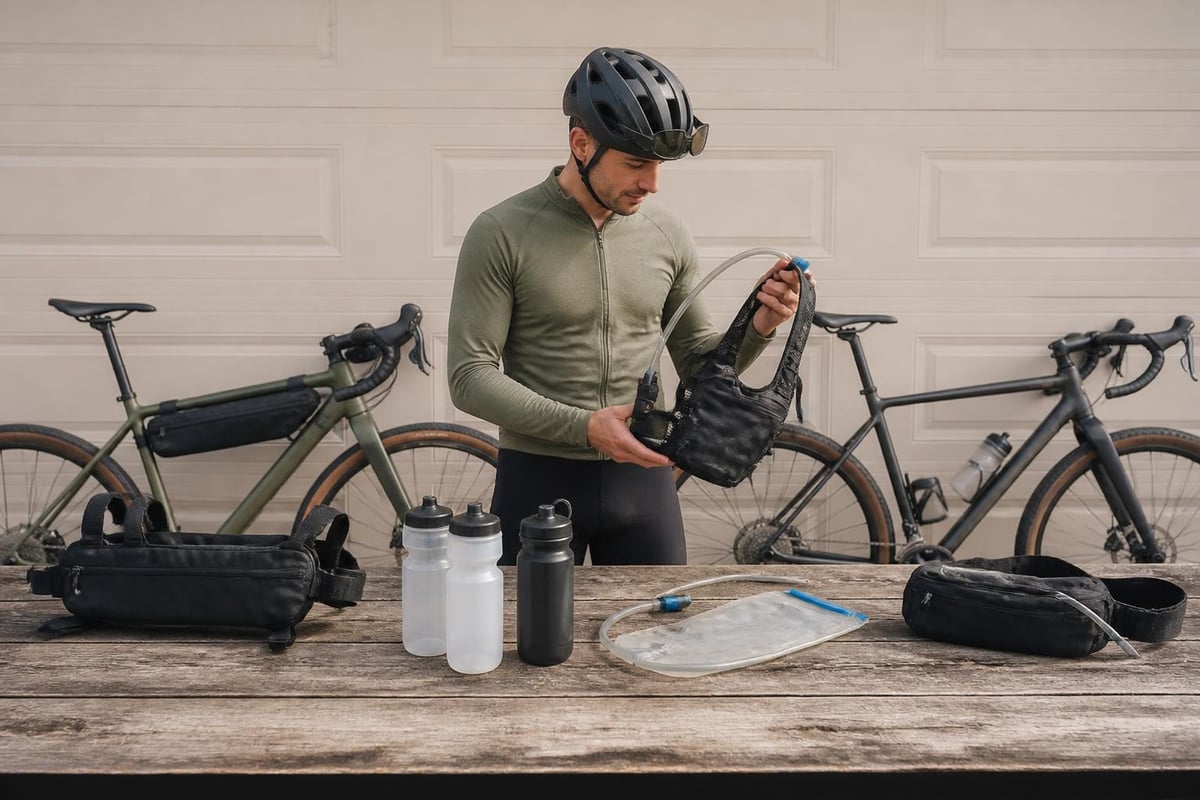
Standard bottle cage positions (downtube and seat tube) provide 1.5-2 liters of capacity, sufficient for rides under two hours in moderate conditions. Extended rides require additional carrying capacity:
- Fork-mounted bottle cages (third and fourth bottles)
- Top tube bags with hydration bladder sleeves
- Frame bags with integrated bottle pockets
- Bento boxes for easily accessible food
The Unbound Gravel athlete guide provides detailed hydration planning for ultra-distance events, recommending 750ml-1000ml per hour depending on temperature and effort level.
Nutrition Accessibility
Frequent fueling prevents bonking on long gravel efforts. Strategic placement of nutrition ensures easy access without disrupting pedaling rhythm:
- Top tube bags for bars, gels, and chews
- Jersey pockets for wrapped foods and backup nutrition
- Handlebar bags for bulk snacks and meal items
- Bento boxes positioned for one-handed grabbing
Performance Apparel for Gravel Riding
Clothing represents a frequently overlooked category of gravel bike gear, yet proper apparel dramatically impacts comfort, performance, and safety across varying conditions. Gravel-specific clothing addresses unique challenges including extended saddle time, unpredictable weather, and the need for versatile layering systems.
Base and Mid-Layer Selection
Technical base layers manage moisture and regulate temperature during sustained efforts. Merino wool and synthetic fabrics each offer distinct advantages:
| Material Type | Moisture Management | Odor Resistance | Durability | Dry Time |
|---|---|---|---|---|
| Merino Wool | Good | Excellent | Moderate | Slow |
| Synthetic | Excellent | Poor-Good | Excellent | Fast |
| Wool/Synthetic Blend | Excellent | Very Good | Very Good | Moderate |
Mid-layers provide insulation without bulk during cooler conditions. Lightweight fleece or insulated gilets work well for early-morning starts, while packable windbreakers handle sudden weather changes on exposed ridgelines. Bicycling magazine's gear recommendations highlight the importance of layering versatility for long rides.
Chamois and Bib Short Quality
Hours in the saddle demand premium chamois construction with strategic padding placement and moisture-wicking properties. Quality bib shorts feature:
- Multi-density foam padding matched to riding position
- Flatlock or seamless construction preventing chafing
- Compressive leg bands that stay in place without excessive pressure
- Breathable mesh uppers for temperature regulation
At CCN Sport, our custom products are made with precision and care in our facilities in China and the Philippines, delivering premium cycling apparel built to perform and last. Our advanced sublimation process ensures vibrant, durable designs that withstand the rigors of gravel riding while maintaining professional aesthetics.

Weather Protection and Shell Layers
Gravel routes often venture far from shelter, making packable rain protection essential equipment. Modern waterproof-breathable jackets balance complete weather protection with adequate ventilation to prevent overheating during climbs.
Shell jacket key features:
- Fully taped seams preventing water infiltration
- Pit zips or back vents for active temperature control
- Extended rear tail protecting lower back
- High-visibility colors or reflective elements
- Compact pack size fitting jersey pockets or small frame bags
Adventure Cycling's equipment guidance emphasizes the importance of weather preparedness on multi-day tours, recommending riders carry waterproof layers regardless of forecast.
Footwear and Pedal Interface
The pedal-shoe connection directly influences power transfer, comfort, and versatility on mixed terrain where riders may need to walk through technical sections or navigate obstacles.
Gravel-Specific Shoe Design
Gravel shoes blend road shoe stiffness with mountain bike tread patterns and walkability. Footwear buyer's guides identify critical features distinguishing gravel shoes from pure road or mountain designs:
- Recessed cleat pockets allowing normal walking
- Aggressive rubber outsoles providing traction on loose surfaces
- Reinforced toe boxes protecting against rock strikes
- Ventilation systems managing heat during summer rides
- Moderate stiffness balancing efficiency with comfort
Pedal Selection Factors
Pedal choice impacts both performance and versatility. Mountain bike pedals with two-bolt cleat systems remain the dominant choice for gravel riding due to ease of engagement, mud clearance, and walk-ability. Key considerations include:
- Platform size: Larger platforms distribute pressure and improve stability
- Float adjustment: Angular float reduces knee strain during long efforts
- Release tension: Adjustable tension accommodates rider preference and experience level
- Bearing quality: Sealed cartridge bearings withstand water and dirt exposure
Some riders opt for flat pedals on technical gravel rides where frequent foot-out maneuvers are required, sacrificing some efficiency for increased confidence and safety. Understanding the relationship between cycling aerodynamics, fit, and speed helps riders optimize their position and equipment choices.
Saddle and Contact Point Comfort
Saddle selection represents perhaps the most personal element of gravel bike gear configuration. What works for one rider may cause discomfort for another due to anatomical differences and riding position variations.
Width and Padding Considerations
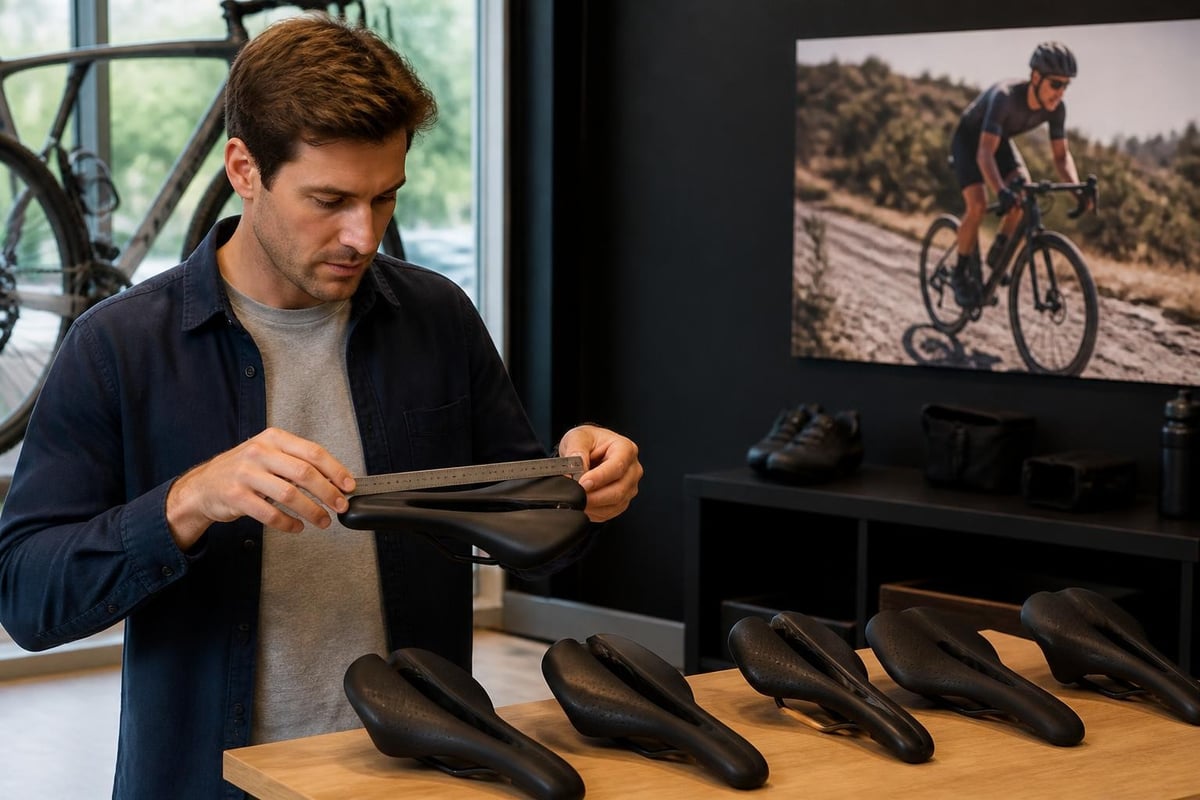
Proper saddle width matching sit bone spacing prevents pressure points and soft tissue numbness. Most reputable saddle manufacturers provide sit bone measurement guides and corresponding width recommendations:
- Narrow (130-135mm): Riders with narrow pelvic structure, aggressive positions
- Medium (140-145mm): Most common width, balanced position compatibility
- Wide (150-155mm+): Riders with wider pelvic structure, upright positions
Padding density affects both immediate comfort and long-term performance. Firmer saddles often feel less comfortable initially but prevent pressure hotspots during extended rides. Softer saddles provide initial cushioning but can create pressure points as padding compresses.
Cutout and Relief Channel Designs
Saddles with central cutouts or relief channels reduce pressure on sensitive soft tissue areas. Research shows these designs can significantly improve comfort during rides exceeding two hours, though personal preference and anatomy determine optimal relief channel width and placement.
Testing saddles requires actual riding time rather than parking lot evaluations. Many shops and manufacturers offer demo programs allowing extended trial periods before final purchase decisions.
Tools and Repair Equipment
Self-sufficiency on remote gravel routes requires carrying appropriate tools and spare parts matched to likely mechanical issues. The Bikepacking Gear of the Year roundup showcases innovative tools and repair solutions designed specifically for gravel and bikepacking applications.
Minimum Tool Kit Components
A properly equipped gravel rider carries tools addressing the most common trail-side mechanical issues:
- Multi-tool with hex wrenches (2-8mm), chain breaker, and spoke wrenches
- Tire levers (even with tubeless setups)
- Spare tube compatible with valve type and tire width
- Tire plugs and patch kit for tubeless repairs
- Quick-links matching chain speed
- Mini pump or CO2 inflator with cartridges
- Derailleur hanger specific to frame model
Packable Storage Solutions
Tools and spares require secure storage that prevents rattling and remains accessible during rides. Frame bags, saddle bags, and handlebar rolls distribute weight and volume across the bike:
Frame bags utilize otherwise wasted triangle space for tools, food, and clothing. Custom-fitted bags maximize capacity while maintaining clean lines and pedaling clearance.
Saddle bags ranging from small tool rolls to expedition-sized designs carry repair equipment without affecting bike handling. Choose attachment systems that prevent sway and maintain stability on rough terrain.
Top tube bags provide quick access to frequently needed items including nutrition, phone, and small tools. Clear map pockets integrated into top tube bags allow navigation without removing the bag.
Apparel Accessories and Thermal Regulation
Small apparel accessories significantly impact comfort across varying conditions. Strategic use of warmers, caps, and gloves extends the comfortable riding temperature range without requiring complete outfit changes. For a broader look at the gear that rounds out a rider's kit, see our guide to essential cycling accessories.
Arm and Leg Warmers
Removable warmers offer versatility for rides starting in cool conditions but warming throughout the day. Quality warmers feature:
- Silicone gripper bands preventing migration
- Moisture-wicking fabrics managing perspiration
- Flatlock seams minimizing chafing
- Reflective elements improving visibility
Pack removed warmers in jersey pockets or frame bags for afternoon removal. Audax UK's long-distance tips emphasize the importance of adaptable layering for variable conditions common on extended rides.
Glove and Cap Selection
Hands and head represent critical thermal regulation points requiring season-specific coverage:
Summer gloves: Minimal padding, maximum ventilation, synthetic materials
Spring/Fall gloves: Windproof shells, moderate insulation, touchscreen compatibility
Winter gloves: Waterproof shells, full-finger coverage, reflective elements
Cycling caps worn under helmets provide sun protection, sweat management, and additional warmth. Lightweight merino or synthetic caps pack into jersey pockets for midride deployment.
Bags and Cargo Management
Efficient cargo systems allow gravel riders to carry necessary equipment without compromising bike handling or creating excessive drag. Modern bikepacking bags integrate seamlessly with frame geometry while providing substantial carrying capacity.
Handlebar Bag Configurations
Handlebar bags range from small accessory pouches to large dry bags capable of carrying sleeping systems and clothing. Mounting systems include:
- Strap-based harnesses: Universal fit, tool-free installation, some handlebar contact
- Rigid mounts: Bike-specific, stable platforms, requires permanent hardware
- Hybrid systems: Quick-release rigid mounts, stability with convenience
Proper weight distribution places heavier items low and centered, maintaining neutral handling characteristics. Overloading handlebar bags creates vague steering and increases fatigue on technical descents.
Frame Bag Customization
Custom-fitted frame bags maximize storage volume while maintaining standover clearance and bottle accessibility. Full-frame bags occupy the entire main triangle, while half-frame designs preserve bottle cage positions.
Consider water resistance ratings when selecting bags for equipment requiring protection from elements. Fully waterproof bags with welded seams protect electronics and clothing during prolonged rain exposure.
Lighting and Visibility Equipment
Beyond basic safety requirements, comprehensive lighting systems enable gravel riding across extended timeframes including overnight bikepacking trips and early-morning training rides.
Dynamo Hub Systems
Dynamo hubs generate electricity from wheel rotation, providing unlimited power for lights and electronic devices. Modern low-resistance dynamos impose minimal drag while generating sufficient wattage for powerful headlights and charging accessories.
Dynamo advantages:
- No battery charging or replacement needed
- Consistent output regardless of ride duration
- Powers lights and USB charging simultaneously
- Reliable in all weather conditions
Dynamo considerations:
- Higher initial investment than battery lights
- Slight weight penalty from hub and wiring
- Installation complexity requiring proper setup
- Limited output at very low speeds
Supplementary Visibility Enhancements
Reflective elements integrated into apparel, bags, and bike components create passive visibility without battery consumption. Strategic placement on moving parts (pedals, ankles, cranks) attracts attention through motion, improving driver recognition.
Helmet-mounted lights supplement handlebar-mounted units by illuminating wherever the rider looks, improving corner entry visibility and trail obstacle identification during night riding.
Selecting appropriate gravel bike gear involves balancing performance, durability, and versatility across components, accessories, and apparel to match your specific riding style and terrain. From drivetrain configurations to clothing layers, each element contributes to overall comfort and capability on mixed-surface adventures. When you're ready to elevate your ride with custom apparel that performs as hard as you do, CCN Sport delivers precision-crafted cycling clothing built to withstand the demands of gravel riding while showcasing your unique style and team identity.

Share:
Bib Sale: Expert Guide to Cycling Bib Short Deals 2026
Cycling Apparel Fabrics That Perform Under Pressure