

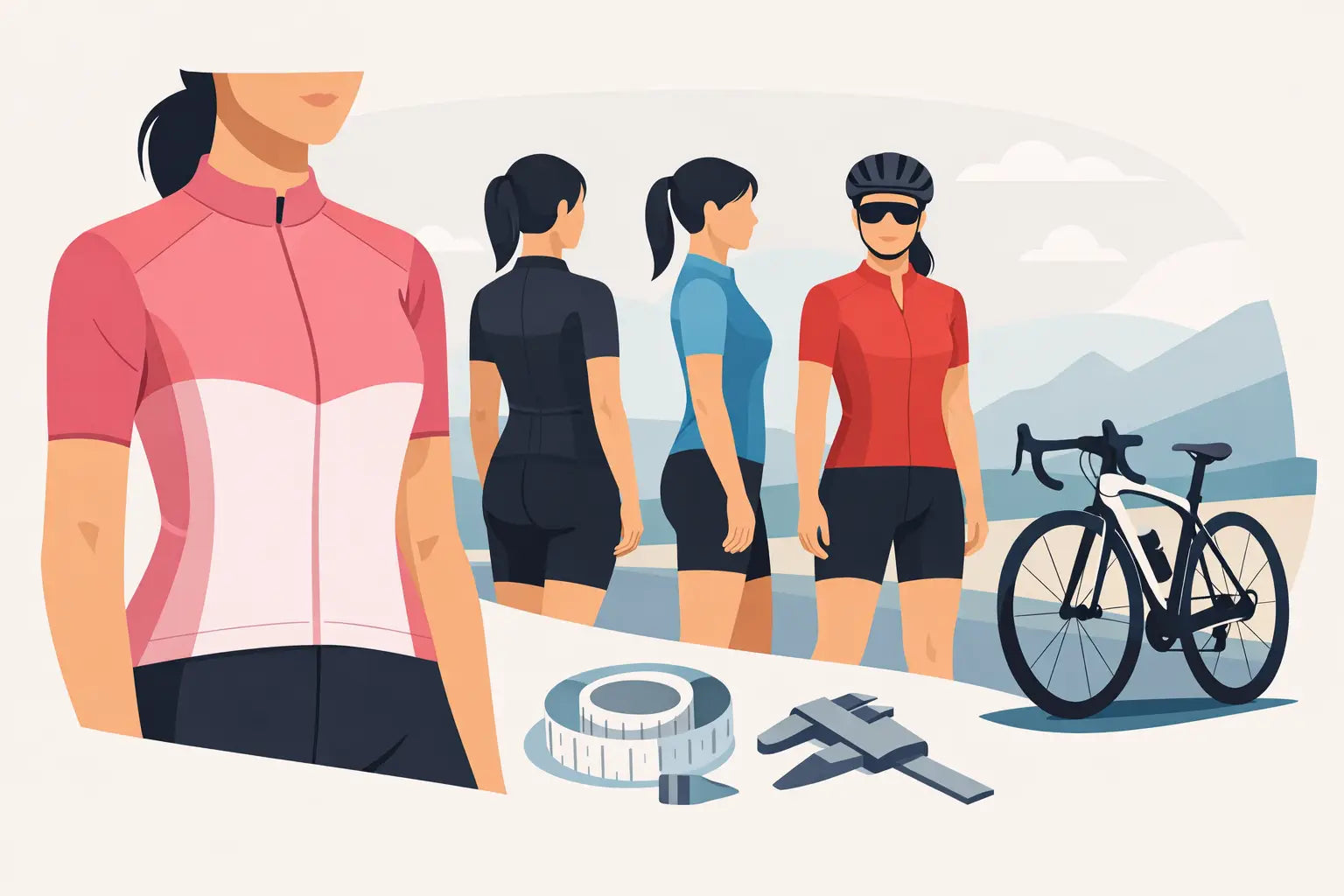
A jersey can look fast on the hanger and still feel wrong 20 miles into a hard ride. That is usually where fit tells the truth. A women's race cut cycling jersey is built for an aggressive riding position, close contact with the body, and less wasted fabric in the wind. If it is cut correctly, it feels supportive and efficient. If it is not, every pocket shift, zipper ripple, and sleeve pinch shows up on the road.
For riders who train with intent, race on weekends, or simply prefer a sharper on-bike fit, race cut is not marketing language. It is a functional choice. The difference comes down to how the jersey behaves when you are low over the bars, breathing hard, and moving at speed.
What a women’s race cut cycling jersey is designed to do
A race cut jersey is made to sit close to the skin without feeling restrictive. The torso is typically shorter in front and shaped for a riding posture rather than standing upright. The sleeves are more fitted, the fabric has more compression, and the overall profile is cleaner through the chest, waist, and hips.
That close fit has a purpose. Less loose material means less drag and less movement when the pace rises. A properly patterned women’s race cut cycling jersey also keeps pockets more stable, helps base layers sit flatter, and reduces the bunching that can happen when a relaxed jersey is pulled into an aggressive position.
The women’s-specific part matters just as much as the race cut. A strong pattern accounts for bust shape, shoulder width, torso length, and hip proportion without simply shrinking a men’s jersey and changing the color palette. Good race apparel should feel precise, not improvised.
Race cut versus club fit
Not every rider wants the same sensation on the bike. Club fit jerseys usually offer a bit more room through the midsection and sleeves, with a shape that feels more forgiving for social rides, longer endurance days, or riders who prioritize all-day comfort over a second-skin feel.
Race cut is different. It favors speed, support, and control. That does not automatically make it better for everyone. If your riding is mostly upright, casual, or centered on maximum off-bike comfort at coffee stops, a club fit may be the smarter choice. If you spend most of your time in the drops, riding hard in groups, or pinning on a number, race cut starts to make more sense.
It also depends on preference. Some riders love a compressive jersey even on training days. Others want race fit only on event days. The right answer is the one that matches how you actually ride.
How a women’s race cut cycling jersey should fit
The first test is simple. When you stand up straight, the jersey may feel snug. When you lean into your riding position, it should settle into place. That is the expected behavior.
Across the shoulders, the fit should feel secure without pulling the fabric into tension lines from collar to sleeve. The sleeves should sit close to the arm, ideally with a smooth finish that stays planted rather than flaring at the edge. A race sleeve that moves less in the wind usually performs better and feels cleaner.
Through the chest and torso, you want contact, not compression that interferes with breathing. A women’s jersey should contour naturally, especially when zipped fully, without creating pressure points. Around the waist, the gripper should hold the hem steady without digging in or riding upward.
Pocket placement is another sign of good fit. Rear pockets should sit flat when empty and remain stable when loaded with ride essentials. If the pockets sag heavily or bounce as soon as you add a phone or vest, the jersey may be too loose, or the back panel may lack enough support.
Fabric makes the fit work
Patterning gets most of the attention, but fabric does a lot of the heavy lifting. A race jersey needs materials that stretch where the body moves, recover quickly, and manage moisture under effort. Otherwise even a well-cut garment starts to feel unstable.
Lightweight knit fabrics are common on the front and back panels because they help with airflow and sweat transfer. More structured or textured fabrics often appear on the sleeves and side panels to improve fit retention and support. Some race jerseys also use different materials across the garment to balance breathability with aerodynamic efficiency.
This is where trade-offs show up. Extremely light fabrics feel excellent in heat and high-output riding, but they may feel less substantial for riders who want more coverage or durability. Heavier fabrics can feel more supportive and long-lasting, but they may hold more heat on hot climbs. The best choice depends on your climate, your intensity, and whether the jersey is meant for racing only or regular training use too.
Details that matter on the road
Small construction choices often separate a good jersey from one that disappears while you ride. Zippers should run smoothly and lie flat. The collar should feel low enough to stay comfortable when fully zipped, especially in an aggressive position. Seams should be placed where they do not rub under the arms or across the shoulders.
Grippers matter more than riders expect. If the hem does not stay planted, the entire jersey starts to shift. Sleeve finishes also deserve attention. A clean, close sleeve edge helps reduce movement and keeps the fit looking sharp after repeated use.
Then there is pocket structure. On a true race piece, pockets should be easy to access without feeling floppy. If you race or train with nutrition, a mini pump, or a radio earpiece for team use, pocket stability becomes more than a convenience.
Sizing without guesswork
The biggest mistake riders make with race apparel is choosing the size they wish they wore instead of the size that matches the pattern. Race cut is already designed to fit close. Going down another size usually creates avoidable problems like zipper strain, sleeve pressure, and pockets that pull out of alignment.
At the same time, sizing up too far defeats the purpose of the cut. You lose the aerodynamic benefit, and the fabric starts moving independently of the body.
The best approach is to use body measurements and compare them with the brand’s intended fit. If you are between sizes, think about how you plan to use the jersey. For full-gas racing, some riders prefer the firmer option. For long training rides or mixed terrain days, the slightly more forgiving size may be the better call. Neither choice is wrong if it supports how you ride.
For teams and clubs, consistency matters even more. A reliable manufacturing partner with in-house production can help reduce fit surprises across a wider range of riders, which is one reason brands like CCN Sport focus so heavily on precision patterning and repeatable quality.
When race cut is worth it
If you are riding fast group rides, road races, criteriums, fondos with a competitive edge, or structured interval sessions, race cut is usually worth the upgrade. It keeps the kit stable under effort and better matched to a performance position.
It is also a strong option for riders who simply prefer a cleaner silhouette and a more connected feel on the bike. Not every buyer in this category is chasing podiums. Plenty of strong amateur riders want apparel that feels efficient and polished every time they roll out.
Still, comfort is part of performance. If the jersey feels distracting, too tight through the chest, or constantly in need of adjustment, it is not the right race jersey for you no matter how technical the fabric sounds.
Choosing the right women’s race cut cycling jersey
Start with your use case, not just the product description. Ask whether the jersey is for race day only, high-intensity training, or all-around summer riding. Then look at the fit profile, the fabric mix, and the finishing details that support your riding style.
A strong women’s race cut cycling jersey should do three things well. It should stay close and stable in a low position, manage heat and moisture during hard efforts, and remain comfortable enough that you stop noticing it after the first few miles. That balance is what separates race-ready gear from a jersey that only looks technical online.
The best jersey is not the tightest one. It is the one that fits your body, supports your position, and keeps delivering when the pace stops being comfortable. Choose that, and every ride starts feeling more intentional.

Share:
Aero Cycling Skinsuit Benefits Explained
Winter Cycling Jacket Layering Guide