

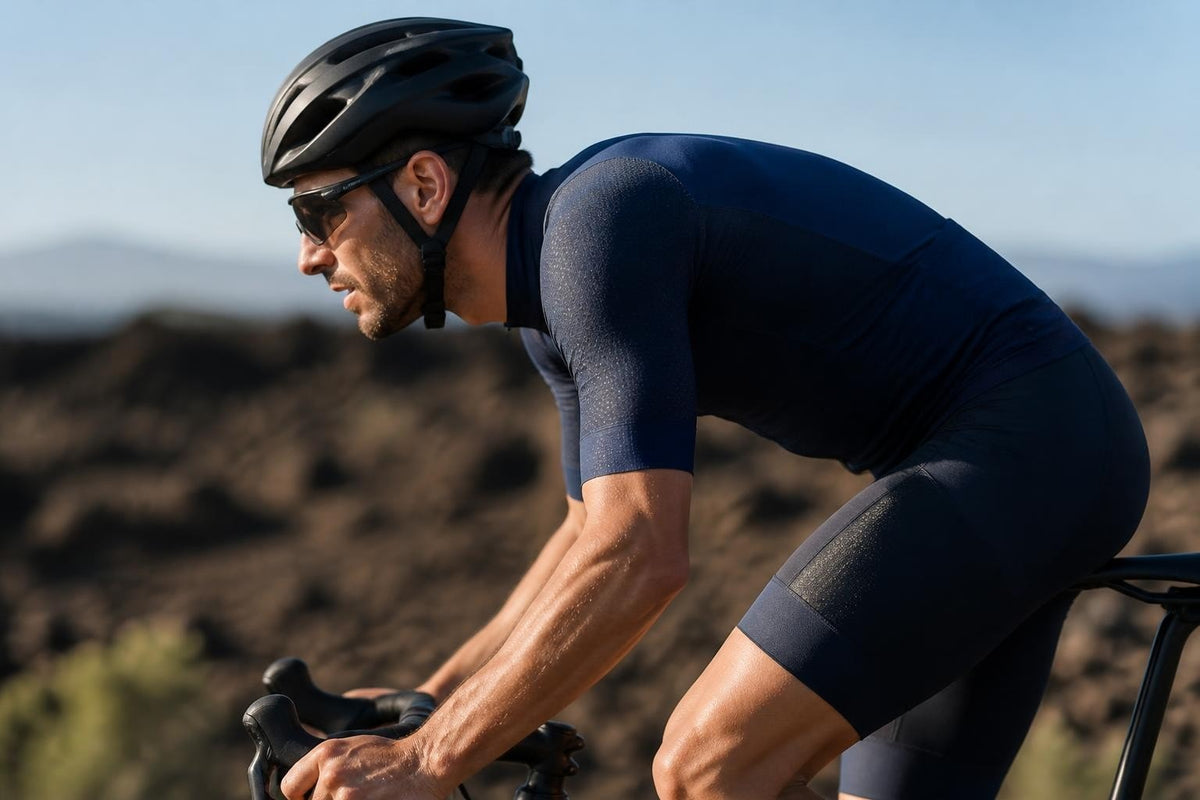
Speed on the bike comes from more than just watts and gearing. An aero bike jersey can shave seconds off your time by reducing drag, keeping fabric tight where it matters, and managing airflow across your body. These specialized garments blend materials science, computational fluid dynamics, and advanced manufacturing to give riders a measurable edge. Whether you're racing against the clock or chasing personal records, understanding what makes an aero bike jersey fast helps you make informed decisions about your kit.
The Science Behind Aerodynamic Cycling Apparel
Aerodynamic resistance accounts for roughly 70 to 90 percent of total resistance at racing speeds. This reality has driven decades of research into how clothing interacts with airflow.
A comprehensive CFD study on cyclist time-trial positions demonstrates that garment choice and fit directly influence drag coefficients. The study shows that even small changes in fabric texture, seam placement, and fit tolerance can alter the boundary layer around a rider's torso and arms.
How Fabric Texture Manages Airflow
Traditional cycling jerseys prioritize breathability and comfort. An aero bike jersey prioritizes laminar flow. Smooth fabrics were once thought to be fastest, but wind tunnel testing revealed a more nuanced story.
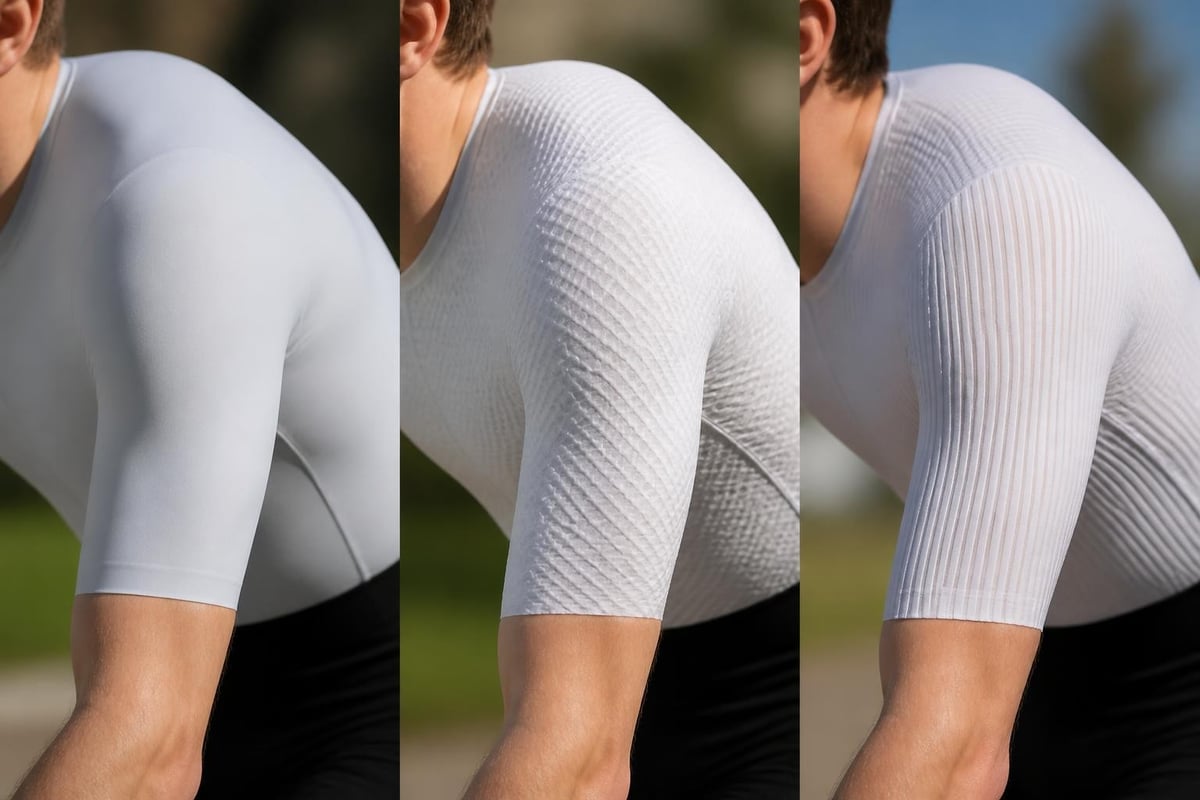
Textured surfaces can trip the boundary layer from laminar to turbulent at strategic points, delaying flow separation and reducing overall drag. This principle, borrowed from golf ball dimples and shark skin, explains why many modern aero jerseys feature:
- Ribbed or dimpled panels on the sleeves and shoulders
- Smooth fabrics on the chest and lower back
- Transitional zones where different textures meet
Research published in the Journal of Wind Engineering & Industrial Aerodynamics confirms that rider morphology and small design features interact in complex ways. A texture that works well on one body type or riding position may not perform identically on another.
Fit Architecture and Compression Zones
Loose fabric flutters in the wind, creating drag spikes and noise. An aero bike jersey must fit snugly without restricting breathing or movement.
Race Cut vs. Aero Cut
Standard race-cut jerseys offer a trim fit. Aero-cut jerseys take this further by eliminating excess material and using pre-shaped panels that conform to a forward riding position.
| Feature | Race Cut | Aero Cut |
|---|---|---|
| Sleeve length | Shorter, sits mid-bicep | Longer, extends to elbow or beyond |
| Torso length | Standard, slight drop tail | Extended drop tail, wraps lower back |
| Shoulder seam | Traditional placement | Shifted rearward for tucked position |
| Waist tension | Moderate | High, often with silicone grippers |
The extended sleeves on an aero bike jersey serve a dual purpose. They cover more skin, reducing surface friction, and they place the sleeve termination point in a lower-drag zone of the arm. Wind tunnel data shows that sleeves ending at or just above the elbow can reduce drag by 2 to 4 percent compared to traditional short sleeves.
Compression and Stability
Graduated compression zones keep fabric stable at speed. Without sufficient tension, even aerodynamic fabrics will ripple and flap. Strategic compression also supports muscles during prolonged efforts, though the primary goal remains aerodynamic.
Modern aero jerseys use variable-density knits. Tighter panels appear on the arms and across the chest, while slightly more relaxed zones sit over the shoulder blades and lower back to accommodate breathing and posture shifts.
Material Selection and Manufacturing Precision
An aero bike jersey begins with yarn selection. Polyester and nylon blends dominate because they hold shape, wick moisture, and accept sublimation dye without bleeding or fading.
Sublimation printing bonds ink directly into the fiber at the molecular level. This process, when executed with precision, creates graphics that never crack, peel, or add weight. At CCN Sport, our advanced sublimation process ensures vibrant, durable designs, while our skilled team brings expertise to every step, from stitching to finishing. This attention to detail makes custom cycling apparel a practical choice for teams seeking both performance and personalized branding.
Seam Placement and Flatlock Stitching
Every seam disrupts airflow. Engineers minimize seam count and position remaining seams along low-drag zones or in locations where they act as intentional turbulators.
Flatlock stitching reduces seam height compared to traditional overlock. This subtle difference matters at 40 km/h and above, where even millimeter-scale protrusions create measurable drag.
- Shoulder seams shifted to the rear
- Side seams eliminated or moved to underarm shadow zones
- Waistband constructed with bonded hems instead of folded elastic
Wind Tunnel Testing and Real-World Validation
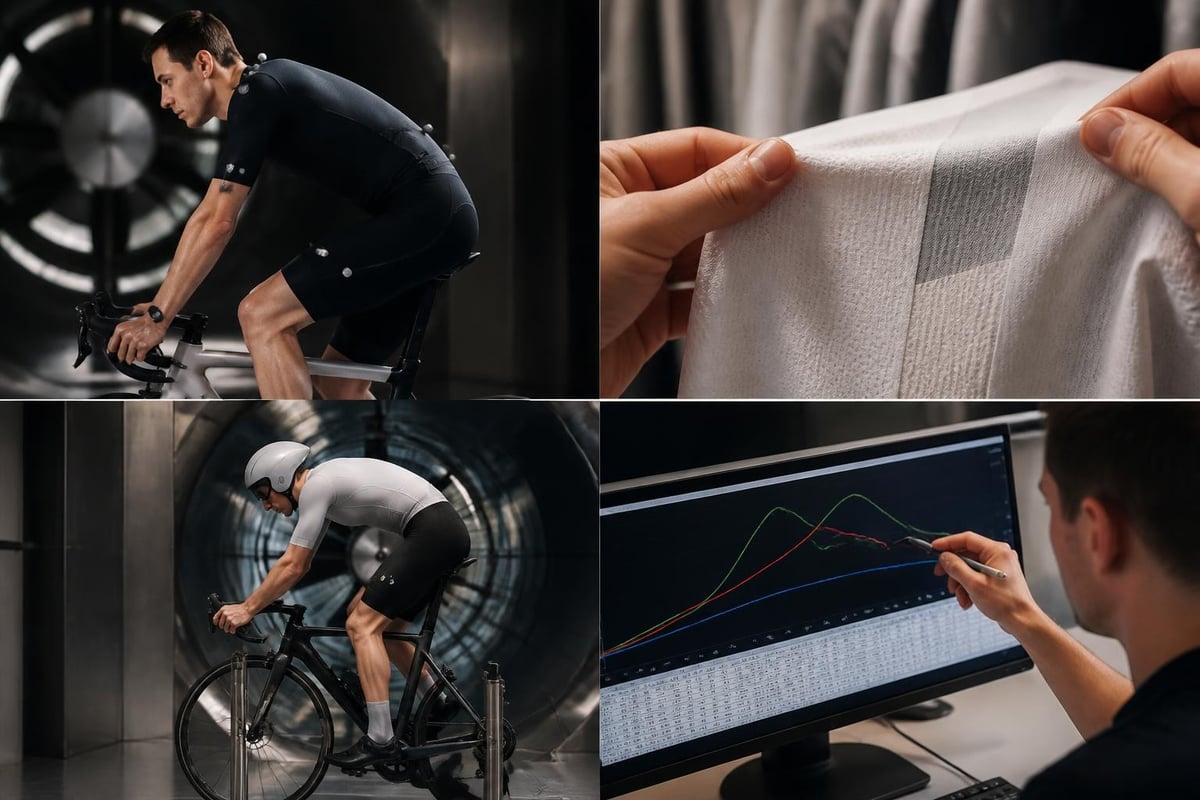
Laboratory testing provides controlled conditions, but real-world cycling introduces variables: crosswinds, varying speeds, and rider-specific posture. Wind-tunnel experiments investigating crosswinds and leg positions demonstrate that garment performance shifts with yaw angle and pedaling dynamics.
Standardized Testing Protocols
The development of standardized wind-tunnel testing protocols for cycling aerodynamics has brought consistency to aero claims. Facilities like the Silverstone Sports Engineering Hub use repeatable mannequin setups, fixed air speeds, and calibrated force balances to measure drag differences as small as 0.5 watts.
Key test parameters include:
- Air speed (typically 40 to 50 km/h)
- Yaw angle (0° headwind and ±10° to ±20° crosswind)
- Rider position (time trial vs. road race posture)
- Surface texture and fabric tension
- Seam and closure configuration
Teams conducting their own testing often run multiple iterations, swapping fabrics, adjusting sleeve length, and fine-tuning fit until they find the optimal combination for their riders.
Regulatory Considerations and UCI Compliance
Performance apparel must balance speed with legality. The UCI's official guidance on skinsuits and clothing rules sets limits on surface roughness, non-essential devices, and fabric thickness.
Surface Roughness Limits
The UCI prohibits any surface modification designed solely to manipulate airflow if it exceeds specified roughness thresholds. This rule prevents extreme texturing or attachment of aerodynamic devices to garments.
An aero bike jersey must remain recognizably clothing. Ribbed panels and subtle dimples pass scrutiny, but aggressive vortex generators or rigid fairings do not.
Sleeve Length and Coverage
Race regulations allow sleeves to extend no further than one centimeter above the elbow in road events. Time trial rules are more permissive, allowing full-length sleeves and integrated arm coverage. Understanding these distinctions helps teams select the right jersey for each event.
| Event Type | Maximum Sleeve Length | Skin Coverage | Zipper Required |
|---|---|---|---|
| Road race | 1 cm above elbow | Arms exposed below sleeve | Yes, front center |
| Time trial | Full arm (no wrist limit) | Full arm coverage allowed | Optional (many use half-zip) |
| Track sprint | Varies by discipline | Typically minimal | Often eliminated |
Integrating Aerodynamics with Thermal Management
Speed-focused design sometimes conflicts with comfort. An aero bike jersey that overheats a rider costs more time than it saves.
Ventilation Strategies
Engineers incorporate ventilation without sacrificing aerodynamics by using:
- Strategically placed mesh panels in low-airflow zones (underarm, lower back)
- Perforated fabrics that maintain surface texture while allowing moisture escape
- Wicking liners that pull sweat away from skin before it saturates outer layers
The challenge lies in balancing air permeability with aerodynamic smoothness. Too much perforation disrupts the boundary layer; too little traps heat.
Climate-Specific Variants
Cold-weather aero jerseys layer thermal fabrics beneath aero shells. Elite teams prioritize aero fabric as the outermost layer, adding base layers underneath to maintain thermal comfort while preserving aerodynamic gains.
This approach allows a single aero bike jersey design to serve multiple temperature ranges, reducing inventory complexity for teams.
Customization and Team Identity
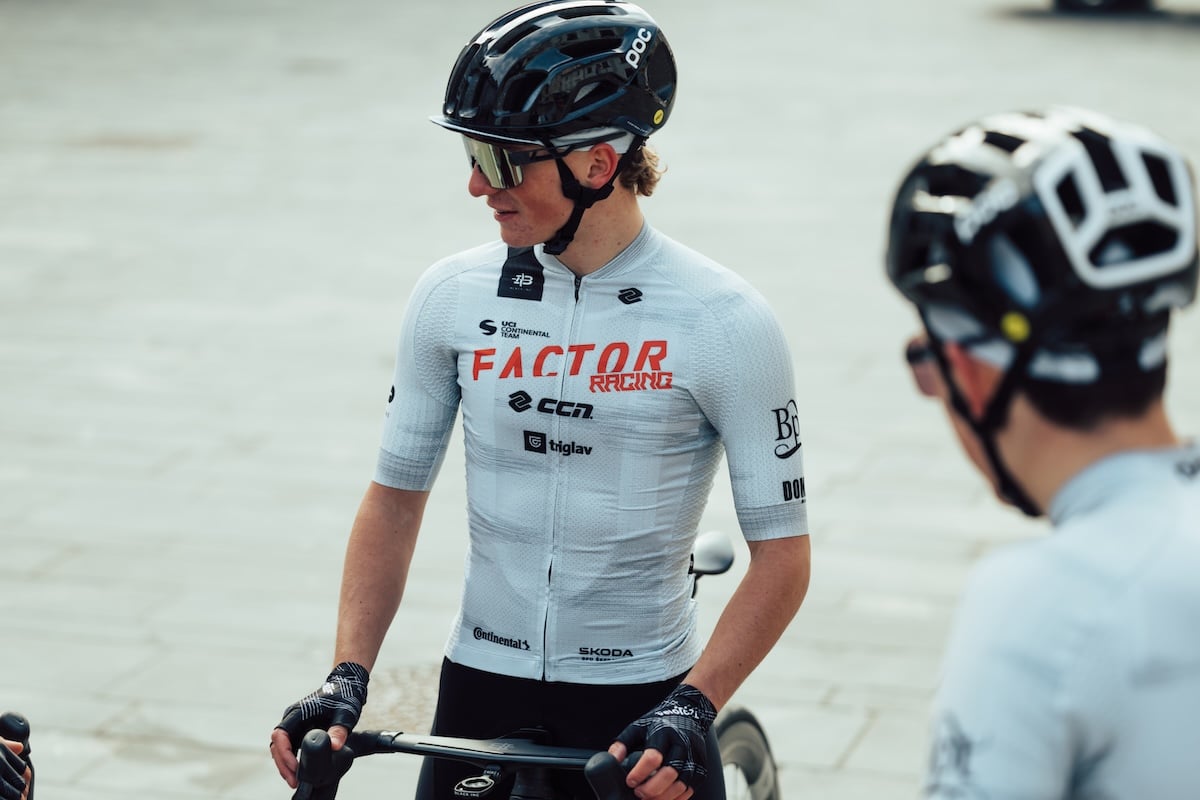
Aerodynamic performance does not require sacrificing team colors or sponsor visibility. Sublimation technology allows full-color graphics without adding weight or disrupting fabric texture.
Design considerations for custom aero jerseys include:
- Sponsor logo placement in smooth-fabric zones to avoid texture conflicts
- Color blocking that follows panel seams for clean transitions
- Reflective elements integrated into low-drag areas for visibility
Teams working with manufacturers should request wind tunnel validation for custom designs, especially if logos or graphics cover large surface areas. Small changes in print thickness or vinyl application can measurably affect drag. For guidance on minimums and production timelines, many teams benefit from exploring low minimum custom cycling jerseys to test designs before committing to full team orders.
Selecting the Right Aero Jersey for Your Needs
Not every rider needs the most aggressive aero bike jersey. Match garment characteristics to event type, personal priorities, and budget.
Event-Specific Recommendations
Time trials and triathlons benefit most from maximum aero optimization. Riders hold steady positions for extended periods, and every watt saved translates directly into faster times. Choose jerseys with extended sleeves, tight torso fit, and textured fabrics validated in the wind tunnel.
Road races and criteriums demand more versatility. Aerodynamics still matter, but pockets for nutrition, easier access zippers, and moderate fit allow better in-race functionality. A semi-aero jersey balances speed with practicality.
Gran fondos and endurance events prioritize comfort over marginal gains. A lightly aero-optimized jersey with generous pockets, relaxed fit in the shoulders, and enhanced breathability will outperform a restrictive speed suit over six hours of varied terrain.
Fit Assessment and Sizing
An aero bike jersey should feel snug but not constricting. When standing upright, fabric may feel tight across the chest and shoulders. Once in the riding position, this tension should distribute evenly without pulling or bunching.
Key fit checkpoints:
- Sleeves remain in place without riding up during arm movement
- Lower back stays covered when reaching for the handlebar drops
- No loose fabric under the arms or across the lower torso
- Neck opening sits flat without gaping or choking
Many brands offer fit guides, but personal trial remains essential. Body shapes vary, and a jersey optimized for one rider may not suit another. Consulting resources like a cycling jersey fit guide can help identify what to look for before ordering.
Maintenance and Longevity
Aerodynamic garments require careful handling to maintain performance. Sublimated graphics and technical fabrics tolerate hundreds of wash cycles if treated properly.
Washing Best Practices
- Use cold water and mild detergent without fabric softeners
- Avoid high-heat drying; air dry or use low tumble settings
- Turn jerseys inside out to protect exterior texture
- Zip all closures to prevent snags during washing
Fabric softeners coat fibers and can alter surface texture, degrading aerodynamic properties. Similarly, high heat degrades elasticity and can cause sublimated colors to fade over time.
Inspection and Replacement
Check seams and fabric tension regularly. Over time, elastic loses recovery, and tight-fitting jerseys become loose. Once a jersey no longer holds its shape in the riding position, its aerodynamic advantage diminishes.
Replace jerseys when:
- Fabric shows visible pilling or thinning
- Seams begin to separate or fray
- Arm or waist grippers lose elasticity
- Sublimated graphics crack or peel (rare with quality printing)
The Future of Aerodynamic Cycling Apparel
Ongoing research continues to refine what constitutes an optimal aero bike jersey. Advances in computational fluid dynamics, material science, and manufacturing precision promise even faster garments in coming years.
Emerging Technologies
3D knitting enables seamless construction, eliminating drag-inducing seams entirely while creating variable compression zones within a single piece of fabric. Early prototypes show measurable drag reductions compared to traditional cut-and-sew methods.
Smart fabrics with embedded sensors could eventually provide real-time feedback on fit, body temperature, and aerodynamic efficiency. While still in research phases, these technologies may one day optimize jersey performance dynamically during rides.
Biomimetic textures inspired by natural surfaces continue to evolve. Research into shark skin, bird feathers, and insect wings informs new fabric treatments that manage airflow more effectively than current ribbed or dimpled designs.
Accessible Performance
As manufacturing costs decrease and testing becomes more standardized, aero bike jerseys are no longer exclusive to professional teams. Amateur racers, triathletes, and serious enthusiasts now access garments that deliver measurable speed gains at accessible price points.
This democratization benefits the broader cycling community. More riders experience the advantages of aerodynamic apparel, and increased demand drives further innovation and refinement.
An aero bike jersey represents the intersection of materials science, aerodynamics, and precision manufacturing. Choosing the right garment means understanding your event demands, prioritizing fit and comfort alongside speed, and working with manufacturers who validate their designs through rigorous testing. At CCN Sport, we combine over 20 years of sublimation expertise with advanced manufacturing to deliver custom cycling apparel that performs at the highest level. Whether you need a single prototype or full team kits, our facilities in China and the Philippines turn your vision into race-ready reality.

Share:
How Long Do Bib Shorts Last? Know the Signs
Winter Cycling Clothes: Essential Guide for Cold Weather Riding