

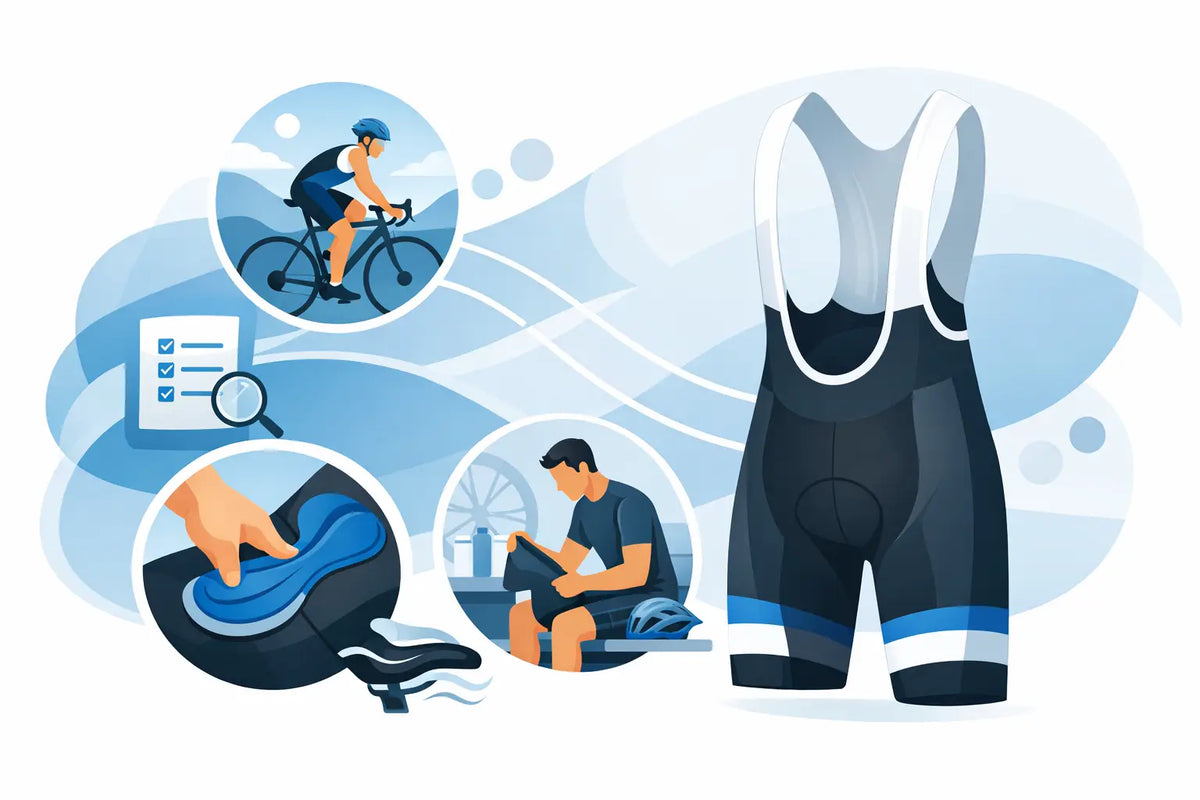
A custom bib shorts review should start where every serious ride ends: with the contact points. A sharp-looking team kit means little if the straps pull, the leg grippers creep, or the chamois creates pressure after two hours in the saddle. For riders and team managers, custom bib shorts are not simply a branding decision. They are a performance purchase that affects comfort, confidence, and how consistently riders want to wear the kit.
The right pair can support long training blocks, race-day efforts, gravel vibration, and repeat wash cycles without losing shape. The wrong pair can turn a well-designed custom program into the kit riders leave at the back of the drawer. Here is what separates a race-ready custom bib short from one that only looks good in a mockup.
Custom Bib Shorts Review: Start With the Ride, Not the Artwork
Custom artwork matters. It gives a club, business, development program, or race team a clear identity on the road. But shorts demand a different evaluation than jerseys because their most important features are felt rather than seen.
Before choosing a custom bib short platform, define how the group rides. A criterium team prioritizing high-intensity race fit may want firm compression and minimal movement at speed. A club built around weekend centuries may place more value on all-day chamois support and forgiving strap construction. Gravel riders need stable materials that remain comfortable while moving around the bike, while triathletes may need a pad designed for a different position and faster transitions.
One bib short cannot be ideal for every use case. That is not a weakness in the product category. It is a reason to match the construction to the riders and miles it will face.
Fit Is the First Performance Feature
A quality bib short should feel supportive before it feels tight. Compression panels should sit smoothly against the legs and glutes, helping the garment stay in place without restricting hip movement or making breathing feel constrained. When the fit is correct, the shorts disappear once the ride settles in.
Pay close attention to the relationship between the torso length, straps, and chamois placement. Riders with longer torsos often notice strap tension first. Riders with shorter torsos may find that excess material bunches through the lower back or abdomen. A bib short that fits well while standing can still create problems in a riding position, which is why on-bike testing matters.
Leg length is also more than a style preference. A longer inseam can improve coverage and keep the short stable over the quadriceps. A shorter cut may suit riders who prefer greater freedom around the knee. In either case, the leg opening should remain flat and secure without leaving a harsh ridge in the skin.
For team orders, sizing samples are worth the time. Fit charts are useful, but they cannot fully account for body proportions, personal compression preference, or a rider’s position on the bike. A sample session reduces exchanges, improves team satisfaction, and gives riders confidence before the final order goes into production.
What to Check During a Fit Test
Test bib shorts in the position where they will be used. Spend time seated on the bike, not just standing in front of a mirror. Look for four clear signals:
- The chamois stays centered beneath the sit bones without folding or drifting forward.
- The straps hold the short in place without digging into the shoulders or chest.
- The leg bands remain secure through pedaling, standing efforts, and walking.
- The fabric stays opaque and smooth when stretched over the saddle and through the hips.
The Chamois Decides the Long-Ride Verdict
The chamois is the component riders remember most. It should provide support where pressure is concentrated while avoiding unnecessary bulk between the rider and saddle. Thick does not automatically mean comfortable. A pad that is too dense or too wide can create friction, hold moisture, and feel intrusive during high-cadence efforts.
A well-designed chamois uses shaped foam densities rather than one uniform layer. Higher-density zones support the sit bones, while more flexible sections allow the pad to move with the body. The cover fabric should manage moisture and reduce surface friction, especially during hot rides or hard intervals.
Riders should assess chamois comfort over time, not in the first ten minutes. Early impressions can be misleading. A better test includes sustained seated climbing, steady tempo, standing accelerations, and time in an aerodynamic position. Notice whether the pad remains quiet and stable, or whether it begins to bunch, shift, or create hot spots.
Saddle choice matters here as well. A narrow race saddle and a wider endurance saddle load the body differently. Teams with varied rider preferences should choose a versatile, anatomically shaped chamois rather than assuming a single ultra-race-focused pad will suit everyone.
Fabric and Panel Construction Should Work Under Load
Premium bib shorts rely on purposeful paneling. Each fabric section should contribute to support, airflow, durability, or freedom of movement. A dense, compressive main fabric can help stabilize muscles and maintain a close race fit. Stretch panels around the hips and lower back allow natural motion. Breathable mesh straps improve ventilation while reducing the heavy, sweaty feeling that can develop in warm conditions.
The key test is recovery. After repeated rides and washes, the short should return to its original shape. Fabric that bags out around the seat or loses tension at the leg opening will compromise fit quickly, even if the first ride felt good.
Seams deserve the same scrutiny. Flat, carefully positioned seams reduce the chance of rubbing and should follow the body rather than cutting across high-friction areas. Inspect the inner-thigh region, where pedal motion and saddle contact create repeated stress. Clean stitching and durable thread are practical signs that the garment is built for regular use, not occasional events.
Custom printing adds another consideration. The color and graphics should remain crisp while the fabric stretches. On a black or dark base, this may be less noticeable. On lighter designs, especially across the hips and rear panels, riders should check for transparency when the fabric is under tension. A strong custom manufacturer will place artwork with panel movement in mind, not treat the short as a flat canvas.
Details That Matter More Than They Seem
Small construction choices often determine whether riders reach for a bib short all season. Leg grippers should use broad, stable silicone or elastic support rather than a narrow strip that rolls or pinches. Straps should be breathable and resilient, with enough stretch to accommodate movement without losing recovery.
For practical training use, consider whether the bib short supports quick comfort breaks. Some riders prioritize traditional straps for their secure, simple construction. Others may prefer a drop-tail or easy-access design, particularly for women’s-specific bib shorts. Neither option is universally better. The right choice depends on ride duration, weather, and the rider’s priorities.
Reflective elements can be useful for dawn starts and evening training. Storage may matter to gravel and adventure riders, where cargo pockets can reduce the need for an additional bag. Road racers, by contrast, may favor a cleaner, lighter silhouette. These features should serve the discipline, not complicate the design.
Durability Is Part of the Real Cost
The cheapest custom bib short is rarely the best value if it loses compression, fades, or breaks down after a short season. Teams should evaluate cost over the expected number of rides, not only the initial price per unit.
Wash durability is especially revealing. Bib shorts should handle regular laundering without the pad stiffening, straps stretching out, or printed panels becoming dull. Riders can extend service life by washing promptly after use, using cool water and mild detergent, and avoiding fabric softeners and high heat. But good care cannot compensate for weak materials or inconsistent construction.
A factory-direct partner can make a meaningful difference here. With in-house production, CCN Sport can maintain closer control over materials, construction, color execution, and the details that affect repeat performance. For clubs and teams, that control also supports more reliable reorders when new riders join or a program expands.
Ordering Custom Shorts Without Creating Team Problems
A successful custom order balances performance choices with a process riders can actually follow. Start by selecting a bib platform that fits the majority of the group’s riding style, then make sizing and approval steps clear before collecting orders. Do not assume every rider knows their preferred fit level or has worn premium bib shorts before.
Share fit guidance early. Give riders enough time to test samples where possible, and make the order deadline firm. For the design itself, keep critical sponsor marks and club elements away from areas where seams, stretching, or saddle contact may disrupt them. Shorts are high-motion garments, so clean design placement usually performs better than overly intricate visual treatment.
Team managers should also think beyond the first delivery. Will the supplier support low-quantity additions? Can the same design be reordered for new members? Is the selected platform likely to remain available? These operational details matter when a team wants a consistent look across an entire season.
The best custom bib short is the one riders stop thinking about after the first mile. It stays stable through the hard efforts, supports the long days, and still looks like the team belongs on the start line. Choose the platform with that standard in mind, then let the artwork carry the identity it has earned.

Share:
Men and Women Cycling Kit Guide for Better Rides
How to Prevent Cycling Bib Chafing on Long Rides