

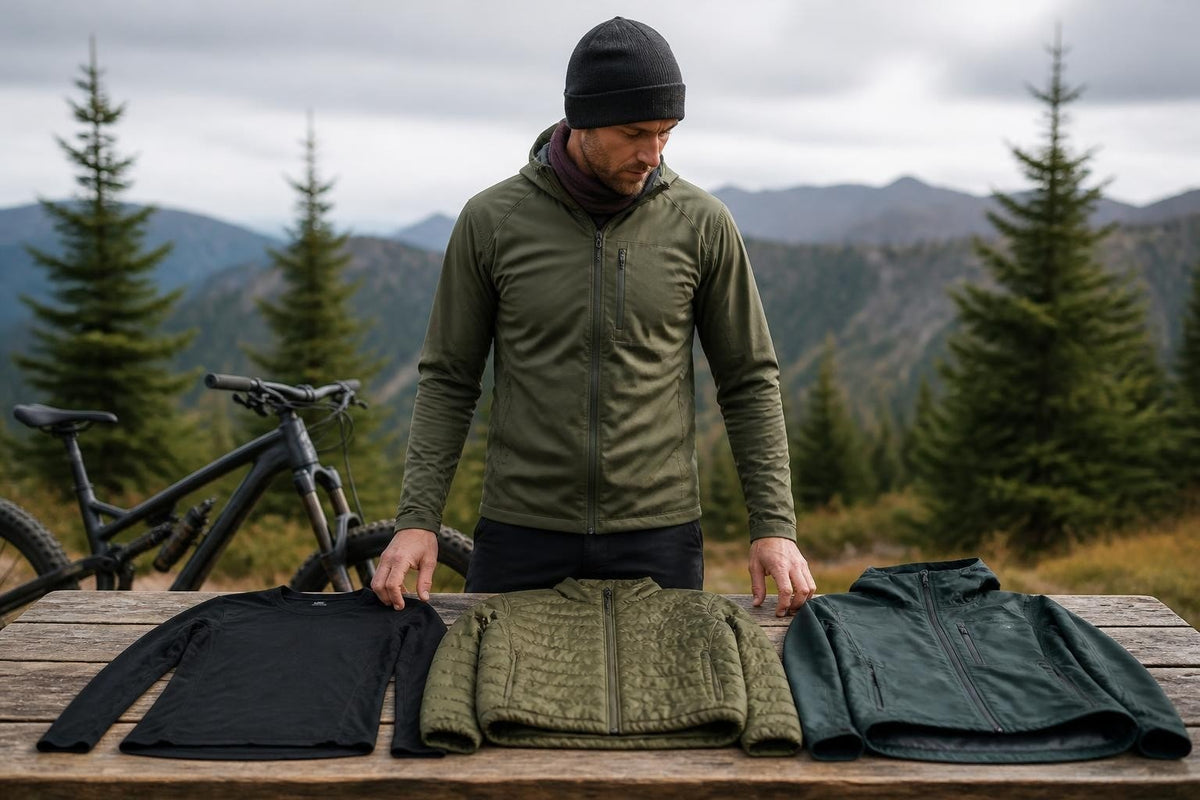
Winter mountain biking demands a different approach to clothing than summer trail riding or road cycling. Cold temperatures, variable exertion levels, mud, and unpredictable weather create unique challenges for riders who refuse to let the season end their time on dirt. Choosing the right mtb winter wear transforms miserable frozen rides into comfortable adventures, keeping you warm during climbs, protected on descents, and dry when conditions turn wet. This comprehensive guide breaks down everything you need to know about layering, fabric selection, and specific gear choices to keep riding through the coldest months of 2026.
Understanding the Winter MTB Challenge
Mountain biking in winter presents distinct thermal management problems compared to other cold-weather cycling disciplines. Unlike road riding with sustained efforts, trail riding involves dramatic variations in intensity.
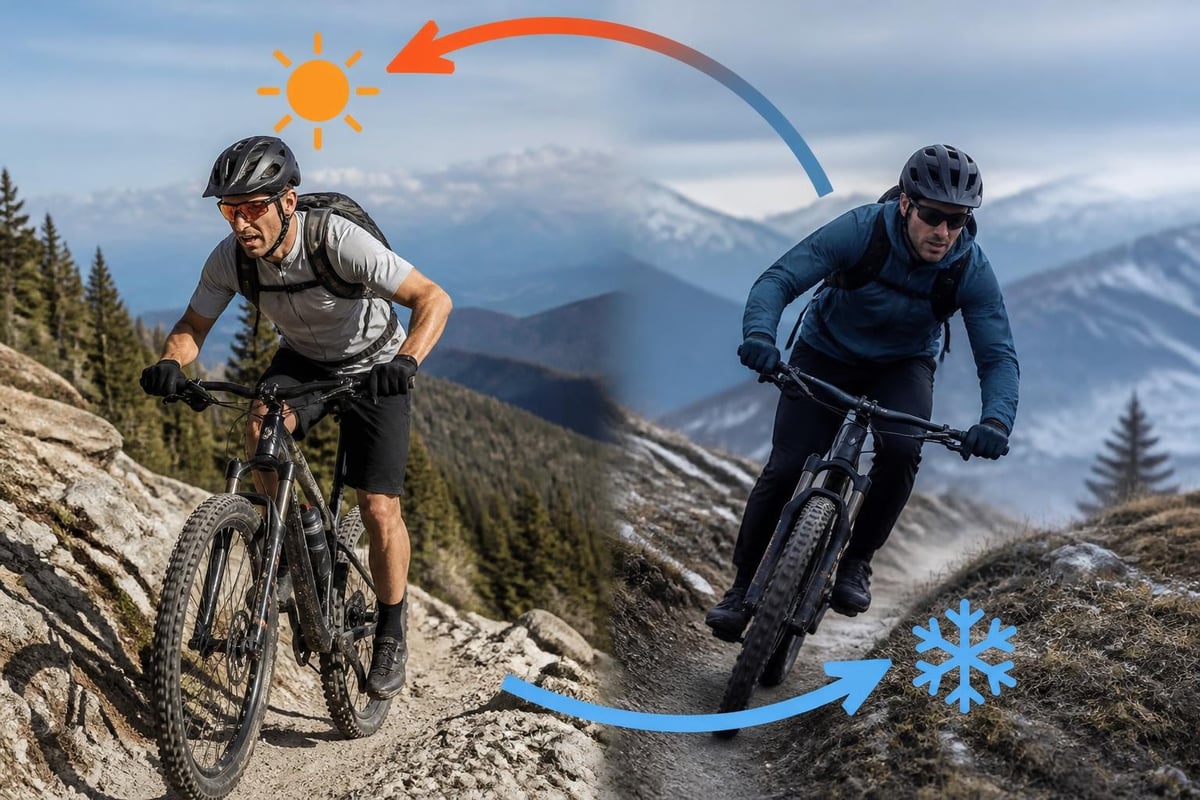
Steep technical climbs generate massive heat output, flooding your system with sweat. Minutes later, a technical descent at 15 mph in 25°F air creates windchill that plummets perceived temperature. This constant fluctuation between overheating and freezing requires mtb winter wear that adapts quickly.
Why Road Winter Gear Fails on Trails
Road cycling winter clothing typically prioritizes aerodynamics and sustained moderate intensity. Mountain bikers face different demands:
- Increased upper body movement requiring flexible, less restrictive cuts
- Mud and trail spray demanding durable, easy-to-clean materials
- Crash protection necessitating abrasion-resistant fabrics
- Riding position variety calling for longer backs and articulated knees
Standard road winter tights or jackets simply don't account for the body positions, impacts, and environmental exposure unique to trail riding. Purpose-built mountain bike winter apparel addresses these specific challenges while maintaining thermal regulation principles.
The Three-Layer Foundation System
Effective mtb winter wear follows the proven three-layer principle adapted for trail-specific demands. Each layer serves a distinct purpose and works synergistically with the others.
| Layer | Function | Key Characteristics | Temperature Range |
|---|---|---|---|
| Base | Moisture management | Merino wool or synthetic, fitted | All conditions |
| Mid | Insulation | Fleece or light synthetic, breathable | Below 45°F |
| Outer | Weather protection | Wind/water resistant, vented | Variable |
Base Layer Essentials
The foundation of any winter riding system starts against your skin. Your base layer must move moisture away from your body while providing the first level of insulation. Research on exercise thermoregulation demonstrates how fabric choice directly impacts performance and comfort during variable-intensity activities like mountain biking.
Merino wool remains the gold standard for mtb winter wear base layers. Natural antimicrobial properties mean you can wear the same base layer multiple days without odor issues. Wool maintains insulation even when damp, critical during multi-hour winter epics.
Synthetic base layers excel in specific conditions. Polyester or polypropylene blends dry faster than wool and cost significantly less. For riders who generate enormous heat output or live in wet climates where nothing stays dry, synthetics offer practical advantages. CyclingNews' base layer testing provides detailed comparisons across fabric weights and materials.
Weight selection matters enormously. Lightweight (150 g/m²) bases work for high-intensity riding above 35°F. Midweight (200 g/m²) handles most winter conditions between 20-40°F. Heavyweight (250+ g/m²) bases suit extremely cold days or riders who run perpetually cold.
Insulation Layer Strategy
Your mid-layer traps warm air while allowing moisture vapor to escape. This layer sees the most variation based on conditions and personal thermoregulation.
Fleece remains popular for good reason. Breathable, affordable, and available in multiple weights, fleece provides excellent warmth-to-weight ratio. Grid-pattern fleece improves breathability by reducing fabric contact with skin while maintaining insulation in the grid structure.
Synthetic insulation jackets using PrimaLoft or similar materials offer superior warmth in a thinner package. These work exceptionally well as a packable layer you wear on descents but stuff in your pack during climbs. The compressibility factor makes them practical for backcountry rides where you need to carry all your gear.
Softshell jackets blur the line between mid and outer layers. These typically combine light insulation with wind and water resistance in a single garment. For many riders in moderate winter climates, a quality softshell over a base layer provides sufficient protection without the bulk of a full three-layer system.
Outer Layer Requirements
Your shell protects against wind, precipitation, and trail spray. Unlike road cycling where lightweight packable jackets suffice, mountain biking demands more robust outer layers.
Wind resistance matters more than full waterproofing for most winter trail riding. A windstopper-style jacket blocks cold air while maintaining better breathability than fully waterproof membranes. You'll stay drier from managing internal moisture than you would in a waterproof jacket that traps sweat.
Ventilation options separate good mtb winter wear from inadequate options. Look for:
- Chest zippers for quick venting during climbs
- Pit zips to dump core heat
- Back vents that open when you're in riding position
- Adjustable cuffs and hems to control air flow
Durability cannot be compromised. Mountain bike jackets take abuse from branches, falls, and pack straps. Reinforced shoulders and elbows extend garment life significantly.
Lower Body Winter Protection
Legs generate enormous heat during pedaling, requiring a different approach than upper body layering. Most mountain bikers resist wearing tights or pants, but winter conditions demand coverage.
Tights and Pants Selection
Winter tights for mountain biking need features rarely found in road versions. Reinforced seat and knee panels resist abrasion from bike contact and crashes. Articulated knees with stretch panels allow full range of motion for technical riding. Water-resistant or waterproof front panels block windchill and trail spray while breathable backs prevent overheating.
Many riders prefer baggy winter mountain bike pants over form-fitting tights. These typically feature a fleece-lined interior with a durable water-repellent (DWR) treated outer shell. The looser fit accommodates knee pads underneath-essential for winter riding when frozen ground makes crashes more consequential.
Temperature dictates fabric weight. Lightweight tights work from 40-50°F. Medium-weight handles 30-45°F. Heavyweight or double-layer systems become necessary below 30°F for most riders.
Knee and Leg Warmers
Removable leg warmers provide maximum flexibility for rides spanning multiple temperature zones. Start cold mornings with warmers on, then stuff them in a pack or pocket when temperatures rise or effort increases.
Quality leg warmers stay in place without elastic bands that restrict circulation. Silicone gripper strips at the top prevent migration during riding. Fleece-lined versions add significant warmth for minimal weight and bulk.
Knee warmers alone protect the joint itself while leaving the calves exposed for better heat management. This works well for riders who generate substantial leg heat but need to protect cold-sensitive knees.
Extremity Protection: Hands, Feet, and Head
Fingers, toes, and ears suffer disproportionately in cold conditions due to reduced blood flow during intense exercise. Proper mtb winter wear for extremities makes the difference between enjoyable rides and shortened, miserable outings.
Glove Systems for Winter Riding
Winter mountain bike gloves face contradictory demands. You need warmth, but also tactile feedback for braking and shifting. You need weather protection, but also grip in wet conditions.
Consider a two-glove system. Lightweight merino liner gloves provide a base layer for your hands. Over these, wear medium-weight synthetic or leather gloves in moderate cold (35-45°F). When temperatures drop further, switch to insulated winter gloves or lobster-claw mittens over the liners.
Palm material matters for control. Synthetic leather or textured rubber maintains grip on wet grips better than smooth leather. Knuckle protection in the form of light padding or reinforcement adds warmth and crash protection.
Waterproof gloves sound ideal but often trap moisture from sweat. Water-resistant gloves with DWR treatment shed light rain and spray while breathing better. Bring a second pair on long rides-switching to dry gloves midway transforms comfort.
Footwear and Shoe Covers
Feet present unique challenges in mtb winter wear because they're locked in place on pedals with limited blood flow. Platform pedal riders have more options, but clipless users face tougher thermal management.
Neoprene shoe covers block wind and water while adding a few degrees of warmth. They're most effective when sized generously enough to trap air. Tight covers that compress insulation provide minimal benefit. For mountain biking, mountain bike winter clothing options need to accommodate cleat systems while providing trail-worthy durability.
Winter-specific cycling shoes with built-in insulation and weather resistance eliminate the need for covers. These typically feature fewer vents, thicker uppers, and sealed seams. The downside is limited use beyond winter months and higher cost.
Wool socks remain unmatched for cold-weather cycling. Merino wool cycling socks in medium to heavy weights provide warmth even when damp. Avoid cotton entirely-it loses all insulating value when wet and stays wet indefinitely.
Boot-style winter cycling shoes designed for mountain biking offer maximum protection. These extend coverage above the ankle, incorporate waterproof membranes, and use aggressive tread for hike-a-bike sections. They're overkill for short rides but essential for extended winter trail adventures.
Head and Neck Coverage
A cycling cap under your helmet provides surprising warmth by covering ears and forehead. Merino or synthetic caps designed for winter cycling include ear flaps and moisture-wicking headbands.
Full balaclavas offer maximum protection for extreme cold. These cover your entire head, face, and neck, with openings for eyes and mouth. For brutal cold days below 20°F, a balaclava transforms comfort dramatically.
Neck gaiters or buffs provide adjustable coverage. Wear them around your neck for mild protection, or pull up over your nose and mouth when temperatures plummet or wind increases. Merino or synthetic fleece versions maintain warmth without bulk.
Fabric Technology and Material Selection
Understanding fabric properties helps you make informed choices when building your mtb winter wear collection. Not all materials perform equally across the varied demands of winter trail riding.
Natural vs. Synthetic Performance
| Characteristic | Merino Wool | Synthetic (Polyester) |
|---|---|---|
| Warmth when wet | Excellent | Poor to moderate |
| Odor resistance | Outstanding | Poor |
| Durability | Moderate | Excellent |
| Drying speed | Slow | Fast |
| Cost | High | Low to moderate |
| Temperature range | Broad | Broad |
Merino wool's natural crimp traps air effectively for insulation. The fiber absorbs moisture vapor but repels liquid water, keeping you warm even when damp. Lanolin provides inherent antimicrobial properties. The downside? Merino costs significantly more and wears out faster than synthetics.
Polyester and similar synthetics excel at moisture transport and durability. Modern technical polyester in base layers wicks sweat aggressively to outer layers. Synthetic insulation maintains loft when wet better than down while drying rapidly. However, synthetics develop odor quickly and provide poor warmth when soaked.
Many riders optimize by combining materials strategically. Merino base layer for moisture management and odor control, synthetic mid-layer for insulation, and synthetic shell for durability and weather protection.
Advanced Fabric Treatments
DWR (durable water repellent) treatments cause water to bead and roll off fabric surfaces rather than soaking in. This preserves breathability while shedding light rain and trail spray. DWR wears off with use and washing but can be reapplied with spray-on or wash-in treatments.
Windstopper or similar windproof membranes block air infiltration while allowing moisture vapor to escape. These laminates significantly increase a garment's temperature range while maintaining breathability better than waterproof membranes.
Merino blends combining wool with synthetic fibers offer a middle ground. Typical ratios like 80% merino/20% nylon improve durability while retaining most of wool's benefits. These blends dry faster than pure wool while maintaining better odor resistance than pure synthetic.
Adapting Layers to Conditions
Static layering systems fail during mountain bike rides that span multiple hours and varied terrain. BikeRadar's winter mountain biking guide emphasizes the importance of adjustable systems that respond to changing conditions and exertion levels.
Temperature-Based Guidelines
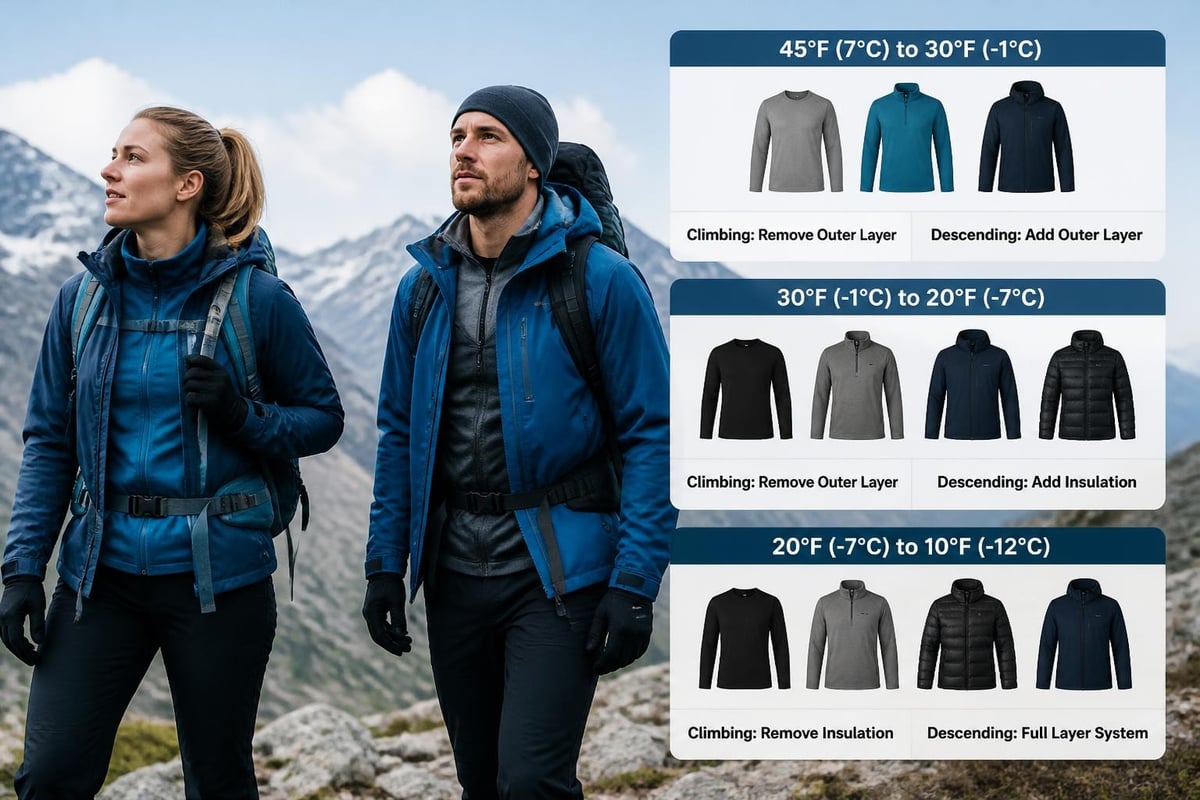
Above 45°F: Base layer plus windproof vest or lightweight jacket. Long-sleeve jersey works for some riders. Leg warmers or lightweight tights.
35-45°F: Base layer plus lightweight fleece or insulated vest. Windproof jacket for descents. Medium-weight tights or winter pants.
25-35°F: Base layer plus fleece mid-layer. Insulated jacket with vents. Heavyweight tights or insulated pants. Full-finger insulated gloves.
15-25°F: Heavyweight base, fleece mid-layer, insulated shell. Balaclava or heavy hat. Double-layer gloves or pogies. Insulated pants. Neoprene shoe covers minimum.
Below 15°F: Full three-layer system with heavyweight options. Face protection essential. Lobster-claw gloves or pogies. Boot-style winter shoes.
These guidelines shift based on individual thermoregulation, riding intensity, and weather factors like wind and precipitation. Understanding how temperature affects cycling performance helps riders dial in their personal systems.
Effort-Based Adjustments
Climbing generates 3-4 times more heat than descending at the same external temperature. Smart riders anticipate this:
For long climbs: Remove outer layer before starting. Open vents fully. Consider removing mid-layer on very steep sustained climbs.
Approaching descents: Add layers before cresting. Zip up vents. Pull on extra gloves or headwear.
Technical sections: These generate less heat than climbing but more than descending. Moderate layer choices accordingly.
Transition points: Stop at the top of climbs to add layers before descending. The 30 seconds invested prevents the first mile of descent misery that ruins the rest of the ride.
Visibility and Safety Considerations
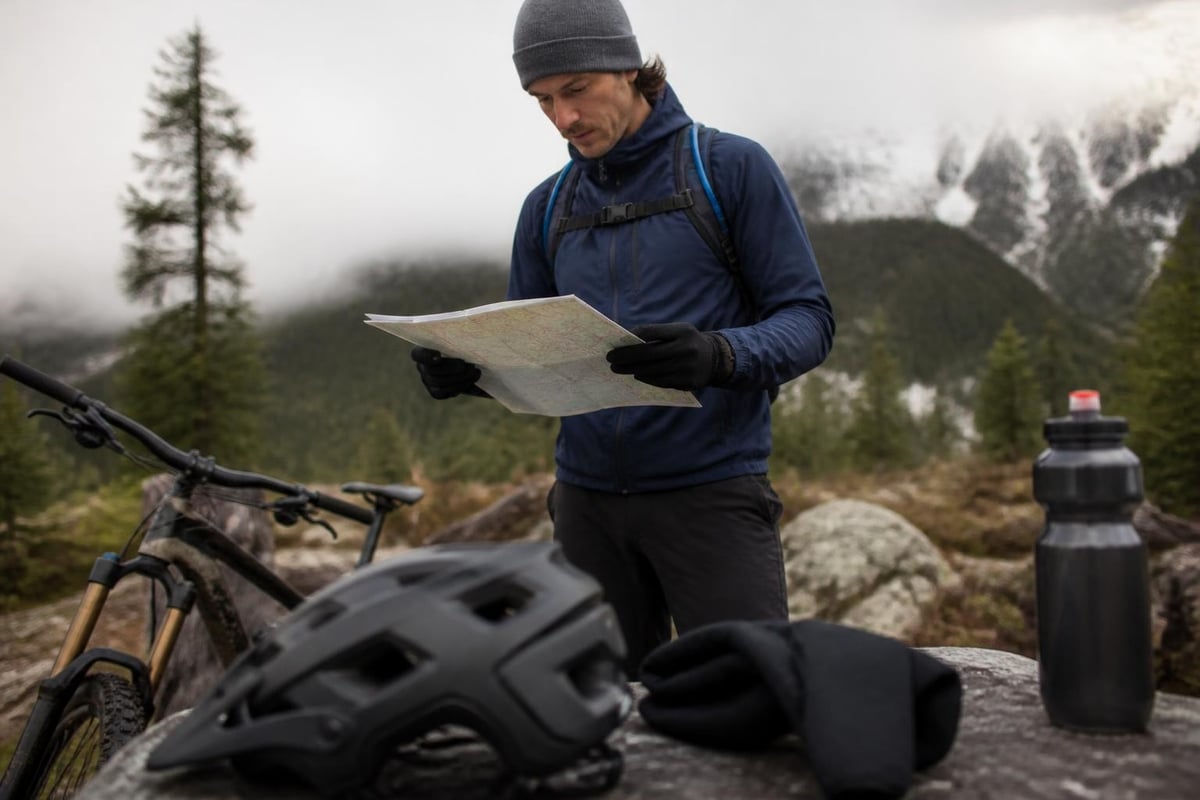
Winter riding often occurs in low-light conditions with decreased daylight hours. Your mtb winter wear should enhance visibility without compromising performance.
Reflective elements on jackets, tights, and gloves catch vehicle headlights during road sections or parking lot approaches. Reflective strips on moving joints (ankles, knees, elbows) create recognizable cyclist motion patterns that drivers identify more readily than static reflections.
Bright colors improve visibility in wooded trail environments where browns and grays dominate. Fluorescent yellow, orange, or lime green helps other trail users spot you earlier. This matters for safety on multi-use winter trails with limited sight lines.
Integrate lighting with winter clothing systems. Jacket loops designed to hold rear lights keep them visible despite multiple layers. Clear helmet vents accommodate mounting hardware for front and rear helmet lights without compromising fit.
Custom Apparel Solutions
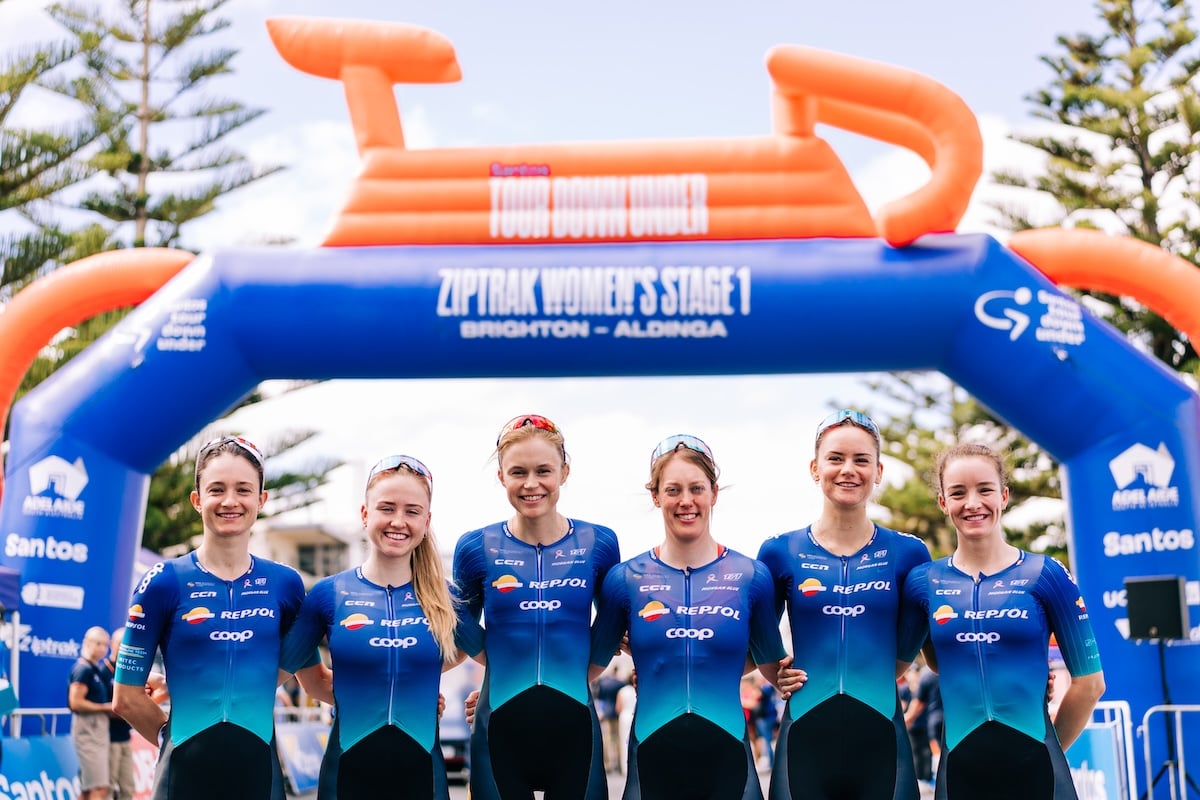
Many teams and clubs invest in custom mtb winter wear to outfit members with coordinated, branded kit suitable for cold-weather riding. At CCN Sport, our custom products address the specific needs of winter mountain biking through precision manufacturing and advanced materials.
Our sublimation process creates durable graphics that won't fade or peel through seasons of mud, washing, and UV exposure. This matters enormously for winter gear that sees harder use and more frequent washing than summer kit. Teams can incorporate sponsor logos, member names, and custom colorways into technical fabrics designed for cold-weather performance.
Maintenance and Care for Winter Gear
Winter cycling apparel takes a beating. Mud, sweat, and frequent washing accelerate wear. Proper care extends the life of your mtb winter wear investment significantly.
Washing Best Practices
Frequency: Wash base layers after every ride. Mid and outer layers can go 2-3 rides unless heavily soiled or sweated.
Detergent: Use technical fabric wash designed for cycling apparel. Regular detergents leave residues that clog fabric pores and reduce wicking performance. Avoid fabric softeners entirely-they coat fibers and destroy moisture management.
Temperature: Cold or warm water (30-40°C/86-104°F) maximum. Hot water degrades elastic and synthetic fibers.
Drying: Air dry whenever possible. Tumble drying on low heat works for most synthetics but damages merino wool and elastic. Never use high heat.
Storage Between Rides
Don't leave wet gear balled up in your riding pack. Moisture breeds bacteria and mildew that destroy fabric and create permanent odors. Hang everything to dry fully before storing.
Store winter cycling apparel in cool, dry locations away from direct sunlight. UV exposure degrades synthetic fabrics and fades colors over time. Fold rather than hang heavy items to prevent stretching.
Reapply DWR treatment to shells and pants at the beginning of each season. Wash-in treatments (Nikwax, Granger's) provide the most durable renewal. Spray-on treatments work for touch-ups but wear off faster.
Repair and Restoration
Small tears become major failures if ignored. Repair holes in shells with patch kits designed for technical fabrics. Seam tape reseals separated waterproof seams.
Replace worn elastic in tights and jacket hems before they lose all grip. This simple repair extends garment life by seasons. Most quality brands sell replacement elastic and zipper parts.
When insulation begins clumping or migrating in jackets, redistribute it by hand before washing. This maintains even warmth distribution and extends the useful life of the insulation layer.
Building Your Winter MTB Wardrobe Strategically
Few riders can afford to purchase a complete mtb winter wear system at once. Strategic acquisition over time builds a functional collection while spreading costs.
Priority Purchases
First purchases: Quality base layer (merino or synthetic), windproof jacket with vents, winter gloves, warm socks. These four items enable winter riding immediately.
Second tier: Winter tights or pants, mid-layer fleece or vest, thermal hat or balaclava. These expand your temperature range significantly.
Third tier: Additional base layers for multi-day riding, insulated jacket, winter shoes or covers, backup gloves. These optimize comfort and provide redundancy.
Specialty items: Boot-style winter shoes, pogies, heavyweight extreme cold gear. These address specific needs based on your local climate and riding commitment.
Budget Allocation
Invest most heavily in items touching your skin and extremity protection. A $100 merino base layer outperforms a $30 cotton-blend shirt by miles. A $75 pair of winter gloves that keeps your fingers functional beats $25 gloves that leave you unable to brake.
Outer layers can span wider price ranges. A $150 windproof jacket often performs 90% as well as a $400 premium shell for most riders. Save money on outer layers; invest in base layers and insulation.
Shop end-of-season sales aggressively. February and March bring 40-60% discounts on winter cycling apparel as retailers clear inventory. Buy next year's gear at this year's sale prices.
Mastering mtb winter wear transforms cold months from an off-season into an extension of your riding year. The right layering strategy, fabric choices, and gear selection keep you comfortable across varied conditions and intensities.
Whether you're outfitting yourself or an entire team, quality matters. At CCN Sport, our facilities in China and the Philippines produce custom cycling apparel built to perform through demanding winter conditions. Our advanced sublimation process and skilled team deliver durable, precisely manufactured gear that maintains performance season after season. From custom team kit to individual orders, we turn your winter riding vision into reality.

Share:
A Guide to Cycling Kit Panels That Perform
Cycling Pants Women: Performance & Comfort Guide 2026