


Mountain biking demands apparel that moves with you, breathes under pressure, and withstands the rigors of trail riding. For women riders, finding the right technical shirt is not just about style-it's about performance, comfort, and confidence on challenging terrain. The evolution of womens mtb shirts has accelerated dramatically over the past few years, with manufacturers now prioritizing anatomically correct cuts, advanced moisture management, and durability that matches the demands of aggressive riding.
Understanding the Unique Requirements of Women's MTB Apparel
Women's mountain biking shirts differ significantly from unisex or men's designs in ways that directly impact ride quality. The cut, proportions, and construction must account for differences in shoulder width, torso length, and body shape to deliver proper performance.
Anatomical Fit Considerations
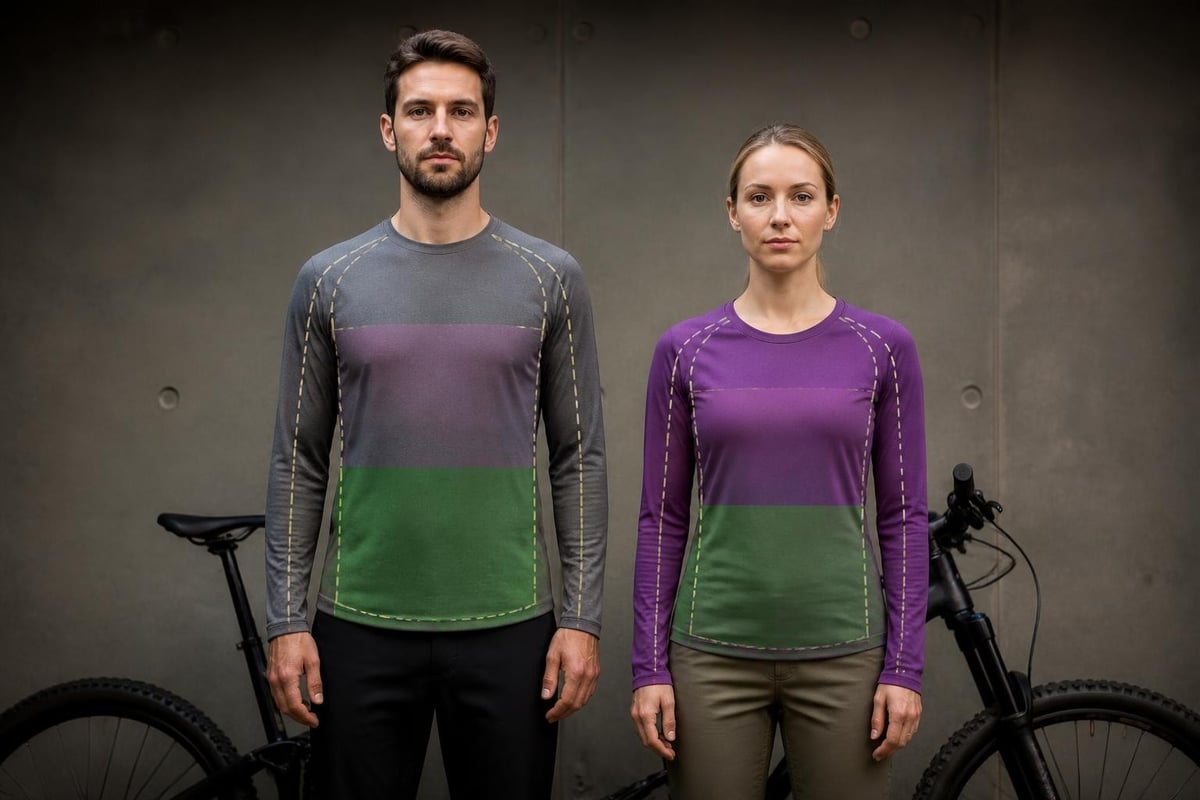
Traditional cycling apparel often failed women riders by simply scaling down men's patterns. Modern womens mtb shirts use female-specific pattern cutting that addresses real anatomical differences. This includes narrower shoulders, shorter torso lengths, and contoured chest panels that eliminate excess fabric without compression.
Women's bike fit considerations extend beyond the saddle and handlebar position. Your shirt must accommodate your riding position without bunching at the lower back or riding up during technical sections. A proper women's cut maintains coverage throughout the full range of motion required for climbing, descending, and navigating obstacles.
Key fit elements include:
- Longer back hem for coverage in the riding position
- Articulated sleeve design for unrestricted arm movement
- Strategic seam placement to avoid pressure points
- Tailored waist that prevents bunching without restriction
Fabric Technology and Performance Characteristics
The fabric choices in womens mtb shirts directly influence comfort, durability, and performance across varying conditions. Modern technical fabrics have evolved beyond basic moisture wicking to incorporate sophisticated engineering.
Moisture Management Systems
Research on sports garment comfort demonstrates that breathability and moisture transport significantly affect both thermophysiological and psychological comfort during athletic activity. The best womens mtb shirts use multi-layer fabric constructions that pull moisture away from skin, spread it across a broader surface area, and accelerate evaporation.
Polyester blends dominate the mountain biking apparel market for good reason. Studies comparing synthetic versus cotton cycling clothing show measurable advantages in thermal regulation and performance. Synthetic fabrics maintain their moisture-wicking properties even when saturated, unlike natural fibers that become heavy and slow-drying.
| Fabric Type | Moisture Wicking | Durability | Dry Time | Odor Resistance |
|---|---|---|---|---|
| Polyester blend | Excellent | High | Fast | Good |
| Merino wool blend | Very good | Moderate | Moderate | Excellent |
| Nylon blend | Excellent | Very high | Fast | Moderate |
| Cotton | Poor | Low | Very slow | Poor |
Breathability and Ventilation Zones
Laboratory analysis of cycling sportswear fabrics reveals that strategic fabric placement matters as much as fabric selection. High-quality womens mtb shirts incorporate mesh panels in high-heat zones-underarms, sides, and upper back-where thermal imaging shows the greatest heat accumulation during exertion.
Sublimation printing technology allows manufacturers to place these ventilation zones without compromising design aesthetics. The process bonds ink directly into synthetic fibers, meaning mesh panels can feature full-color graphics without the breathability reduction caused by screen-printed layers.
Essential Features for Trail Performance
Beyond fabric and fit, specific design features separate adequate womens mtb shirts from exceptional ones. These details address the practical realities of trail riding.
Storage Solutions
Pocket placement and design:
- Rear envelope pockets for secure storage during technical descents
- Side zippered pockets for quick-access items like energy gels
- Internal media pockets with routing ports for hydration systems
- Reinforced pocket openings that resist tearing from repeated use
Most riders need to carry essentials-phone, energy food, multitool, or tube. The pocket configuration on your shirt determines whether these items stay secure through rough terrain or shift and bounce distractingly.
Protection Elements
Mountain biking exposes riders to branches, rocks, and potential crashes. Durable womens mtb shirts incorporate protective features without sacrificing breathability or adding excessive weight.
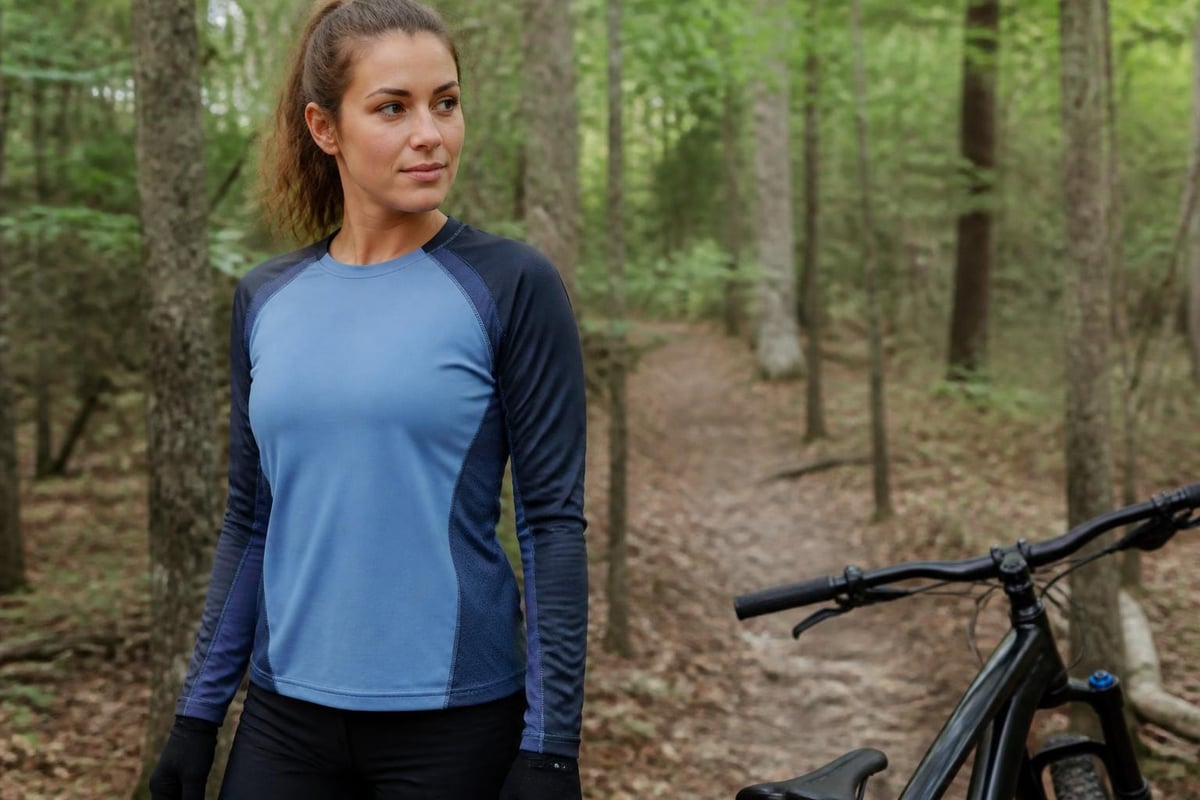
Reinforced shoulder panels resist abrasion from hydration pack straps. Extended side panels provide coverage where hip packs sit. Some designs include subtle padding at common impact zones, though most riders prefer separate protective gear for serious armor.
Sleeve Length and Style Considerations
The choice between short sleeve, three-quarter, and long sleeve womens mtb shirts depends on riding conditions, personal preference, and protection requirements.
Short Sleeve Performance
Short sleeve designs maximize ventilation and freedom of movement. They work best in warm weather, on groomed trails, or for riders who prioritize cooling over protection. Modern technical short sleeves feature shaped hems that don't ride up and sleeve cuffs designed to complement arm warmers when needed.
Three-Quarter and Long Sleeve Options
Longer sleeves protect against sun exposure, trail debris, and light abrasions. Three-quarter sleeves balance protection with ventilation-popular among riders who find full-length sleeves too warm but want more coverage than short sleeves provide.
Long sleeve womens mtb shirts serve double duty across seasons. In cooler conditions they work as a primary layer; in summer they can replace sunscreen on exposed arms. Look for designs with thumb loops that keep sleeves positioned and prevent riding up during extended climbs.
Color, Design, and Visibility
While performance drives most purchase decisions, aesthetic considerations and visibility matter for both enjoyment and safety.
Custom Design Opportunities
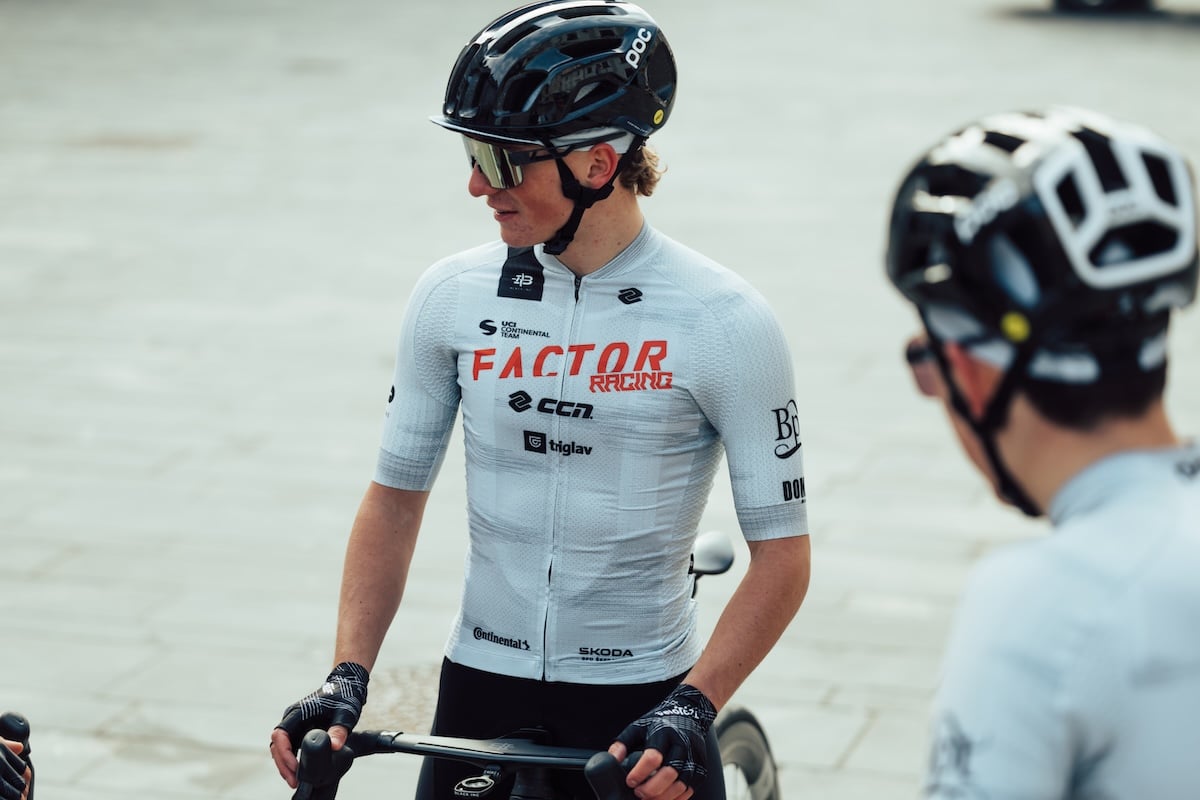
At CCN Sport, riders and teams can create fully custom womens mtb shirts that reflect personal style or team identity. The sublimation process enables unlimited color combinations and intricate graphics without weight penalties or durability compromises. Custom designs allow precise color matching to bike frames, team logos, or sponsor requirements.
Visibility and Safety Features
Bright colors and reflective elements improve visibility on shared trails and during low-light conditions. While mountain biking typically occurs in daylight, rides often extend into dusk. Strategic placement of reflective details-on shoulders, back panels, and sleeves-increases visibility to other trail users without compromising the shirt's aesthetic.
Reviews of women's cycling jerseys consistently note that visibility features have become standard rather than optional, reflecting growing awareness of safety considerations.
Sizing and Fit Selection
Choosing the correct size in womens mtb shirts requires more than consulting a basic size chart. The intended fit-race-cut versus relaxed-dramatically affects both comfort and performance.
Measurement Best Practices
To determine your correct size:
- Measure chest circumference at the fullest point
- Measure waist at natural waistline
- Measure torso length from base of neck to natural waist
- Compare measurements to manufacturer-specific size charts
Detailed cycling apparel measurement guides provide step-by-step instructions for accurate self-measurement. Take measurements while wearing the sports bra you'll use for riding, as undergarment choice affects sizing requirements.
Race versus Relaxed Fit
Race-cut shirts sit close to the body, reducing drag and eliminating fabric flutter. They require accurate sizing-too small restricts movement and breathing; too large defeats the aerodynamic purpose. Relaxed fits offer more forgiveness in sizing and work well for recreational riders or those preferring looser-fitting apparel.
| Fit Style | Best For | Pros | Cons |
|---|---|---|---|
| Race-cut | Competitive riders, aerodynamics | Minimal drag, stays in place | Requires precise sizing |
| Athletic fit | All-around performance | Balance of comfort and performance | May flutter slightly |
| Relaxed fit | Casual riding, comfort priority | Sizing flexibility, unrestricted feel | Less aerodynamic |
Seasonal Adaptability and Layering
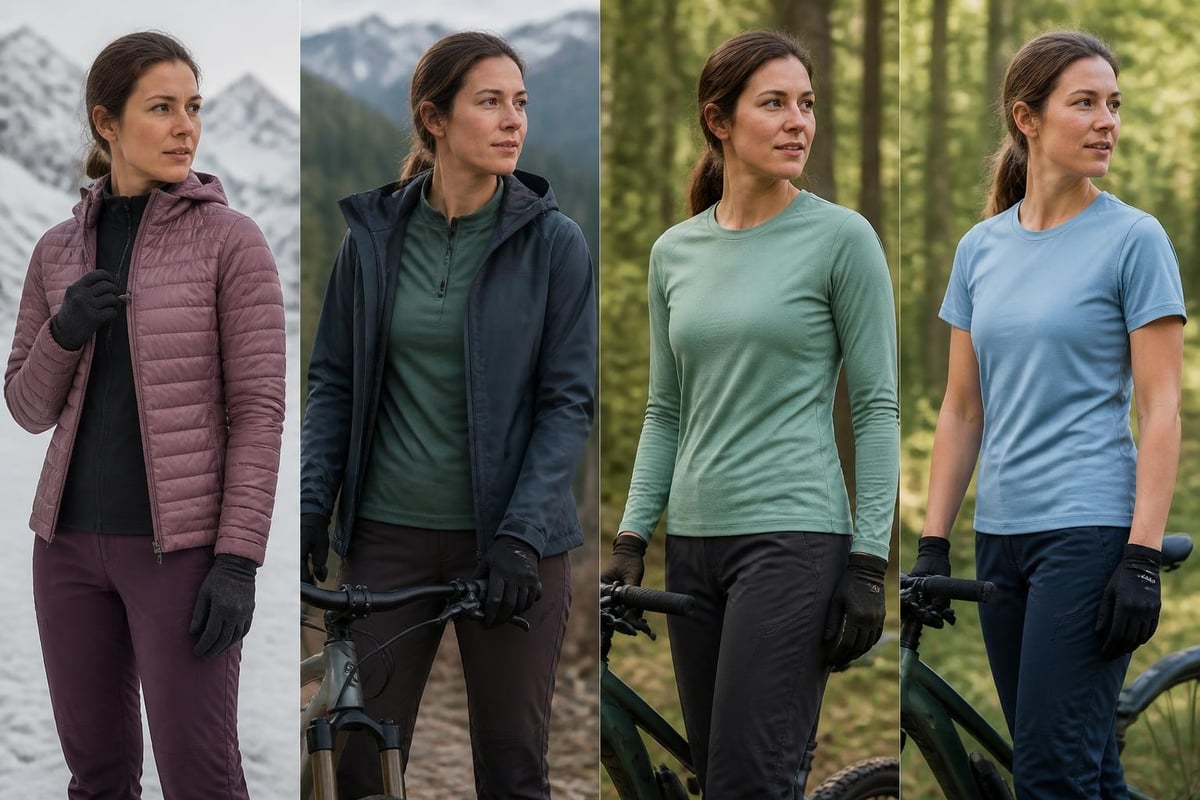
Effective womens mtb shirts function within a layering system that adapts to changing conditions throughout rides and across seasons.
Base Layer Integration
In cool conditions, technical shirts work as mid-layers over moisture-wicking base layers. The combination must manage moisture transfer between layers without trapping perspiration. Look for shirts with smooth internal construction that layers easily without bunching.
Thermal Regulation Strategies
Temperature management through layering:
- Spring/Fall: Base layer + technical MTB shirt + vest
- Summer: MTB shirt alone or with arm coolers
- Winter: Base layer + MTB shirt + insulated jacket
- Variable conditions: Packable wind shell in pocket
The best approach involves shirts that perform well both solo and as system components. This versatility maximizes value and reduces the total number of specialized pieces required.
Durability and Maintenance
Mountain biking is hard on equipment. Quality womens mtb shirts must withstand repeated wash cycles, UV exposure, and abrasion from gear and vegetation.
Construction Quality Indicators
Examine seam construction, stitching density, and finishing details. Flatlock seams reduce chafing and show higher quality construction than simple straight stitching. Reinforced stress points-especially at pocket openings and hem-indicate attention to longevity.
Sublimation-dyed fabrics resist fading better than surface-printed designs. The dye becomes part of the fiber structure rather than sitting on top, maintaining color vibrancy through hundreds of wash cycles.
Care Requirements
To maximize shirt longevity:
- Wash in cold water with technical fabric detergent
- Avoid fabric softeners that coat fibers and reduce wicking
- Air dry or use low heat to preserve elastic properties
- Turn inside-out to protect exterior finish
- Store away from direct sunlight to prevent UV degradation
Proper care extends the functional life of technical apparel significantly. Following manufacturer guidelines maintains both performance characteristics and appearance.
Value Proposition and Investment Considerations
Quality womens mtb shirts represent an investment in riding comfort and performance. Understanding the value equation helps justify the cost difference between budget and premium options.
Cost versus Performance Analysis
Budget shirts ($30-50) typically use basic polyester fabrics with minimal design features. Mid-range options ($50-90) incorporate better fabrics, more sophisticated cuts, and useful features like multiple pockets. Premium shirts ($90-150+) offer cutting-edge fabrics, refined fit, and enhanced durability.
Expert recommendations on women's mountain biking clothes suggest that investing in quality core pieces delivers better long-term value than accumulating multiple budget items. A well-constructed shirt that lasts three seasons at $100 costs less per ride than a $40 shirt requiring annual replacement.
Custom versus Off-the-Rack
Custom womens mtb shirts offer perfect fit, unlimited design options, and team coordination possibilities. While custom orders typically require minimum quantities and longer lead times, they deliver exactly what riders want rather than compromising on available stock options. For teams, clubs, or riders seeking distinctive designs, custom manufacturing provides value beyond basic cost calculations.
Technical Specifications to Compare
When evaluating different womens mtb shirts, specific technical specifications provide objective comparison points.
Fabric Weight and Hand Feel
Fabric weight, measured in grams per square meter (GSM), indicates thickness and expected durability. Lightweight fabrics (100-130 GSM) maximize breathability for hot conditions but may sacrifice durability. Mid-weight options (130-160 GSM) balance breathability with longevity. Heavier fabrics (160+ GSM) suit cooler conditions and offer maximum durability.
Hand feel-how fabric feels when touched-matters for comfort but resists quantification. Technical riders often prefer slightly textured fabrics that wick efficiently over completely smooth finishes that can feel clammy when wet.
UV Protection Ratings
Quality technical fabrics provide inherent sun protection, often rated using the UPF (Ultraviolet Protection Factor) scale. UPF 30-49 offers very good protection; UPF 50+ provides excellent protection, blocking 98% of UV rays. For riders spending hours in direct sunlight, built-in UV protection reduces sunscreen dependence and exposure risk.
Sustainable and Ethical Production Considerations
Growing numbers of riders consider production ethics and environmental impact when selecting womens mtb shirts. These factors increasingly influence purchasing decisions alongside traditional performance metrics.
Manufacturing Transparency
Responsible manufacturers provide clear information about production locations, labor practices, and environmental policies. At CCN Sport, production facilities in China and the Philippines maintain high standards for worker treatment and environmental responsibility, with over 250 skilled team members bringing expertise to every garment.
Material Sustainability
Recycled polyester fabrics offer performance equivalent to virgin materials while reducing environmental impact. Some manufacturers now use fabric made entirely from recycled plastic bottles or reclaimed fishing nets. While recycled content may increase costs slightly, many riders consider the environmental benefit worthwhile.
Finding the Right Balance
The ideal womens mtb shirt balances multiple competing priorities: breathability versus durability, close fit versus comfort, protection versus ventilation, cost versus features. No single shirt excels in every category, making it essential to prioritize based on your specific riding style and conditions.
Technical riders tackling challenging terrain benefit from durable construction and protective features. Recreational riders on smoother trails may prioritize comfort and breathability over maximum durability. Hot climate riders need exceptional ventilation; cool climate riders want versatile layering compatibility.
Understanding these trade-offs allows informed decisions that match shirt characteristics to riding requirements. The best choice differs for each rider based on climate, terrain, riding style, and personal preferences. By evaluating options against your specific needs rather than seeking a universally "best" shirt, you'll find the womens mtb shirt that enhances your riding experience and supports your performance goals.
Choosing the right womens mtb shirts transforms your riding experience through better comfort, performance, and confidence on the trail. Whether you prioritize cutting-edge fabrics, custom designs, or proven durability, understanding the key features and specifications helps you make informed decisions. When you're ready to create custom mountain biking apparel that perfectly matches your vision-from team kits to individual designs-CCN Sport brings over 20 years of sublimation expertise, advanced manufacturing capabilities, and meticulous craftsmanship to turn your concepts into premium performance apparel built to last.

Share:
Cycling Aerodynamics Starts With Your Fit
Bike T Shirts: Performance, Style & Custom Design Guide