

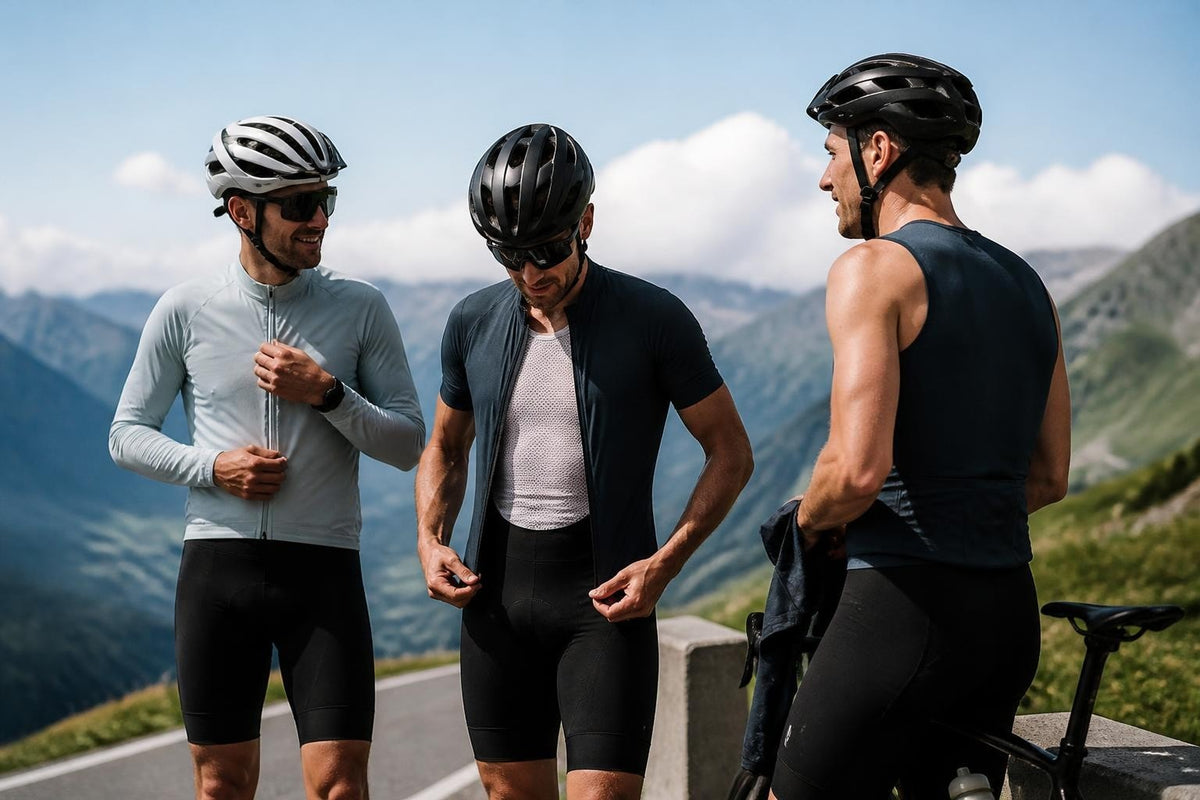
Choosing the right mens cycling clothing transforms every ride from a test of endurance into an optimized performance experience. Whether you're logging base miles in February, sprinting for town-line signs, or racing a century in August heat, your apparel plays a pivotal role in comfort, efficiency, and safety. Modern cycling kit has evolved far beyond basic athletic wear, incorporating advanced fabrics, ergonomic cut, and aerodynamic engineering that respond to the unique demands of the sport. Understanding what separates functional cycling clothing from ordinary activewear empowers riders to make informed decisions that enhance their time in the saddle.
Understanding the Core Components of Mens Cycling Clothing
Every complete cycling wardrobe starts with foundational pieces designed to work as a system. Jerseys serve as the primary upper-body layer, engineered with moisture-wicking synthetic fabrics that pull sweat away from skin and dry rapidly. Bib shorts anchor the lower half, featuring a chamois pad that cushions contact points and reduces friction during long rides. Base layers regulate core temperature in cooler months, while leg and arm warmers offer modular insulation that adapts to changing conditions throughout a ride.
The interplay between these garments matters more than individual pieces. A jersey with a race cut sits lower in the back to cover the kidney area when you're in the drops, while longer sleeves prevent gaps when arms extend to the bars. Bib straps eliminate waistband pressure and keep shorts positioned correctly through thousands of pedal strokes. This systematic approach explains why experienced cyclists invest in purpose-built mens cycling clothing rather than repurposing running or gym apparel.
Fabric Technology and Performance
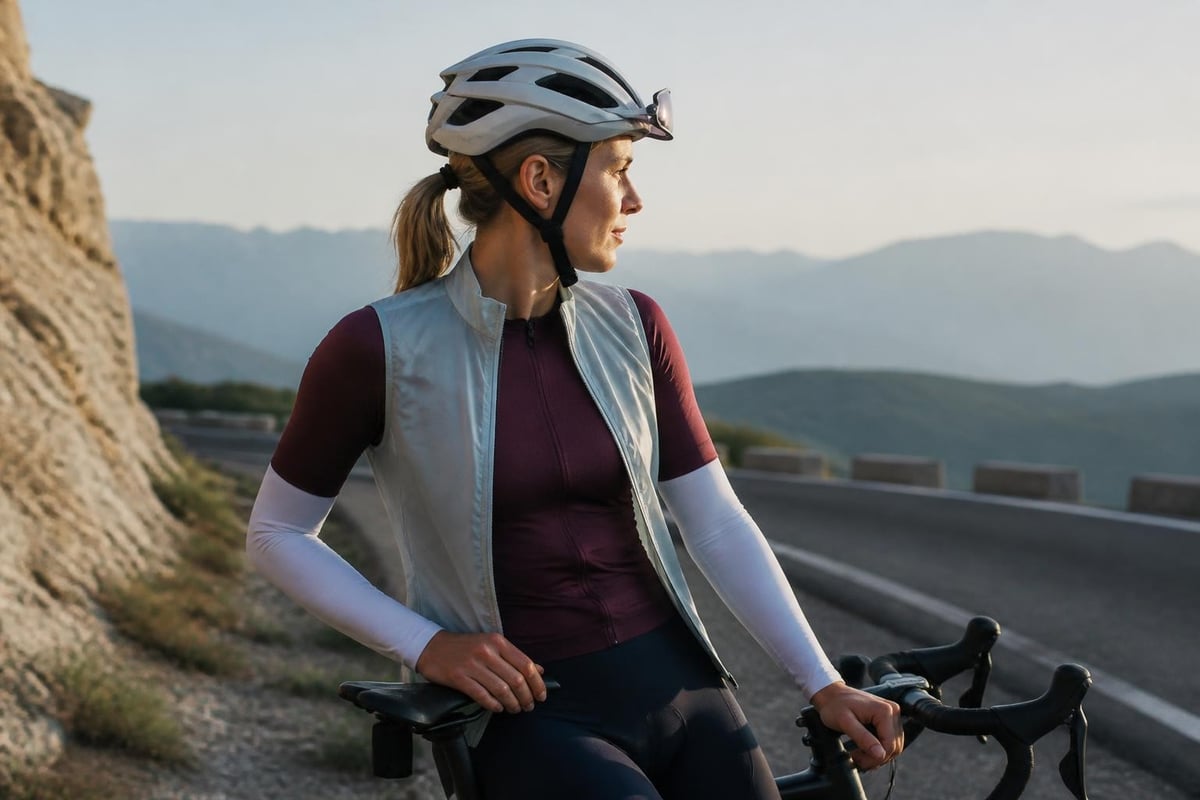
Material science drives the evolution of cycling apparel. Engineered synthetic fabrics significantly impact performance compared to traditional cotton, which retains moisture and adds weight. Modern jerseys typically feature polyester blends with varying weights: lightweight mesh panels for ventilation zones, mid-weight knits for structural areas, and heavier fabrics for weather protection.
Moisture management ranks as the primary fabric function. Hydrophobic fibers transport perspiration through capillary action to the garment's exterior surface, where evaporation occurs. This process maintains a dry microclimate against skin, preventing the clammy sensation that degrades comfort and can lead to chafing. Premium mens cycling clothing often incorporates gradient fabric weights, placing the lightest, most breathable material where heat and moisture accumulate most intensely.
Compression properties vary across garment types and price points. Moderate compression in bib shorts supports muscles during prolonged effort and may reduce fatigue, while excessive compression restricts blood flow and breathing. Quality manufacturers calibrate compression levels based on anatomical zones, applying targeted support where beneficial without creating pressure points.
| Fabric Type | Primary Benefit | Best Application | Typical Weight |
|---|---|---|---|
| Mesh polyester | Maximum breathability | Jersey back panels, underarms | 80-100 gsm |
| Structured knit | Durability, shape retention | Jersey main body | 130-160 gsm |
| Brushed fleece | Thermal insulation | Winter base layers | 200-250 gsm |
| Windproof membrane | Weather protection | Jacket chest, shoulders | 180-220 gsm |
Fit Philosophy and Body Mapping
The cut of mens cycling clothing follows distinct fit categories that balance aerodynamics, comfort, and intended use. Race fit prioritizes aerodynamic efficiency with minimal excess fabric, close-to-body tailoring, and longer torsos that accommodate aggressive positions. Club fit offers slightly more room through the chest and waist, suitable for group rides and sportives where comfort over six hours matters more than marginal aero gains. Relaxed fit provides the most generous cut, ideal for recreational riding and commuting.
Aerodynamic research demonstrates that fabric texture, seam placement, and overall garment fit measurably affect drag coefficients. Wrinkles and flapping material create turbulence that increases resistance, which explains why race-oriented clothing uses stretch fabrics that maintain tension across the body's surface. Strategic seam placement follows natural body contours rather than traditional garment construction lines, further minimizing disruption to airflow.
Body mapping takes anatomical design further by varying fabric types, panel shapes, and construction methods based on specific body zones:
- Shoulders and upper back: Durable, structured fabric resists backpack wear and maintains shape
- Underarms and side panels: Ultra-breathable mesh maximizes ventilation in high-sweat zones
- Lower back: Extended coverage with grip elastic prevents ride-up during forward lean
- Sleeves: Pre-shaped with elbow articulation for natural arm extension to bars
The Critical Role of Chamois Design
The chamois pad represents the most important component in bib shorts, directly affecting ride quality and long-term saddle health. Modern chamois construction uses multi-density foam that places firmer support under sit bones while softer, more flexible material cushions perineal areas. Thickness doesn't equal quality; well-engineered pads typically range from 8-15mm with strategic shaping that follows anatomical contours rather than uniform thickness.
Research on saddle sores and prevention emphasizes proper chamois selection, fit, and hygiene practices. Gender-specific chamois design accounts for different pelvic structures and pressure distribution patterns in mens cycling clothing. Width, foam density gradients, and perforations for moisture management all contribute to comfort and skin health during extended riding.
Premium chamois incorporate antimicrobial treatments that inhibit bacterial growth, reducing odor and infection risk. Seamless construction or flat-lock stitching minimizes chafing, while channel designs and cutouts reduce pressure on soft tissue. These features become increasingly important on rides exceeding two hours, where cumulative friction and pressure can cause significant discomfort.
Seasonal Adaptations and Layering Strategy
Temperature regulation separates mediocre rides from excellent ones. Effective layering systems for mens cycling clothing follow a three-tier approach: base layer for moisture management, mid-layer for insulation, and outer layer for weather protection. The modularity allows riders to adjust to changing conditions during a ride by adding or removing pieces.
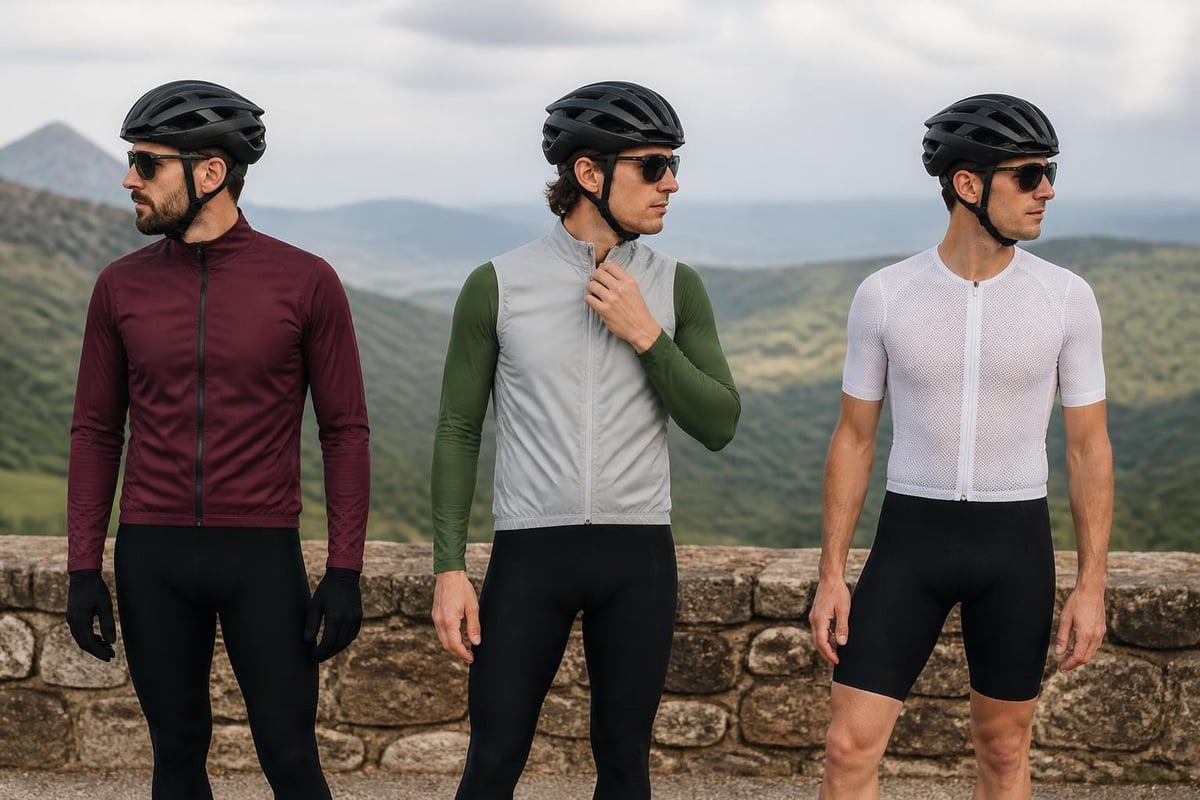
Spring and fall shoulder seasons demand versatility. Morning starts might require arm and leg warmers over summer kit, with a lightweight gilet adding core warmth. As temperatures climb mid-ride, these pieces pack easily into jersey pockets. Thermal base layers under standard jerseys extend the usable temperature range of summer clothing, creating multiple outfit combinations from fewer total pieces.
Winter riding necessitates specialized insulated jerseys, thermal bib tights, and weather-resistant outer layers. Windproof panels on chest and thighs protect high-exposure areas, while breathable back panels prevent overheating during climbs. For comprehensive guidance on cold-weather gear, explore resources on mountain bike winter clothing that apply equally to road cycling.
Summer heat requires the lightest, most breathable mens cycling clothing available. Mesh panels across the back, underarms, and sides maximize airflow. White or light colors reflect solar radiation better than dark hues, though darker colors can hide road grime on high-mileage training kit. UV protection becomes relevant for rides exceeding 90 minutes, as synthetic fabrics vary widely in their inherent sun-blocking properties.
Features That Define Quality Construction
Detail-oriented construction separates functional cycling clothing from premium performance gear. Flatlock seams lie smooth against skin rather than creating ridges that cause irritation over hours of pedaling. Gripper elastic on sleeve and leg cuffs uses silicone strips or textured bands to maintain position without excessive tightness. Full-length YKK zippers withstand thousands of cycles and operate smoothly even when fabric stretches under tension.
Pocket configuration matters for accessibility and load distribution. Standard road jerseys feature three rear pockets with elastic tops that secure contents while allowing easy reach. An additional zippered pocket protects valuables like keys or cash. The best designs position pockets to balance loaded weight across the lower back, preventing the sag that pulls jersey hems upward.
Reflective elements enhance visibility during low-light conditions, crucial for safety on shared roads. Evidence on cycling safety consistently demonstrates that conspicuity measures reduce accident risk. Strategic placement of reflective logos, trim, or panels on shoulders, back, and legs catches vehicle headlights from multiple angles.
Custom Design and Team Identity
Many cyclists seek personalized mens cycling clothing that expresses individual style or team affiliation. Custom apparel allows complete control over colors, graphics, logos, and sponsor placement while maintaining the technical performance of production kit. At CCN Sport, advanced sublimation printing permanently bonds designs into fabric rather than applying surface layers that crack or peel with use and washing.
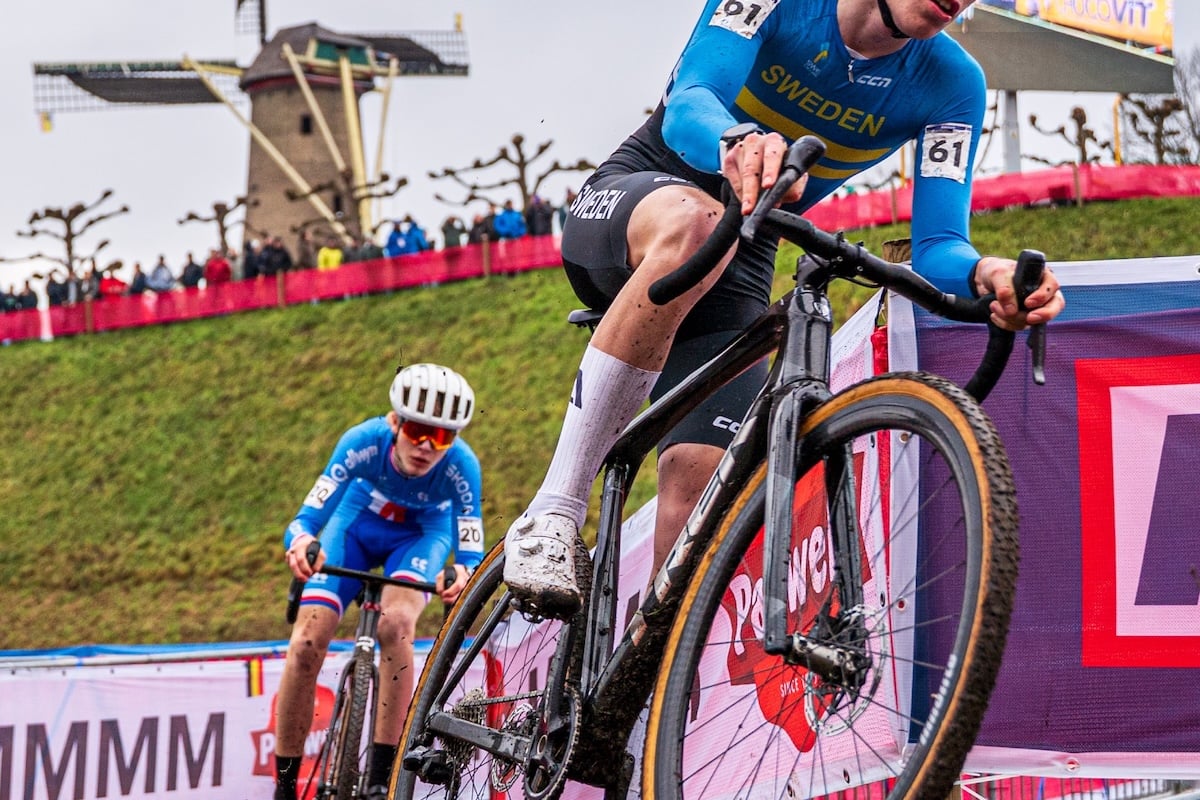
The sublimation process enables unlimited color gradients, photographic elements, and intricate patterns impossible with traditional screen printing. Design flexibility extends to personalization with names, numbers, or custom text at no additional per-unit cost. Minimum order quantities have decreased in recent years, making custom mens cycling clothing accessible for small clubs, corporate teams, and even individual riders seeking unique kit.
Design Considerations and Templates
Effective custom design balances aesthetic impact with practical visibility and sponsor requirements. Bold color blocking reads clearly at distance, important for team recognition during events. Design templates provide starting frameworks that account for seam placement, panel shapes, and technical constraints while allowing creative customization.
- High contrast between primary and accent colors improves visibility in pelotons and traffic
- Horizontal elements can create unflattering width; diagonal and vertical lines add visual interest
- Logo placement should avoid stretch zones where distortion occurs during wear
- Sponsor hierarchy typically places primary sponsors on chest and shoulders, secondary sponsors on sleeves and back
UCI regulations govern racing apparel for competitive events, including pocket placement, morphology rules, and safety requirements. While most recreational riders aren't constrained by these standards, understanding professional requirements helps inform practical design choices for any mens cycling clothing.
Sizing, Fit Testing, and Purchase Strategy
Proper sizing determines whether technically excellent clothing performs as intended. Cycling apparel typically runs smaller than casual wear, with European brands often fitting tighter than American-cut alternatives. Manufacturers provide detailed size charts correlating height, weight, chest, and waist measurements to specific sizes, but individual body proportions create variations.
Fit samples offer the most reliable sizing method for custom orders. Requesting samples in your presumed size plus one size up and down allows direct comparison. Testing samples during actual rides reveals how different fits perform in riding position, how fabrics stretch, and whether specific features like pocket height or sleeve length suit your proportions.
| Size Factor | Measurement Point | Fit Indicator |
|---|---|---|
| Chest | Fullest point, arms relaxed | Should lie smooth without excess fabric when in riding position |
| Shoulder | Seam to seam across back | Seam should sit at natural shoulder point, not slide down arm |
| Sleeve length | Shoulder seam to wrist | Cuff should reach wrist bone when hands on hoods |
| Torso length | Base of neck to waist | Back hem should cover lower back 4-6 inches when riding |
For bib shorts, shoulder strap tension provides the key fit indicator. Straps should hold shorts in position without digging into shoulders or creating excessive lift. The chamois should align with contact points on the saddle, neither bunching forward nor pulling backward. Leg grippers should secure shorts without creating a tourniquet effect that restricts circulation.
Performance Validation and Real-World Testing
Claims about aerodynamic gains, temperature regulation, and durability require validation through testing protocols. Advanced measurement systems quantify aerodynamic drag differences between clothing configurations, demonstrating that mens cycling clothing choices measurably impact performance at racing speeds above 25 mph.
Laboratory and field studies examining jersey designs show that even subtle differences in fit, seam placement, and fabric texture affect drag coefficients. While most recreational riders won't perceive single-watt savings, cumulative effects across clothing, position, and equipment create measurable advantages during competitive events.
Beyond aerodynamics, durability testing determines how clothing withstands the mechanical stress of cycling. Quality bib shorts survive 3,000+ miles before chamois compression or fabric degradation affects performance. Jersey fabrics should resist pilling, maintain elasticity, and retain color through 50+ wash cycles. Construction details like bar-tacked stress points at pocket corners and reinforced zipper bases indicate attention to longevity.
Care and Maintenance Practices
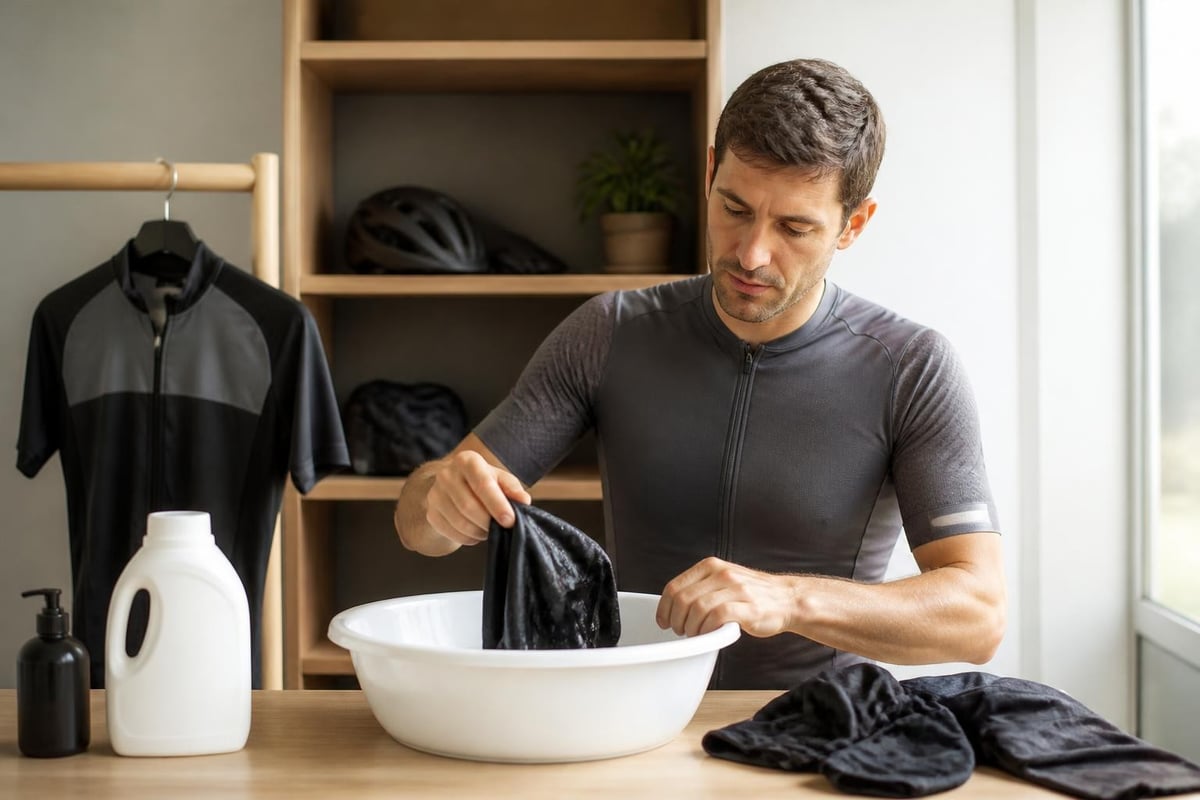
Proper care extends the functional life of mens cycling clothing significantly:
- Wash after every ride to remove salt, bacteria, and oils that degrade fabrics and chamois
- Use sport-specific detergent formulated for synthetic fabrics without fabric softeners that clog fibers
- Cold water wash on gentle cycle prevents heat damage to elastic fibers
- Air dry rather than machine drying, which degrades elastic and can melt bonded seams
- Store flat or loosely folded to prevent permanent creases in technical fabrics
Avoid fabric softener, bleach, and harsh detergents that break down synthetic fibers and antimicrobial treatments. Turn garments inside-out before washing to protect exterior surfaces and graphics. Zip all zippers to prevent snagging other items in the wash load.
Accessory Integration and Complete Kit
Complete mens cycling clothing systems extend beyond jerseys and shorts to include accessories that address specific performance and comfort needs. Socks using thin, moisture-wicking synthetics prevent hot spots and blisters while accommodating snug-fitting cycling shoes. Tall cuffs (6-7 inches) have become standard for aerodynamic benefits and aesthetic proportion with modern shorts.
Gloves protect palms during falls and reduce vibration-induced hand numbness on rough roads. Short-finger gloves suit warm weather, while full-finger options add warmth and protection in cooler conditions. Gel padding or foam inserts cushion the ulnar and median nerves that run across the palm's contact points with handlebars.
Headwear ranges from thin cycling caps that fit under helmets to thermal skull caps for winter riding. Caps with small brims shield eyes from sun and rain while remaining aerodynamic. Headbands and ear warmers offer minimal coverage that prevents overheating during high-intensity winter rides.
Building a Strategic Wardrobe
Efficient wardrobe planning maximizes versatility while controlling costs. A foundational collection for year-round riding includes:
- Two summer jerseys (one for racing/fast rides, one for training)
- Two bib shorts (alternate between rides to extend chamois life)
- One thermal long-sleeve jersey for cool weather
- Arm and leg warmers for temperature modulation
- One winter jacket with windproof panels
- Base layers in lightweight and thermal weights
This core enables outfit combinations covering 35°F to 95°F with strategic layering. Expand the collection based on riding frequency, climate conditions, and specific disciplines. Criterium racers need multiple race-fit jerseys and shorts, while endurance riders prioritize comfort-cut options and weather protection.
Budget allocation should emphasize bib shorts and base layers, where quality directly impacts ride comfort. Jerseys offer more latitude for budget options, as fit and features matter more than exotic fabrics. Invest in one premium bib short for long rides and racing, supplemented by less expensive shorts for recovery rides and indoor training.
Selecting the right mens cycling clothing requires understanding how fabrics, fit, and features combine to enhance performance and comfort across diverse riding conditions. Quality apparel serves as equipment that directly affects your efficiency, safety, and enjoyment on every ride. When you're ready to create custom kit that reflects your vision while delivering professional-grade performance, CCN Sport transforms designs into reality through advanced sublimation printing and expert craftsmanship honed over two decades. Our team brings precision to every garment, ensuring your custom mens cycling clothing meets the highest standards for durability, fit, and style.

Share:
Custom Mountain Biking Jersey: Design, Fabric & Fit Guide
A Guide to Cycling Kit Panels That Perform