

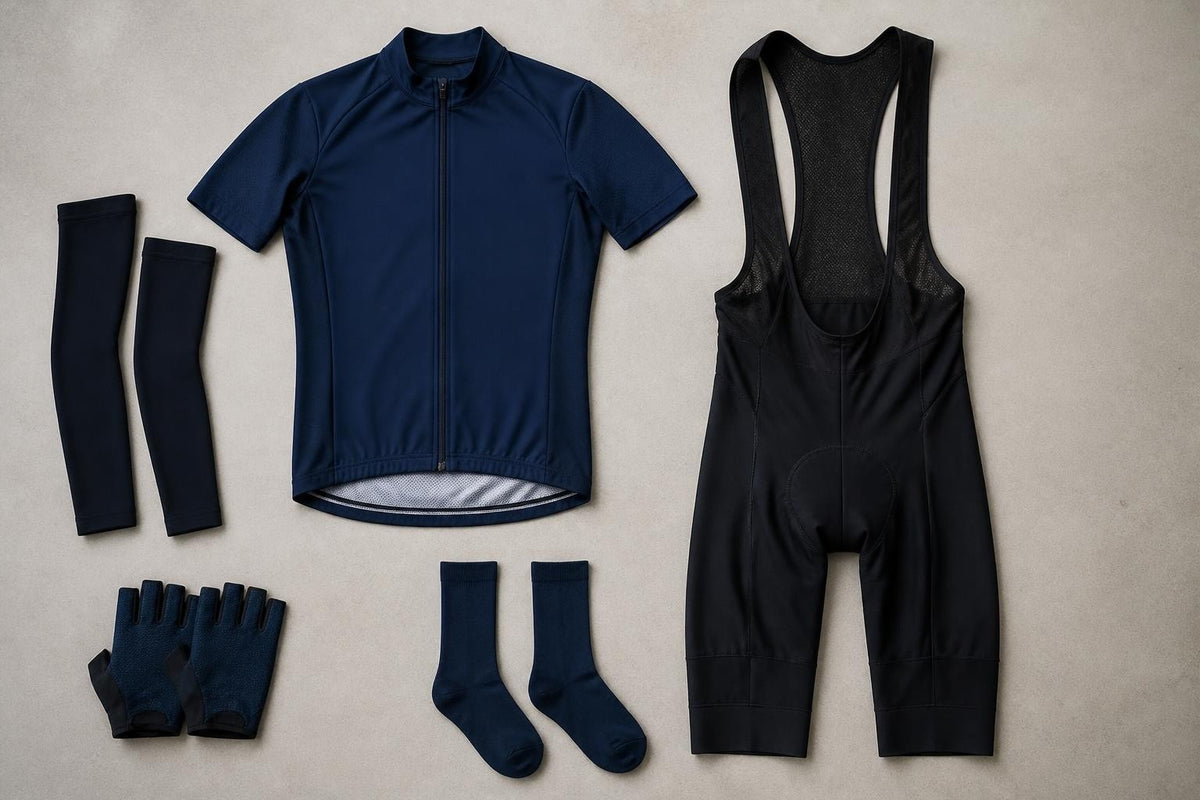
The bike uniform has evolved far beyond simple athletic wear. Today's cycling apparel represents a sophisticated blend of aerodynamics, branding, comfort, and performance engineering. Whether you're outfitting a professional racing team, a corporate cycling group, or a local club, understanding the components and considerations of a proper bike uniform ensures your riders look professional while performing at their best. The right uniform creates team identity, enhances safety, and provides measurable performance advantages that matter over long distances and competitive events.
Essential Components of a Complete Bike Uniform
Every comprehensive bike uniform consists of multiple coordinated pieces that work together as a system. The foundation starts with the jersey and bib shorts, but a truly professional setup extends well beyond these basics.
Core Garments
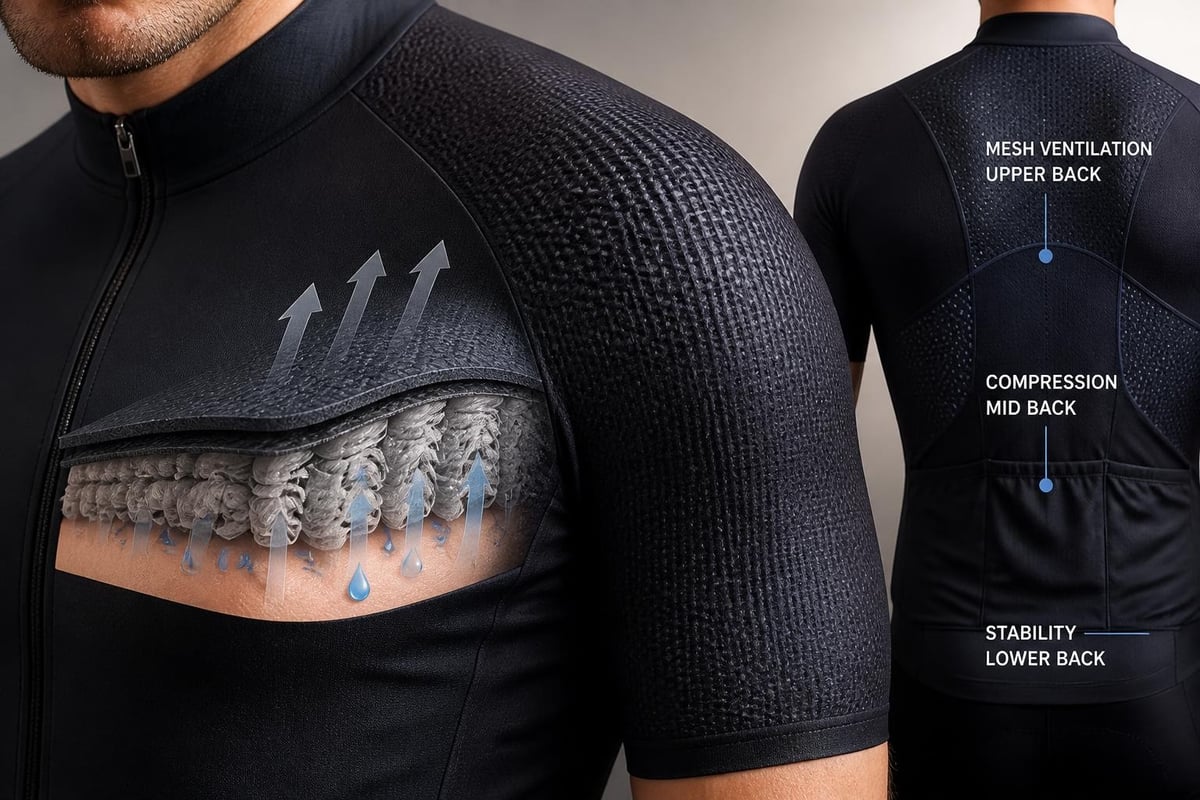
The jersey serves as the most visible element of any bike uniform, featuring your team colors, sponsor logos, and design elements that create instant recognition. Modern cycling jerseys incorporate moisture-wicking fabrics, strategic mesh panels, and aerodynamic cuts that reduce drag at racing speeds.
Bib shorts provide the critical interface between rider and saddle. Professional-grade bib shorts feature multi-density chamois pads, graduated compression, and seamless construction that prevents chafing during hours in the saddle. The bib design eliminates waistband pressure and keeps the shorts perfectly positioned.
Additional uniform elements include:
- Arm and leg warmers for temperature regulation
- Cycling caps and headbands for sun protection
- Gloves (full-finger and fingerless options)
- Vests and wind shells for layering
- Socks designed specifically for cycling performance
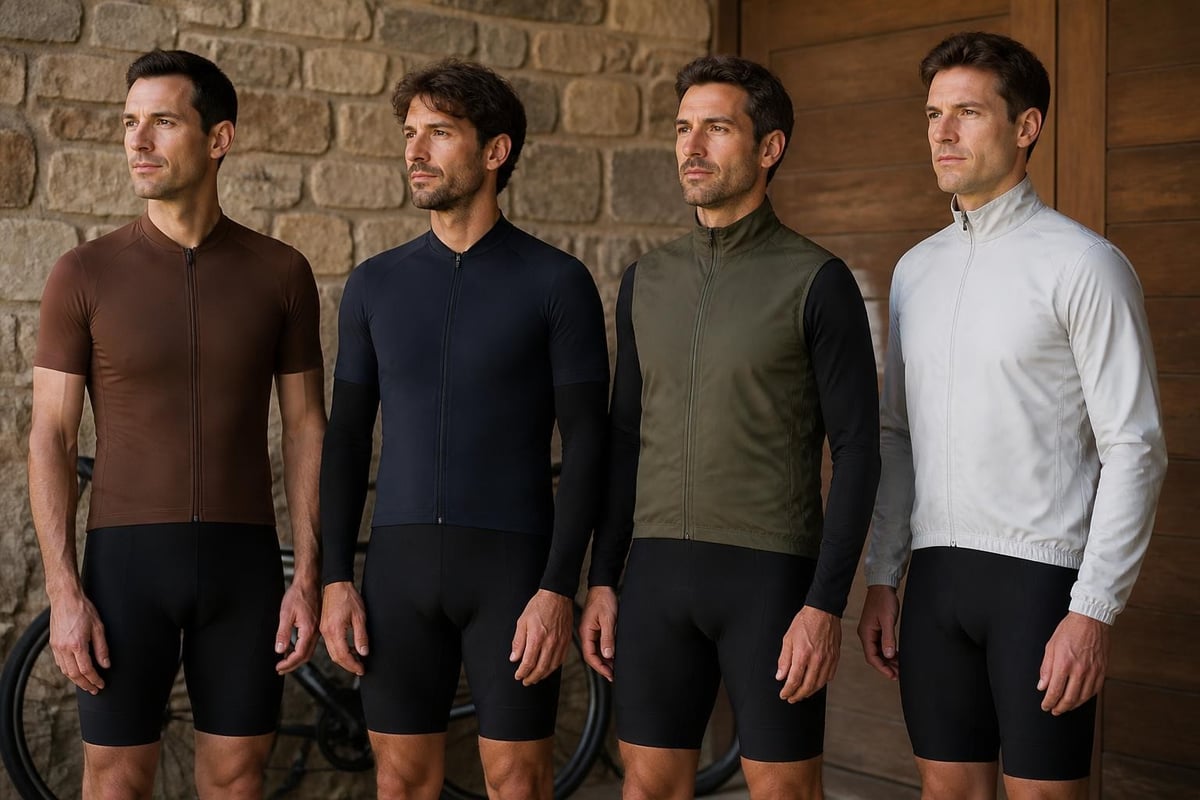
The integration between these pieces matters significantly. A well-designed bike uniform ensures that arm warmers match jersey sleeves, socks complement the overall color scheme, and every garment shares the same design DNA. This cohesion transforms individual pieces into a unified team identity.
Design Considerations for Team Identity
Creating a distinctive bike uniform requires balancing aesthetics, visibility, and brand requirements. Your uniform becomes a mobile billboard that represents your team, sponsors, and values on every ride.
Color Strategy and Visibility
Color selection impacts both team recognition and rider safety. High-contrast designs featuring bright colors, reflective elements, and strategic pattern placement ensure riders remain visible in varying light conditions. Research from the Centre for Automotive Safety Research demonstrates that fluorescent colors and reflective treatments significantly improve cyclist conspicuity, particularly during dawn, dusk, and overcast conditions.
Bold patterns and unique color combinations help your team stand out in race photos and group rides. Avoid designs that blend into common road environments-dark greens, grays, and browns reduce visibility against pavement and vegetation.
| Design Element | Primary Function | Best Practices |
|---|---|---|
| Base colors | Team identity | Choose 2-3 core colors maximum |
| Accent colors | Visual interest | Use contrasting tones for definition |
| Sponsor placement | Brand visibility | Front chest, shoulders, back panel |
| Reflective elements | Safety | Shoulder stripes, side panels, hem bands |
Logo and Sponsor Integration
Professional bike uniform design accommodates multiple sponsor logos while maintaining visual coherence. Establish a clear hierarchy: primary sponsors receive prominent chest or back placement, while supporting sponsors occupy sleeves, shoulders, or lower panels.
The sublimation printing process allows unlimited colors and intricate designs without adding weight or affecting breathability. This technology enables photographic-quality graphics, gradients, and complex patterns that would be impossible with traditional screen printing or embroidery methods.
Material Science and Performance Fabrics
The fabrics used in your bike uniform directly impact comfort, durability, and athletic performance. Understanding material properties helps you select the right options for your specific riding conditions and budget.
Polyester and Synthetic Blends
Modern bike uniforms predominantly use polyester and polyester blends for their superior moisture management, quick-drying properties, and durability. High-quality polyester fabrics wick sweat away from skin, transport it to the outer surface, and allow rapid evaporation that keeps riders cool and dry.
Advanced fabric features include:
- Four-way stretch for unrestricted movement
- UV protection (UPF 50+ ratings)
- Antimicrobial treatments to reduce odor
- Compression zones for muscle support
- Mesh panels for targeted ventilation
Different weights and weaves serve specific purposes. Lightweight fabrics (100-130 gsm) suit hot weather riding, while mid-weight options (140-160 gsm) provide versatility across seasons. Winter-specific bike uniform pieces may incorporate fleece-backed fabrics or thermal treatments for cold-weather insulation.
Sustainable Material Options
Environmental consciousness increasingly influences bike uniform production. Recycled polyester derived from post-consumer plastic bottles offers performance comparable to virgin materials while reducing environmental impact. The Textile Exchange Materials Benchmark provides detailed data on sustainable textile options and their lifecycle impacts.
Brands seeking to minimize their environmental footprint can specify recycled content, low-impact dyes, and water-efficient manufacturing processes. These choices align your bike uniform with broader sustainability values without compromising performance or durability. Tools like the Materials Sustainability Index help compare the environmental trade-offs between different fabric options.
Fit, Cut, and Body Mapping
Proper fit transforms a good bike uniform into an exceptional one. The cut must accommodate the cycling position while eliminating excess fabric that creates drag or bunching.
Race vs. Club Fit
Race-cut bike uniforms feature aggressive, body-hugging fits optimized for aerodynamics and high-speed performance. These designs suit competitive riders and those who prioritize speed over casual comfort. The fabrics stretch to fit snugly without restricting breathing or movement.
Club or relaxed fits provide more room through the torso and arms, making them ideal for recreational riders, charity events, or teams with diverse body types. This approach prioritizes comfort and accessibility while maintaining a professional appearance. Many teams now opt for offering both fit options to accommodate their full roster.
Anatomical Panel Construction
Modern bike uniform patterns incorporate dozens of panels strategically shaped and positioned to follow body contours in the riding position. This body-mapping approach places seams away from pressure points, positions stretch fabrics where movement demands it, and uses compression strategically to support key muscle groups.
Premium bib shorts may feature eight or more panels, each cut to wrap smoothly around the legs and torso without pulling or binding. Flatlock or bonded seams lie completely flat against skin, preventing the irritation that ruins long rides. For riders comparing different cycling apparel options, understanding these construction differences proves essential, much like choosing between a skinsuit versus a jersey and shorts combination.
Customization Process and Production Timeline
Bringing your bike uniform vision to life involves several stages, from initial concept to final delivery. Understanding this process helps teams plan appropriately and avoid last-minute rushes before the season starts.
Design Development Steps
The typical customization workflow includes:
- Initial consultation to discuss team needs, budget, and timeline
- Design concept development with 2-3 mockup options
- Revision rounds to refine colors, logos, and sponsor placement
- Technical specification and sizing selection
- Sample production for fit testing
- Bulk production and quality control
- Delivery and distribution
Professional manufacturers provide online design tools, template libraries, and dedicated support throughout this process. Teams can upload their own artwork or work with in-house designers to create original concepts that capture their identity.
At CCN Sport, our custom products are made with precision and care in our facilities in China and the Philippines, utilizing advanced sublimation technology and over 20 years of manufacturing expertise. Our Custom Cycling Apparel service guides teams through every step, ensuring designs meet both aesthetic and performance requirements.
Production and Lead Times
Quality bike uniform production requires adequate time for each manufacturing stage. Expect minimum lead times of 6-8 weeks from final design approval to delivery, though complex orders or peak season may extend this timeline to 10-12 weeks.
Rush production options exist but typically incur premium pricing and may limit customization options. Smart teams order well before their season begins, allowing time for size exchanges and reorders if needed.
| Order Volume | Standard Lead Time | Rush Option Available |
|---|---|---|
| 10-25 pieces | 6-7 weeks | Yes (4 weeks) |
| 26-50 pieces | 7-8 weeks | Yes (5 weeks) |
| 51-100 pieces | 8-10 weeks | Limited availability |
| 100+ pieces | 10-12 weeks | Contact for options |
Sizing Strategy and Fit Testing
Getting sizes right prevents costly reorders and ensures every team member receives a bike uniform that fits properly. Developing an effective sizing strategy requires understanding your team's demographics and providing clear measurement guidance.
Size Chart Development
Manufacturers provide detailed size charts based on chest, waist, hip, and height measurements. Rather than relying on standard clothing sizes (S, M, L, XL), encourage team members to measure themselves carefully and consult the specific size chart for your chosen bike uniform style.
Different brands and manufacturers use varying size standards. European sizing runs smaller than American sizing, and race fits differ significantly from club fits even within the same nominal size. Always reference the actual measurements rather than size labels.
Sample Ordering and Testing
For large team orders, investing in sample jerseys and shorts across the size range allows real riders to test fit before committing to bulk production. This practice identifies potential issues with arm length, torso fit, or chamois positioning that measurement charts alone might miss.
Select team members representing different body types and riding positions to provide comprehensive fit feedback. Document their experiences and use this information to guide the broader team's size selections. This approach dramatically reduces the percentage of size exchanges and unhappy riders.
Care, Maintenance, and Longevity
A quality bike uniform represents a significant investment. Proper care extends its lifespan and maintains its appearance through multiple seasons of hard use.
Washing Best Practices
Follow these guidelines to protect your bike uniform:
- Wash in cold water with mild, sport-specific detergent
- Turn garments inside out to protect exterior graphics
- Avoid fabric softeners that coat fibers and reduce wicking
- Use gentle or delicate wash cycles
- Air dry or tumble dry on low heat only
- Never iron sublimated graphics or logos
Sublimation printing creates permanent, fade-resistant designs when properly cared for. However, excessive heat, harsh chemicals, and rough washing can prematurely wear fabrics and reduce their technical properties.
Storage and Season Transitions
When storing bike uniforms between seasons, ensure they're completely clean and dry. Residual sweat and body oils attract insects and can cause fabric degradation. Store in a cool, dry location away from direct sunlight, which can fade even sublimated colors over extended exposure.
Inspect garments at season's end for needed repairs. Small seam issues or minor damage caught early can be repaired inexpensively, preventing complete garment failure. Quality manufacturers often offer repair services for premium pieces.
Team Coordination and Order Management
Successfully outfitting a team requires coordination beyond design and sizing. Establishing clear processes for ordering, payment, and distribution prevents confusion and ensures everyone receives their gear on time.
Individual vs. Bulk Ordering
Teams face a choice between placing one large bulk order or allowing members to order individually. Bulk orders typically receive volume discounts and ensure consistent sizing and color matching across all garments. However, they require upfront payment collection and careful size tracking.
Individual ordering systems let members purchase at their convenience and select additional pieces beyond the core kit. This approach works well for established teams with returning members who know their sizes and preferences. Many successful teams use a hybrid model: bulk order for core pieces (jersey and bib shorts) with individual ordering available for accessories and extras.
Payment Collection and Deadlines
Establish firm ordering deadlines and payment requirements before opening orders. Clear communication about costs, what's included, and when payment is due prevents misunderstandings. Consider these approaches:
- Full payment upfront (ensures commitment, avoids shortfalls)
- Deposit system (50% to confirm, balance before shipping)
- Phased payment (deposit at order, remainder at delivery)
For larger teams, consider using online team stores or group ordering platforms that handle individual payments automatically and consolidate orders for bulk production. These tools reduce administrative burden significantly. Teams interested in broader cycling apparel knowledge can explore resources like the comprehensive cycling kit guide for additional context.
Branding Beyond the Bike Uniform
While the bike uniform serves as your primary team identity, extending your brand to other apparel creates additional touchpoints and revenue opportunities.
Casual Team Apparel
Consider offering complementary items:
- T-shirts for team events and casual wear
- Hoodies and track jackets for travel
- Caps and beanies featuring team logos
- Technical base layers in team colors
These pieces build team cohesion off the bike and provide comfortable options for meetings, travel, and social events. They're also popular with supporters and sponsors who want to show affiliation without wearing full cycling kit. Cycling-themed t-shirts offer one avenue for this expanded apparel strategy.
Accessories and Complementary Products
Rounding out your team's complete look involves coordinating accessories that match your bike uniform aesthetic. Custom socks have become particularly popular, offering relatively low investment with high visual impact. The difference between regular and cycling-specific socks matters more than many riders realize.
Arm warmers, knee warmers, and vests in team colors extend your uniform's versatility across weather conditions while maintaining cohesive branding. Gloves, caps, and even bottle cages can carry team colors and logos for a complete, professional presentation.
Budget Planning and Cost Optimization
Creating a professional bike uniform doesn't require unlimited funds. Strategic planning and smart choices help teams at every budget level achieve quality results.
Price Factors and Variables
Bike uniform pricing varies based on multiple factors: fabric quality, customization complexity, order volume, and production location all influence final costs. Generally, expect to invest $80-150 for a complete jersey and bib shorts set at mid-range quality, with premium options reaching $200-300 per set.
Volume discounts make team orders more economical than individual purchases. Ordering 20+ sets typically reduces per-unit costs by 15-25% compared to minimum order pricing. Additional discounts often apply at 50+ and 100+ unit thresholds.
Design complexity affects pricing less than many teams expect. Sublimation printing allows intricate, multi-color designs at essentially the same cost as simple two-color schemes. This democratization of custom design means small clubs can achieve professional-looking results without premium budgets.
Multi-Year Planning
Rather than treating your bike uniform as an annual expense, consider a multi-year approach. Ordering a two-year supply provides better volume pricing and reduces administrative burden. High-quality gear should last multiple seasons with proper care.
Establish a core design that can evolve gradually rather than changing completely each season. This approach builds brand recognition and allows existing members to continue using previous years' uniforms during training rides while wearing the current version for races and events.
Quality Control and Manufacturer Selection
Not all custom apparel manufacturers deliver equal quality or service. Selecting the right production partner significantly impacts your bike uniform's performance and longevity.
Evaluating Manufacturer Credentials
Research these aspects when comparing manufacturers:
- Years of experience in cycling-specific apparel
- Production facility locations and certifications
- Sample portfolio showing design and construction quality
- Customer reviews and team references
- Communication responsiveness and design support
- Quality control processes and defect policies
Request samples before placing large orders. Inspect stitching quality, fabric hand feel, graphic sharpness, and overall construction. Compare samples from multiple manufacturers to understand the quality differences at various price points.
Production Location Considerations
Bike uniforms are manufactured globally, with major production centers in China, the Philippines, Italy, and the United States. Each region offers different balances of cost, quality, and production timeline. Asian production typically provides the best cost efficiency, while European facilities emphasize premium materials and construction methods.
Manufacturing location affects lead times due to shipping distances and customs processes. For time-sensitive orders, domestic production may warrant premium pricing despite higher per-unit costs. Evaluate your priorities (cost, speed, quality, sustainability) when selecting manufacturing partners. Manufacturers like those behind CCN Sport leverage facilities across multiple regions to balance quality, efficiency, and expertise.
Creating the perfect bike uniform blends technical performance, team identity, and practical considerations into apparel that riders love wearing. From fabric selection and fit optimization to branding strategy and care practices, every decision shapes your team's on-bike experience and public image. Whether you're outfitting a competitive racing squad or a recreational cycling club, investing in quality custom apparel delivers returns in performance, safety, and team pride. Ready to bring your vision to life? CCN Sport combines over 20 years of sublimation expertise with advanced manufacturing capabilities to create bike uniforms that perform as beautifully as they look.

Share:
Custom Kits vs Retail Apparel: Which Fits?
Mountain Bike Jerseys Mens: Performance & Fit Guide