

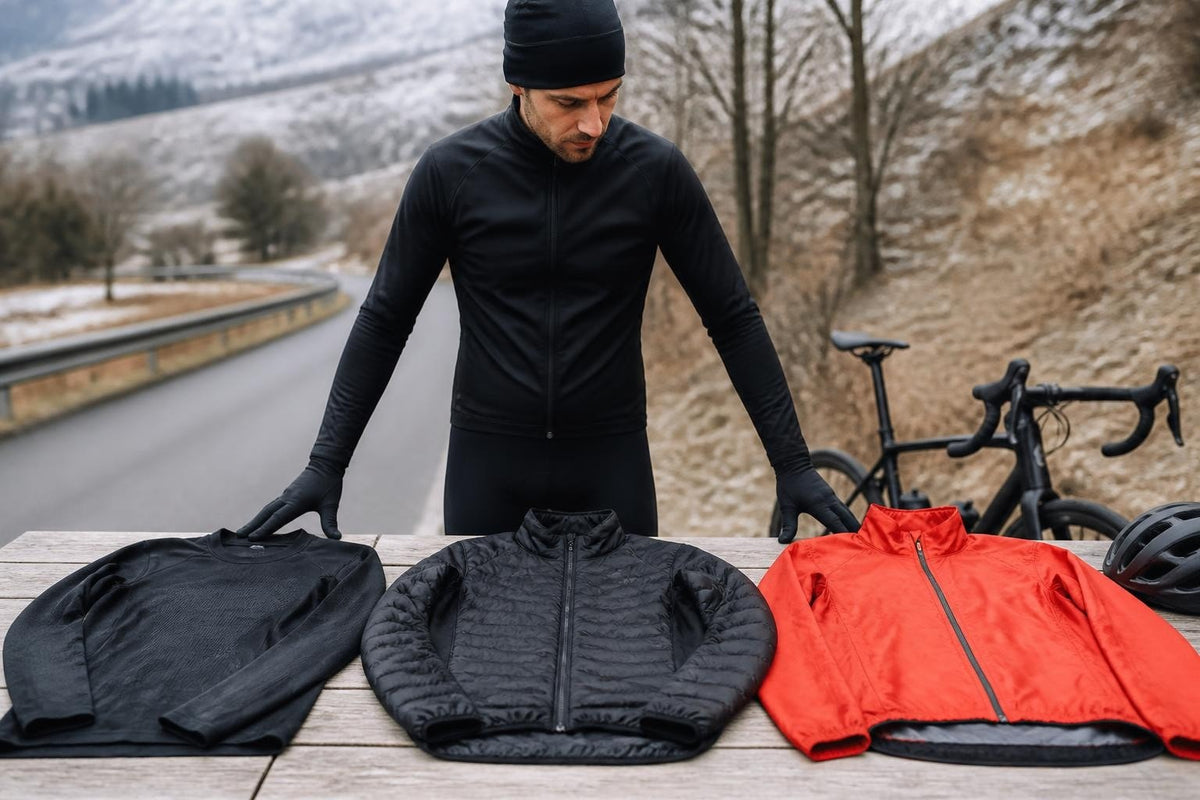
Cycling through winter months demands specialized apparel designed to protect against wind, cold, and moisture while managing the heat your body generates during exertion. Unlike static outdoor activities, cycling creates its own microclimate where wind chill amplifies cold conditions and perspiration management becomes critical. The right winter bike clothes transform potentially miserable rides into comfortable training sessions, keeping you on your bike year-round while protecting against hypothermia and frostbite.
Understanding the Three-Layer System
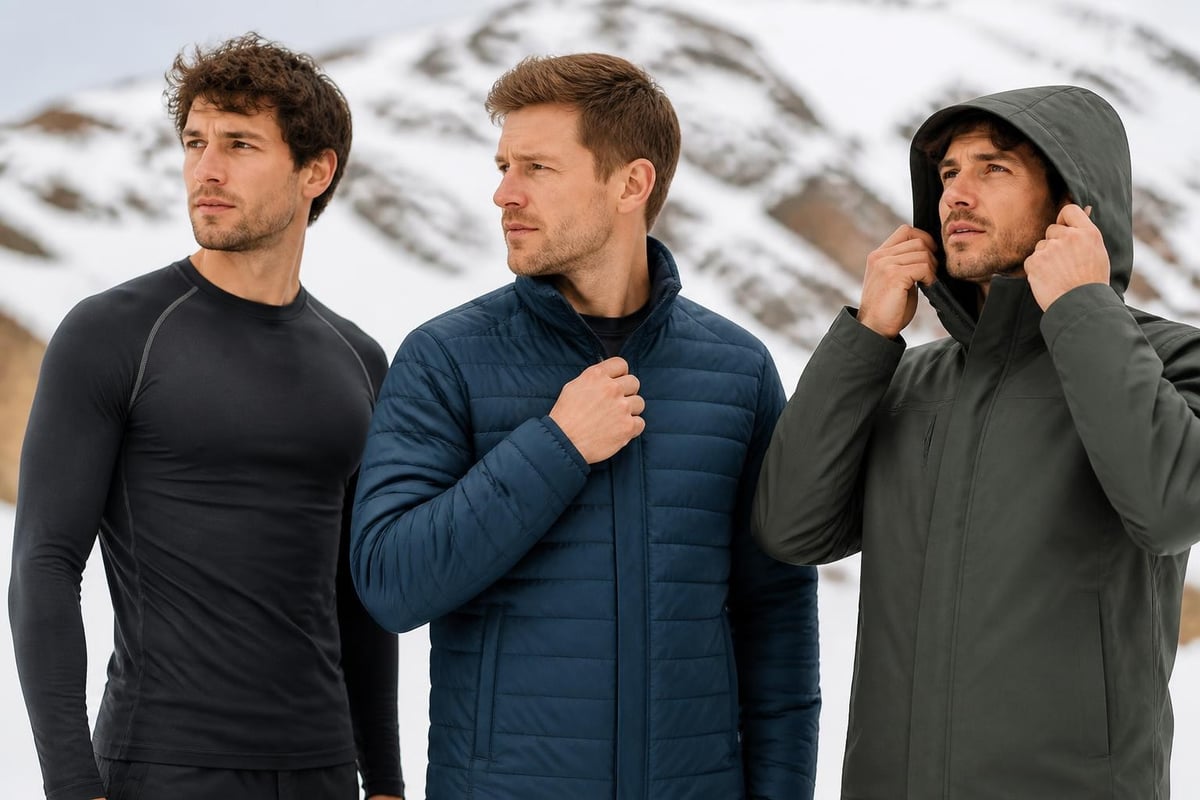
The foundation of effective winter cycling apparel rests on the proven three-layer system used by outdoor enthusiasts worldwide. This approach allows cyclists to adapt to changing conditions and exertion levels throughout a ride.
Base Layer Fundamentals
Your base layer sits directly against skin and serves as the moisture management foundation of your winter bike clothes system. Merino wool and synthetic fabrics excel in this role by wicking perspiration away from your body before it can chill you. Cotton remains the enemy here, as it absorbs moisture and loses all insulating properties when wet.
Quality base layers feature:
- Flatlock seams that prevent chafing during repetitive pedaling motion
- Snug but not restrictive fit for optimal moisture transfer
- Lightweight to midweight construction depending on temperature
- Antimicrobial properties to reduce odor during extended rides
The weight of your base layer should correspond to expected temperatures. Lightweight options work well for temperatures between 35-50°F, while midweight versions become necessary below freezing.
Insulation Layer Principles
Your middle layer traps warm air while continuing the moisture management process started by your base layer. Fleece jackets, insulated jerseys, and thermal vests occupy this critical position in winter bike clothes systems.
Modern insulation layers balance warmth retention with breathability. During hard efforts, your body generates significant heat that must escape to prevent overheating and subsequent chilling when you slow down. Proper layering for winter rides requires understanding how different insulation weights perform across temperature ranges.
| Temperature Range | Base Layer | Insulation Layer | Outer Shell |
|---|---|---|---|
| 35-50°F | Lightweight synthetic | Optional vest | Wind jacket |
| 20-35°F | Midweight merino | Thermal jersey | Windproof jacket |
| Below 20°F | Heavyweight blend | Insulated jacket | Weatherproof shell |
Outer Shell Selection
Your outer layer shields you from wind and precipitation while allowing moisture vapor to escape. Softshell jackets offer excellent breathability for moderate conditions, while hardshell designs provide maximum protection in severe weather.
Key features for cycling-specific outer shells include:
- Extended tail coverage to protect your lower back in riding position
- Reflective elements for visibility during short winter days
- Ventilation zippers under arms or across chest for heat management
- Elastic cuffs and hem to seal out cold air without restricting movement
The best outer shells strike a balance between protection and breathability. Completely waterproof fabrics may keep rain out but trap so much moisture inside that you end up wet anyway.
Lower Body Protection Strategies
While your torso generates substantial heat during cycling, your legs face unique challenges from constant exposure to cold air and reduced blood flow to extremities during hard efforts.
Thermal Tights and Bibs
Thermal cycling tights represent the foundation of lower body winter bike clothes. Quality designs incorporate windproof panels across the front of thighs and knees where wind chill hits hardest, while using more breathable fabric on the back of legs.
Full-length bibs offer several advantages over waist-level tights. The bib straps eliminate pressure points at your waist and prevent the waistband from riding down during long rides. They also provide additional core coverage that regular tights cannot match.
Chamois quality becomes especially important in winter. Thicker, more substantial chamois pads protect against saddle discomfort during longer winter miles when you may shift position more frequently to stay warm.
Knee and Leg Warmers
Modular approaches to winter bike clothes give you flexibility as temperatures fluctuate throughout a ride or season. Knee warmers and leg warmers pair with summer bibs to create adjustable insulation you can remove and stow in jersey pockets.
This approach works particularly well during shoulder seasons when morning temperatures start below freezing but afternoon conditions warm into the 50s. Starting with warmers over summer bibs allows you to shed layers without finding a place to change clothes.
Extremity Protection Essentials
Your hands, feet, and head lose heat rapidly in cold conditions and suffer first when circulation decreases. Inadequate protection of extremities undermines even the most sophisticated torso layering system.
Hand Protection Hierarchy
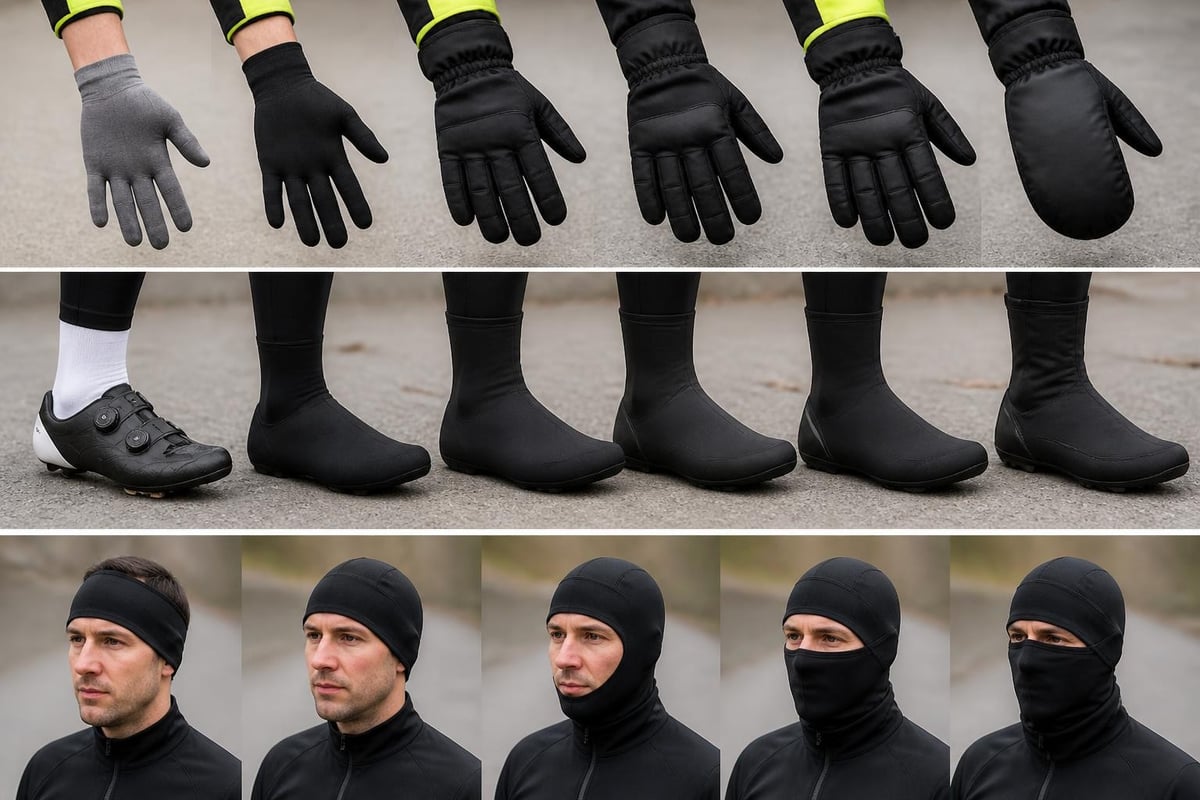
Winter cycling gloves range from lightweight windproof shells to heavily insulated lobster-claw mittens. The right choice depends on both temperature and your personal circulation patterns.
Full-finger gloves with light insulation handle temperatures down to about 40°F. Below that, consider winter cycling gloves with waterproof shells and heavier insulation. For extreme cold, pogies (handlebar mitts) or lobster-claw mittens become necessary to maintain finger dexterity.
Many cyclists struggle with cold hands even in moderate temperatures. If you consistently experience this issue, consider these solutions:
- Chemical hand warmers in glove pockets
- Windproof outer shells over insulated gloves
- Bar mitts that create a protected microclimate
- Upgrading to battery-heated glove systems for severe conditions
Foot Warmth Solutions
Cold feet plague winter cyclists because cycling shoes prioritize ventilation and stiff soles leave little room for insulation. Multiple strategies address this challenge.
Neoprene toe covers slip over the front of standard cycling shoes and block wind from penetrating mesh uppers. Full shoe covers (booties) extend protection over the entire shoe and typically include waterproofing for wet conditions.
For temperatures below 20°F, dedicated winter cycling shoes with insulation and weather-sealed construction outperform summer shoes with covers. Pairing winter shoes with merino wool cycling socks creates a warmer system than thick socks alone.
Head and Face Coverage
Your head represents a significant source of heat loss, making proper coverage essential in winter bike clothes systems. Thermal skull caps fit under helmets and cover ears without compromising helmet fit or safety.
As temperatures drop further, balaclavas protect your face and neck from windburn and frostbite. Look for designs with breathing holes that prevent moisture buildup around your mouth and nose. Staying safe in extreme cold requires protecting all exposed skin when temperatures drop below 20°F or wind chills reach dangerous levels.
Visibility and Safety Considerations
Winter cycling occurs during months with limited daylight hours, making visibility crucial for safety. Your winter bike clothes should incorporate multiple visibility features beyond basic reflective trim.
High-visibility yellow, orange, and white fabrics increase daytime visibility, while reflective elements catch headlights at night. Position reflective details on moving parts like ankles and arms to create motion that draws drivers' attention.
Battery-powered LED lights attached to jackets, helmets, and backpacks supplement passive visibility systems. Many modern winter cycling jackets include integrated LED loops or attachment points specifically for visibility lights.
Material Technology and Performance
Understanding fabric technologies helps you select winter bike clothes that perform reliably across varied conditions. Modern materials have evolved far beyond basic fleece and nylon shells.
Advanced Fabric Systems
Softshell materials combine light insulation with excellent breathability and weather resistance. These fabrics typically feature a knit interior for comfort, insulation in the middle layer, and a tightly woven or membrane-backed exterior for wind and water protection.
Merino wool blends offer natural temperature regulation, odor resistance, and comfort across wide temperature ranges. Modern manufacturing techniques create merino fabrics that maintain these benefits while adding durability and faster drying times than pure wool.
Synthetic insulation technologies like PrimaLoft and Polartec Alpha provide warmth even when wet and compress easily for storage in jersey pockets. These materials excel in variable conditions where you may need to add or remove layers throughout a ride.
Water Resistance vs. Waterproofing
True waterproof fabrics use membranes or coatings that completely block water penetration. While this sounds ideal, completely waterproof winter bike clothes often trap so much perspiration inside that you end up as wet as if you had ridden in the rain without protection.
Water-resistant treatments (DWR coatings) cause water to bead and roll off fabric surfaces while allowing moisture vapor to escape. This approach works better for cycling, where you generate substantial heat and perspiration. Reapplying DWR treatments periodically maintains performance as the original coating wears away.
For wet winter conditions, many cyclists prefer the layering flexibility of cold-weather riding strategies that combine water-resistant outer shells with the ability to add waterproof jackets only when precipitation begins.
Custom Design Benefits for Teams and Clubs
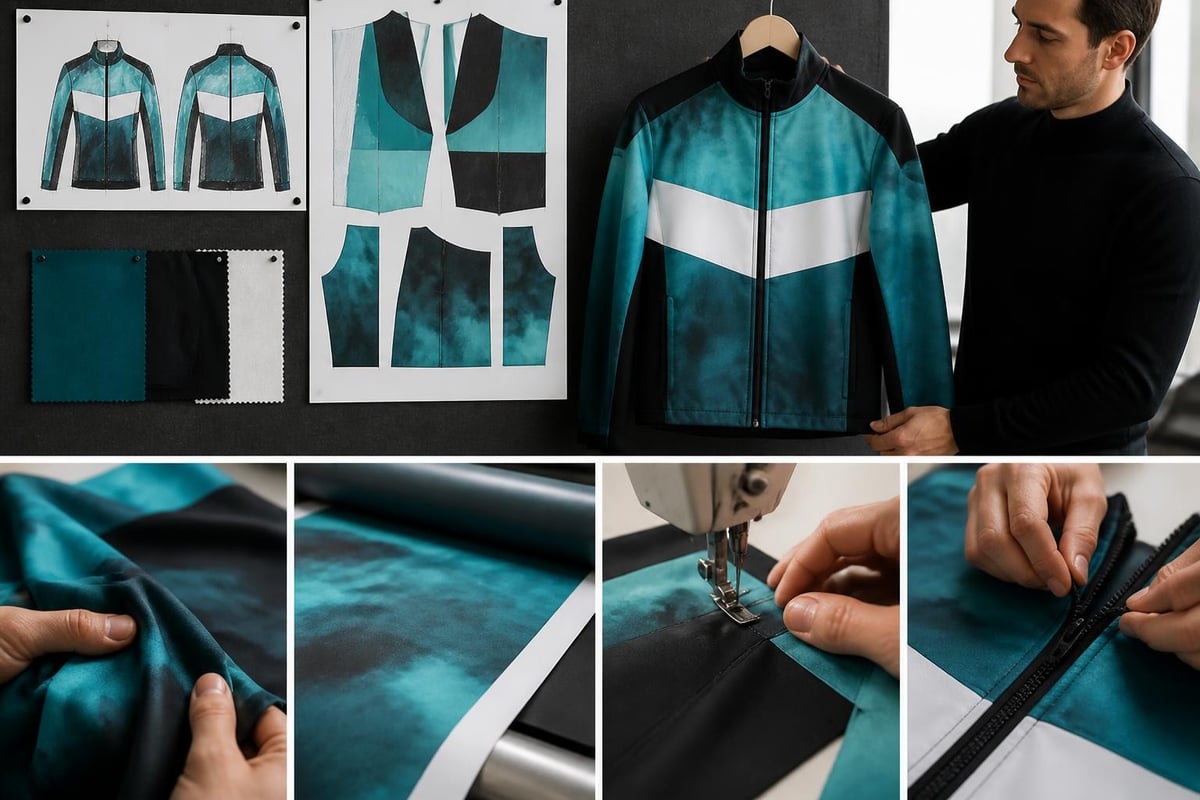
Teams and cycling clubs seeking winter bike clothes that maintain brand identity while delivering performance can benefit from custom manufacturing approaches. Custom cycling apparel allows you to specify fabric weights, fit preferences, and design elements that match your specific climate and riding style.
Working with experienced manufacturers ensures your custom winter gear incorporates proper panel placement for wind protection, adequate ventilation zones, and reflective elements positioned for maximum visibility. Quality custom producers use advanced sublimation processes that maintain vibrant colors and graphics even on technical fabrics designed for winter conditions.

Maintenance and Care Protocols
Proper care extends the life and performance of winter bike clothes significantly. Technical fabrics require specific washing and storage approaches to maintain their protective properties.
Washing Best Practices
Always check manufacturer care labels, but general guidelines include:
- Use technical garment detergent designed for performance fabrics rather than standard laundry soap
- Avoid fabric softener which coats fibers and reduces wicking performance
- Wash in cold water on gentle cycles to prevent damage to elastic fibers
- Air dry whenever possible, as heat damages elastic and synthetic materials
- Reapply DWR treatments after every 5-10 washes to maintain water resistance
Never store damp cycling clothes. Mildew damages fabrics and creates odors that become impossible to remove. Hang items to dry completely before putting them away, even if you plan to wash them later.
Storage Considerations
Off-season storage requires attention to prevent damage from moths, mildew, and compression. Clean all garments thoroughly before storage, as residual body oils and salts attract insects and promote bacterial growth.
Store winter bike clothes in cool, dry locations away from direct sunlight which can fade colors and degrade elastic fibers. Avoid compressing insulated items for long periods, as this can permanently damage loft and reduce warmth.
Temperature-Specific Gear Recommendations
Different temperature ranges require distinct approaches to winter bike clothes selection and layering strategies.
Mild Winter Conditions (35-50°F)
At these temperatures, focus on wind protection rather than heavy insulation:
- Lightweight base layer
- Wind-resistant jersey or vest
- Leg warmers or lightweight tights
- Full-finger gloves
- Light skull cap or headband
Moderate Cold (20-35°F)
This range represents core winter cycling territory for most riders:
- Midweight base layer (top and bottom)
- Insulated long-sleeve jersey
- Windproof softshell jacket
- Thermal bibs or tights with windproof panels
- Insulated gloves
- Thermal skull cap
- Neoprene shoe covers
Severe Cold (Below 20°F)
Extreme conditions demand maximum protection:
- Heavyweight base layers
- Insulated mid-layer jacket
- Weatherproof outer shell
- Heavyweight thermal bibs
- Lobster-claw mittens or pogies
- Balaclava
- Winter cycling shoes with covers
- Chemical or battery warmers as needed
Accessory Integration
Beyond core garments, several accessories enhance winter cycling comfort and safety.
Neck gaiters provide adjustable protection you can pull up over your face during descents or push down during climbs. Unlike balaclavas, they offer quick adjustment without removing your helmet.
Hydration system insulators prevent water bottles and bladder hoses from freezing during long winter rides. Insulated bottles work for temperatures just below freezing, but severe cold requires insulated covers or carrying bottles inside your jacket.
Frame bags and handlebar bags allow you to carry extra layers, food, and emergency supplies without wearing a backpack that traps heat against your back. Strategic packing ensures you can access hand warmers, additional gloves, or a spare balaclava without stopping.
Transition Season Strategies
Spring and fall present unique challenges as temperatures swing dramatically throughout the day. Your winter bike clothes strategy for these seasons should emphasize versatility and adjustability.
Layer systems that incorporate removable arm warmers, leg warmers, and vests allow you to start rides in near-freezing temperatures and finish in warmth without carrying a full change of clothes. Jersey pockets large enough to hold a lightweight jacket give you insurance against unexpected weather changes.
Many cyclists maintain a "transition season" kit specifically for these conditions, using lighter-weight versions of winter gear that pack smaller and vent better than full winter clothing while still providing more protection than summer gear.
Selecting appropriate winter bike clothes transforms cold-weather cycling from an endurance test into an enjoyable experience that maintains your fitness and enthusiasm throughout the year. The three-layer system, combined with proper extremity protection and visibility features, keeps you comfortable and safe regardless of conditions. Whether you are outfitting yourself or seeking custom solutions for your team, CCN Sport combines traditional craftsmanship with modern fabric technologies to deliver winter cycling apparel built for performance and durability. Contact us to explore how our custom design capabilities can meet your specific cold-weather cycling needs.

Share:
Club Kit Fundraising Example That Riders Back
Gravel Shirt: The Essential Guide for Adventure Cyclists