


Finding the right biking outfit women can trust for comfort, performance, and durability requires understanding how cycling-specific garments differ from everyday athletic wear. Women's cycling apparel has evolved significantly over the past decade, with manufacturers finally recognizing that female cyclists need more than shrink-and-pink versions of men's gear. Today's women-specific cycling clothing addresses anatomical differences, fit preferences, and performance requirements unique to female riders, whether they're commuting to work, training for competitive events, or exploring gravel roads on weekend adventures.
Understanding Women-Specific Cycling Apparel
The fundamental difference between a biking outfit women choose and generic athletic clothing lies in the engineering behind cycling-specific garments. Traditional sportswear prioritizes unrestricted movement in multiple directions, while cycling apparel optimizes for the forward-leaning, pedaling position riders maintain for extended periods.
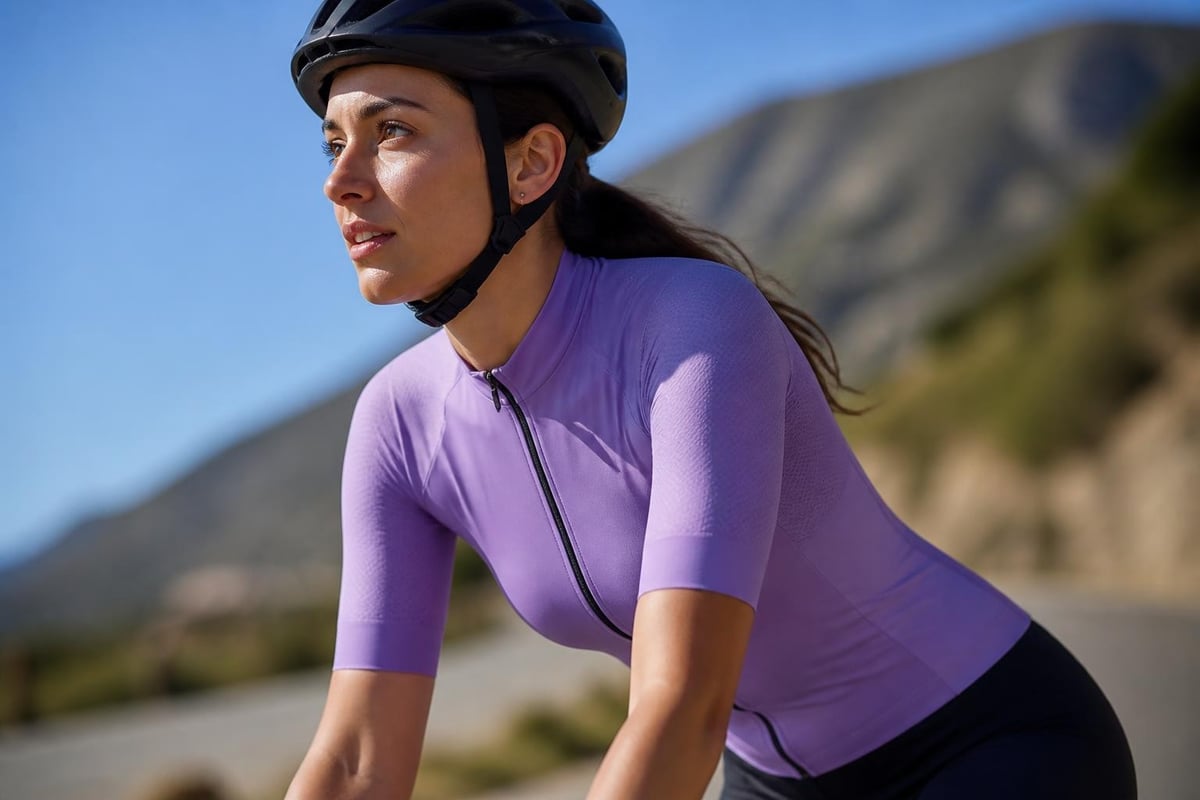
Women's cycling jerseys feature longer back panels to prevent exposure when leaning forward, higher front necklines for coverage and modesty, and shorter front hems that don't bunch when seated on the saddle. The cut through the shoulders and arms accounts for narrower frames, while the torso shaping follows natural curves rather than the straighter lines found in men's jerseys.
The Science Behind Performance Fabrics
Modern cycling clothing relies on technical textiles engineered specifically for the demands of riding. Research into cycling clothing science reveals how fabric composition, weave patterns, and panel construction affect aerodynamics, moisture management, and temperature regulation.
Key fabric technologies include:
- Moisture-wicking polyester blends that pull sweat away from skin
- Four-way stretch materials that move with your body without restriction
- Mesh panels strategically placed in high-heat zones
- UV-protective treatments rated SPF 50+ for sun exposure
- Antimicrobial finishes that reduce odor buildup
The weight of cycling fabrics varies seasonally, from lightweight 100-120 GSM (grams per square meter) for summer jerseys to 200+ GSM for thermal winter wear. Understanding these specifications helps riders select appropriate layers for different conditions.
Essential Components of a Complete Biking Outfit Women Need
Building a functional cycling wardrobe starts with understanding the core pieces and how they work together as a system. Each component serves specific purposes that contribute to overall comfort and performance.
Cycling Jerseys
The cycling jersey forms the foundation of any biking outfit women assemble for road or gravel riding. Unlike casual t-shirts, cycling jerseys feature a race-oriented fit that sits close to the body, reducing wind resistance while remaining comfortable during long rides.
Women's jersey features to prioritize:
- Rear pockets positioned along the lower back for easy access to nutrition, tools, and phones
- Full-length or half-length zippers for ventilation control
- Silicone gripper elastic at the hem to prevent riding up
- Flatlock seams that eliminate chafing
- Reflective elements for visibility in low-light conditions
Premium jerseys incorporate body-mapping technology, using different fabric weights and weaves in specific zones based on heat generation and airflow requirements during cycling.
Bib Shorts and Padded Shorts
The most critical piece of any biking outfit women invest in is quality padded shorts or bib shorts. The chamois (padding) protects sensitive tissue from pressure and friction during hours in the saddle, while the compressive fabric supports muscles and reduces fatigue.
| Feature | Standard Shorts | Bib Shorts |
|---|---|---|
| Waistband | Elastic waistband | Shoulder straps |
| Comfort | Can dig in at waist | Eliminates waist pressure |
| Jersey compatibility | Can create gap | Stays in place |
| Bathroom breaks | Easier | Requires more effort |
| Price range | $60-150 | $100-300 |
Women-specific chamois design accounts for differences in sit bone width, pelvic tilt, and pressure distribution. Cycling UK emphasizes that proper chamois fit and quality dramatically impact riding comfort, making this the one area where budget cuts often lead to regret.
Base Layers and Undergarments
The layer worn directly against skin plays a crucial role in moisture management and temperature regulation. A proper base layer moves sweat away from skin to the jersey's outer surface, where it can evaporate efficiently.
Sports bras designed for cycling offer more support than base layers alone. Look for styles without thick seams that can cause pressure points, and consider bras with front closures for easier changing in locker rooms.
Seasonal Considerations for Year-Round Riding
Temperature dictates clothing choices more than any other factor. Cycling Weekly's comprehensive temperature guide provides specific recommendations for different weather conditions, but understanding layering principles allows customization based on personal preferences.
Warm Weather Riding (70°F and Above)
Summer riding demands maximum breathability and sun protection. A lightweight jersey and standard bib shorts handle most conditions above 70°F, though extreme heat may warrant additional considerations.
Hot weather essentials:
- Lightweight, mesh-panel jerseys
- Moisture-wicking base layers (for riders who prefer coverage)
- Arm coolers soaked in cold water
- Cycling caps or visors under helmets
- UV-protective arm sleeves for extended sun exposure
Riders in extremely hot climates often choose light-colored jerseys that reflect rather than absorb heat, though darker colors may hide sweat stains better during intense efforts.
Cool Weather Layering (40°F to 70°F)
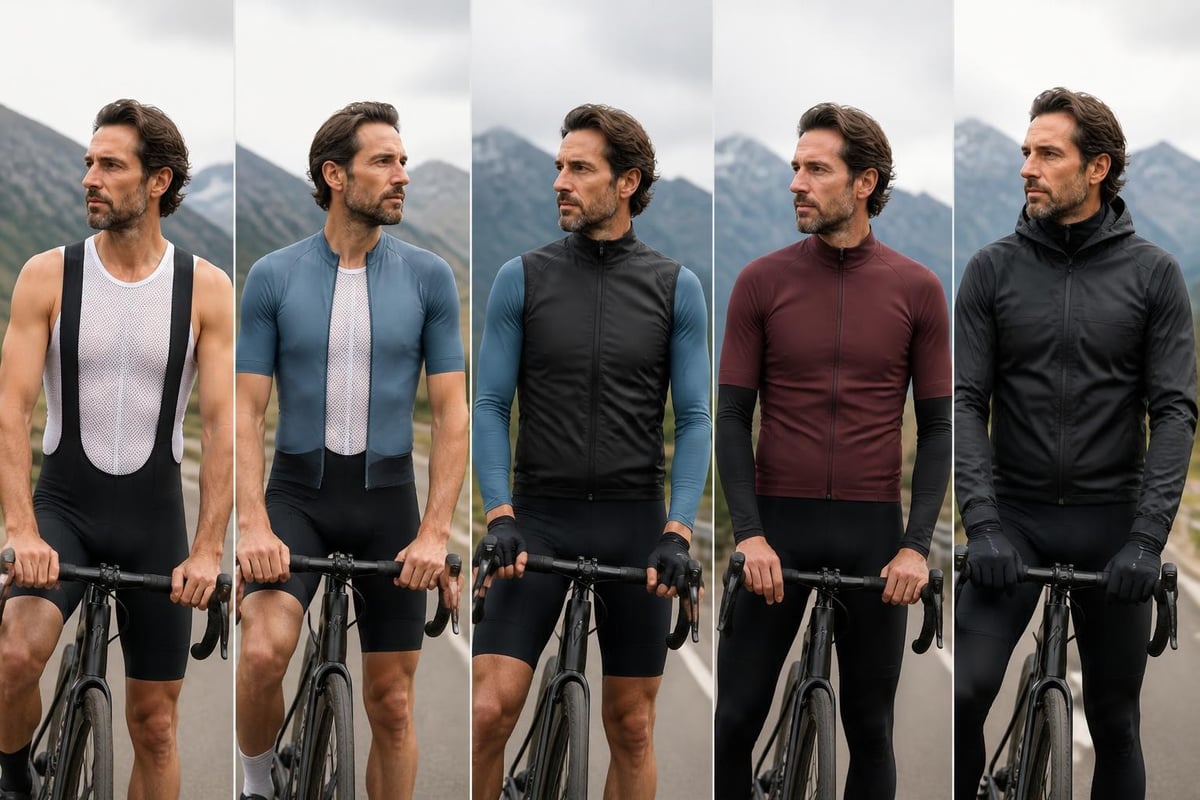
This temperature range offers the most variation in biking outfit women select based on individual heat tolerance, intensity, and weather conditions. The principle of layering becomes essential, allowing riders to add or remove pieces as temperatures fluctuate.
A typical cool-weather setup includes thermal arm warmers, knee warmers or leg warmers, and a lightweight vest over a standard jersey. This combination provides flexibility without requiring a complete clothing change.
For those building a custom cycling wardrobe, CCN Sport's Custom Cycling Apparel service allows teams and clubs to create cohesive layering systems with matching arm and leg warmers that complement custom jerseys and shorts. Their advanced sublimation process ensures designs remain vibrant through countless wash cycles, while their experienced team brings over 20 years of expertise to every custom order.

Winter Cycling (Below 40°F)
Cold-weather cycling requires purpose-built garments that balance insulation with breathability. Overheating from overdressing can be as problematic as inadequate protection, making proper gear selection critical.
| Temperature Range | Recommended Layers | Additional Protection |
|---|---|---|
| 32°F - 40°F | Thermal base + long-sleeve jersey + vest | Thermal tights, full-finger gloves |
| 20°F - 32°F | Thermal base + winter jersey + jacket | Thermal bib tights, winter gloves, toe covers |
| Below 20°F | Double base layer + winter jersey + insulated jacket | Insulated bib tights, lobster gloves, neoprene shoe covers, balaclava |
Winter riding also demands attention to extremities. Fingers, toes, ears, and nose suffer first in cold conditions, requiring dedicated protection beyond core layers.
Fit and Sizing Considerations
Proper fit dramatically impacts comfort and performance in cycling apparel. Unlike casual clothing where loose fits are often preferred, a biking outfit women choose for serious riding should fit close to the body without constriction.
Understanding Cycling Fit Categories
Manufacturers typically offer three fit categories, though terminology varies between brands:
Race fit sits tightest against the body, maximizing aerodynamics and minimizing fabric flutter. This cut works best for experienced riders comfortable with the forward position and minimal fabric ease.
Club fit offers a middle ground, providing aerodynamic benefits without the extreme closeness of race cuts. Most recreational and fitness riders find this balance ideal for both performance and comfort.
Relaxed fit provides the most room, suitable for casual riding, commuting, or riders who prefer looser clothing. These cuts sacrifice some aerodynamic efficiency for comfort and versatility.
Taking Accurate Measurements
Women's cycling apparel sizing relies on specific body measurements rather than generic S/M/L categories. The CCN Sport women's size chart provides detailed guidance, but accurate self-measurement requires attention to technique.
Essential measurements include:
- Chest/Bust: Measure around the fullest part, keeping the tape parallel to the floor
- Waist: Measure at the natural waistline, typically the narrowest point
- Hips: Measure around the fullest part of the hips
- Inseam: Measure from crotch to floor while standing straight
- Torso length: Measure from the base of the neck, over the shoulder, through the crotch, and back to the starting point
When measurements fall between sizes, consider riding style and personal preference. Riders who generate significant power may prefer slightly larger sizes for comfort, while those prioritizing aerodynamics typically size down when between measurements.
Accessories and Complementary Gear
A complete biking outfit women can rely on extends beyond jerseys and shorts to include accessories that enhance safety, comfort, and performance.
Helmets and Safety Gear
Modern cycling helmets combine lightweight construction with advanced impact protection. Federal safety standards establish minimum requirements for impact resistance and strap strength, but premium helmets often exceed these baseline standards.
Women-specific helmets account for different head shapes and ponytail accommodation, with rear retention systems designed to work with gathered hair. MIPS (Multi-directional Impact Protection System) technology, now common in mid-range and premium helmets, adds rotational impact protection beyond standard foam construction.
Gloves and Hand Protection
Cycling gloves serve multiple purposes: padding against handlebar pressure, vibration damping, protection during falls, and grip enhancement in wet conditions. Summer gloves feature minimal padding and maximum ventilation, while winter gloves prioritize insulation and weather protection.
Full-finger gloves offer more versatility across seasons and provide better crash protection than fingerless models. However, many riders prefer fingerless gloves in warm weather for easier access to smartphones and nutrition.
Footwear and Pedal Systems
Cycling shoes designed for clipless pedal systems dramatically improve pedaling efficiency compared to flat pedals and casual shoes. The stiff soles transfer power directly to the pedals rather than flexing, while the secure attachment allows pulling up as well as pushing down during the pedal stroke.
Women's cycling shoe features:
- Narrower heel cups to prevent slipping
- Lower arch support profiles
- Smaller size ranges (typically starting at EU 36/US 5)
- Adjustable retention systems (BOA dials, Velcro straps, or laces)
Road cycling shoes prioritize stiffness and lightweight construction with recessed cleats for off-bike walking. Mountain and gravel shoes feature more aggressive tread and walkability, though they sacrifice some efficiency.
Caring for Technical Cycling Apparel
Proper maintenance extends the life of cycling clothing and preserves performance characteristics like moisture-wicking and elasticity. Technical fabrics require different care than cotton or casual athletic wear.
Washing and Drying Best Practices
Cycling apparel should be washed after every ride to remove salt, sweat, and bacteria that degrade fabrics and cause odors. Laboratory testing on sportswear odor reveals that proper washing techniques and detergent selection significantly impact long-term garment freshness.
Recommended washing protocol:
- Turn garments inside out to protect exterior finishes
- Use cold water (30°C/86°F maximum) to preserve elasticity
- Select gentle or delicate cycles with reduced agitation
- Choose detergents formulated for technical fabrics (avoid fabric softeners)
- Air dry rather than machine dry to prevent heat damage
Chamois require special attention, as heat and harsh detergents degrade the foam padding and antimicrobial treatments. Some riders hand-wash shorts separately from other cycling clothing to maximize chamois longevity.
Storage and Organization
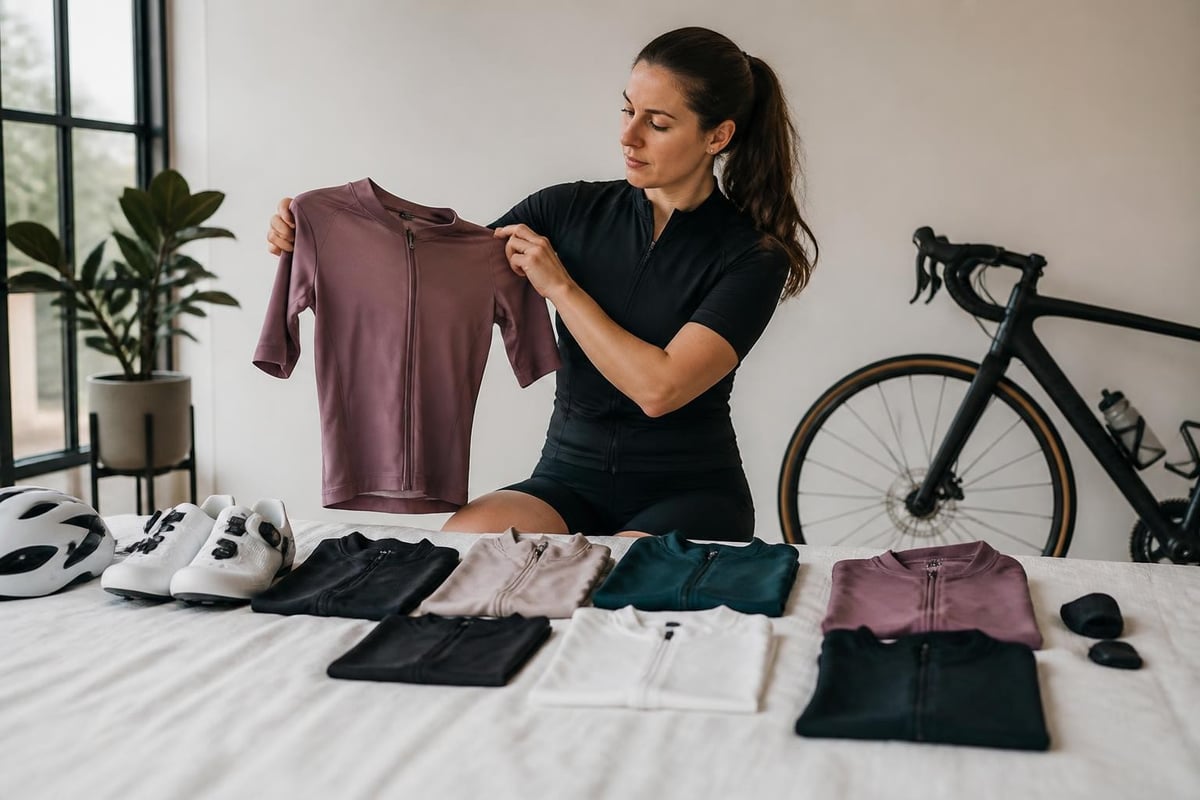
Proper storage prevents damage from compression, sunlight exposure, and moisture. Cycling jerseys should be hung or folded loosely rather than compressed in tight drawers. Bib shorts benefit from hanging storage that doesn't stress the straps or compress the chamois.
UV exposure fades colors and degrades elastic fibers, making dark closet storage preferable to sunny shelves. Seasonal gear should be clean and completely dry before long-term storage to prevent mildew and fabric degradation.
Building a Versatile Cycling Wardrobe
Creating a functional collection of cycling clothing requires balancing budget constraints with practical needs. Rather than purchasing numerous low-quality items, most experienced riders recommend investing in fewer high-quality pieces that perform reliably across various conditions.
Essential First Purchases
Riders new to cycling-specific clothing should prioritize pieces with the highest impact on comfort and performance. The chamois in quality bib shorts or padded shorts provides more measurable comfort improvement than any other single upgrade.
Starter wardrobe priorities:
- One pair of quality bib shorts or padded shorts
- Two cycling jerseys (enables washing rotation)
- Arm warmers and leg warmers for temperature flexibility
- Base layer for cool weather
- Cycling-specific gloves
This foundation handles most three-season riding in moderate climates. Additional pieces can be added as budget allows and specific needs emerge through regular riding.
Expanding for Different Disciplines
Road cycling, gravel riding, mountain biking, and bikepacking each have specific clothing preferences, though significant overlap exists. Road riders prioritize aerodynamics and lightweight fabrics, while mountain bikers often choose more durable materials with looser fits.
Gravel and bikepacking outfits split the difference, combining road-style fit with mountain bike durability. Many riders find modern gravel apparel versatile enough for both paved and unpaved surfaces, reducing the need for discipline-specific wardrobes.
Custom Team and Club Apparel
Group rides, cycling clubs, and competitive teams benefit from coordinated apparel that builds identity and visibility. Custom biking outfit women wear as part of organized groups offers practical advantages beyond aesthetics.
Matching kits help riders identify teammates during group rides and races, while club-branded clothing promotes organizational identity and creates community cohesion. Many clubs negotiate volume pricing that makes custom apparel competitive with retail options while offering perfect fit and unique designs.
The design process for custom cycling clothing has evolved significantly, with manufacturers now offering low minimum order quantities that make custom gear accessible to small clubs and informal riding groups. Digital design tools allow riders to visualize customizations before production, ensuring final products match expectations.
Performance Benefits of Proper Cycling Clothing
The difference between casual athletic wear and purpose-built cycling apparel becomes apparent during longer rides. Chafing from inappropriate seams, discomfort from bunching fabric, and poor temperature regulation all detract from the riding experience and can lead to shortened rides or abandoned training plans.
Proper cycling clothing eliminates these distractions, allowing riders to focus on performance, scenery, and the pure enjoyment of riding. The compressive fit of quality bib shorts supports working muscles, potentially reducing fatigue during extended efforts. Aerodynamic jerseys measurably reduce drag at higher speeds, though the magnitude of benefit varies with riding position and speed.
Beyond measurable performance gains, appropriate cycling clothing simply makes riding more enjoyable. Comfortable riders ride longer, more frequently, and with greater enthusiasm. This psychological benefit, though difficult to quantify, may represent the most significant advantage of investing in quality cycling-specific apparel.
Finding the Right Balance Between Style and Function
Modern cycling apparel successfully merges technical performance with aesthetic appeal. The biking outfit women choose no longer requires choosing between looking good and riding well, as manufacturers now offer extensive design options that maintain full technical specifications.
Bold graphics, subtle patterns, and classic solid colors all appear in current cycling collections, allowing riders to express personal style while benefiting from advanced fabric technology and performance-oriented cuts. Custom apparel takes this further, enabling complete design freedom within the constraints of proven patterns and technical requirements.
Color selection impacts more than aesthetics. Bright colors and high-contrast designs improve visibility to motorists, particularly in low-light conditions or adverse weather. Many riders choose bold colors for safety while reserving subtle designs for group rides where visibility concerns are minimal.
The reflective elements integrated into modern cycling clothing enhance safety without compromising daytime aesthetics. Strategic placement of reflective strips, logos, and accents creates distinctive patterns in headlight illumination while remaining unobtrusive in natural light.
Selecting the right biking outfit women can depend on for comfort, performance, and durability requires understanding how cycling-specific features address the unique demands of riding. From moisture-wicking fabrics and anatomically-designed chamois to temperature-appropriate layering systems, each component contributes to an enhanced riding experience. Whether you're outfitting yourself for solo training rides or coordinating a full team kit, CCN Sport combines over 20 years of sublimation expertise with advanced manufacturing capabilities to deliver custom cycling apparel that performs as beautifully as it looks. Our precision craftsmanship and innovative approach transform your vision into reality, creating gear built to last through countless miles.

Share:
Padded Bike Riding Pants: Comfort & Performance Guide
Top Cycling Apparel Brands: Performance, Quality & Fit