

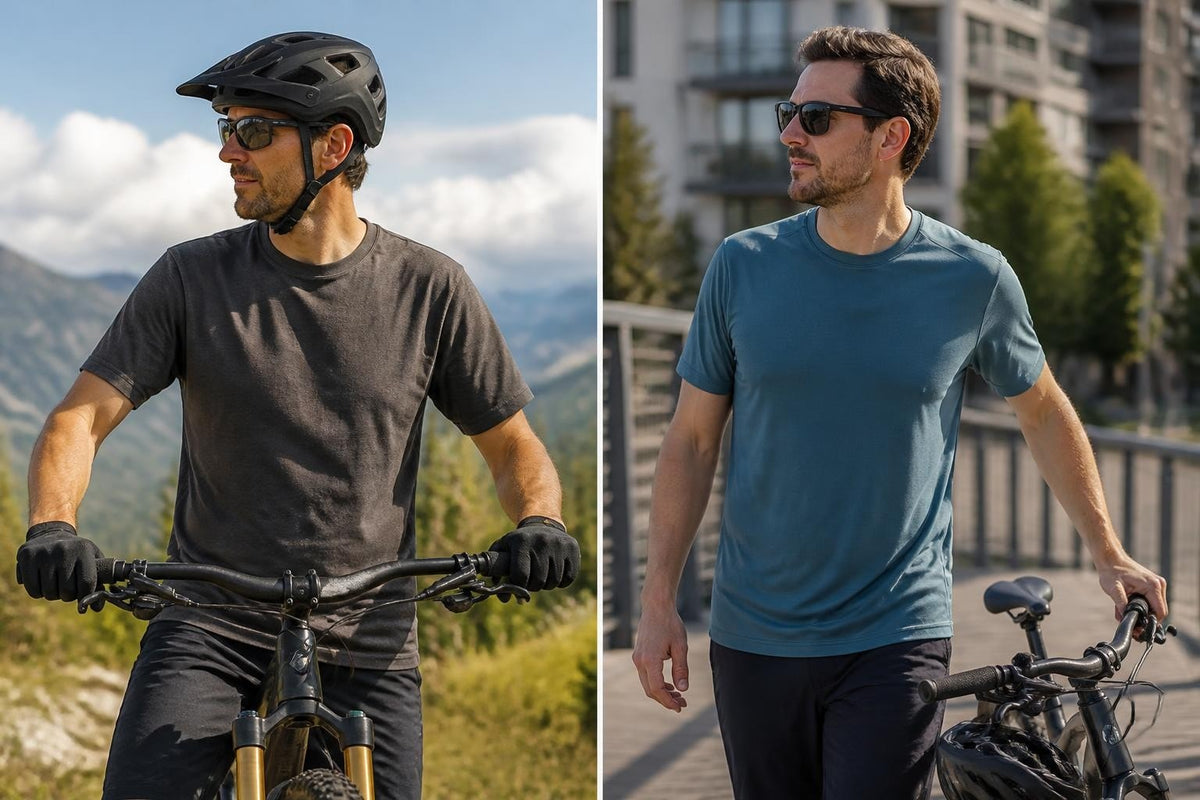
Mountain biking culture extends far beyond the trails. The gear you wear off the bike speaks volumes about your connection to the sport, and mtb t shirts have become the unofficial uniform of riders worldwide. Whether you're looking for a casual post-ride tee or a technical option that performs during your session, understanding the landscape of mountain bike apparel helps you make informed choices that align with your riding lifestyle and values.
Understanding MTB T Shirt Categories
Mountain bike t shirts fall into distinct categories, each serving different purposes in a rider's wardrobe. The distinction between casual cotton tees and performance-oriented options shapes how you'll use each shirt.
Casual Cotton and Blend Tees
Traditional cotton mtb t shirts dominate the casual category. These shirts prioritize comfort and style over technical performance, making them ideal for everyday wear, post-ride socializing, or simply showcasing your passion for the sport.
Cotton benefits include:
- Soft, familiar feel against skin
- Breathable in mild conditions
- Affordable price points
- Easy care and maintenance
- Wide variety of graphic designs
Cotton-polyester blends offer a middle ground, adding durability and reducing shrinkage while maintaining the casual aesthetic that many riders prefer. These blends typically feature 50-60% cotton content, providing comfort without the weight retention issues of pure cotton.
Technical Performance Options
Performance mtb t shirts incorporate advanced fabrics designed to manage moisture, regulate temperature, and enhance comfort during active riding. While technical cycling jerseys remain the gold standard for serious trail sessions, modern technical tees bridge the gap between casual and performance wear.
| Feature | Casual Cotton | Tech Blend | Performance Jersey |
|---|---|---|---|
| Moisture Management | Limited | Moderate | Excellent |
| Quick Dry | Poor | Good | Superior |
| Durability | Moderate | High | Very High |
| Price Range | $15-30 | $30-50 | $50-120 |
| Trail Suitability | Light/Short | Moderate | All Conditions |
Material Science for Mountain Biking
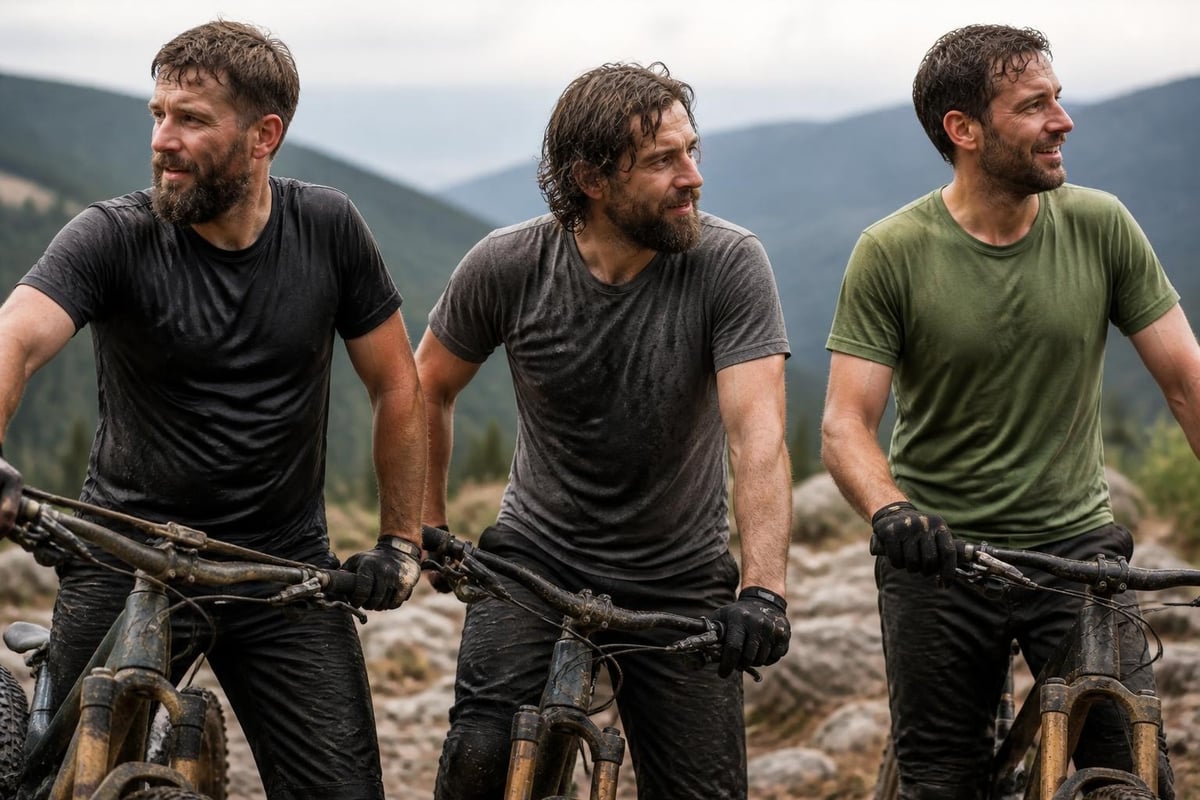
The fabric composition of mtb t shirts directly impacts performance, comfort, and longevity. Modern manufacturing techniques have expanded options beyond traditional cotton.
Polyester and Synthetic Blends
Polyester-dominant fabrics excel in moisture management. The ASTM D737 standard provides testing protocols for air permeability, a critical factor in breathability that determines how well a shirt performs during exertion.
Synthetic blends offer several advantages for active riders. They dry significantly faster than cotton, preventing the clammy feeling that occurs when sweat-soaked fabric clings to skin. The durability of polyester means these shirts withstand repeated washing and trail abuse better than natural fibers.
Key synthetic benefits:
- Superior moisture wicking
- Lightweight construction
- Color retention through sublimation printing
- Reduced odor retention with antimicrobial treatments
- Faster drying times
Sustainable and Natural Fiber Options
Environmental consciousness shapes purchasing decisions for many mountain bikers. The Textile Exchange Materials Benchmark tracks industry progress toward sustainable fiber adoption, showing significant growth in recycled polyester and organic cotton usage.
Recycled polyester mtb t shirts transform plastic waste into performance apparel. These materials perform identically to virgin polyester while reducing environmental impact. According to the UNEP sustainability roadmap, circular economy approaches in textile production significantly reduce carbon footprints.
Merino wool represents another sustainable option. This natural fiber regulates temperature effectively, resists odors naturally, and provides comfort across wide temperature ranges. While more expensive than synthetic alternatives, merino wool mtb t shirts offer unique performance characteristics valued by backcountry riders.
Design Elements That Matter
Graphics and styling define much of the mtb t shirt market. Design choices reflect personal taste while communicating brand affiliations and riding philosophy.
Graphic Styles and Brand Identity
Mountain bike culture embraces bold graphics, trail photography, and typography that captures the sport's energy. Popular design categories include:
- Brand logos: Bike manufacturers, component companies, and apparel brands
- Trail location graphics: Celebrating iconic riding destinations
- Humorous slogans: Inside jokes and riding culture references
- Artistic interpretations: Stylized bike elements and landscape imagery
- Retro designs: Vintage-inspired graphics honoring mountain biking history
Sublimation printing technology enables photorealistic designs and vibrant colors that won't crack or fade. This process embeds ink directly into synthetic fibers, creating permanent graphics that withstand hundreds of wash cycles.
Fit and Cut Considerations
Proper fit determines both comfort and aesthetic appeal. MTB t shirts typically follow these fit profiles:
Athletic/Slim Fit
- Tapered through torso
- Shorter sleeves showing arm definition
- Ideal for riders who prefer modern styling
Regular/Standard Fit
- Traditional t-shirt proportions
- Room through chest and waist
- Versatile for various body types
Relaxed/Loose Fit
- Extra room throughout
- Longer body length
- Preferred for layering and casual wear
Understanding your preferred fit ensures satisfaction with online purchases. Many riders reference cycling kit guides to understand sizing across different apparel categories.
Creating Custom MTB T Shirts
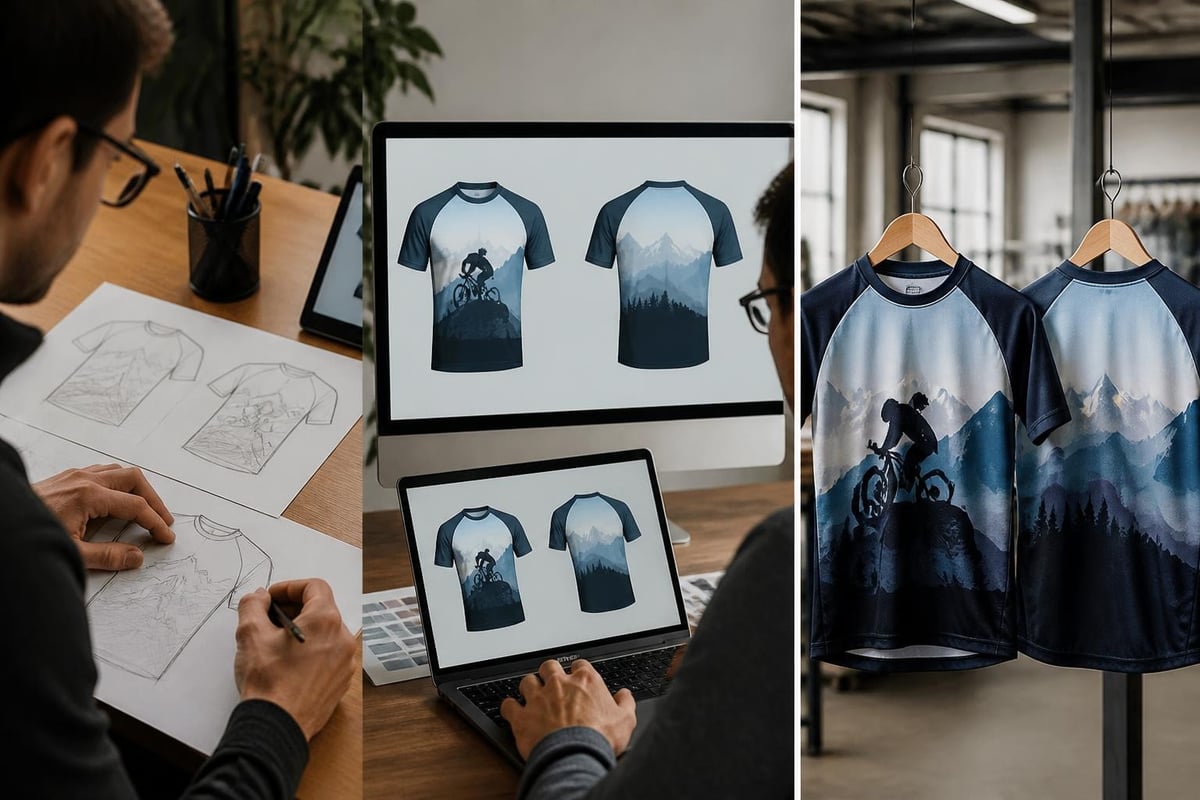
Custom designs allow riders, teams, and bike shops to create unique mtb t shirts that reflect specific identities. The customization process has become increasingly accessible through specialized manufacturers.
Design Development Process
Creating custom apparel begins with concept development. Teams should consider their visual identity, color preferences, and message before approaching manufacturers.
Design checklist:
- Define color palette (2-4 primary colors work best)
- Select placement for logos and graphics
- Choose fonts that reflect brand personality
- Determine size range needed for team members
- Establish budget per unit based on quantity
Digital mockups allow teams to visualize designs before committing to production. Professional manufacturers provide design support, ensuring technical specifications align with printing capabilities.
Those seeking premium custom cycling apparel benefit from working with experienced manufacturers. Advanced sublimation processes ensure designs translate accurately from screen to fabric, maintaining color fidelity and detail resolution.
Production Quantities and Timelines
Minimum order quantities vary by manufacturer. Small teams might order 12-25 pieces, while larger organizations or retail shops typically order 50+ units to achieve better per-piece pricing.
| Order Size | Typical Timeline | Price Range (Per Shirt) |
|---|---|---|
| 12-24 units | 3-4 weeks | $28-35 |
| 25-49 units | 3-4 weeks | $22-28 |
| 50-99 units | 4-5 weeks | $18-24 |
| 100+ units | 4-6 weeks | $15-20 |
Production timelines include design finalization, material sourcing, printing, cutting, sewing, and quality control. Rush orders may be available for premium pricing, though standard timelines ensure proper attention to detail.
Care and Maintenance Best Practices
Proper care extends the lifespan of mtb t shirts while maintaining appearance and performance characteristics. Different materials require specific approaches.
Washing Guidelines by Fabric Type
Cotton and Cotton Blends:
- Wash in cold water to prevent shrinkage
- Turn inside out to protect graphics
- Use mild detergent without bleach alternatives
- Tumble dry low or hang dry
- Avoid high heat that degrades fibers
Synthetic Performance Fabrics:
- Cold water wash prevents color fading
- Skip fabric softener (reduces moisture-wicking properties)
- Air dry when possible to maintain elasticity
- Remove from dryer promptly to prevent wrinkles
- Wash separately from cotton to avoid lint transfer
Merino Wool:
- Hand wash or gentle machine cycle
- Use wool-specific detergent
- Never wring or twist fabric
- Lay flat to dry on clean towel
- Store folded rather than hanging
Stain Treatment and Odor Management
Trail riding inevitably leads to mud, chain grease, and energy gel residue on mtb t shirts. Quick treatment prevents permanent staining.
Pre-treat chain grease with dish soap before washing. Apply directly to the stain, let sit for 15 minutes, then wash normally. For mud stains, allow the mud to dry completely, brush off excess, then wash in cold water.
Odor management matters particularly for synthetic fabrics. While antimicrobial treatments help, regular washing with sport-specific detergents designed for technical fabrics prevents odor buildup. Avoid leaving sweaty shirts in gym bags overnight, as bacteria multiply rapidly in damp, enclosed spaces.
Sizing Strategies for Online Purchases
Buying mtb t shirts online requires understanding measurement systems and manufacturer variations. Standard sizing labels (S, M, L, XL) don't account for fit preferences or international differences.
Taking Accurate Measurements
Successful online purchases start with accurate body measurements:
- Chest: Measure around fullest part, under arms
- Length: Measure from high point of shoulder to desired hem
- Shoulder: Measure from shoulder point to shoulder point across back
- Sleeve: Measure from shoulder seam to desired sleeve end
Compare your measurements against manufacturer size charts rather than assuming your usual size. European brands often run smaller than American cuts, while athletic-fit options typically size down compared to regular fits.
International Size Conversions
| US Size | EU Size | UK Size | Chest (inches) | Length (inches) |
|---|---|---|---|---|
| Small | 46-48 | 36-38 | 34-36 | 27-28 |
| Medium | 48-50 | 38-40 | 38-40 | 28-29 |
| Large | 50-52 | 40-42 | 42-44 | 29-30 |
| X-Large | 52-54 | 42-44 | 46-48 | 30-31 |
Reading customer reviews provides real-world sizing feedback. Comments like "runs small" or "order one size up" offer valuable guidance from riders with similar builds.
Price Points and Value Assessment
MTB t shirts span a wide price spectrum, from budget options under $20 to premium technical shirts exceeding $60. Understanding what drives these price differences helps riders make informed decisions aligned with their needs and budgets.
Budget Tier ($15-25)
Entry-level mtb t shirts prioritize affordability. These typically feature:
- Screen-printed graphics (less durable than sublimation)
- Basic cotton or cotton-poly blends
- Standard fit cuts
- Limited size ranges
- Mass-market production
Budget options suit casual wear and riders who frequently rotate designs. The lower investment means less concern about wear and tear from rough use.
Mid-Range Tier ($25-45)
Mid-tier shirts balance quality and cost. Expect improved materials, better construction, and more sophisticated designs. Many riders find this tier offers the best value proposition.
Features typically include:
- Better quality cotton or performance blends
- More durable printing methods
- Wider size selections
- Enhanced fit options
- Established brand credibility
Premium Tier ($45-70+)
High-end mtb t shirts justify pricing through superior materials, craftsmanship, and design. Technical fabrics, sustainable materials, and limited-edition collaborations characterize this category.
Premium shirts often incorporate merino wool, recycled materials with certified sustainability credentials, or proprietary fabric blends. Riders serious about performance appreciate the difference in moisture management and temperature regulation.
Similar to how riders invest in quality gear across categories, from bike t-shirts to complete kits, premium apparel represents commitment to the sport.
Seasonal Considerations and Layering
Mountain biking spans all seasons in many regions, requiring adaptable apparel strategies. MTB t shirts function differently across temperature ranges and riding conditions.
Warm Weather Riding
Summer trail sessions demand maximum breathability and moisture management. Light-colored technical fabrics reflect heat while moving sweat away from skin.
Optimal summer features:
- Lightweight polyester or blends
- Loose fit allowing air circulation
- Light colors reflecting solar radiation
- Minimal graphics (dark ink absorbs heat)
- Raglan or set-in sleeves for unrestricted movement
Some riders prefer merino wool even in heat. The fiber's natural properties regulate temperature effectively, keeping riders cooler than expected despite being "wool."
Cool Weather Layering
Spring and fall riding requires versatile pieces that work within layering systems. MTB t shirts serve as base layers under jerseys or jackets, or as mid-layers over long-sleeve base layers.
Temperature-based layering combinations showing t-shirts as base layers, mid-layers, and standalone pieces across different riding conditions
Layering system example:
- Base layer: Moisture-wicking long-sleeve (40-50°F)
- Mid layer: MTB t-shirt (adds warmth, showcases style)
- Outer layer: Wind-resistant jacket (weather protection)
This modular approach allows adjustment as effort levels and temperatures fluctuate during rides. Riders can shed layers during climbs and add them back for descents or while sessioning features.
Brand Landscape and Market Leaders
The mtb t shirt market includes bike manufacturers, component brands, apparel specialists, and independent designers. Each category offers distinct advantages.
Bike and Component Brands
Major bike manufacturers produce branded apparel extending their identity beyond frames. These mtb t shirts appeal to riders loyal to specific brands and those wanting to showcase their bike choice.
Santa Cruz, Specialized, Trek, and others offer lifestyle collections featuring iconic logos and model-specific graphics. Quality varies, with some brands partnering with established apparel manufacturers while others produce in-house.
Dedicated Apparel Companies
Specialized cycling apparel brands bring technical expertise to mtb t shirts. These companies understand rider needs and translate performance requirements into casual wear.
Brands in this category often offer both technical riding gear and casual options, allowing riders to maintain consistent style on and off the bike. Manufacturing partnerships with experienced facilities ensure quality control and innovation.
Independent and Artist Collaborations
Small brands and independent artists create unique mtb t shirts appealing to riders seeking alternatives to mainstream options. Limited runs and distinctive designs attract collectors and those wanting to stand out.
These smaller operations often emphasize sustainability, ethical production, and community support. While potentially more expensive due to limited scale, they offer exclusivity and direct support for creative individuals.
Some riders draw parallels with other specialized sports apparel markets-just as mens equestrian clothing serves a niche with specific performance and style requirements, independent MTB brands cater to riders seeking something beyond mass-market options.
Regional and Trail-Specific Designs
Location-based graphics celebrate iconic riding destinations and local trail systems. These mtb t shirts function as both apparel and souvenirs, commemorating memorable rides and bucket-list destinations.
Destination Graphics
Popular mountain bike regions inspire countless t-shirt designs:
- Moab, Utah: Red rock landscapes and slickrock trails
- Whistler, British Columbia: Bike park culture and alpine terrain
- Finale Ligure, Italy: Mediterranean coastal riding
- Rotorua, New Zealand: Volcanic landscapes and forest trails
- Pisgah National Forest, North Carolina: Technical East Coast riding
These location-specific shirts resonate with riders who've experienced these trails and aspire to visit among those planning future trips. Trail maps, elevation profiles, and geographic markers add authenticity to designs.
Local Trail Advocacy
Many mtb t shirts support trail advocacy organizations. Purchases directly fund trail maintenance, new construction, and access negotiations. Organizations like IMBA chapters, local trail alliances, and bike park associations sell branded apparel as fundraising tools.
Supporting these organizations through apparel purchases demonstrates commitment to sustainable trail access. Riders wearing advocacy shirts help raise awareness and spark conversations about trail stewardship.
Technical Specifications Worth Understanding
Product specifications help evaluate mtb t shirts objectively. Certain technical details indicate quality and performance potential.
Fabric Weight and GSM
Grams per square meter (GSM) measures fabric density. Understanding GSM helps predict durability, opacity, and seasonal suitability.
- 120-150 GSM: Lightweight, suitable for hot weather
- 150-180 GSM: Standard weight, versatile across seasons
- 180-220 GSM: Heavyweight, durable and opaque
- 220+ GSM: Very heavy, primarily for cold weather
Lightweight fabrics dry quickly and pack small but may show wear faster. Heavier weights provide better durability and opacity but take longer to dry and feel warmer.
Construction Quality Indicators
Manufacturing quality appears in details many overlook:
Stitching:
- Double-needle hem stitching prevents unraveling
- Reinforced shoulder seams handle stress
- Flatlock seams reduce chafing and bulk
Finishing:
- Clean, consistent seam allowances
- Properly set neckline without waviness
- Tag-free or soft tag construction
- Even hem lengths front and back
Quality construction justifies higher prices and extends usable life significantly. Inspecting these details when shopping helps identify well-made products regardless of price point.
Event and Race Commemoration
Endurance events, races, and festivals produce commemorative mtb t shirts marking participation and achievement. These shirts carry personal significance beyond ordinary casual wear.
Finisher and Participant Shirts
Marathon events like Leadville 100, BC Bike Race, and Trans-Savoie include participant shirts in registration packages. Finisher-specific designs acknowledge completion, creating instant recognition among riders familiar with these challenges.
Many riders collect event shirts from their racing careers, creating timeline documentaries of their progression through the sport. Vintage event shirts from early editions of now-legendary races carry particular cache among collectors.
Festival and Gathering Memorabilia
Mountain bike festivals celebrate riding culture through demos, group rides, and social events. Festival shirts capture the energy and community aspects of these gatherings.
Sea Otter Classic, Crankworx events, and regional festivals produce distinctive designs. Limited availability drives collectibility, as shirts are typically only sold during event weekends.
The Role of Team Kits and Club Identity
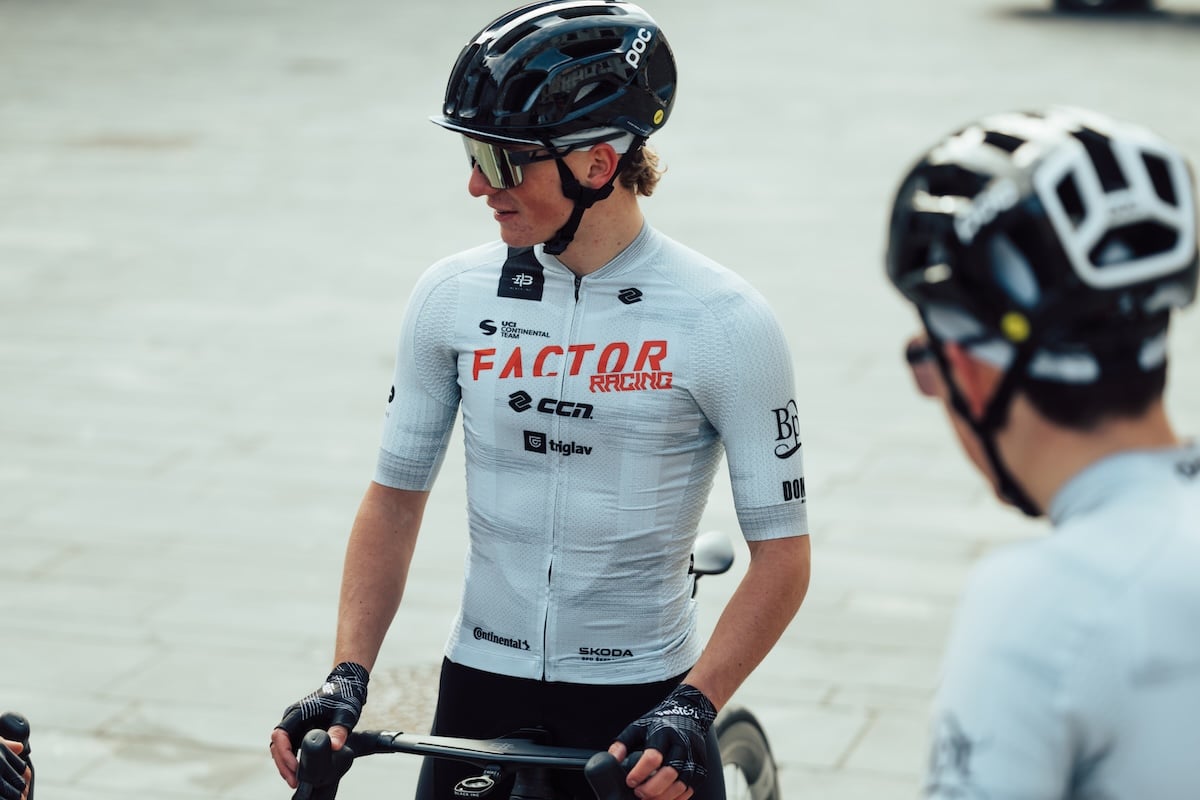
Organized riding groups use matching mtb t shirts to build team identity and visibility. From casual riding clubs to competitive squads, coordinated apparel strengthens bonds and professionalism.
Team Identity Development
Successful team designs balance individual style with cohesive identity:
- Select signature colors representing team character
- Incorporate meaningful symbols or local references
- Ensure readability of team name from distance
- Create hierarchy with different designs for members, supporters, sponsors
- Plan for expansion with complementary pieces over time
Teams ordering custom apparel benefit from manufacturers offering design services and technical consultation. Exploring resources at CCN Sport reveals how professional-grade customization serves teams at all levels.
Sponsor Integration
Competitive teams incorporate sponsor logos into mtb t shirt designs. Proper sponsor placement balances visibility with aesthetic appeal:
| Placement | Visibility | Design Impact |
|---|---|---|
| Chest center | High | Dominates design |
| Chest left | Moderate | Traditional placement |
| Upper back | High (when riding) | Maintains front clean |
| Sleeves | Moderate | Multiple sponsor option |
| Lower back | Low | Least obtrusive |
Professional designers ensure sponsor requirements meet aesthetic standards. Clear agreements about logo sizes and placements prevent conflicts during production.
Selecting the right mtb t shirts involves balancing performance needs, personal style, budget constraints, and values around sustainability and community support. Whether you're outfitting a team, building a casual wardrobe, or seeking technical pieces for actual riding, understanding materials, construction, and design principles ensures satisfaction with every purchase. At CCN Sport, our advanced sublimation process and experienced team transform your vision into premium custom cycling apparel that performs on the trails and stands out everywhere else. Visit CCN Sport to explore how our precision manufacturing and design expertise can bring your custom mtb t-shirt concepts to life.

Share:
Women's Biking Clothes: Performance, Fit, and Style Guide
Custom Kits vs Retail Apparel: Which Fits?