


Choosing the right mens cycling attire transforms every ride from uncomfortable to exceptional. Whether you're logging training miles, racing competitively, or enjoying weekend group rides, proper cycling clothing delivers measurable benefits in comfort, aerodynamics, and performance. Modern cycling apparel combines advanced fabric technology, ergonomic design, and precision construction to meet the demands of cyclists at every level. Understanding the essentials-from jerseys and bibs to base layers and accessories-helps you build a wardrobe that performs across all conditions and riding styles.
Understanding the Core Components of Mens Cycling Attire
The foundation of any cycling wardrobe begins with three essential garment categories. Each serves a specific purpose and works together as an integrated system.
Cycling Jerseys: Fit, Function, and Fabric Technology
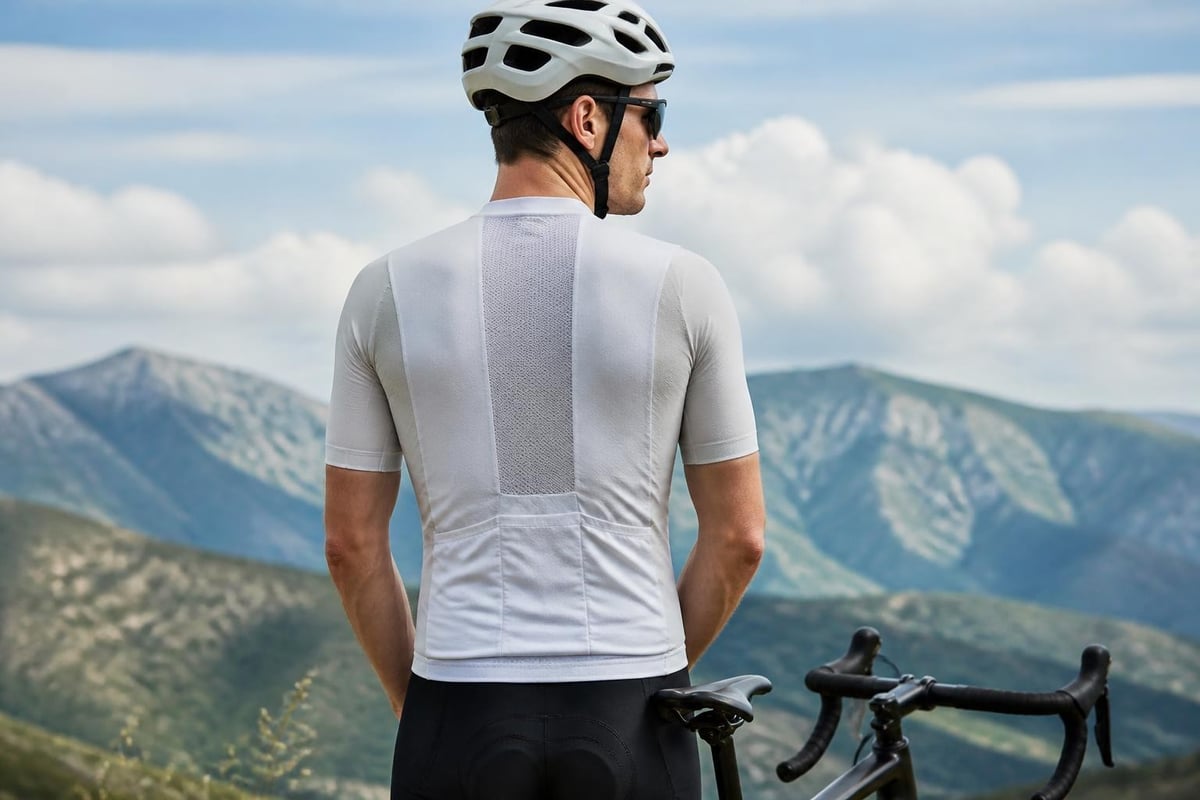
Cycling jerseys differ fundamentally from regular athletic shirts through their race-oriented cut, longer back panel, and specialized pocket configuration. The body-hugging fit reduces aerodynamic drag, while moisture-wicking synthetic fabrics move sweat away from skin to maintain core temperature. Modern jerseys typically feature three rear pockets positioned for easy access while riding, plus a zippered security pocket for valuables.
Key jersey features include:
- Full-length zippers for ventilation control
- Silicone waist grippers to prevent ride-up
- Reflective elements for visibility
- Flat-lock or bonded seams to eliminate chafing
- UV protection ratings (typically UPF 30-50)
Research comparing synthetic versus cotton athletic clothing demonstrates that technical fabrics significantly improve moisture management and thermal regulation during cycling activity. This evidence reinforces why dedicated mens cycling attire outperforms general athletic wear for serious riders.
Bib Shorts and Chamois Construction
Bib shorts represent perhaps the most critical investment in cycling comfort. Unlike traditional shorts with elastic waistbands, bibs use shoulder straps to distribute pressure evenly and eliminate waist constriction. The chamois-a padded insert sewn into the crotch area-provides essential cushioning and reduces friction during long hours in the saddle.
Premium chamois design incorporates variable-density foam that places thicker padding under sit bones while using thinner sections in non-pressure zones. Research on saddle pressure and rider comfort confirms that proper chamois geometry significantly impacts pressure distribution and reduces discomfort. The best bib shorts balance compression, breathability, and chamois quality across different price points.
| Feature | Entry Level | Mid-Range | Premium |
|---|---|---|---|
| Chamois Density | Single-density foam | Multi-density foam | 3D-molded, perforated |
| Fabric Type | Nylon/spandex blend | Italian Lycra | High-modulus compression |
| Leg Gripper | Elastic band | Silicone dots | Laser-cut seamless |
| Price Range | $50-80 | $100-150 | $200-350 |
Base Layers and Thermal Regulation
Base layers form the first defense against temperature extremes. In cool conditions, merino wool or synthetic base layers trap warmth while wicking moisture away from skin. During summer rides, ultra-lightweight mesh base layers actually improve cooling by creating an air gap between skin and jersey, enhancing evaporative cooling.
The layering principle allows cyclists to adapt mens cycling attire to changing conditions throughout a single ride. A proper base layer, mid-layer jersey, and weather-appropriate outer shell provide flexibility across temperature ranges from freezing to hot.
Seasonal Variations in Men's Cycling Clothing
Different seasons demand distinct approaches to cycling attire. Building a versatile wardrobe means understanding how temperature, precipitation, and daylight affect clothing choices.
Spring and Fall Transition Gear
Shoulder seasons present the greatest challenge in clothing selection. Morning temperatures may start near freezing while afternoon highs reach comfortable levels. Arm and leg warmers offer the perfect solution-easily removed and stored in jersey pockets as temperatures rise.
Essential transition pieces include:
- Thermal arm warmers with silicone grippers
- Knee or full-leg warmers
- Lightweight wind vests
- Long-sleeve jerseys in medium-weight fabrics
- Thermal caps or headbands
At CCN Sport, our advanced sublimation process creates thermal arm warmers and leg warmers with vibrant, fade-resistant graphics that maintain color integrity through countless wash cycles. Our precision manufacturing ensures proper compression and warmth retention in every piece.
Summer Performance Attire
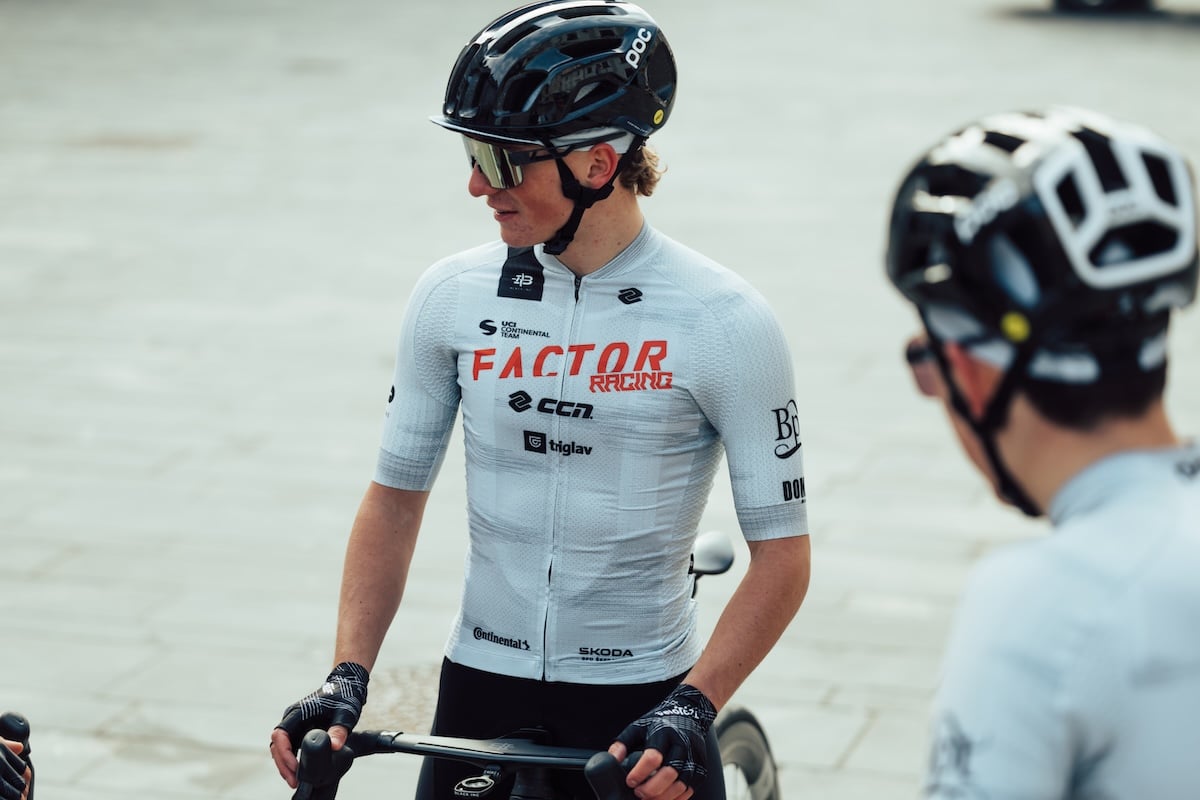
Hot-weather cycling demands maximum breathability and moisture management. Summer-specific mens cycling attire uses ultra-lightweight fabrics with open-weave construction that promotes airflow. Mesh panels under arms and across the back enhance ventilation in high-sweat zones.
White or light colors reflect solar radiation more effectively than dark tones, though modern fabrics with built-in cooling technology can perform well in any color. Many riders prefer short-sleeve jerseys paired with separate arm protection (sleeves or sunscreen) for flexibility.
Winter Cold-Weather Systems
Winter riding requires a complete rethinking of cycling clothing strategy. Thermal bib tights with fleece-backed fabric replace summer shorts, while long-sleeve thermal jerseys provide base insulation. Windproof and waterproof outer layers become essential.
Extremities suffer first in cold conditions. Winter-specific gloves, shoe covers, and balaclavas protect fingers, toes, and face from frostbite. Many serious winter riders invest in multiple glove weights-lightweight for cool mornings, insulated for freezing conditions, and waterproof for wet weather.
Technical Fabrics and Construction Methods
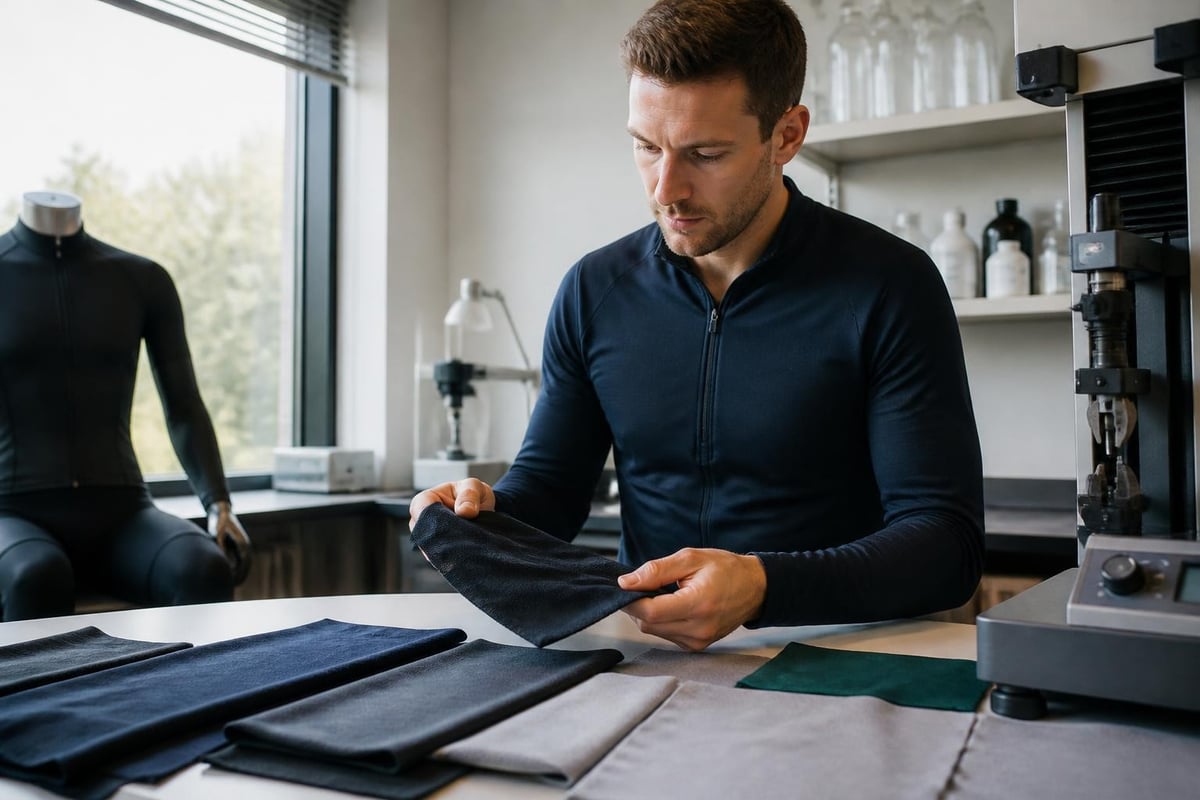
Understanding fabric technology helps cyclists make informed choices when selecting mens cycling attire. Modern cycling clothing employs sophisticated materials engineered for specific performance characteristics.
Polyester, Nylon, and Specialty Blends
Most cycling jerseys and shorts use polyester as the primary fiber due to its excellent moisture-wicking properties, quick-drying capability, and durability. Nylon adds abrasion resistance and strength, particularly in high-wear areas. Premium garments often incorporate elastane (spandex/Lycra) at 10-20% for stretch and recovery.
Merino wool has gained popularity for its natural odor resistance and temperature regulation. Hybrid fabrics combining merino with synthetic fibers deliver the benefits of both: wool's comfort and odor control with synthetics' durability and moisture management.
Sublimation Printing Versus Traditional Methods
Garment decoration method significantly impacts both aesthetics and performance. Traditional screen printing adds a layer of plastisol ink that can crack, peel, and restrict breathability. Sublimation printing, by contrast, infuses dye directly into fabric fibers at the molecular level.
The sublimation process creates graphics that never fade, crack, or peel. Colors remain vibrant through hundreds of wash cycles, and the fabric retains full breathability since no surface layer blocks airflow. This technology enables the complex, full-color designs common in professional team kits and custom mens cycling attire.
Fit, Sizing, and Comfort Optimization
Even the highest-quality fabrics and construction fail if garments don't fit properly. Cycling clothing runs smaller and tighter than casual wear, designed to eliminate excess fabric that creates drag and discomfort.
Race Fit Versus Club Fit
Manufacturers typically offer two or three fit profiles. Race fit (also called "pro" or "aero" fit) hugs the body closely, requiring riders to maintain an aggressive position. This cut suits competitive cyclists and those comfortable with minimal extra fabric.
Club fit (sometimes "relaxed" or "comfort" fit) provides more room through the chest and waist while maintaining the essential features of cycling-specific design. This option works well for recreational riders, those new to cycling, or anyone who prefers less compression.
Understanding your riding position and body type helps narrow fit choices. Cyclists who spend most rides in an upright position may find race-fit jerseys bunch uncomfortably, while those who maintain an aerodynamic tuck all day appreciate the streamlined profile.
Sizing Strategies and Sample Programs
Sizing varies significantly between brands. European manufacturers often run smaller than American brands, and Asian-market clothing typically uses different proportions. The safest approach involves consulting each manufacturer's specific size chart and comparing measurements to your actual dimensions.
Many quality brands offer sample programs allowing teams and individuals to test fit before committing to full orders. CCN Sport's sizing and samples program provides physical samples to ensure perfect fit before production begins. This approach eliminates costly sizing errors in custom team orders.
| Measurement | Where to Measure | Fit Consideration |
|---|---|---|
| Chest | Fullest part, arms relaxed | Most critical for jersey fit |
| Waist | Natural waistline | Determines bib short comfort |
| Inseam | Crotch to floor | Affects bib leg length |
| Arm Length | Shoulder to wrist, bent | Sleeve length when reaching |
| Thigh | Widest part | Compression level in shorts |
Accessories That Complete the System
Beyond core garments, several accessories elevate comfort and performance. These items often receive less attention but contribute significantly to overall ride quality.
Gloves, Socks, and Footwear Considerations
Cycling gloves serve multiple purposes: palm padding reduces handlebar pressure and vibration, while the back-of-hand fabric wipes sweat and provides sun protection. Summer gloves use minimal padding and maximum ventilation, while winter options add insulation and weather protection.
Cycling-specific socks position cushioning under the ball of the foot where pedal pressure concentrates. Compression socks have gained popularity for their potential benefits in reducing fatigue and improving recovery. Height preferences vary, with options from ankle to knee-length available.
Footwear compatibility with pedal systems represents a crucial decision in mens cycling attire planning. Road cycling shoes use three-bolt cleat systems for maximum power transfer, while mountain bike shoes employ two-bolt systems that allow easier walking. Pedal and shoe system guides help riders match footwear to their riding style and pedal choice.
Eyewear, Caps, and Head Protection
Cycling caps worn under helmets serve several functions-absorbing sweat, providing shade, and adding a layer of warmth in cool conditions. The short brim shields eyes from sun and rain while remaining short enough to fit under helmet vents.
Performance eyewear protects against UV radiation, wind, insects, and debris. Interchangeable lens systems allow adaptation to varying light conditions, from dark tints for bright sun to clear or photochromic lenses for dawn, dusk, or overcast conditions.
Visibility and Safety Elements
Reflective elements integrated into mens cycling attire significantly improve visibility during low-light conditions. Many jurisdictions now require lights and reflective clothing for legal road use after dark. Beyond minimum legal requirements, strategic reflective placement on ankles, shoulders, and back panels catches headlight beams from multiple angles.
Some riders add LED clip-on lights to helmets, jerseys, or backpacks for additional conspicuity. High-visibility yellow and orange colors improve daytime visibility, particularly in mixed traffic conditions.
Custom and Team Kit Considerations
Many cyclists eventually join clubs or teams that order matching kits. Understanding the custom apparel process helps teams make informed decisions that balance aesthetics, performance, and budget.
Design Process and Lead Times
Custom mens cycling attire begins with design concept development. Teams work with manufacturers to create graphics incorporating club logos, sponsor recognition, and desired color schemes. Professional design services typically include multiple revision rounds to refine artwork before production.
CCN Sport's design resources provide templates and consultation to help teams visualize concepts. The sublimation printing process enables unlimited colors and complex graphics without additional cost-a significant advantage over traditional screen printing where each color adds expense.
Production timelines typically span 6-8 weeks from final design approval to delivery. Rush production may reduce this timeframe but often carries premium pricing. Teams planning for specific events should initiate orders well in advance to accommodate design revisions and potential delays.
Balancing Quality, Performance, and Budget
Custom cycling clothing ranges from economical basic kits to premium race-quality garments. Understanding the differences helps teams allocate budgets effectively. Entry-level custom mens cycling attire uses standard fabrics and simple chamois designs suitable for recreational riding. Mid-range options upgrade to Italian Lycra and multi-density chamois, while premium kits match professional team quality.
Budget allocation strategies:
- Prioritize bib shorts quality over jersey upgrades
- Consider two-tier offerings (race and training kits)
- Bulk orders typically reduce per-piece costs
- Plan multi-year relationships for volume discounts
- Account for sample costs and shipping in budgets
Regulatory Compliance for Competition
Racers must ensure their mens cycling attire complies with governing body regulations. The UCI equipment regulations specify requirements for racing clothing, including pocket placement, skinsuit restrictions, and sponsor logo sizing. Teams competing in sanctioned events should verify their custom designs meet current rules before production.
Care and Maintenance for Longevity
Proper care extends the lifespan of quality cycling clothing significantly. Technical fabrics and specialized construction require different treatment than everyday athletic wear.
Washing and Drying Best Practices
Always wash mens cycling attire in cold water using mild detergent specifically formulated for technical fabrics. Avoid fabric softeners and bleach, which damage synthetic fibers and degrade elastic properties. Turn garments inside-out before washing to protect exterior surfaces and graphics.
Air-drying preserves fabric elasticity and prevents heat damage to silicone grippers and elastic components. If machine drying becomes necessary, use the lowest heat setting and remove garments while slightly damp. High heat permanently degrades Lycra and can damage chamois foam.
Storage and Seasonal Rotation
Store cycling clothing clean and completely dry in a cool, dark location. Sunlight degrades synthetic fabrics over time, causing premature aging and color fading. Folding or hanging both work well, though hanging prevents crease lines in shorts and jerseys.
Rotate multiple sets of core items (jerseys and bib shorts) to distribute wear across garments. Most serious cyclists own at least three sets to ensure clean clothing for consecutive riding days while allowing proper drying time between uses.
Building a Complete Cycling Wardrobe
A versatile cycling wardrobe enables riding across all seasons and conditions without excessive investment. Strategic purchases over time create comprehensive coverage.
Essential First Purchases
New cyclists should prioritize quality bib shorts and a well-fitting jersey before expanding into specialty items. One premium bib short delivers better value than three low-quality pairs. Add a lightweight wind vest and arm warmers early-these pieces extend riding seasons significantly for minimal investment.
Expanding for Year-Round Riding
After establishing summer basics, add thermal bib tights and a long-sleeve winter jersey. Waterproof jacket and overshoes follow for wet-weather capability. Gradually accumulate multiple jerseys in different weights and styles to match varying conditions.
Sample wardrobe progression:
- Year One: 2 bibs, 2 jerseys, arm warmers, gloves, socks
- Year Two: Add thermal tights, winter jersey, wind vest, shoe covers
- Year Three: Expand jersey collection, add rain jacket, winter gloves
- Year Four: Upgrade worn items to premium versions, add specialty pieces
Team and Custom Additions
Joining a cycling club or team adds custom mens cycling attire to your wardrobe rotation. Balance team kit orders with personal clothing needs-some riders prefer racing in team colors while training in personal favorites. Others wear team kit exclusively to build group identity and sponsor visibility.
Many teams order training and racing kits in different quality tiers. This approach puts premium fabrics and construction in competition clothing while economical versions serve for everyday miles. Both carry team graphics and maintain visual cohesion.
Selecting appropriate mens cycling attire combines understanding technical features, fit principles, and personal riding demands to build a wardrobe that performs across all conditions. Quality fabrics, precision construction, and proper care ensure your investment delivers seasons of comfortable, high-performance riding. When you're ready to create custom team kits or explore premium cycling apparel built with advanced sublimation technology and expert craftsmanship, CCN Sport transforms your vision into reality with over 20 years of manufacturing excellence serving cyclists worldwide.

Share:
Road Cycling Jersey: Performance, Fit, and Design Guide
Cycling Aerodynamics Starts With Your Fit