

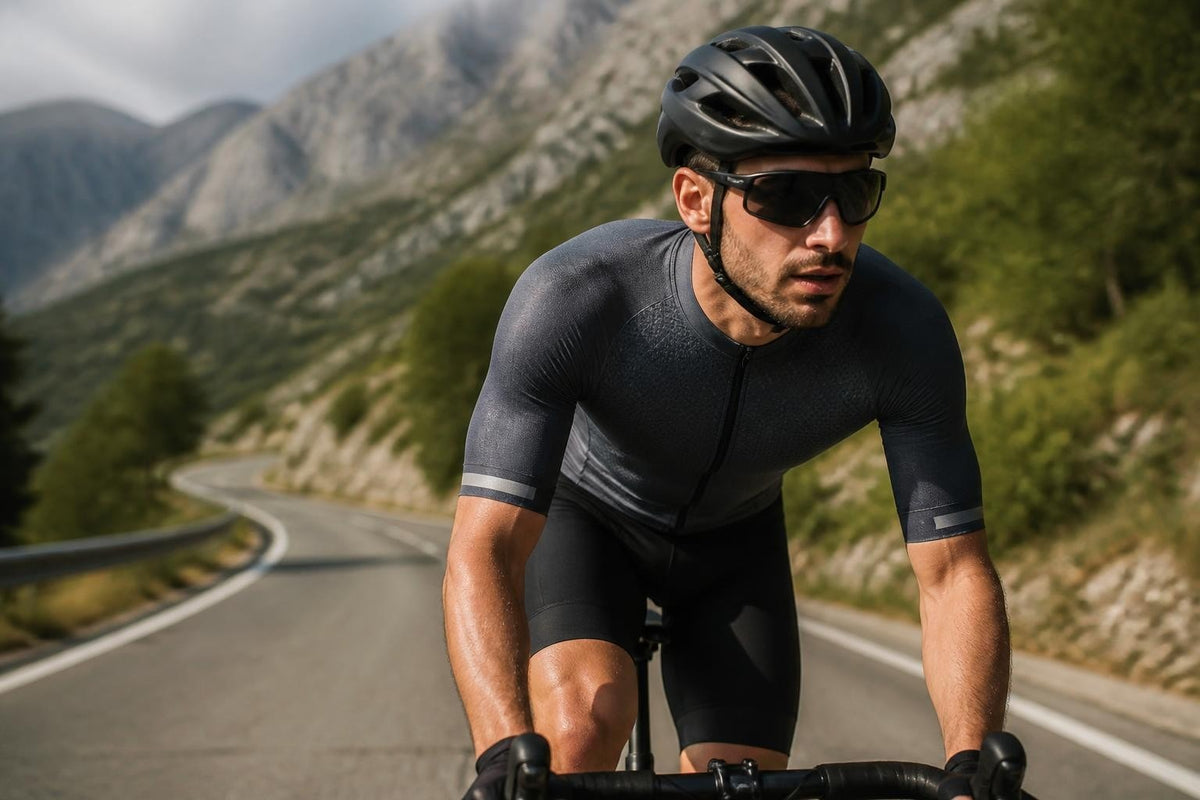
Cycling has evolved into a sport where every detail matters, and nowhere is this more evident than in the selection of biking tops. Whether you're a competitive racer chasing marginal gains or a weekend warrior enjoying long rides, the right cycling jersey transforms your experience on the bike. Modern biking tops represent a sophisticated blend of fabric technology, ergonomic design, and functional innovation that keeps riders comfortable, protected, and performing at their best across diverse conditions and distances.
Understanding the Core Functions of Biking Tops
Modern cycling jerseys serve multiple critical purposes beyond simple coverage. The primary function centers on moisture management, with advanced fabrics engineered to wick sweat away from skin and promote rapid evaporation. This moisture transport keeps your core temperature regulated during intense efforts and prevents the clammy discomfort that cotton alternatives create.
Aerodynamics represents another essential consideration. Research in sports clothing and performance demonstrates how fabric choice and fit directly impact thermoregulation and athletic output. Premium biking tops feature strategically placed seams, carefully selected materials, and race-tuned cuts that minimize drag and reduce energy expenditure at higher speeds.
Temperature Regulation Systems
The best biking tops incorporate intelligent ventilation systems that respond to your body's changing needs throughout a ride. Mesh panels positioned under arms, across shoulders, and along the back create airflow channels that exhaust hot air while maintaining coverage.
Key ventilation features include:
- Laser-cut perforations in high-sweat zones
- Breathable mesh side panels for enhanced airflow
- Lightweight fabrics with open weave construction
- Strategic fabric weight variations across the garment
Many riders underestimate the importance of proper temperature control. A jersey that traps heat causes premature fatigue, while excessive ventilation in cool conditions leads to chilling during descents or rest stops.
Fabric Technology and Material Selection
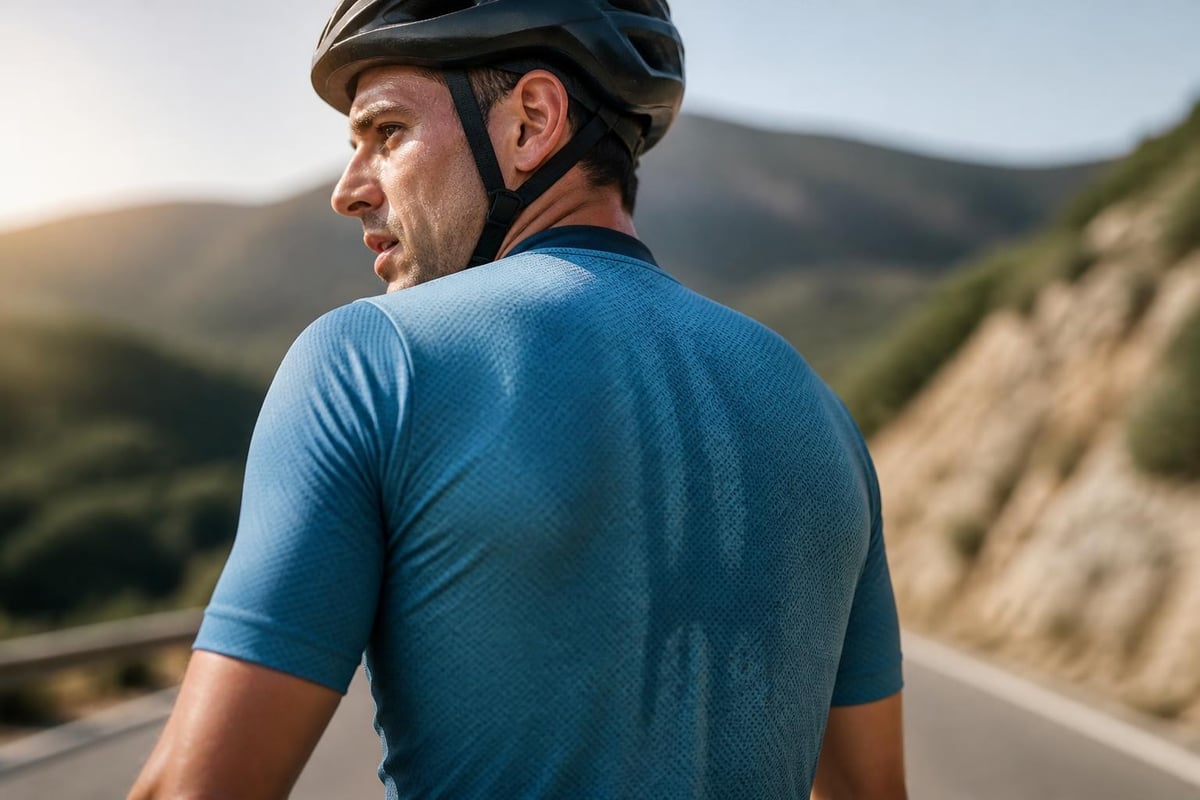
The foundation of any quality biking top lies in its fabric composition. Modern cycling jerseys predominantly use polyester blends engineered for specific performance characteristics. These synthetic materials offer durability, quick-drying properties, and excellent moisture transfer compared to natural fibers.
Premium manufacturers often incorporate specialized yarn treatments that enhance functionality. Silver ion treatments provide antimicrobial benefits, reducing odor buildup during long rides. UV-protective finishes shield skin from harmful radiation, particularly important for riders logging extensive hours in direct sunlight. According to the Skin Cancer Foundation's guidance on sun-protective clothing, fabrics with tight weaves and UPF ratings above 50 offer excellent protection against ultraviolet exposure.
| Fabric Type | Weight Range | Best Use Case | Key Benefits |
|---|---|---|---|
| Lightweight Mesh | 80-100 g/m² | Hot weather, high intensity | Maximum breathability |
| Standard Polyester | 120-150 g/m² | General riding, varied conditions | Balanced performance |
| Midweight Blends | 160-180 g/m² | Cool weather, moderate pace | Warmth with moisture control |
| Merino Blends | 140-170 g/m² | Multi-day tours, variable temps | Natural odor resistance |
At CCN Sport, our custom products utilize advanced sublimation processes that integrate designs directly into fabric fibers, ensuring graphics never fade, crack, or peel regardless of washing frequency or UV exposure. This manufacturing approach maintains fabric performance characteristics while delivering vibrant, lasting aesthetics that represent your team or personal brand with pride.
Fit Categories and Body Mapping
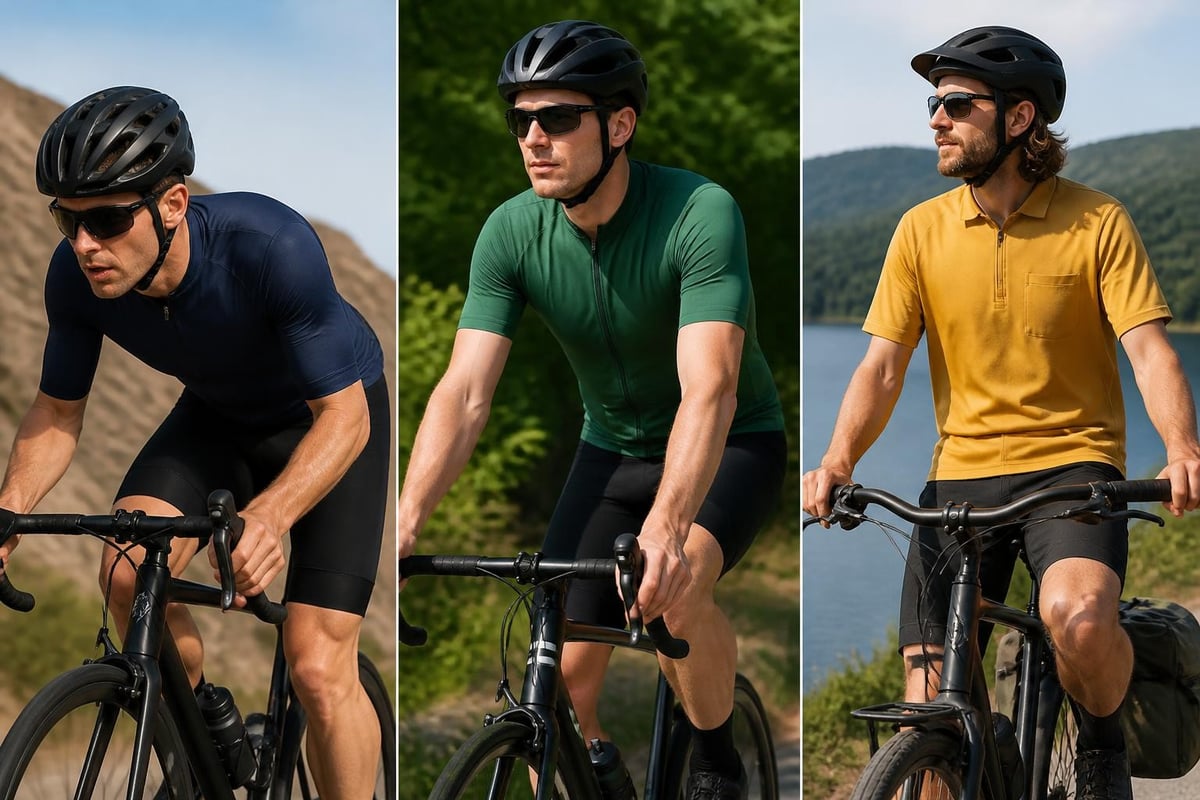
Understanding fit classifications helps riders select biking tops matched to their cycling discipline and personal preferences. The industry recognizes three primary fit categories, each engineered for specific applications and rider positions.
Race Fit Characteristics
Race-cut biking tops prioritize aerodynamics and performance. These jerseys feature snug, form-fitting profiles that eliminate fabric flutter and reduce drag. Arm length extends slightly longer to accommodate aggressive riding positions, while back panels drop lower to ensure coverage when leaning forward. The guide to cycling jersey selection emphasizes how race fits optimize speed while potentially sacrificing casual comfort. Riders weighing a snug cut against comfort will find our guide to race-cut jersey fit useful when choosing between race and club sizing.
Race fit considerations:
- Minimal excess fabric throughout torso
- Pre-curved sleeve construction
- Extended tail for riding position coverage
- Compression-oriented fabric panels
Club and Relaxed Fits
Club-cut jerseys balance performance and comfort, making them ideal for group rides, centuries, and recreational cycling. These biking tops provide adequate room for movement without excessive looseness, accommodating a range of body types while maintaining moisture-wicking benefits.
Relaxed fits cater to touring cyclists, commuters, and riders who prioritize comfort over marginal aerodynamic gains. The slightly looser cut allows for layering underneath and creates a more casual aesthetic suitable for café stops and mixed-use riding.
Women's Specific Design
Quality women's biking tops feature anatomical tailoring that accounts for physiological differences in torso length, shoulder width, and chest accommodation. These design modifications ensure proper fit without compromising performance or creating pressure points during extended riding.
Essential Features and Functional Elements
Modern biking tops incorporate numerous design elements that enhance utility and rider experience. Understanding these features helps cyclists make informed purchasing decisions aligned with their specific needs.
Pocket Configuration
The traditional three-pocket design on the lower back remains standard across most biking tops. This placement keeps weight centered and stable while maintaining easy access during rides. High-quality jerseys feature reinforced pocket edges that prevent sagging when loaded with nutrition, tools, or extra layers.
Advanced pocket features include:
- Zippered security pockets for valuables
- Elastic gripper at pocket openings
- Drainage grommets for wet conditions
- Divided compartments for organization
- Reflective piping along pocket edges
Zipper Systems
Front zipper design significantly impacts ventilation control and convenience. Full-length zippers offer maximum adjustability, allowing riders to dump heat rapidly during climbs or seal completely in cold conditions. Half-zippers reduce weight and cost while providing adequate ventilation for most riding scenarios. Locking zippers with garage protection prevent skin contact and eliminate the annoying tendency of zippers to creep downward during rides.
Gripper Technology
Silicone grippers along the bottom hem keep biking tops positioned correctly throughout rides. These elastic bands with silicone treatment prevent the jersey from riding up during movement while maintaining comfortable, non-restrictive contact with skin. Premium designs distribute gripper pressure across wider bands to avoid the "sausage effect" that creates visible lines.
Specialized Biking Tops for Specific Conditions
Cycling encompasses diverse environments and challenges, prompting manufacturers to develop specialized biking tops optimized for particular scenarios. Teams featured in CCN Sport's team profiles demonstrate how professional cyclists select appropriate jerseys for varying race conditions and terrain.
Cold Weather Jerseys
Winter-specific biking tops incorporate thermal fabrics, typically fleece-backed polyester or brushed microfiber interiors that trap warm air against skin. These jerseys often feature longer cuts, taller collars, and integrated wind-blocking panels across the chest and shoulders. Riders layer these over base layers for comprehensive cold protection.
Hot Weather Performance
Summer jerseys maximize airflow through ultra-lightweight fabrics and extensive mesh integration. The comprehensive review of cycling jerseys highlights how leading manufacturers strategically position ventilation zones based on thermal imaging studies of riders under stress.
Color selection matters significantly in hot conditions. Light colors reflect solar radiation, while dark jerseys absorb heat. However, modern fabric treatments can mitigate these differences through reflective coatings and enhanced breathability.
All-Weather Versatility
Mid-weight biking tops with balanced properties serve as excellent year-round options for moderate climates. These jerseys pair effectively with arm warmers, vests, and base layers to adapt across temperature ranges, offering economic value for riders who prefer minimal wardrobe complexity.
Reflectivity and Visibility Enhancements
Safety consciousness drives increased integration of reflective elements in biking tops. Strategic placement of reflective logos, piping, and panels ensures 360-degree visibility to motorists during low-light conditions without compromising aesthetics or ventilation.
Visibility features to prioritize:
- Reflective shoulder panels visible from multiple angles
- Integrated reflective logos on front and back
- Reflective piping along seams and pocket edges
- High-contrast color blocking for daytime visibility
Some manufacturers incorporate photoluminescent materials that glow after dark exposure, providing additional passive visibility enhancement.
Customization and Team Identity
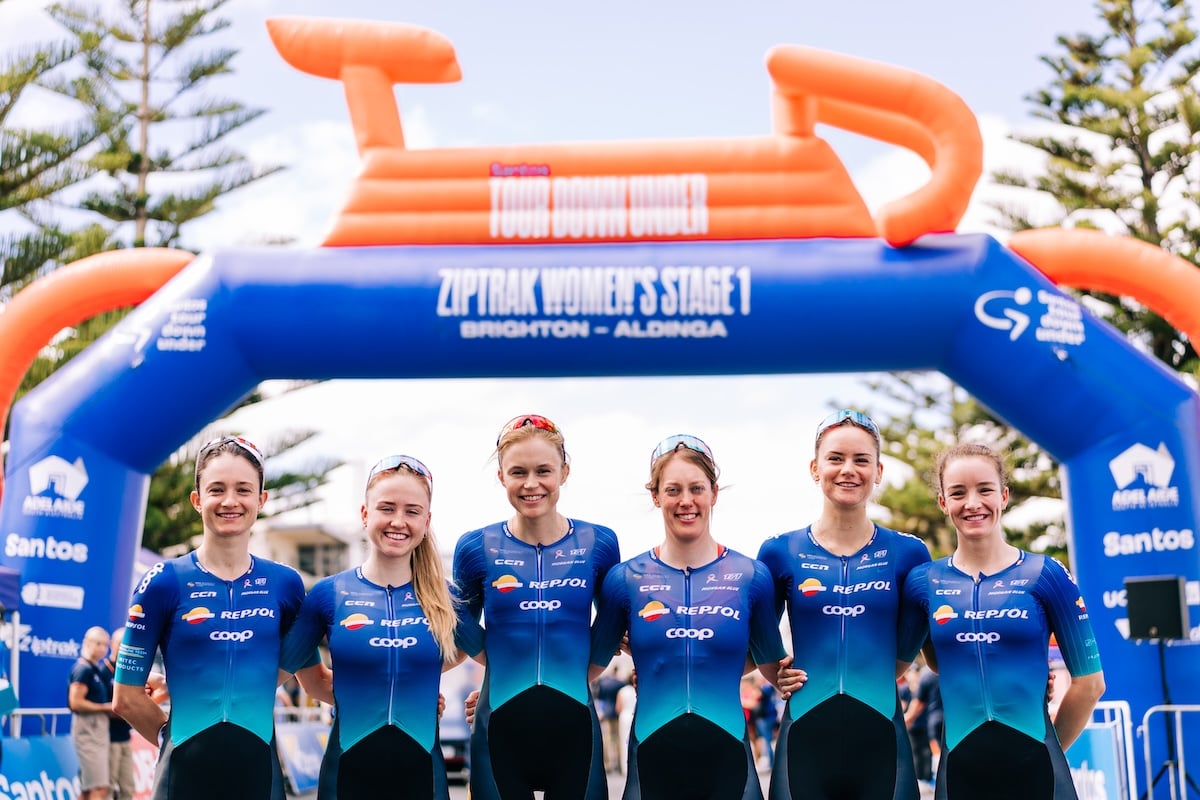
Custom biking tops enable teams, clubs, and events to build cohesive visual identity while accessing performance-grade apparel. The sublimation printing process allows unlimited color complexity and photographic detail without adding weight or affecting fabric breathability. Stories from the CCN Sport blog showcase how custom designs strengthen team unity and create professional presentation.
Design Considerations
Effective custom jersey design balances aesthetic impact with functional requirements. Bold graphics and clear sponsor placement achieve visibility during races and group rides, while thoughtful color selection ensures the jersey remains flattering and versatile across different lighting conditions.
| Design Element | Best Practice | Common Mistake |
|---|---|---|
| Sponsor Logos | Chest and sleeve placement | Overcrowding back panel |
| Color Contrast | High contrast for visibility | Low contrast text on similar background |
| Pattern Density | Strategic accent areas | Busy patterns throughout |
| Team Identity | Consistent branding elements | Generic template designs |
Care and Maintenance for Longevity
Proper care extends the functional lifespan of biking tops and maintains their performance characteristics. Despite the durability of modern fabrics, certain practices optimize longevity while preserving fit and appearance.
Washing Best Practices
- Turn jerseys inside-out before washing to protect exterior graphics
- Use cold water and gentle cycles to prevent fiber breakdown
- Select sport-specific detergents that maintain fabric treatments
- Avoid fabric softeners that coat fibers and reduce moisture-wicking
- Close zippers to prevent snagging during wash cycles
Air drying preserves elastic properties and prevents heat damage from dryers. While many biking tops tolerate low-heat tumble drying, line drying eliminates risk and reduces environmental impact.
Storage and Organization
Proper storage prevents permanent creasing and maintains gripper elasticity. Folding jerseys along natural seam lines or hanging on padded hangers preserves shape between uses. Avoid prolonged compression in overstuffed drawers that can damage silicone grippers and elastic elements.
Sizing Strategies and Fit Optimization
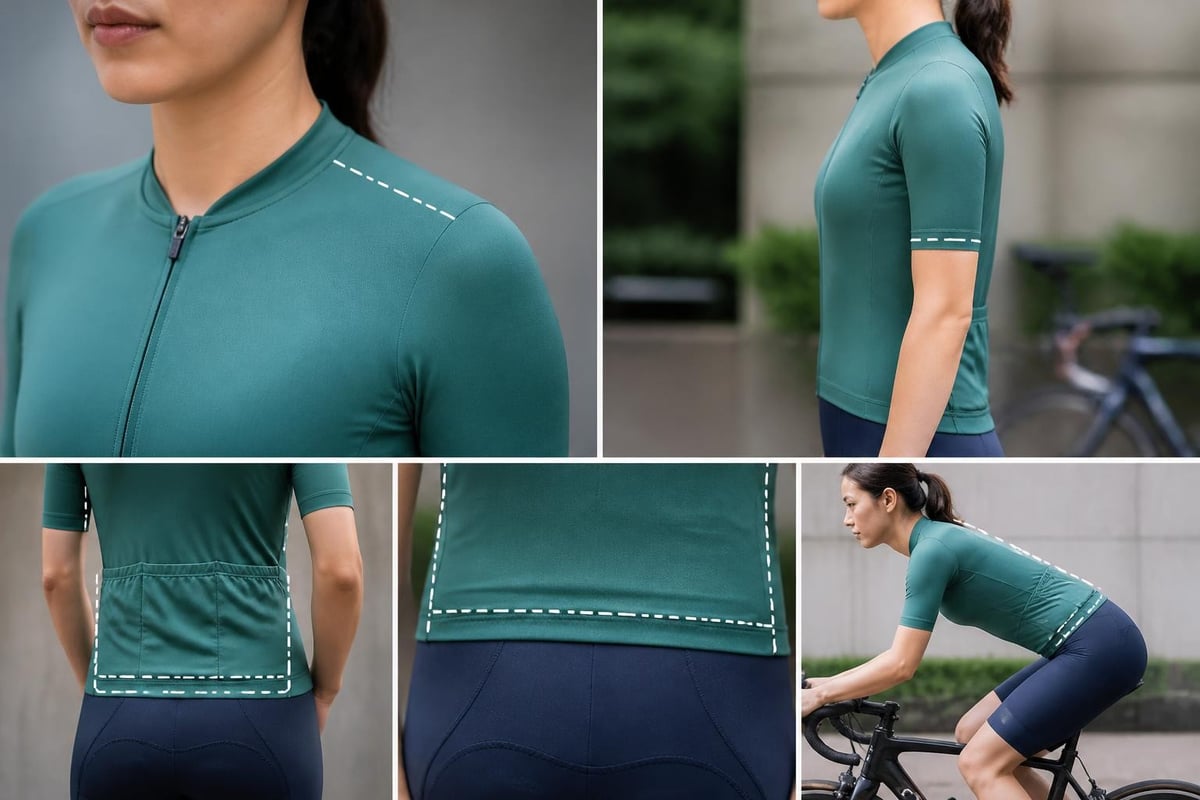
Achieving optimal fit requires understanding both manufacturer sizing standards and personal preferences. Biking tops should feel snug without restricting breathing or creating pressure points. Arm holes should allow full range of motion, while shoulder seams should align naturally without riding up or pulling.
Sizing evaluation checklist:
- Sleeves extend to mid-bicep without tightness
- Back pockets sit level at lower back
- Front zipper lies flat without pulling
- Hem gripper contacts skin without rolling
- Neck opening allows comfort without gaping
Many riders size up for touring or recreational use, prioritizing comfort over aerodynamics. Competitive cyclists often size down slightly to achieve race-ready fit, accepting reduced comfort for performance gains. Reading specific manufacturer sizing guides proves essential, as cut variations between brands can span full size differences.
Value Assessment and Investment Priorities
Biking tops span broad price ranges, from budget-friendly recreational jerseys to premium race-day options. Understanding value drivers helps cyclists allocate resources effectively across their cycling wardrobe.
Entry-level jerseys typically use basic polyester fabrics with simple construction. These serve adequately for occasional riders or those new to cycling. Mid-range options incorporate better fabrics, improved fit, and enhanced features like quality zippers and reinforced pockets. Premium biking tops justify higher costs through advanced fabric technology, superior construction quality, and optimized fit based on extensive rider testing. For a side-by-side look at ten bicycle riding jerseys by fit, ventilation and pockets, see our Bicycle Riding Jerseys: Top Picks for Every Rider.
For serious cyclists, investing in multiple specialized jerseys proves more effective than seeking single all-purpose solutions. A well-rounded collection might include lightweight summer jerseys, mid-weight transitional options, and thermal winter tops, each optimized for specific conditions.
Environmental Considerations and Sustainability
Growing awareness of environmental impact influences biking top production and consumer choices. Leading manufacturers increasingly adopt recycled polyester from post-consumer plastic bottles, reducing petroleum dependence while maintaining performance standards. Bluesign-certified fabrics meet strict environmental and safety criteria throughout the production chain.
Durability represents perhaps the most significant sustainability factor. Well-constructed biking tops that withstand hundreds of rides and wash cycles minimize replacement frequency and overall environmental footprint. The sublimation process used by manufacturers like CCN Sport eliminates water waste associated with traditional printing methods while ensuring designs remain vibrant throughout the garment's lifespan.
Professional vs. Amateur Requirements
Professional cyclists select biking tops based on specific race demands, sponsorship obligations, and marginal gains philosophy. Every gram of weight and millimeter of fabric counts when podium positions separate by seconds. Amateur riders balance performance priorities with practical considerations like versatility, value, and personal style preferences.
However, technological advances continue trickling down from professional to consumer markets. Features once exclusive to WorldTour teams now appear in recreational-grade biking tops, democratizing performance benefits across the cycling community. Insights from CCN Sport's news section highlight how professional team feedback directly influences product development and refinement.
Seasonal Wardrobe Planning
Strategic wardrobe planning ensures appropriate biking tops for year-round riding without excessive investment. Climate-specific considerations guide selection, with riders in temperature-stable regions requiring fewer specialized options than those facing dramatic seasonal variation.
Seasonal wardrobe framework:
- Spring/Fall: 2-3 mid-weight jerseys for variable conditions
- Summer: 3-4 lightweight, highly breathable options for rotation
- Winter: 1-2 thermal jerseys plus layering pieces
- Year-round: 1 high-visibility jersey for commuting and low-light rides
This foundation provides adequate coverage while allowing laundry flexibility and preventing wardrobe fatigue. Additional specialty items like rain jerseys or sleeveless options complement the core collection based on individual riding patterns.
Emerging Technologies and Future Trends
Innovation continues advancing biking top performance through material science and manufacturing techniques. Graphene-enhanced fabrics promise improved thermal regulation and durability. Seamless construction techniques eliminate chafing points while optimizing aerodynamics. Smart textiles with integrated sensors may soon provide real-time biometric feedback and performance monitoring.
Personalization technology enables riders to design custom biking tops with professional-grade results through intuitive online tools. This democratization of custom apparel allows even individual cyclists to access the same quality and design flexibility previously reserved for sponsored teams.
Selecting the right biking tops transforms your cycling experience through enhanced comfort, improved performance, and increased confidence on every ride. From fabric technology and fit optimization to specialized features and proper care, informed choices ensure your cycling wardrobe serves you effectively across diverse conditions and riding styles. At CCN Sport, we combine over 20 years of sublimation expertise with precision manufacturing to create custom cycling apparel that performs as beautifully as it looks, turning your vision into reality with craftsmanship that endures mile after mile.

Share:
Womens Bike Shirt Guide: Performance & Style in 2026
Aero Jersey Review for Riders Chasing Speed