

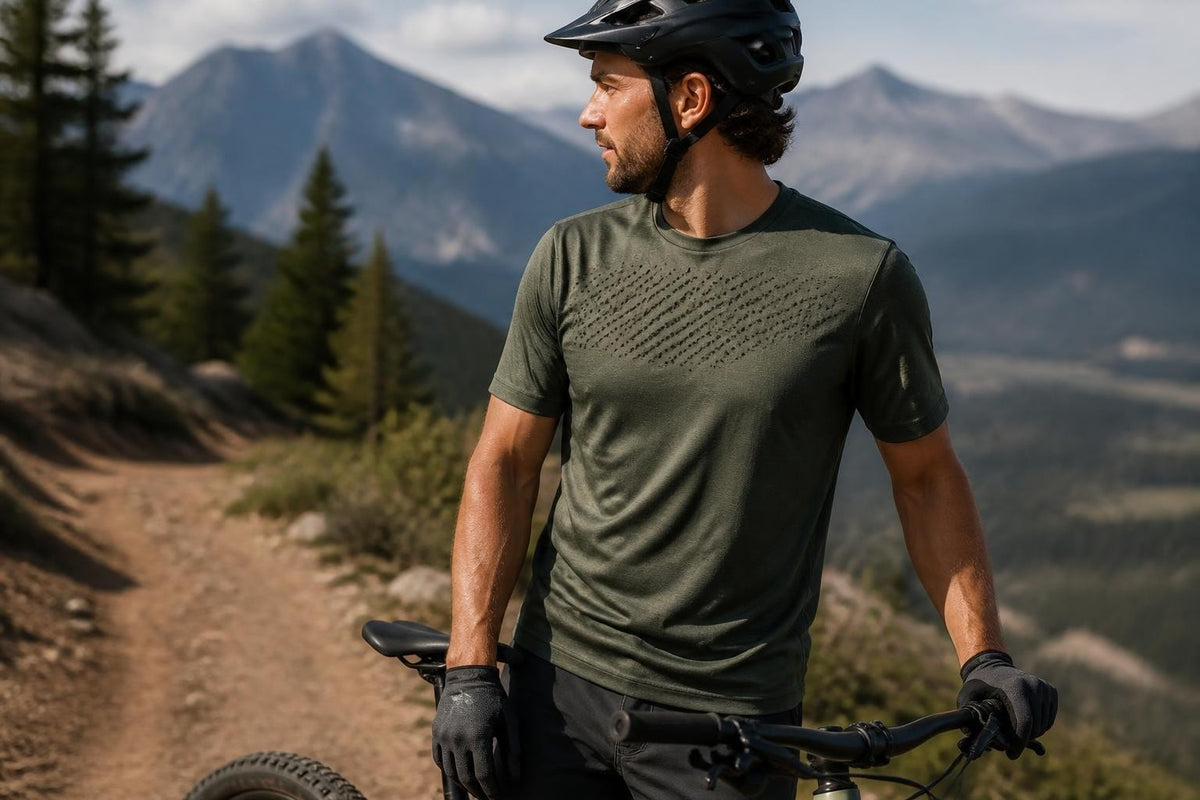
Mountain biking demands apparel that works as hard as you do on the trail. The right mt bike shirts can transform your riding experience, offering protection from elements, superior moisture management, and durability that withstands constant abuse from branches, rocks, and crashes. Unlike casual athletic wear, mountain bike-specific shirts incorporate technical fabrics, strategic ventilation, and purposeful design elements that address the unique challenges of off-road cycling. Whether you're tackling technical singletrack, flowing through bike park berms, or grinding up steep climbs, understanding what separates exceptional mt bike shirts from basic athletic tops will help you make informed choices that enhance both comfort and performance.
Technical Fabric Technologies in Modern MT Bike Shirts
The foundation of any quality mountain bike shirt lies in its fabric construction. Modern mt bike shirts utilize advanced polyester blends engineered specifically for high-output activities in variable conditions. These materials differ substantially from cotton or basic synthetic athletic wear.
Moisture Management Systems
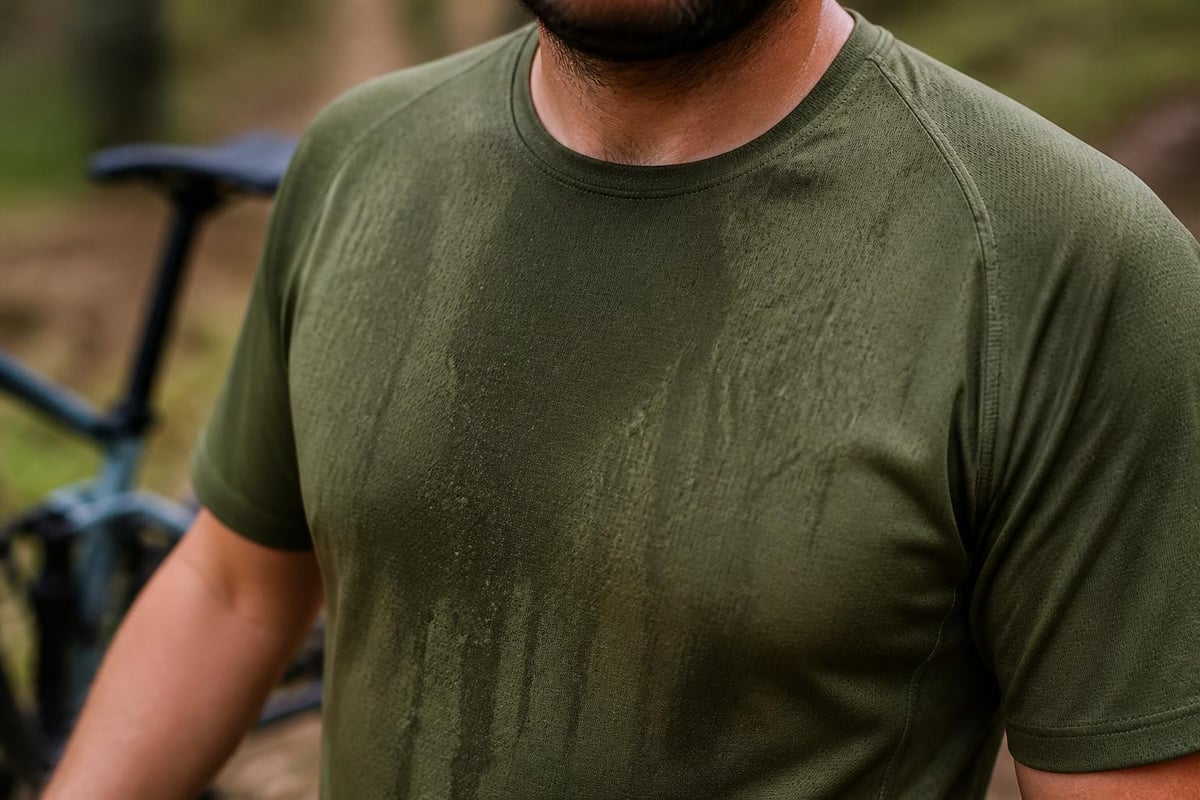
Effective moisture management represents the most critical function of performance mt bike shirts. Advanced fabrics employ hydrophobic polyester fibers that actively wick perspiration away from skin to the garment's outer surface, where evaporation can occur efficiently. Research on fabric thermophysiological properties demonstrates how different textile structures impact heat dissipation and humidity accumulation during intense physical activity.
Key moisture-wicking features include:
- Microfilament polyester construction with capillary action channels
- Hydrophobic interior surface treatment for rapid liquid transfer
- Hydrophilic exterior finish promoting quick evaporation
- Strategic mesh panel placement in high-sweat zones
The transition from saturated to dry fabric significantly affects rider comfort and thermal regulation. Studies examining ventilation garment performance under wet conditions reveal that fabric behavior when fully wetted differs considerably from dry-state performance, making real-world testing essential for quality mt bike shirts.
Odor Control Technologies
Mountain bikers often spend hours on trail, and managing bacterial odor becomes essential for multi-day trips or back-to-back riding sessions. Premium mt bike shirts incorporate antimicrobial treatments that inhibit bacterial growth responsible for post-ride smell.
| Treatment Type | Mechanism | Durability | Environmental Consideration |
|---|---|---|---|
| Silver Ion | Disrupts bacterial cell walls | 50-100 washes | Potential microbiome impact |
| Polygiene | Prevents bacteria colonization | 100+ washes | Lower environmental footprint |
| Activated Carbon | Absorbs odor molecules | 30-50 washes | Natural material |
| Copper Thread | Natural antimicrobial properties | Permanent | Biodegradable option |
Research into antimicrobial treatments and textile microbiome effects suggests that while silver-based treatments effectively control odor, they may have unintended consequences for skin bacteria balance. A comprehensive review of sweat and odor management in sportswear provides detailed analysis of various approaches to odor control in athletic apparel.
Fit Considerations for Trail Performance
Proper fit distinguishes exceptional mt bike shirts from mediocre alternatives. Unlike road cycling jerseys with race-focused cuts, mountain bike shirts balance aerodynamics with freedom of movement required for technical riding positions.
Body Positioning and Cut Design
Mountain biking involves constant position changes: standing on descents, leaning into corners, reaching for handlebars on climbs, and shifting weight over obstacles. Quality mt bike shirts accommodate these movements through thoughtful pattern design and fabric stretch.
Essential fit elements include:
- Extended rear hem coverage preventing exposure during forward-leaning positions
- Articulated sleeves allowing full range of shoulder motion
- Strategic stretch panels at high-flex points
- Relaxed torso fit preventing binding during dynamic movements
- Dropped front hem reducing bunching when seated
Trail-specific cuts typically offer more generous sizing than road jerseys, acknowledging that mountain bikers prioritize mobility over absolute aerodynamic efficiency. Many riders size up for particularly technical terrain or bike park sessions where arm and shoulder movement increases dramatically.
Sleeve Length Options
MT bike shirts come in various sleeve configurations, each suited to different riding styles and conditions:
- Short sleeve: Maximum ventilation, unrestricted arm movement, standard for warm-weather trail riding
- 3/4 sleeve: Protects forearms from sun and trail debris while maintaining cooling
- Long sleeve: Full coverage for cool conditions, UV protection, abrasion resistance during crashes
- Sleeveless: Extreme heat management, though less common due to sun exposure concerns
Season, climate, and personal preference all influence optimal sleeve selection. Many serious mountain bikers maintain multiple mt bike shirts with different sleeve lengths for varying conditions throughout the year.
Durability Features for Trail Abuse
Mountain biking presents unique durability challenges. Branches whip across torsos, crashes scrape fabric against rocks and dirt, and backpack straps create constant friction points. Quality mt bike shirts incorporate reinforcements addressing these specific wear patterns.
Abrasion-Resistant Construction
High-wear zones require specialized attention in premium mt bike shirts. Manufacturers employ several strategies to enhance longevity:
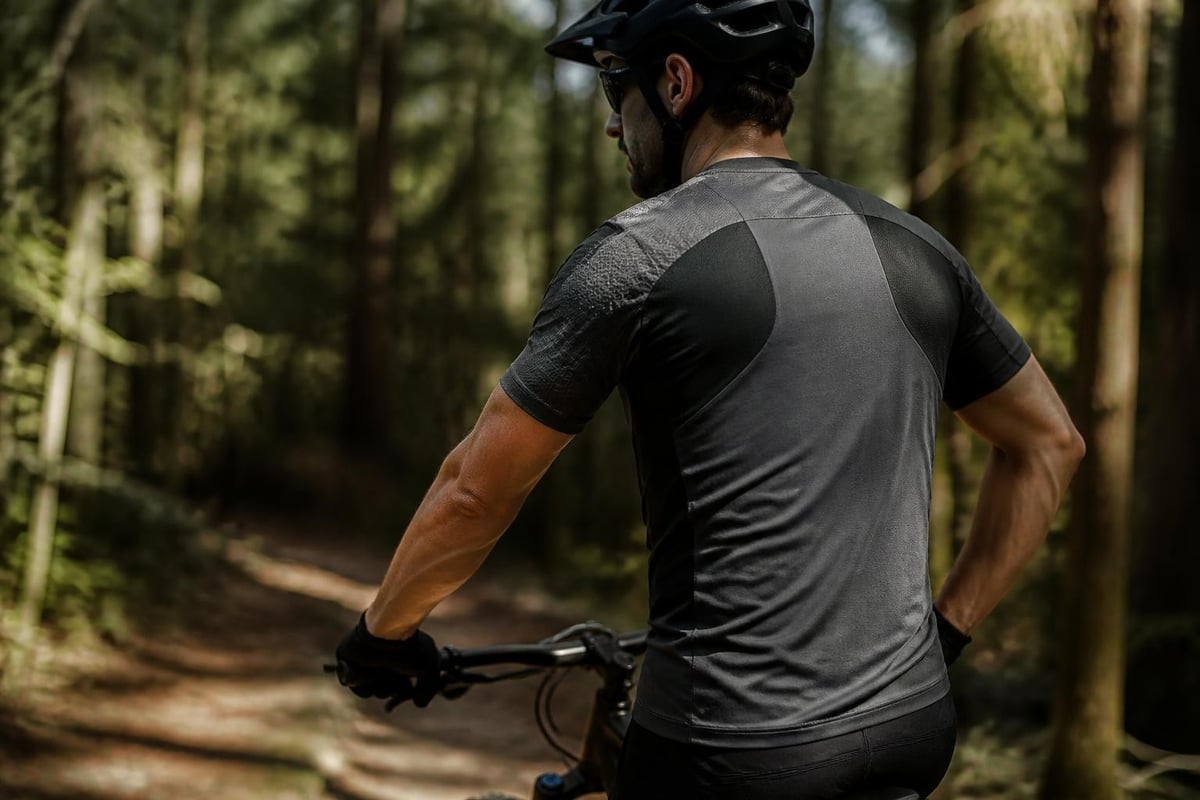
Reinforcement locations:
- Shoulder yokes (backpack strap contact areas)
- Side panels (branch contact zones)
- Elbow patches on long-sleeve versions
- Rear lower hem (saddle bag friction points)
Some manufacturers incorporate ripstop weaves or heavier-denier fabrics in vulnerable areas while maintaining lighter, more breathable materials in low-impact zones. This hybrid construction optimizes both durability and comfort.
Flatlock or reinforced seam construction prevents seam failure during crashes or prolonged use. Unlike basic athletic apparel with simple overlocked seams, quality mt bike shirts use multi-thread construction that distributes stress across wider seam allowances.
Design Elements for Trail Functionality
Beyond fabric and fit, specific design features separate purpose-built mt bike shirts from generic athletic tops. These elements address practical needs encountered during trail riding.
Pocket Configuration
Storage solutions vary significantly across mt bike shirt designs. Unlike road jerseys with traditional rear pockets, mountain bike shirts often feature alternative configurations:
| Pocket Type | Advantages | Disadvantages | Best For |
|---|---|---|---|
| Rear traditional | Accessible while riding | Contents bounce on rough terrain | XC and gravel riding |
| Zippered chest | Secure storage, easy access | Limited capacity | Trail essentials |
| Side-entry waist | Large capacity, stable | Harder to access while riding | All-day epics |
| No pockets | Lightest weight, cleanest lines | Requires pack for all items | Bike park, short rides |
Many riders opt for mt bike shirts without pockets, preferring to carry items in hydration packs or frame bags where weight distribution and stability prove superior on technical terrain.
Ventilation Architecture
Strategic ventilation separates mediocre from exceptional mt bike shirts. Mesh panels placed according to thermoregulation science maximize cooling without compromising durability or creating uncomfortable pressure points under pack straps.
Optimal ventilation zones include:
- Upper back (between shoulder blades)
- Side panels (under arms extending to waist)
- Center front chest panel
- Upper sleeves (if not compromising UV protection)
The balance between ventilation and protection requires careful consideration. While maximum airflow enhances cooling, excessive mesh in trail-facing areas increases vulnerability to branch scratches and sun exposure.
Visibility and Safety Features
Trail riding often extends into dawn, dusk, or densely forested areas where visibility becomes a safety concern. Progressive mt bike shirts incorporate reflective elements and high-visibility color options without sacrificing style.
Reflective Technology Integration
Modern reflective materials far exceed traditional silver tape strips. Premium mt bike shirts utilize:
- Sublimated reflective logos: Graphics that appear normal in daylight but brilliantly reflect in headlights
- Reflective thread weaving: Subtle integration throughout fabric panels
- Strategic placement panels: Shoulder, back, and arm locations maximizing 360-degree visibility
- ANSI/ISEA compliance: Meeting or exceeding safety standards for conspicuity
The Randonneurs USA Reflectivity Guide provides detailed explanations of visibility standards and effective reflective panel placement for cycling apparel.
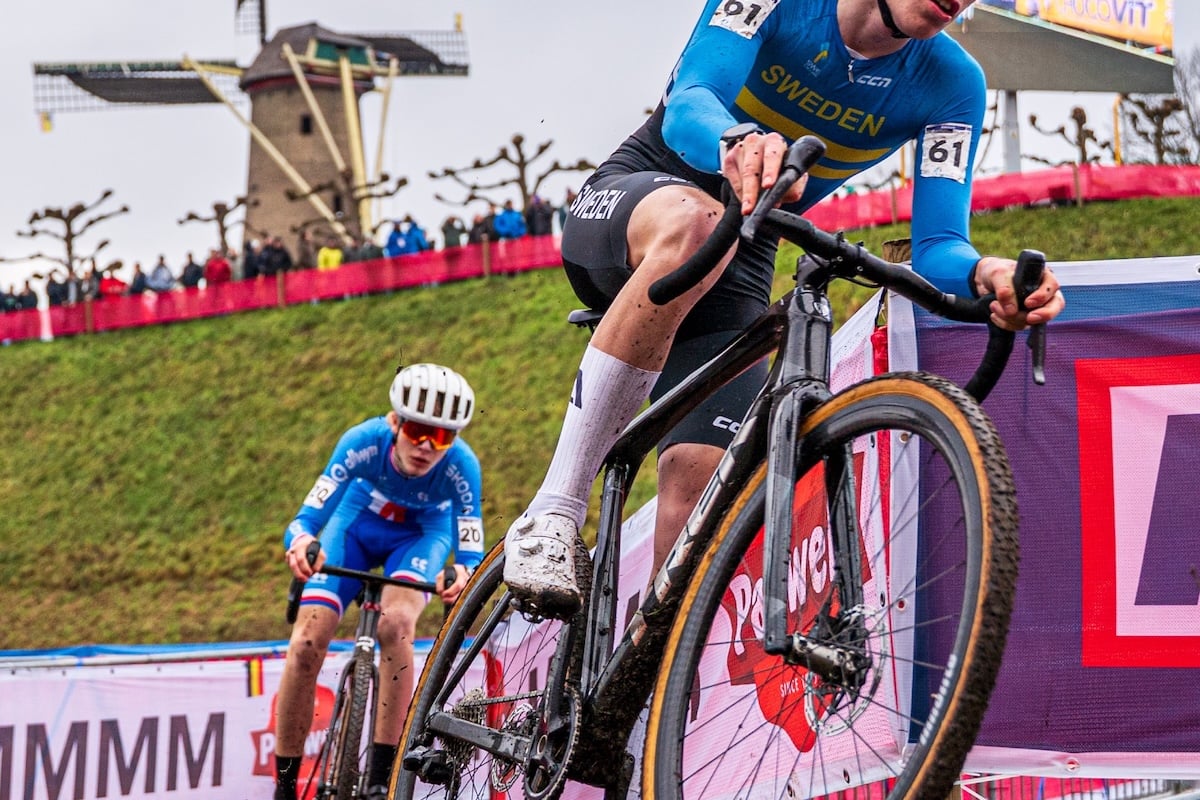
For teams, clubs, or brands seeking to create distinctive mt bike shirts that perfectly balance performance, durability, and custom design, sublimation printing offers unmatched versatility. This advanced printing process ensures graphics never crack, peel, or fade, even after hundreds of washes and countless trail sessions.
Color and Graphics Considerations
While aesthetics might seem secondary to performance, color selection impacts both functionality and rider satisfaction with mt bike shirts. Darker colors hide trail dirt and stains better but absorb more heat. Lighter colors reflect solar radiation, enhancing cooling but show every mud splash and dust cloud.
Sublimation Printing Advantages
High-quality mt bike shirts utilize dye sublimation rather than screen printing or heat transfer graphics. Sublimation chemically bonds dye to polyester fibers, creating permanent, breathable graphics that:
- Never add weight or stiffness to fabric
- Maintain identical moisture-wicking properties across printed areas
- Withstand unlimited wash cycles without fading or cracking
- Enable unlimited color complexity and photographic detail
- Allow custom designs for teams, clubs, or individual riders
For riders interested in related casual options, exploring bike t-shirts provides insights into off-bike cycling apparel choices.
Environmental Considerations in MT Bike Shirt Selection
Sustainability increasingly influences purchasing decisions for conscientious mountain bikers. The environmental impact of mt bike shirts extends from manufacturing through disposal, with several key concerns warranting attention.
Microfiber Pollution from Synthetic Fabrics
Polyester mt bike shirts release microfibers during washing, contributing to aquatic microplastic pollution. Research on microfiber release during laundering demonstrates that washing conditions significantly affect release rates, with specific strategies reducing environmental impact:
Microfiber reduction practices:
- Use front-loading washers (release 5x fewer fibers than top-loaders)
- Wash full loads rather than small batches
- Employ lower water temperatures and shorter cycles
- Install aftermarket microfiber filters on washing machine discharge
- Use specialized wash bags designed to capture synthetic fibers
Sustainable Material Alternatives
Progressive manufacturers increasingly offer mt bike shirts incorporating recycled polyester, organic materials, or innovative sustainable fabrics. While these alternatives may involve performance trade-offs, advancing technology continues narrowing the gap.
Recycled polyester performs virtually identically to virgin material while reducing petroleum consumption and diverting plastic waste from landfills. Certifications like Global Recycled Standard (GRS) verify recycled content claims and responsible manufacturing practices.
Sizing and Fit Testing Strategies
Purchasing mt bike shirts without trying them presents challenges, particularly given variation across brands and regional sizing standards. Understanding how to evaluate fit ensures satisfaction and performance.
Key Measurement Points
Rather than relying solely on size labels (Small, Medium, Large), serious riders measure specific garment dimensions:
- Chest width: Measured armpit to armpit, flat
- Body length: From highest shoulder point to hem
- Sleeve length: From shoulder seam to cuff
- Hem width: Bottom opening measurement
Compare these measurements to favorite existing shirts, accounting for desired fit (race, regular, or relaxed). Most quality manufacturers provide detailed size charts with actual garment measurements rather than vague body size ranges.
The On-Bike Fit Test
Static standing fit differs from on-bike positioning. When evaluating new mt bike shirts, perform these checks while in riding position:
- Raise arms to handlebar height: sleeves should not pull uncomfortably tight
- Lean forward to descent position: rear hem should fully cover lower back
- Twist torso side-to-side: fabric should move with body without binding
- Reach forward and down: front hem should not ride up excessively
- Simulate shoulder movements: no restriction during full range of motion
Quality mt bike shirts feel comfortable both standing and in all riding positions without excessive fabric bunching or pulling.
Seasonal Adaptation and Layering Systems
Mountain bikers rarely ride in only one mt bike shirt. Effective layering systems adapt to changing conditions throughout rides and seasons.
Base Layer Integration
Cool-weather riding requires coordinating mt bike shirts with appropriate base layers. The combination must work synergistically rather than creating redundant features or conflicting fabric behaviors.
Base layer and shirt coordination:
- Moisture-wicking base layer transfers sweat to outer mt bike shirt
- Base layer fit should be snug; outer shirt slightly more relaxed
- Avoid cotton base layers that retain moisture and nullify technical shirt benefits
- Consider base layers with different weights for varying temperature ranges
For comprehensive guidance on cycling kit systems, the men and women cycling kit guide offers detailed layering strategies.
Weather-Specific Shirt Selection
Temperature, humidity, precipitation, and wind all influence optimal mt bike shirt choice:
| Conditions | Recommended Features | Fabric Weight | Sleeve Type |
|---|---|---|---|
| Hot, dry (80°F+) | Maximum mesh, light colors | 100-120 GSM | Short or sleeveless |
| Moderate (60-80°F) | Balanced ventilation | 130-150 GSM | Short or 3/4 |
| Cool, dry (45-60°F) | Wind resistance, warmth | 160-180 GSM | Long sleeve |
| Cold (below 45°F) | Thermal properties, layering | 180-200+ GSM | Long sleeve with base layer |
Humidity significantly impacts comfort independent of temperature. High-humidity conditions require maximum ventilation even at moderate temperatures, as evaporative cooling becomes less effective when ambient air already contains substantial moisture.
Care and Maintenance for Longevity
Proper care extends mt bike shirt lifespan and maintains performance characteristics. Technical fabrics require different treatment than cotton casual wear.
Washing Best Practices
Effective cleaning protocol:
- Pre-treat heavily soiled areas with enzyme-based stain remover
- Turn shirts inside-out to protect exterior graphics and fabric face
- Wash in cold water on gentle cycle with similar colors
- Use technical fabric detergent free from fabric softeners and optical brighteners
- Avoid bleach or harsh chemicals that degrade synthetic fibers
- Remove promptly after wash cycle completes
Fabric softeners coat fibers, dramatically reducing moisture-wicking effectiveness. Similarly, optical brighteners and UV-reactive chemicals can degrade technical fabric treatments over time.
Drying and Storage
Air drying preserves fabric integrity and extends mt bike shirt lifespan significantly compared to machine drying:
- Hang in shaded, well-ventilated area (direct sunlight can fade colors)
- Avoid high-heat dryer settings that damage elastic fibers and cause shrinkage
- If machine drying is necessary, use lowest heat setting
- Never iron unless absolutely necessary (most technical fabrics don't require ironing)
- Store in cool, dry location away from direct sunlight
Proper storage prevents mildew growth and maintains fabric properties between rides. Avoid leaving damp mt bike shirts compressed in bags or hampers for extended periods.
Professional vs. Recreational MT Bike Shirt Requirements
Performance demands vary significantly between casual trail riders and competitive racers. Understanding these differences helps align mt bike shirt selection with actual riding needs.
Race-Specific Features
Competitive mountain bikers prioritize:
- Minimal weight (every gram matters in XC racing)
- Aggressive, close-fitting cuts for aerodynamic advantage
- Reduced pocket capacity (hydration packs carry essentials)
- Maximum ventilation over durability
- Compliance with race regulation requirements
Trail and All-Mountain Priorities
Recreational and all-mountain riders emphasize:
- Durability for season-long use across varied terrain
- Comfort during extended rides without racing urgency
- Practical storage solutions
- Style and graphics reflecting personal preferences
- Value and longevity over absolute performance optimization
Neither approach is inherently superior; proper mt bike shirt selection aligns features with intended use patterns and priorities.
Selecting the right mt bike shirts involves balancing technical performance, durability, comfort, and style to match your specific riding style and conditions. From advanced moisture-wicking fabrics to strategic ventilation and durable construction, today's mountain bike apparel represents significant evolution from basic athletic wear. Whether you're building a custom team kit or outfitting yourself for seasons of trail adventures, CCN Sport combines over 20 years of sublimation expertise with precision manufacturing to deliver mt bike shirts that perform ride after ride. Our advanced fabric technologies and custom design capabilities ensure your apparel works as hard as you do on the trail.

Share:
Can Teams Order Mixed Sizes for Custom Kits?
MAAP Bib: Performance, Fit & What Custom Teams Should Know