

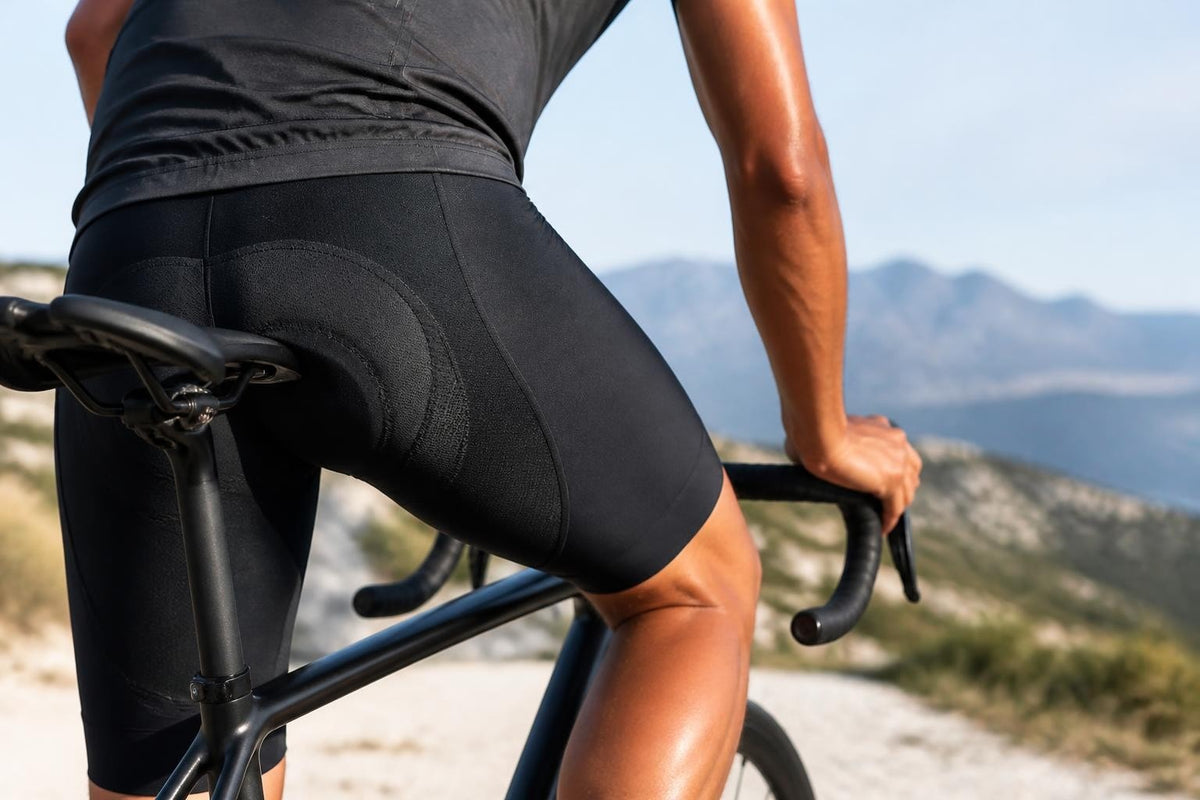
Bike shorts cycling technology has evolved dramatically over the past decade, transforming from simple padded garments into sophisticated performance systems engineered for comfort, aerodynamics, and durability. Whether you're logging miles on weekend group rides or competing at the highest levels, understanding the science behind modern cycling shorts can dramatically improve your experience in the saddle. The right pair addresses everything from saddle pressure distribution to muscle support, making the difference between cutting a ride short and pushing through to a new personal best.
The Essential Role of the Chamois in Bike Shorts Cycling
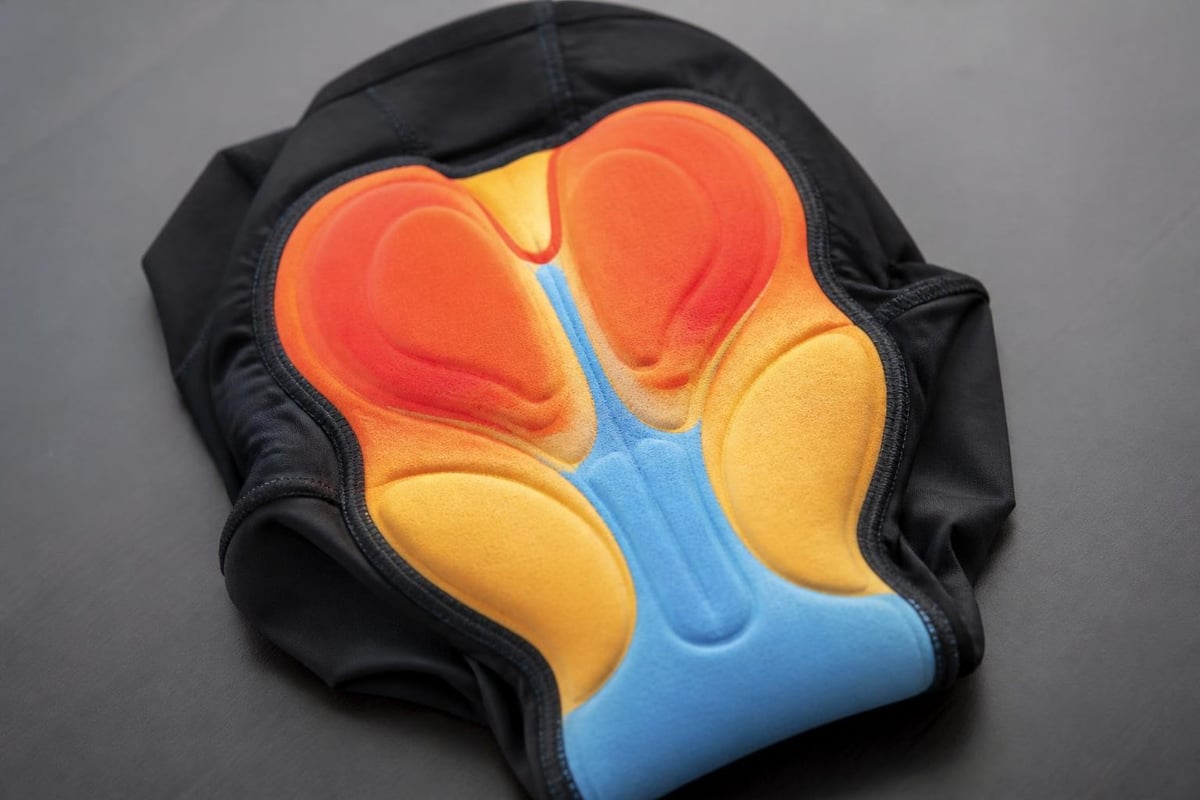
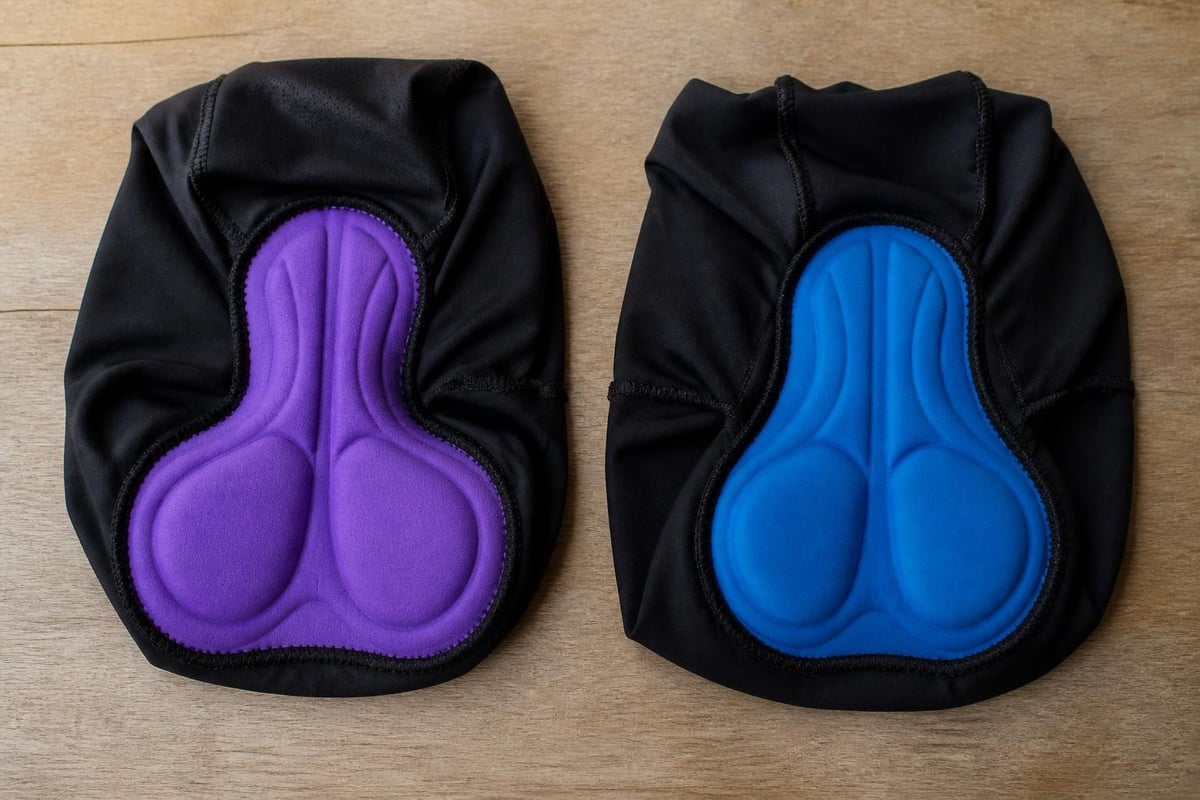
At the heart of every quality cycling short lies the chamois, a specialized pad designed to reduce friction and distribute pressure across the saddle contact area. Modern chamois construction has moved far beyond simple foam inserts. Today's pads feature multi-density zones, ergonomic shaping, and antimicrobial treatments that address the specific demands of extended time in the saddle.
The cycling pad serves multiple critical functions during a ride. First, it acts as a buffer between your body and the saddle, absorbing vibrations from road chatter and rough surfaces. Second, it reduces friction that can lead to chafing and saddle sores during long rides. Third, strategically placed padding helps distribute pressure away from sensitive soft tissue and nerves.
Chamois Design and Pressure Mapping
Recent laboratory testing has revealed significant differences in how various chamois designs perform under real-world conditions. Pressure-mapped testing of bib shorts demonstrates that pad thickness alone doesn't determine comfort. Instead, the shape, density gradients, and anatomical contouring play crucial roles in managing saddle pressure.
Research shows that chamois construction directly impacts peak saddle pressure and rider comfort perception. Multi-layer pads typically feature:
- Perforated top layers for enhanced breathability and moisture management
- High-density foam cores positioned beneath sit bones for structural support
- Gel inserts or variable-density zones that cushion sensitive areas
- Thin, flexible edges that prevent bunching and pressure ridges
The placement and thickness of each zone must align with individual anatomy and riding position to deliver optimal performance.
Health Considerations in Bike Shorts Cycling Selection
Proper bike shorts cycling equipment plays a significant role in preventing common cycling-related health issues. Saddle sores, perineal numbness, and skin irritation affect riders at all levels, but research demonstrates that equipment choices can substantially reduce these risks.
A comprehensive scoping review of saddle sores identifies chamois quality, hygiene practices, and proper fit as key prevention factors. The study emphasizes that investing in well-designed cycling shorts with appropriate padding represents a primary defense against these painful conditions.
Reducing Perineal Pressure and Numbness
Strategies to minimize cycling-related perineal impact extend beyond chamois selection. A systematic review of pressure-reduction methods found that the interaction between saddle design, riding position, and chamois construction determines overall pressure patterns and comfort outcomes.
Key factors include:
- Chamois shape matching saddle width to ensure proper coverage
- Center-channel relief zones that reduce soft-tissue compression
- Antibacterial treatments that minimize infection risk during long rides
- Seamless construction in high-contact areas to eliminate friction points
Prevention guidance from cycling organizations highlights that combining quality bike shorts cycling gear with proper bike fit and gradual mileage increases offers the best protection against overuse injuries.
Fabric Technology and Compression in Modern Cycling Shorts
Beyond the chamois, the fabric panels that comprise bike shorts cycling apparel have undergone equally impressive evolution. Modern cycling shorts employ technical textiles engineered for compression, moisture management, and aerodynamic efficiency.
Lycra and elastane blends dominate the market, typically ranging from four-way stretch materials that move with the body to compression-grade fabrics that support muscles during intense efforts. The percentage of elastane in the blend determines both compression level and durability, with higher percentages (18-25%) offering firmer support but potentially shorter lifespan.
Performance Features by Fabric Zone
| Zone | Fabric Type | Primary Function |
|---|---|---|
| Front panels | Windproof, medium compression | Aerodynamics, muscle support |
| Side panels | Lightweight mesh | Ventilation, flexibility |
| Rear panels | Standard compression | Support, pocket stability |
| Leg grippers | Silicone-backed elastic | Secure fit without restriction |
Premium bike shorts cycling products often incorporate graduated compression that varies by muscle group. Quads and hamstrings receive moderate compression to reduce fatigue and improve blood flow, while areas requiring maximum flexibility use lighter-weight panels.
At CCN Sport, our Custom Cycling Apparel combines advanced sublimation printing with precision-engineered fabric panels to create bike shorts that balance compression, ventilation, and durability. Our 250+ team members bring expertise to every construction detail, ensuring your custom designs perform as impressively as they look.
Bib Shorts Versus Waist Shorts for Cycling Performance
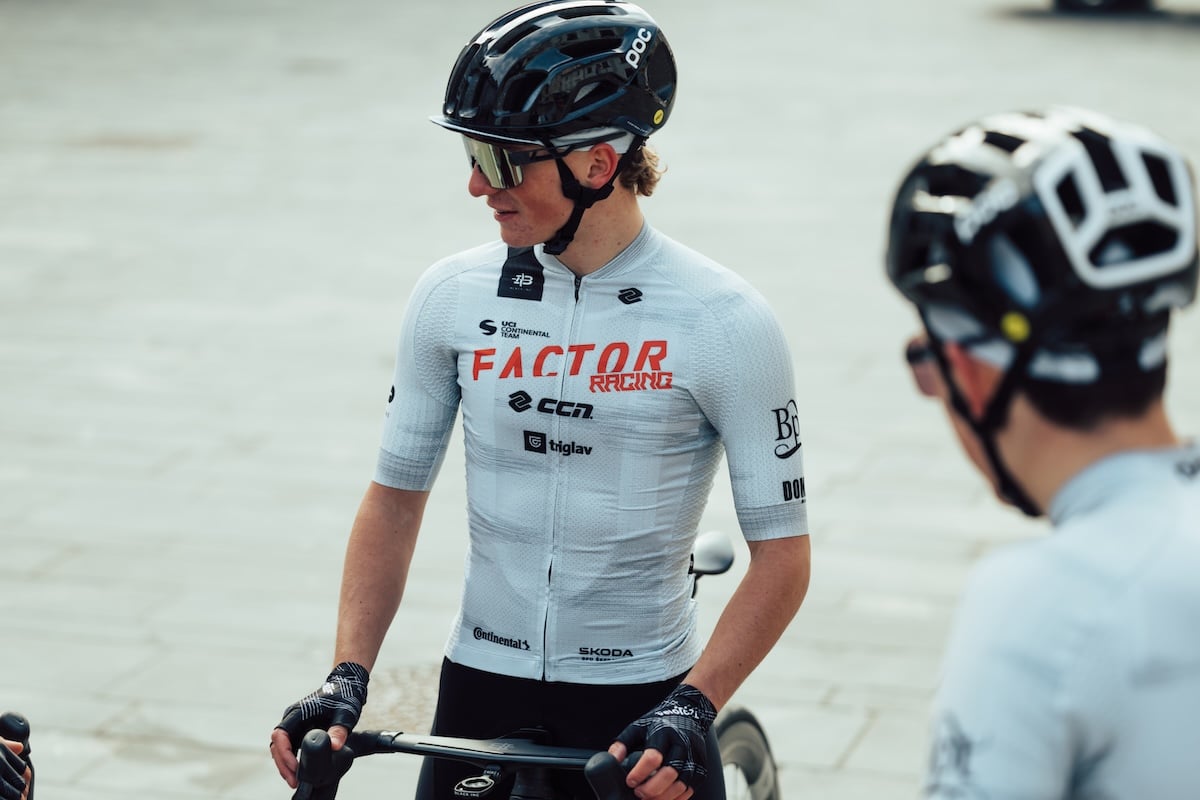
The debate between bib shorts and traditional waist-band cycling shorts centers on fit stability, comfort during extended rides, and personal preference. Bib shorts feature integrated shoulder straps that eliminate waistband pressure and prevent the shorts from sliding down during dynamic movements.
Professional riders overwhelmingly choose bibs for several measurable advantages:
- Consistent chamois positioning throughout the ride regardless of body position changes
- Elimination of waistband pressure on the abdomen and diaphragm
- Better integration with jerseys for improved aerodynamics
- Reduced restriction during deep breathing on climbs
Traditional waist shorts maintain a place in the market for riders who prioritize convenience during rest stops and prefer the option to pair them with non-cycling tops. However, high-quality waist designs must engineer the elastic band carefully to avoid creating pressure points while maintaining secure positioning.
Fit Considerations Across Riding Styles
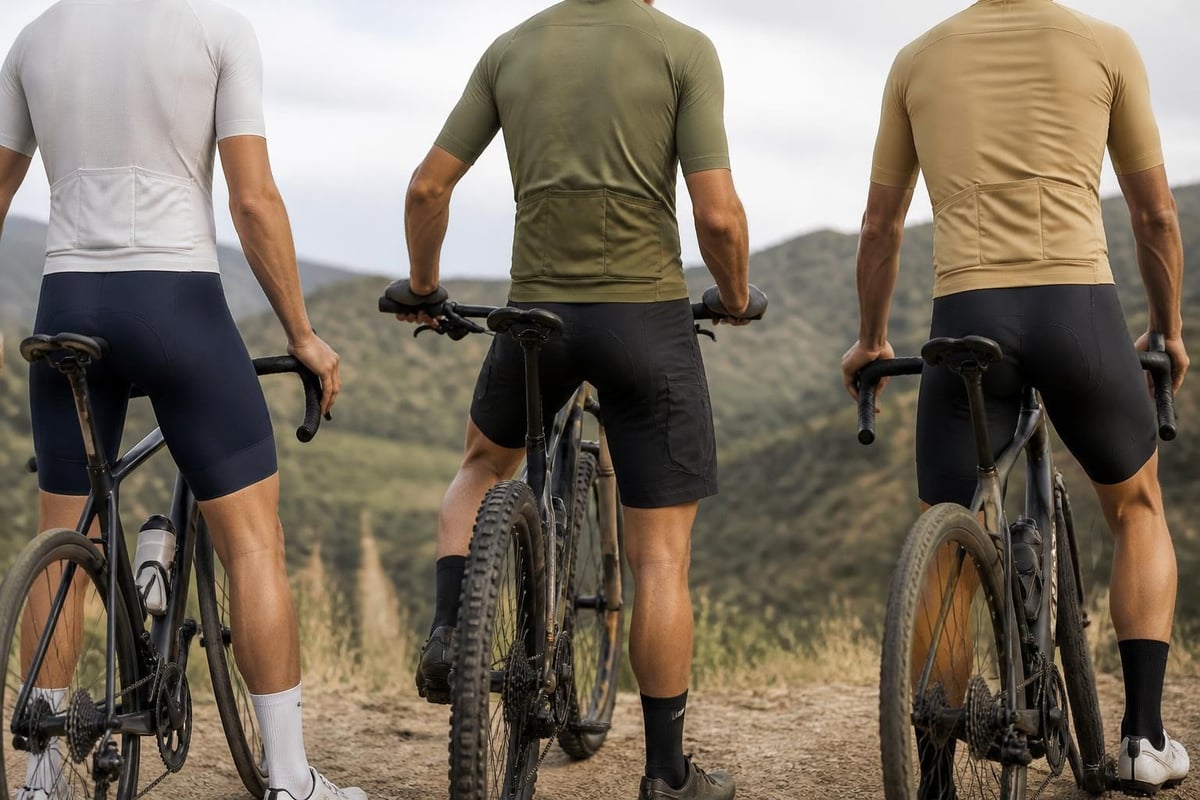
Different cycling disciplines demand specific fit characteristics from bike shorts cycling equipment. Road cyclists typically prefer longer inseams (9-11 inches) with aerodynamic fits that eliminate excess fabric. Mountain bikers often choose slightly looser cuts with shorter inseams (7-9 inches) that allow greater freedom of movement on technical terrain.
Gravel and endurance riders split the difference, seeking comfortable compression without race-tight restriction, often with inseams around 8-10 inches. The chamois in endurance-focused shorts typically features thicker padding in sit-bone areas to support longer rides at more upright positions.
Proper Care and Lifespan of Cycling Shorts
Maintaining bike shorts cycling performance requires specific care practices that preserve both fabric elasticity and chamois integrity. The combination of sweat, sunscreen, chamois cream, and UV exposure can degrade materials faster than normal athletic wear.
Industry experts recommend immediate washing after each ride, even if you plan to wear the shorts again the next day. Bacteria multiply rapidly in the warm, moist environment of worn chamois pads, increasing infection risk and breaking down antimicrobial treatments.
Washing and Drying Best Practices
Follow these guidelines to maximize the lifespan of your cycling shorts:
- Turn shorts inside-out before washing to protect exterior fabric
- Use cool or warm water (never hot) with mild, sport-specific detergent
- Avoid fabric softeners that coat fibers and reduce moisture-wicking performance
- Skip the dryer entirely and air-dry away from direct sunlight
- Store flat or loosely folded to prevent elastic stress
Replacement timing guidance suggests monitoring several wear indicators. When leg grippers lose elasticity, fabric becomes see-through in high-stress areas, or the chamois develops permanent compression spots, it's time to retire that pair.
Most quality cycling shorts deliver 500-1,000 hours of riding before showing significant degradation. For riders logging 200 miles monthly, this translates to approximately 18-36 months of service life per pair when properly maintained.
Selecting the Right Bike Shorts Cycling Equipment for Your Needs
Choosing appropriate cycling shorts requires balancing budget, riding frequency, discipline, and personal fit preferences. The market spans from entry-level options under $50 to professional-grade bibs exceeding $300, with meaningful performance differences across the price spectrum.
Budget and Performance Tiers
| Price Range | Chamois Quality | Fabric Features | Best For |
|---|---|---|---|
| $40-80 | Single-density foam | Basic Lycra blend | Casual riders, 1-2 hour rides |
| $80-150 | Multi-density pad | Compression fabric, mesh panels | Enthusiasts, 2-4 hour rides |
| $150-250 | Anatomic, perforated | Premium compression, seamless construction | Serious riders, 4+ hour rides |
| $250+ | Custom-molded, gel zones | Race-grade fabrics, aerodynamic optimization | Competitive athletes, all-day events |
For riders building a cycling wardrobe, investing in two or three pairs of mid-range shorts typically delivers better value than a single premium pair. This approach allows proper washing and drying time between rides while distributing wear across multiple garments.
Consider your typical ride duration when evaluating chamois thickness. Riders who rarely exceed 90 minutes may find thick endurance pads excessive and restrictive, while century riders will appreciate the additional cushioning that becomes critical after the third hour.
Custom Design and Team Kit Considerations
Teams, clubs, and organized riding groups often pursue custom bike shorts cycling apparel that reinforces identity and professionalism. Custom designs require careful attention to sublimation print placement, ensuring that graphics align properly with seams and don't interfere with chamois positioning.
Working with experienced manufacturers ensures that aesthetic goals align with performance requirements. For comprehensive guidance on coordinating jerseys with custom shorts and bibs, our men's and women's cycling kit guide addresses key design decisions that impact both appearance and functionality.
Premium sublimation processes embed designs directly into fabric fibers rather than applying surface layers. This approach maintains fabric breathability and stretch characteristics while ensuring graphics won't fade, crack, or peel over time. The technology allows unlimited color complexity without weight penalties or performance compromises.
Team Kit Coordination Points
When developing custom team bike shorts cycling designs:
- Maintain sponsor visibility on side panels where logos remain visible from multiple angles
- Choose colors that complement rather than clash with chamois backing color
- Position graphics to avoid high-wear areas like inner thighs
- Test samples across your team's size range before committing to full production
- Coordinate gripper bands with jersey hem colors for cohesive appearance
Quality custom manufacturers provide detailed templates showing print-safe zones and offer guidance on optimizing designs for the three-dimensional shape of cycling shorts.
Gender-Specific Design in Bike Shorts Cycling
Anatomical differences necessitate distinct approaches to bike shorts cycling construction for men and women. Beyond obvious chamois shape variations, cut angles, compression patterns, and rise measurements differ significantly between gender-specific designs.
Women's cycling shorts typically feature:
- Higher front rise to accommodate longer torso proportions and prevent gapping
- Wider chamois with forward positioning matching female pelvic structure
- Contoured leg openings that follow hip and thigh shape without excess fabric
- Adjusted compression zones accounting for different muscle distribution patterns
Men's shorts emphasize support in the front chamois area while women's designs focus padding beneath sit bones with center-channel relief. These differences directly impact comfort and performance, making unisex or adapted designs poor compromises for serious riders.
Seasonal and Climate Adaptations
Bike shorts cycling equipment must adapt to varying temperature and weather conditions throughout the season. While standard shorts suit conditions from 60-85°F, riders in extreme climates benefit from specialized variations.
Warm weather adaptations include:
- Mesh side panels for maximum ventilation
- Lighter-weight Lycra blends (160-200 gsm)
- Perforated chamois with enhanced breathability
- Reflective elements for dawn and dusk visibility
Cool weather options feature:
- Fleece-backed fabrics or thermal linings
- Wind-resistant front panels
- Extended leg length for additional coverage
- Water-resistant treatments for wet conditions
Knee-length knickers bridge the gap between shorts and tights, offering protection for 50-65°F rides without full leg coverage. Three-quarter tights extend protection further while maintaining pedaling efficiency.
Riders in highly variable climates often maintain separate warm and cool weather shorts rather than compromising with year-round designs. The performance benefits of purpose-built options justify the investment for frequent riders.
Innovations Shaping the Future of Cycling Shorts
Emerging technologies continue advancing bike shorts cycling performance beyond traditional fabric and foam combinations. Current development areas include smart textiles, sustainable materials, and data-integrated garments.
Several manufacturers now offer shorts with embedded sensors that track muscle activation, power output asymmetries, and fatigue markers. While adoption remains limited in 2026, integration with training platforms may become standard as sensor miniaturization continues and battery technology improves.
Sustainability initiatives are driving adoption of recycled polyester and plant-based elastane alternatives. These materials now match conventional fabric performance while reducing environmental impact. Early adopters report comparable durability and comfort from eco-friendly options, suggesting wider availability in coming seasons.
Chamois innovation focuses on 3D-printing technologies that create fully customized pads matching individual pressure maps and anatomy. Though currently limited to premium custom offerings, this approach may eventually scale to ready-to-wear products as manufacturing costs decrease.
Investing in quality bike shorts cycling equipment transforms the riding experience through proper pressure distribution, muscle support, and moisture management. Understanding chamois construction, fabric technology, and fit principles helps riders select shorts that enhance comfort and performance across any discipline or distance. When you're ready to elevate your cycling wardrobe with custom designs that combine cutting-edge performance with distinctive team identity, CCN Sport delivers precision-engineered apparel built on two decades of sublimation expertise and manufactured with meticulous attention to every detail.

Share:
Mountain Bike Gear Guide: Essential Equipment for 2026
Best Rain Cycling Jackets for Fast, Wet Rides