

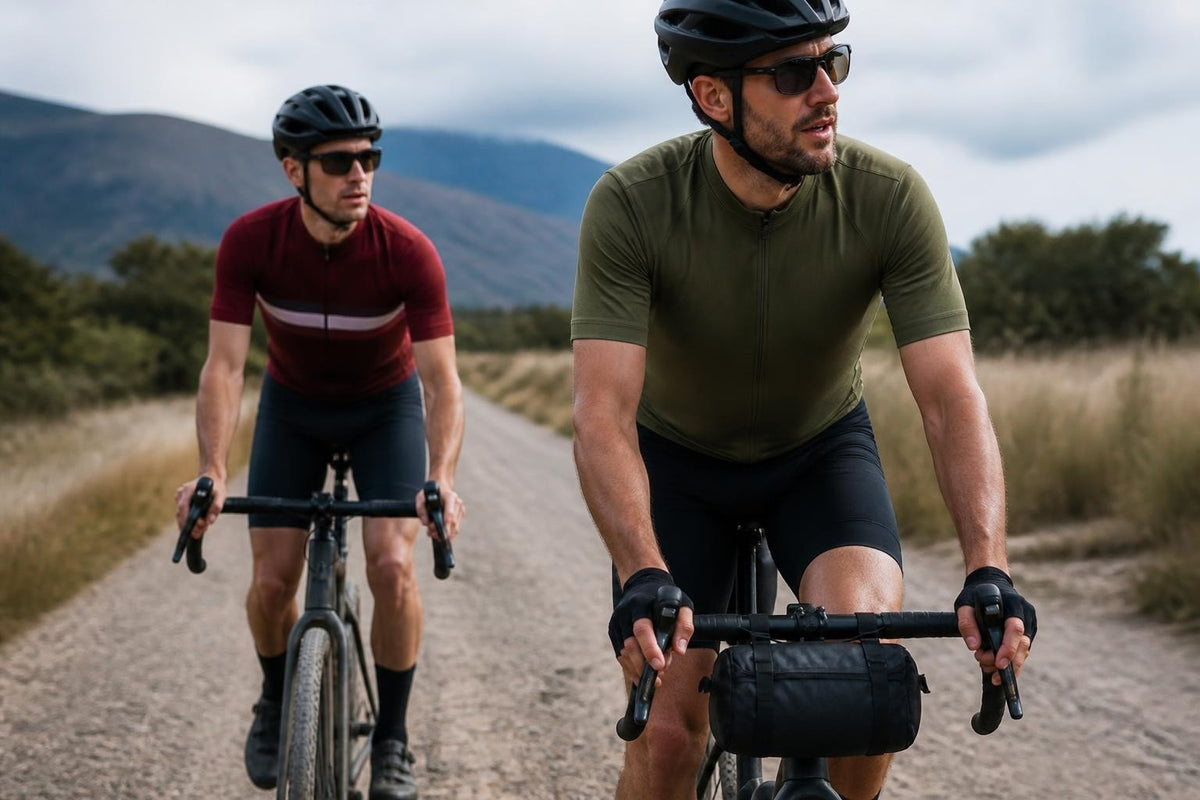
The gravel cycling revolution has transformed not just the bikes we ride, but the apparel we wear while riding them. At the heart of this shift sits the gravel shirt, a unique piece of cycling clothing that bridges the gap between performance-focused road jerseys and casual outdoor wear. Unlike traditional cycling kits designed exclusively for racing or mountain biking, the gravel shirt prioritizes versatility, comfort during long hours in the saddle, and the ability to transition seamlessly from bike to cafe or campsite. Understanding what makes a gravel shirt distinct and how to choose the right one can significantly enhance your riding experience, whether you're tackling backcountry routes, bikepacking adventures, or simply exploring unpaved roads.
Understanding the Gravel Shirt Category
The gravel shirt emerged from a specific need within the cycling community. Gravel riders often spend extended hours on mixed terrain, combining pavement, dirt, gravel roads, and singletrack, frequently stopping at small towns, cafes, or campsites where traditional lycra cycling jerseys feel out of place. BikeRadar's practical guide to gravel-bike clothing explains how this garment category addresses the unique demands of adventure cycling.
Key Characteristics That Define a Gravel Shirt
What separates a gravel shirt from other cycling tops? Several defining features set this category apart:
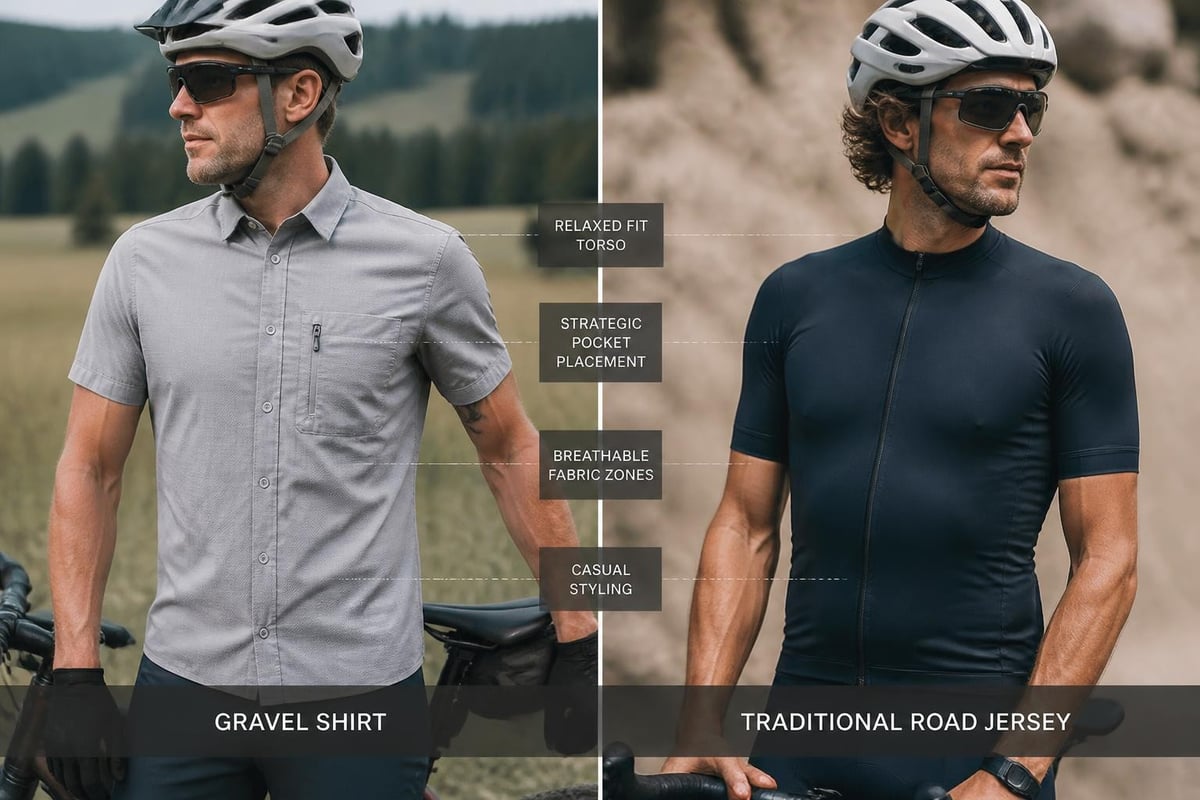
- Relaxed fit that allows for comfortable movement without the race-oriented compression of road jerseys
- Casual aesthetic that doesn't scream "cyclist" when you're off the bike
- Technical fabrics that still wick moisture and regulate temperature effectively
- Practical pocket placement including chest pockets and traditional rear pockets
- Durability to withstand brushing against vegetation and rough conditions
The design philosophy centers on all-day comfort rather than pure aerodynamic efficiency. While you sacrifice some speed compared to a fitted road jersey, the trade-off comes in versatility and wearability across varied scenarios.
Fabric Technology and Performance
Modern gravel shirts leverage sophisticated textile engineering while maintaining a casual appearance. The fabric choices determine how well the shirt performs during long rides across changing conditions and temperatures.
Natural Versus Synthetic Materials
| Fabric Type | Moisture Management | Durability | Odor Resistance | Drying Speed | Best Use Case |
|---|---|---|---|---|---|
| Merino Wool | Excellent | Moderate | Outstanding | Slow | Multi-day tours, variable temps |
| Synthetic Blends | Very Good | Excellent | Good (with treatment) | Fast | High-output rides, wet conditions |
| Cotton Blends | Poor | Good | Moderate | Very Slow | Casual rides, short distances |
| Technical Polyester | Excellent | Excellent | Fair | Very Fast | Hot weather, high intensity |
Merino wool has gained tremendous popularity in gravel cycling because it naturally resists odor buildup during multi-day bikepacking trips. The fiber's ability to regulate temperature across a wide range makes it ideal for rides where morning starts cold but afternoons turn warm. However, pure merino can be fragile when brushing against rough surfaces.
Synthetic blends offer the best balance for most riders. Modern polyester fabrics incorporate treatments that improve odor resistance while maintaining excellent wicking properties. Research on fabric breathability and moisture vapor resistance demonstrates how fiber structure and weave patterns affect performance during extended physical activity.
Breathability and Climate Adaptation
A quality gravel shirt must handle varying exertion levels and changing weather throughout a single ride. Look for garments with:
- Mesh panels strategically placed under arms and along the back
- Adjustable ventilation through button plackets or quarter-zips
- Moisture-wicking base layer that pulls sweat away from skin
- Quick-dry properties that prevent the clammy feeling during rest stops
The advantage over traditional jerseys becomes apparent during bikepacking or touring adventures. When you're carrying gear and moving at moderate speeds for hours, the gravel shirt's breathability without excessive wind resistance creates an ideal microclimate.
Fit Styles and Cut Options
The gravel shirt category encompasses several distinct fit styles, each serving different rider preferences and use cases. Cycling Weekly's comprehensive round-up of gravel bike clothing highlights how modern designs range from technical to casual.
The Spectrum of Gravel Shirt Cuts
Technical Gravel Jerseys sit at one end of the spectrum. These maintain some features of traditional cycling jerseys but with relaxed fits. They typically include three rear pockets, slightly longer backs to cover while in riding position, and performance fabrics. The cut allows comfortable pedaling without the compression feel of race kits.
Casual Gravel Shirts embrace a more relaxed outdoor-recreation aesthetic. Think button-up short-sleeve shirts or henleys that happen to use technical fabrics. These work exceptionally well for riders who want maximum versatility or who participate in mixed-activity adventures where cycling is one component.
Hybrid Designs blend elements of both approaches. A common example is a shirt with a casual front but technical features like rear pockets, longer back hem, and strategic ventilation panels hidden within the design.
Sizing Considerations for Long Rides
Proper sizing matters differently for gravel shirts compared to road jerseys. Since these garments prioritize comfort over aerodynamics:
- Choose a size that allows layering underneath for cool-weather rides
- Ensure shoulder mobility without binding during handlebar reach
- Verify pocket accessibility while wearing a hip belt or pack
- Test arm length to prevent riding up during extended time in the drops
- Check torso coverage to avoid exposed lower back when leaning forward
Many riders find they wear one size larger in gravel shirts compared to their road jersey size. The extra room prevents pressure points during all-day efforts and accommodates the base layers common in variable conditions.
Design Features That Enhance Functionality
Beyond basic fit and fabric, specific design elements separate exceptional gravel shirts from mediocre options. These features address the practical realities of adventure cycling.
Strategic Pocket Placement
Pocket configuration significantly impacts usability during rides. The best gravel shirts incorporate:
- Chest pockets with secure closures for frequently accessed items like phones or snacks
- Traditional rear pockets sized for tools, tubes, and food
- Zippered security pocket for keys, cash, or identification
- Internal stash pocket for valuables you want protected
Chest pockets deserve special attention because they remain accessible while wearing a backpack or frame bag, unlike rear pockets which can become blocked. Look for designs where chest pockets sit high enough not to interfere with pack straps.
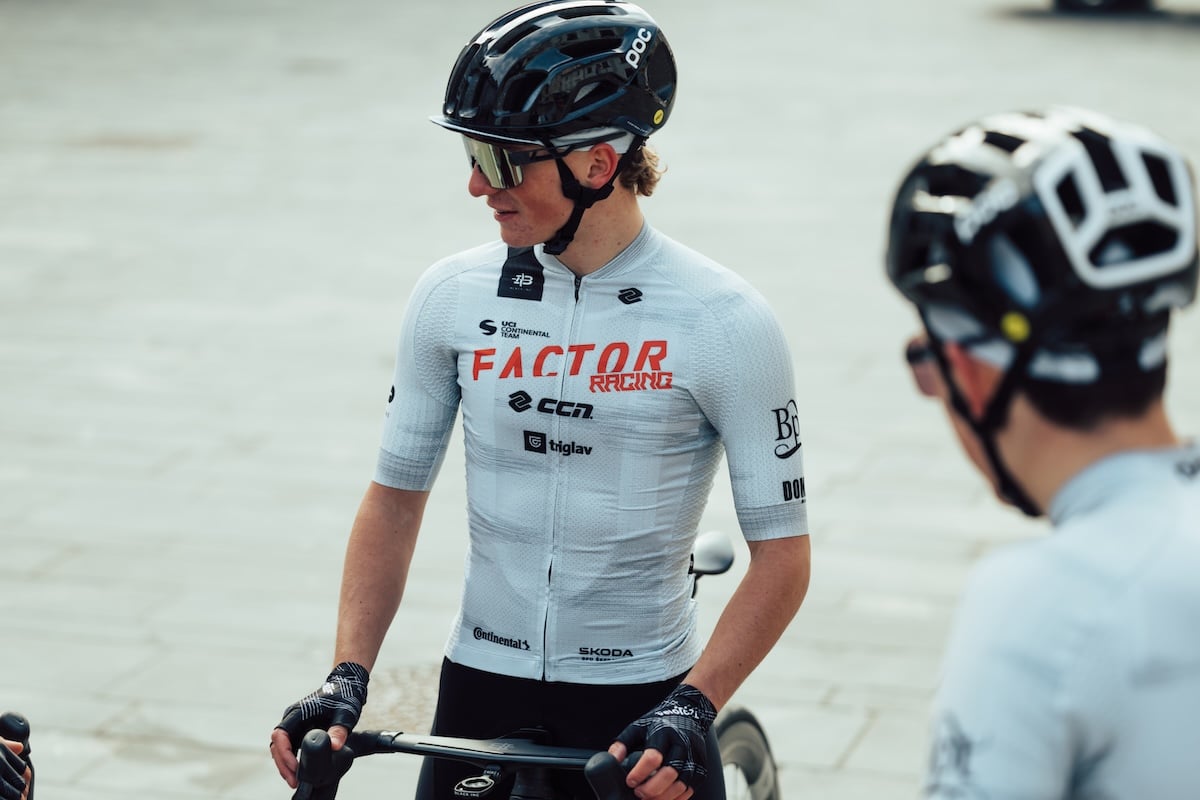
At CCN Sport, our Custom Cycling Apparel service allows teams and clubs to specify exact pocket configurations that match their riding style. Our advanced sublimation process ensures that custom designs maintain professional appearance while incorporating the functional elements gravel riders demand.
Collar and Closure Systems
The neck area presents design challenges for gravel shirts. Options include:
Full Button Placket: Provides maximum ventilation control and casual aesthetic. Buttons should be secured well since vibration on rough terrain can cause them to open unexpectedly.
Quarter-Zip: Offers quick ventilation adjustment with one hand while riding. Look for garages at the top of zippers to prevent chin chafing.
Henley Style: Two or three-button partial placket combines casual appearance with good ventilation. Works well under shells or vests.
The collar itself should be low enough not to cause irritation during hours of riding but high enough to provide sun protection. Flat-lock seams prevent chafing in this sensitive area.
Seasonal Variations and Layering
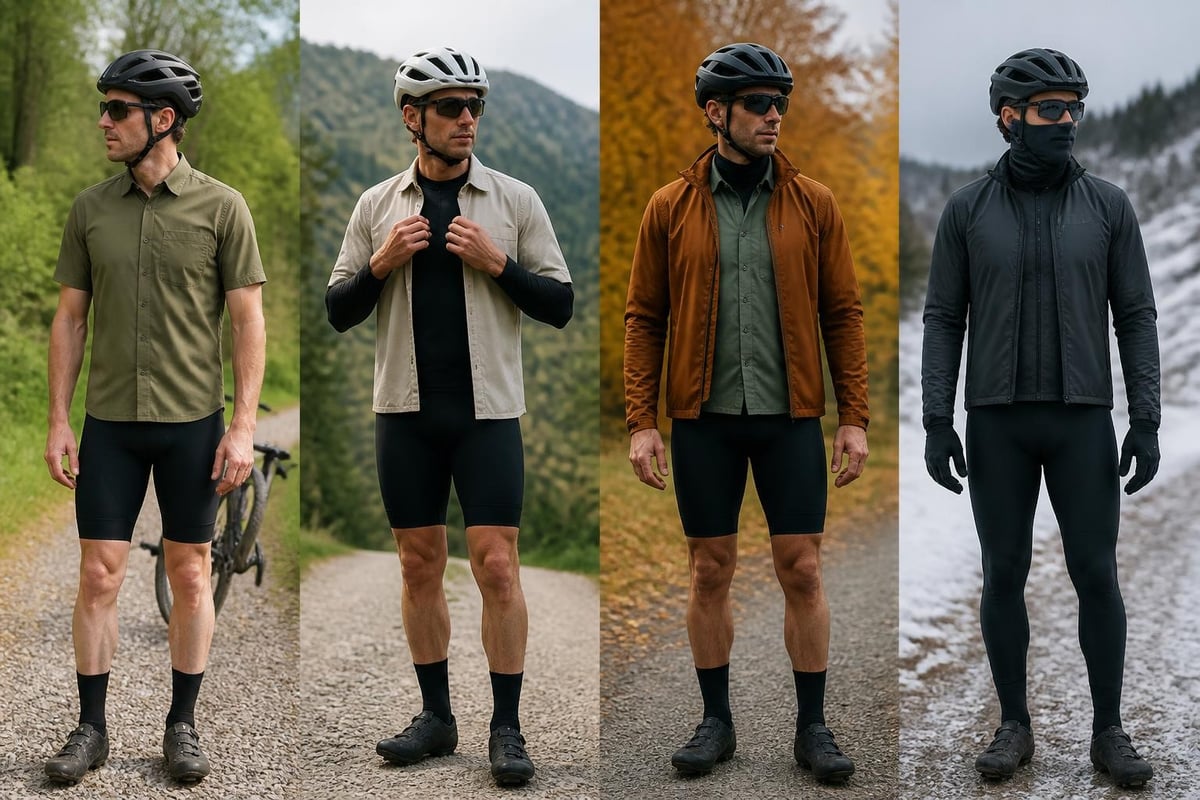
Gravel riding happens year-round, and the gravel shirt serves different roles depending on season and climate. Bicycling magazine's expert gravel clothing guidance provides season-specific recommendations that align with how riders layer these garments.
Warm Weather Gravel Shirts
Summer gravel shirts prioritize maximum breathability and sun protection. Key features include:
- Lightweight, highly breathable fabrics (under 150 g/m²)
- Light colors that reflect heat
- UPF sun protection ratings (30+ minimum)
- Extended sleeve length to cover forearms
- Generous mesh ventilation panels
Short-sleeve options work for many riders, but three-quarter or full-length sleeves in ultra-light fabrics provide better sun protection during day-long rides. The fabric weight should feel almost imperceptible while still offering moisture management.
Cool Weather Adaptations
As temperatures drop, the gravel shirt becomes a mid-layer in a broader system. Look for:
| Temperature Range | Gravel Shirt Role | Recommended Fabric Weight | Typical Layering |
|---|---|---|---|
| 60-70°F | Primary top | 150-200 g/m² | Base layer + gravel shirt |
| 50-60°F | Insulating layer | 200-250 g/m² | Base layer + gravel shirt + vest |
| 40-50°F | Mid-layer | 250+ g/m² | Base layer + gravel shirt + jacket |
| Below 40°F | Not typically used | N/A | Replace with thermal jersey |
Merino content becomes more valuable in cooler temperatures. A 60/40 merino-synthetic blend offers warmth without excessive bulk while maintaining odor resistance during multi-hour rides.
Selecting the Right Gravel Shirt for Your Riding Style
Different types of gravel riding place different demands on apparel. Matching your gravel shirt to your primary riding style ensures maximum satisfaction.
Bikepacking and Multi-Day Tours
For extended adventures where you're carrying everything you need, prioritize:
- Odor resistance through merino content or antimicrobial treatments
- Quick-drying properties for washing and reusing during trips
- Durability to withstand repeated use and pack abrasion
- Neutral colors that hide dirt and remain presentable
- Packability so the shirt compresses small when not worn
Adventure Cycling Association's comprehensive touring gear checklist recommends carrying two gravel shirts for trips longer than a week, allowing you to rotate while one dries or gets laundered.
Gravel Racing and Competitive Events
When speed matters more than café stops, choose gravel shirts that lean toward performance:
- Closer fit that reduces drag without full compression
- Lighter weight fabrics (under 150 g/m²)
- Aerodynamic collar designs
- Minimal bulk in pocket areas
- Bright colors or reflective elements for pack visibility
These gravel shirts essentially function as relaxed road jerseys, maintaining the gravel aesthetic while prioritizing efficient pedaling and moisture management during high-intensity efforts.
Social Rides and Exploration
For riders who value the social and exploratory aspects of gravel cycling, the casual end of the gravel shirt spectrum works best. These garments transition seamlessly from bike to brewery, making them ideal for rides that include extended stops or mixed activities.
Features to emphasize:
- Button-up or henley styles that don't look overly technical
- Natural fiber content for comfort during rest periods
- Standard pocket configurations that work with or without cycling-specific items
- Patterns or solid colors that fit casual social settings
- Comfortable fit that doesn't restrict movement off the bike
Color Selection and Visibility Considerations
While aesthetics are personal, color choices for gravel shirts involve practical considerations beyond style preferences.
High-Visibility Versus Subdued Tones
Bright Colors (neon yellow, orange, pink):
- Maximum visibility to motorists on mixed-surface routes
- Easier for riding partners to spot in group rides
- Show dirt and stains more readily
- Can clash with bike or other gear colors
Earth Tones (olive, tan, brown, dark blue):
- Hide dirt and trail grime effectively
- Create cohesive outdoor aesthetic
- Blend into natural surroundings during rest stops
- May reduce visibility in low-light conditions
Reflective Elements offer a compromise. Many modern gravel shirts incorporate subtle reflective details that remain nearly invisible in daylight but enhance safety during dawn, dusk, or night riding. Look for reflective logos, piping, or geometric patterns integrated into the design.
For riders who frequently encounter vehicle traffic, choosing one high-visibility gravel shirt for those routes and earth-toned options for more remote adventures provides versatility without compromising safety.
Care and Maintenance for Longevity
Technical gravel shirts represent an investment that proper care can protect. Unlike cotton t-shirts that survive any wash cycle, performance fabrics require specific treatment to maintain their properties.
Washing Best Practices
Follow these guidelines to preserve fabric performance:
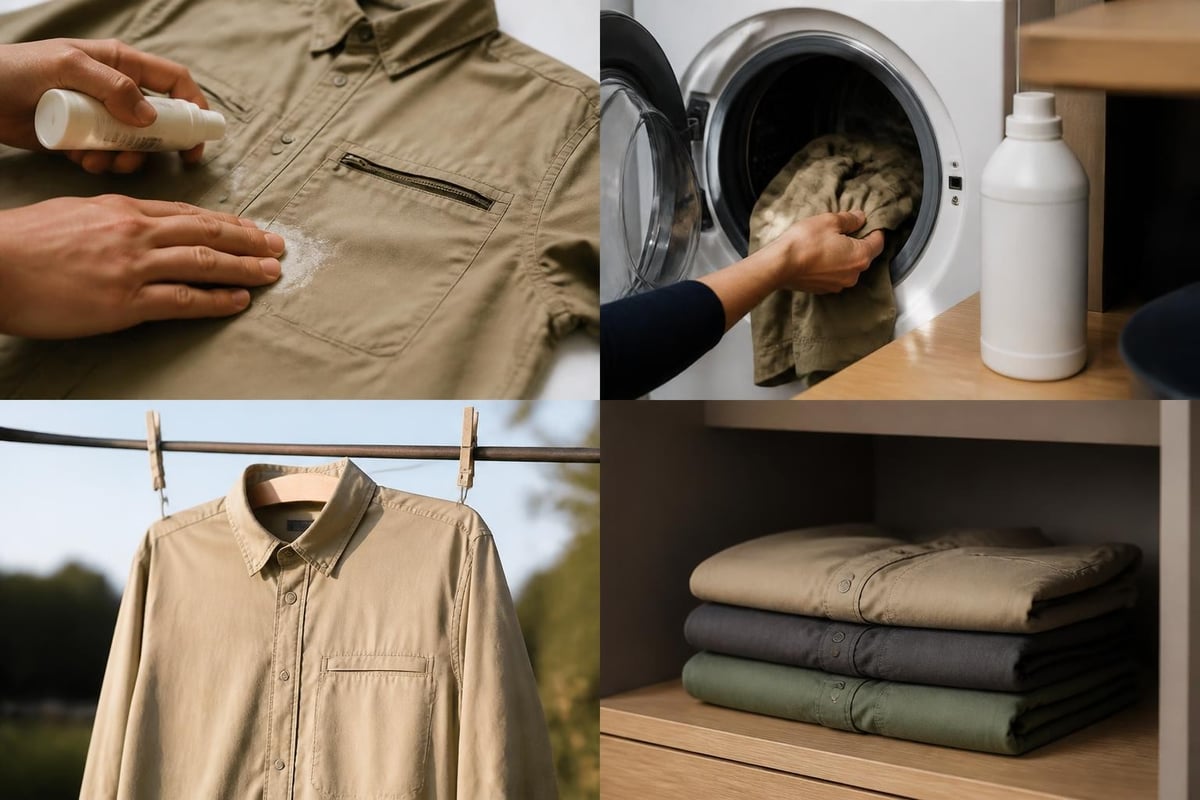
- Turn garments inside out before washing to protect exterior finishes
- Use technical fabric detergent that doesn't leave residue in fibers
- Wash in cold water to prevent fiber degradation and color fading
- Avoid fabric softener which coats fibers and reduces wicking ability
- Air dry when possible as heat damages elastic fibers and treatments
For merino gravel shirts specifically, use detergents formulated for wool. Regular detergents can strip the natural oils that give merino its odor-resistant properties.
Storage and Organization
Proper storage extends garment life between rides. Hang gravel shirts on padded hangers or fold them loosely in drawers. Avoid compressed storage for extended periods, which can damage elastic components and create permanent creases in technical fabrics.
For riders with multiple gravel shirts, consider organizing by:
- Season (lightweight summer vs. heavier cool-weather options)
- Use case (racing vs. touring vs. casual)
- Color (high-vis vs. neutral)
- Fabric type (merino vs. synthetic for trip-specific packing)
The CCN Sport collections showcase how quality construction contributes to garment longevity, with reinforced stitching and durable fabric choices that withstand hundreds of rides.
Customization and Team Options
Many gravel riding clubs, event organizers, and cycling groups seek custom gravel shirts that reflect their identity while delivering performance. Custom options allow you to specify:
- Exact fit preferences for your team's body types and riding styles
- Color combinations that match club identity or event branding
- Pocket configurations tailored to your specific gear needs
- Fabric blends appropriate for your regional climate
- Graphics placement that works with the garment's casual aesthetic
When working with manufacturers on custom gravel shirts, provide detailed information about intended use. A shirt designed for bikepacking adventures requires different features than one intended for weekly social gravel rides. Quality manufacturers like CCN Sport bring decades of sublimation experience to ensure custom designs maintain both appearance and function through countless wash-and-wear cycles.
For teams interested in low-volume custom orders, exploring low minimum custom cycling jerseys options can make custom gravel shirts accessible even for smaller groups.
Style Evolution and Future Trends
The gravel shirt category continues evolving as manufacturers refine their understanding of what adventure cyclists need. CyclingNews' comprehensive gravel clothing guide tracks emerging design trends and innovations that shape future products.
Current Design Directions
Several trends are reshaping gravel shirt design in 2026:
Increased Sustainability: More manufacturers incorporate recycled polyester, organic cotton, and responsibly sourced merino. Cyclists increasingly consider environmental impact when choosing gear.
Modular Systems: Some brands now design gravel shirts to integrate with compatible base layers, vests, and shells through connection points or compatible layering cuts.
Gender-Specific Tailoring: Rather than simply scaling men's patterns, manufacturers develop gravel shirts with cuts specific to women's proportions, improving fit and comfort.
Adventure-Specific Features: Integrated sun hoods, zip-off sleeves, and convertible designs that adapt to changing conditions represent growing innovation in the category.
Smart Fabric Integration: While still emerging, some gravel shirts now incorporate fabrics with built-in insect repellent treatments or UV-reactive cooling properties.
Balancing Innovation With Simplicity
As gravel shirt designs become more sophisticated, the best options maintain the category's core appeal: versatility and wearability. Features should enhance function without adding unnecessary complexity or weight. The most successful designs in 2026 incorporate innovations that riders actually use rather than gimmicks that look good in marketing materials.
Budget Considerations and Value Assessment
Gravel shirts span a wide price range, from $40 budget options to $180 premium garments. Understanding what drives price differences helps riders make informed purchasing decisions.
Price-Performance Analysis
| Price Range | Typical Features | Expected Longevity | Best For |
|---|---|---|---|
| $40-$60 | Basic synthetic fabrics, simple cut, limited features | 1-2 seasons | Occasional riders, trying the category |
| $60-$90 | Quality synthetics or synthetic blends, better fit, standard features | 2-3 seasons | Regular weekend riders |
| $90-$120 | Merino blends, advanced features, refined fit | 3-5 seasons | Frequent riders, multi-day trips |
| $120-$180+ | Premium merino, custom features, exceptional durability | 5+ seasons | Dedicated gravel riders, professionals |
Higher-priced gravel shirts typically justify their cost through superior fabrics, more thoughtful design, better construction quality, and enhanced durability. A $130 merino gravel shirt that lasts five seasons and remains odor-free on week-long tours delivers better value than a $50 synthetic option that needs replacement every year and can't handle multi-day use.
For riders new to gravel cycling, starting with a mid-range option ($70-$90) provides good performance while you determine your specific preferences. Once you understand which features matter most for your riding style, investing in premium options becomes more strategic.
Integration With Complete Gravel Kit
The gravel shirt doesn't exist in isolation but as part of a complete apparel system. Understanding how it coordinates with shorts, base layers, and outerwear creates cohesive setups for various conditions.
Coordinating Upper and Lower Body
With Gravel Shorts or Pants: The relaxed fit of gravel shirts pairs naturally with slightly looser gravel shorts or pants rather than tight road bibs. Look for compatible waistband heights that prevent gaps when leaning forward.
With Traditional Bib Shorts: Many riders combine gravel shirts with their existing bib shorts for familiar comfort below while gaining casual versatility above. Ensure the gravel shirt's hem length adequately covers the bib straps.
Color Coordination: While matching isn't necessary, consider how your gravel shirt colors work with your short or pant options. Earth-tone shirts complement most short colors, while bright shirts may clash with patterned bottoms.
Layering With Accessories
Complete your gravel outfit by considering how the shirt works with:
- Base layers that extend coverage in cool weather
- Arm warmers for temperature-variable rides
- Vests that layer over without binding
- Jackets sized to accommodate the gravel shirt's relaxed fit
- Neck gaiters or buffs that coordinate with collar design
The CCN Sport base layer collection offers options specifically designed to work beneath cycling tops, providing moisture management and temperature regulation without bulk.
The gravel shirt has earned its place as essential gear for adventure cyclists, offering the perfect balance between performance and versatility that defines modern gravel riding. Whether you prioritize technical features for demanding rides or casual style for mixed-activity adventures, understanding fabric choices, fit options, and key design elements ensures you select the right gravel shirt for your needs. At CCN Sport, we bring over 20 years of sublimation expertise to creating custom cycling apparel that performs ride after ride. Our precision manufacturing and commitment to quality mean your custom gravel shirts will deliver the durability and comfort you need, whether you're designing for a team, club, or event. Ready to create your perfect gravel shirt?

Share:
Winter Bike Clothes: Essential Guide for Cold-Weather Riding
How Long Do Bib Shorts Last? Know the Signs