

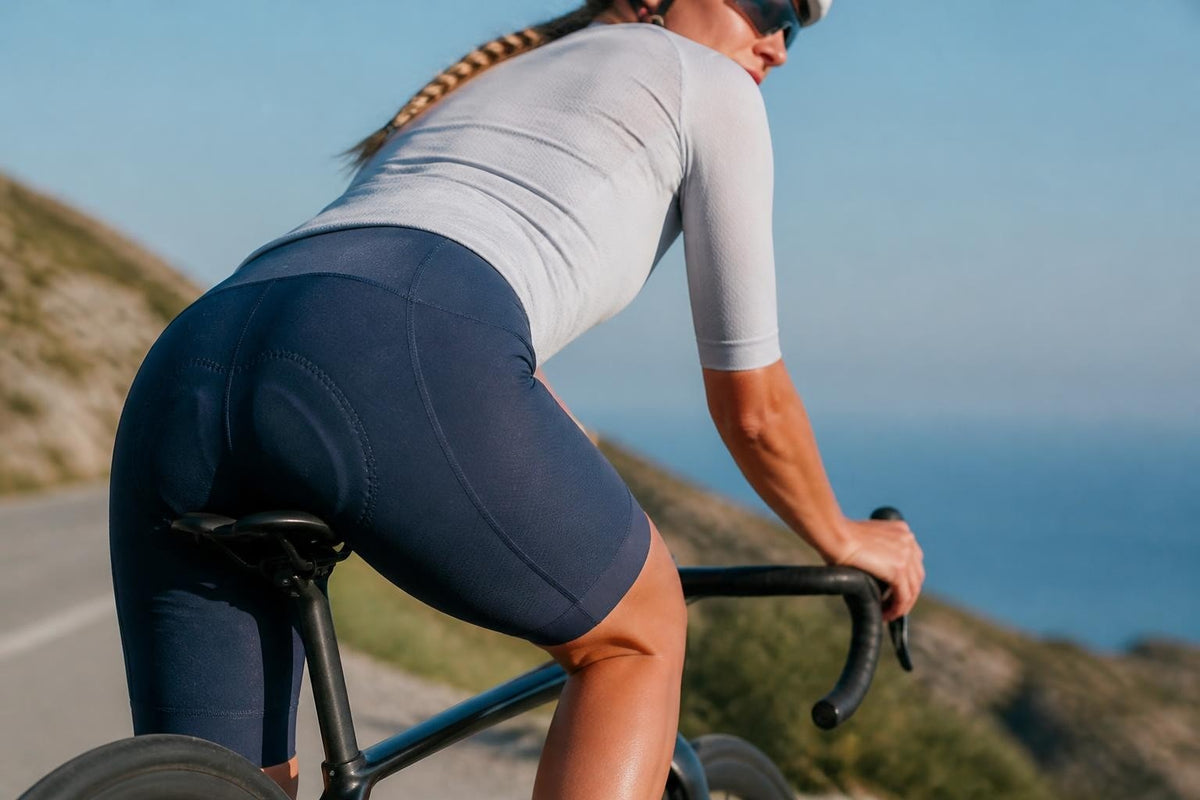
Finding the perfect cycling pants women can rely on for long rides, competitive racing, or daily commutes requires understanding the unique anatomical considerations, performance features, and style options available in 2026. Unlike generic athletic wear, cycling-specific pants for women incorporate engineered chamois padding, compression fabrics, and body-mapped paneling designed to eliminate discomfort during extended time in the saddle. Whether you're training for a century ride, commuting across town, or exploring gravel trails, the right pair transforms your cycling experience from tolerable to exceptional.
Understanding Women-Specific Cycling Pant Design
The cycling apparel industry has evolved significantly over the past decade, moving away from "shrink it and pink it" approaches to genuinely engineered solutions. Modern cycling pants women depend on feature anatomically-specific chamois designs that account for differences in pelvic structure, sit bone width, and soft tissue placement. Research on female-specific cycling pads demonstrates measurable improvements in comfort and reduced pressure points when gender-specific design principles are applied.
Anatomical Considerations That Matter
Female anatomy requires different chamois placement, width, and thickness distribution compared to men's designs. The sit bones in women are typically wider-set, requiring broader rear padding zones. Additionally, pelvic health considerations for female athletes highlight the importance of reducing pressure on soft tissue areas while maintaining adequate support at contact points.
Key anatomical features include:
- Wider sit bone support zones to distribute weight evenly
- Reduced or eliminated central padding to prevent soft tissue compression
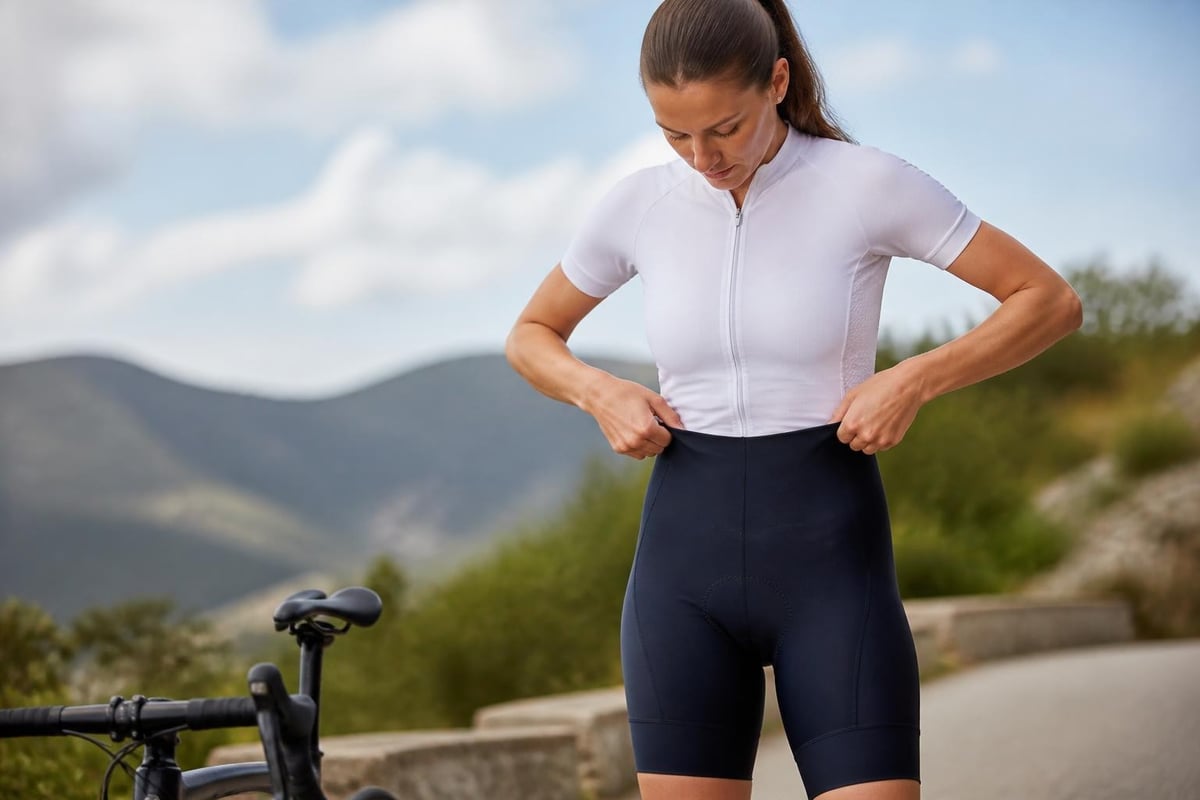
- Contoured waistbands that follow natural body curves without rolling or digging
- Shorter torso rise proportioned for female body dimensions
The best cycling pants women invest in account for these factors through careful pattern engineering and chamois construction that moves with the body rather than creating friction or pressure points.
Chamois Technology and Padding Systems
The chamois represents the single most critical component distinguishing quality cycling pants women should consider from mediocre options. Modern chamois construction involves multiple foam densities, antimicrobial treatments, moisture-wicking top layers, and strategic thickness variations mapped to pressure zones during the pedal stroke. Riders who prefer a one-piece option can also compare a women's cycling skinsuit for racing and fit. Riders who prefer a one-piece option can also compare a women's cycling skinsuit for racing and fit.
| Chamois Feature | Entry-Level | Mid-Range | Premium |
|---|---|---|---|
| Foam Densities | Single | Dual | Triple or quad |
| Thickness (mm) | 8-10 | 10-13 | 12-15 (variable) |
| Antibacterial Treatment | Basic | Silver ion | Advanced microbe control |
| Moisture Management | Standard wicking | Enhanced channels | 3D air flow layers |
| Expected Ride Duration | 1-2 hours | 2-4 hours | 4+ hours |
Matching Chamois to Riding Style
Different cycling disciplines demand different chamois characteristics. Road cycling requires streamlined, lower-profile padding that doesn't interfere with the aerodynamic position. Mountain biking benefits from slightly thicker, more protective padding that cushions against trail impacts. Touring and commuting priorities shift toward all-day comfort and durability through repeated wear cycles.
Road racing chamois feature minimal bulk with strategic high-density zones at primary contact points. Gravel and adventure chamois add coverage area and moderate thickness for varied terrain and longer, less predictable ride times. Indoor training chamois sometimes incorporate extra ventilation channels since stationary positions create sustained pressure without the position shifts of outdoor riding.
According to expert reviews from BikeRadar, the trend in 2026 leans toward customizable or modular chamois systems where riders can select pad thickness and density based on personal preference and ride type.
Fabric Selection and Compression Technology
Beyond the chamois, fabric choice dramatically impacts how cycling pants women wear perform across temperature ranges, ride intensities, and durability requirements. Modern cycling pants utilize engineered knit fabrics with directional stretch, compression mapping, and moisture transport properties far exceeding basic Lycra blends.
Performance Fabric Characteristics
The ideal cycling pant fabric balances several competing demands simultaneously. It must provide sufficient compression to support muscles and reduce fatigue without restricting movement or breathing. It needs four-way stretch to accommodate the cycling position's dynamic range of motion. And it must transport moisture away from skin while drying quickly when conditions change.
Leading fabric technologies in 2026 include:
- Graduated compression weaves that vary support levels across muscle groups
- Temperature-regulating yarns with phase-change materials or ceramic particles
- UV-protective construction rated SPF 50+ for sun-exposed riding
- Hydrophobic treatments that shed road spray and light rain
Heavier winter cycling pants women choose for cold-weather riding incorporate brushed or fleece-backed fabrics with windproof front panels. Thermal fabrics maintain warmth without bulk, while articulated knee construction prevents binding during the pedal stroke. Some advanced winter pants feature removable or zip-off lower legs for temperature adaptability.
Waistband Styles: Bibs Versus Traditional Waist
One of the fundamental decisions when selecting cycling pants women face involves choosing between bib shorts and traditional waist-style pants. Each design offers distinct advantages and trade-offs that align with different riding preferences, body types, and practical considerations.
Bib shorts eliminate waistband pressure entirely by using shoulder straps to hold the chamois in position. This prevents the "sausage effect" of tight waistbands cutting into the midsection, especially during aggressive forward positions. Bibs stay in place without adjustment, maintain consistent chamois positioning, and allow unrestricted breathing and core movement.
The primary challenges with bibs involve restroom logistics and fit variability. Women-specific bibs in 2026 increasingly feature drop-tail or side-entry designs that simplify nature breaks without complete undressing. Strap width, placement, and adjustability vary significantly between manufacturers, making personal fitting essential.
Traditional Waist Advantages
Traditional waist cycling pants women opt for offer simpler bathroom access and often appeal to recreational riders, commuters, and those new to cycling. Modern waist designs incorporate wide, elastic-free bands, silicone gripper dots instead of aggressive elastic, and higher rear rises that prevent gap when leaning forward.
Quality waist pants include:
- Wide waistbands (2-3 inches) that distribute pressure
- Minimal or hidden seams at the waistband to prevent chafing
- Silicone leg grippers that hold position without constriction
- Flatlock stitching throughout to eliminate raised seam edges
Current cycling shorts guides note that the bib versus waist decision increasingly comes down to personal preference rather than performance superiority, as engineering improvements have narrowed the gap between styles.
Length and Coverage Options
Cycling pants women can choose from span multiple length categories, each suited to different temperatures, aesthetics, and ride types. Understanding the functional differences helps match coverage to conditions and personal preference.
Standard Length Categories
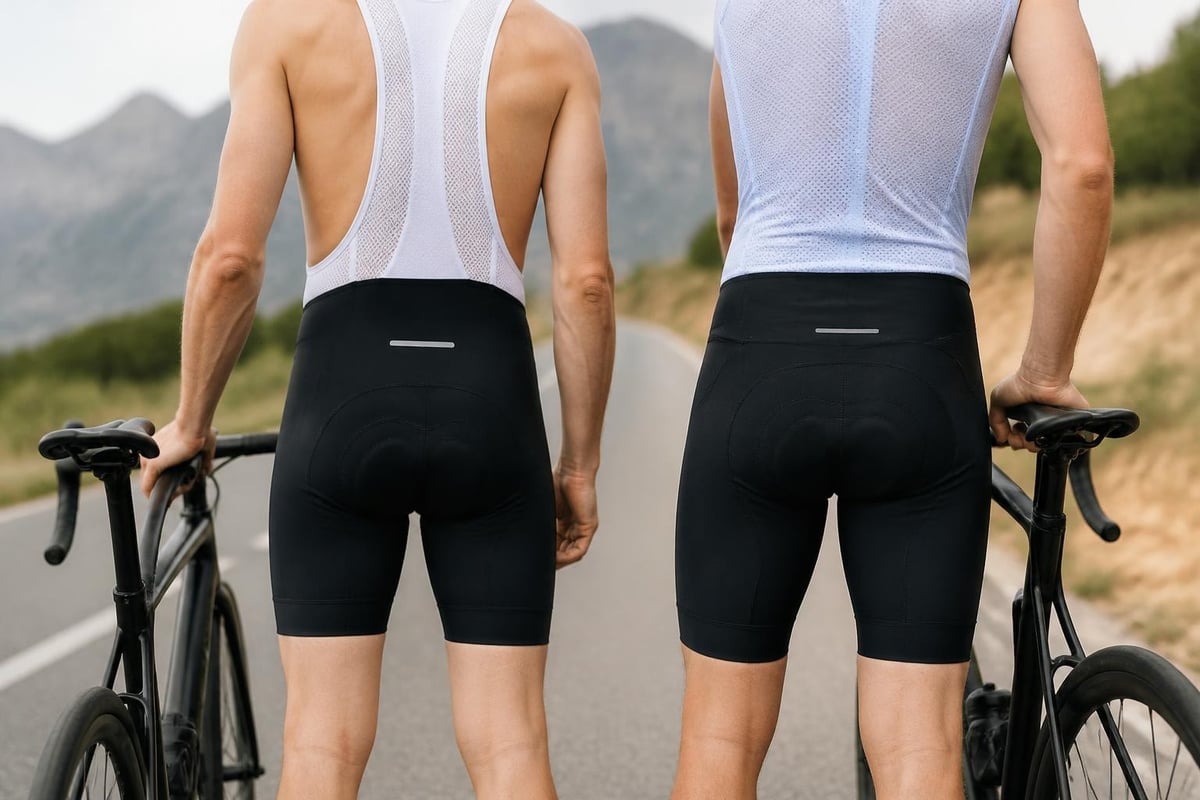
Bib shorts typically feature 7-9 inch inseams ending mid-thigh. This length balances aerodynamics, tan line management, and coverage while allowing full leg mobility. Knee-length or knicker styles extend to just below the knee, ideal for mild weather or riders preferring more coverage. Full-length tights provide complete leg coverage for cold weather, incorporating thermal fabrics and sometimes windproof panels.
Some newer designs offer convertible lengths with zip-off sections, allowing transition from shorts to knickers or capris based on changing conditions during long rides. These work particularly well for touring applications or early morning starts that warm significantly by afternoon.
Pedal pushers or capri-length pants fall between knee and ankle, offering a casual aesthetic that transitions well from bike to coffee shop. While less common in competitive settings, they serve recreational and commuter markets well, particularly when paired with less technical chamois for shorter ride durations.
Fit, Sizing, and Body Mapping
Proper fit separates functional cycling pants women actually enjoy wearing from expensive closet decorations. Unlike casual clothing where loose fit causes no harm, poorly fitted cycling pants create friction, bunching, pressure points, and chamois misalignment that turns rides miserable.
Key Fit Considerations
The chamois should sit flush against the body without gaps or wrinkles when in the riding position. Excess fabric anywhere creates friction; insufficient fabric restricts movement or pulls the chamois away from optimal position. Quality manufacturers provide detailed measurement guides covering waist, hip, thigh, and inseam dimensions rather than relying solely on generic S/M/L sizing.
Testing fit requires assuming your actual riding position:
- Stand in cycling crouch with hands forward as if on handlebars
- Check waistband or straps for binding, gaps, or excessive pressure
- Verify chamois placement ensures coverage without bulk or shifting
- Assess leg band position confirms grippers sit flat without rolling or cutting
- Perform range of motion tests simulating pedal stroke and position changes
Some cycling pants women find most comfortable incorporate body-mapped paneling with different fabric weights and compression levels across zones. High-movement areas like hips and thighs receive maximum stretch, while areas benefiting from support like the lower back and outer thighs use firmer compression fabrics.
Whether you're building a custom kit for your team or selecting ready-to-wear options, precision fit matters tremendously. At CCN Sport, our custom cycling apparel manufacturing process allows for exact sizing specifications and body-mapped panel construction tailored to your riders' needs, ensuring optimal comfort and performance for women cyclists at every level.

Seasonal Variations and Layering Systems
Cycling pants women need throughout the year vary dramatically based on climate, ride intensity, and personal temperature regulation. Building a strategic rotation of pants designed for specific temperature ranges proves more effective and economical than seeking single "do-everything" options.
| Temperature Range | Pant Type | Key Features | Typical Use |
|---|---|---|---|
| 75°F+ | Lightweight shorts | Minimal chamois, mesh panels, UV protection | Summer road riding, racing |
| 60-75°F | Standard shorts/bibs | Moderate chamois, breathable fabric | Spring/fall, most conditions |
| 50-60°F | Knickers or thermal shorts + warmers | Light insulation, wind resistance | Cool mornings, shoulder season |
| 35-50°F | Thermal tights | Fleece-backed, windproof front panels | Winter training, cold commutes |
| Below 35°F | Heavy thermal tights + base layers | Full insulation, weatherproofing | Extreme cold, winter racing |
Strategic Layering Approaches
Rather than purchasing pants for every five-degree increment, smart cyclists build layering systems. Quality knee or leg warmers transform summer shorts into shoulder-season options. Base layers under thermal tights extend their effective range downward by 10-15 degrees.
Guidance from Adventure Cycling emphasizes the importance of having dedicated chamois options for touring rather than attempting to use the same pants across vastly different ride types and durations. Long-distance touring benefits from slightly more robust chamois with broader coverage, even if that adds minor weight compared to racing-specific options.
Care, Maintenance, and Longevity
Proper care dramatically extends the functional lifespan of cycling pants women invest in, protecting both chamois integrity and fabric performance. The specialized materials and construction require specific maintenance approaches different from regular athletic wear.
Washing Best Practices
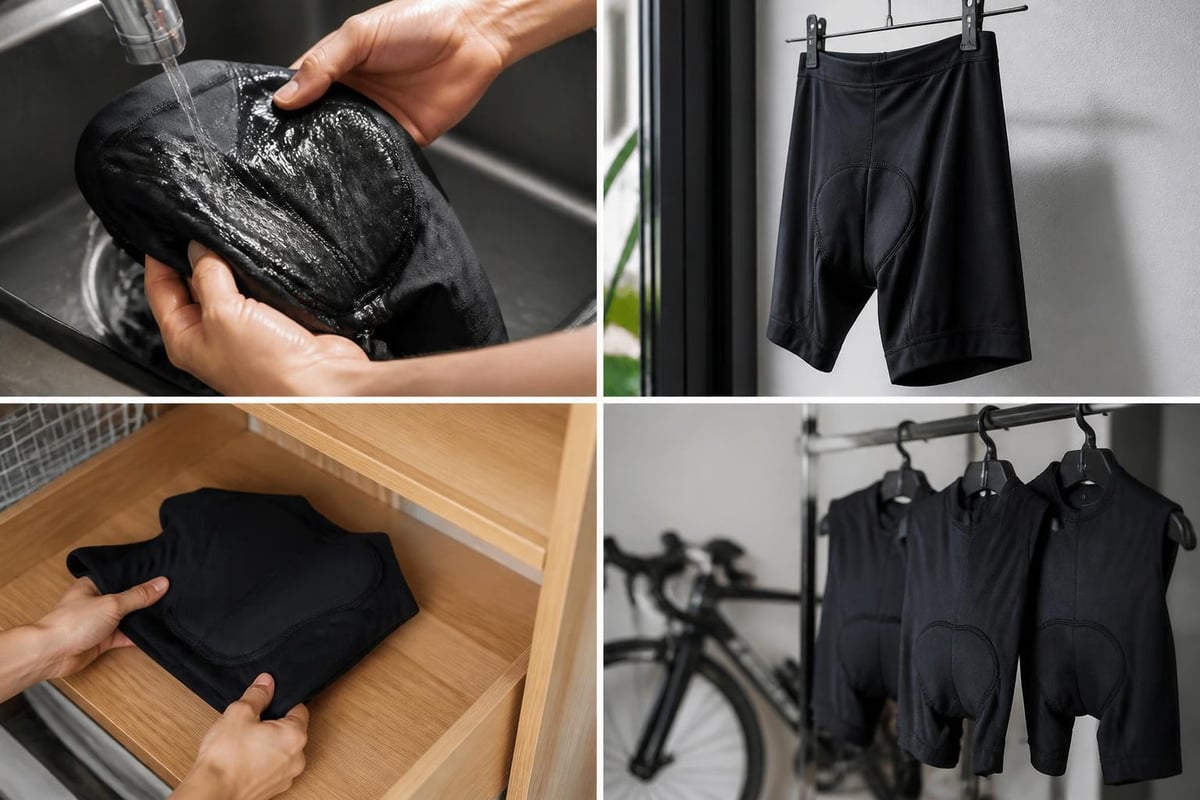
Always wash cycling pants after each use. Sweat, body oils, and chamois cream residues break down fabrics and promote bacterial growth if left untreated. Use cool or lukewarm water with sport-specific or gentle detergents free from fabric softeners, which coat fibers and reduce moisture-wicking capabilities.
Critical washing steps include:
- Turn pants inside out to protect outer fabric and any printed or sublimated designs
- Use mesh laundry bags to prevent gripper elastic and delicate fabrics from snagging
- Select gentle or hand-wash cycles with minimal agitation
- Skip the dryer entirely; air-dry away from direct heat and sunlight
- Never use bleach, fabric softener, or harsh stain removers on technical fabrics
The chamois requires particular attention. Residual chamois cream or body oils create breeding grounds for bacteria that cause odor and skin irritation. Some cyclists hand-wash the chamois area with antibacterial soap before machine washing for thorough cleaning.
Storage and Rotation
Rotating between multiple pairs of cycling pants women own extends individual garment lifespan significantly. Elastic materials need recovery time between wears to return to optimal shape. Using the same pants daily accelerates elastic fatigue, compression loss, and chamois breakdown.
Store clean, dry pants flat or loosely folded rather than compressed in tight spaces. Avoid hanging by straps or waistbands for extended periods, as this stretches elastic components. Keep stored pants away from direct sunlight, which degrades elastic fibers and fades colors even in sublimated designs.
Selecting for Different Cycling Disciplines
The optimal cycling pants women choose vary significantly across cycling disciplines, with each riding style prioritizing different performance characteristics, fits, and features. Understanding these distinctions helps match pants to primary riding applications.
Road Cycling and Racing
Road-oriented cycling pants emphasize aerodynamics, minimal weight, and streamlined fits that eliminate excess fabric flutter. Chamois profiles stay thin and sleek to avoid interference with aggressive positions on the saddle. Leg length typically ends mid-thigh with laser-cut or bonded hems rather than sewn grippers to reduce drag.
Competition-focused road pants incorporate muscle support compression that reduces fatigue during sustained high-intensity efforts. Many feature raw-edge bib straps and seamless construction techniques that eliminate pressure points during hours in the drops or on the hoods.
Mountain Biking and Gravel
Off-road cycling pants women select for mountain biking or gravel riding require more durable fabrics resistant to trail debris, branches, and occasional crashes. Chamois designs incorporate slightly more padding and coverage since trails create more varied pressure points than smooth pavement.
Many mountain bike-specific pants include:
- Reinforced fabrics on inner thighs and seat areas
- Looser, more relaxed fits that accommodate protective padding underneath
- Longer inseams that work with knee pads without gap exposure
- Darker colors and patterns that hide trail dust and mud
Gravel cycling splits the difference between road and mountain bike requirements, often favoring road-style compression and fit with slightly more robust chamois similar to touring applications.
Commuting and Recreational Riding
Commuters and recreational riders often prioritize versatility, casual aesthetics, and features beyond pure performance. The best cycling pants women choose for commuting balance cycling-specific functionality with the ability to transition to other activities without immediately changing clothes.
Commuter-friendly features include:
- Subtle styling that doesn't broadcast "cyclist" off the bike
- Pockets for keys, phone, or transit cards
- Reflective elements for visibility in traffic and low light
- Chamois suitable for shorter rides (under 2 hours) without excessive bulk
- Easy care fabrics that handle frequent washing
Some commuters prefer baggy mountain bike-style shorts over form-fitting pants for a less technical appearance, wearing padded liners underneath for chamois comfort without the tight fit of traditional cycling pants.
Addressing Common Fit and Comfort Issues
Even quality cycling pants women purchase sometimes require troubleshooting to achieve optimal comfort. Understanding common issues and their solutions helps identify whether problems stem from fit, sizing, product selection, or adjustment needs.
Chamois Positioning and Movement
The chamois should remain stationary relative to your body throughout the ride. If it shifts, bunches, or creates new pressure points after initial positioning, several factors might be responsible. Insufficient compression in the fabric allows the chamois to migrate. Incorrect size (usually too large) provides excess material that enables movement. Or the pants are designed for a different riding position than you use.
Solutions include sizing down if you're between sizes, trying a different brand with firmer fabric compression, or exploring bib styles if waist shorts ride down and pull the chamois out of position.
Pressure Points and Numbness
Localized pressure or numbness indicates chamois design mismatch with your anatomy or saddle choice. Women experience pressure-related discomfort differently than men, and research on menstrual cycle effects suggests sensitivity may vary throughout monthly cycles, making pants that feel perfect one week uncomfortable the next.
Addressing pressure issues requires examining the complete contact point system: saddle width and shape, saddle position and tilt, cycling pants chamois design and thickness, and riding position. Sometimes the solution involves trying pants with different chamois widths, thickness distributions, or construction philosophies rather than repeatedly buying more of the same design hoping for different results.
Chafing and Skin Irritation
Chafing stems from friction, moisture, or both. Properly fitted cycling pants women wear should eliminate fabric-to-skin friction through compression fit. The chamois prevents skin-to-saddle friction. When chafing occurs despite quality pants, examine several factors.
Seam placement sometimes creates irritation if positioned at high-friction zones. Quality pants use flatlock seams and strategic seam routing to avoid primary pressure areas. Chamois edges should feature soft, bonded transitions rather than thick, sewn edges that create lines of concentrated pressure. Fabric pilling or wear reduces smoothness and creates friction even in previously comfortable pants.
Using chamois cream provides a friction-reducing barrier, particularly beneficial during long rides, in wet conditions, or when breaking in new pants. Apply directly to skin rather than the chamois for maximum effectiveness.
Technology Integration and Smart Features
The evolution of cycling pants women can access in 2026 extends beyond traditional fabric and chamois improvements into integrated technology and smart features that enhance safety, track performance, and improve the riding experience.
Reflective and Visibility Elements
Safety-conscious designs incorporate reflective materials strategically placed for maximum visibility to motorists from multiple angles. Rather than simple reflective strips, advanced pants use reflective yarns woven throughout fabric panels, creating large visible zones without separate applications that might peel or degrade over time.
Some manufacturers embed LED elements into waistbands or leg bands, powered by small rechargeable batteries, providing active lighting rather than passive reflection. These work particularly well for commuters riding in urban environments with significant ambient light that reduces reflective material effectiveness.
Performance Monitoring Integration
Select premium cycling pants women purchase now include sensor pockets or embedded monitoring technology that tracks muscle oxygenation, heart rate, or movement patterns. While still emerging technology, these systems provide data beyond what handlebar-mounted computers or wrist-based monitors capture, offering insights into muscle fatigue, power distribution asymmetries, and biomechanical efficiency.
The practical utility of these features depends heavily on riding goals and data analysis commitment. Competitive athletes and serious training-focused riders gain actionable insights. Recreational riders often find the added complexity and cost unjustified.
Building a Versatile Cycling Pants Collection
Rather than seeking perfect single pair, experienced cyclists build strategic collections of cycling pants women rotate based on conditions, ride type, and duration. A well-planned rotation provides appropriate options without unnecessary redundancy or gaps.
Core Collection Framework
A foundational cycling pants wardrobe for year-round riders in temperate climates includes:
- Two pairs summer shorts/bibs for rotation during primary riding season
- One pair thermal tights for winter riding
- One pair knickers or 3/4 length for shoulder season
- Leg or knee warmers to extend summer shorts into cooler weather
- One dedicated short-ride/commuter pair optimized for frequent use and washing
Riders in consistently warm or consistently cold climates adjust this framework, emphasizing depth in their primary season while maintaining minimal options for occasional temperature extremes.
Evaluating Return on Investment
Quality cycling pants women commit to represent significant investments, with premium options reaching $200-300 per pair. Evaluating value requires considering cost per wear rather than absolute price. Pants worn twice weekly for six-month seasons deliver 50+ uses annually, bringing cost-per-wear below $5 even for expensive options.
Independent testing from OutdoorGearLab consistently demonstrates that mid-range options ($80-150) often perform nearly as well as premium models for recreational and fitness riding, with diminishing returns above that threshold unless pursuing competitive performance or highly specific features.
Conversely, budget options below $50 rarely provide chamois quality, fabric durability, or construction standards that justify even modest pricing. They wear out quickly, offer poor comfort, and often end up replaced within a season, making them false economy despite low initial outlay.
The testing and development behind quality cycling pants translates directly to on-bike comfort and performance, making informed selection well worth the research investment for cyclists at any level.
Choosing the right cycling pants women need for their specific riding style, body type, and conditions dramatically improves comfort, performance, and enjoyment on every ride. From chamois technology and fabric selection to fit optimization and seasonal variations, each element contributes to the overall riding experience in measurable ways. At CCN Sport, we bring over 20 years of sublimation expertise and precision manufacturing to create custom cycling apparel that addresses these exact considerations, delivering performance-driven pants engineered for women cyclists at every level. Whether you're outfitting a team or developing your signature kit, our advanced processes and skilled craftspeople turn your vision into premium cycling apparel built to perform and last.

Share:
MTB Winter Wear: The Complete Guide for Trail Riders
How to Wash Cycling Jerseys Correctly After Rides