

Cycling through winter demands more than determination and grit. The right winter cycling clothes transform frigid rides from miserable ordeals into exhilarating adventures. When temperatures drop and conditions turn harsh, proper cold-weather cycling apparel becomes your most valuable equipment investment. Understanding the science behind thermal regulation, moisture management, and wind protection enables riders to maintain performance and comfort regardless of the thermometer reading. This comprehensive guide explores the essential garments, technologies, and layering strategies that keep dedicated cyclists pedaling through the coldest months.
Understanding the Layering System for Winter Cycling
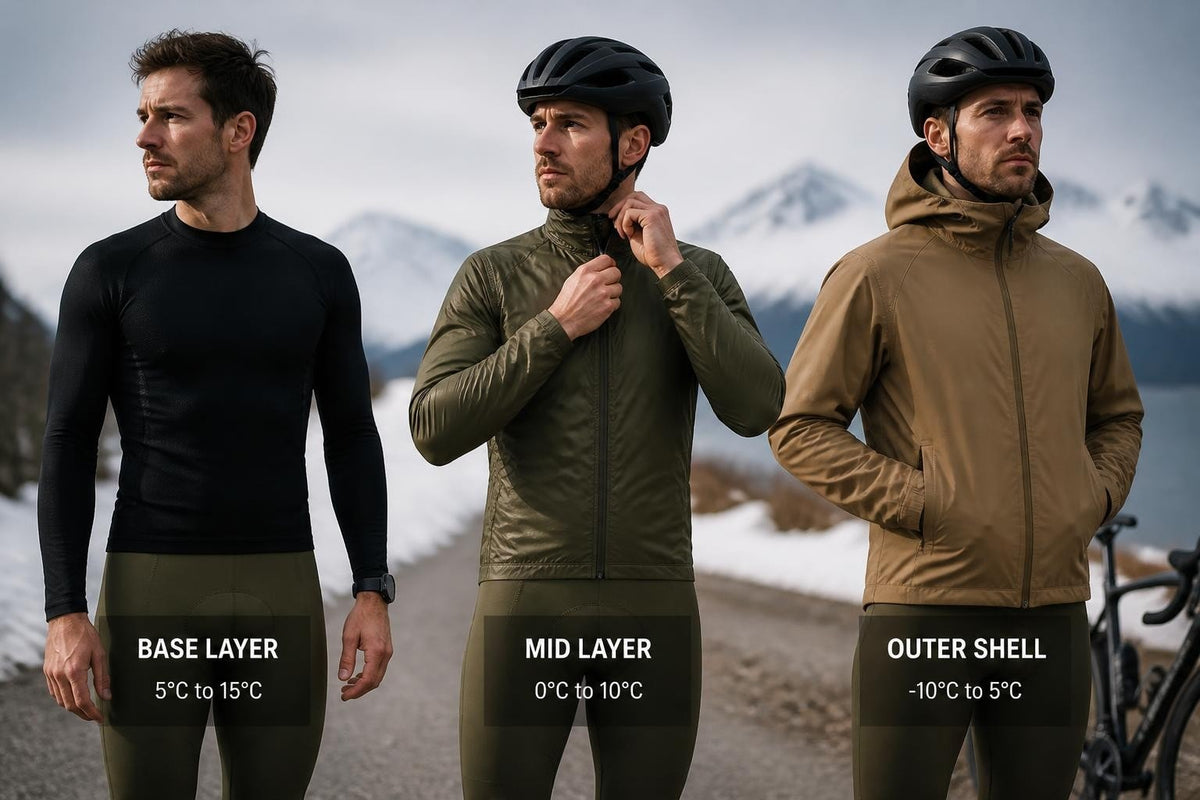
The foundation of effective winter cycling clothes rests on a proven three-layer system. Each layer serves a distinct purpose in managing body temperature and moisture while riding in cold conditions.
Base Layer: Moisture Management Foundation
The base layer sits directly against your skin, making it the most critical component of your winter cycling clothes. This layer pulls moisture away from your body, preventing the clammy, cold sensation that occurs when sweat accumulates against skin. Merino wool and synthetic fabrics dominate base layer construction, each offering distinct advantages.
Merino wool provides natural temperature regulation, odor resistance, and warmth even when damp. Synthetic materials typically dry faster and cost less while delivering comparable moisture-wicking performance. For temperatures below 40°F (4°C), choose long-sleeve base layers with higher fabric weights measured in grams per square meter (GSM). A temperature-by-temperature cycling dress guide helps riders match base layer weight to expected conditions.
- Lightweight (150-200 GSM): 40-50°F conditions, high-intensity rides
- Midweight (200-250 GSM): 30-40°F conditions, moderate effort
- Heavyweight (250+ GSM): Below 30°F, low-intensity or extreme cold
Insulating Mid-Layer: Thermal Retention
Mid-layers trap warm air close to your body while allowing moisture to escape. Fleece-backed jerseys, insulated cycling jackets, and thermal vests constitute this category. The mid-layer thickness should adjust based on temperature, wind exposure, and personal heat generation during rides.
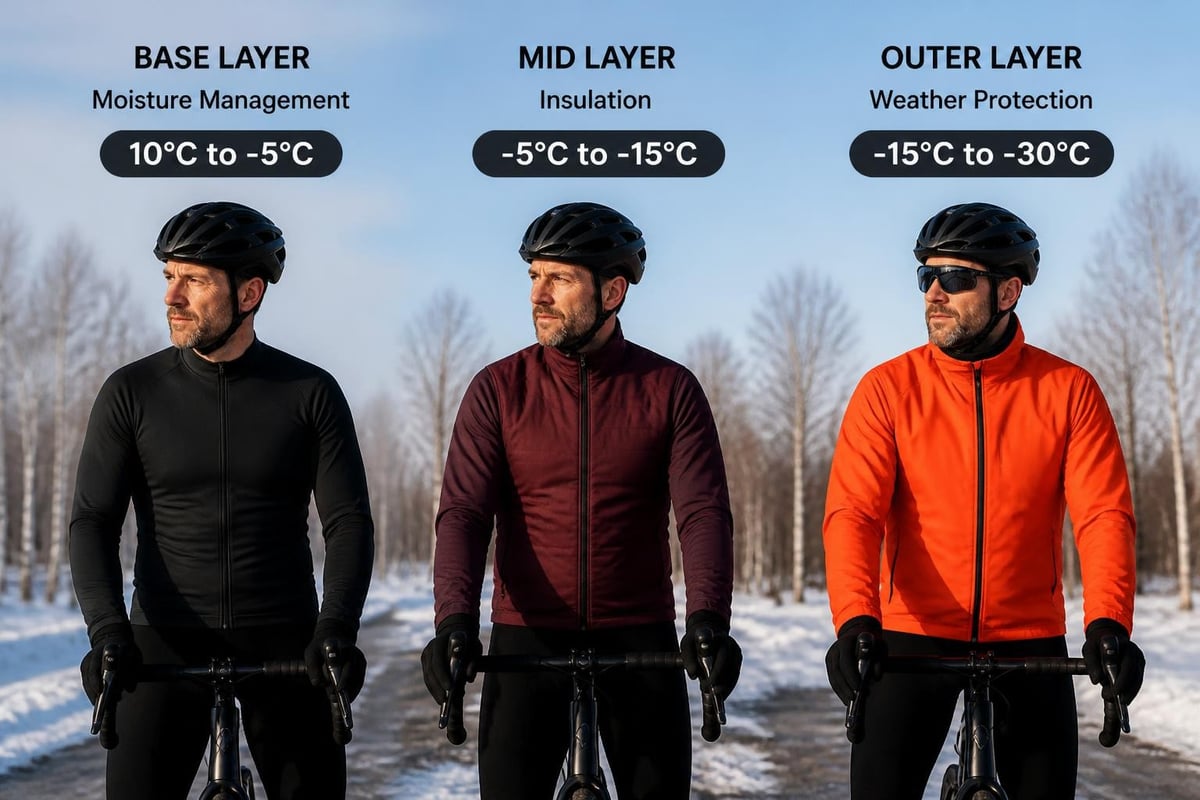
Many experienced riders prefer vests for mid-layer insulation because they protect the core while leaving arms mobile and preventing overheating. This approach works particularly well for rides with significant climbing where exertion levels vary dramatically. When selecting winter cycling clothes for the mid-layer, prioritize garments with breathable panels in high-sweat zones like the back and underarms.
Outer Shell: Weather Protection Barrier
The outer shell blocks wind and precipitation while releasing internal moisture vapor. Weatherproof jackets represent the most versatile piece of winter cycling clothes, making the difference between a comfortable ride and a dangerous situation when conditions deteriorate.
Modern cycling shells incorporate sophisticated membrane technologies. Gore-Tex and similar fabrics balance waterproofing with breathability through microscopic pores that block liquid water while allowing vapor molecules to escape. The latest developments in DWR (Durable Water Repellent) coatings enhance surface water shedding without compromising breathability.
| Shell Type | Waterproof Rating | Best Conditions | Breathability |
|---|---|---|---|
| Windproof softshell | Light rain only | Dry, windy, 35-45°F | Excellent |
| 2.5-layer hardshell | 10,000mm+ | Heavy rain, any temp | Good |
| 3-layer hardshell | 20,000mm+ | Extended wet rides | Very good |
| Insulated jacket | Varies | Extreme cold, dry | Moderate |
Critical Accessories for Winter Riding Comfort
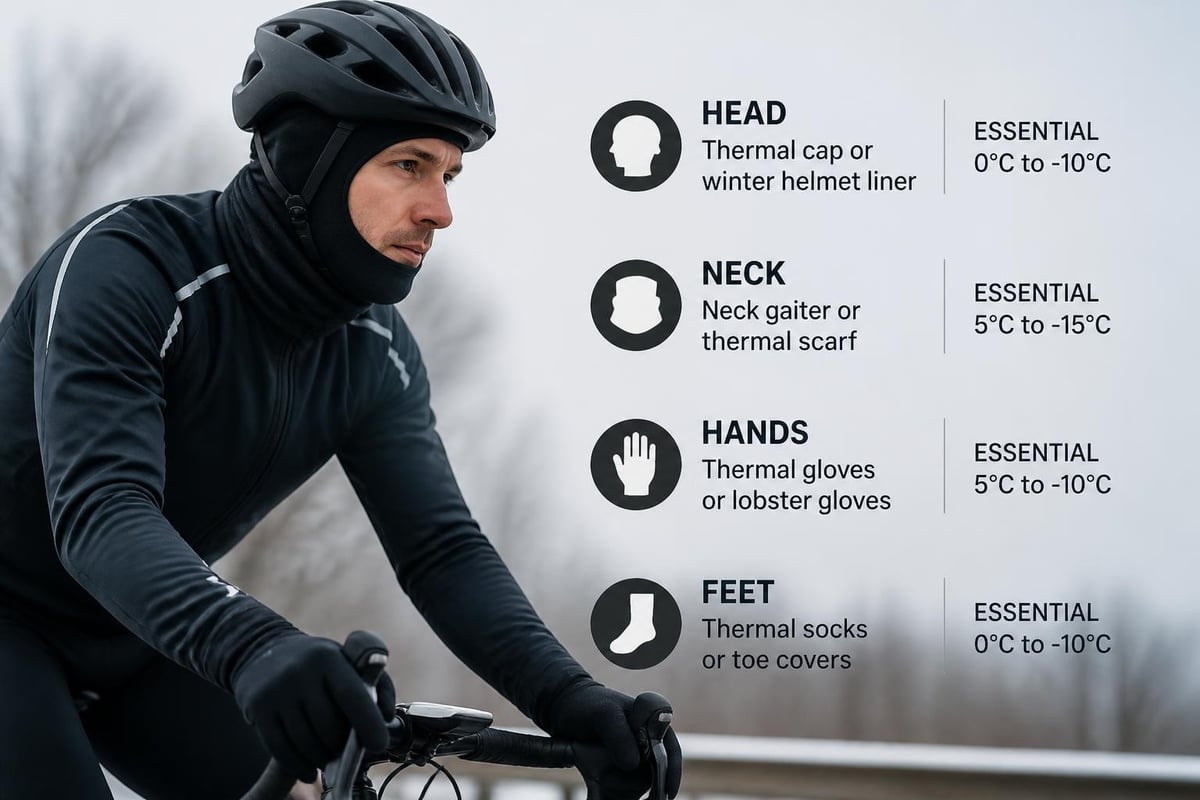
Beyond core garments, specific accessories protect vulnerable extremities and exposed areas. Winter cycling clothes must address every potential cold entry point to maintain overall thermal comfort.
Gloves and Hand Protection
Hands suffer first in cold conditions due to reduced blood flow to extremities during sustained gripping. Lobster-style gloves group fingers in pairs, balancing warmth with brake/shifter control. Full mittens offer maximum warmth but sacrifice dexterity. For temperatures above 40°F, full-finger gloves with light insulation suffice. Below 32°F, consider pogies (handlebar covers) or battery-heated gloves for extended exposure.
The comprehensive winter cycling clothing guide from BikeRadar emphasizes layering strategies for hands, recommending thin liner gloves under insulated shells for temperatures below 20°F. This system allows removal of the outer layer during climbs without exposing bare skin.
Foot Protection Systems
Cold feet end rides faster than almost any other discomfort. Winter cycling shoes with insulation, neoprene toe covers, and waterproof booties form a three-tier approach to foot protection.
Neoprene toe covers fit over standard cycling shoes, blocking wind at the shoe's most vulnerable point. For wet conditions, full waterproof booties seal the entire shoe. In extreme cold (below 20°F), consider flat-pedal winter boots or insulated clipless shoes designed specifically for freezing temperatures. Wool socks in merino or synthetic blends provide essential base insulation, with thickness matched to temperature and shoe volume.
Head, Neck, and Face Coverage
Heat loss through the head accounts for significant thermal drain during winter rides. Thermal skull caps fit under helmets, covering ears and forehead without compromising safety equipment fit. For temperatures below freezing, balaclavas protect the face and neck while allowing breathing and visibility.
Neck gaiters and buffs offer versatile protection that adjusts easily during rides. Pull them up over the nose and mouth during descents or exposed sections, then lower them during climbs when exertion increases. This adaptability makes them essential winter cycling clothes accessories.
Fabric Technologies in Modern Winter Cycling Apparel
Understanding fabric construction and treatment helps riders make informed decisions when investing in winter cycling clothes. Modern materials combine multiple technologies to achieve specific performance characteristics.
Thermal Insulation Materials
PrimaLoft and similar synthetic insulations provide warmth-to-weight ratios that rival down while maintaining insulating properties when wet. These materials appear in jackets, vests, and booties designed for stationary periods or extremely cold conditions. Unlike continuous-pedaling scenarios, winter cycling includes descents, stops, and lower-intensity periods where active insulation becomes crucial.
Fleece-backed fabrics use brushed inner surfaces to trap air and enhance warmth perception. Thermal roubaix, a cycling-specific fleece variant, balances insulation with moisture transport better than traditional fleece. Many premium winter cycling clothes incorporate varying fleece weights in different garment panels, placing maximum insulation at the core while reducing weight and bulk at the extremities.
Windproof and Waterproof Technologies
Wind penetration destroys thermal efficiency faster than cold air alone. A 20 mph headwind at 40°F creates a wind chill equivalent to 30°F, representing substantial cooling. Windproof membranes and tightly woven face fabrics prevent air infiltration while maintaining breathability for moisture vapor.
The distinction between waterproof and water-resistant matters significantly. Waterproof cycling jackets use sealed seams and membrane technologies to prevent water penetration indefinitely. Water-resistant treatments shed light precipitation temporarily but eventually allow moisture through during sustained exposure. For riders in consistently wet climates, investing in genuinely waterproof winter cycling clothes proves worthwhile.
Reflective and Visibility Features
Winter riding often occurs in low-light conditions, making visibility features life-saving components of winter cycling clothes. Retroreflective elements bounce vehicle headlights back to drivers, highlighting the cyclist's presence. Strategically placed reflective strips on moving body parts (ankles, arms, shoulders) create kinetic signature patterns that human vision detects more readily than static shapes.
High-visibility colors in fluorescent yellow, orange, or pink enhance daytime visibility. Some manufacturers integrate LED-compatible pockets or loops for additional lighting options. When selecting winter cycling clothes, prioritize garments with 360-degree visibility features covering front, back, and side profiles.
Temperature-Specific Winter Cycling Wardrobe Recommendations
Matching your winter cycling clothes to expected conditions prevents both overheating and dangerous cold exposure. These guidelines provide starting points that riders adjust based on personal physiology, intensity, and acclimation.
Mild Winter: 40-50°F (4-10°C)
- Lightweight long-sleeve base layer
- Thermal cycling jersey or light softshell
- Leg warmers or lightweight thermal tights
- Full-finger gloves
- Cycling cap or headband
This temperature range represents transitional conditions where overheating poses the primary risk. Many riders can complete high-intensity rides in short-sleeve jerseys with arm warmers, removing layers as effort increases. Wind and humidity significantly influence comfort at these temperatures.
Moderate Cold: 30-40°F (-1 to 4°C)
- Midweight base layer top and bottom
- Insulated cycling jacket or jersey plus vest
- Thermal bib tights with fleece lining
- Insulated gloves or light lobster mitts
- Thermal skull cap or light balaclava
- Neoprene toe covers
This range represents typical winter riding conditions for many regions. Layering becomes critical for managing variable exertion levels. A removable vest or packable windproof jacket provides adjustment options during rides with mixed terrain or changing weather.
Severe Cold: 15-30°F (-9 to -1°C)
- Heavyweight base layers (top and bottom)
- Insulated thermal jersey plus insulated jacket
- Windproof thermal bib tights or thermal tights plus rain pants
- Lobster mitts or insulated gloves plus liner gloves
- Full balaclava or thermal cap plus neck gaiter
- Waterproof shoe covers plus wool socks
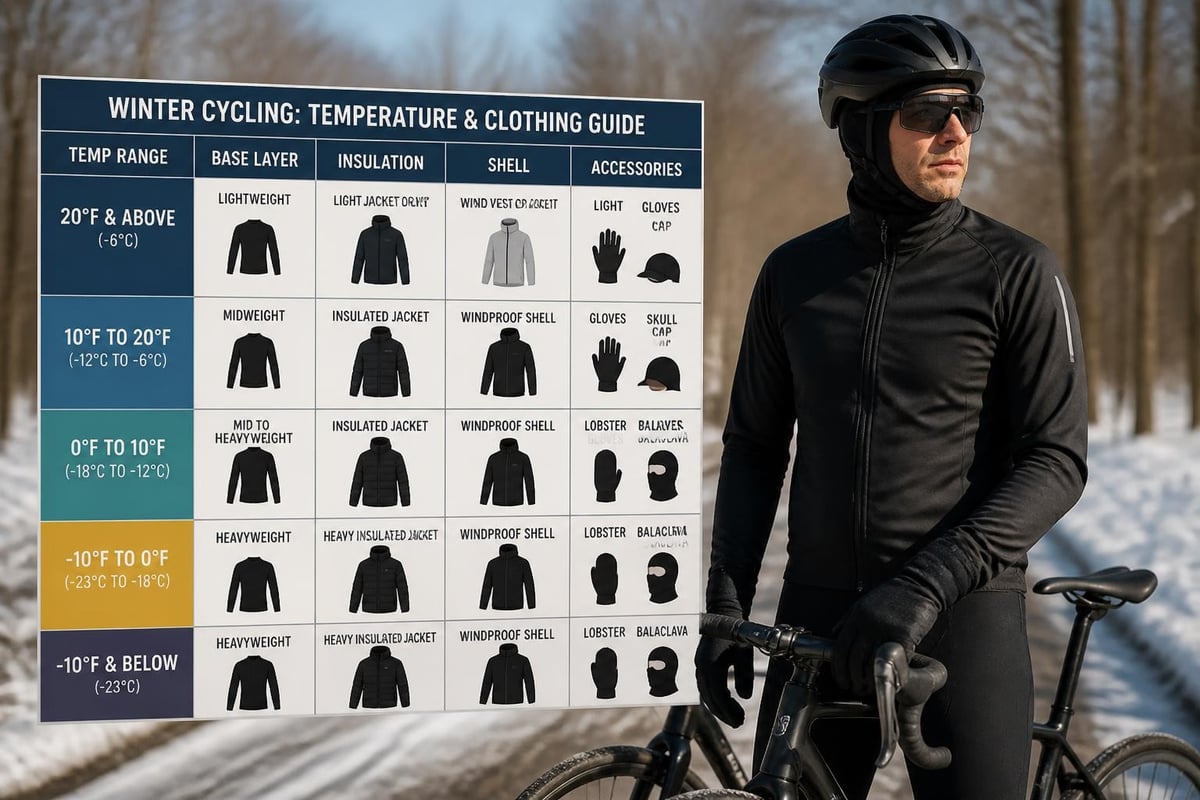
| Temperature Range | Base Layer | Mid Layer | Outer Shell | Accessories |
|---|---|---|---|---|
| 40-50°F | Lightweight | Light jersey | Optional vest | Light gloves, cap |
| 30-40°F | Midweight | Thermal jersey | Windproof jacket | Insulated gloves, skull cap, toe covers |
| 15-30°F | Heavyweight | Insulated jersey + vest | Weatherproof jacket | Heavy mitts, balaclava, booties |
| Below 15°F | Expedition weight | Multiple insulating layers | Insulated hardshell | Battery gloves, full face, winter boots |
Extreme Cold: Below 15°F (Below -9°C)
Rides in extreme cold require specialized winter cycling clothes and careful risk assessment. Frostbite risk increases substantially, particularly affecting fingers, toes, nose, and ears. Consider these conditions:
- Expedition-weight base layers with high merino content
- Multiple insulating mid-layers including down or synthetic-fill vest
- Insulated waterproof jacket designed for winter sports
- Battery-heated gloves or pogies with heavy liner gloves
- Full face coverage with ski goggle consideration
- Insulated cycling boots or winter boots with flat pedals
Many riders switch to fat bikes or studded tires for extreme conditions, reducing speed and intensity. Lower speeds reduce wind chill but also decrease internal heat generation, requiring more static insulation in winter cycling clothes selections.
Custom Winter Cycling Apparel Considerations
Teams, clubs, and serious winter riders often invest in custom winter cycling clothes that combine performance with unified branding. Custom garments allow precise specification of fabrics, insulation weights, and features tailored to regional conditions and rider preferences. When designing custom winter kit, consider these factors that distinguish excellent winter cycling clothes from merely adequate options.
Custom pieces can integrate club colors and logos while selecting technical fabrics optimized for local winter conditions. A team in the Pacific Northwest prioritizes waterproofing and breathability, while riders in the Northern Plains emphasize wind protection and insulation. Advanced sublimation processes ensure graphics remain vibrant and durable through countless wash cycles and harsh winter conditions. For teams looking to outfit members with coordinated winter cycling clothes that perform at the highest level, Custom Cycling Apparel solutions from manufacturers with extensive cold-weather expertise deliver garments built to precise specifications.
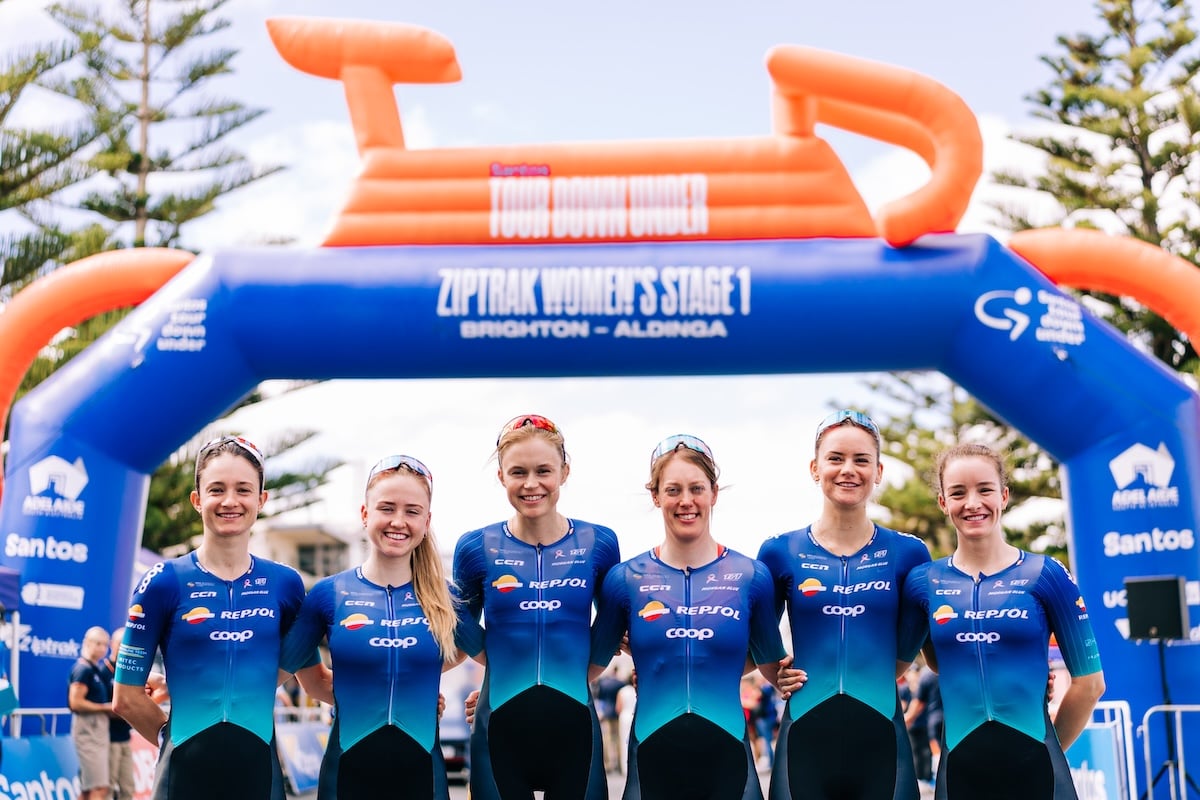
Articulated cuts and pre-shaped panels prevent fabric bunching when layering multiple garments. Custom winter cycling clothes should feature longer backs to maintain coverage in riding position, elastic gripper systems that function with layered tights, and strategically placed ventilation zones. Reflective elements integrated during the design phase look cleaner and perform better than aftermarket additions.
Care and Maintenance of Technical Winter Cycling Gear
Proper care extends the functional lifespan of winter cycling clothes significantly. Technical fabrics require specific maintenance approaches to preserve waterproofing, breathability, and insulation properties.
Washing Technical Fabrics
Use specialized technical garment detergents that clean without leaving residues that compromise fabric treatments. Standard laundry detergents and fabric softeners damage DWR coatings and clog membrane pores, reducing both waterproofing and breathability. Wash winter cycling clothes inside-out on gentle cycles with cool or warm water, never hot.
- Close all zippers and fasteners before washing
- Wash similar colors together to prevent dye transfer
- Use minimal detergent (half the recommended amount)
- Run an extra rinse cycle to remove all soap residue
- Air dry when possible; tumble dry low heat only if necessary
Restoring Water Repellency
DWR coatings wear with use and washing. When water stops beading on shell surfaces, retreat garments with spray-on or wash-in DWR products. Clean the garment thoroughly before applying new DWR, then heat-activate the treatment according to product instructions. Properly maintained winter cycling clothes maintain weather protection for multiple seasons.
Storage Practices
Store winter cycling clothes in cool, dry locations away from direct sunlight. Avoid compression storage for insulated garments, which damages loft and reduces thermal efficiency. Hang or loosely fold shells and jerseys. Clean all winter cycling clothes before seasonal storage to prevent odor-causing bacteria growth and remove salt, dirt, and oils that degrade fabrics over time.
The insights shared throughout CCN Sport's blog highlight real-world applications of technical cycling apparel in demanding conditions. Winter gear choices directly impact safety, performance, and enjoyment during cold-weather cycling.
Budgeting for Winter Cycling Clothes Essentials
Building a comprehensive winter cycling wardrobe represents a significant investment. Prioritizing purchases based on riding frequency, typical conditions, and existing gear maximizes value while ensuring safety.
Essential First Purchases
Begin with these core items that provide the foundation for winter riding comfort:
- Quality base layers (top and bottom) in midweight fabric
- Thermal bib tights with chamois and fleece lining
- Windproof cycling jacket with water-resistant treatment
- Insulated gloves rated for your typical minimum temperature
- Thermal skull cap or balaclava for head protection
- Neoprene toe covers or waterproof booties
These six categories enable safe, comfortable riding in most winter conditions. Total investment ranges from $300 to $800 depending on brand choices and sales timing. Quality winter cycling clothes last multiple seasons with proper care, making the per-ride cost minimal for frequent winter cyclists.
Progressive Additions and Upgrades
After establishing baseline winter cycling clothes, add specialized pieces that address specific conditions or preferences:
- Lightweight packable rain jacket for unpredictable weather
- Insulated vest for layering flexibility
- Battery-heated gloves for extreme cold sensitivity
- Winter-specific cycling shoes or insulated booties
- Backup gloves and skull cap for multi-day tours
- Thermal arm and leg warmers for transitional temperatures
Gradually building your winter kit allows spreading costs while learning personal preferences through experience. Many riders discover they need heavier insulation than expected, or conversely, that they run hot and require more breathable options than initially anticipated.
Winter Riding Safety Beyond Clothing
While proper winter cycling clothes provide essential comfort and protection, complete winter riding safety requires addressing bike setup, route planning, and skill adaptation for cold and potentially icy conditions.
Visibility Enhancement
Winter's shortened daylight hours mean many rides occur partially or entirely in darkness. Beyond reflective winter cycling clothes elements, use front and rear lights even during daytime hours. Flashing rear lights increase conspicuity to motorists who may not expect cyclists in cold weather. Light-colored or fluorescent winter cycling clothes dramatically improve visibility compared to dark colors preferred in other seasons.
Hydration and Nutrition in Cold Weather
Cold air suppresses thirst sensation while insulated winter cycling clothes promote substantial fluid loss through respiration and perspiration. Insulated bottle systems or hydration packs with insulated tubes prevent freezing. Consume fluids regularly even without feeling thirsty.
Caloric demands increase in cold conditions as the body works to maintain core temperature. Carry easily digestible foods in inner pockets where body heat prevents freezing. Energy gels and bars become rock-hard in exterior pockets, making them unusable during rides.
Skill Adaptation for Winter Conditions
Ice, snow, and cold-stiffened joints require technical adjustments. Reduce tire pressure slightly for better traction on loose or slick surfaces. Brake earlier and more gently on descents. Take corners more conservatively, especially in shadows where ice persists. The confidence provided by appropriate winter cycling clothes allows focus on these technical aspects rather than battling discomfort.
Investing in quality winter cycling clothes transforms cold-weather riding from an ordeal into an opportunity to experience cycling's quieter, more contemplative side. The layering principles, fabric technologies, and temperature-specific strategies outlined here provide the foundation for comfortable, safe winter adventures on two wheels. At CCN Sport, precision manufacturing and advanced sublimation technology create custom winter cycling apparel that combines team identity with technical performance, ensuring your winter kit performs as beautifully as it looks throughout the coldest months of the year.

Share:
Aero Bike Jersey: Performance, Fit, and Technology
Merino Versus Synthetic Base Layers for Cycling