

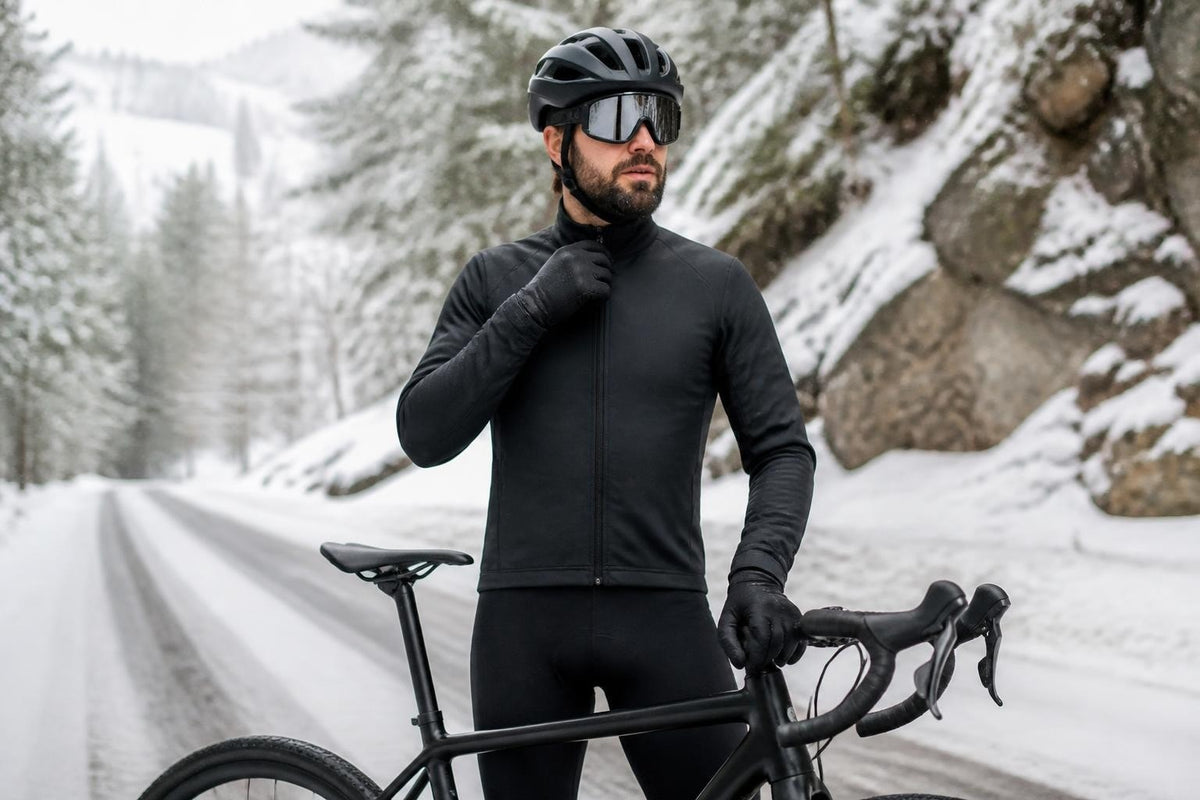
When temperatures drop and daylight shrinks, many cyclists hang up their bikes until spring. Yet winter riding offers unique rewards: crisp air, quiet roads, and the satisfaction of maintaining fitness year-round. The key to enjoying cold-weather cycling lies in selecting the right winter bike riding gear. Proper equipment transforms a potentially miserable experience into an invigorating adventure, keeping you warm, dry, and safe through freezing temperatures, wind, rain, and even snow.
Understanding Layering Systems for Winter Cycling
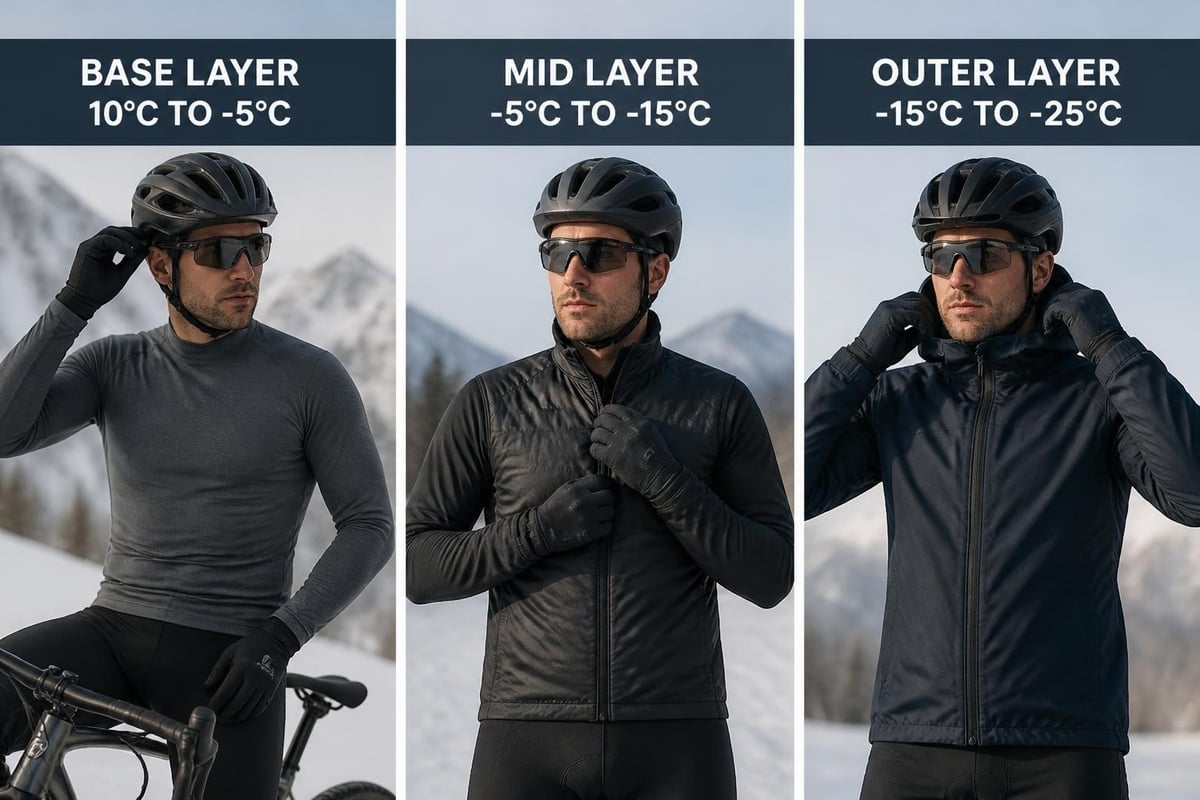
The foundation of effective winter bike riding gear begins with mastering the three-layer system. This approach allows cyclists to regulate body temperature precisely while managing moisture and wind protection.
Base Layer Selection
Your base layer sits directly against your skin and serves one critical function: moisture management. Merino wool and synthetic fabrics excel at wicking sweat away from your body, preventing the clammy chill that cotton produces. Choose lightweight base layers for temperatures above 40°F, medium-weight options between 25-40°F, and heavyweight thermal base layers when the mercury drops below 25°F.
Key base layer characteristics include:
- Flat-lock seams that prevent chafing during long rides
- Extended rear panels to protect your lower back
- Long sleeves with thumb loops for complete coverage
- Odor-resistant properties for multi-day use
The best base layers dry quickly between uses and maintain their insulating properties even when damp. Investing in quality foundation pieces pays dividends throughout the winter season.
Mid-Layer Insulation Strategy
Your mid-layer provides warmth through trapped air pockets while allowing moisture to escape outward. Fleece-lined jerseys, lightweight down vests, and synthetic insulation jackets each offer distinct advantages depending on conditions.
For most winter rides between 30-45°F, a thermal cycling jersey provides sufficient insulation without bulk. When temperatures plunge below freezing, add a packable insulated vest or jacket. The BikeRadar winter cycling clothing guide offers comprehensive recommendations for matching insulation levels to specific temperature ranges.
Outer Layer Protection Against Elements
Wind and precipitation pose the greatest threats to winter comfort. Your outer shell must block wind while managing moisture from both external sources and internal perspiration.
Jacket Technology and Features
Modern winter cycling jackets employ sophisticated membrane technologies that breathe while remaining waterproof. Look for jackets with taped seams, adjustable cuffs, dropped rear hems, and multiple pockets for storage. Reflective elements become non-negotiable as winter daylight shrinks.
| Jacket Type | Best For | Temperature Range | Key Features |
|---|---|---|---|
| Windproof Shell | Dry, cold conditions | 35-50°F | Breathable, packable, wind blocking |
| Softshell | Variable conditions | 25-45°F | Water-resistant, stretchy, comfortable |
| Hardshell | Rain and snow | 20-40°F | Fully waterproof, sealed seams |
| Insulated | Extreme cold | Below 25°F | Built-in insulation, complete protection |
Custom winter jerseys and jackets can be designed with specific features tailored to your riding style and local climate. At CCN Sport, teams can create winter bike riding gear with custom colorways, reflective placement, and pocket configurations that match their exact requirements while maintaining professional performance standards.

Managing Ventilation During Rides
Even in freezing temperatures, hard efforts generate significant heat. Quality winter bike riding gear includes strategically placed vents-typically under the arms and across the back-that you can open or close as exertion levels change. Full-length front zippers allow quick temperature adjustments without stopping.
Extremity Protection for Comfort and Safety
Your hands, feet, and head lose heat disproportionately in cold weather. Protecting these areas separates enjoyable winter rides from painful endurance tests.
Hand and Finger Solutions
Winter cycling gloves range from lightweight windproof options to heavily insulated lobster-claw designs. The Cycling UK practical guide emphasizes starting with mid-weight gloves and carrying a spare pair in case the first set becomes wet.
Glove selection considerations:
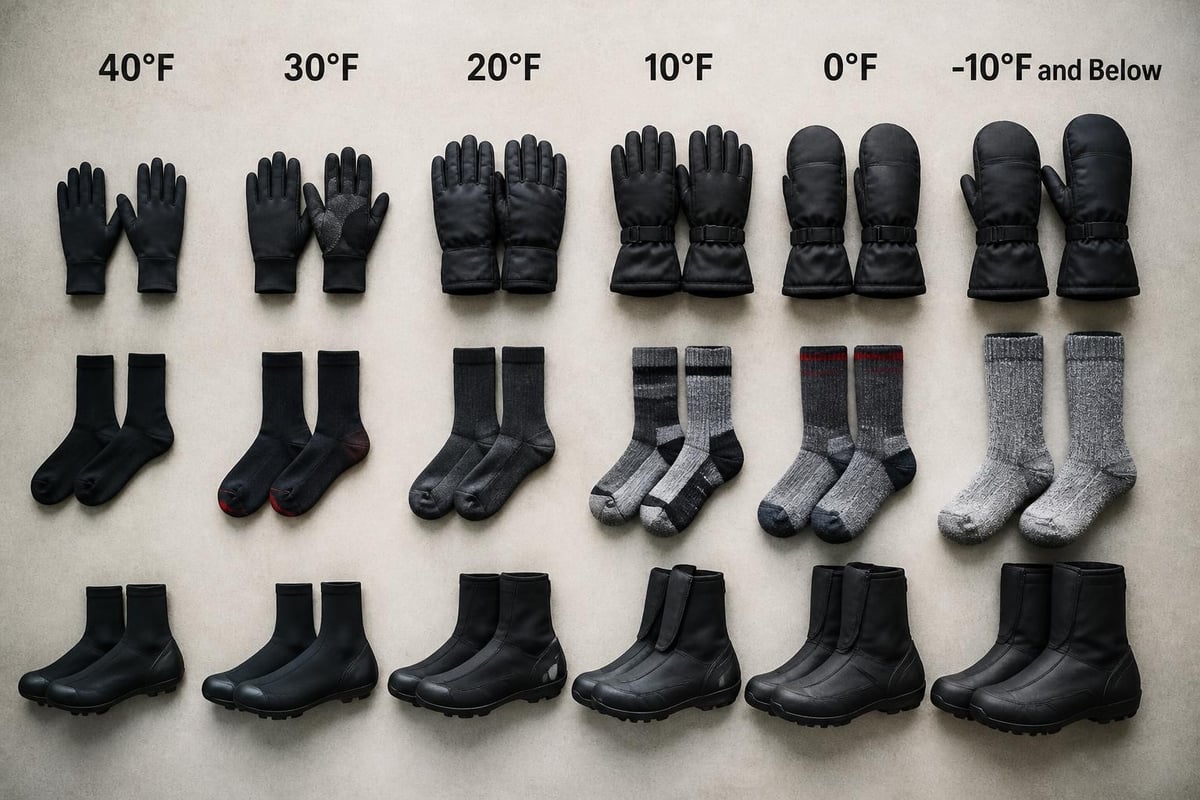
- Temperatures above 40°F: Full-finger windproof gloves
- Temperatures 25-40°F: Insulated winter cycling gloves
- Below 25°F: Lobster-claw or bar-mitt systems
- Wet conditions: Waterproof outer shell over liner gloves
For extremely cold rides, consider handlebar-mounted pogies (bar mitts) that create a protective pocket around your hands and controls. This solution allows lighter glove weight while maintaining excellent dexterity for shifting and braking.
Foot Warmth Strategies
Cold feet end rides faster than almost any other discomfort. Winter cycling shoes, neoprene overshoes, and appropriate sock selection work together to maintain circulation and warmth.
Wool or synthetic blend cycling socks in medium to heavy weights provide the foundation. Understanding the difference between regular and sports socks helps optimize your choice for winter conditions. Layer waterproof, windproof overshoes over your regular cycling shoes for temperatures above 35°F. Below that threshold, dedicated winter cycling boots with sealed construction and insulated linings become worthwhile investments.
Head, Neck, and Face Coverage
Heat loss through your head significantly impacts overall body temperature. Winter bike riding gear for your head serves multiple functions: insulation, wind blocking, moisture management, and visibility enhancement.
Helmet Compatibility Options
Under-helmet skull caps made from merino wool or thermal synthetics add minimal bulk while providing substantial warmth. These caps feature ear coverage-critical for preventing painful cold exposure-and often include reflective elements for visibility.
For the coldest conditions, some cyclists switch to winter-specific helmets with reduced venting or add helmet covers that block wind while maintaining adequate ventilation. Always ensure any additions don't compromise helmet fit or safety performance.
| Temperature | Head Covering | Neck Protection | Face Coverage |
|---|---|---|---|
| 40-50°F | Headband or cap | Optional buff | None |
| 30-40°F | Thermal skull cap | Neck gaiter | None |
| 20-30°F | Insulated cap | High-collar jacket | Optional mask |
| Below 20°F | Balaclava | Integrated coverage | Full face protection |
Neck Gaiter and Buff Systems
Versatile neck gaiters, buffs, and balaclavas deserve places in every winter cyclist's kit. These simple accessories pull double or triple duty, serving as neck warmers, face masks, helmet liners, or ear protection as conditions demand. Choose moisture-wicking fabrics that won't freeze when dampened by breath condensation.
Lower Body Winter Cycling Apparel
Your legs generate significant heat during cycling, requiring different protection strategies than your upper body. However, knees and thighs still need shielding from wind and cold.
Tight and Pant Options
Winter cycling tights with thermal fleece lining and windproof front panels handle most cold-weather riding between 30-50°F. These garments include built-in chamois padding, eliminating the need for separate shorts underneath. For extreme cold or casual riding, insulated cycling pants with looser cuts accommodate additional base layers.
Winter lower-body gear progression:
- Knee warmers over standard bibs: 45-55°F
- Thermal tights without fleece: 35-50°F
- Fleece-lined thermal tights: 25-40°F
- Insulated winter cycling pants: Below 25°F
Some riders prefer bibs with removable leg warmers, creating a versatile system that adapts to changing temperatures during longer rides. This modular approach works particularly well for morning commutes that warm up significantly by afternoon.
Chamois and Padding Considerations
Winter tights typically include thinner chamois padding than summer shorts, accommodating base layers worn underneath. If you're layering tights over summer bibs, ensure the combined padding doesn't create pressure points or restrict movement. The men's and women's cycling kit guide provides detailed fitting advice that applies across seasons.
Visibility and Safety Equipment
Winter riding frequently occurs in low-light conditions. Investing in visibility-enhancing winter bike riding gear reduces accident risk significantly.
Reflective and Light-Colored Apparel
Choose jackets, vests, and accessories with generous reflective panels placed to highlight your movements. Ankle bands reflect headlight beams directly back to drivers, while reflective vests over dark jackets create bold contrast. The Sustrans winterproofing guide emphasizes that visibility improvements deliver more safety benefit than almost any other winter preparation.
Light-colored or fluorescent winter bike riding gear increases daytime visibility. Yellow, orange, and white stand out against winter's muted landscape far better than black or dark blue.
Lighting Systems
Front and rear lights shift from optional to mandatory for winter cycling. Use a minimum 500-lumen front light for urban riding and 1000+ lumens for unlit roads. Rear lights should feature both steady and flashing modes, with batteries rated for cold weather performance that degrades in freezing temperatures.
Consider adding side lights, spoke lights, or frame-mounted strips for 360-degree visibility. Redundancy matters-carry backup lights or ensure your primary lights have sufficient battery capacity for unexpected delays.
Accessory Items That Enhance Winter Rides
Beyond core clothing, several smaller items significantly improve cold-weather cycling comfort and safety.
Eye Protection and Hydration
Clear or lightly tinted glasses protect eyes from wind, road spray, and debris. Photochromic lenses adapt to changing winter light conditions. Choose glasses with adequate ventilation to prevent fogging, or apply anti-fog treatments before rides.
Hydration remains crucial in winter despite reduced thirst sensation. Insulated water bottles or hydration pack insulators prevent freezing during longer rides. Some cyclists use thermos-style bottles for warm beverages that provide both hydration and internal warming.
Essential winter cycling accessories include:
- Insulated water bottles with protective sleeves
- Clear or photochromic eyewear with anti-fog coating
- Compact multi-tool for roadside repairs
- Emergency blanket and extra gloves in seat bag
- Phone protection from cold and moisture
Emergency Preparedness
Winter conditions reduce your margin for error. Mechanical problems become serious quickly when temperatures plunge. Carry basic tools, a spare tube, tire levers, and a frame pump or CO2 inflator. Learn to perform repairs while wearing gloves, or practice basic fixes bare-handed knowing you'll need to warm your hands immediately afterward.
Cell phones drain faster in cold weather. Keep your phone in an interior pocket against your body, not in an exposed jersey pocket. Consider a waterproof case that provides some insulation while protecting against moisture.
Bike-Specific Winter Modifications
Your winter bike riding gear extends beyond clothing to include bike modifications that improve winter performance and protect your equipment.
Tire and Wheel Choices
Wider tires with aggressive tread patterns provide better traction on wet, icy, or snow-covered roads. Dropping tire pressure slightly (5-10 PSI) increases contact patch size and grip. For true ice conditions, studded tires transform sketchy roads into rideable surfaces.
Fenders become essential equipment for winter riding, protecting both you and your bike from road spray. Full-length fenders with generous coverage keep mud, salt, and water off your drivetrain, frame, and clothing.
Drivetrain Protection and Maintenance
Road salt and grime accelerate component wear dramatically. Regular chain cleaning and drivetrain maintenance prevents expensive damage and maintains shifting performance throughout winter. Apply wet-weather lubricants designed to resist washing off in rain and slush.
After winter rides, rinse salt and debris from your bike with clean water, avoiding high-pressure spray that forces water into bearings. Dry the frame thoroughly and reapply lubricant to the chain, derailleurs, and brake pivots.
Temperature-Specific Gear Combinations
Assembling effective winter bike riding gear requires matching clothing systems to expected conditions. These guidelines provide starting points that you'll adjust based on personal metabolism, effort level, and local weather patterns.
Moderate Winter Conditions (35-50°F)
- Lightweight base layer (top and bottom)
- Thermal long-sleeve jersey
- Windproof vest or lightweight jacket
- Thermal tights or leg warmers over bibs
- Lightweight full-finger gloves
- Skull cap or headband under helmet
- Clear glasses and standard cycling shoes with toe covers
This combination handles most autumn and spring rides, plus mild winter days in temperate climates. The system allows easy ventilation adjustment through front zippers and removable vest.
Cold Winter Riding (20-35°F)
- Medium-weight base layer set
- Thermal jersey with fleece lining
- Windproof, water-resistant jacket
- Fleece-lined thermal tights
- Insulated winter gloves
- Thermal skull cap with ear coverage
- Neck gaiter or buff
- Waterproof overshoes or winter cycling boots
This configuration handles typical winter riding in most regions. Focus on wind protection and moisture management rather than simply adding bulk.
Extreme Cold Conditions (Below 20°F)
- Heavyweight base layer system
- Insulated mid-layer jersey or vest
- Insulated winter jacket with full protection
- Winter cycling pants or double-layer tights
- Lobster-claw gloves or bar mitts
- Balaclava or full-face coverage
- Insulated winter cycling boots
- Layered sock system with vapor barrier option
At these temperatures, specialized equipment becomes necessary. Consider whether conditions justify riding or whether indoor training offers a safer alternative. Wind chill dramatically affects perceived temperature, making even modest wind feel significantly colder.
Transitioning Between Temperature Zones
Winter rides often start in darkness and cold but warm up significantly as the sun rises and exertion continues. Smart winter bike riding gear choices accommodate these transitions.
Packable Layer Strategy
Design your clothing system around layers you can easily remove and stow. A lightweight windproof vest packs into a jersey pocket once you've warmed up. Arm and leg warmers roll into compact bundles. Convertible gloves with removable outer shells adapt to changing conditions.
Start slightly cold knowing you'll generate heat within 10-15 minutes of riding. If you're comfortable standing still before the ride, you'll likely overheat once moving. This requires some experience to calibrate, but erring slightly toward cooler prevents sweat accumulation that creates chill later.
Caring for Winter Cycling Apparel
Quality winter bike riding gear represents a significant investment. Proper care extends garment life and maintains performance characteristics.
Washing and Storage Guidelines
Follow manufacturer instructions precisely, especially for technical fabrics with DWR (durable water repellent) coatings. Generally, wash in cold water with technical fabric detergent, avoid fabric softener (which clogs membrane pores), and tumble dry on low heat or air dry.
Winter gear maintenance steps:
- Close all zippers and fasten velcro before washing
- Turn reflective garments inside out to protect coatings
- Use gentle cycle with minimal agitation
- Reapply DWR treatment annually to shells and jackets
- Store clean gear in cool, dry location away from sunlight
- Inspect for wear, damage, or deteriorating materials before each season
Proper storage prevents mildew, fabric degradation, and elastic breakdown. Never store gear while damp or dirty, as salt and grime accelerate material breakdown.
Selecting appropriate winter bike riding gear transforms cold-weather cycling from an ordeal into an enjoyable challenge that builds fitness and mental resilience. By understanding layering principles, protecting extremities, and matching equipment to conditions, you'll extend your riding season and discover the unique pleasures of winter cycling. Whether you need custom team kit designed for your specific winter riding conditions or individual performance apparel that stands up to the harshest weather, CCN Sport delivers premium cycling gear built with precision craftsmanship and proven technologies that perform when conditions demand your best.

Share:
How to Choose Triathlon Race Apparel That Performs
Racewear Launch Example: Build a Faster Debut