

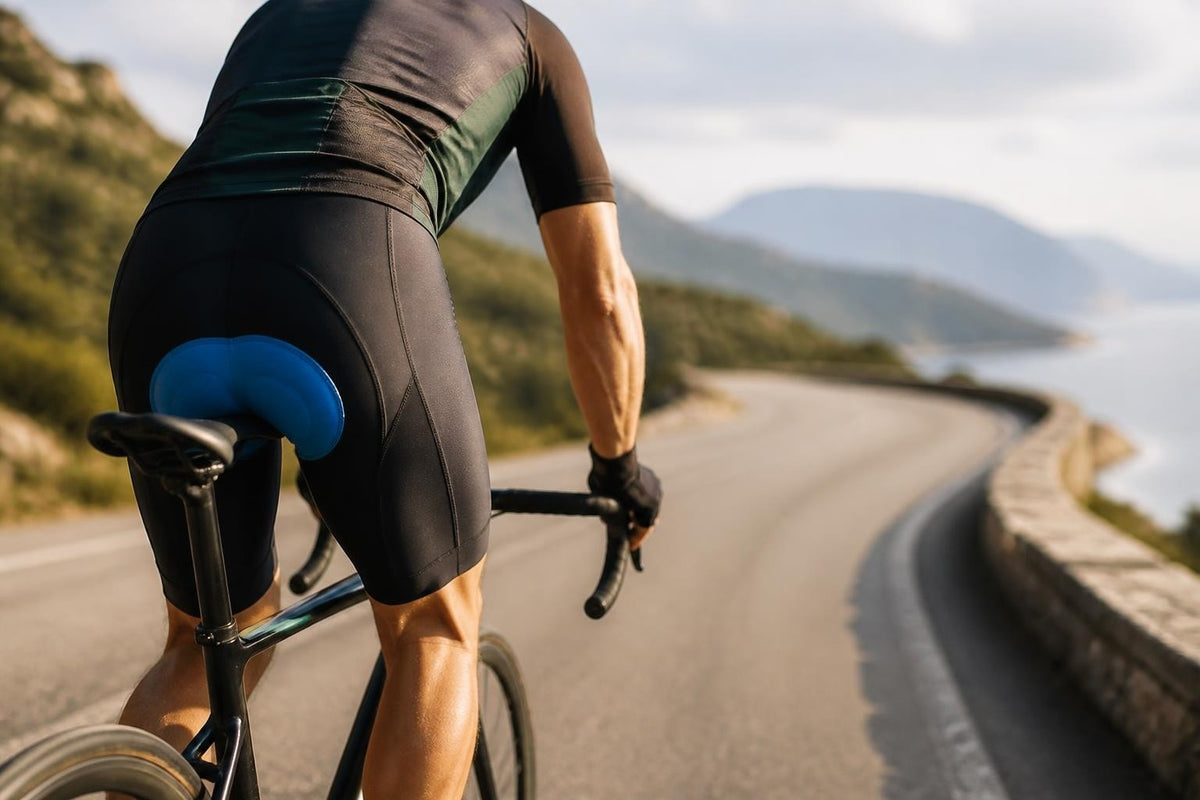
Comfort on the bike isn't just about saddle choice or handlebar position. The interface between rider and seat determines whether you enjoy a century ride or cut it short after twenty miles. Padded bike riding pants have evolved from simple foam inserts to sophisticated, multi-density chamois systems that manage pressure, wick moisture, and prevent soft-tissue injuries. Whether you're a competitive racer logging training miles or a recreational cyclist exploring new routes, understanding how these garments work transforms your ride quality and long-term cycling enjoyment.
Understanding Chamois Technology and Padding Design
The chamois pad forms the heart of any quality padded bike riding pants. Modern chamois construction employs multi-density foam engineering, strategically placing firmer foam in high-pressure zones while softer materials cushion sensitive areas. This targeted approach addresses the complex pressure distribution cyclists experience during riding.
Research has shown that padding thickness and design significantly affect saddle pressure parameters, with thicker pads not always delivering superior comfort. The relationship between padding thickness and pressure relief follows a diminishing-returns curve. Beyond a certain thickness, additional foam can actually increase pressure by lifting the rider higher and changing the contact angle with the saddle.
Foam Density and Material Selection
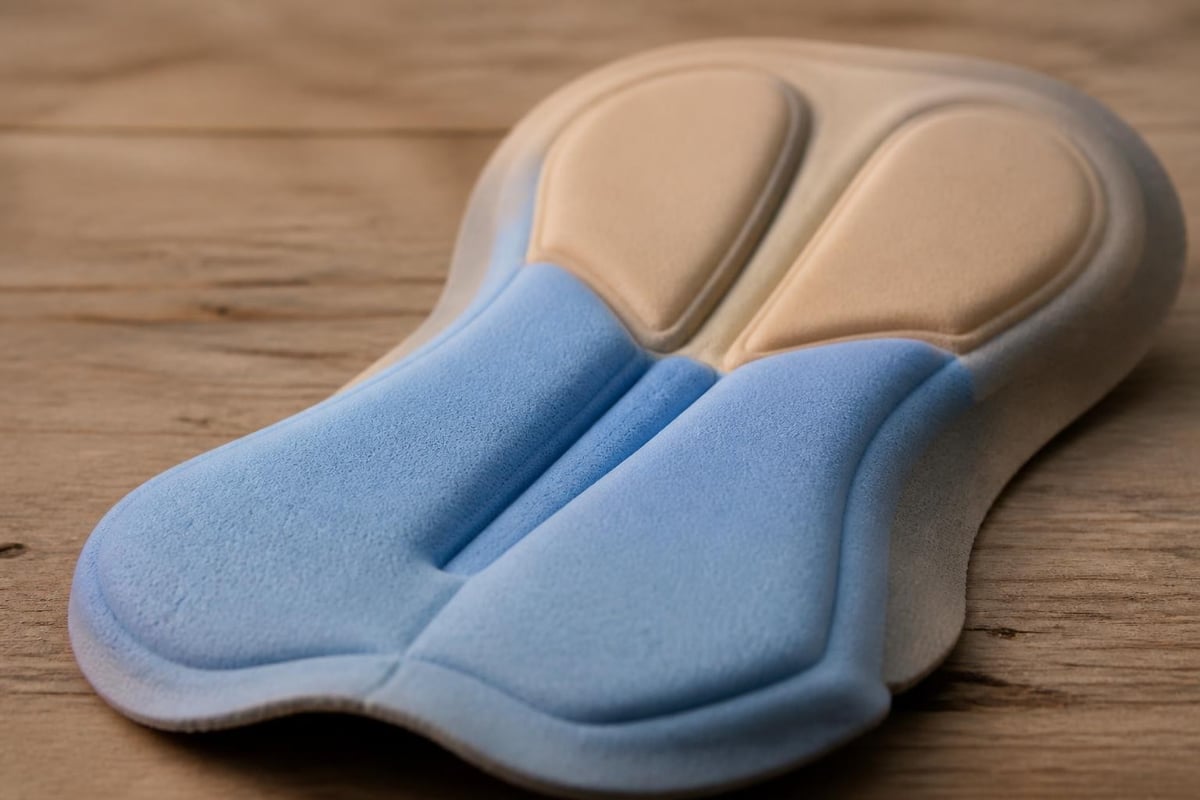
Premium padded bike riding pants incorporate three or four distinct foam densities within a single chamois:
- High-density foam under sit bones to prevent bottoming out
- Medium-density foam in transition zones for gradual support
- Low-density foam along edges to eliminate pressure ridges
- Perforated or channeled foam to enhance airflow and reduce heat buildup
The foam itself varies by manufacturer and price point. Entry-level pads use simple polyurethane foam, while performance options feature memory foam, gel inserts, or proprietary materials that respond to body heat and pressure. Some designs incorporate bacteriostatic treatments to minimize odor and infection risk during extended rides.
Gender-Specific Anatomical Design
Male and female cyclists experience different pressure patterns and anatomical requirements. Laboratory pressure-mapping studies of multiple shorts reveal dramatic differences in how various chamois designs distribute load.
Women's padded bike riding pants typically feature wider sit-bone spacing, shorter front-to-back length, and additional foam in the pubic area. Men's designs incorporate longer overall chamois length and specific contouring for male anatomy. Unisex designs represent compromises that rarely serve either gender optimally for rides exceeding two hours.
Fit Considerations and Garment Construction
The best chamois in the world fails if the garment doesn't fit properly. Padded bike riding pants must hold the pad in precise anatomical position throughout the pedal stroke, without shifting, bunching, or creating secondary pressure points.
| Fit Element | Function | Poor Fit Consequence |
|---|---|---|
| Leg length | Prevents pad migration | Chamois shifts, creates chafing |
| Waist tension | Maintains position without cutting | Pressure points or pad sag |
| Panel construction | Follows body contours | Bunching in sit-bone zones |
| Fabric stretch | Accommodates pedaling motion | Restricted movement or excess fabric |
Bib Versus Waist-Style Construction
Bib-style padded bike riding pants eliminate waistband pressure entirely, distributing garment tension across the shoulders. This design prevents the chamois from shifting downward during rides and eliminates the waistband dig that occurs when leaning forward in an aggressive riding position.
Waist-style pants offer easier bathroom stops and work well for upright riding positions. Many recreational and commuter cyclists prefer this style for convenience, particularly on rides with frequent stops. The trade-off involves some waistband pressure and potential for pad migration on longer rides.
When selecting custom cycling apparel, teams and clubs often choose bib construction for competitive riders and offer both styles for recreational members.

Seam Placement and Panel Engineering
Premium padded bike riding pants position seams away from pressure zones. Flatlock stitching minimizes bulk, while laser-cut edges eliminate seams entirely in critical areas. The number of panels indicates design sophistication-more panels allow better anatomical contouring but require expert construction to avoid creating pressure points.
Advanced patterns use eight to fourteen panels, with strategic fabric selection for each zone. Power mesh provides compression in the thighs, while softer fabrics contact sensitive areas. This multi-fabric approach balances support, comfort, and aerodynamics across the entire garment.
Moisture Management and Skin Health
Saddle sores and skin irritation stem from combined pressure and moisture. Padded bike riding pants must move sweat away from skin while maintaining the dry environment that prevents bacterial growth and chafing.
Fabric Technology and Wicking Performance
The chamois surface fabric-the layer touching your skin-determines moisture management effectiveness. High-quality options use:
- Synthetic microfibers with four-way stretch
- Antimicrobial treatments to prevent bacterial colonization
- Hydrophobic outer layers that repel road spray
- Channeled or perforated constructions for airflow
Some manufacturers incorporate silver-ion treatments or bamboo-derived fibers for natural antimicrobial properties. These treatments extend the time padded bike riding pants can be worn before washing becomes critical for hygiene.
Preventing Pressure-Related Skin Injuries
Research on pressure-related skin injuries demonstrates that sustained pressure combined with moisture and friction creates conditions for tissue breakdown. Cycling-specific injuries-saddle sores, folliculitis, and pressure ulcers-develop when these factors combine over hours in the saddle.
Quality padded bike riding pants address each factor:
- Pressure distribution through multi-density chamois design
- Moisture removal via wicking fabrics and perforations
- Friction reduction with smooth chamois surfaces and proper fit
- Antimicrobial protection to prevent infection in compromised tissue
Padding Thickness and Discipline-Specific Choices
Road cyclists, mountain bikers, gravel riders, and commuters require different padding strategies. The riding position, saddle type, terrain, and ride duration all influence optimal chamois design.
Road and Racing Applications
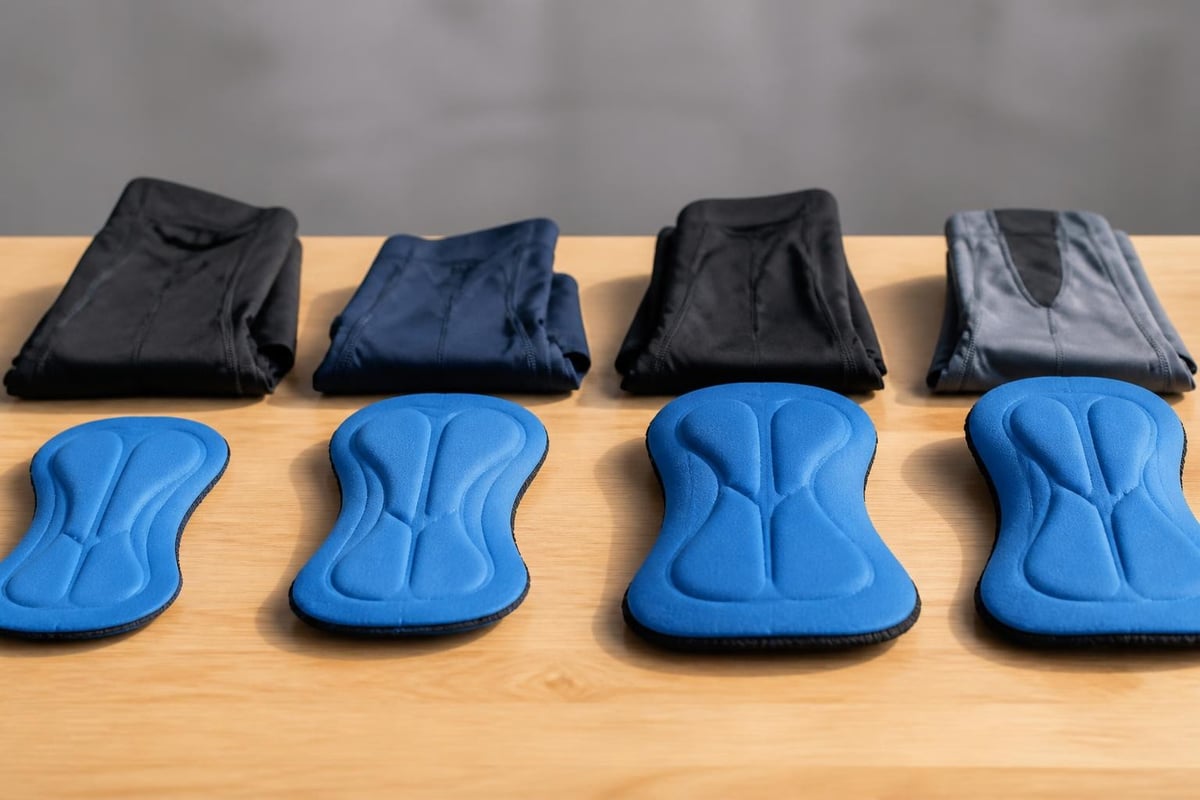
Competitive road cyclists prioritize aerodynamics and weight savings. Padded bike riding pants for racing feature thinner chamois with strategically placed high-density foam. The assumption: riders maintain excellent core strength and proper position, minimizing pressure on the saddle.
Studies examining saddle width effects show that proper saddle selection reduces the padding needed for comfort. Racers often use narrow, firm saddles matched with minimal chamois for events under five hours. Training rides may employ thicker pads for the increased weekly volume.
Endurance and Touring Designs
Multi-day tours and ultra-endurance events demand maximum chamois protection. Padded bike riding pants for touring use thicker overall padding with extensive coverage area. Edge-to-edge density variations prevent pressure concentration as riders shift position during all-day efforts.
Touring-specific designs extend pad coverage forward and rearward, accommodating the position changes that occur over eight to twelve-hour riding days. Some incorporate removable or replaceable chamois inserts, allowing fresh pads on multi-week expeditions.
Mountain Biking and Gravel Requirements
Off-road cycling introduces impacts, saddle bouncing, and frequent out-of-saddle riding. Mountain bike-specific padded bike riding pants balance protection with mobility, using thinner overall pads with strategic reinforcement in impact zones.
The chamois often extends farther up the back and sides, protecting against saddle contact during aggressive descending and technical climbing. Some designs incorporate hip and sit-bone padding beyond the traditional chamois footprint.
| Discipline | Typical Pad Thickness | Coverage Area | Key Features |
|---|---|---|---|
| Road racing | 8-12mm | Minimal, targeted | Aerodynamic, lightweight |
| Endurance/touring | 15-20mm | Maximum | All-day comfort, extensive coverage |
| Mountain biking | 10-14mm | Extended sides/back | Impact protection, mobility |
| Commuting | 12-16mm | Moderate | Durability, casual appearance option |
Maintenance, Durability, and Longevity
Proper care extends the life of padded bike riding pants and maintains hygiene standards. Chamois foam degrades with use, compression cycles, and washing-understanding these factors helps riders maximize value.
Washing and Care Protocols
After every ride, padded bike riding pants require washing to remove salt, bacteria, and oils. Hand washing in cool water with mild detergent provides gentle cleaning, but quality construction withstands machine washing on delicate cycles.
Never use fabric softener, which coats technical fabrics and reduces wicking performance. Skip the dryer-high heat breaks down elastic fibers and foam structures. Air drying preserves pad integrity and extends garment life by years.
Recognizing Replacement Indicators
Even premium padded bike riding pants eventually wear out. Signs include:
- Visible compression marks in foam that don't recover overnight
- Thinning in sit-bone contact areas
- Delamination between foam layers or fabric surfaces
- Loss of fabric elasticity causing fit changes
- Persistent odors despite proper washing
Most riders replace padded bike riding pants every 5,000 to 10,000 miles, though this varies with pad quality, rider weight, and maintenance practices. Rotating multiple pairs reduces per-ride stress and extends overall wardrobe longevity.
Integration with Saddle Selection and Bike Fit
Padded bike riding pants work as part of a system including saddle choice, bike position, and riding technique. Factors influencing saddle pressure encompass saddle design, position adjustments, and clothing-optimizing all three delivers superior results compared to maximizing any single element.
Saddle Width and Pad Interaction
Proper saddle width for your sit-bone spacing reduces the padding thickness needed for comfort. Wide saddles on narrow-hipped riders concentrate pressure on inner thigh tissue regardless of chamois design. Narrow saddles on wide-hipped riders create pressure points that even the best padded bike riding pants cannot fully address.
Professional bike fitters measure sit-bone width and match saddle dimensions before addressing padding needs. This approach prevents riders from compensating for poor saddle fit with excessive chamois thickness, which creates its own problems including numbness and restricted circulation.
Position Optimization and Pressure Distribution
Aggressive positions transfer more weight to the hands and feet, reducing saddle pressure. Upright positions concentrate load on the saddle, requiring more padding support. Comprehensive buyer's guides emphasize matching chamois design to riding style and position.
Riders experiencing discomfort should address position first-adjusting saddle height, fore-aft position, and tilt. Only after optimizing fit should you increase chamois thickness or change padded bike riding pants designs.
Casual and Commuter Options
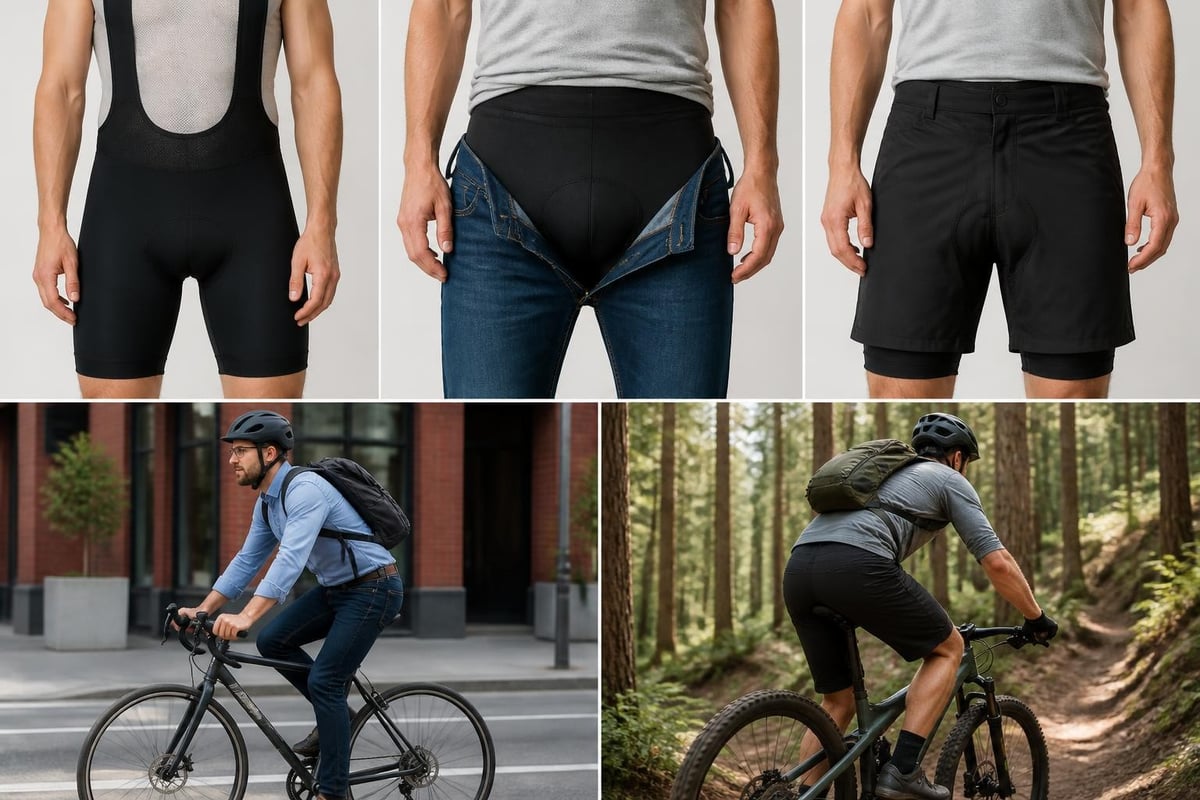
Not all cyclists want the appearance of traditional lycra cycling shorts. Commuters, casual riders, and bike tourists often prefer padded bike riding pants styled as regular shorts or underwear.
Padded Liner Shorts and Underwear
Worn under regular shorts or pants, padded liners provide chamois protection without cycling-specific appearance. Cycling UK testing of padded undershorts reveals performance gaps compared to purpose-built cycling shorts, but modern designs narrow this difference.
Quality liners use the same multi-density foam technology as racing shorts. The key limitation: regular outer shorts create friction against the chamois surface, potentially causing chafing that integrated designs avoid. Choose tight-fitting outer layers to minimize relative movement.
Baggy Mountain Bike Shorts
Mountain bikers popularized baggy padded bike riding pants combining casual styling with technical chamois. These two-piece systems pair padded liners with durable outer shorts featuring pockets, belt loops, and rugged fabrics.
The outer layer provides abrasion resistance during falls and carries tools, nutrition, and essentials. Inner liners replicate road short construction with full technical chamois. This versatility explains widespread adoption for gravel riding, bikepacking, and urban cycling.
Custom Team Apparel and Branding Opportunities
Clubs, teams, and corporate cycling groups leverage custom padded bike riding pants for identity and performance. Modern manufacturing enables full sublimation printing with unlimited colors and complex graphics while maintaining technical fabric performance.
Premium manufacturers maintain quality standards across custom production runs, ensuring team shorts match or exceed retail options in chamois quality, fit, and durability. Low minimum order quantities make custom apparel accessible even for small clubs and weekend riding groups.
Teams benefit from standardized sizing across members, color coordination with jerseys and accessories, and the psychological boost of professional appearance. Custom padded bike riding pants transform amateur clubs into cohesive units while providing the same comfort and performance benefits as individually purchased garments.
Performance Verification and Testing Standards
How can riders evaluate padded bike riding pants before committing to a purchase? Understanding testing methodologies and performance metrics helps inform decisions.
Laboratory Testing Approaches
Advanced testing uses pressure mapping technology that measures force distribution across the saddle during pedaling. Sensors embedded in saddles or placed between rider and seat capture real-time pressure data, revealing how different padded bike riding pants alter load distribution.
Independent testing compares multiple shorts under controlled conditions, measuring peak pressure, average pressure, and pressure distribution uniformity. These objective measurements complement subjective comfort assessments, revealing performance differences invisible to individual perception.
Field Testing and Real-World Validation
Laboratory data provides baseline comparisons, but real rides introduce variables affecting comfort: humidity, temperature variation, ride duration, and individual physiology. Field testing across diverse conditions validates lab results.
Progressive distance testing-starting with one-hour rides and building to century distances-reveals how padded bike riding pants perform as fatigue accumulates. Chamois that feels adequate at thirty miles may create pressure points by mile seventy. Quality designs maintain comfort throughout maximum intended ride duration.
Environmental Considerations and Sustainability
Cycling's environmental benefits extend beyond transportation emissions. Thoughtful purchasing decisions regarding padded bike riding pants further reduce environmental impact.
Material Sourcing and Production Methods
Recycled polyester from plastic bottles now appears in technical cycling fabrics without performance penalties. Some manufacturers use solution-dyed yarns that reduce water consumption and chemical runoff during production. Bluesign-certified fabrics meet strict environmental and safety standards throughout the supply chain.
Production location matters beyond labor costs. Local or regional manufacturing reduces shipping emissions and enables better quality oversight. Facilities implementing renewable energy, water recycling, and waste reduction programs minimize production's environmental footprint.
Durability as Sustainability
The most sustainable padded bike riding pants are those you don't need to replace. Investing in premium construction-reinforced stitching, high-grade foam, durable fabrics-extends useful life and reduces the per-mile environmental cost.
Proper maintenance maximizes durability. Following care instructions, rotating multiple pairs, and addressing minor repairs preserves garments for years. This approach proves more sustainable than repeatedly purchasing budget options that degrade quickly.
Selecting padded bike riding pants involves balancing chamois design, fit, discipline-specific needs, and long-term value. Whether you prioritize racing performance, all-day touring comfort, or casual-styled commuting, understanding how pad technology, materials, and construction interact with your riding style ensures optimal comfort and performance. At CCN Sport, our expertise in custom cycling apparel combines advanced sublimation technology with precision manufacturing to deliver padded bike riding pants that meet the exacting standards of competitive teams and recreational riders alike. From concept through completion, we transform your vision into premium cycling apparel built to perform ride after ride.

Share:
How Cycling Fabric Innovation Improves Speed