

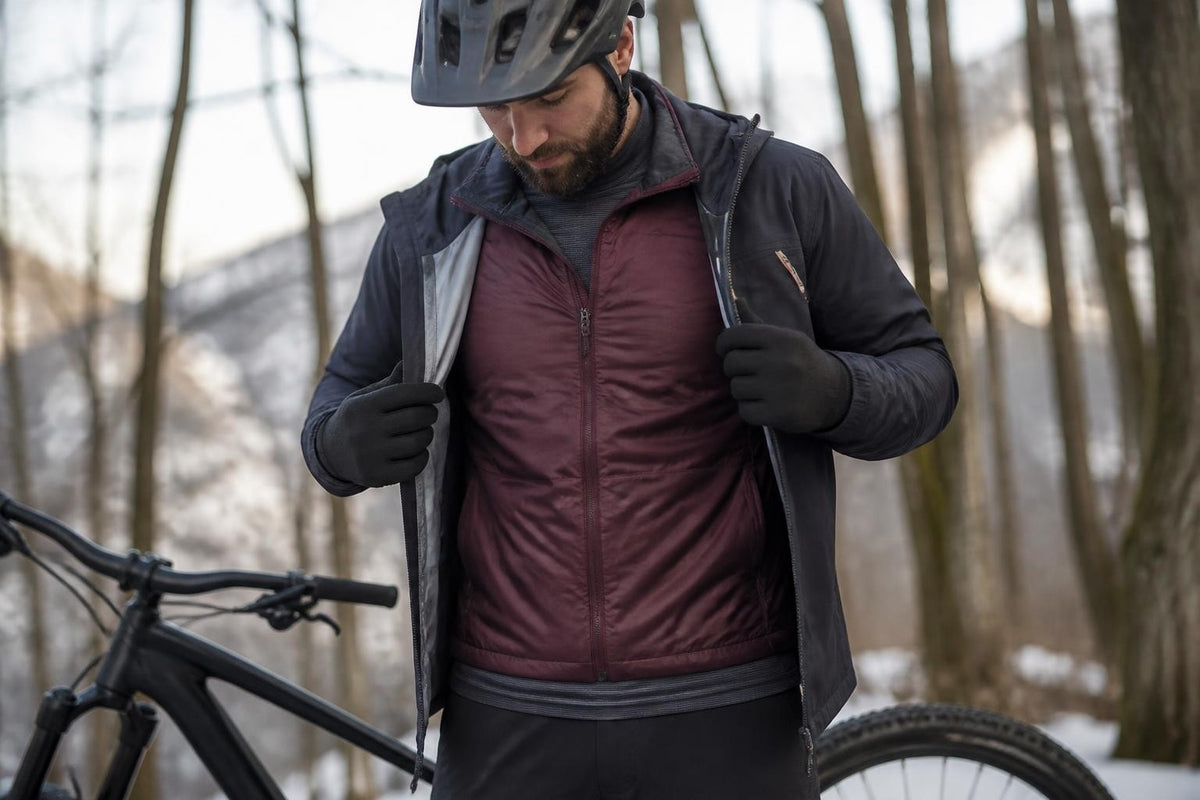
When temperatures drop and trails frost over, mountain biking doesn't have to stop. The right mountain bike winter clothing transforms cold, wet conditions from a miserable ordeal into an exhilarating experience. Unlike road cycling, mountain biking in winter presents unique challenges: lower speeds on technical terrain mean less aerodynamic heating, mud and spray demand better weather protection, and stops to navigate obstacles leave you vulnerable to sudden chills. This guide explores how to build a complete winter wardrobe that keeps you comfortable, dry, and performing at your best when the mercury falls.
Understanding the Mountain Bike Winter Clothing Challenge
Mountain biking in winter differs fundamentally from summer riding. Your body generates tremendous heat during climbs, yet technical descents and slow, precise sections can leave you shivering within minutes. This constant thermal flux demands clothing that adapts quickly.
The physics are straightforward but unforgiving. Sweat-soaked base layers lose insulating value and accelerate heat loss through evaporative cooling. Wind chill on exposed descents strips away warmth exponentially. Wet conditions from rain, snow, or trail spray further compromise thermal protection. According to research from the American College of Sports Medicine on cold injury prevention, maintaining core temperature during variable-intensity exercise requires strategic layering and moisture management.
Trail riders face additional complications. Crashes mean contact with cold, wet ground. Bike repairs force extended stops without the option to keep moving for warmth. Lower average speeds compared to road cycling reduce the convective heating benefit that road riders enjoy at 20-25 mph cruising speeds.
Temperature Ranges and Intensity Considerations
Mountain bike winter clothing needs vary dramatically based on temperature and effort level. A high-intensity interval session in 35°F requires drastically different gear than a moderate-pace exploration ride in 15°F conditions.
Temperature-Based Clothing Guidelines:
- 40-50°F: Light insulation, windproof shell, full-finger gloves
- 30-40°F: Moderate insulation, thermal bibs, insulated gloves
- 20-30°F: Heavy insulation layers, softshell or hardshell jacket, winter boots
- Below 20°F: Maximum insulation, face protection, vapor-barrier strategies
Effort level modulates these recommendations significantly. High-intensity riding generates 10-15 times resting metabolic heat. A rider hammering climbs in 25°F might overheat in the same jacket that leaves a casual explorer comfortable. Smart winter riders adjust layers before rides based on planned intensity and carry extra insulation for emergencies.
Core Layering System for Winter Mountain Biking
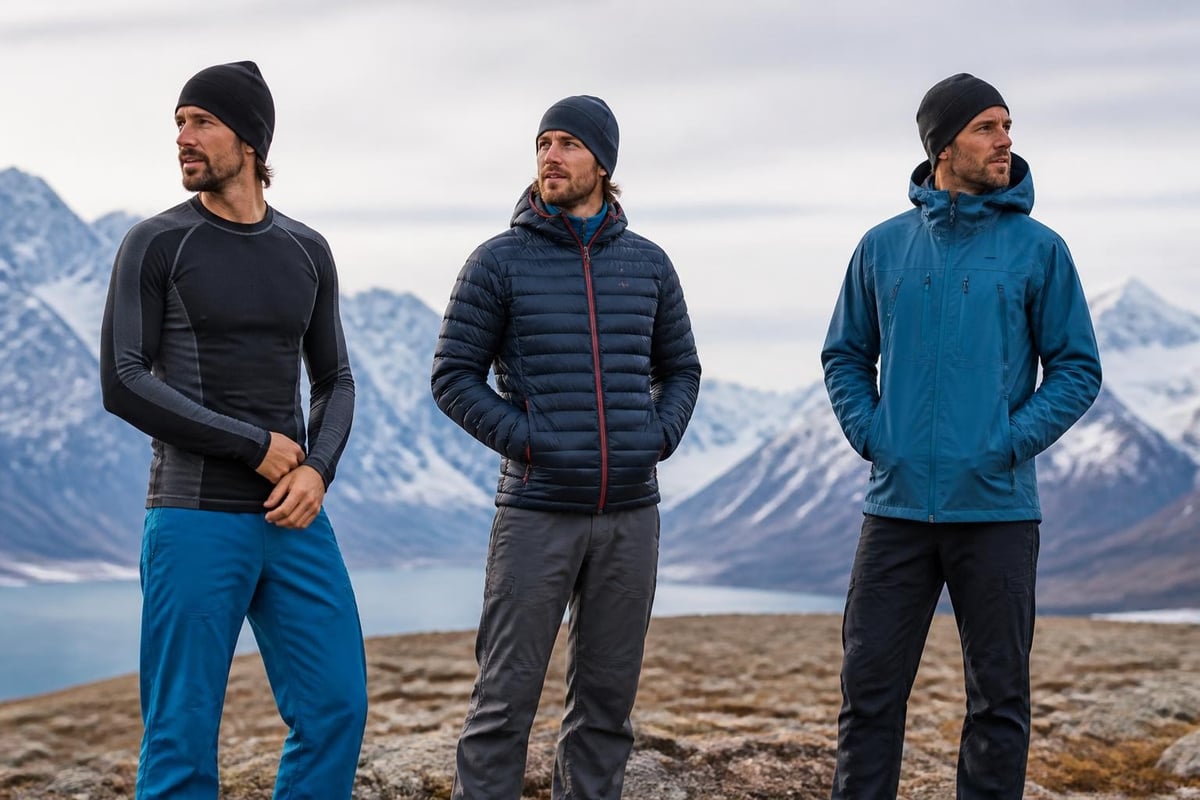
The foundation of effective mountain bike winter clothing rests on the classic three-layer system, adapted for off-road demands. Each layer serves distinct functions that work synergistically.
Base Layer: Moisture Management Foundation
Your base layer controls the microclimate against your skin. In winter, this means moving moisture away from your body while retaining warmth. Merino wool and synthetic technical fabrics dominate this category, each with distinct advantages.
Merino wool naturally resists odor, regulates temperature across a wide range, and retains significant insulating value when damp. Quality merino base layers in 150-250 g/m² weights provide the warmth-to-breathability balance most mountain bikers need. The fiber's crimped structure traps air for insulation while wicking moisture through capillary action.
Synthetic technical fabrics dry faster and often cost less than merino. Polyester-based fabrics with hydrophobic treatments push moisture to the exterior surface where it evaporates. For high-output riders who generate copious sweat, synthetics excel. Many modern base layers combine both fibers to capture the benefits of each material.
Fit matters enormously. Base layers should lie flat against skin without compression or gaps. Bunching creates hot spots and restricts movement, while loose fabric flaps in the wind and fails to wick effectively.
Mid-Layer: Active Insulation
The mid-layer provides warmth while maintaining breathability. Traditional fleece has given way to more sophisticated active insulation technologies that regulate heat without adding bulk.
| Insulation Type | Warmth-to-Weight | Breathability | Compressibility | Best Use Case |
|---|---|---|---|---|
| Grid Fleece | Medium | Excellent | Good | High-output riding, 25-40°F |
| Synthetic Fill | High | Good | Excellent | Variable intensity, 15-35°F |
| Merino Mid-Weight | Medium | Excellent | Fair | Moderate pace, 20-40°F |
| Softshell | Medium-High | Good | Poor | Wind-exposed trails, 20-35°F |
Grid fleece construction, popularized by Polartec, creates air channels that dump excess heat during climbs while maintaining core warmth. Riders who vary intensity frequently find grid fleece ideal for temperatures between 25-40°F.
Synthetic insulation jackets using PrimaLoft, Polartex Alpha, or similar technologies offer impressive warmth-to-weight ratios. Unlike down, synthetic fill maintains loft when wet and continues insulating. For unpredictable winter mountain biking, this resilience proves invaluable.
Outer Layer: Weather Protection
The shell layer shields you from wind, rain, snow, and trail spray. Mountain bike winter clothing demands more abrasion resistance than road kit, as trailside vegetation and inevitable crashes test fabric durability.
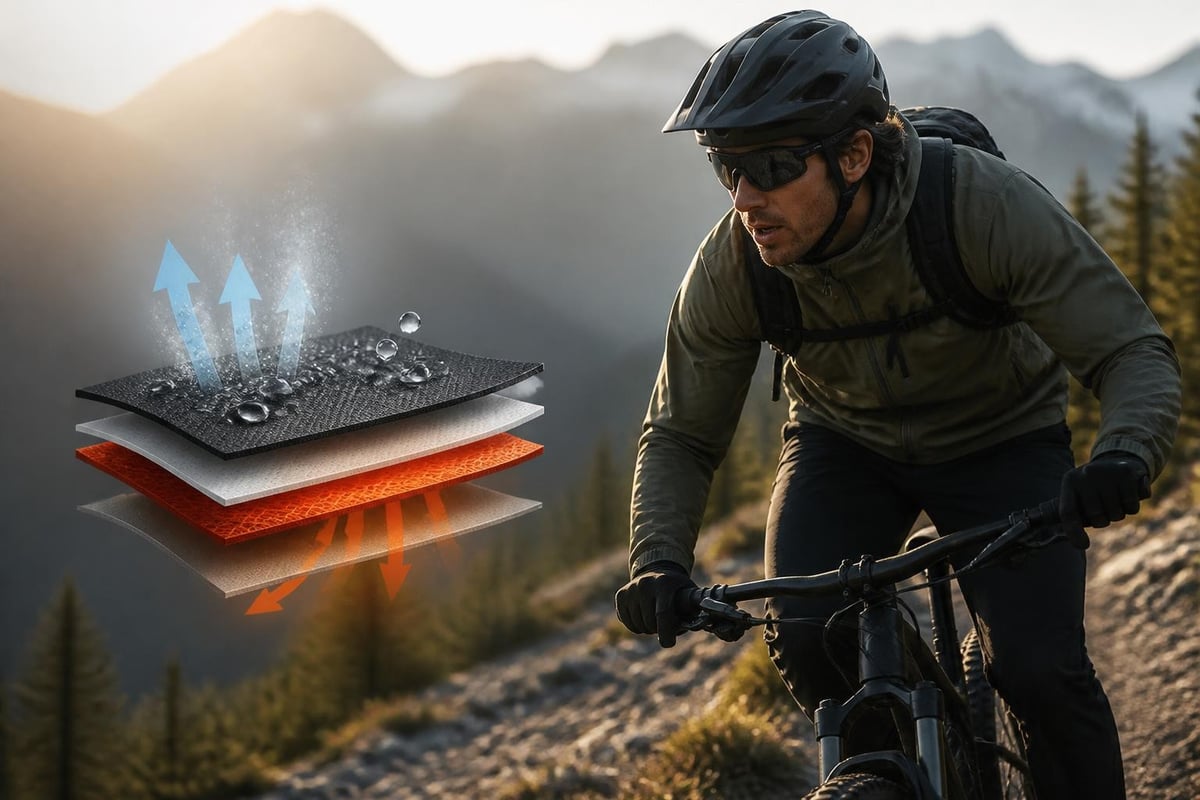
Waterproof-breathable fabrics like GORE-TEX provide the gold standard for winter protection. Modern membranes achieve impressive breathability ratings (15,000+ g/m²/24hr MVTR) while maintaining complete waterproofness. These fabrics work through microscopic pores that allow water vapor molecules to escape while blocking liquid water droplets.
Softshell jackets trade absolute waterproofness for superior breathability and comfort. For dry, cold conditions or light precipitation, softshells offer better temperature regulation than hardshells. The stretchy, quiet fabrics also move naturally with your body during technical riding.
Critical shell features for mountain biking include:
- Extended rear coverage to protect your lower back from spray
- Adjustable cuffs that seal over or under gloves
- Pit zips or rear vents for rapid heat dumping on climbs
- Helmet-compatible hoods that don't restrict peripheral vision
Extremities: Hands, Feet, and Head
Core temperature matters, but frozen fingers, numb toes, and ice-cream headaches end rides just as quickly. Protecting extremities requires specialized mountain bike winter clothing designed for the unique demands of each area.
Winter Gloves and Hand Protection
Hands present a cruel paradox. You need dexterity for braking, shifting, and controlling your bike, yet winter gloves add bulk that compromises feel. Circulation to fingers also decreases as your body prioritizes core temperature, making hands vulnerable to cold.
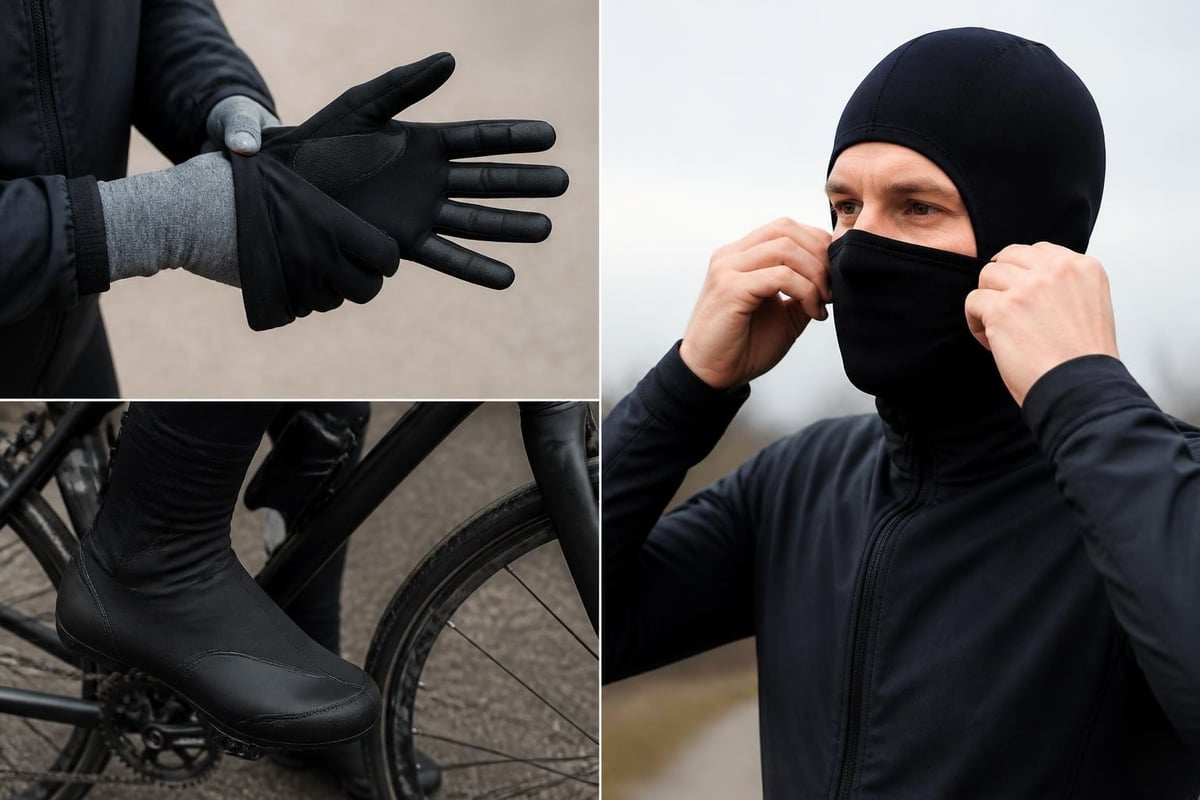
Glove layering works brilliantly for mountain biking. A thin merino or synthetic liner glove provides a base layer for your hands, wicking moisture and adding warmth. Over this, a windproof, water-resistant shell glove blocks weather without excessive bulk. This system allows you to remove the shell during climbs when hands overheat, while keeping the liner in place.
For severe cold (below 20°F), lobster-style gloves group fingers in pairs, maintaining better warmth than five-finger designs while preserving more dexterity than mittens. Many serious winter riders keep backup gloves in their pack, as a single creek crossing or crash can soak gloves and create dangerous cold exposure.
You can explore specialized cycling gloves designed for cold-weather performance that balance insulation with the tactile precision mountain biking demands.
Footwear and Toe Protection
Feet endure constant exposure on the bike. Clipless pedals put thin-soled shoes inches from freezing air rushing past at 10-20 mph. Toes, positioned furthest from your core, receive reduced blood flow and cool rapidly.
Winter cycling shoes incorporate insulation, waterproof materials, and windproof uppers. Quality winter shoes feature room for thicker socks without restricting circulation (tight footwear accelerates heat loss). Neoprene toe covers or full shoe covers add weather protection to regular cycling shoes, though they sacrifice some pedaling efficiency.
Boot selection considerations:
- Insulated liners trap warm air
- Waterproof membranes keep feet dry from external moisture
- Room for wool socks without constriction
- Compatibility with clipless pedal systems
- Tread for hike-a-bike sections
For extreme conditions, some riders use flat pedals with insulated hiking boots. While this sacrifices pedaling efficiency, it prevents the cold-related circulation issues that plague clipless shoes in sub-freezing temperatures.
Head and Neck Coverage
Your head represents 10-15% of body surface area and can shed heat rapidly. Conversely, overdressing your head creates overheating, excessive sweating, and eventual chilling. The winter cycling layering approach from Bicycling emphasizes adjustability for head coverage.
A thermal skull cap or headband under your helmet provides base insulation. As temperatures drop below 25°F, consider a balaclava that protects face and neck. Quality balaclavas feature breathable mouth panels that prevent moisture buildup and lens fogging if you wear glasses or goggles.
Neck gaiters offer exceptional versatility. You can pull them up over your face during frigid descents, then drop them during climbs. Merino or synthetic fleece materials work best, balancing warmth with breathability.
Lower Body Protection: Bibs, Tights, and Knickers
Leg protection differs from upper body in important ways. Your legs generate enormous heat during pedaling, yet they're exposed to direct wind and spray. Mountain bike winter clothing for the lower body must balance warmth with the flexibility needed for technical riding.
Winter Bibs and Thermal Tights
Thermal bibs designed for winter incorporate fleece-lined or brushed-interior fabrics that trap air next to skin. Weights range from light (for 35-45°F) to heavy expedition-weight (for sub-20°F riding). Most quality winter bibs include windproof panels on the front of the thighs and knees, where wind exposure is greatest.
Key features in winter cycling bibs:
- Windproof front panels (thighs, knees, shins)
- Fleece or brushed interior for warmth
- Water-resistant or DWR-treated exterior
- Anatomical paneling for unrestricted movement
- Quality chamois with moisture-wicking properties
- Ankle zippers for easy on/off over shoes
Tights without integrated chamois allow layering over your favorite summer bibs and chamois. This approach offers flexibility-you can adjust warmth by changing base layers while keeping proven comfort in the saddle. Browse options in the knickers and tights collection for various insulation levels.
Knee and Leg Warmers
Warmers provide modular temperature control. Start your ride with knee or leg warmers in place, then remove them as you warm up or temperatures rise. Quality warmers stay in place without uncomfortable constriction and pack small when removed.
Thermal knee warmers excel in the 35-50°F range, extending the usability of summer bibs into shoulder seasons. Full leg warmers cover 30-45°F effectively. The ability to remove warmers mid-ride prevents the overheating and sweating that undermines core temperature regulation.
Fabric Technology and Material Science
Understanding fabric technology helps you make informed decisions about mountain bike winter clothing. Modern technical textiles achieve performance impossible even a decade ago, combining contradictory properties through clever engineering.
Waterproof-Breathable Membranes
Waterproof-breathable fabrics work through either microporous membranes (like GORE-TEX) or hydrophilic coatings. Microporous membranes contain billions of pores per square inch-large enough for water vapor molecules to escape but too small for liquid water droplets to penetrate. This mechanical barrier provides reliable waterproofing with good breathability.
The latest environmental concerns around per- and polyfluoroalkyl substances (PFAS) have driven innovation. GORE-TEX recently introduced ePE (expanded polyethylene) membranes that eliminate PFAS while maintaining performance. As environmental regulations tighten globally, expect increased adoption of PFAS-free alternatives.
Durable water repellent (DWR) treatments on shell fabric face create beading that sheds water before it can saturate the textile. DWR wears off with use and washing, requiring periodic reapplication. When DWR fails, the fabric "wets out," losing breathability even though the membrane underneath remains waterproof.
Insulation Technologies
Active insulation represents a breakthrough for cycling. Traditional insulations like down or dense synthetic fill trap heat effectively but can't dump excess warmth during high-output efforts. Active insulations use engineered structures that regulate heat automatically.
Polartec Alpha uses a knit structure that creates air permeability proportional to body heat production. During hard efforts, excess heat and moisture escape through the insulation itself. When you stop or reduce intensity, the same structure traps air for warmth. This dynamic regulation suits mountain biking's variable intensity perfectly.
Synthetic fill insulations (PrimaLoft, Thinsulate, etc.) use fine polyester fibers to mimic down's loft. Quality synthetic insulation maintains 85-90% of its dry warmth when wet, compared to down's 20-30%. For wet winter conditions, this resilience matters enormously.
Moisture Management and Wicking
Wicking moves liquid moisture through fabric via capillary action and diffusion. Hydrophobic (water-repelling) fibers push moisture to the exterior where larger surface area enables faster evaporation. This principle underlies all technical base layers.
The challenge in winter is that evaporative cooling, while beneficial in summer, becomes dangerous in cold weather. Effective winter mountain bike winter clothing manages moisture without allowing evaporative heat loss to drop core temperature. This requires precise breathability calibration matched to activity intensity and ambient conditions.
Practical Considerations for Trail Riding
Theory meets reality on the trail. The complete guide to winter mountain biking from BikeRadar emphasizes practical preparation beyond clothing selection. Your mountain bike winter clothing system must integrate with actual riding conditions.
Pre-Ride Planning and Weather Assessment
Checking forecasts seems obvious, yet riders often underestimate how quickly conditions change in winter. A 40°F sunny morning can become a 28°F snow squall by afternoon. Always pack one extra layer beyond what forecasts suggest you'll need.
Wind chill calculations help determine appropriate insulation. A calm 30°F day feels tolerable with moderate clothing. Add 15 mph wind, and effective temperature drops to 19°F according to wind chill formulas. Descents at 25 mph create even more severe effective cooling.
Trail conditions influence clothing choices too. Muddy trails demand more water resistance. Snow-covered trails might be drier but colder. Rocky technical sections increase crash risk, suggesting more durable fabrics. Smooth flow trails allow faster speeds with greater wind exposure.
Mid-Ride Adjustments and Venting
Static clothing works poorly for mountain biking's dynamic intensity. You need to adjust thermal protection as conditions and effort change. Quality mountain bike winter clothing incorporates adjustment features specifically for this purpose.
Effective venting strategies:
- Partial front zippers on jackets and jerseys allow rapid heat dumping during climbs
- Pit zips provide targeted ventilation without exposing your core
- Rear hem vents exhaust hot air that rises up your back
- Adjustable cuffs and collars seal out cold on descents, open for cooling on climbs
Develop the habit of adjusting before you overheat. Once sweat soaks your base layer, the thermal damage is done. Preemptive venting maintains dry layers and stable core temperature. Similarly, close vents before descents to prevent the shock of cold air hitting sweat-dampened skin.
Emergency Preparedness
Winter riding amplifies consequences of mechanical failures, crashes, or navigation errors. An issue that costs 20 minutes in summer can become life-threatening in winter. Your mountain bike winter clothing should include backup layers stored compactly in your pack.
Essential backup items include:
- Lightweight insulated jacket (packable synthetic or down)
- Emergency space blanket or bivy sack
- Extra gloves and socks
- Chemical hand and toe warmers
- High-calorie emergency food
These items weigh minimal amounts but provide insurance against hypothermia if you're forced to stop for extended repairs or navigation. A portable power station from Pecron can keep your navigation devices charged during long winter rides, ensuring you can always call for help or find your way back.
Building Your Winter Wardrobe Systematically
Assembling a complete mountain bike winter clothing system represents significant investment. A strategic, phased approach builds capability without breaking the budget.
Priority One: Core Layers and Extremities
Start with the highest-impact items. A quality base layer system (two tops, one bottom) provides the foundation for all rides. Add wind-resistant gloves and a thermal skull cap. These items work across the widest temperature range and integrate with gear you already own.
Phase One Investment:
| Item | Temperature Range | Estimated Cost | Priority |
|---|---|---|---|
| Merino base layer top (2) | All conditions | $120-200 | Critical |
| Thermal bib or tight | 20-45°F | $100-180 | Critical |
| Winter gloves | 15-40°F | $40-80 | Critical |
| Skull cap or balaclava | Below 35°F | $25-45 | High |
These four categories enable comfortable winter riding immediately. Layer them with existing summer jerseys and jackets to extend your riding season significantly.
Priority Two: Shell and Mid-Layers
Once core layers are sorted, add weather protection and variable insulation. A versatile softshell jacket covers 30-45°F riding with excellent breathability. Follow this with a waterproof hardshell for wet conditions and a packable insulated jacket for severe cold.
Quality matters especially in shells. Cheap waterproof jackets use non-breathable coatings that trap sweat, leaving you wet from the inside. The detailed winter cycling features on CyclingNews emphasize that investing in proven fabrics and construction pays dividends in comfort and durability.
For riders seeking custom designs that perform in harsh conditions, Custom Cycling Apparel from CCN Sport delivers premium winter-ready garments built with advanced sublimation processes and technical fabrics engineered for cold-weather performance.

Priority Three: Specialized Items and Redundancy
Complete your system with category-specific pieces. Winter cycling shoes or insulated boot covers address feet specifically. Heavier insulated jackets handle extreme cold. Backup gloves and layers provide redundancy for multi-day trips or remote riding.
Consider conditions you'll encounter most frequently. Riders in Pacific Northwest wet winters prioritize waterproofing over extreme insulation. Rocky Mountain riders need maximum warmth for high-altitude cold but can accept less water resistance. Midwest riders face both, requiring comprehensive coverage.
Maintenance and Care for Longevity
Premium mountain bike winter clothing represents substantial investment. Proper care extends lifespan dramatically while maintaining performance. Technical fabrics require specific treatment different from cotton casual wear.
Washing Technical Fabrics
Frequent washing actually benefits technical cycling clothing. Body oils, salt from sweat, and trail grime degrade fabric performance. Modern technical textiles withstand hundreds of wash cycles when cleaned appropriately.
Proper washing protocol:
- Use technical fabric detergent (Sport Wash, Nikwax, etc.) that doesn't leave residue
- Avoid fabric softeners completely-they coat fibers and destroy wicking
- Wash in cold or warm water (never hot, which can damage elastic and bonded seams)
- Close all zippers and turn garments inside out to prevent abrasion
- Use minimal detergent-excess soap residue impairs breathability
Traditional detergents contain optical brighteners and fragrances that bond to technical fibers, interfering with moisture management. Dedicated technical detergents clean effectively without these performance-degrading additives.
Restoring Water Repellency
DWR treatments wear away with use and washing. When your jacket starts absorbing water instead of shedding it, the DWR needs refreshing. You'll notice this when fabric "wets out," looking dark and saturated across large areas.
Heat reactivates existing DWR treatments temporarily. After washing, tumble dry on medium heat for 20-30 minutes, or carefully iron on low heat with a towel protecting the fabric. This melts the DWR, causing it to redistribute and coat fibers again.
Eventually, heat reactivation stops working and you need to apply fresh DWR. Products like Nikwax TX.Direct or Grangers Performance Repel add new treatment in the wash or via spray application. Follow this with heat treatment to set the coating. Properly maintained DWR keeps waterproof shells breathable and extends garment life significantly.
Storage Between Seasons
Proper off-season storage prevents damage and maintains performance. Clean all items thoroughly before storing-residual sweat and body oils attract insects and create odors. Ensure items are completely dry to prevent mildew.
Store in a cool, dry place away from direct sunlight (UV degrades technical fabrics and elastic). Avoid compression-store insulated jackets loosely or hanging to maintain loft. Keep waterproof shells hanging to prevent creases that can compromise laminated membranes.
Periodically air stored items even during off-season. This prevents moisture accumulation and allows inspection for any damage that needs repair before the next riding season.
Making Smart Purchasing Decisions
The mountain bike winter clothing market offers overwhelming choice at wildly varying price points. Understanding value drivers helps you invest wisely. For guidance on maximizing winter experiences through proper planning, platforms like Innobook can help organize group rides and winter cycling events with friends.
Price vs. Performance
Entry-level winter gear functions adequately for occasional riders in moderate conditions. If you ride once or twice monthly and stick to temperatures above 30°F, budget options may suffice. Accept compromises in breathability, durability, and features.
Mid-range gear ($100-200 per garment) represents the sweet spot for regular riders. You get proven fabrics, thoughtful features, and good durability. Brands at this tier often use the same materials as premium options but with simpler construction or fewer features.
Premium gear ($200-400+ per garment) offers marginal performance gains for serious riders. You're paying for ultralight materials, optimized fit, extensive features, and exceptional durability. Racing-focused riders and those in severe conditions benefit most from top-tier performance.
Fit and Sizing Considerations
Cycling-specific fit differs from casual clothing. Winter mountain bike winter clothing should fit close enough to prevent air gaps and flapping fabric, yet loose enough for layering and unrestricted movement. Most brands offer sizing charts based on chest, waist, and height measurements.
When possible, try items on with intended layers underneath. Your winter jacket should accommodate a base layer plus insulating mid-layer without restricting arm movement or pulling across shoulders. Bibs should cover your lower back completely when in riding position, even with arms extended forward.
Women's-specific cuts matter significantly. Women's cycling clothing features different proportions in shoulders, torso length, and hip areas. Generic unisex or men's sizing simply scaled down rarely fits women properly, creating discomfort and performance issues.
Understanding Returns and Warranty
Premium cycling brands typically offer 1-2 year warranties covering manufacturing defects. This protects against zipper failures, seam separation, or premature fabric breakdown. Normal wear and crash damage aren't covered.
Before purchasing, understand the returns policy. Reputable retailers allow returns of unworn, unwashed items within 30-60 days. This matters hugely for online purchases where you can't try before buying. Some brands offer satisfaction guarantees extending beyond typical return windows.
Keep receipts and documentation. If items fail prematurely, having purchase proof expedites warranty claims. Photos of defects help customer service assess issues without requiring immediate returns.
Adapting to Regional Climate Variations
Mountain bike winter clothing needs vary dramatically by region. Pacific Northwest riders face constant rain and moderate cold. Rocky Mountain riders battle dry, severe cold with occasional extreme temperatures. Midwest riders endure both wet and bitter cold with high winds.
Wet Winter Climates (Pacific Northwest, UK, Northern Europe)
Rain dominates winter in maritime climates. Temperatures stay moderate (30-50°F) but precipitation is constant. Waterproofing takes priority over extreme insulation.
Maritime climate priorities:
- Premium waterproof-breathable shells with taped seams
- Fast-drying base layers (synthetics often better than merino)
- Multiple gloves for rotation (one pair won't dry overnight)
- Mudguards on bikes to reduce spray
- Shoe covers or waterproof cycling boots
Layering stays lighter compared to extreme cold climates, but having dry backup layers is critical. The comprehensive winter clothing overview from Road.cc offers detailed advice for wet, muddy trail conditions common in maritime regions.
Dry Cold Climates (Rocky Mountains, Interior Alaska, Scandinavia)
Dry, severe cold presents different challenges. Temperatures routinely drop below 15°F, yet precipitation is minimal. Extreme insulation becomes essential while waterproofing matters less.
In these conditions, vapor management becomes critical. Your breath freezes on balaclavas, creating ice buildup. Sweat doesn't evaporate readily in sub-zero air, so moisture control is paramount. Some riders use vapor barrier liners in boots to prevent sweat from reaching insulation layers where it freezes.
Wind protection takes priority. Dry cold with 20 mph winds creates brutal effective temperatures. Windproof shells and panels on bibs are non-negotiable. Face protection becomes necessary below 15°F to prevent frostbite on exposed skin.
Variable Continental Climates (Midwest, Central Europe)
Continental climates combine the worst of both worlds. One week brings wet, mild weather; the next drops sub-zero with wind. Riders need comprehensive wardrobes covering all scenarios.
The solution is modularity. A robust shell system (both softshell and waterproof hardshell), multiple mid-layer options, and varied base layers create flexibility to adapt quickly. This approach costs more upfront but handles variable conditions better than any single specialized system.
For eco-conscious riders outfitting for variable conditions, sustainable options from Tinc offer plastic-free, ethically made alternatives that align with values while providing technical performance.
Mountain bike winter clothing transforms cold-weather riding from a survival challenge into an opportunity for uncrowded trails and spectacular winter scenery. The right layering system, quality technical fabrics, and strategic gear choices keep you comfortable and safe across the full range of winter conditions. When you're ready to take your winter cycling to the next level with custom-designed apparel built specifically for your needs and riding style, CCN Sport combines over 20 years of sublimation expertise with premium materials and craftsmanship to create winter cycling gear that performs as beautifully as it looks.

Share:
Women's Cycling Skinsuit: Performance & Fit Guide 2026
How to Select a Triathlon Race Suit That Performs