

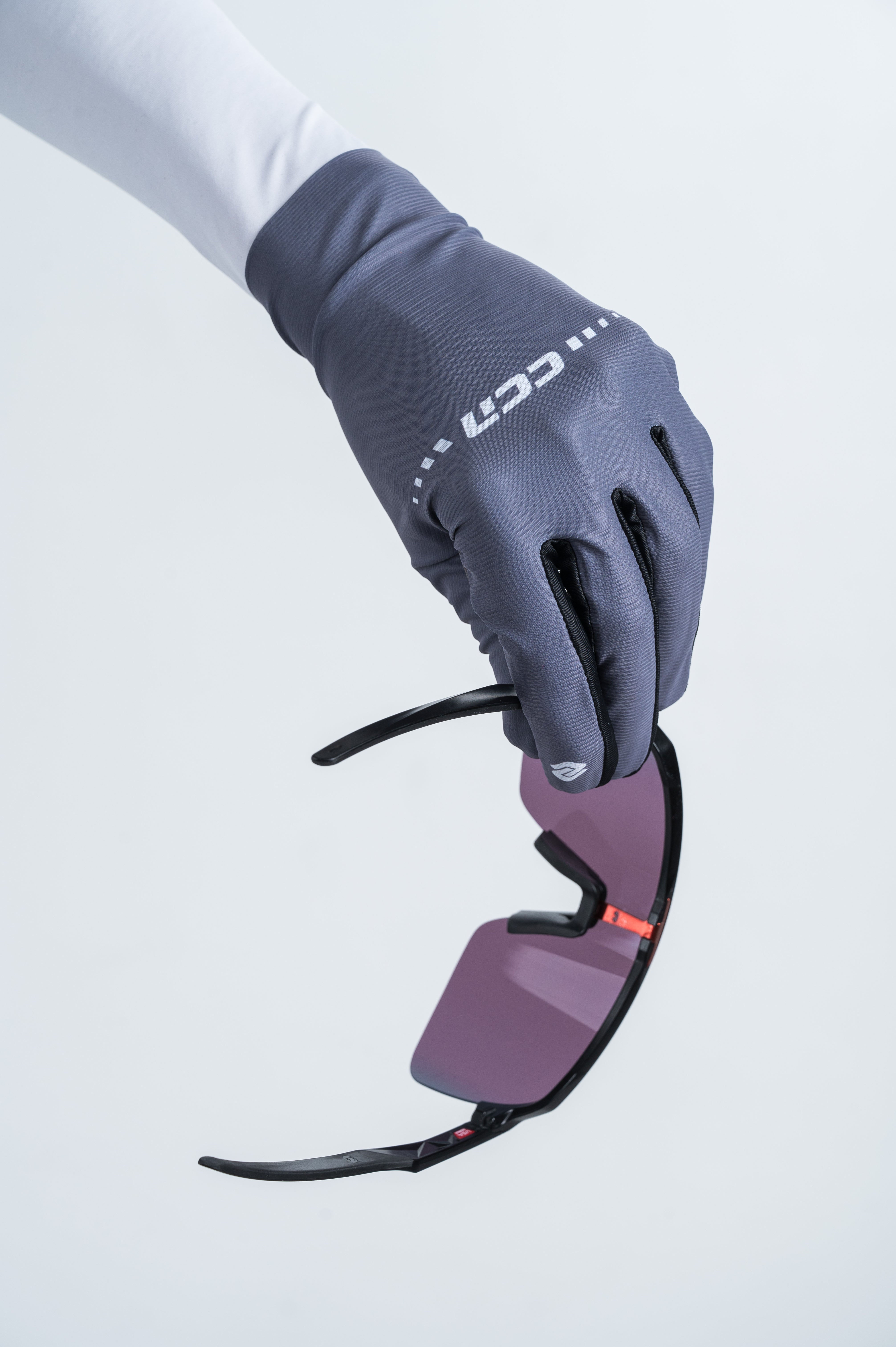
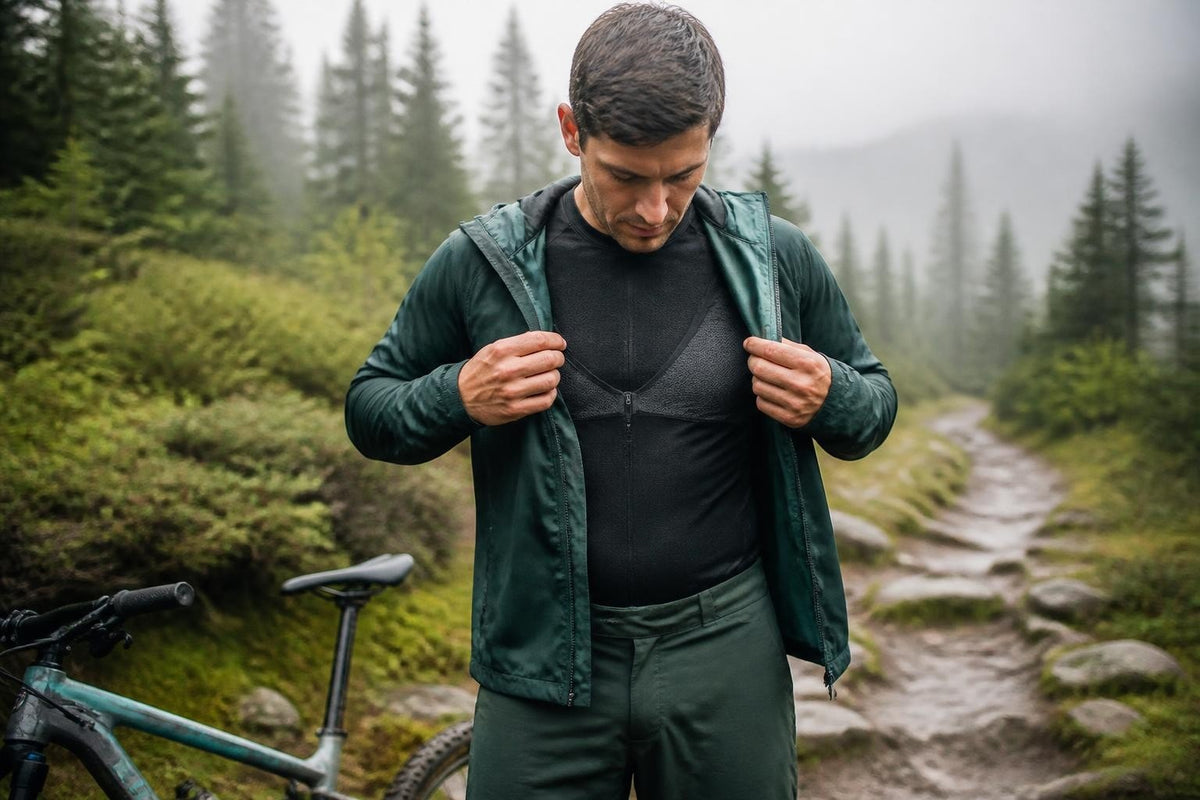
Mountain biking demands more from your clothing than almost any other cycling discipline. Between technical descents, challenging climbs, unpredictable weather, and the inevitable brush with trail-side vegetation, your mountain bike apparel must deliver protection, performance, and durability in equal measure. The right gear doesn't just enhance your comfort-it directly impacts your confidence, endurance, and safety on the trail. Understanding what separates exceptional mountain bike apparel from basic athletic wear helps you make informed decisions that keep you riding longer and stronger.
Core Mountain Bike Apparel Components
Building a functional mountain bike wardrobe starts with understanding the foundational pieces that work together as a system. Unlike road cycling, where aerodynamics often drives design decisions, mountain bike apparel prioritizes durability, freedom of movement, and adaptability to changing conditions.
Jerseys and Upper Body Wear
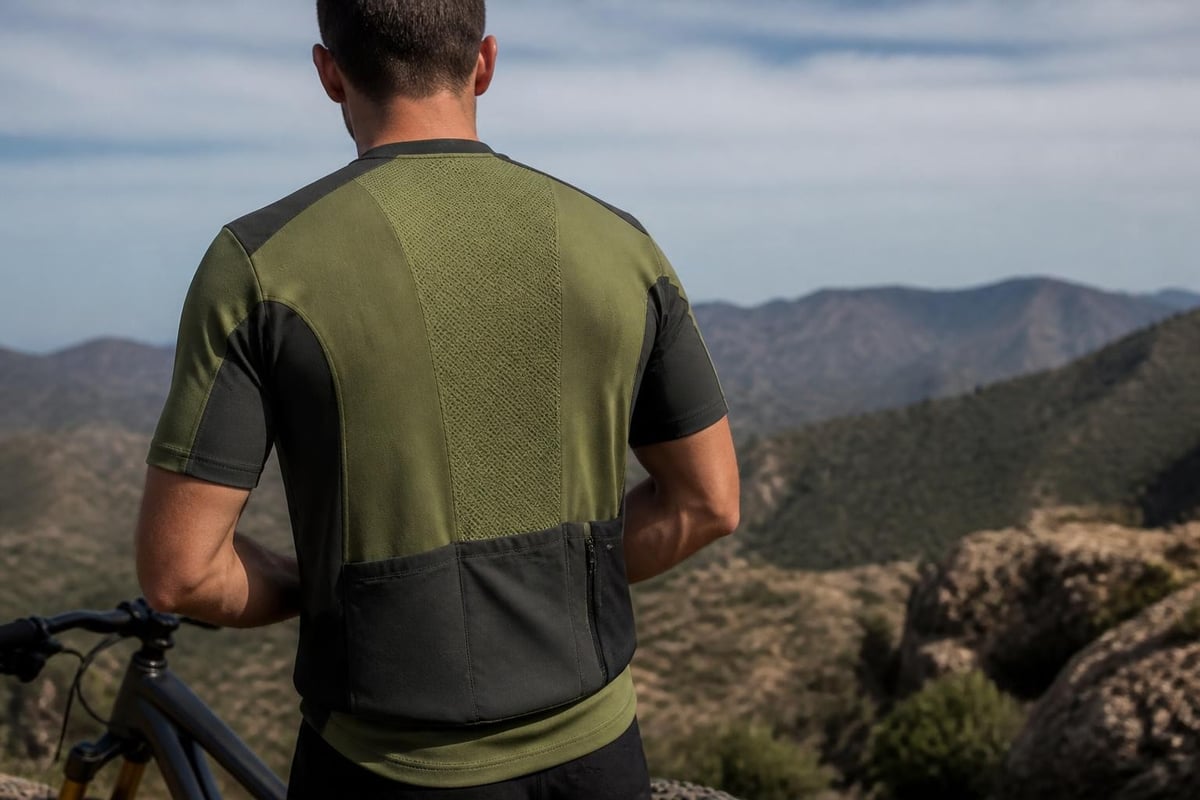
Mountain bike jerseys differ significantly from their road cycling counterparts. Looser fits accommodate protective gear and allow unrestricted movement during technical maneuvers. Most riders prefer short-sleeve or three-quarter sleeve designs that balance ventilation with protection from branches and trail debris.
Key features to prioritize include:
- Moisture-wicking synthetic fabrics or merino wool blends
- Extended rear coverage for seated climbing positions
- Zippered pockets that secure essentials during aggressive riding
- Reinforced shoulder panels for backpack compatibility
- Antimicrobial treatments to manage odor during long rides
Premium mountain bike apparel incorporates strategically placed mesh panels for ventilation while maintaining durability in high-wear zones. The collar design matters too-many riders prefer higher necklines that work well with hydration pack straps and prevent sunburn during long days on the trail.
Seasonal variations expand your options considerably. Lightweight summer jerseys maximize airflow, while technical long-sleeve designs provide thermal regulation for shoulder-season riding. Many riders maintain a rotation of jerseys to match conditions throughout the year.
Shorts and Lower Body Protection
The choice between traditional baggy shorts and form-fitting bibs represents one of the most personal decisions in mountain bike apparel selection. Baggy shorts offer a casual aesthetic, additional pockets, and versatility for quick post-ride activities. Many feature removable liner shorts with chamois padding, allowing you to wash the outer shell separately.
Bib shorts provide superior comfort for longer rides through consistent pad positioning and elimination of waistband pressure. Modern bib designs incorporate technical fabrics that compete with baggy shorts in durability while offering improved muscle support.
| Feature | Baggy Shorts | Bib Shorts |
|---|---|---|
| Pocket capacity | Multiple cargo pockets | Limited or none |
| Chamois security | Can shift position | Stays locked in place |
| Casual appearance | High | Low |
| Long-ride comfort | Good | Excellent |
| Durability | Very high | High |
Material selection impacts performance dramatically. Four-way stretch fabrics accommodate the full range of motion required for technical riding. Water-resistant treatments help shed mud and moisture during wet conditions. Reinforced panels at the inner thigh and seat withstand abrasion from saddle contact and trail-side vegetation.
Weather-Specific Mountain Bike Apparel
Trail conditions change rapidly, making adaptable mountain bike apparel essential for year-round riding. Understanding how to layer effectively keeps you comfortable across temperature swings and unexpected weather.
Base Layers and Thermal Management
Quality base layers form the foundation of any weather-adaptive system. These pieces sit directly against your skin, managing moisture while providing the first layer of thermal protection. Synthetic fabrics excel at moisture transport, while merino wool offers natural odor resistance and performs well across wider temperature ranges.
Fit matters tremendously with base layers. Too loose, and they fail to move moisture effectively. Too tight, and they restrict movement or create pressure points under additional layers. Flatlock seams prevent chafing during long rides, while raglan sleeve construction eliminates shoulder seams that might cause discomfort under pack straps.
Consider maintaining both lightweight and midweight options. Summer riding often benefits from mesh base layers that create air pockets for enhanced cooling. Winter conditions demand heavier weights with brushed interiors that trap warmth while still managing perspiration. Explore base layer options designed specifically for cycling's unique demands.
Jackets and Weather Protection
Outer layers protect against wind, rain, and temperature drops while maintaining breathability during sustained efforts. Shell jackets prioritize weather protection over insulation, making them versatile across conditions when paired with appropriate base and mid layers.
Mountain bike-specific shells incorporate features that distinguish them from general outdoor jackets:
- Extended rear hemlines that provide coverage in riding position
- Pre-curved sleeves allowing natural arm position on the handlebars
- Pit zips or ventilation panels for temperature regulation
- Articulated hoods compatible with helmet wear
- Reflective elements for visibility during dawn or dusk rides
Softshell jackets bridge the gap between insulation and weather protection. Their stretchy, breathable fabrics suit moderate conditions while offering light water resistance. Many riders find softshells ideal for cool, dry conditions where full waterproofing isn't necessary but wind protection enhances comfort.
Maintaining waterproof-breathable fabrics requires proper care. Technical washing products designed for DWR-treated fabrics, like those discussed in Nikwax's technical guidance, extend the functional life of your weather protection layers. Regular reproofing treatments restore water-shedding performance that diminishes with wear and washing.
Protective Gear Integration
Mountain bike apparel works in conjunction with protective equipment to create a comprehensive safety system. Understanding how clothing and protection interact helps you select compatible pieces that work together effectively.
Helmet Compatibility Considerations
While helmets aren't technically apparel, your clothing choices must accommodate proper helmet function. Jacket hoods should fit comfortably over helmets without compromising visibility or ventilation. High-collar jerseys or neck gaiters integrate with helmet retention systems without creating pressure points.
Safety research continues advancing helmet technology and testing protocols. Resources like Virginia Tech's helmet ratings and IIHS testing coverage provide evidence-based assessments of protective performance. When selecting mountain bike apparel, ensure compatibility with properly rated protective equipment.
Independent testing from sources like OutdoorGearLab offers practical comparisons of how different helmet styles work with various clothing configurations during real-world riding.
Padding and Impact Protection
Beyond helmets, many mountain bikers incorporate additional protective elements. Knee and elbow pads, back protectors, and chest guards all influence apparel selection. Mountain bike apparel should accommodate these items without bunching, binding, or creating excessive bulk.
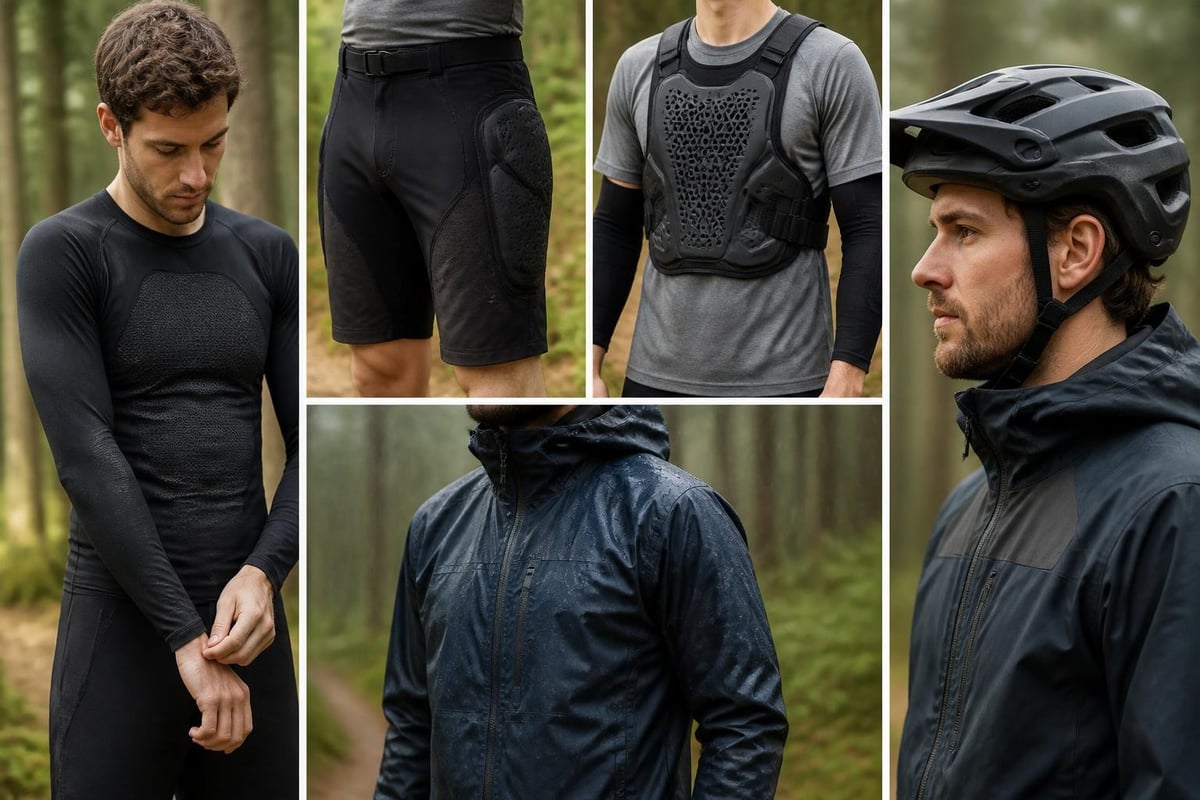
Shorts designed for enduro or downhill riding often feature built-in hip padding or accommodation for separate impact shorts worn underneath. Jersey sizing may need adjustment if you regularly wear upper body protection. Some riders size up in outer layers to ensure comfortable fit over protective equipment while maintaining proper proportions in base layers.
Material Technology and Performance Fabrics
Modern mountain bike apparel leverages advanced textile engineering to deliver performance impossible with traditional materials. Understanding these technologies helps you evaluate product claims and select gear that meets your specific needs.
Moisture Management Systems
Effective moisture management involves more than simple wicking. Premium fabrics employ zone construction, placing different knit structures where they provide maximum benefit. High-sweat areas feature open-mesh or channeled textures that accelerate evaporation. Less critical zones use tighter knits for durability or wind resistance.
Hydrophobic treatments on synthetic fibers prevent water absorption, allowing fabrics to dry rapidly after washing or wet rides. Some manufacturers apply these treatments to individual fibers before fabric construction, creating more durable moisture management than surface applications alone.
Capillary action draws moisture from skin to fabric surface through fiber structure and fabric architecture. The best mountain bike apparel combines hydrophobic fibers with hydrophilic surface treatments that spread moisture for faster evaporation while preventing the clammy feeling of saturated fabric against skin.
Durability Engineering
Trail riding subjects mountain bike apparel to abrasion, snags, and punctures that would quickly destroy standard athletic wear. Manufacturers employ several strategies to enhance longevity:
- Ripstop weaves that contain tears and prevent expansion
- Reinforced panels in high-wear zones using heavier-weight fabrics
- Abrasion-resistant yarns like nylon or polyamide blends
- Strategic seam placement away from areas prone to stress
- Bartack reinforcement at stress points and pocket edges
When evaluating custom cycling apparel manufacturers, examine how they balance durability with breathability and flexibility. Premium construction techniques maintain performance characteristics even in reinforced zones, rather than simply adding heavy fabric that compromises comfort.
Specialized Mountain Bike Apparel Categories
Beyond core jerseys and shorts, several specialized categories address specific riding conditions or styles.
All-Mountain and Enduro Gear
All-mountain riding demands versatile mountain bike apparel that handles both climbing efficiency and descending protection. These pieces typically feature:
- Strategic padding at hips, elbows, and shoulders
- Ventilation systems that work across varying intensities
- Secure storage for tools, nutrition, and essentials
- Reinforced construction in crash-prone areas
Enduro-specific designs emphasize descending performance while maintaining adequate ventilation for liaison climbs. Longer inseams, additional coverage, and integrated protection distinguish these from cross-country focused designs.
Cold Weather Mountain Bike Apparel
Winter riding requires specialized approaches to insulation and weather protection. Successful cold-weather systems layer effectively while managing the substantial heat generated during climbing efforts.
Technical winter jackets balance insulation with breathability through strategic placement of different materials. Frontal panels emphasize wind blocking and thermal retention, while back panels prioritize moisture transport and temperature regulation. Sleeve construction often incorporates stretch panels that maintain insulation without restricting movement.
Lower body options include thermal tights, insulated shorts, and weather-resistant pants. Many riders combine thermal bib tights with waterproof overshorts for maximum versatility. This approach allows temperature regulation by removing the outer layer while maintaining core insulation and chamois comfort.
Extremity protection becomes critical in cold conditions. Gloves must balance insulation with tactile feedback for brake and shift control. Waterproof designs suit wet conditions, while windproof softshells work well in dry cold. Many riders maintain several weights to match conditions and intensity levels.
Accessories That Complete Your Kit
Supporting items enhance the function and comfort of your primary mountain bike apparel.
Socks and Footwear Integration
Technical cycling socks contribute more to comfort than many riders realize. Proper height prevents debris entry while cushioning protects against shoe pressure points. Moisture management in socks prevents blisters during long rides, while compression zones support arch and ankle structure.
Sock height preferences vary by discipline and personal taste. Cross-country riders often prefer low-cut designs that minimize weight and maximize ventilation. Trail and enduro riders typically choose mid-height options that provide debris protection and stay securely positioned. Some riders extend to knee-length designs during cold weather for additional thermal coverage.
Arm and Leg Warmers
Removable warmers offer temperature regulation without requiring complete clothing changes. Quality arm warmers stay positioned through silicone grippers and stretch fabrics that move with you. This modularity proves particularly valuable during rides that begin in cool morning temperatures but warm considerably as the day progresses.
Leg warmers serve similar functions for lower body temperature control. Paired with shorts, they provide versatility across changing conditions while maintaining access to short pockets and ventilation adjustment through easy removal.
Custom Mountain Bike Apparel Considerations
Teams, clubs, and organized riding groups increasingly invest in custom mountain bike apparel that builds identity while delivering performance. Quality custom gear requires manufacturing expertise that balances aesthetic customization with technical function.
At CCN Sport, we specialize in creating custom cycling apparel that meets the demanding requirements of mountain biking. Our sublimation process ensures graphics remain vibrant and durable through countless wash cycles and trail encounters, while our construction techniques prioritize the durability and flexibility mountain bikers demand.
Design and Performance Integration
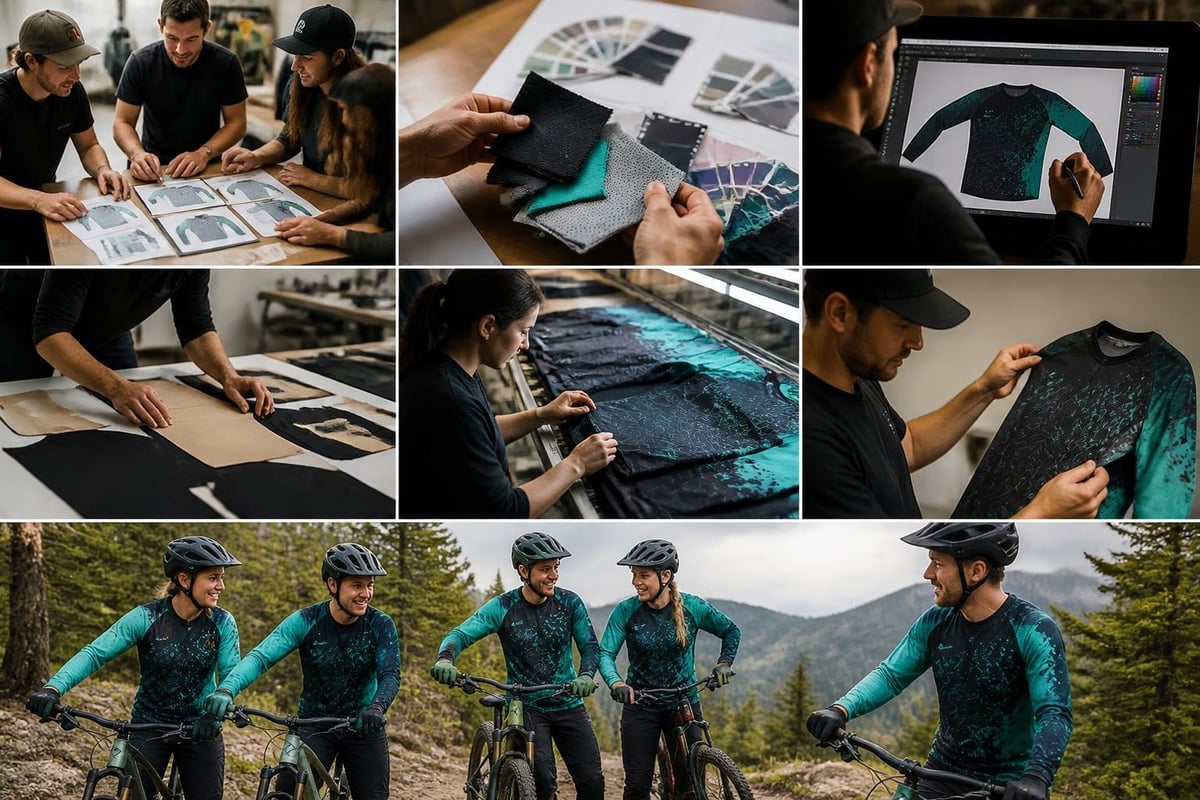
Successful custom mountain bike apparel requires more than applying logos to generic templates. Pattern engineering, fabric selection, and construction methods must align with how the garments perform during actual riding. Experienced manufacturers understand how design elements impact function, ensuring custom graphics don't compromise ventilation, stretch, or durability.
Color selection influences both aesthetics and practical performance. Lighter colors reflect heat during summer riding, while darker tones hide trail stains more effectively. High-visibility elements enhance safety during low-light conditions without overwhelming the overall design. Strategic placement of contrasting elements can accentuate fit and create visual interest without busy patterns that date quickly.
Custom options extend beyond simple color and logo placement. Teams can specify pocket configurations, zipper styles, fabric weights, and construction details that match their specific riding style and conditions. This level of customization separates true custom mountain bike apparel from decorated stock designs.
Fit and Sizing Strategies
Proper fit dramatically impacts both comfort and performance in mountain bike apparel. Unlike road cycling's aero-focused fits, mountain bike clothing prioritizes freedom of movement while still avoiding excess fabric that could snag on components or vegetation.
Body Type and Fit Preferences
Mountain bike apparel typically runs slightly looser than road gear, but significant variation exists across brands and styles. Some manufacturers offer multiple fit options within the same product line-race fits for competitive riders who prioritize performance, and relaxed cuts for recreational riders emphasizing comfort.
Women's-specific mountain bike apparel accounts for anatomical differences in torso length, shoulder width, and hip-to-waist ratios. Quality manufacturers develop dedicated patterns rather than simply scaling down men's designs. Features like women's jerseys with appropriate sleeve lengths and torso proportions enhance both comfort and function.
Sizing Across Layers
Effective layering requires coordinated sizing across your mountain bike apparel system. Base layers should fit snugly without constriction. Mid layers add slightly more room while maintaining contact for moisture transfer. Outer shells need adequate space to accommodate underlayers without excess bulk.
When building a layered system, consider trying combinations together rather than evaluating pieces in isolation. A jersey that fits perfectly on its own might feel restrictive over a winter base layer. Jackets should allow full arm extension and shoulder rotation while wearing all intended underlayers.
Care and Maintenance Practices
Extending the life of mountain bike apparel requires proper maintenance between rides. Technical fabrics and specialized constructions demand more thoughtful care than throwing everything in with regular laundry.
Washing and Stain Treatment
Post-ride cleaning begins with removing heavy mud and debris before it dries and embeds in fabric. A quick rinse with cool water immediately after riding prevents staining and makes subsequent washing more effective. Avoid hot water, which can set stains and degrade elastic fibers over time.
Turn garments inside out before washing to protect exterior surfaces and graphics. Use technical sport detergents formulated for synthetic fabrics rather than standard laundry soap, which can leave residues that impede moisture management. Skip fabric softeners entirely-they coat fibers and destroy wicking performance.
Air drying preserves elastic and prevents heat damage to technical fabrics. If using a dryer, select low heat settings and remove garments while slightly damp to prevent overdrying that can brittlize synthetic fibers. Never iron mountain bike apparel or expose it to high heat, which can melt synthetic materials or damage waterproof coatings.
Storage and Organization
Proper storage between seasons protects your investment in quality mountain bike apparel. Clean all pieces thoroughly before storage to prevent stains from setting during months of inactivity. Store in cool, dry locations away from direct sunlight, which can fade colors and degrade fabrics.
Avoid compressed storage for extended periods. Stuffing jackets or insulated pieces into tight spaces can compromise loft and damage waterproof membranes. Hanging or loosely folded storage in breathable garment bags preserves shape and performance characteristics.
Selecting Mountain Bike Apparel for Your Riding Style
Different disciplines within mountain biking emphasize different apparel characteristics. Aligning your gear choices with your primary riding style optimizes both performance and value.
Cross-Country Focus
Cross-country riders prioritize lightweight, efficient mountain bike apparel that doesn't hinder climbing performance. Form-fitting designs reduce drag and eliminate excess fabric that adds weight without function. Ventilation takes precedence over protection, with minimal padding and maximum breathability.
XC-specific gear often incorporates features borrowed from road cycling-longer zippers for ventilation control, rear pockets for nutrition access, and streamlined fits. However, durability requirements still exceed pure road gear due to occasional technical sections and higher likelihood of trail-side contact.
Trail and All-Mountain Balance
Trail riding demands versatile mountain bike apparel that handles varied terrain and intensities. These pieces balance climbing efficiency with descending protection, offering moderate padding, practical storage, and adaptability across conditions.
Mid-length shorts, three-quarter sleeve jerseys, and convertible jackets exemplify trail-oriented design philosophy. These items perform adequately across wide-ranging demands rather than excelling in specific scenarios. For riders who enjoy diverse terrain and riding styles, trail-focused gear provides the most versatile foundation.
Gravity-Oriented Protection
Downhill and bike park riding emphasizes protection and durability over weight savings or maximum breathability. Heavier fabrics, integrated armor, and full coverage designs accept additional bulk in exchange for crash protection and longevity under demanding use.
Gravity riders often adopt mountain bike apparel influenced by motocross-reinforced knees, padded hips, and high-coverage designs that protect during inevitable falls. Ventilation remains important but takes secondary priority to impact protection and abrasion resistance.
Sustainability and Ethical Considerations
Growing awareness of environmental and social impacts influences mountain bike apparel choices for many riders. Understanding manufacturing processes and material sourcing helps align purchases with personal values.
Industry-wide research from organizations like the Outdoor Industry Association tracks sustainability initiatives and progress toward reducing environmental footprints. Many manufacturers now disclose material origins, production processes, and labor conditions throughout their supply chains.
Recycled polyester, organic cotton, and responsibly sourced merino wool represent common sustainable material choices. However, true sustainability encompasses entire product lifecycles-durability that prevents premature replacement often outweighs marginal differences in raw material sourcing.
Ethical manufacturing considers worker conditions, fair wages, and safe facilities. Brands that invest in transparent supply chains and third-party auditing demonstrate commitment beyond marketing claims. When evaluating custom apparel manufacturers, inquire about their labor practices and facility standards alongside product specifications.
Future Trends in Mountain Bike Apparel
Innovation continues advancing mountain bike apparel performance, comfort, and sustainability. Understanding emerging trends helps inform purchasing decisions and anticipate future developments.
Material Science Advances
Next-generation fabrics increasingly combine multiple performance characteristics once thought mutually exclusive. New fiber technologies deliver simultaneously improved moisture management, durability, and stretch. Some manufacturers explore bio-based synthetics that maintain technical performance while reducing petroleum dependency.
Graphene-enhanced fabrics promise improved thermal regulation through better heat distribution. Phase-change materials actively absorb or release heat as body temperature fluctuates. While these technologies currently command premium prices, broader adoption will likely make them increasingly accessible.
Smart Textile Integration
Conductive fibers woven into mountain bike apparel could enable integrated sensors monitoring heart rate, core temperature, and muscle activation. This data integration may help riders optimize training intensity and recovery. However, practical challenges around power sources, durability, and washing compatibility still limit widespread adoption.
More immediately practical are reflective and visibility-enhancing technologies that improve safety during low-light riding without compromising aesthetics or adding bulk. Advanced retroreflective materials activate under headlight illumination while remaining subtle in daylight conditions.
Selecting the right mountain bike apparel transforms your riding experience through enhanced comfort, protection, and performance across all conditions. By understanding how different materials, constructions, and designs serve specific needs, you can build a versatile kit that keeps you comfortable whether tackling technical descents, grinding up sustained climbs, or exploring new trails. At CCN Sport, we combine over 20 years of sublimation expertise with advanced manufacturing capabilities to create custom mountain bike apparel that meets the demanding standards of serious riders. From precise pattern engineering to vibrant, durable graphics, our team brings your vision to life with the quality and performance you demand on the trail.

Share:
The Future of Team Ordering Platforms for Cycling
MTB Clothing Mens: The Complete 2026 Gear Guide