


Cycling apparel has evolved dramatically over the past decade, and mens cycling t shirts now occupy a unique space between traditional jerseys and casual athletic wear. These versatile garments combine technical performance features with everyday wearability, making them essential for recreational riders, commuters, and cyclists who value comfort without sacrificing functionality. Whether you're tackling your morning commute, heading out for a weekend ride, or simply want cycling-inspired style off the bike, understanding what makes a quality cycling t-shirt can transform your riding experience.
The Technical Evolution of Cycling T-Shirts
Modern mens cycling t shirts represent a significant departure from the basic cotton tees riders once wore. Today's designs incorporate advanced fabric technologies originally developed for professional racing jerseys, adapted for a more relaxed fit and broader application.
The shift began around 2018 when manufacturers recognized a growing segment of cyclists who wanted performance features without the tight, aerodynamic cut of traditional racing gear. This market insight led to garments that prioritize moisture management, temperature regulation, and durability while maintaining a casual aesthetic that works both on and off the bike.
Fabric Technology and Construction
The foundation of any quality cycling t-shirt lies in its fabric composition. Most high-performance options utilize polyester blends, often incorporating recycled materials that align with sustainability initiatives in textile manufacturing. These synthetic fibers excel at wicking moisture away from skin, a critical feature during intense rides or warm weather cycling.
Key fabric technologies include:
- Moisture-wicking polyester blends (typically 85-100% polyester)
- Merino wool combinations for natural odor resistance
- Recycled polyester options for environmental responsibility
- Quick-dry treatments that reduce drying time by 40-60%
- Anti-microbial finishes to prevent bacterial growth
The construction method matters just as much as the fabric itself. Sublimation printing has become the gold standard for mens cycling t shirts because it bonds designs directly into the fabric rather than applying them on top. This process creates graphics that won't crack, peel, or fade even after hundreds of wash cycles.
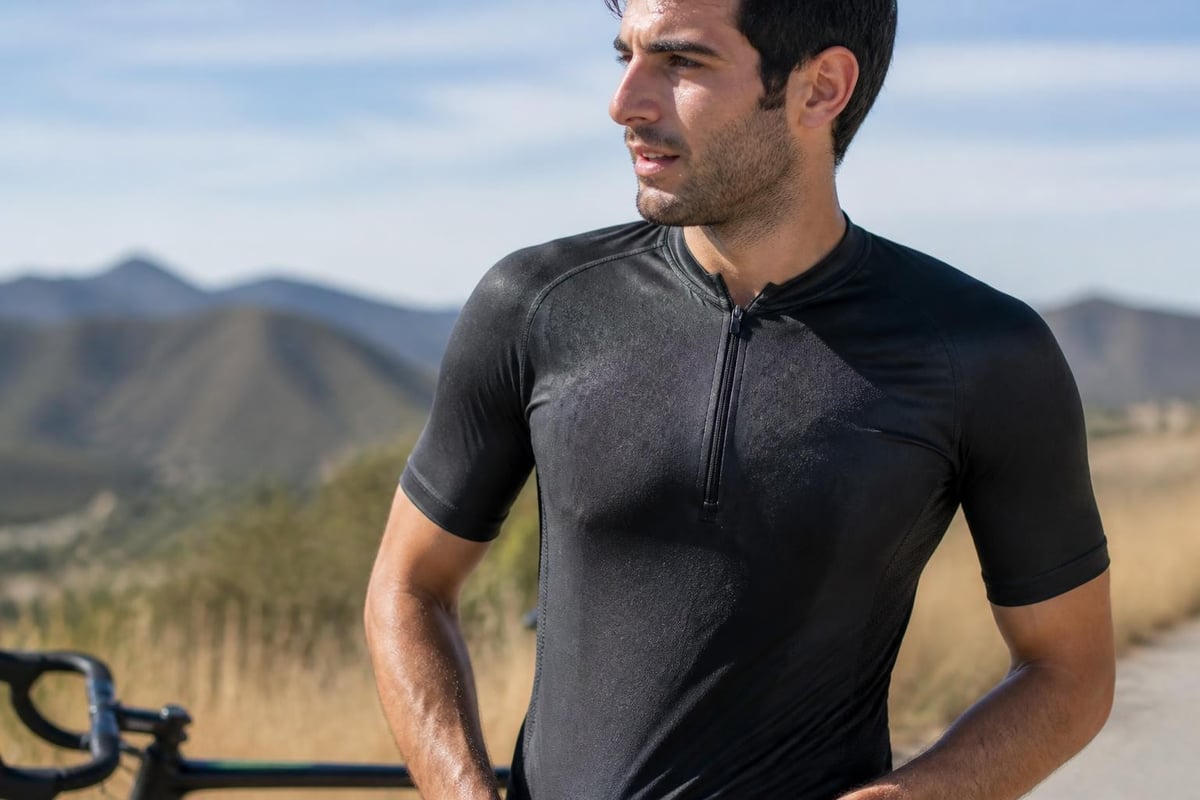
Fit Profiles and Body Mapping
Unlike traditional cycling jerseys with their race-oriented cuts, mens cycling t shirts typically offer three distinct fit categories: athletic, relaxed, and performance-casual. Each serves different riding styles and personal preferences.
Athletic Fit
Athletic fit cycling t-shirts follow body contours without excessive tightness. They eliminate the billowing fabric that creates wind resistance while maintaining enough room for comfortable movement. This category works well for riders who want efficiency without looking like they're preparing for the Tour de France.
The cut typically features:
- Slightly tapered waist to reduce flapping
- Shaped sleeves that follow arm lines
- Extended back hem for coverage while leaning forward
- Raglan or set-in sleeves for shoulder mobility
Relaxed and Performance-Casual Options
Relaxed fits prioritize comfort and versatility, making them ideal for bike commuters and casual weekend riders. These shirts look appropriate in coffee shops, offices, and social settings while still delivering technical performance on the bike.
| Fit Type | Best For | Key Features | Typical Length |
|---|---|---|---|
| Athletic | Road cycling, fitness rides | Contoured, minimal excess fabric | 28-30 inches |
| Relaxed | Commuting, casual riding | Straight cut, roomy shoulders | 29-31 inches |
| Performance-Casual | Mixed use, gravel riding | Slight taper, extended back | 28.5-30.5 inches |
Sun Protection and UV Defense
One often-overlooked advantage of quality mens cycling t shirts is their sun protection capability. Cyclists face significant UV exposure during long rides, and clothing provides one of the most effective barriers against harmful radiation.
Understanding UPF Ratings
UPF (Ultraviolet Protection Factor) measures how much UV radiation penetrates fabric. A UPF 50 rating blocks approximately 98% of UV rays, offering substantial protection during extended outdoor activity. Many modern cycling t-shirts incorporate UPF ratings between 30 and 50, though not all manufacturers advertise this feature.
Research shows that athletes face elevated skin cancer risk due to prolonged sun exposure, making UPF-rated apparel particularly valuable for regular cyclists. The fabric density, weave structure, and color all influence UV protection, with darker colors and tighter weaves generally offering better defense.
When evaluating sun-protective cycling shirts, expert testing reveals that fabric construction matters more than marketing claims. Look for specifications that detail actual UPF testing results rather than vague "sun protection" promises.
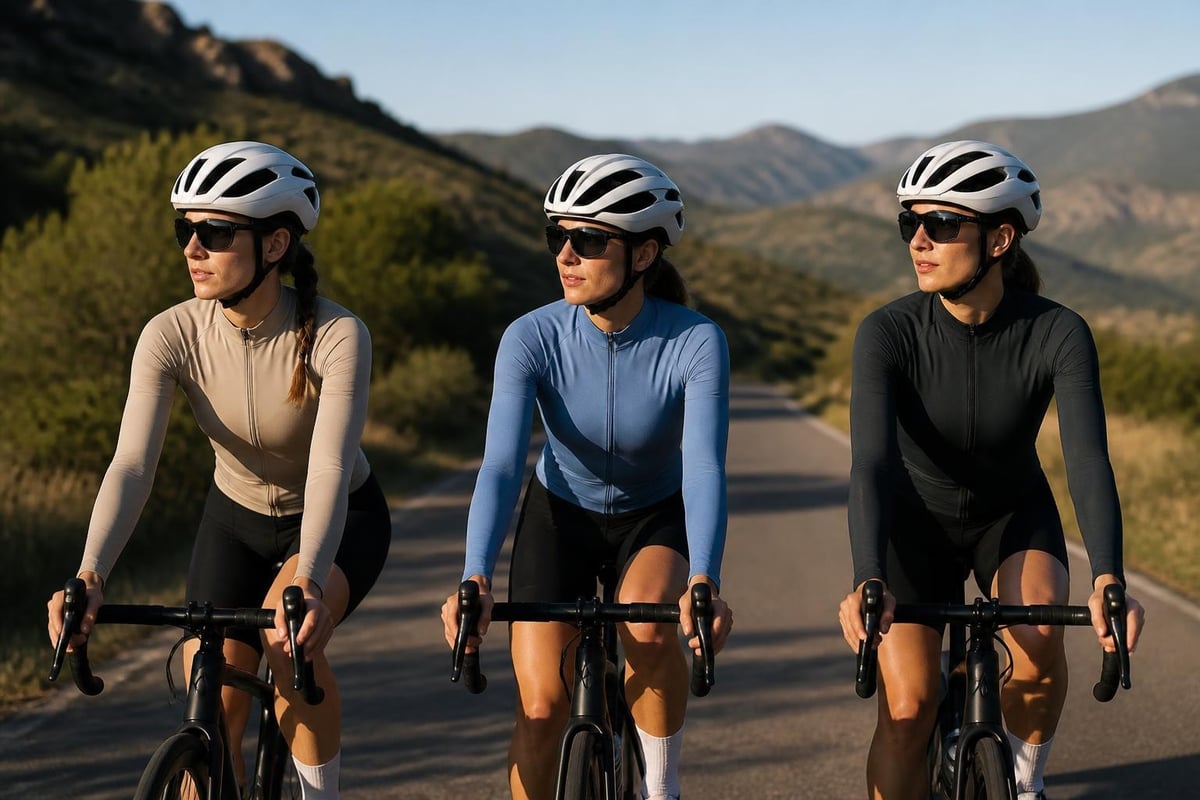
Design Elements That Enhance Function
The details distinguish exceptional mens cycling t shirts from basic athletic tees. Strategic design elements address real-world cycling challenges while maintaining aesthetic appeal.
Practical features to consider:
- Extended rear hem - Provides coverage when leaning forward on the bike
- Reflective elements - Enhances visibility during dawn, dusk, or night riding
- Rear pockets - Borrowed from jersey design, useful for keys, phone, or snacks
- Seamless construction zones - Reduces chafing on shoulders and sides
- Ventilation panels - Mesh inserts under arms or on back improve airflow
Collar design also impacts comfort and performance. While traditional cycling jerseys feature full zippers, cycling t-shirts typically use crew necks, V-necks, or short quarter-zips. Each style affects temperature regulation and ventilation differently, with quarter-zips offering the most adjustability during variable-intensity rides.
For those seeking cycling apparel that combines technical performance with custom design, CCN Sport specializes in creating personalized mens cycling t shirts using advanced sublimation techniques. Their manufacturing process ensures vibrant, long-lasting graphics integrated directly into the fabric structure.
Seasonal Considerations and Layering
Mens cycling t shirts function year-round when selected and layered appropriately. Understanding how to adapt these garments for different seasons maximizes their value and extends riding comfort across temperature ranges.
Warm Weather Performance
During summer months, lightweight cycling t-shirts with maximum breathability become essential. Look for options with:
- Fabric weights between 120-150 GSM (grams per square meter)
- Light colors that reflect rather than absorb heat
- Laser-cut ventilation holes or mesh panels
- Loose weaves that promote airflow
Consumer guides about UPF clothing performance emphasize that lighter-weight fabrics can still offer excellent sun protection when properly constructed, making them ideal for hot-weather cycling.
Cool Weather Adaptation
As temperatures drop, heavier cycling t-shirts serve as excellent base or mid-layers. Fall and spring riding often benefits from 180-220 GSM fabrics that provide warmth without bulk. These can be layered under wind shells or light jackets for versatile temperature management.
Effective layering combinations:
- Base layer: Merino wool or synthetic thermal
- Mid layer: Cycling t-shirt (180-200 GSM)
- Outer layer: Wind vest or light jacket
- Temperature range: 45-60°F
Color, Graphics, and Personal Expression
While performance features drive function, aesthetics influence purchasing decisions for mens cycling t shirts significantly. The cycling community has embraced bold graphics, team-inspired designs, and minimalist approaches equally.
Sublimation printing technology enables virtually unlimited design possibilities. Unlike screen printing, which applies ink layers on top of fabric, sublimation bonds designs into the material at a molecular level. This creates graphics that remain vibrant through hundreds of wash cycles and won't crack or peel over time.
Custom Team and Club Designs
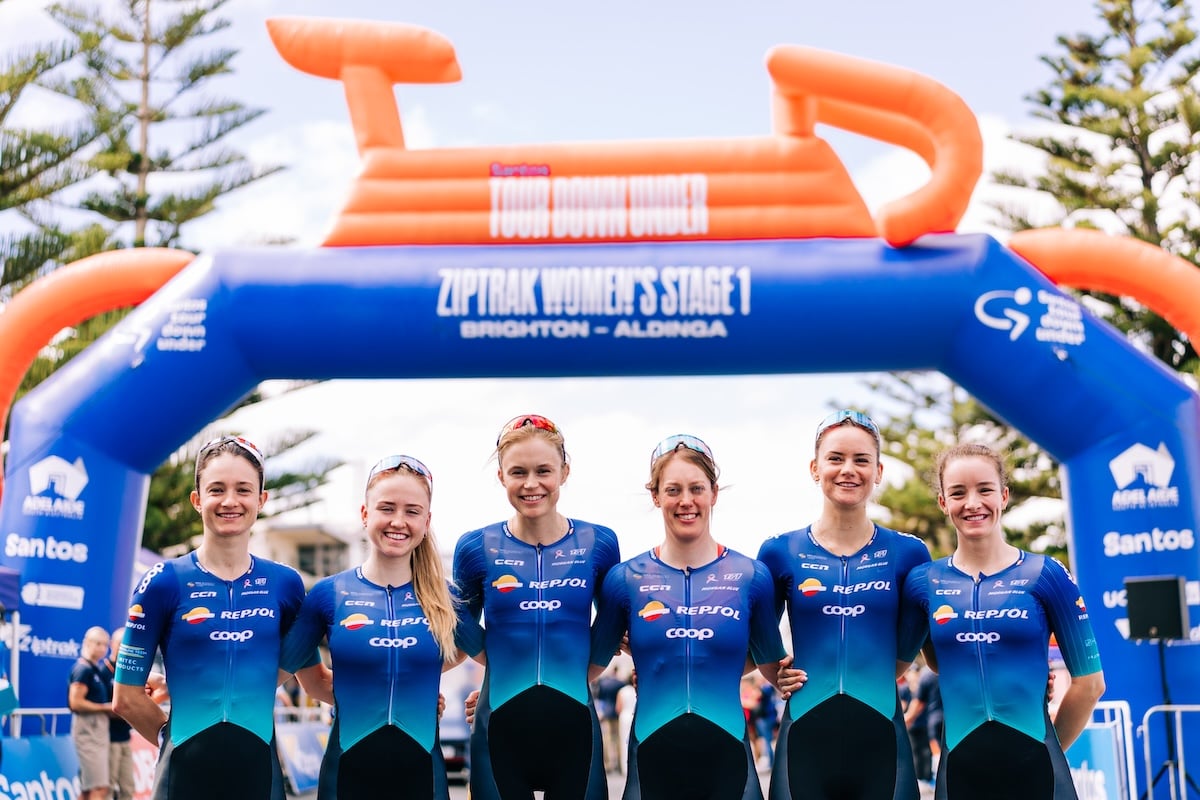
Cycling clubs and teams increasingly choose custom t-shirts for group identity and casual team wear. This trend has grown substantially since 2024, with more groups ordering matching designs for social rides, events, and off-bike activities.
The customization process typically involves:
- Design consultation and concept development
- Digital mockups with color matching
- Sample production (optional)
- Bulk manufacturing with quality control
- Final inspection and delivery
Manufacturers like CCN Sport with low minimum order quantities have made custom cycling apparel accessible to smaller clubs and teams, democratizing access to professional-quality customized gear.
Care and Maintenance for Longevity
Proper care significantly extends the lifespan of mens cycling t shirts. Technical fabrics require different treatment than cotton garments, and following best practices preserves both performance features and appearance.
Washing Guidelines
| Do | Don't |
|---|---|
| Wash in cold water (30°C or less) | Use hot water or bleach |
| Turn inside-out before washing | Wash with rough fabrics (denim, velcro) |
| Use sport-specific or mild detergent | Use fabric softener (clogs fibers) |
| Air dry or tumble low heat | Use high heat drying |
| Wash after every 1-2 rides | Leave wet in bag (promotes odor) |
Technical fabrics maintain their moisture-wicking properties best when washed regularly but gently. Sport-specific detergents are formulated to remove oils and odors without damaging synthetic fibers or coating treatments.
Value Assessment and Investment
Mens cycling t shirts span a wide price range, from budget options under $25 to premium designs exceeding $80. Understanding what drives these price differences helps riders make informed decisions aligned with their needs and budgets.
Price-influencing factors:
- Fabric quality and weight (premium materials cost more)
- Manufacturing location and labor standards
- Design complexity and customization level
- Brand positioning and marketing
- UPF rating and technical treatments
- Flatlock seaming vs. standard construction
For regular riders logging 50+ miles weekly, investing in higher-quality options typically delivers better long-term value. Premium shirts maintain their shape, performance, and appearance significantly longer than budget alternatives, often lasting 3-5 years with proper care versus 1-2 years for basic options.
Integration with Complete Cycling Wardrobes
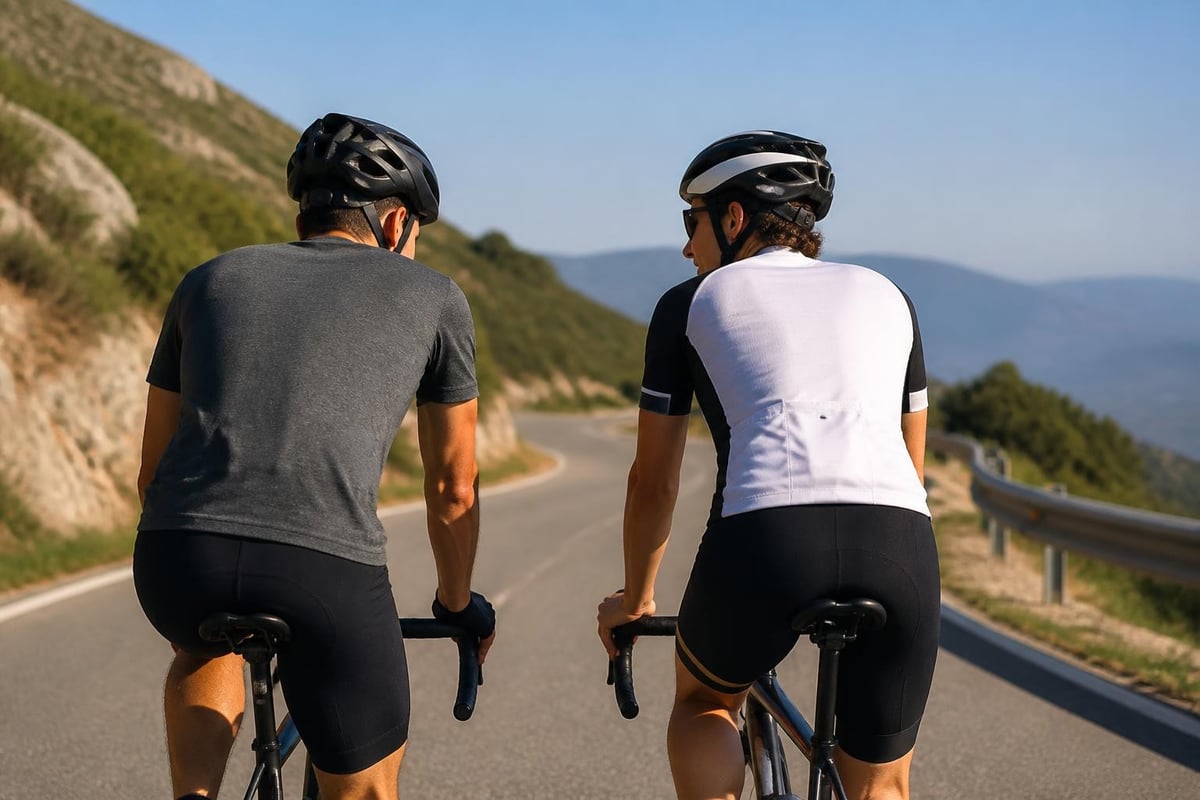
Mens cycling t shirts complement rather than replace traditional cycling jerseys. Understanding when to choose each garment type optimizes comfort and performance across different riding scenarios.
Cycling t-shirts excel for:
- Commuting and urban cycling
- Casual weekend rides under 30 miles
- Gravel and adventure riding
- Post-ride activities and socializing
- Training rides in mild weather
- Mountain biking on non-technical trails
Traditional jerseys remain superior for:
- Long-distance road cycling (50+ miles)
- Competitive events and racing
- Rides requiring significant cargo capacity
- Maximum aerodynamic efficiency
- Organized group rides with dress expectations
Many cyclists maintain both options in their wardrobes, selecting based on ride type, duration, and social context. This flexibility allows appropriate dress for any cycling situation while maximizing the utility of each garment type.
Emerging Trends and Future Directions
The mens cycling t shirt category continues evolving, with several trends shaping 2026 offerings. Manufacturers respond to changing consumer priorities around sustainability, performance, and versatility.
Sustainability and Circular Design
Environmental concerns increasingly influence purchasing decisions. European textile regulations push manufacturers toward more sustainable practices, and cycling apparel brands are responding with recycled materials, improved durability, and take-back programs.
Current sustainability initiatives include:
- Recycled polyester from plastic bottles (reduces virgin material use by 50-75%)
- Biodegradable synthetic fibers in development
- Modular repair programs for extending garment life
- Transparent supply chain documentation
- Carbon-neutral shipping options
Technical Integration
Smart textile integration remains experimental but shows promise. Some 2026 prototypes incorporate conductive fibers for heart-rate monitoring, though mainstream adoption remains years away. More immediately practical are fabrics with enhanced thermoregulation that adapt to body temperature changes.
Regional Preferences and Market Variations
Cycling culture varies globally, influencing mens cycling t shirt design preferences across markets. European riders often favor more technical, fitted options, while North American markets show stronger demand for relaxed-fit, versatile designs.
Climate also drives regional differences. Mediterranean and Sun Belt markets prioritize lightweight, high-UPF options, while northern regions focus on versatile pieces suitable for layering. Understanding these preferences helps manufacturers and retailers optimize inventory for their specific markets.
Selecting the right mens cycling t shirts involves balancing technical performance, fit preferences, and intended use cases to create a versatile cycling wardrobe. From moisture-wicking fabrics and UPF protection to custom designs and sustainable materials, modern cycling t-shirts deliver professional-grade features in accessible, everyday formats. Whether you're building team kits, upgrading personal gear, or exploring custom designs, CCN Sport brings over 20 years of sublimation expertise to create cycling apparel that performs as well as it looks, turning your vision into reality with precision manufacturing and innovative design capabilities.

Share:
Sale Cycling: Maximize Apparel Profits with Smarter Markdowns