

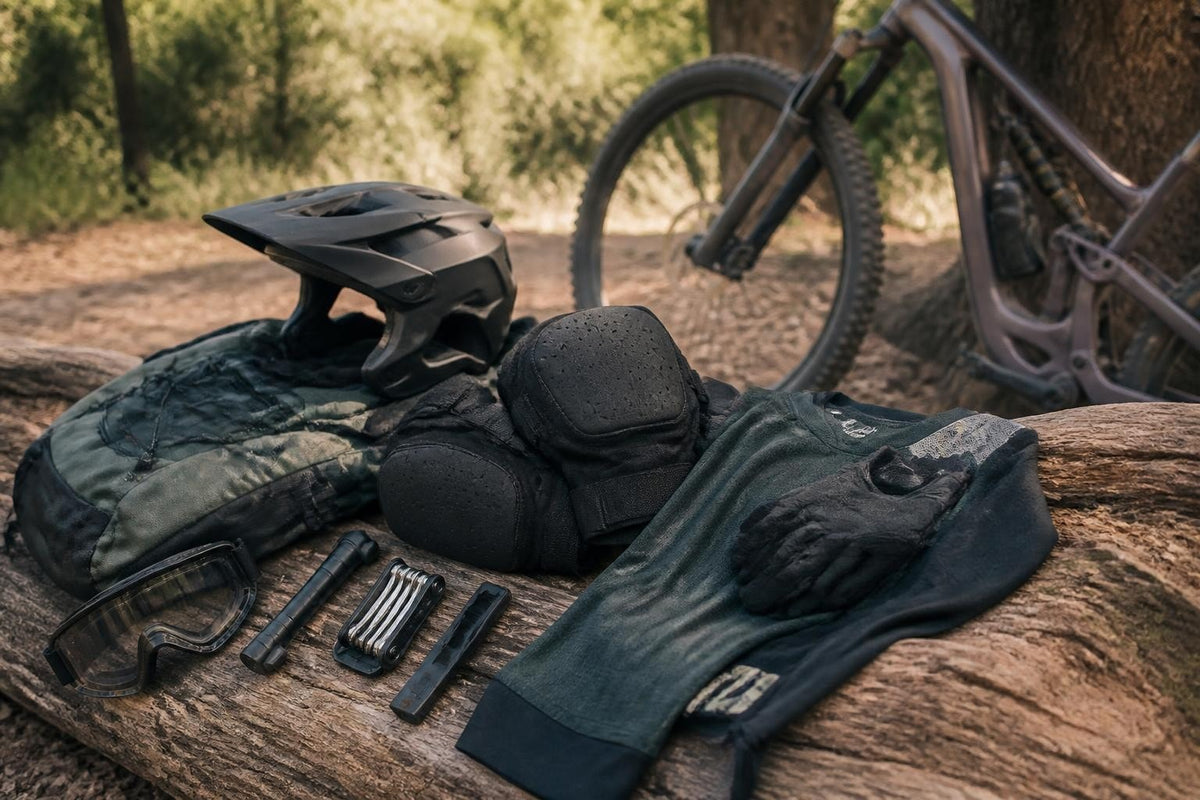
Mountain biking demands specialized equipment that balances protection, performance, and durability. Whether you're navigating technical singletrack or grinding up steep climbs, the right mountain bike gear makes the difference between a challenging adventure and a dangerous outing. This comprehensive guide explores the essential equipment every mountain biker needs, from protective basics to performance-enhancing upgrades that help you ride faster, safer, and more comfortably on any terrain.
Protective Equipment Fundamentals
Safety should never be negotiable when you're riding trails. Mountain bike gear starts with a properly fitted helmet that meets current safety standards. The Bicycle Helmet Safety Institute provides detailed guidance on helmet standards, testing protocols, and proper fit techniques that can significantly reduce injury risk.
Helmet Selection and Standards
Modern mountain bike helmets incorporate MIPS (Multi-directional Impact Protection System) technology, which reduces rotational forces during impacts. Look for certifications from CPSC, ASTM, or EN standards depending on your riding discipline.
Key helmet features include:
- Adequate ventilation for climbing efforts
- Adjustable retention systems for secure fit
- Extended rear coverage for trail protection
- Removable visors for sun and branch deflection
Recent research published in the Orthopaedic Journal of Sports Medicine highlights injury patterns in mountain biking, underscoring the importance of comprehensive protective gear beyond just helmets.
Body Armor and Pad Systems
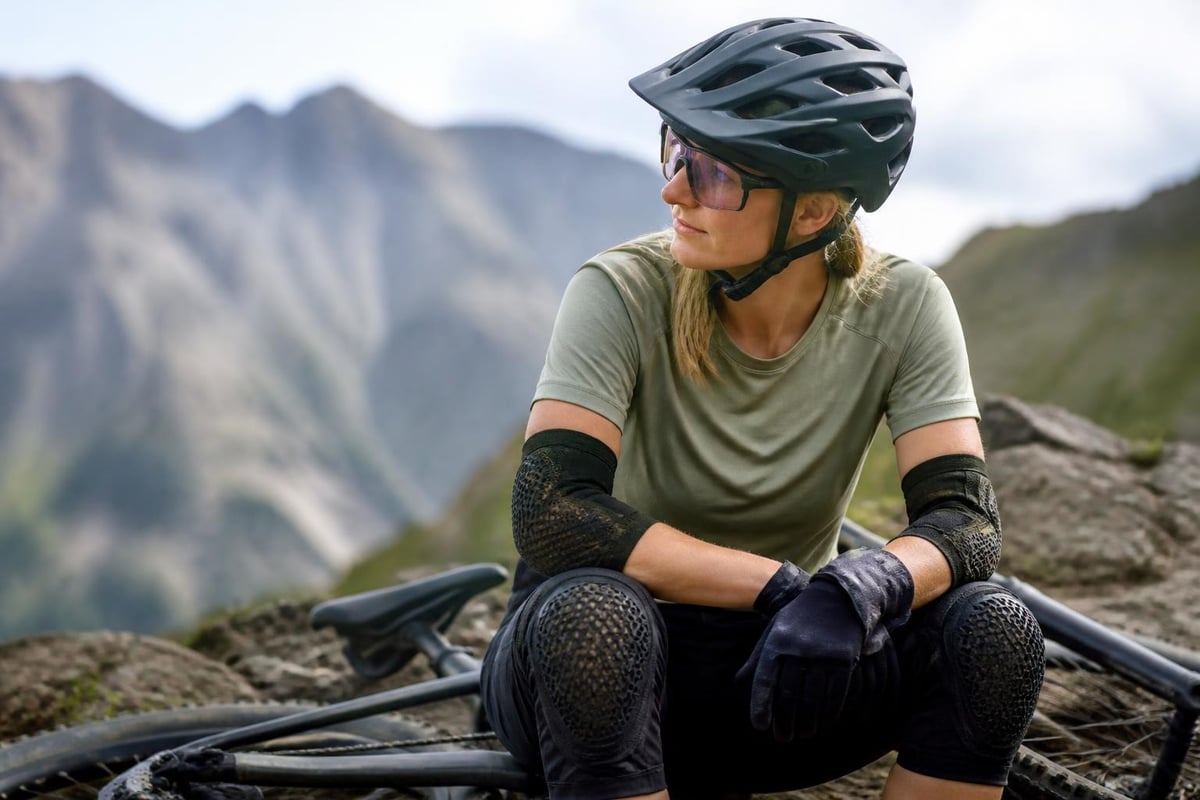
Knee and elbow pads have evolved dramatically in recent years. Modern designs use D3O impact-absorbing materials that remain flexible during riding but harden on impact. Trail riders typically choose lightweight pads with breathable mesh backing, while enduro and downhill riders opt for hard-shell protection.
Protection level considerations:
| Riding Style | Knee Pads | Elbow Pads | Additional Armor |
|---|---|---|---|
| Cross-Country | Optional | Rarely | None |
| Trail | Soft-shell | Optional | None |
| Enduro | Hard-shell | Soft-shell | Chest protector |
| Downhill | Hard-shell | Hard-shell | Full body armor |
Gloves protect your hands from blisters, abrasions, and impact. Full-finger gloves are standard for mountain biking, offering knuckle protection and improved grip in all conditions.
Performance Apparel Essentials
The clothing you wear significantly impacts comfort and performance on the trail. Mountain bike gear extends beyond protective equipment to include specialized apparel designed for the unique demands of off-road cycling.
Jersey and Short Systems
Mountain bike jerseys prioritize durability and functionality over pure aerodynamics. Look for abrasion-resistant fabrics, extended rear pockets for tools and snacks, and looser cuts that accommodate body armor. Many riders appreciate the versatility of jerseys that transition from trail to casual wear.
Shorts or bibs form the foundation of your riding kit. Baggy shorts with built-in liners offer a casual aesthetic with technical performance, while form-fitting bibshorts provide superior comfort for longer rides. The chamois padding should be strategically placed for seated climbing positions rather than road-racing geometry.
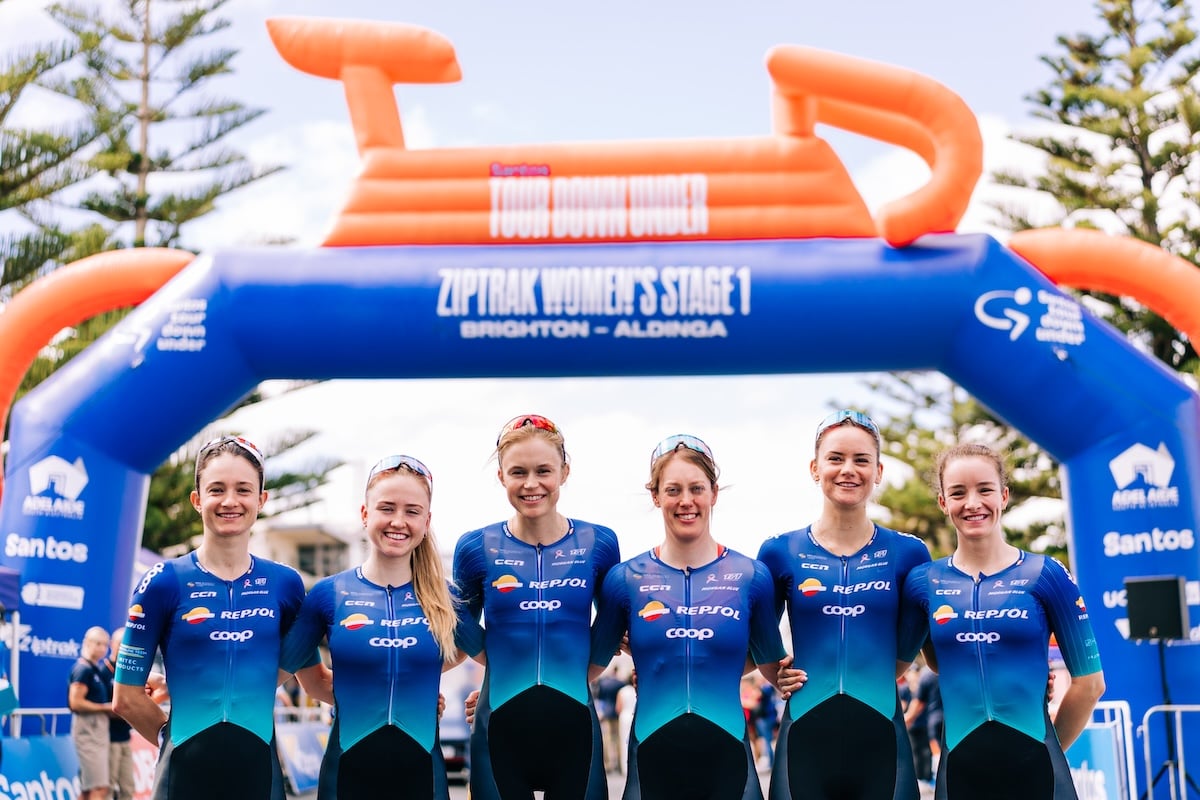
When you're ready to elevate your kit with custom designs that reflect your team or personal style, Custom Cycling Apparel transforms your vision into reality. CCN Sport's advanced sublimation process ensures vibrant, durable designs that withstand the harsh conditions of trail riding, backed by over 20 years of expertise in crafting premium cycling gear.
Layering for Variable Conditions
Mountain biking often involves significant elevation changes and rapidly shifting weather. A proper layering system keeps you comfortable throughout your ride:
- Base layer: Moisture-wicking material that pulls sweat away from skin
- Mid layer: Insulating fleece or light jacket for cold mornings
- Outer shell: Packable windbreaker or rain jacket for protection
- Extremity protection: Arm warmers, leg warmers, and thermal accessories
The men and women cycling kit guide provides detailed recommendations for building a complete wardrobe that handles diverse riding conditions throughout the year.
Footwear and Pedal Interface
Your connection to the bike starts with proper footwear matched to your pedal system. Mountain bike gear choices here significantly affect power transfer, control, and walkability.
Clipless Versus Flat Pedals
Clipless pedals (which actually clip in, despite the confusing name) offer superior power transfer and bike control. They require compatible shoes with recessed cleats that allow for hiking when necessary. SPD (Shimano Pedaling Dynamics) remains the most popular two-bolt standard for mountain biking.
Flat pedals provide instant foot release and are preferred by many riders learning technical skills or riding extremely challenging terrain. Proper flat-pedal shoes feature sticky rubber compounds and reinforced toe boxes.
Pedal system comparison:
| Feature | Clipless | Flat |
|---|---|---|
| Power Transfer | Excellent | Good |
| Emergency Release | Moderate | Instant |
| Learning Curve | Steep | Minimal |
| Walkability | Good | Excellent |
| Technical Control | Superior | Very Good |
Sock Technology Matters
Often overlooked, quality cycling socks prevent blisters and enhance comfort. Mountain bike-specific socks offer reinforced heel and toe areas, compression support, and moisture management. Understanding the difference between normal socks and sports socks helps riders make informed choices that prevent hot spots during long rides.
Essential Tools and Maintenance Equipment
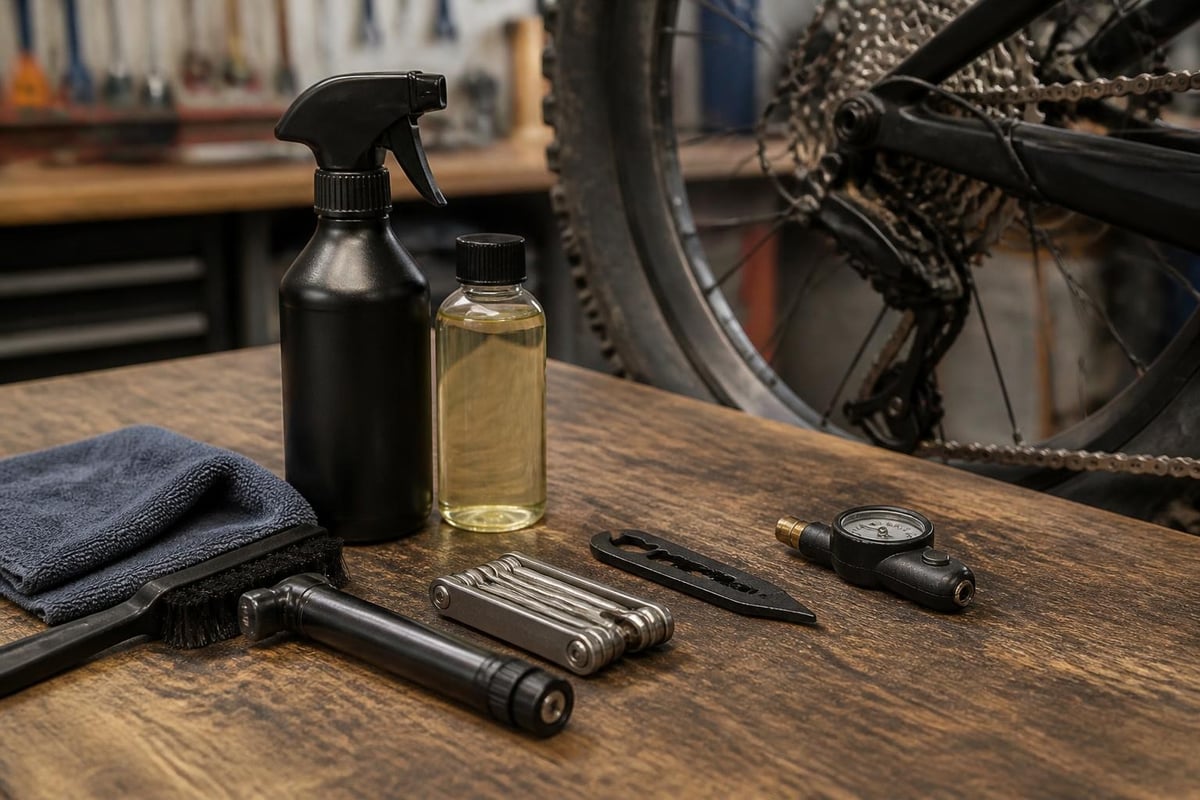
Reliable mountain bike gear includes the tools necessary to keep your bike running smoothly and handle trailside repairs. Park Tool's comprehensive guide outlines the foundation of a proper bike maintenance toolkit.
Trailside Repair Kit
Every mountain biker should carry basic tools on every ride. A minimalist repair kit fits in a saddle bag or jersey pocket:
- Multi-tool with hex keys, Torx bits, and chain breaker
- Spare tube or tubeless repair kit
- Tire levers
- Mini pump or CO2 inflator with cartridges
- Quick link for chain repairs
The Park Tool inspection checklist provides a systematic approach to pre-ride safety checks that prevent mechanical failures on the trail.
Home Workshop Basics
Serious riders invest in a home workshop that enables routine maintenance and minor repairs. Start with these foundational tools:
- Quality floor pump with pressure gauge
- Bike stand for elevated working height
- Chain cleaning and lubrication supplies
- Torque wrench for proper bolt tension
- Shock pump for suspension adjustment
Regular maintenance extends the life of expensive components and ensures optimal performance when you need it most.
Suspension Setup and Tuning
Modern mountain bikes feature sophisticated suspension systems that require proper setup. Understanding suspension basics is crucial mountain bike gear knowledge that dramatically affects ride quality.
Fork and Shock Configuration
BikeRadar's technical guide to suspension systems explains the mechanics of forks, rear shocks, and the various linkage designs that influence bike behavior. Proper setup starts with sag measurement, which determines how much the suspension compresses under rider weight.
Basic suspension settings:
- Sag: 20-30% for forks, 25-35% for rear shocks
- Rebound: Controls how quickly suspension returns after compression
- Compression: Adjusts resistance to suspension movement
- Air pressure: Primary adjustment for sag and overall firmness
A quality shock pump is essential mountain bike gear for maintaining proper suspension performance. Pressures often need adjustment for different riding styles, trail conditions, and rider weight changes.
Tire Selection and Pressure
Tires represent one of the most important performance variables in mountain bike gear. Width, tread pattern, and casing construction all influence traction, rolling resistance, and puncture protection. BikeRadar's coverage of tire systems helps riders understand the tradeoffs between tubed and tubeless setups.
Tubeless systems have become the standard for serious mountain biking, offering lower pressures for improved traction, reduced weight, and better puncture resistance. Proper tubeless setup requires sealant, compatible rims and tires, and occasional maintenance.
Hydration and Nutrition Systems
Staying fueled and hydrated is critical mountain bike gear consideration often overshadowed by more exciting equipment. Proper hydration systems keep you riding longer and performing better.
Hydration Pack Versus Bottle Cages
Hydration packs offer hands-free drinking, storage capacity for tools and layers, and back protection during falls. Modern packs feature:
- Low-profile designs that minimize weight shift
- Magnetic bite valve retention
- Tool organization pockets
- Lightweight frame construction
Traditional bottle cages work well for shorter rides or when minimizing weight. Many trail bikes accommodate two bottles, providing 1.5 liters of capacity without the bulk of a pack.
Electronics and Navigation
Modern mountain bike gear increasingly includes electronic devices that enhance safety, track performance, and guide navigation through unfamiliar terrain.
GPS Computers and Smartphone Mounts
Dedicated GPS cycling computers offer robust construction, long battery life, and cycling-specific features. They track speed, distance, elevation, and can display pre-loaded routes. Smartphone mounts provide similar functionality at lower cost but risk device damage during crashes.
Electronic gear considerations:
- Battery life for all-day epics
- Screen visibility in bright sunlight
- Crash resistance and weatherproofing
- Integration with training platforms
- Emergency location services
Action cameras document rides and help analyze technique. Helmet or chest mounting captures the rider's perspective and provides valuable feedback for skill development.
Eyewear and Vision Protection
Quality eyewear is essential mountain bike gear that protects eyes from debris, UV radiation, and weather while enhancing trail visibility. Modern cycling glasses feature photochromic or interchangeable lenses that adapt to changing light conditions.
Clear or low-light lenses work well for dense forest riding, while darker tints suit exposed alpine trails. Wraparound designs prevent peripheral debris entry, and proper ventilation reduces fogging during climbs.
Bike Components Worth Upgrading
While not strictly rider gear, certain bike components dramatically improve the riding experience and deserve consideration in any mountain bike gear discussion.
Dropper Seatposts
Dropper posts revolutionized mountain biking by allowing on-the-fly saddle height adjustment. Lower your saddle for descents and technical sections, then return it to climbing height with a lever press. This seemingly simple upgrade transforms bike handling and rider confidence.
Brake Systems and Rotors
Reliable braking is non-negotiable for safe mountain biking. Four-piston calipers offer more power than two-piston designs, while larger rotors (180-220mm) provide increased stopping force and heat dissipation. Metallic pads excel in wet conditions, while resin pads run quieter and offer better modulation in dry weather.
Seasonal Mountain Bike Gear Adaptations
Year-round riding requires seasonal mountain bike gear adjustments that address temperature extremes, precipitation, and changing trail conditions.
Winter riding additions:
- Insulated, windproof jackets and pants
- Thermal gloves and toe covers
- Face masks or balaclavas
- Studded tires for ice and snow
- Fenders to manage spray and mud
Summer heat management:
- Lightweight, highly ventilated jerseys
- Moisture-wicking base layers
- Sunscreen and sun-protective clothing
- Increased hydration capacity
- Breathable, light-colored helmets
Understanding how conditions affect gear needs helps you build a versatile collection that handles diverse riding throughout the calendar year.
Building Your Mountain Bike Gear Collection
Smart riders build their equipment collection strategically, prioritizing essentials before adding nice-to-have upgrades. Start with safety equipment and basic maintenance tools, then expand into performance-enhancing apparel and components as budget allows.
Quality mountain bike gear represents an investment in safety, comfort, and riding enjoyment. Choose items that match your riding style, local terrain, and skill level rather than chasing the latest trends or professional-level equipment you may not need yet.
Focus on fit and function over fashion, though there's no reason you can't have both. The best mountain bike gear balances protection, performance, durability, and comfort while reflecting your personal style on the trail.
Selecting the right mountain bike gear transforms your riding experience, keeping you safe, comfortable, and performing at your best on any trail. From protective equipment to performance apparel, proper gear lets you focus on the ride rather than equipment limitations. When you're ready to create custom cycling apparel that matches your vision and performs under demanding trail conditions, CCN Sport delivers premium quality backed by over two decades of expertise in sublimation printing and garment construction.

Share:
Triathlon Teamwear Case Study for Race Day