

Finding high-quality cycling apparel at reduced prices requires strategy, timing, and knowledge of what separates premium performance gear from budget alternatives. Whether you're a competitive racer, dedicated club rider, or weekend enthusiast, understanding how to navigate cycling sale clothing opportunities can significantly expand your wardrobe without compromising on the technical features that matter most. The cycling apparel market follows predictable seasonal patterns, manufacturer clearance cycles, and retail calendar events that savvy riders leverage to build comprehensive kit collections at fraction of retail cost.
Understanding Cycling Apparel Sale Cycles
The cycling industry operates on well-defined seasonal rhythms that directly impact when and how cycling sale clothing appears in the marketplace. Manufacturers typically release new collections in late winter for spring/summer lines and mid-summer for fall/winter ranges, creating natural discount windows as retailers clear previous-season inventory.
Seasonal Discount Patterns
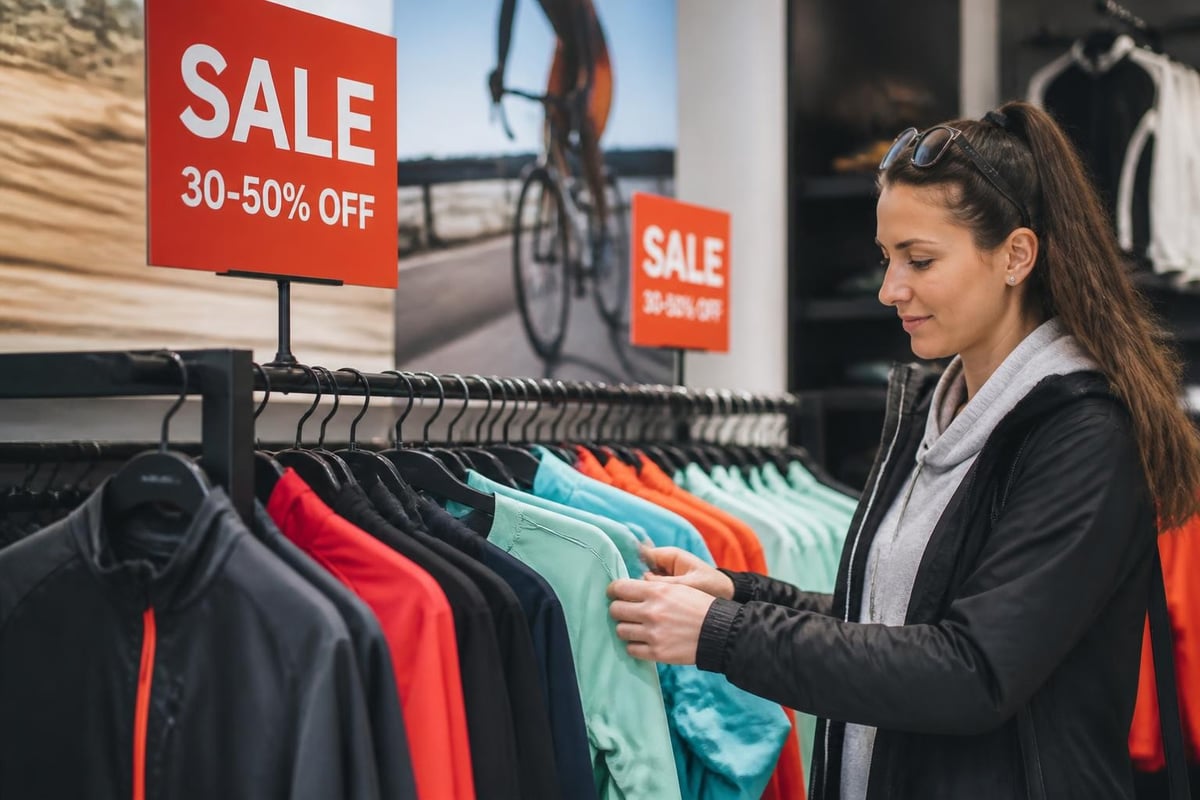
Spring clearances (March through May) focus on remaining winter stock, including thermal jerseys, leg warmers, jackets, and cold-weather accessories. Retailers need shelf space for incoming warm-weather gear, making this an ideal time to stock up on insulated pieces at 30-50% discounts.
Summer sales (July through September) target spring/summer collections as fall inventory arrives. Lightweight jerseys, bib shorts, and warm-weather accessories see significant price reductions during this window.
The cycling calendar also influences discount timing around major events. Post-Tour de France sales often coincide with late summer clearances, while holiday shopping periods in November and December bring multi-category promotions.
| Sale Period | Primary Items | Typical Discount | Best For |
|---|---|---|---|
| March-May | Winter gear, jackets | 30-50% | Cold weather riders |
| July-September | Summer jerseys, bibs | 25-45% | Warm climate cycling |
| November-December | Mixed inventory | 20-40% | Gift purchases, versatile pieces |
| January-February | Previous year stock | 40-60% | Budget-conscious buyers |
Quality Indicators When Shopping Sales
Not all cycling sale clothing represents equal value. Understanding construction quality, fabric technology, and durability markers helps distinguish genuine performance bargains from discounted inferior products that won't withstand regular riding demands.
Fabric Technology Assessment
Premium cycling fabrics incorporate moisture-wicking fibers, four-way stretch, UV protection, and antimicrobial treatments. Even at sale prices, quality garments display consistent fabric weight, tight knit construction, and reinforced high-stress areas. Check for flat-lock seaming that prevents chafing, bonded hems that eliminate bulk, and silicone grippers that maintain position during rides.
The sublimation printing process used by manufacturers like CCN Sport creates permanent, fade-resistant graphics that won't crack or peel after repeated washing. Sale items featuring this technology maintain their appearance and value far longer than screen-printed alternatives, making them superior investments even at comparable discount prices.
- Compression fabrics with graduated pressure zones improve circulation and reduce fatigue
- Mesh panels strategically placed for ventilation in high-heat areas
- Reflective elements integrated into design for visibility without compromising aesthetics
- Chamois construction with multi-density foam and antibacterial treatment in bib shorts
When evaluating cycling sale clothing from any source, examining these technical specifications helps ensure discounted prices reflect end-of-season clearance rather than compromised quality. Resources like BikeRadar's seasonal buyer's guide provide detailed explanations of fabric technologies and construction methods that maintain performance across temperature ranges.
Fit and Sizing Considerations
Sale inventory often includes limited size runs, making fit knowledge essential for successful purchases. Race-fit jerseys follow body contours closely for aerodynamic advantage but may feel restrictive for recreational riders. Club-fit options offer moderate tailoring with comfort-oriented cut, while relaxed-fit garments prioritize comfort over aerodynamics.
European sizing typically runs smaller than American equivalents, with Italian brands particularly slim through torso and sleeves. Asian-market apparel may follow different proportional standards. When shopping cycling sale clothing from international sources, consulting detailed size charts and understanding brand-specific fit characteristics prevents costly sizing errors on non-returnable sale items.
Maximizing Value Across Product Categories
Strategic shopping focuses budget on high-impact pieces where quality differences significantly affect ride experience, while accepting good-enough alternatives in categories where premium features deliver marginal benefits.
Investment-Worthy Sale Items
Bib shorts represent the single most important apparel investment for cycling comfort. Quality chamois construction, compressive fit, and durable fabrics justify prioritizing this category when premium brands appear in cycling sale clothing promotions. A well-constructed bib short at 40% discount outperforms budget full-price alternatives in every measurable category.
Winter jackets and thermal jerseys warrant premium selection due to extended seasonal use and technical performance requirements. Windproofing, water resistance, breathability, and temperature regulation involve sophisticated fabric engineering that distinguishes quality winter gear. Resources like Cycling UK's winter clothing guide emphasize proper layering and fabric selection for year-round riding comfort.
Base layers directly impact moisture management and thermal regulation across all riding conditions. Sale opportunities on merino wool or technical synthetic base layers deliver exceptional value given their foundational role in any cycling wardrobe.
Acceptable Budget Alternatives
Certain accessory categories perform adequately at lower price points, making full-retail premium versions harder to justify. Arm warmers, leg warmers, and neck gaiters serve straightforward functions where basic technical fabrics deliver satisfactory results. Sale prices on mid-tier options in these categories often represent better value than premium brands at full retail.
Training jerseys for indoor cycling or casual rides don't require the same aerodynamic optimization or aesthetic investment as race-day or group-ride jerseys. Budget-conscious riders can build training wardrobes from cycling sale clothing in these categories while reserving premium purchases for visibility pieces.
Custom Apparel as Strategic Alternative
While retail cycling sale clothing provides obvious immediate savings, custom team and club apparel offers distinct long-term value propositions that merit consideration alongside sale shopping strategies. Bulk custom orders distributed across team members often achieve per-piece pricing competitive with quality sale items while delivering exact sizing, personalized design, and coordinated team aesthetics.
Organizations working with experienced manufacturers benefit from streamlined production processes, consistent quality standards, and design flexibility unavailable in off-the-rack purchases. The advanced sublimation process creates permanent graphics integrated into fabric structure, ensuring designs maintain appearance through hundreds of wash cycles.
For teams, clubs, and events requiring coordinated apparel across multiple riders, custom production eliminates size availability constraints that plague retail sale shopping. Every team member receives proper fit rather than compromising based on remaining inventory in cycling sale clothing offerings.
Regulatory Compliance for Competition Gear
Riders purchasing cycling sale clothing for competitive use must verify regulatory compliance, particularly regarding UCI and national federation standards. Competition apparel follows specific requirements for sponsor placement, manufacturer identification, and design elements that distinguish racing kit from recreational cycling clothing.
The UCI's official clothing regulations outline mandatory specifications for team jerseys, national championship jerseys, and world champion rainbow stripes. Similarly, USA Cycling's rulebook establishes national-level requirements affecting competition kit design and usage.
Team Kit Considerations
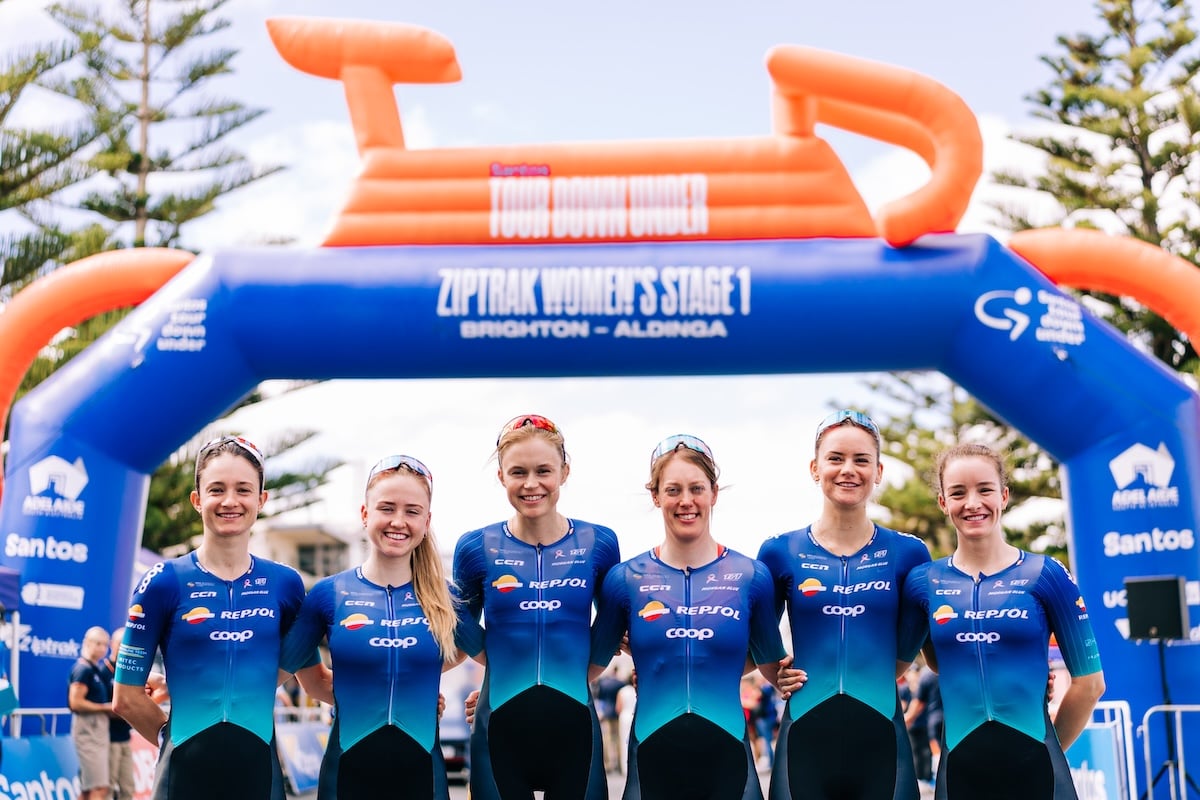
When shopping for team-branded cycling sale clothing, verifying the gear matches current team sponsorship and design registration ensures race-day eligibility. Outdated team designs frequently appear in clearance sales following sponsor changes or jersey redesigns, creating attractive price opportunities but potential competition conflicts.
| Compliance Factor | Recreational Impact | Competition Impact | Verification Method |
|---|---|---|---|
| Sponsor placement | None | Critical | Check current UCI team registry |
| Color/design accuracy | Aesthetic only | Mandatory | Compare to official team imagery |
| Manufacturer logos | None | Regulated size/placement | Review UCI technical regulations |
| National championship bands | None | Reserved for winners only | Ensure you hold current title |
Race teams like those featured in Factor Racing's competition calendar maintain strict kit specifications ensuring regulatory compliance across all competition levels. Recreational riders face no such restrictions and can freely wear any cycling sale clothing regardless of team branding or design elements.
Online vs. Retail Sale Shopping
The digital marketplace dominates cycling apparel sales in 2026, but physical retail maintains advantages in specific shopping scenarios. Understanding where each channel excels helps maximize cycling sale clothing value while minimizing return complications and sizing disappointments.
Online Platform Advantages
Broader selection represents online shopping's primary strength, with access to international brands, clearance inventory from multiple retailers, and niche manufacturers unavailable in local shops. Price comparison tools and browser extensions automatically track cycling sale clothing across dozens of retailers simultaneously, identifying optimal pricing without manual searching.
Subscription-based discount programs offered by major cycling retailers provide additional percentage reductions on already-discounted items, stacking savings during promotional periods. Newsletter subscribers often receive early access to cycling sale clothing before public announcement, improving size availability on popular items.
Digital shopping eliminates geographic constraints, allowing riders in regions with limited local cycling retail access to source quality gear at competitive prices. International purchasing does introduce currency exchange considerations, import duties on orders exceeding threshold values, and extended shipping timelines that affect time-sensitive purchases.
Physical Retail Benefits
Try-before-buying eliminates sizing uncertainty, particularly important for premium bib shorts and jackets where fit directly impacts performance and comfort. Physical examination reveals fabric quality, construction details, and actual color accuracy that product photography cannot fully communicate.
Local shop relationships provide access to staff expertise regarding brand-specific sizing, fit characteristics, and performance comparisons across similar products. Knowledgeable staff guide customers toward cycling sale clothing items that match riding style, climate conditions, and performance priorities rather than simply chasing lowest absolute prices.
Supporting local cycling retail strengthens community infrastructure, ensures ongoing service access for bike maintenance, and maintains fitting expertise for future purchases. Many dedicated cyclists balance online bargain hunting with deliberate local shop purchases, recognizing broader value beyond individual transaction savings.
Building Complete Wardrobe Strategically
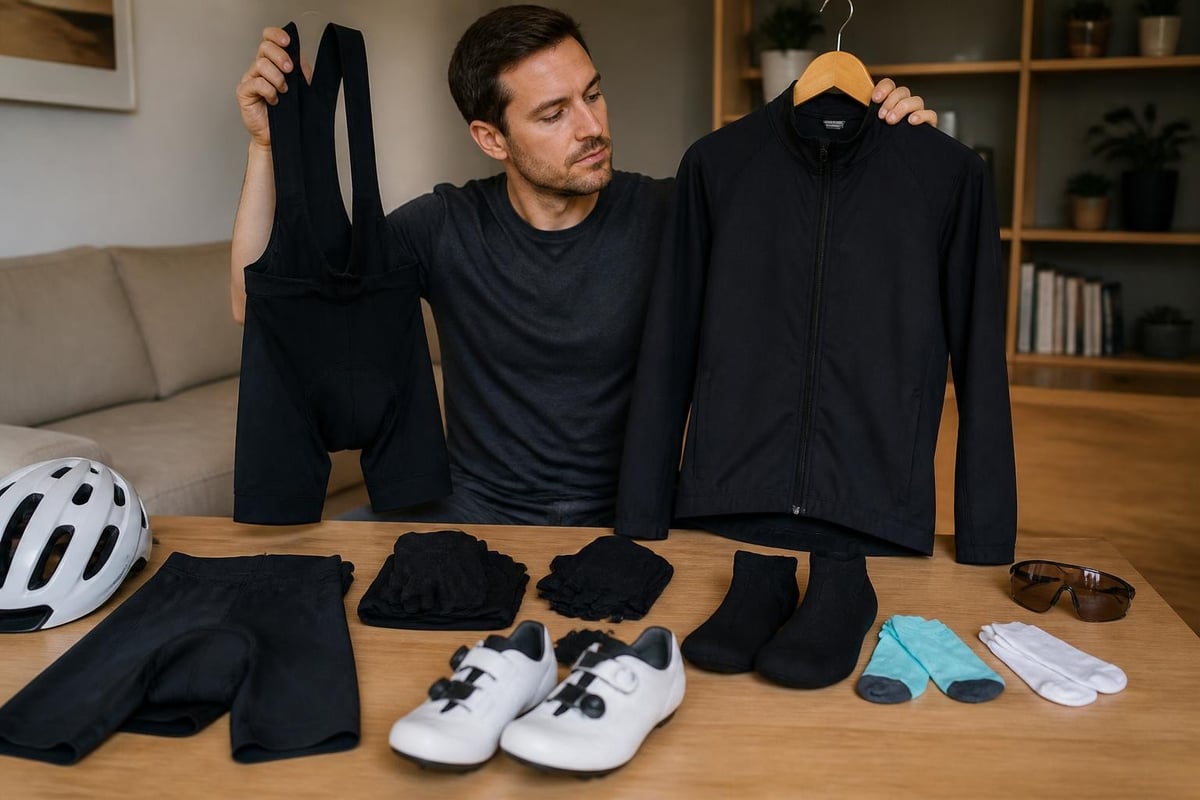
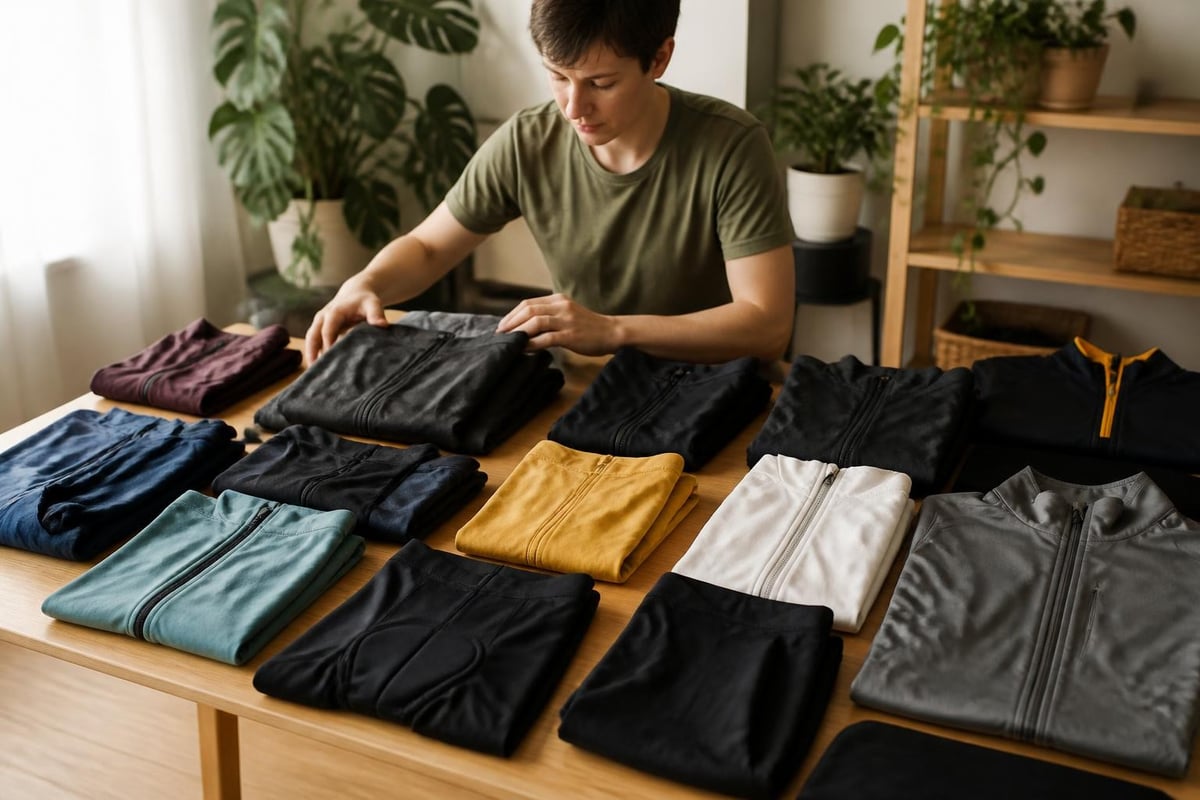
Effective cycling sale clothing shopping follows systematic wardrobe development rather than opportunistic single-item purchasing. Core foundational pieces in neutral colors provide maximum versatility and outfit combinations, while accent items in bold designs add visual interest without limiting compatibility.
Year-Round Layering System
- Base layer collection (3-4 pieces): Lightweight summer mesh, midweight three-season, heavyweight winter
- Jersey rotation (5-7 pieces): Short-sleeve race fit, short-sleeve club fit, long-sleeve thermal, long-sleeve windproof
- Bib short inventory (3-4 pieces): Lightweight summer, padded touring, three-quarter length, winter thermal tights
- Outerwear selection: Windproof vest, water-resistant jacket, insulated winter jacket
- Accessory complement: Arm warmers, leg warmers, gloves (multiple weights), caps, overshoes
This systematic approach identifies specific gaps in existing wardrobe, allowing targeted shopping during cycling sale clothing events rather than accumulating redundant items simply because they're discounted. A rider with adequate summer jerseys but insufficient cold-weather gear focuses winter sale budgets on jackets and thermal pieces regardless of summer clearance pricing.
Color Coordination Strategy
Black, white, and gray base pieces coordinate with virtually any accent colors, maximizing mix-and-match flexibility across limited wardrobe. Bold team colors and graphic designs work best as accent jerseys paired with neutral bibs and accessories.
Purchasing cycling sale clothing in coordinated color families ensures even discounted items integrate into existing wardrobe rather than sitting unused due to incompatibility with other pieces. A rider whose collection centers on blue and black tones should prioritize sale items in complementary colors over unrelated schemes despite deeper discounts.
Timing Major Purchases Around Life Cycles
Individual cycling apparel items have defined functional lifespans based on wear frequency, washing practices, and storage conditions. Strategic replacement timing leverages cycling sale clothing opportunities to refresh worn pieces before complete failure.
High-frequency items including daily-ride bibs, primary jerseys, and year-round base layers typically deliver 18-24 months of optimal performance under regular use. Planning replacement during peak sale periods ensures availability and budget efficiency. Riders tracking garment purchase dates can anticipate replacement windows and align them with seasonal clearance cycles.
Occasional-use items like race-day kits, extreme weather gear, and special event apparel last significantly longer, often 4-6 years with proper care. These pieces warrant patient waiting for exceptional sale opportunities rather than settling for moderate discounts.
Performance degradation indicators include fabric pilling, elastic fatigue in gripper bands, chamois compression loss, and fading even in sublimation-printed designs exposed to excessive UV and chlorine. Replacing items showing these signs prevents discomfort and potential failure during important rides.
Care and Maintenance Extending Value
Proper garment care significantly extends cycling sale clothing lifespan, multiplying initial purchase savings through years of continued performance. Technical fabrics require specific handling that differs from casual clothing care routines.
Washing Best Practices
- Cold water cycles preserve elastic fibers and prevent premature fabric fatigue
- Gentle detergents without optical brighteners or fabric softeners maintain technical fabric properties
- Air drying prevents heat damage to elastics and synthetic fibers
- Immediate post-ride washing prevents bacteria growth and odor development in chamois
Avoiding harsh chemicals, including chlorine bleach and aggressive stain removers, protects both fabric integrity and sublimation-printed graphics. Even quality sale items deteriorate rapidly under improper care that breaks down moisture-wicking treatments and compression properties.
Storage in cool, dry locations away from direct sunlight prevents UV degradation during off-season periods. Hanging jerseys and bibs rather than folding maintains fabric shape and prevents permanent creasing in technical materials.
Evaluating True Cost Per Wear
Sophisticated buyers evaluate cycling sale clothing value through cost-per-wear calculation rather than absolute purchase price. A $180 premium bib short purchased at 40% sale discount ($108) worn 100 times over two seasons costs $1.08 per ride. A $60 budget alternative worn 30 times before requiring replacement costs $2.00 per ride despite lower initial expenditure.
This framework justifies premium brand purchases during significant sales over budget alternatives at modest discounts. Quality construction, superior fabrics, and thoughtful design translate into extended lifespan and better ride experience, multiplying the value of initial savings.
Tracking actual usage patterns reveals which cycling sale clothing categories justify premium investment versus acceptable budget alternatives. Riders logging primarily indoor trainer miles may prioritize different items than those focused on outdoor centuries or competitive racing.
Strategic cycling sale clothing shopping combines timing knowledge, quality assessment, and wardrobe planning to build comprehensive kit collections that serve diverse riding needs throughout the year. Whether you're refreshing core pieces, adding specialty items for specific conditions, or outfitting an entire team, understanding when and how to identify genuine value ensures every purchase delivers lasting performance. When you're ready to take full control of your cycling apparel with custom designs built to your exact specifications, CCN Sport brings over 20 years of sublimation expertise and precision manufacturing to create premium kit that performs as distinctively as it looks.

Share:
Team Kit Color Guide for Faster, Clearer Design