

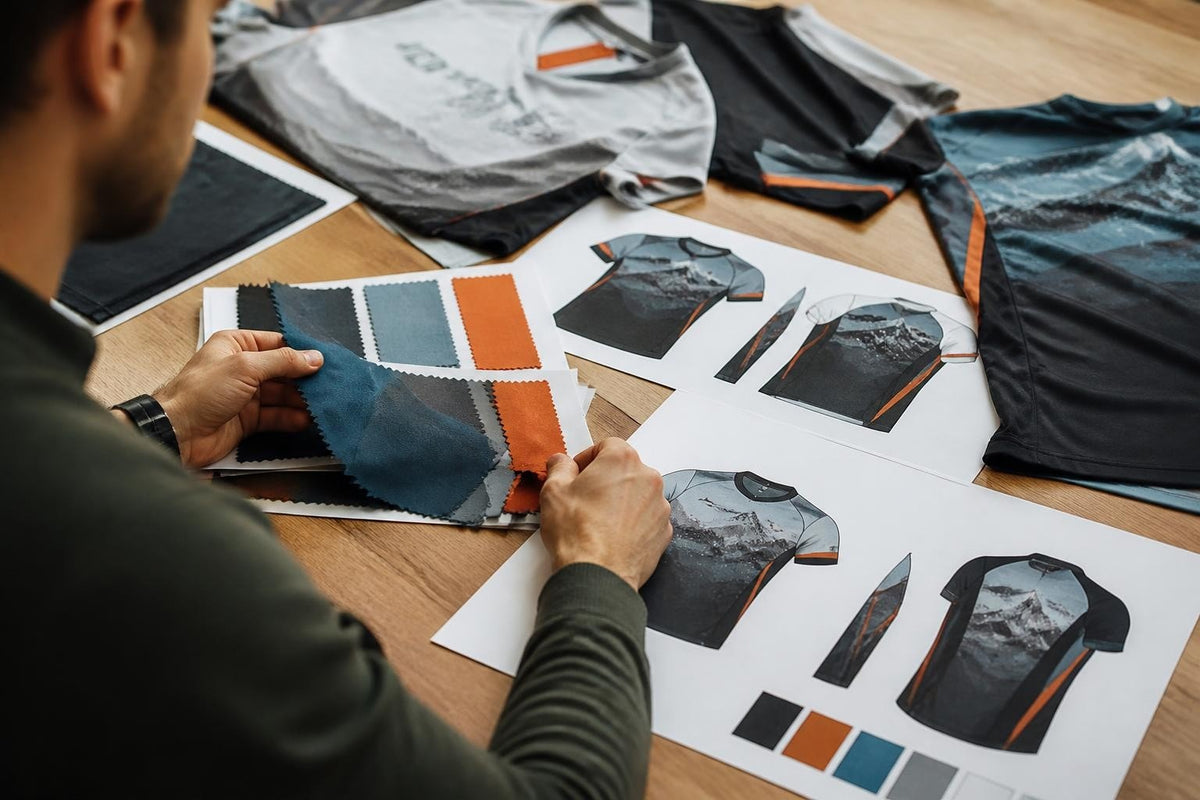
Mountain biking demands apparel that performs under extreme conditions. A custom mountain biking jersey offers the perfect blend of technical performance, team identity, and personal expression on the trail. Unlike off-the-rack options, custom jerseys allow riders to specify fabric weight, cut, ventilation zones, and graphics tailored to their riding style and environment. Whether you're outfitting a race team, organizing a charity ride, or building a club kit, understanding the key elements of custom mountain biking jersey design ensures you get apparel that looks sharp and performs flawlessly from the first descent to the final climb.
Understanding Mountain Bike Jersey Construction
Mountain bike jerseys differ fundamentally from road cycling apparel in both form and function. The construction priorities reflect the unique demands of off-road riding.
Fabric Selection and Performance Characteristics
The foundation of any custom mountain biking jersey begins with fabric choice. Modern mountain bike jerseys typically use polyester-based technical fabrics weighing between 120-180 gsm (grams per square meter). Lighter weights (120-140 gsm) excel in hot, humid conditions, while heavier constructions (160-180 gsm) offer greater durability against trail debris and branches. For a full walkthrough of planning a team kit, see our custom cycling jersey design guide for 2026.
Key performance metrics include:
- Moisture Vapor Transmission Rate (MVTR): Higher values (10,000+ g/m²/24h) indicate superior breathability
- Air permeability: Measured per ASTM standards, determines how freely air moves through fabric
- Wicking rate: Speed at which moisture spreads across fabric surface for evaporation
- Abrasion resistance: Critical for trail riding where contact with vegetation and crashes occur
Research on thermoregulation during cycling demonstrates that fabric breathability directly impacts core temperature management and rider performance. In mountain biking, where efforts vary dramatically between climbs and descents, the jersey must handle both high-output sweating and rapid cooling phases.
Cut and Fit Philosophy
Mountain bike jersey fit differs significantly from the race-oriented cuts common in road cycling. The relaxed fit approach prioritizes freedom of movement over aerodynamics. Most riders select jerseys with 2-4 inches of ease through the chest and shoulders, allowing full range of motion for technical maneuvers.
| Fit Type | Chest Ease | Best For | Key Features |
|---|---|---|---|
| Race | 0-1" | XC racing, marathon events | Close to body, minimal fabric movement |
| Trail | 2-3" | All-mountain, enduro | Balance of comfort and performance |
| Gravity | 3-4" | Downhill, park riding | Maximum movement, protective layer compatible |
The length typically extends 1-2 inches past the waist to ensure coverage during aggressive riding positions. Sleeve length varies based on rider preference and protection needs, with three-quarter sleeves gaining popularity for elbow protection without full long-sleeve restriction.
Design Elements That Matter on the Trail
Graphics and visual design serve multiple purposes beyond aesthetics in mountain biking contexts.
Color Strategy and Visibility
Trail safety considerations influence color choices for custom mountain biking jersey designs. Bright, high-contrast colors improve visibility to other trail users, particularly important on shared-use trails where trail etiquette requires awareness and communication between different user groups.
Strategic color placement:
- Shoulders and upper back: Maximum visibility to riders behind
- Chest and sleeves: Recognition from oncoming trail users
- Side panels: Silhouette definition in low-light conditions
Many trail systems and events now reference IMBA trail development guidelines that emphasize responsible trail use and user visibility as key safety factors.
Sublimation Printing Advantages
The sublimation process used for custom mountain biking jersey production offers distinct advantages over screen printing or heat transfer methods. Sublimation dyes become part of the fabric structure rather than sitting on top, creating designs that cannot crack, peel, or fade with repeated washing and trail exposure.
Benefits include:
- Unlimited color gradients and photographic detail
- No additional weight or stiffness from ink layers
- Consistent color across all fabric zones, including mesh panels
- Durability matching the base fabric lifespan
This printing method allows teams and clubs to incorporate detailed logos, sponsor graphics, and custom artwork without compromising jersey performance or longevity.
Functional Features for Trail Performance
Beyond base construction, specific design features enhance on-trail utility.
Ventilation Zone Placement
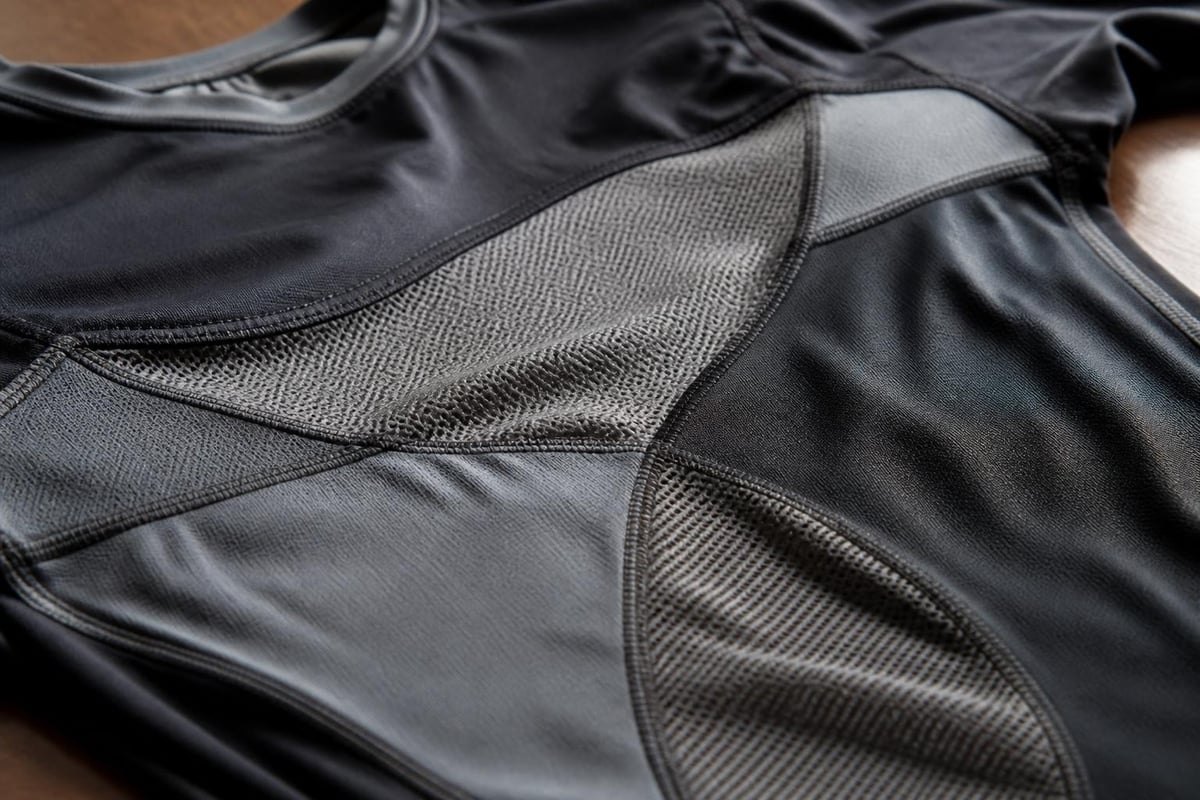
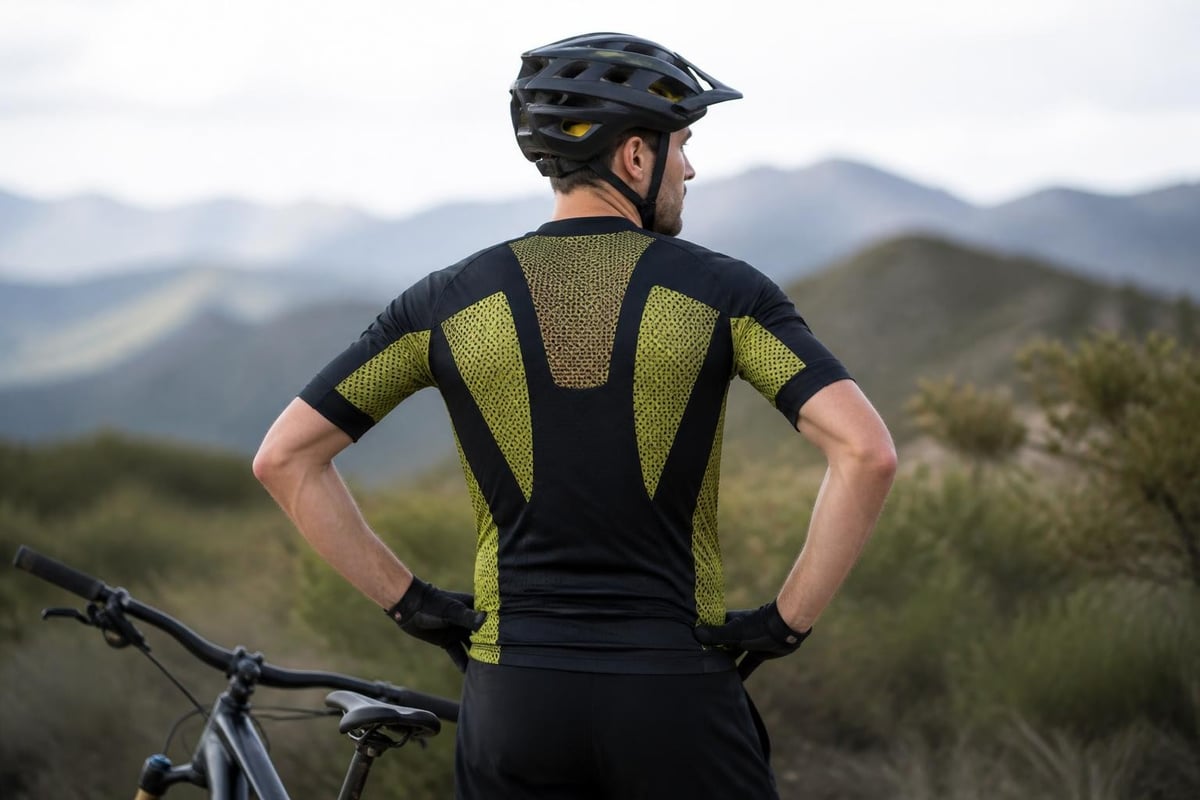
Strategic mesh panel integration manages heat without sacrificing durability. Common locations include:
- Side panels: Full-length mesh from underarm to hip improves air circulation during climbs
- Upper back shoulder zone: Targets heat accumulation under hydration packs
- Underarm gussets: Enhances mobility while creating airflow channels
The emerging textile technologies explored in recent cycling apparel development include laser-cut ventilation patterns and variable-density knits that eliminate the need for separate mesh panels while maintaining structural integrity.
Pocket Configuration
Mountain bike jersey pockets differ from road cycling designs due to the prevalence of hydration packs and hip packs in trail riding. Modern custom mountain biking jersey designs typically feature:
- Zippered chest pocket: Secure storage for phone, keys, or nutrition during aggressive riding
- Reduced or eliminated back pockets: Minimizes interference with pack waist belts
- Integrated goggle wipe: Small microfiber section on lower hem or chest
Some gravity-oriented designs eliminate pockets entirely, assuming riders carry essentials in pack systems or bike-mounted storage.
Sizing and Fit Customization
Proper sizing specifications ensure comfort across your entire team or customer base.
Measurement Protocol
Custom mountain biking jersey orders require accurate measurements to prevent fit issues. Key measurement points include chest circumference at the fullest point, waist at natural position, and sleeve length from shoulder point to wrist with arm extended.
Working with experienced manufacturers like those who produce premium cycling jerseys helps ensure accurate grading across size ranges. Most custom programs offer fit samples before full production runs, allowing teams to verify sizing with representative riders.
Gender-Specific Patterns
Women's-specific custom mountain biking jersey patterns address anatomical differences beyond simple scaling. True women's cuts feature:
- Narrower shoulders relative to hip width
- Increased ease through the bust with darts or princess seams
- Shorter torso length with adjusted armhole depth
- Sleeve caps positioned for narrower shoulder structures
Many manufacturers now offer unisex patterns that work across broader body types, though dedicated women's patterns still provide superior fit for most female riders.
Production Considerations for Custom Orders
Understanding the manufacturing process helps set realistic expectations and optimize outcomes.
Minimum Order Quantities and Pricing
Custom mountain biking jersey production typically requires minimum orders of 10-15 units due to setup costs for sublimation printing and pattern making. Price breaks commonly occur at:
- 10-24 units: Highest per-piece cost
- 25-49 units: 15-20% reduction
- 50-99 units: 25-30% reduction
- 100+ units: Maximum economy of scale
Lead times vary by manufacturer complexity and order volume but typically range from 4-8 weeks from approved design to delivery. Rush production may be available for premium fees.
At CCN Sport, precision manufacturing in our China and Philippines facilities combines traditional craftsmanship with modern sublimation technology to deliver durable, vibrant custom mountain biking jersey designs that perform season after season. Our 250+ team members and 20+ years of experience ensure consistent quality across orders of all sizes.
Design Approval Process
Professional custom jersey programs follow structured approval workflows:
- Initial concept submission: Team provides logos, color preferences, and reference images
- Digital mockup creation: Designer produces 3D visualization showing all jersey panels
- Revision rounds: Typically 2-3 rounds of adjustments included in base pricing
- Final approval: Client sign-off triggers production initiation
- Pre-production sample (optional): Physical sample for verification before full run
Clear communication during the design phase prevents costly revisions or fit issues after production begins.
Seasonal and Climate Adaptations
Different riding conditions demand specific jersey characteristics.
Warm-Weather Specifications
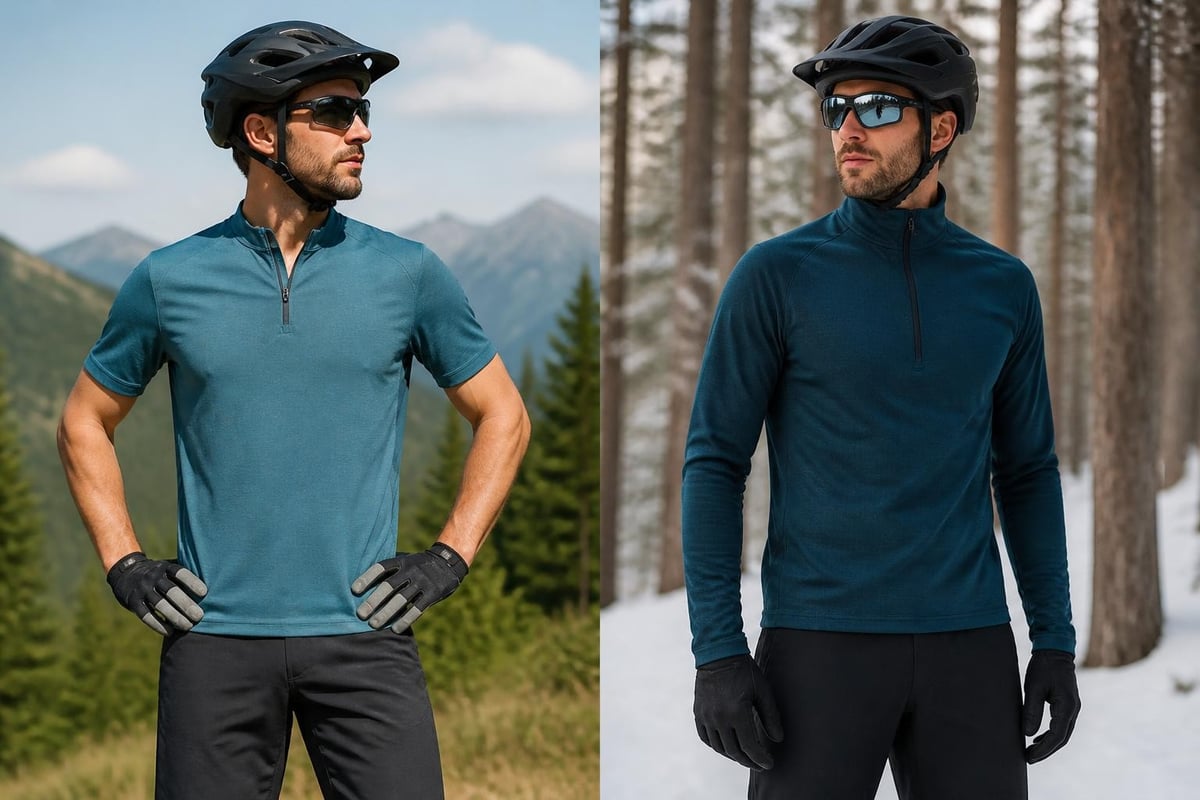
Summer and hot-climate custom mountain biking jersey designs prioritize maximum ventilation and moisture management. Fabric recommendations include sub-140 gsm weights with high MVTR ratings and light colors that reflect rather than absorb solar radiation.
Extended mesh panels covering 30-40% of total jersey surface area dramatically improve cooling without excessive durability trade-offs when positioned away from high-abrasion zones like shoulders and elbows.
| Feature | Summer Priority | Winter Priority |
|---|---|---|
| Fabric weight | 120-140 gsm | 180-220 gsm |
| Mesh percentage | 30-40% | 10-15% |
| Sleeve length | Short or 3/4 | Long with thumbholes |
| Fit | Slightly loose | Closer for layering |
Cold-Weather Solutions
Winter riding requires different approaches, as detailed in guides on mountain bike winter clothing. Long-sleeve custom mountain biking jersey designs for cold conditions often incorporate:
- Brushed interior surfaces for warmth without bulk
- Extended neck coverage with partial zip closures
- Thumb loops to prevent sleeve ride-up under gloves
- Tighter fit to accommodate shell layers
Some teams order matching short-sleeve summer and long-sleeve winter versions of the same design, maintaining visual identity across seasons while optimizing performance for conditions.
Graphics That Work on Technical Trails
Design aesthetics must balance visual impact with practical performance.
Pattern Orientation and Movement
Dynamic graphics should account for fabric stretch and body position. Vertical lines create the illusion of height and can make riders appear slimmer, while horizontal bands emphasize width and power. Diagonal elements suggest motion and energy, appropriate for action-sports branding.
Consider how patterns interact with jersey features:
- Avoid critical design elements in areas covered by pack straps
- Position logos and text for visibility in riding position, not standing
- Account for fabric stretch in chest and shoulder areas that may distort graphics
Sponsor Placement Strategy
For team and club jerseys with sponsor obligations, strategic placement maximizes exposure while maintaining aesthetic balance. Prime real estate includes:
- Chest center: Maximum visibility in photos and direct interactions
- Upper back: Prominent in riding position and action photography
- Shoulders: Visible from multiple angles
- Sleeves: Rotating visibility during arm movements
Secondary sponsor positions include lower back panels, side ribs, and small logo clusters on collar or hem areas. Clear hierarchy prevents visual clutter while satisfying sponsorship agreements.
Testing and Quality Assurance
Rigorous testing separates premium custom mountain biking jersey products from basic offerings.
Performance Validation
Leading manufacturers conduct standardized testing on custom fabrics before production. Key tests include:
- Colorfastness: Resistance to fading from UV exposure and repeated washing
- Dimensional stability: Shrinkage rates after laundering cycles
- Seam strength: Breaking point under stress (typically 40+ lbs for quality construction)
- Pilling resistance: Surface degradation after abrasion cycles
Manufacturers referencing ASTM textile standards provide objective data supporting performance claims rather than marketing hyperbole alone.
Durability in Real Conditions
Field testing by actual riders reveals issues laboratory tests might miss. Many custom programs include rider feedback periods where team members wear pre-production samples during normal trail riding to identify:
- Unexpected wear patterns or failure points
- Comfort issues during extended efforts
- Pocket utility and zipper durability
- Graphics durability under pack straps and bike contact
This real-world validation step adds time to production schedules but dramatically reduces the risk of widespread issues in final production runs.
Emerging Technologies and Future Trends
The custom mountain biking jersey market continues evolving with new materials and manufacturing approaches.
Sustainable Material Options
Environmental consciousness drives demand for recycled polyester fabrics and non-PFAS water-repellent treatments. Companies like Polartec offer weather-protection fabrics without forever chemicals, appealing to eco-conscious riders and teams.
Sustainable options gaining traction include:
- Recycled ocean plastic polyester (comparable performance to virgin materials)
- Bio-based polyester from plant sources
- Natural fiber blends (merino-poly combinations)
- Biodegradable packaging for custom orders
Smart Fabric Integration
Though still emerging, conductive fiber integration enables custom mountain biking jersey designs with built-in sensors for heart rate monitoring, impact detection, and environmental data collection. These technologies currently add significant cost but may become standard options in custom programs within the next 3-5 years.
Selecting the Right Manufacturing Partner
The quality of your custom mountain biking jersey depends heavily on manufacturer selection.
Evaluation Criteria
When comparing custom jersey suppliers, assess these factors:
- Sample quality: Request physical samples of similar projects to evaluate fabric hand, print quality, and construction
- Customization flexibility: Confirm ability to modify patterns, add features, or specify fabrics beyond standard options
- Communication responsiveness: Gauge how quickly and thoroughly the team addresses questions
- Production capacity: Verify ability to meet your timeline and scale for future reorders
Reviews and testimonials from teams with similar needs provide valuable insight into real-world experiences beyond marketing claims. Buyers' guides like BikeRadar's jersey overview offer context on what features and quality markers matter most.
Long-Term Partnership Value
The best custom programs support teams beyond single orders through:
- Design file archiving: Stored artwork for easy reorders and new size additions
- Consistent color matching: Systems ensuring new orders match previous productions
- Rush order capability: Fast-track options for replacements or urgent needs
- Volume discount structures: Reduced pricing as team grows
Building relationships with manufacturers who understand your sport and priorities creates long-term value beyond transactional cost savings on individual orders.
Designing a custom mountain biking jersey requires balancing technical performance, visual identity, and practical functionality for trail conditions. From fabric selection and ventilation strategies to graphics placement and seasonal adaptations, each decision impacts rider comfort and team satisfaction. At CCN Sport, we combine over 20 years of sublimation expertise with modern manufacturing technology to transform your vision into premium custom mountain biking jerseys built to perform and last. Our team of 250+ skilled craftspeople ensures every stitch, print, and finish meets the highest standards for riders who demand the best.

Share:
How to Select a Triathlon Race Suit That Performs
Mens Cycling Clothing: Performance Gear Guide 2026