

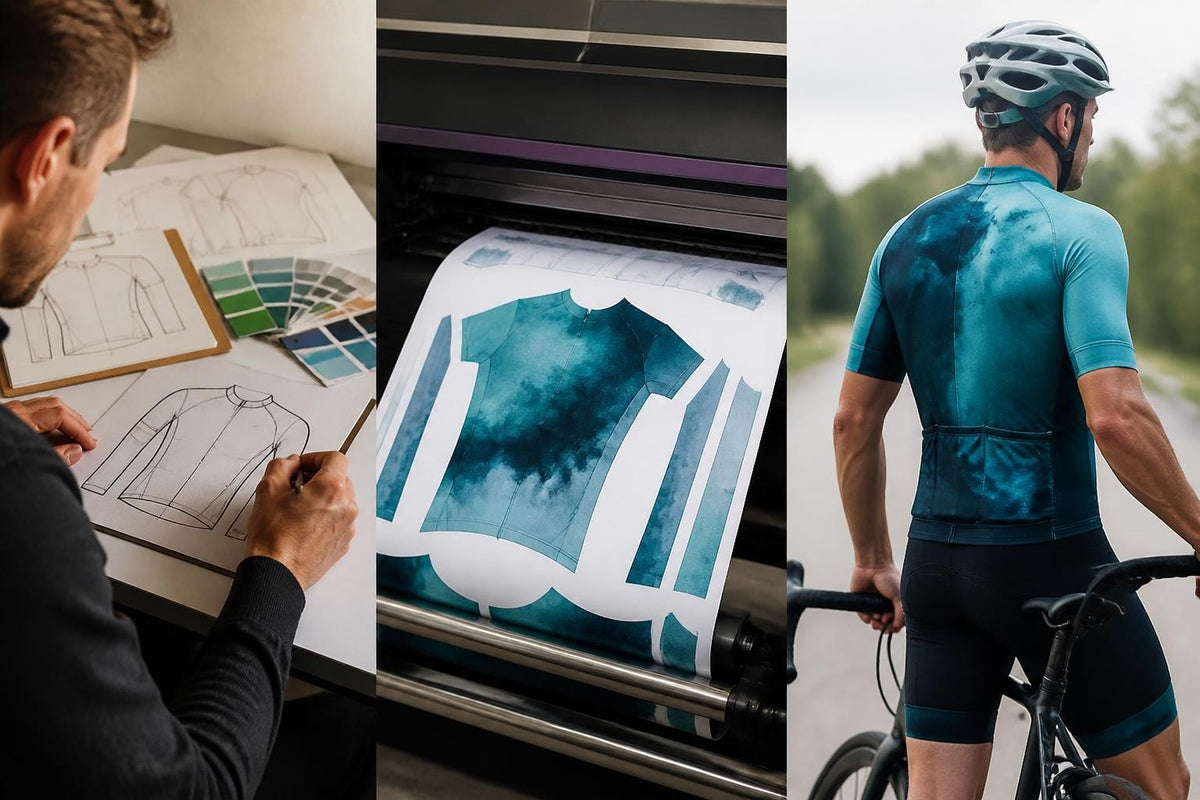
The modern cycling landscape demands more than generic kit. Riders today seek jerseys that reflect personal style, team identity, or brand values while delivering race-proven performance. Unique cycling jerseys bridge aesthetics and function, transforming athletic apparel into wearable statements that stand out in the peloton. Whether you ride competitively, recreationally, or as part of a corporate team, understanding what makes a jersey truly distinctive helps you make informed decisions that enhance both comfort and confidence on the road.
What Defines Unique Cycling Jerseys
Unique cycling jerseys distinguish themselves through design originality, construction quality, and personalization potential. Unlike mass-produced alternatives, these garments incorporate custom graphics, unconventional colorways, limited-edition patterns, or brand-specific elements that cannot be replicated off the shelf.
The foundation of any distinctive jersey begins with the design process. Teams and individuals increasingly collaborate with manufacturers to develop graphics that tell stories, whether celebrating local landmarks, honoring sponsors, or expressing artistic vision. Advanced dye-sublimation printing techniques enable full-color, edge-to-edge designs that remain vibrant through countless wash cycles, making bold patterns and complex imagery practical for regular use.
Design Elements That Create Distinction
Several factors contribute to jersey uniqueness:
- Custom graphics and artwork that reflect team identity or personal style
- Unconventional color combinations outside traditional palette norms
- Typography choices that reinforce brand messaging
- Placement of logos and sponsor marks in creative configurations
- Texture variations through fabric selection and paneling
Material selection plays an equally critical role. High-performance fabrics with specific moisture-wicking properties, compression zones, or temperature-regulation features differentiate premium jerseys from basic options. Research into moisture management in sportswear shows that fabric choice directly impacts rider comfort during extended efforts, making technical specifications as important as visual appeal.
Performance Meets Personalization
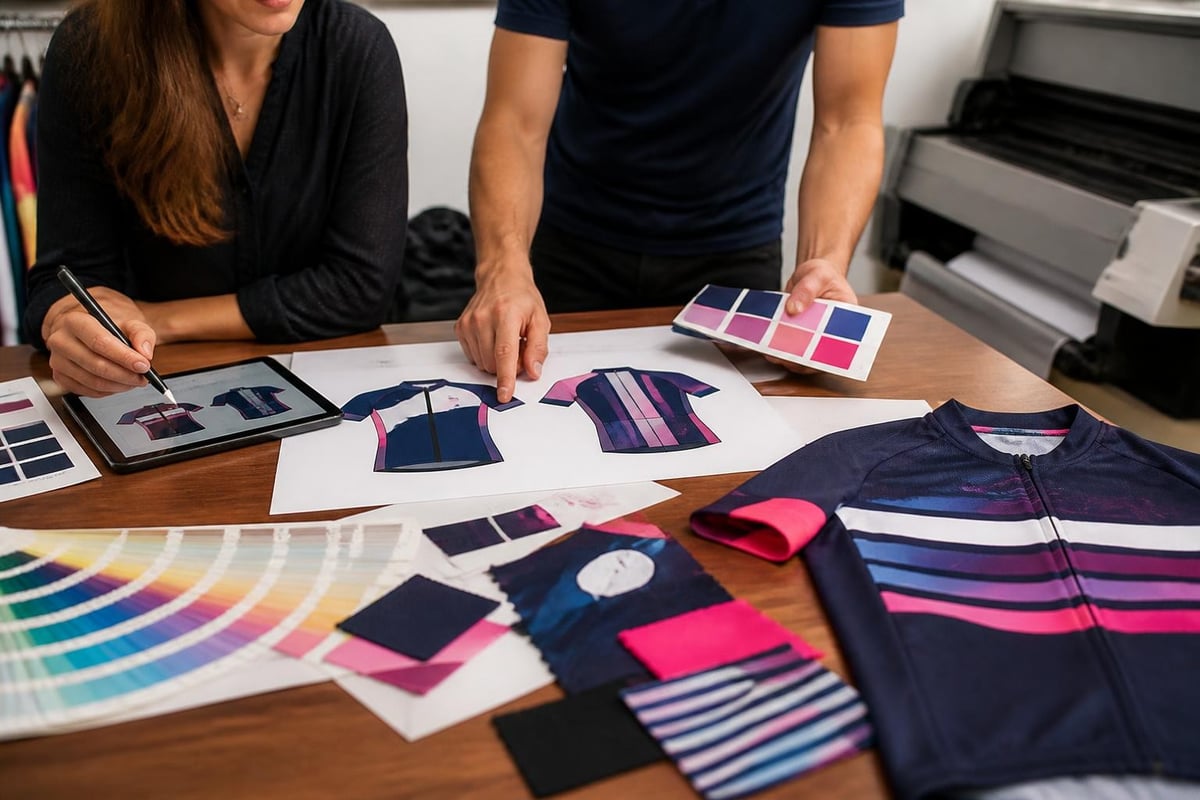
Creating truly unique cycling jerseys requires balancing aesthetic ambition with functional requirements. The most successful custom designs incorporate performance features that enhance the riding experience rather than compromise it for visual impact.
| Performance Feature | Benefit | Design Consideration |
|---|---|---|
| Moisture-wicking fabric | Keeps skin dry during intense efforts | Affects color vibrancy and print quality |
| Compression zones | Improves muscle support and recovery | Limits pattern placement options |
| Mesh panels | Enhances ventilation | Creates design breaks that must be planned |
| Silicone grip hem | Prevents jersey riding up | Requires consideration of lower-edge graphics |
| Rear pockets | Provides storage for nutrition and tools | Affects back panel design space |
Fit considerations cannot be ignored when pursuing uniqueness. As detailed in comprehensive jersey selection guides, sizing variations between manufacturers and cut styles (race, club, or relaxed) significantly impact both appearance and performance. A visually stunning design loses impact if the jersey bunches, sags, or restricts movement.
Construction Quality in Custom Production
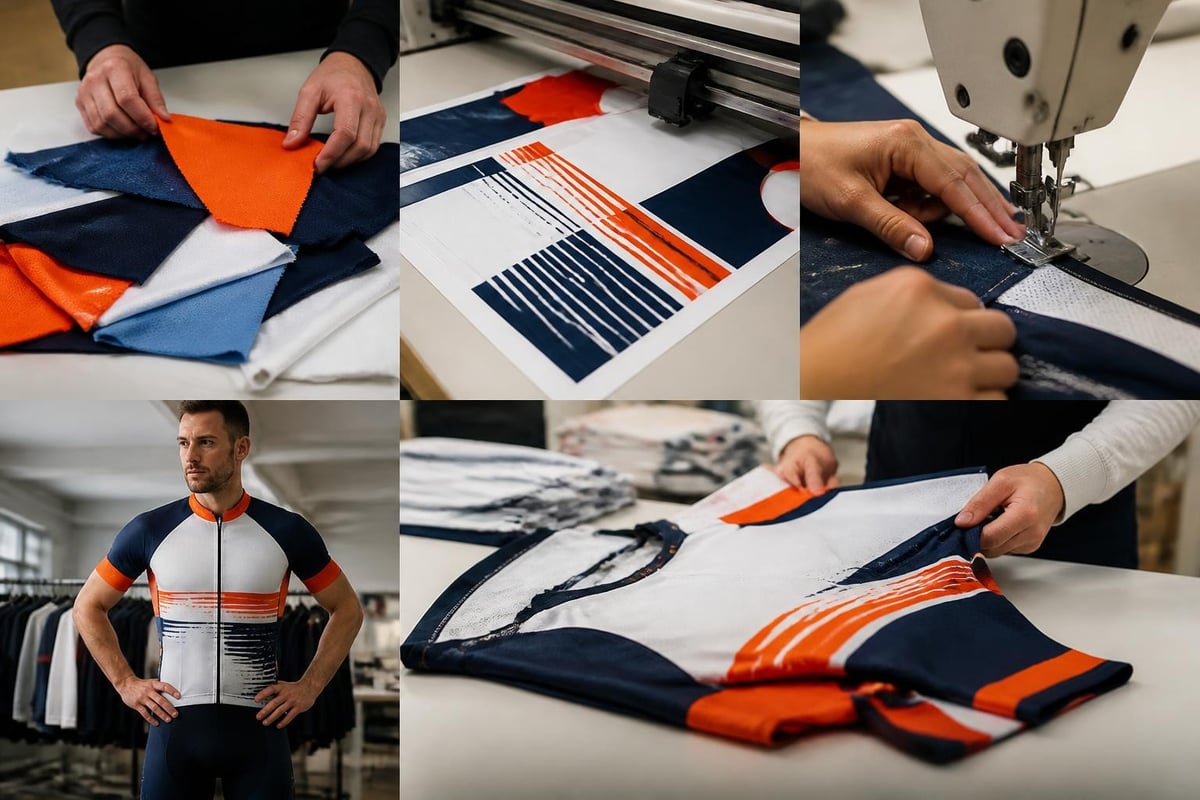
Manufacturing excellence separates memorable jerseys from disappointing experiments. At CCN Sport, our custom products are made with precision and care in our facilities in China and the Philippines. By blending traditional craftsmanship with modern technologies, we deliver premium cycling apparel built to perform and last. Our advanced sublimation process ensures vibrant, durable designs, while our skilled 250+ team members bring expertise to every step, from stitching to finishing.
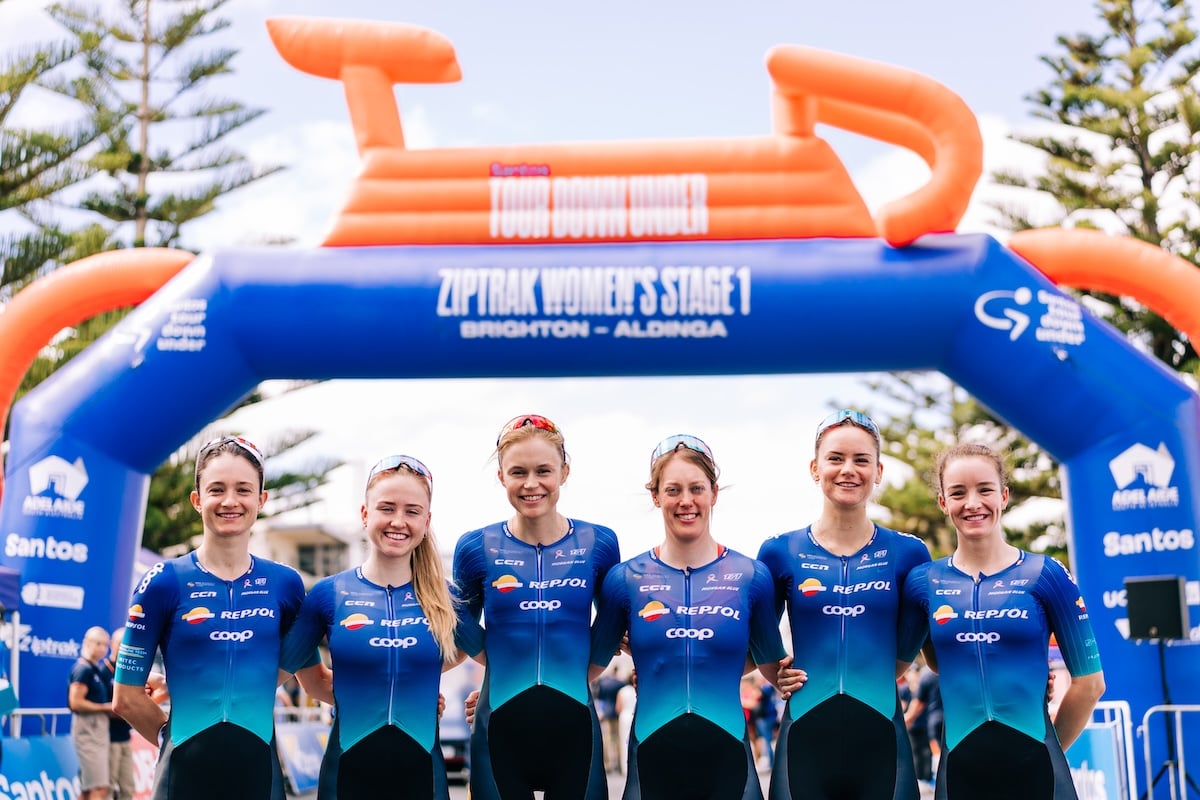
Attention to detail in construction includes:
- Flatlock seaming that prevents chafing during repetitive pedaling motion
- Reinforced stress points at shoulders and pocket edges
- Quality zippers with locking mechanisms and garage protection
- Consistent thread tension throughout the garment
- Precise panel alignment so patterns flow correctly across seams
When evaluating manufacturers for unique cycling jerseys, examine their quality-control processes and production capacity. Teams ordering custom kit need assurance that every jersey in a batch matches color specifications and meets durability standards.
Design Trends Shaping Modern Jerseys
The cycling apparel industry evolves rapidly, with design trends influenced by fashion, technology, and environmental consciousness. Understanding current movements helps creators develop jerseys that feel fresh yet timeless.
Retro-inspired aesthetics have surged in popularity, with teams and brands drawing from cycling's golden eras. These designs often feature bold geometric patterns, contrasting color blocks, and vintage typography that evoke 1980s and 1990s peloton style. The appeal lies in nostalgia combined with modern performance fabrics.
Minimalism represents the opposite pole. Clean lines, limited color palettes, and subtle branding create sophisticated jerseys that prioritize elegance over exuberance. Recent reviews of high-end offerings like the Pas Normal Mechanism jersey highlight how understated design can command premium positioning.
Sustainability as a Design Driver
Environmental considerations increasingly influence unique cycling jerseys. Teams conscious of their ecological footprint now specify recycled polyester, organic cotton blends, or innovative fabrics derived from renewable resources. Discussions around circularity in cycling apparel suggest that future designs will account for end-of-life recyclability from the outset.
This shift affects color choices and printing methods. Some eco-friendly dyes produce different hue ranges than traditional alternatives, requiring designers to adapt palettes. However, these constraints often spark creativity, pushing teams toward unexpected combinations that distinguish their kit from competitors.
Legal and Branding Considerations
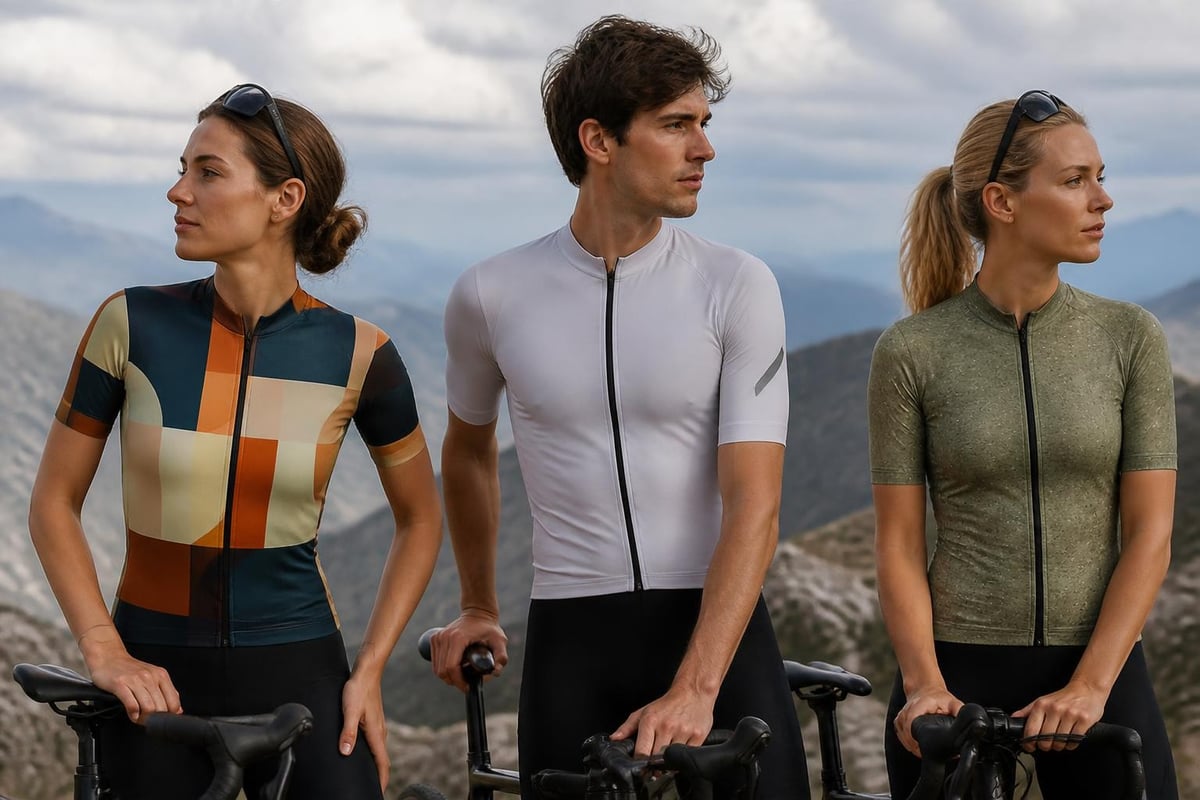
Creating unique cycling jerseys involves more than artistic vision. Teams must navigate intellectual property issues, especially when incorporating logos, licensed imagery, or trademarked elements. Understanding basic IP protections helps avoid costly mistakes.
Common legal pitfalls include:
- Using copyrighted graphics without permission
- Mimicking another team's registered design too closely
- Incorporating brand logos without licensing agreements
- Violating sponsor exclusivity in certain product categories
- Failing to secure rights for custom typography
Professional teams typically work with legal advisors to clear all design elements before production. Amateur clubs and corporate teams should adopt similar diligence, especially when jerseys will be photographed and shared publicly.
Brand consistency matters even for small groups. Developing design guidelines that specify color codes (Pantone or hex values), logo placement rules, and approved graphic elements ensures that jerseys ordered in different batches maintain visual cohesion. This attention to detail elevates perceived professionalism.
Custom Production Process
Transforming a concept into finished unique cycling jerseys follows a structured workflow. Understanding this process helps teams set realistic timelines and budgets.
Step-by-Step Development
- Concept discussion where teams articulate vision, must-have features, and budget parameters
- Initial design mockups created by graphic designers using team input
- Revision rounds to refine colors, placement, and details
- Technical specification of fabrics, cuts, and construction methods
- Sample production of one or more prototypes for fit and color verification
- Bulk manufacturing once samples receive approval
- Quality inspection before shipping to ensure standards are met
Timeline expectations vary by complexity and manufacturer capacity. Simple designs with standard fabrics may complete in four to six weeks, while intricate patterns requiring specialized materials can extend to twelve weeks or more. Teams planning for specific events should begin the process well in advance.
Cost considerations scale with customization level. Off-the-shelf jerseys with basic screen-printed logos represent the lowest investment. Full sublimation with complex graphics, premium fabrics, and anatomic cuts command higher prices but deliver truly distinctive results. Bulk ordering typically reduces per-unit costs, making team orders more economical than individual purchases.
Choosing the Right Manufacturing Partner
The manufacturer you select determines whether your unique cycling jerseys meet expectations or disappoint. Several criteria separate exceptional partners from mediocre options.
Evaluation checklist:
- Production capacity sufficient for your order volume and timeline
- Sublimation expertise demonstrated through portfolio samples
- Fabric sourcing from reputable suppliers with performance specifications
- Communication responsiveness during design and production phases
- Quality control processes that catch defects before shipping
- Minimum order quantities that align with your team size
Tour manufacturer facilities virtually or in person when possible. Observing production environments provides insight into organizational standards and worker conditions. Ethical manufacturing increasingly matters to conscientious buyers.
Request fabric swatches and printed samples before committing to large orders. Colors appear differently on various materials, and digital mockups rarely capture texture and hand-feel accurately. Physical samples eliminate guesswork.
Beyond Team Kits: Individual Expression
While team orders dominate custom jersey production, individual riders increasingly seek unique cycling jerseys that reflect personal interests. This trend has spawned cottage industries of small-batch producers creating limited runs for niche communities.
Popular individual customization themes include:
- Geographic pride celebrating hometown or favorite riding locations
- Hobby crossovers incorporating elements from other interests
- Artistic collaborations with illustrators and designers
- Charity awareness raising funds for specific causes
- Personal milestone commemorations marking achievements
Platforms now enable riders to design jerseys through online configurators, selecting templates, uploading graphics, and specifying details without manufacturer interaction. While convenient, these tools typically limit design freedom compared to working directly with production teams.
For riders seeking truly one-of-one pieces, commissioning custom artwork and partnering with manufacturers willing to handle single-unit orders represents the ultimate personalization. Costs escalate significantly, but the result becomes wearable art that generates conversation at every group ride. Exploring options like cycling t-shirts can provide additional casual wear that complements your riding kit. Teams planning a full kit should also read our custom cycling jersey design guide for 2026.
Technical Innovations Enabling New Designs
Manufacturing technology continues expanding the boundaries of what unique cycling jerseys can achieve. Innovations in both materials and production methods unlock creative possibilities previously impractical or impossible.
Emerging technologies include:
| Innovation | Impact on Design | Current Adoption |
|---|---|---|
| 3D knitting | Seamless construction with integrated ventilation zones | Limited to premium brands |
| Laser-cut ventilation | Precise airflow placement without compromising structure | Growing in high-end market |
| Reflective sublimation | Graphics visible in daylight that activate at night | Specialty applications |
| Smart fabrics | Embedded sensors for biometric tracking | Experimental phase |
| On-demand printing | Single-unit production without minimum orders | Small-scale producers |
These advances democratize custom production while raising quality ceilings. As technologies mature and costs decline, features once reserved for professional teams become accessible to amateur clubs and individual riders.
Fabric innovations particularly impact design potential. New polyester blends offer improved stretch recovery, allowing tighter fits without restricting movement. Enhanced moisture-transport systems keep riders comfortable in extreme conditions. Temperature-regulating materials adapt to changing environmental demands during long rides.
Fit Categories and Their Design Implications
Understanding fit classifications helps teams specify jerseys that complement their intended use and rider preferences. Each category presents distinct design opportunities and constraints.
Race fit prioritizes aerodynamics with minimal excess fabric. Tight through chest and arms, these jerseys require careful pattern placement since any bunching creates visual disruption. Graphics must account for body contours and movement-induced stretching. Riders appreciate how certain garments compare in competitive applications.
Club fit offers moderate room with a balance between performance and comfort. This versatile category suits most group rides and gran fondos. Designers enjoy more canvas area, though must still consider how patterns flow when riders adopt riding positions.
Relaxed fit provides ample room for casual riders or those preferring comfort over speed. These jerseys work well for bikepacking, touring, or recreational use. Design freedom increases significantly, allowing bold graphics and experimental layouts without concern for aerodynamic consequences.
When ordering for diverse groups, consider offering multiple fits within the same design scheme. This accommodation ensures all members feel comfortable while maintaining visual unity.
Color Theory in Jersey Design
Strategic color selection elevates unique cycling jerseys from ordinary to exceptional. Colors communicate emotion, enhance visibility, and establish brand recognition.
Primary considerations include:
- Visibility in traffic favoring bright, fluorescent hues for safety
- Heat absorption with lighter colors reflecting solar radiation
- Brand association aligning with organizational identity
- Contrast ratios ensuring graphics remain legible at distance
- Color psychology evoking desired emotional responses
Complementary color schemes create visual tension that draws attention. Analogous palettes produce harmonious, sophisticated appearances. Triadic combinations offer balanced complexity. Understanding these relationships helps designers create jerseys that resonate aesthetically.
Cultural context matters when selecting colors for international teams. Certain hues carry specific meanings in different regions, potentially creating unintended messages. Research color symbolism relevant to your audience before finalizing designs.
Maintaining Jersey Quality Over Time
Unique cycling jerseys represent significant investments deserving proper care. Maintenance practices extend garment lifespan while preserving design vibrancy and fabric performance.
Care recommendations:
- Wash jerseys inside-out in cold water after each ride
- Use sport-specific detergents free from fabric softeners
- Air dry away from direct sunlight to prevent fading
- Avoid high-heat dryer settings that damage elastic fibers
- Store flat or hanging, never compressed in tight spaces
- Repair small damage promptly before it expands
Sublimated designs generally prove more durable than screen-printed or heat-transferred graphics. The dye bonds molecularly with polyester fibers, making it virtually impossible to peel or crack. This longevity makes sublimation the preferred method for unique cycling jerseys intended for regular use.
For teams looking to expand their cycling wardrobe beyond jerseys, understanding cycling kit essentials helps create coordinated collections that maintain design consistency across multiple garment types.
Budgeting for Custom Jersey Projects
Financial planning ensures custom jersey projects stay feasible without sacrificing quality. Understanding cost drivers helps teams allocate resources effectively.
Major expense categories include:
- Design services (if outsourcing artwork creation)
- Sampling and prototyping
- Base garment and fabric premiums
- Printing and customization charges
- Minimum order requirements
- Shipping and import duties
Economies of scale significantly affect per-unit pricing. A team ordering 50 jerseys typically pays substantially less per piece than one ordering 15. However, overordering to capture lower pricing creates inventory risk if members leave or sizes prove incorrect.
Consider phased ordering for growing teams. An initial batch establishes the design template, with subsequent orders maintaining consistency while allowing roster adjustments. This approach balances cost efficiency with flexibility.
Some manufacturers require deposits or full payment before production begins, especially for international orders. Factor these cash-flow requirements into project timelines and budget allocation.
Unique cycling jerseys transform riders and teams into moving works of art while delivering the performance characteristics demanded by modern cycling. From concept through production, every decision shapes the final garment's impact and functionality. Whether you're outfitting a professional squad, amateur club, or expressing individual style, the right combination of design vision, manufacturing expertise, and quality materials creates kit that inspires confidence and pride. At CCN Sport, we combine over 20 years of sublimation experience with advanced production capabilities to transform your vision into reality, delivering custom cycling apparel that performs as beautifully as it looks.

Share:
Mountain Bike Jerseys Mens: Performance & Fit Guide
Can Teams Order Mixed Sizes for Custom Kits?