


Gravel cycling sits at the crossroads of road racing, mountain biking, and bikepacking adventure, demanding apparel that performs across multiple disciplines. A gravel jersey represents this hybrid approach, combining the aerodynamic fit and moisture management of road cycling gear with the durability and expanded storage of mountain bike apparel. As riders tackle everything from smooth hardpack to rocky singletrack, often over distances exceeding 100 miles, their clothing must deliver versatility without compromise. Understanding what makes a gravel jersey distinct from traditional cycling apparel helps riders select garments that enhance comfort, performance, and practicality across varied terrain and weather conditions.
Design Philosophy Behind the Gravel Jersey
The gravel jersey evolved from necessity as riders discovered neither road nor mountain bike jerseys fully met the demands of mixed-terrain adventures. Road jerseys prioritize aerodynamics and lightweight breathability but often lack the rugged construction needed for brushing against branches or sliding across dirt. Mountain bike jerseys offer durability and a relaxed fit but sacrifice the moisture management and pocket design that make long road miles comfortable.
A true gravel jersey strikes balance between these extremes. The fabric typically uses polyester blends engineered for both durability and efficient moisture wicking, often incorporating functional finishes that enhance comfort properties such as anti-microbial treatments and moisture-management coatings. These technical treatments help the jersey perform across wide temperature ranges and extended wear periods common in gravel events.
Fit Characteristics That Define Performance
The fit profile of a gravel jersey generally falls between race-tight road cuts and loose mountain bike silhouettes. Most manufacturers design for a "sport" or "club" fit that provides enough compression to prevent fabric flapping at speed while allowing room for layering base garments or protective padding.
This moderate fit accommodates the dynamic body positions gravel riders adopt, from low aerodynamic tucks on pavement sections to upright postures while navigating technical terrain. Understanding cycling jersey fit fundamentals helps riders evaluate how different cuts will perform during varied riding scenarios.
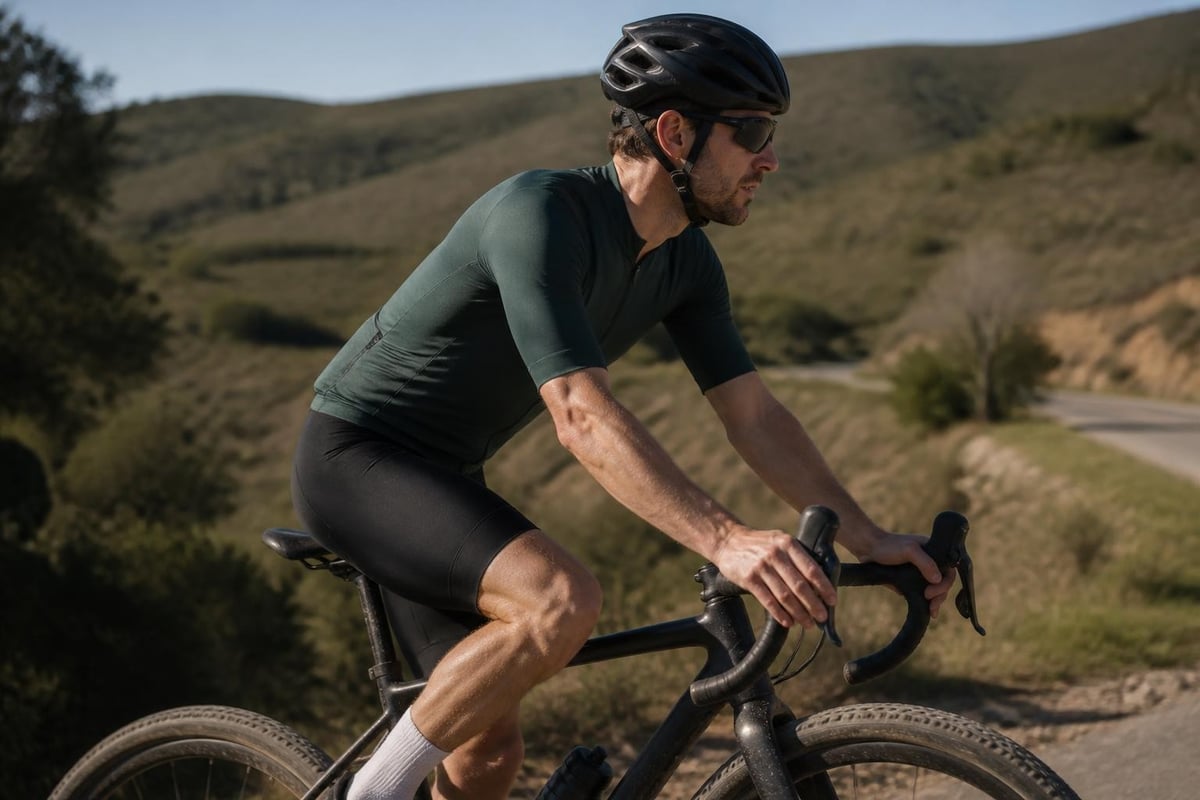
Key fit elements include:
- Sleeve length: Typically extends to mid-bicep or slightly longer than road jerseys to provide extra sun protection and abrasion resistance
- Torso length: Designed with a dropped tail that stays tucked during standing climbs yet doesn't bunch when seated
- Collar height: Often features a slightly taller collar than road jerseys to prevent debris entry while maintaining ventilation
- Shoulder construction: Reinforced panels accommodate backpack straps during self-supported rides without creating pressure points
Fabric Technology and Weather Adaptation
Material selection defines how effectively a gravel jersey manages the body's microclimate during hours-long efforts across changing conditions. Premium gravel jerseys employ zone-mapped fabric construction, placing different materials where their properties deliver maximum benefit.
Moisture Management Systems
The torso and underarm areas typically feature open-knit mesh panels that accelerate evaporative cooling, similar to strategies seen in high-performance summer cycling jerseys. These ventilation zones prove critical during sustained climbs on exposed gravel roads where heat buildup can compromise performance.
Back panels often use tighter-weave fabrics that balance breathability with pocket integrity, ensuring stored items don't shift or bounce during rough descents. The fabric weight generally ranges from 120 to 160 GSM (grams per square meter), heavier than pure road race jerseys but lighter than most mountain bike options.
| Fabric Zone | Material Type | Primary Function | Typical Weight |
|---|---|---|---|
| Front torso | Mesh polyester | Maximum ventilation | 100-120 GSM |
| Back panel | Tight-weave poly blend | Pocket support, durability | 140-160 GSM |
| Sleeves | UV-protective polyester | Sun protection, abrasion resistance | 130-150 GSM |
| Collar/cuffs | Elastane blend | Secure fit, shape retention | 180-200 GSM |
Sun Protection Integration
Extended exposure during daylight gravel rides necessitates effective UV protection built into the fabric itself. Quality gravel jerseys incorporate polyester yarns engineered to provide UPF (Ultraviolet Protection Factor) ratings of 30 to 50+, blocking 96.7% to 98%+ of UV radiation.
Research on ultraviolet-protective clothing demonstrates that fabric construction, dye selection, and fiber type all influence sun-blocking efficacy. Darker colors and tighter weaves generally offer superior protection, though manufacturers balance these factors against heat management and aesthetic preferences.
Sleeves on gravel-specific designs frequently extend coverage compared to traditional road jerseys, and some incorporate additional treatments or denser weaves in high-exposure areas. This integrated approach reduces riders' reliance on sunscreen for covered areas while maintaining breathability.
Storage Solutions and Pocket Architecture
Cargo capacity distinguishes gravel jerseys from their road-oriented counterparts more than any other single feature. The unpredictable nature of gravel riding, often far from support or services, demands riders carry tools, nutrition, electronics, and emergency supplies.
Expanded Rear Pocket Configurations
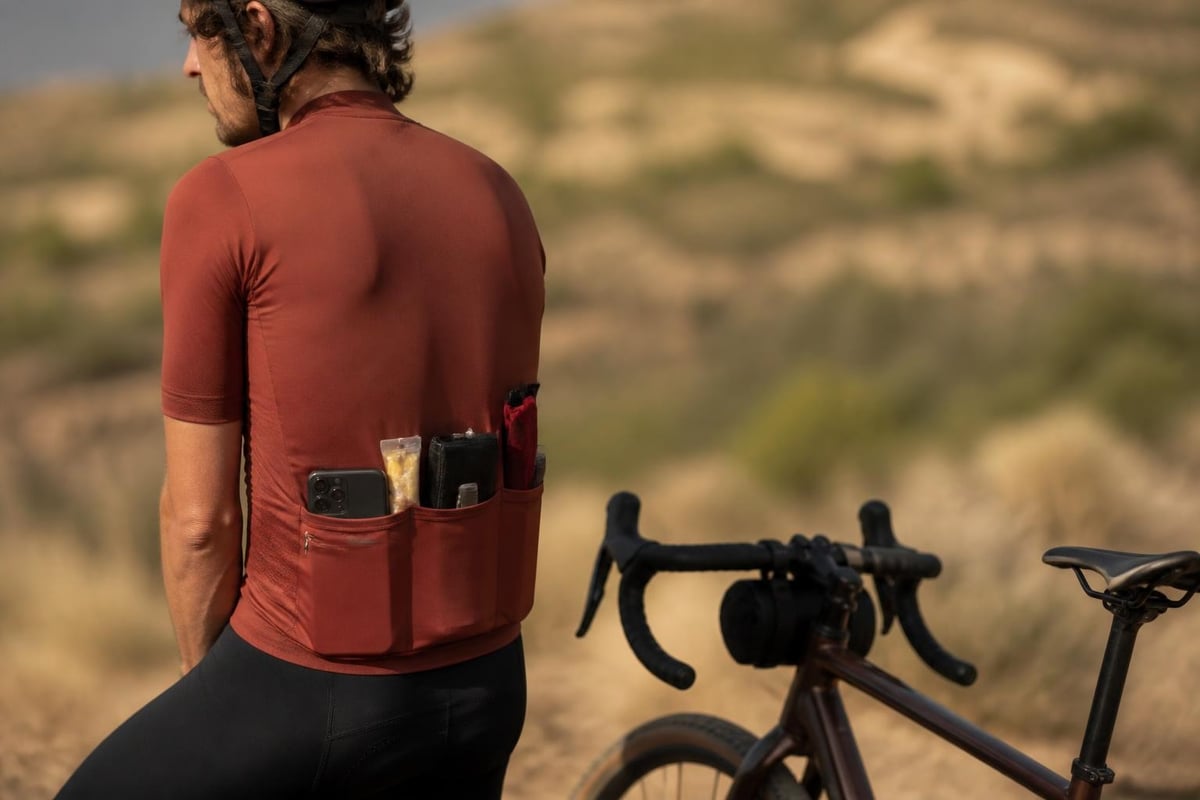
Standard gravel jerseys feature four to six rear pockets compared to the traditional three-pocket road design. The layout typically includes:
- Three traditional drop pockets: Located across the lower back for easy access to nutrition, with reinforced stitching to handle heavier loads
- Zippered security pocket: Centered or offset, sized for phones, wallets, or GPS devices that shouldn't risk loss on rough terrain
- Side cargo pockets: Positioned at the hips or flanks for tools, tubes, or additional food
- Internal media pocket: Sometimes integrated near the collar for headphone routing or small electronics
The best gravel bike clothing designs emphasize pocket placement that maintains balance when loaded while preventing items from bouncing or shifting during technical sections. Elastic gripper tape at pocket openings secures contents without impeding access.
Weight Distribution Strategies
Engineers design pocket architecture to distribute load across the jersey's structure rather than concentrating stress at stitch points. Reinforcement panels extend from pocket edges into the main body fabric, spreading weight and preventing sagging or tearing when pockets carry wrenches, tire levers, or dense nutrition.
Some manufacturers incorporate elastic internal dividers that organize pocket contents and prevent items from migrating or colliding. This organizational approach proves especially valuable during rough descents when loose items might otherwise shift unpredictably.
Durability Considerations for Mixed Terrain
Gravel riding exposes apparel to hazards road cyclists rarely encounter. Overgrown trail edges, errant tree branches, flying gravel from other riders, and occasional dismounts all threaten jersey integrity. Manufacturers address these challenges through strategic reinforcement and material selection.
High-wear zones receive special attention:
- Shoulder areas: Often reinforced where backpack straps create friction
- Side panels: Built with thicker fabric or double-layer construction to resist branch snags
- Pocket edges: Bar-tacked or double-stitched to handle repeated stress from loading and unloading
- Zipper guards: Prevent main zipper from snagging on base layers or bib straps
Thread selection matters as much as fabric choice. Quality construction uses polyester or nylon threads that resist UV degradation and maintain strength through repeated wash cycles. Flatlock or French seams reduce chafing while providing structural integrity that withstands the twisting forces generated during technical riding.
Custom Design Options for Team and Event Kits
Teams, clubs, and event organizers increasingly recognize that gravel cycling's distinct identity warrants purpose-built apparel rather than adapted road kits. Custom cycling apparel manufacturing enables groups to specify features matched precisely to their riding style and branding requirements.

At CCN Sport, sublimation printing technology ensures custom designs maintain vibrancy and detail across the entire garment, from intricate logos on chest panels to full-coverage graphics wrapping around pockets and sleeves. The process bonds ink directly into fabric fibers, creating graphics that won't crack, peel, or fade even after hundreds of wash cycles and exposure to harsh outdoor conditions.
Personalization Beyond Graphics
Custom gravel jersey projects allow specification of:
- Pocket count and placement based on typical ride duration and support availability
- Fabric weight and mesh panel positioning for regional climate conditions
- Collar height and zipper length preferences
- Reflective element integration for low-light safety
- Specific color matching for sponsor coordination or brand consistency
Manufacturing lead times for custom orders typically span six to eight weeks from final design approval, making advance planning essential for teams targeting specific events. Sample programs let decision-makers evaluate fit, fabric hand, and color accuracy before committing to full production runs.
Seasonal Variations and Layering Integration
While many riders associate gravel jerseys primarily with warm-weather riding, the category spans seasonal variations designed for different temperature ranges and weather protection levels.
Three-Season Jersey Characteristics
Spring and fall gravel jerseys incorporate slightly heavier fabrics (150-180 GSM) with reduced mesh paneling compared to summer versions. Sleeves may extend to three-quarter or full length, and collars often rise higher to seal out wind. Some designs feature removable sleeve sections or convertible elements that adapt to changing conditions during long rides.
The gravel bike clothing guide from CyclingNews emphasizes layering strategies that combine base garments, jerseys, and protective shells to address temperature swings common in shoulder seasons. A well-designed gravel jersey accommodates this layering without binding or restricting movement.
| Season | Fabric Weight | Key Features | Typical Use Case |
|---|---|---|---|
| Summer | 120-140 GSM | Maximum mesh, short sleeves | 70°F+ rides, high-intensity efforts |
| Spring/Fall | 150-180 GSM | Moderate mesh, longer sleeves | 50-70°F, variable conditions |
| Winter base | 200+ GSM | Minimal mesh, thermal fleece backing | Sub-50°F, layering foundation |
Weather Protection Elements
Some gravel jerseys blur the line between traditional jerseys and lightweight jackets by incorporating weather-resistant panels on shoulders and upper chest. These hybrid designs use DWR (durable water repellent) treatments on front-facing fabric sections to shed light precipitation or road spray while maintaining breathability across the back.
Full waterproofing remains the domain of dedicated rain shells, but strategic water resistance helps riders push through brief showers without immediately donning additional layers. This convenience proves valuable during unsupported events where stopping to layer up costs time and momentum.
Color and Visibility Strategies
Gravel routes frequently traverse remote areas with limited vehicle traffic, but intersections with paved roads, shared-use paths, and rural highways create visibility challenges. Jersey color selection balances aesthetic preferences with safety considerations.
Bright, high-visibility colors (fluorescent yellow, orange, pink) maximize conspicuity during daylight hours, while reflective elements handle low-light and night riding scenarios. Strategic placement of reflective graphics, logos, or piping along shoulders, sleeves, and back panels creates a recognizable cyclist silhouette when illuminated by vehicle headlights.
Reflectivity Integration in Custom Designs
Modern sublimation techniques allow designers to incorporate reflective elements directly into custom graphics rather than treating them as afterthought additions. Reflective ink can outline logos, create accent stripes, or form discrete patterns that remain subtle in daylight yet brilliant when struck by light.
This integration approach maintains design cohesion while enhancing safety. Teams and clubs can specify exactly where and how extensively they want reflective elements incorporated, from minimal accents meeting basic safety standards to comprehensive coverage for members who frequently ride at dawn or dusk.
Care and Maintenance for Longevity
Investment in quality gravel jerseys warrants proper care to maximize service life and performance retention. The combination of technical fabrics, specialized treatments, and heavy use demands specific maintenance approaches.
Washing best practices include:
- Cold water cycles with minimal detergent to preserve fabric treatments and color vibrancy
- Turning jerseys inside out to protect exterior graphics and reduce pilling
- Avoiding fabric softeners that can coat fibers and impair moisture wicking
- Air drying rather than machine drying to prevent heat-related fiber degradation
- Immediate post-ride rinsing to remove salt, dirt, and sunscreen before they set
Stain treatment requires gentleness. Harsh pre-treatment chemicals or aggressive scrubbing can damage sublimated graphics or specialized fabric finishes. Targeted spot cleaning with mild soap and cool water handles most soiling without risking jersey integrity.
Storage in cool, dry conditions away from direct sunlight prevents UV-related fading and material breakdown during off-season periods. Hanging jerseys rather than folding reduces creasing and maintains shape through the garment's structure.

Value Assessment and Purchase Considerations
Gravel jersey pricing spans a wide range, from budget options under $50 to premium offerings exceeding $150. Understanding which features justify higher investment helps riders allocate resources effectively.
Entry-level jerseys typically offer basic moisture wicking, standard three-pocket configurations, and simple graphics. These serve riders well for casual gravel exploration or those building initial kit collections on limited budgets.
Mid-tier options ($75-$120) generally incorporate better fabric blends, expanded pocket systems, improved durability construction, and more sophisticated ventilation strategies. This range represents the sweet spot for serious recreational riders and club members.
Premium jerseys justify their cost through exceptional fabric technology, extensive customization, innovative storage solutions, and construction quality that extends service life significantly. Competitive riders and those logging high annual mileage often find premium options deliver better long-term value despite higher upfront costs.
When evaluating gravel jerseys, consider:
- Annual riding volume and intensity
- Typical ride duration and distance
- Climate conditions in primary riding areas
- Cargo requirements based on support availability
- Aesthetic preferences and team/club affiliation needs
Emerging Trends in Gravel Jersey Development
The gravel cycling category continues evolving rapidly, driving innovation in jersey design and functionality. Manufacturers experiment with new approaches to address rider feedback and leverage advancing textile technologies.
Recent developments include modular pocket systems with removable bento boxes or tool rolls that attach via hook-and-loop or snap connections. This approach lets riders customize cargo capacity for specific rides without maintaining multiple complete jerseys.
Integrated chamois pockets or chest-mounted storage pouches bring frequently needed items within easier reach compared to traditional back pockets. These forward-positioned options reduce the twisting motion required to access nutrition or devices while riding technical terrain.
Environmental considerations increasingly influence design decisions. Recycled polyester fabrics, sustainable dyeing processes, and reduced packaging reflect growing consumer interest in minimizing environmental impact. Some manufacturers now offer trade-in programs where worn jerseys get recycled into new products rather than ending up in landfills.
Smart fabric integration remains experimental but shows promise. Temperature-regulating materials that actively cool or insulate based on body heat, along with moisture-sensing fabrics that alter breathability in response to perspiration levels, may become mainstream as costs decline and durability improves.
Matching Jerseys to Specific Gravel Disciplines
Not all gravel riding follows the same pattern, and jersey selection can optimize performance for different gravel sub-categories.
Gravel racing emphasizes aerodynamics and minimal weight. Jerseys for competitive events typically feature closer cuts, reduced pocket capacity, and lightweight fabrics prioritizing speed over all-day comfort. The fit resembles road race jerseys with modest durability upgrades.
Bikepacking and adventure riding demands maximum cargo capacity, exceptional durability, and features supporting multi-day self-sufficiency. These jerseys often include six or more pockets, reinforced construction throughout, and antimicrobial treatments for extended wear between washing opportunities.
Social gravel exploration benefits from balanced designs offering comfortable fits, adequate storage for group rides with moderate self-support, and visibility features for mixed traffic scenarios. These all-around jerseys handle varied riding styles without specialization compromises.
Understanding how your primary gravel riding style aligns with these categories helps narrow jersey selection to options optimized for your specific needs and performance priorities.
A quality gravel jersey transforms mixed-terrain rides by delivering the precise balance of performance, durability, and versatility this demanding discipline requires. From fabric technology and pocket architecture to fit characteristics and weather adaptation, every design element contributes to comfort and capability across hours in the saddle. Whether you're outfitting a competitive team or building a personal collection, the right gravel jersey enhances every adventure. At CCN Sport, our advanced sublimation process and experienced team deliver custom gravel jerseys that combine your unique vision with proven performance features, ensuring your apparel works as hard as you ride.

Share:
Pants Cycling: The Complete Guide to Performance & Comfort
Cycling Club Team Store Example That Works